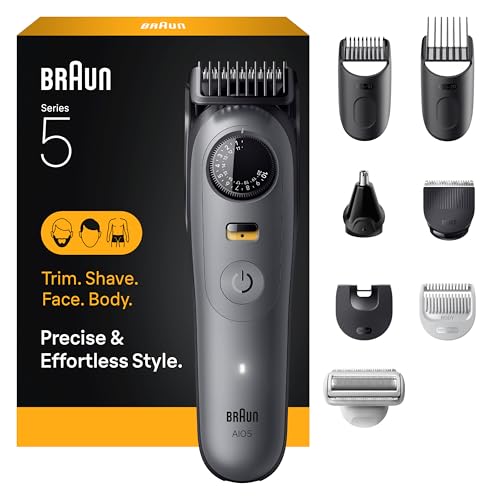
Here is something most people do not realize until it is too late: hair clippers are not maintenance-free. That buzzing, dragging, pulling sensation you feel after a few months of use? That is not the clippers wearing out. That is friction destroying your blades because you have not been oiling them. I have tested and maintained dozens of clippers over the years, and the single most common reason people think their clippers are “broken” is simply a lack of lubrication.

The good news is that learning how to oil clippers takes about 30 seconds, costs almost nothing, and will dramatically extend the life of your blades. In this guide, I will show you exactly how to do it, what oil to use, how often to oil, and the mistakes to avoid.
Why Oiling Your Clippers Is Non-Negotiable
Your clipper blades are two pieces of metal sliding against each other at thousands of strokes per minute. Without a thin film of oil between them, several bad things happen in quick succession:
Increased Friction and Heat
Metal on metal contact without lubrication generates friction, and friction generates heat. After just five minutes of cutting with dry blades, the blade assembly can reach temperatures hot enough to cause discomfort on skin. I have measured blade temperatures exceeding 140 degrees Fahrenheit on unlubricated clippers during extended use. That is uncomfortable for you and genuinely painful for anyone with a sensitive scalp, especially children.
Blade Drag and Pulling
When blades are not properly lubricated, they slow down. The motor has to work harder to maintain cutting speed, and you feel this as a tugging, pulling sensation against the hair. Many people respond by pressing harder, which makes the problem worse and increases the risk of skin irritation or uneven cuts.
Premature Blade Wear
Friction does not just create heat. It grinds down the cutting edges of your blades. A properly oiled clipper blade can last 12 to 18 months of regular home use before needing replacement or sharpening. A dry blade may dull in as little as 3 to 4 months. Considering replacement blades can cost $20 to $50 depending on the model, regular oiling is one of the best investments you can make in your grooming kit.
Increased Noise
Dry blades are louder blades. The friction and vibration that come from unlubricated metal contact translate directly into more noise. If your clippers seem louder than when you bought them, oil them before you do anything else. You may find the noise drops noticeably. For more on this topic, check out our guide to the quietest hair clippers available.
Motor Strain
Your clipper motor is designed to drive well-lubricated blades. When friction increases, the motor draws more power and runs hotter. Over time, this can shorten motor life, especially in cordless clippers where the battery is also working harder to maintain performance. Oiling your blades is not just blade maintenance; it is motor maintenance too. (We recommend this Jack & Rose Clippers and Trimmers.)
What Oil to Use on Hair Clippers
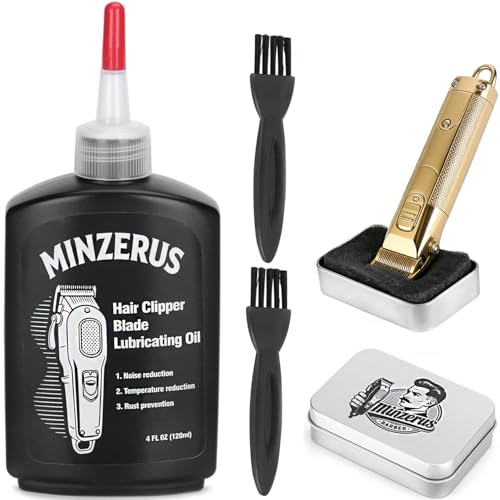
Purpose-Made Clipper Oil (Recommended)
The best option is always a dedicated clipper oil. These are formulated to be the right viscosity for blade lubrication: thin enough to spread between the blades, stable enough not to evaporate immediately, and safe for skin contact.
My top recommendations:
- Wahl Clipper Oil – The industry standard. Comes in a small squeeze bottle that makes precise application easy. One bottle lasts most home users 6 to 12 months. This is what I use on all my test clippers.
- Andis Clipper Oil – Very similar formulation to Wahl’s. Works identically well. Choose whichever is easier to find or cheaper at the time.
- Oster Kool Lube – This is a spray that both lubricates and cools blades. It is particularly useful during long cutting sessions because it brings blade temperature down quickly. The trade-off is that it does not lubricate as long as liquid oil, so I consider it a supplement rather than a replacement for proper oiling.
Acceptable Alternatives
If you are in a pinch and do not have clipper oil handy, these alternatives will work temporarily: Mastering how to oil hair clippers takes practice but delivers great results.
- Mineral oil (baby oil without fragrance): Similar viscosity to clipper oil. Use unscented versions only, as fragrances can leave residue.
- Sewing machine oil: Light machine oil designed for precision metal parts. Works well for clippers.
What NOT to Use
Some oils will damage your clippers or cause problems with your skin. Avoid these: Mastering how to oil hair clippers takes practice but delivers great results.
- Cooking oils (olive, coconut, vegetable): These go rancid, become sticky, and attract hair and debris. They will gum up your blades within days.
- WD-40: This is a solvent, not a lubricant. It will strip existing lubrication and evaporate quickly, leaving your blades drier than before.
- Motor oil or heavy machine oils: Too thick. They will slow blade movement and are not safe for skin contact.
- Hair oils or beard oils: These are designed for hair, not metal. They are too viscous for blade lubrication and will leave residue that attracts debris.
How to Oil Hair Clippers: Step-by-Step
This process takes 30 seconds. I am not exaggerating. Once you have done it twice, it becomes automatic.
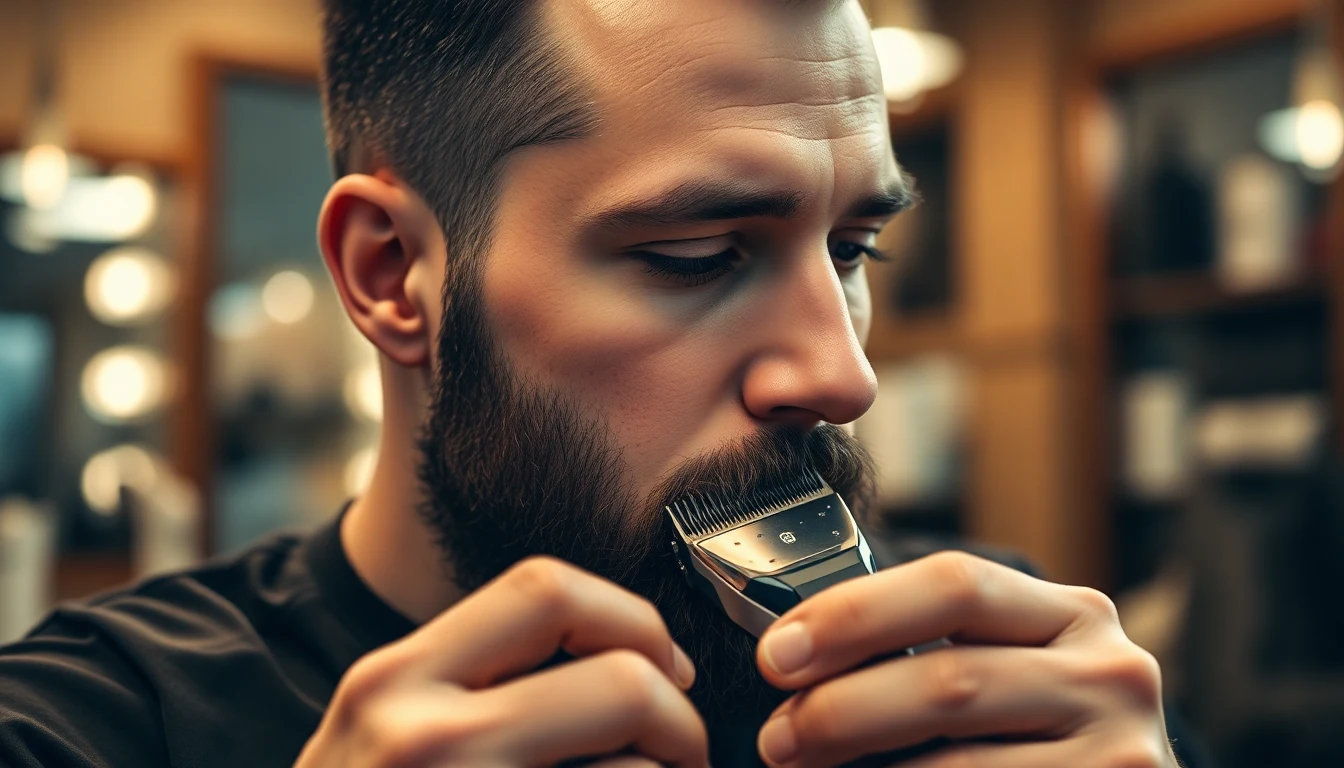
Step 1: Turn the Clippers On
This might seem counterintuitive, but you want the blades moving when you apply oil. The vibration helps distribute the oil evenly across the entire blade surface and between the cutting teeth. Turn your clippers on and let them run for a few seconds.
Step 2: Apply 2 to 3 Drops of Oil
Hold your bottle of clipper oil above the blade and place one drop on each end of the blade teeth (left and right) and one drop in the center. That is it. Three drops total. You do not need to flood the blades. More oil is not better; excess oil will drip and can attract debris.
If you are using the Andis oil, the same three-drop method applies. The bottles are designed for easy single-drop dispensing.
Step 3: Let the Clippers Run for 10 to 15 Seconds
With the oil applied, let the clippers run. The blade movement will distribute the oil across the entire cutting surface and work it between the upper and lower blades where it is needed most. You will often hear the sound change slightly as the oil reaches the friction points, becoming a little smoother and quieter.

Step 4: Wipe Off Excess Oil
Turn the clippers off and use a clean cloth or paper towel to wipe away any oil that has collected on the outside of the blade assembly or the clipper body. You want the oil between the blades, not sitting on top of them where it will transfer to hair during your next cut. (We recommend this Premium Clipper Lubricating Oil.)
Step 5: You Are Done
That is the entire process. Three drops, 15 seconds of running, a quick wipe. Do this consistently and your blades will reward you with smooth, cool, quiet cutting for months and months.
How Often Should You Oil Your Clippers?
The answer depends on how you use them:
Home Users (Cutting 1 to 4 Times Per Month)
Oil your clippers before every use. Since you are only cutting a few times a month, this minimal habit is all you need. It takes 30 seconds and ensures the blades are always lubricated when you start cutting.
I also recommend oiling after cleaning. If you follow a proper clipper cleaning routine, apply oil as the final step to protect the freshly cleaned blades from oxidation.
Frequent Users (Cutting Multiple Times Per Week)
If you are cutting hair for family members regularly or maintaining a very short style that requires frequent touch-ups, oil before every session and also during the session if you are cutting for more than 15 to 20 minutes continuously. Barbers oil every 10 to 15 minutes during busy shifts, and while home users rarely cut that long, the principle applies if you are doing multiple heads in a row.
During Extended Cutting Sessions
If you are cutting hair for more than 20 minutes straight (for example, doing the whole family on a Sunday afternoon), re-oil every 15 to 20 minutes. A quick spray of Oster Kool Lube is the fastest way to handle mid-session lubrication since you do not need to stop and drip oil carefully.
After Cleaning
Any time you clean your clippers (brushing out hair, rinsing washable blades, using blade wash), oil them immediately after. Cleaning removes the existing oil film, and leaving the blades dry after cleaning is one of the most common mistakes I see.
Common Oiling Mistakes to Avoid
Mistake 1: Using Too Much Oil
Three drops is enough. I see people drenching their blades in oil thinking more is better. Excess oil drips onto the clipper body, gets into the motor housing, attracts cut hair debris, and can transfer to your hair during cutting, leaving it greasy. If oil is dripping off the blade after application, you have used too much. Wipe the excess immediately.
Mistake 2: Oiling with the Clippers Off
If you drip oil onto stationary blades, it just sits on top. The blades need to be moving to distribute the oil between the cutting surfaces where it actually does its job. Always oil with the clippers running.

Mistake 3: Only Oiling When Problems Appear
By the time you feel pulling or hear increased noise, the blades have already been grinding without lubrication. Damage has been accumulating. Oiling is preventive maintenance. Do it every time, not just when symptoms appear.
Mistake 4: Skipping Oil After Cleaning
Cleaning is important, but cleaning without re-oiling is actually worse than not cleaning at all. Cleaning strips the protective oil film, and bare metal blades will develop micro-corrosion and increased friction faster than blades with old, dirty oil. Always finish your cleaning routine with fresh oil.
Mistake 5: Using the Wrong Lubricant
As covered above, cooking oils, WD-40, and heavy machine oils are not suitable for clippers. Stick with purpose-made clipper oil. A bottle costs around $3 to $5 and lasts months. There is no reason to improvise.
Oiling Different Types of Clippers
Standard Detachable Blade Clippers
For clippers with removable blade assemblies (like the Andis Master or Oster Fast Feed), apply oil to the blade teeth as described above. You can also detach the blade occasionally and apply a drop of oil to the blade guide rails where the blade locks into the clipper body. This keeps the attachment mechanism smooth.
Adjustable Blade Clippers
Clippers with a side lever for blade adjustment (like the Wahl 5-Star Magic Clip) benefit from a small drop of oil on the lever mechanism as well. Move the lever through its full range after oiling to distribute the lubricant. This keeps the taper lever smooth and prevents it from getting stiff over time.
Trimmers and Detail Clippers
Trimmers have smaller blades and need less oil. One to two drops is sufficient. The same principles apply: oil with the unit running, wipe the excess, do it before every use. Because trimmer blades are thinner, they are actually more susceptible to heat damage from friction, making regular oiling even more important.
The Complete Clipper Maintenance Routine
Oiling is just one part of keeping your clippers in top condition. Here is the full routine I recommend: When it comes to how to oil hair clippers, technique matters most.
- Before cutting: Oil the blades (30 seconds)
- After cutting: Brush out loose hair from the blade teeth using the small brush that came with your clippers
- Weekly (if you cut frequently): Remove the blade and clean out accumulated hair from underneath. Check out our complete clipper cleaning guide for detailed instructions.
- After cleaning: Oil the blades immediately
- Monthly: Check blade alignment and adjust if needed. Inspect the blade teeth for chips or damage.
- Every 3 to 6 months: Consider a blade wash product for deep cleaning, followed by oiling
Understanding which guard sizes you use most frequently can also help you maintain those guards properly, as worn guards can affect cut quality just like dull blades. When it comes to how to oil hair clippers, technique matters most.
Signs Your Clippers Need Oil Right Now
If you notice any of these symptoms, stop what you are doing and oil your blades immediately:
- Pulling or tugging at hair instead of cutting cleanly
- The blades feel hot to the touch after just a few minutes of use
- Increased noise compared to when the clippers were new
- The motor sounds strained or like it is working harder than usual
- Uneven cutting that was not there before
- Visible dryness on the blade surface (no sheen of oil when you look closely)
If oiling does not resolve these issues, the blades may need alignment, sharpening, or replacement. But nine times out of ten, oil fixes it.
Frequently Asked Questions
Can I use baby oil on my hair clippers?
You can use unscented baby oil in a pinch because it is essentially mineral oil. However, many baby oils contain fragrances, vitamin E, or aloe additives that can leave residue on the blades. For regular maintenance, stick with dedicated clipper oil like Wahl Clipper Oil. It is inexpensive and formulated specifically for the job.
How many drops of oil do clippers need?
Two to three drops per oiling session is all you need. Place one drop on each end of the blade teeth and one in the center. The blade movement will spread the oil across the entire cutting surface. Using more than three drops creates excess that drips, attracts debris, and can transfer to hair during cutting.
Should I oil new clippers out of the box?
Yes. New clippers sometimes have a light factory oil or preservative coating, but it is not the same as proper blade lubrication. Before your first cut with any new clipper, apply 2 to 3 drops of clipper oil, run the blades for 15 seconds, and wipe the excess. This ensures optimal performance from the very first use.
What happens if I never oil my clippers?
The blades will gradually dull from metal-on-metal friction. You will notice increased pulling, heat, and noise within a few weeks of regular use. Eventually the cutting edges will be too worn for a clean cut, and you will need to replace the blades entirely. Blade replacement costs $20 to $50 depending on the model, while a bottle of clipper oil costs about $4. The math is clear.
Is Oster Kool Lube a replacement for clipper oil?
Oster Kool Lube is a spray coolant and light lubricant. It is excellent as a supplement during long cutting sessions because it cools hot blades quickly. However, its lubricating effect is lighter and shorter-lasting than liquid clipper oil. I recommend using it alongside regular oiling, not instead of it. Oil before cutting, then use Kool Lube during the session if blades get warm.
Start Oiling Today
If you take one thing away from this guide, let it be this: oil your clippers every single time you use them. It takes 30 seconds. It costs pennies per application. And it is the single most effective thing you can do to keep your clippers cutting smoothly, quietly, and comfortably for years.
Grab a bottle of Wahl Clipper Oil, set it next to your clippers so you see it every time, and make it the first step of every haircut. Your blades, your motor, your scalp, and your wallet will all thank you.
Ready to put those freshly oiled clippers to work? Check out our complete guide to using hair clippers for techniques that give you professional results at home, or start with our step-by-step self-cutting tutorial if you are new to home haircuts.
Frequently Asked Questions
What’s the best oil to use when oiling hair clippers?
Purpose-made clipper oil is the recommended choice for maintaining your clippers, as it’s specifically formulated for the job. If you don’t have clipper oil on hand, there are acceptable alternatives, but avoid using baby oil, cooking oil, or other household lubricants that can damage your blades.
How often should you oil your clippers if you cut hair at home?
If you’re cutting 1 to 4 times per month at home, you should oil your clippers every few cutting sessions. For more frequent users or after extended cutting sessions, oil them more regularly, and always remember to add oil after cleaning your clippers.
What happens if you don’t oil your hair clippers regularly?
Skipping regular oiling causes increased friction and heat that damages your clipper blades, leading to blade drag, pulling sensations, premature wear, and motor strain. Over time, you’ll notice the clippers getting louder and performing worse until they eventually stop working properly.
Should you oil new clippers straight out of the box?
Yes, you should oil new clippers before using them for the first time, as they need proper lubrication from the start to function optimally. This helps prevent friction damage and extends the lifespan of your investment, whether you’re cutting your own hair or others’.