By Tane Matua, Thick Hair Editor
Traditional Samoan hair says a great deal about a man before he says a word. Cropped tight on the sides with a longer crown, the traditional Samoan style is not just a haircut. It was a statement of identity, rank, and cultural pride. Among Samoan boys and young men, most styles share the same foundation: thick, coarse, jet-black hair cut into styles that balance tradition with whatever is trending in hip-hop, rugby, and island culture. Some wore low fades with clean lines. Others grew their hair out and tied it back. A few kept it cropped military-short. But every style started from the same place: an understanding that Samoan hair is different, and it demands respect.
Samoan men’s hair is among the thickest and most resilient in the world. The individual strand diameter is significantly wider than most other hair types, and the density, the number of hairs per square centimeter, is equally impressive. This combination creates hair that is heavy, voluminous, and extraordinarily resistant to products and techniques designed for finer textures. A clipper that glides through European hair will stall and pull through Samoan hair. A gel that holds a side part on Asian hair will be defeated by the sheer mass and stiffness of Samoan strands.
This guide covers everything a Samoan man needs to know about his hair: the cultural traditions that shaped grooming in Samoan communities, the modern styles that work best with the texture, the practical advice for communicating with barbers of any background, and the products that actually perform on thick, coarse Pacific Islander hair.
The Cultural Significance of Hair in Samoan Tradition
In Samoan culture, hair carries deep spiritual and social significance that extends far beyond aesthetics. Understanding this cultural context enriches the conversation about Samoan men’s hairstyles and helps explain why hair choices in the Samoan community often carry meaning that outsiders may not immediately recognize.

Hair and Mana
In Polynesian spiritual tradition, hair is associated with mana, the spiritual power or life force that resides in all living things. The head, as the highest point of the body, is considered the most sacred (tapu) area, and the hair that grows from it carries particular spiritual significance. This belief influenced traditional grooming practices across Polynesia, including the Samoan custom of treating hair cutting as a ceremonial act rather than a casual maintenance task.
In traditional Samoan society, the manner in which a man wore his hair communicated his social status, his matai (chief) title status, and his role within the aiga (extended family). High chiefs historically maintained distinctive hairstyles that set them apart from untitled men, and the cutting or shaving of hair could carry ritual significance in contexts ranging from mourning to ceremonies of transition.
The Topknot Tradition
Historical accounts from early European contact describe Samoan men wearing their hair in a variety of styles, including long hair gathered into topknots, cropped sides with a longer crown, and fully shaved heads. The topknot, in particular, was associated with warrior status and chiefly rank. While the topknot is not commonly worn in everyday modern Samoan life, it has experienced a cultural revival among men who want to connect with traditional Polynesian aesthetics, and variations of the topknot (man bun, samurai bun) worn by Samoan athletes and artists draw directly from this heritage.
Modern Cultural Expression
Today, Samoan men express cultural identity through hair in both direct and subtle ways. Growing hair long connects to Polynesian warrior traditions. Wearing a fade with precise line work reflects the modern Pacific Islander barbershop culture that has developed in communities across New Zealand, Australia, Hawaii, and the mainland United States. Shaving the head can be a statement of cultural confidence, following in the footsteps of prominent Samoan athletes and cultural figures who wear the bald look as a symbol of strength and discipline.
Understanding Samoan Hair: What Makes It Unique
Samoan hair has distinct physical characteristics that influence every aspect of grooming, from the haircut itself to the products used and the maintenance routine required.
Thickness and Diameter
The average hair strand diameter for Pacific Islander men ranges from 80 to 120 micrometers, placing it at the thicker end of the global spectrum. For comparison, European hair averages 50 to 70 micrometers, and East Asian hair averages 60 to 90 micrometers. This greater diameter means each individual strand is physically stronger and more rigid, which is why Samoan hair tends to stand up, resist being combed flat, and hold its natural direction with remarkable stubbornness.

Texture and Wave Pattern
Samoan hair texture ranges from straight and coarse to wavy and coarse, with most men falling somewhere in the straight-to-slightly-wavy spectrum. Unlike curly hair types that bend and twist along the strand, Samoan hair tends to grow in a relatively straight path but with significant body and stiffness. This creates hair that stands upright when cut short, lies heavy when grown long, and resists being shaped into styles that require it to curve or bend against its natural direction.
Growth Rate and Density
Samoan hair grows at approximately the same rate as other hair types (roughly half an inch per month), but the high density means the total volume increases rapidly. A two-week grow-out on Samoan hair can feel like a month’s growth on finer hair types simply because there is so much more of it. This has practical implications for haircut maintenance: faded styles that look sharp on day one may look grown-out within a week and a half, requiring more frequent barber visits than men with finer hair types need.
Popular Modern Samoan Men’s Hairstyles
The Skin Fade With Textured Top
This is the most popular hairstyle among young Samoan men and has become a signature of Pacific Islander barbershop culture. The sides are faded from skin (zero guard) at the temples and neckline, blending gradually into one to three inches of textured hair on top. The top is styled upward or to one side, showcasing the natural thickness and body of the hair. The line-up along the hairline is precise, often achieved with a straight razor for maximum sharpness.
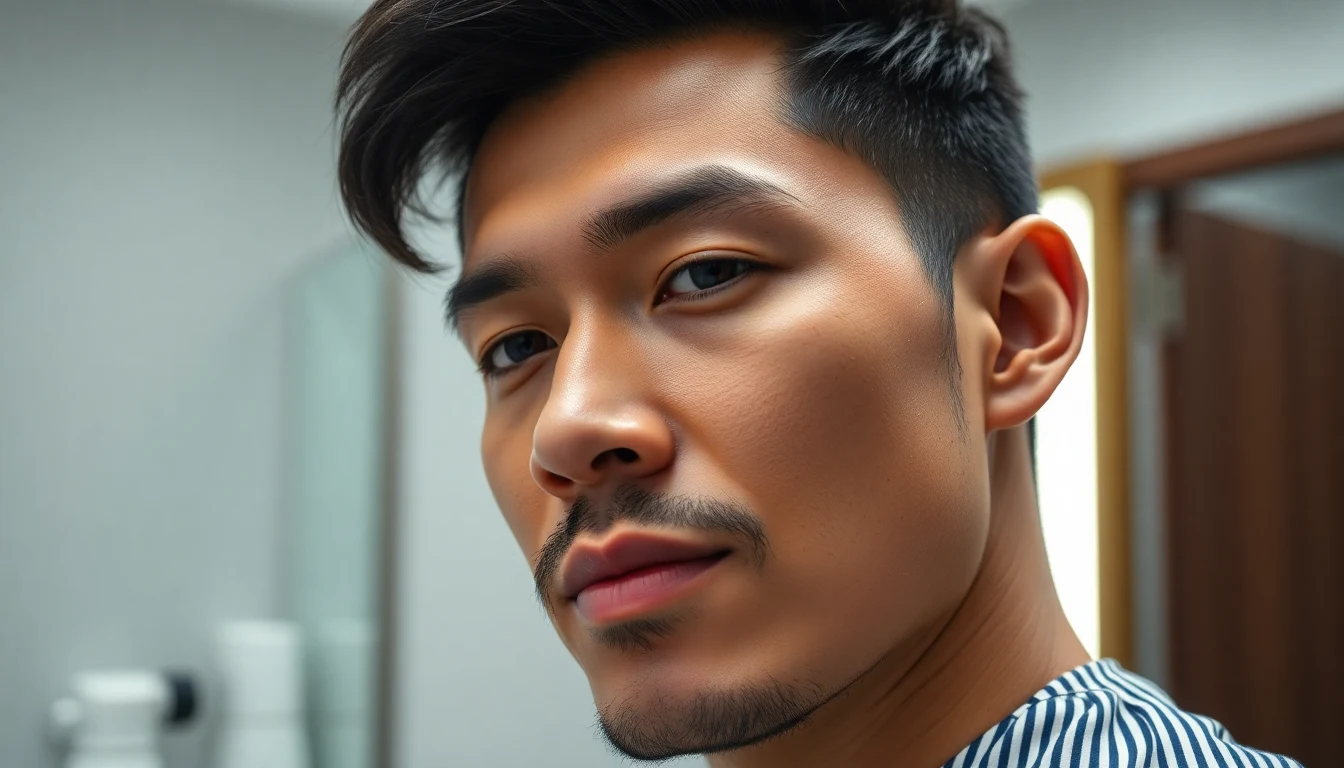
Why it works for Samoan hair: The skin fade removes the bulk from the sides that can make thick hair look overwhelming. The textured top celebrates the natural thickness rather than fighting it. The short length on the sides grows out more gradually than longer styles, buying an extra few days between barber visits. For styling the top, a strong-hold pomade or matte clay provides the control needed to direct thick hair into place.
The Low Taper Fade
A more conservative option than the skin fade, the low taper fade keeps the sides at a longer length (starting at a #2 or #3 guard) and tapers gradually downward to the neckline. The top is left medium-length and can be styled in multiple directions. This style is popular among Samoan men in professional environments where the skin fade might be considered too aggressive.

Why it works for Samoan hair: The gradual taper manages the bulk without the stark contrast of a skin fade, creating a more natural transition that grows out more gracefully. The longer sides also make it easier to maintain between barber visits, as the grow-out is less noticeable than a zero-guard fade.
The Buzz Cut
The buzz cut, with a uniform #1 or #2 guard all over, is a practical and culturally resonant choice. It is low-maintenance, clean, and showcases the head shape that many Samoan men are fortunate to have (the Polynesian cranial structure tends toward round and well-proportioned, which is ideal for short hair). The buzz cut is particularly popular among Samoan men in military service, athletics, and physically demanding professions where longer hair is impractical.
Why it works for Samoan hair: The uniform length eliminates the management challenge of thick hair entirely. It grows out evenly, looks clean for weeks without maintenance, and can be done at home with a quality set of cordless clippers. The thick hair density ensures that even at a very short length, the buzz cut looks full and even rather than patchy or thin.
The Grown-Out Flow
Growing the hair long and wearing it down, tied back, or in a topknot is a style with deep Polynesian roots that has gained mainstream popularity thanks to high-profile Samoan athletes and entertainers. The flow requires patience through an awkward growing phase (typically months three through eight) but results in a powerful look that celebrates the natural volume and weight of thick Pacific Islander hair.
Why it works for Samoan hair: The thickness and weight of Samoan hair creates a heavy, flowing look when grown long that is dramatically different from the wispy, flat long hair that finer textures produce. Samoan long hair has natural body and movement that looks strong rather than delicate. Maintenance requires regular conditioning with coconut oil or deep conditioner to prevent dryness, and trimming every eight to ten weeks to remove split ends and maintain shape.
The Modern Mohawk/Faux Hawk
The mohawk and its less extreme cousin, the faux hawk, are natural fits for thick Samoan hair. The hair is cut short on the sides (faded or tapered) and left significantly longer through the center of the head, creating a strip of volume that runs from the forehead to the crown. Samoan hair’s natural ability to stand upright makes the mohawk dramatic without requiring the extreme styling effort that finer hair types need.
Why it works for Samoan hair: The thick, stiff texture holds the upright mohawk shape with minimal product. A medium-hold styling product is often sufficient where other hair types would need super-hold gel and blow-drying to achieve the same effect. The mohawk also has cultural resonance with Polynesian warrior aesthetics, connecting modern fashion to traditional imagery.
What to Tell Your Barber
Finding a barber who understands thick, coarse Pacific Islander hair makes all the difference. Here is how to communicate effectively regardless of your barber’s background.
Finding the Right Barber
The ideal barber for Samoan hair is someone experienced with thick, coarse textures. Pacific Islander-owned barbershops are the obvious first choice, and they exist in significant numbers in cities with large PI communities: Auckland, Sydney, Honolulu, Salt Lake City, San Francisco, and Los Angeles. If a PI-specific shop is not available, barbers experienced with Black men’s hair textures often have the skill set needed for thick Pacific Islander hair, as both hair types require similar clipper technique, blade power, and product knowledge.
Communication Guide
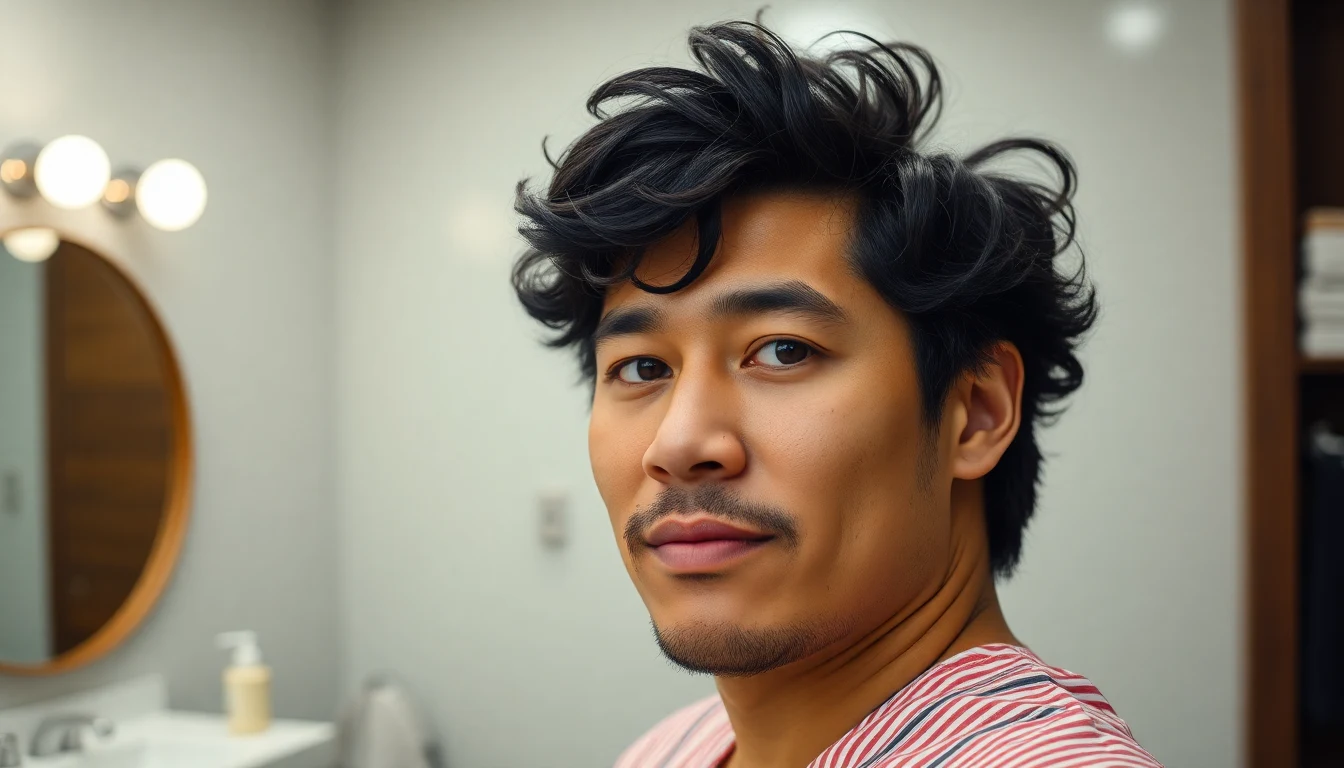
Bring reference photos. This eliminates the guesswork that leads to bad haircuts. Find three to five photos of the style you want, ideally on men with similar hair types. Instagram accounts and TikTok pages run by Pacific Islander barbers are excellent sources for reference images that show styles specifically designed for Pacific Islander hair.
Specify guard numbers rather than descriptive terms. “Short on the sides” means different things to different barbers. “Skin fade from a zero to a two, blended into three inches on top” is unambiguous. For Samoan hair, remember that the hair will appear shorter than the guard number suggests because the stiffness makes it stand up rather than lying flat.

Address thickness directly. Tell your barber: “My hair is extremely thick. Please use thinning shears on top to remove internal bulk without losing length.” Without this direction, some barbers will cut length to reduce weight, resulting in a cut that is shorter than intended.
Discuss the neckline. “I want a tapered neckline, not blocked” or “skin to the neckline” eliminates the most common source of post-haircut disappointment. The neckline treatment matters especially for thick hair because the density at the neckline can create an abrupt, heavy line if not properly blended.
Products That Work for Samoan Hair
Most mainstream hair products are formulated for fine-to-medium hair and simply do not have the strength to handle Samoan hair’s thickness and weight. Here is what actually works.
For Hold and Control
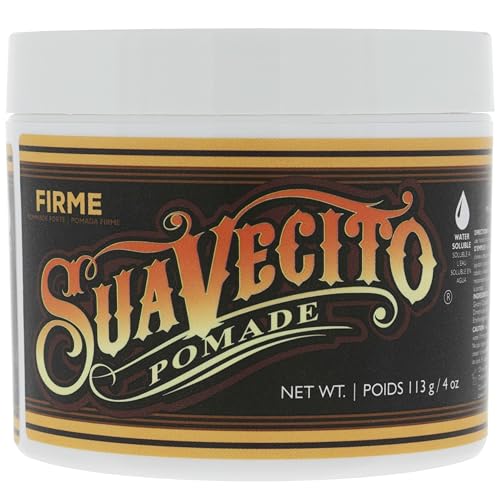
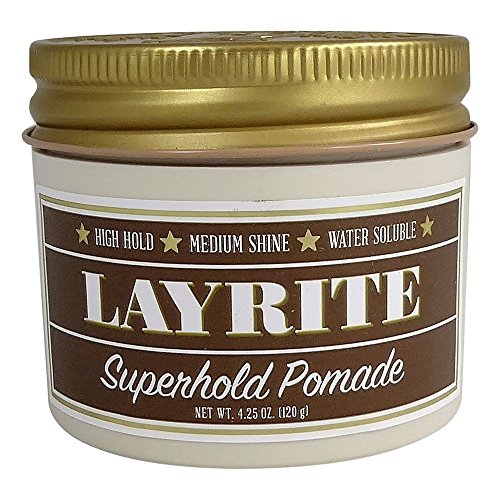
Strong-hold water-based pomade is the workhorse product for styled Samoan hair. Suavecito Firme Hold and Layrite Superhold are proven performers on thick, coarse hair. Apply to towel-dried hair and blow-dry into place for maximum hold. For matte, textured looks, a heavy-duty matte clay like Baxter of California Clay Pomade provides texture and control without shine.
For Moisture and Conditioning
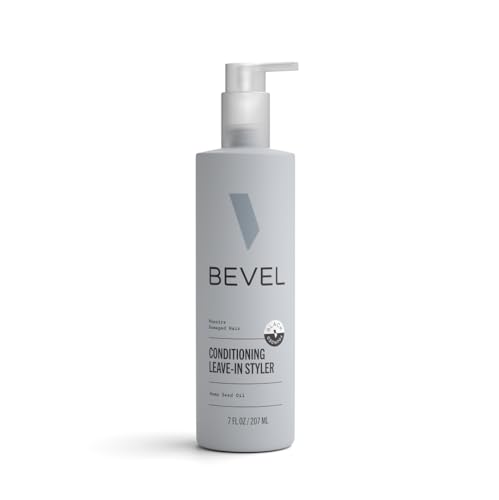
Thick hair needs moisture to stay healthy and manageable. Coconut oil, a traditional Polynesian hair treatment, remains one of the most effective conditioning options. Apply as a pre-shampoo treatment by working it through the hair and leaving it for thirty minutes before washing. For daily conditioning, a leave-in conditioner or coconut oil-based hair cream provides ongoing moisture without weighing down the hair.
For Clipping at Home
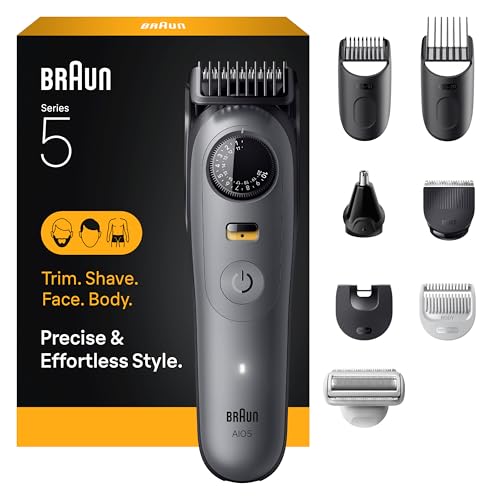
If you maintain your own hair between barber visits, invest in clippers with a powerful motor designed for professional use. Consumer-grade clippers with weak motors will stall, pull, and produce uneven results on thick Samoan hair. Look for clippers with at least 6,000 strokes per minute and a blade designed for coarse hair.

Maintenance Between Haircuts
Thick Samoan hair grows fast and grows dense, which means maintenance between barber visits is more demanding than for men with finer hair. Here is a practical schedule.
Faded styles need a barber visit every one to two weeks to maintain the fade’s sharpness. The grow-out on thick hair is significantly more visible than on fine hair because each growing strand adds more visual bulk. If weekly barber visits are not practical, learn to maintain the neckline and edges at home with a detail trimmer between full cuts.
Wash hair two to three times per week with a moisturizing, sulfate-free shampoo. Daily washing strips the natural oils that keep thick hair manageable. On non-wash days, rinse with water and apply a small amount of leave-in conditioner or coconut oil to maintain moisture.
Deep-condition weekly with coconut oil or a dedicated deep conditioner formulated for thick, coarse hair. This prevents the dryness and brittleness that thick hair is prone to, especially in dry or air-conditioned environments.
Frequently Asked Questions
How often should Samoan men get haircuts?
For faded styles, every one to two weeks. For taper cuts, every two to three weeks. For longer styles, every six to eight weeks for a trim. The high density of Samoan hair means grow-out is more visible and faster-impacting than for men with finer hair. Budget for more frequent barber visits than general grooming guides suggest.
Can Samoan men grow their hair long?
Absolutely, and the results are often spectacular. Thick Samoan hair creates a heavy, voluminous long look that is distinctly powerful. The challenge is the growing phase, which can be awkward for several months as the hair transitions from short to long. Use headbands, ties, or just embrace the awkward phase with patience. Keep the hair well-conditioned throughout the growing process to prevent breakage, and get regular trims (every eight to ten weeks) to maintain healthy ends.
What face shapes work best with which hairstyles?
Round faces (common among Samoan men) benefit from styles with height on top and tighter sides to add visual length. The skin fade with textured top and the faux hawk both work well. Square or angular faces suit textured crops and side parts that soften the jawline. Oval faces are versatile and work with nearly any style. Your barber should help recommend specific adjustments based on your face shape during the consultation.
Is it cultural appropriation for non-Samoans to wear Samoan hairstyles?
Most modern Samoan hairstyles (fades, tapers, buzz cuts) are universal styles adapted to Samoan hair texture and are not culturally specific. The traditional topknot and warrior-associated styles carry more cultural weight, and wearing them as a non-Polynesian person solely as a fashion statement without understanding their significance could be seen as disrespectful. The general principle is that appreciating and learning about the cultural context shows respect, while copying without acknowledgment does not.
What makes Samoan hair different from other hair types?
Samoan hair has significantly wider individual strand diameter and higher density than most other hair types, making it thicker, heavier, and more voluminous. This combination means your hair is highly resistant to standard products and techniques designed for finer textures, requiring specialized grooming approaches.
What are the best clippers and products to use for Samoan men’s hairstyles?
You need clippers and products specifically designed for thick, coarse hair since standard tools often stall or pull through Samoan strands. Heavy-duty clippers with strong motors and products formulated for dense hair work best, as regular gels and lighter formulations won’t provide adequate hold.
What is the traditional Samoan men’s hairstyle guide foundation?
The traditional Samoan men’s hairstyle guide is built on cropped, tight sides with a longer crown, a style that has historically reflected cultural identity, rank, and pride. Modern variations balance this traditional foundation with contemporary trends, whether you choose low fades, tied-back longer hair, or military-short crops.
Can I get a low fade if I have thick Samoan hair?
Yes, low fades work well for Samoan hair and are a popular modern style choice, but you need a barber experienced with thick, coarse textures who uses appropriate clippers and techniques. The key is finding someone who understands that your hair requires different handling than finer hair types to achieve clean, lasting lines.
Conclusion: Hair as Identity
For Samoan men, hair is more than something that needs to be managed. It is a connection to ancestors, a statement of cultural identity, and a canvas for personal expression. Whether you wear a precise skin fade that showcases the best of modern Pacific Islander barbershop culture, grow your hair long in honor of Polynesian warrior traditions, or keep it cropped short in the no-nonsense Samoan work ethic style, your hair tells a story about who you are and where you come from.
Work with your hair’s natural thickness and strength rather than against it. Find a barber who understands and respects your hair type. Use products formulated for the demands of coarse, thick hair. And wear your style with the confidence of a man who carries one of the Pacific’s most vibrant cultural traditions with him everywhere he goes.
More Thick Hair Guides

- Best Hair Clippers for Thick, Coarse Hair: Professional-Grade Tools That Won't Stall or Pull
- Maori Men's Grooming Traditions: Ta Moko, Hair Care, and the Intersection of Culture and Identity
- Polynesian Tattoo Aftercare: Traditional Knowledge Meets Modern Healing Science
- Coconut Oil for Men's Hair: The Science Behind the Pacific Islander Tradition
- Hawaiian Grooming Traditions for Men: Kukui Nut Oil, Lei Culture, and the Modern Kanaka Maoli Aesthetic