By Rohan Mehta
If there is one ingredient that every South Asian man should know by name, it is amla. Indian gooseberry, or Phyllanthus emblica, has been the cornerstone of Ayurvedic hair care for over 3,000 years, and for good reason. It contains one of the highest natural concentrations of Vitamin C found in any fruit, along with a cocktail of tannins, polyphenols, and antioxidants that science has confirmed actually do what South Asian grandmothers have long claimed. Traditionally, amla oil is prepared from scratch every monsoon season. The gooseberries are dried on the terrace, ground into powder, and cooked slowly in coconut oil until the mixture turns a deep, fragrant brown. That annual ritual supplied an entire extended family with hair oil for the year. The chemistry explains why the traditional formulation is so effective. This guide covers everything a modern man needs to know about amla oil: what it actually does, how to use it correctly, what results to realistically expect, and how to separate quality products from the marketing-heavy imitations flooding the market.
What Is Amla Oil and How Is It Made?
Amla oil is not pressed directly from the Indian gooseberry fruit like olive oil is pressed from olives. Instead, it is created through an infusion process where amla fruit (fresh or dried) is soaked or cooked in a carrier oil, typically coconut, sesame, or mineral oil. During this process, the fat-soluble compounds from the amla transfer into the carrier oil, creating a product that delivers amla’s benefits in an oil-based form that the hair and scalp can readily absorb.

The traditional preparation method, called “taila paka” in Ayurveda, involves cooking dried amla pieces in coconut or sesame oil over low heat for several hours, sometimes adding water in stages to create a decoction that further concentrates the active compounds. This method is labor-intensive but produces the most potent formulation. Modern commercial extraction methods range from cold maceration (soaking amla in oil for weeks) to supercritical CO2 extraction (a high-tech method that captures the widest range of active compounds).
Quality varies dramatically. The best amla oils use organic amla fruit infused in coconut or sesame oil as the carrier. The worst use synthetic amla fragrance added to mineral oil, delivering zero therapeutic benefit. Learning to distinguish between them is one of the most important skills for any man incorporating amla into his routine. The quality indicators are covered in detail below.

The Science: What Amla Actually Does for Men’s Hair
Let me separate the evidence-backed benefits from the marketing hype. Amla has genuine, documented effects on hair, but it is not a miracle cure for everything.
Strengthens Hair Shaft (Proven)
Amla’s high tannin content creates a protective coating around each hair strand through a process called protein cross-linking. The gallic acid and ellagic acid in amla bond with keratin proteins in the hair cortex, reinforcing the shaft’s structural integrity. This is measurable: tensile strength testing shows that hair treated with amla extract withstands significantly more force before breaking compared to untreated hair. For South Asian men with thick hair that is prone to breakage from styling, heat, and environmental stress, this strengthening effect is one of amla’s most immediately noticeable benefits. You will see less hair in your shower drain within the first 2-3 weeks of consistent use.
Delays Premature Graying (Supported by Evidence)
This is the benefit most South Asian men care about, and the evidence is encouraging. Amla’s exceptional Vitamin C content (600-700mg per 100g of fresh fruit) provides potent antioxidant protection to melanocytes, the cells in the hair follicle that produce the pigment melanin. Oxidative stress is one of the primary drivers of premature graying, and amla’s antioxidants directly counter that stress. A 2017 study in the International Journal of Trichology found that topical antioxidant application (including Vitamin C) slowed the progression of graying in subjects over a 6-month period.
To be clear: amla oil will not reverse existing gray hairs back to their original color. What it can do is slow the rate at which new gray hairs appear by protecting the melanocytes that are still active. The earlier you start using amla, the more melanocytes you protect.
Promotes Scalp Health (Proven)
Amla has documented anti-inflammatory, antibacterial, and anti-fungal properties. Applied to the scalp, it helps manage dandruff, reduces irritation, and maintains the slightly acidic pH (4.5-5.5) that a healthy scalp requires. The Vitamin C in amla also supports collagen synthesis in the dermis, which maintains the structural health of hair follicles. A healthy scalp is the foundation for healthy hair, and amla addresses scalp health from multiple angles simultaneously.

Stimulates Hair Growth (Moderate Evidence)
A 2012 study in the Journal of Ethnopharmacology demonstrated that amla extract promoted hair growth in animal models by extending the anagen (growth) phase of the hair cycle and stimulating dermal papilla cell proliferation. While animal studies do not always translate directly to humans, these findings align with centuries of observational evidence from Ayurvedic practice. However, if hair growth stimulation is your primary goal, bhringraj oil has stronger evidence in this area. I recommend amla as a complement to bhringraj for growth, not a replacement. For a detailed comparison, see my Ayurvedic hair oil ranking guide.
How to Use Amla Oil: Step-by-Step Guide
Method 1: Pre-Wash Treatment (Most Effective)
This is the traditional application method and remains the most effective way to deliver amla’s benefits to your hair and scalp.
- Step 1: Warm 2-3 tablespoons of Dabur Amla Hair Oil using the double boiler method (bowl of oil inside a bowl of hot water). The oil should feel comfortably warm on your wrist.
- Step 2: Part your hair into sections and apply the warm oil directly to the scalp using your fingertips. Cover the entire scalp surface evenly.
- Step 3: Massage for 5-10 minutes using the champi technique: circular fingertip motions working from the crown outward. For the full champi method, read my champi head massage guide.
- Step 4: Work any remaining oil through the hair lengths, focusing on the mid-shaft and ends where damage accumulates.
- Step 5: Leave the oil on for at least one hour. For maximum benefit, leave it overnight with a cotton towel on your pillow.
- Step 6: Wash out with a gentle, sulfate-free shampoo. You will likely need two rounds of shampooing. See my best shampoo for Indian hair guide for recommendations.
Frequency: 2-3 times per week for general maintenance and anti-graying protection. For intensive treatment (new to oiling, addressing significant damage or hair loss concerns), start with daily application for the first two weeks, then reduce to 2-3 times weekly.

Method 2: Amla Hair Mask
For a more intensive treatment that combines amla’s benefits with deep conditioning.

- Step 1: Mix 2 tablespoons of amla powder with 2 tablespoons of yogurt (curd) and 1 tablespoon of coconut oil to form a smooth paste.
- Step 2: Apply to damp hair and scalp, working through from roots to ends.
- Step 3: Cover with a shower cap and leave for 30-45 minutes.
- Step 4: Rinse thoroughly with lukewarm water, then shampoo as normal.
Frequency: Once per week as a deep treatment. The yogurt provides lactic acid for gentle scalp exfoliation, and coconut oil aids penetration. This mask is particularly effective for men dealing with dry, brittle hair or scalp flaking.
Method 3: Amla Oil Blends
Amla works synergistically with other Ayurvedic oils. Here are blends for specific concerns.
| Concern | Blend Recipe | How to Use |
|---|---|---|
| Anti-graying | 2 parts amla + 1 part coconut oil + 3 drops rosemary EO | Overnight treatment, 2x weekly |
| Growth boost | 1 part amla + 2 parts bhringraj + 1 part coconut | Pre-wash treatment, 3x weekly |
| Scalp repair | 1 part amla + 1 part brahmi + 3 drops tea tree EO | Scalp-focused massage, 2x weekly |
| Deep conditioning | 2 parts amla + 2 parts coconut + 1 part castor | Overnight treatment, 1x weekly |
| Daily protection | 3 parts amla + 1 part sweet almond | Quick pre-wash, 1 hour before shower |
How to Choose Quality Amla Oil
The amla oil market is flooded with products of wildly varying quality. Here is exactly what to look for and what to avoid.
Quality Indicators
- Carrier oil listed first: Coconut or sesame oil should be the first ingredient, with amla (Phyllanthus emblica) extract or powder listed second. This indicates a traditional infusion process.
- Dark color: Authentic amla oil has a deep green-brown color from the amla compounds. If it is clear, light yellow, or bright green, it is likely synthetic.
- Herbaceous scent: Real amla oil smells earthy, slightly sour, and herbaceous. A strong floral or chemical scent indicates synthetic fragrance.
- AYUSH certification: Products manufactured in India should carry an AYUSH (Ayurveda, Yoga, Unani, Siddha, Homeopathy) license number, confirming they meet manufacturing standards for Ayurvedic products.
- Sediment is normal: Traditionally prepared amla oil may have fine sediment at the bottom. This is a sign of genuine herbal infusion, not a quality defect.
Red Flags
- Mineral oil as the base: If “mineral oil” or “liquid paraffin” is the first ingredient, the product is primarily petroleum-derived oil with minimal amla content. It will coat the hair without delivering therapeutic benefits.
- Synthetic fragrance: Listed as “fragrance” or “parfum” on the ingredient list. Synthetic fragrances can irritate the scalp and do not provide any of the therapeutic properties of natural amla scent.
- Very cheap pricing: Authentic amla oil requires significant raw material and processing time. If a large bottle is priced at $2-3, it is almost certainly mineral oil with synthetic amla flavoring.
- “Amla hair oil” without specifying amla content: Some products use the word “amla” in the brand name but contain only trace amounts of actual amla extract.
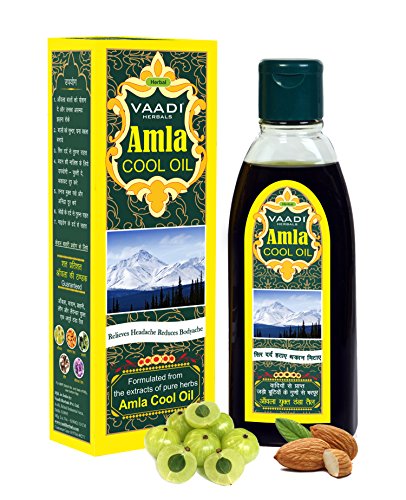
For a reliable, widely-available option, Dabur Amla Hair Oil uses a traditional formulation that has been the market standard for decades. It is not the most concentrated amla oil available, but it offers consistent quality at an accessible price point, making it an excellent starting product for men new to amla oil treatment.
Realistic Expectations: What Amla Oil Can and Cannot Do
Setting proper expectations prevents the frustration that leads many men to abandon their routine too early.

What Amla Oil CAN Do
- Reduce hair breakage noticeably within 2-4 weeks of consistent use
- Add visible shine and improve hair texture within 1-2 weeks
- Slow the rate of new gray hair appearance over months of consistent use
- Improve scalp health, reduce flaking and irritation within 2-3 weeks
- Support overall hair retention when combined with proper care routine
- Protect hair from UV damage, pollution, and heat styling damage
What Amla Oil CANNOT Do
- Reverse existing gray hairs back to their pigmented color
- Regrow hair in areas of complete baldness
- Replace medical treatment for significant hair loss (finasteride, minoxidil)
- Deliver results overnight or even within a few days
- Compensate for poor nutrition, chronic stress, or hormonal imbalances
Amla oil is a powerful tool in your hair care arsenal, but it works best as part of a comprehensive routine that includes proper diet, stress management, appropriate cleansing, and consistent application. For the complete system, follow my Indian men’s hair care routine guide.
Amla Oil for Beard Care
Amla oil is not just for head hair. Applied to the beard, it delivers the same strengthening and conditioning benefits that make it effective for scalp hair. The tannins strengthen coarse beard strands, the antioxidants protect against the environmental damage that facial hair endures daily, and the anti-inflammatory properties help manage the skin irritation that commonly develops under thick South Asian beards.

Apply 3-5 drops of amla oil to your beard after showering, working it through to the skin beneath. For a weekly deep treatment, apply a generous amount, massage for 2-3 minutes, and leave on for 30 minutes before washing out with a beard wash. This is particularly beneficial for men growing their beards out through the itchy, uncomfortable early stages. For dedicated beard oil recommendations, see my best beard oil for South Asian men guide.
Why Consistency Matters With Amla Oil

The key takeaway is consistency. Amla oil is not a quick fix. It is a long-term investment in hair health that pays dividends over years and decades. The men who get the best results are those who integrate it into their routine and maintain the practice consistently, not those who use it intensively for a month and then stop.
Frequently Asked Questions
Can amla oil darken or color hair?
Amla can slightly deepen the natural color of dark hair over time with consistent use. The tannins in amla have mild astringent properties that can enhance the appearance of dark pigment. However, it will not dye gray hairs back to their original color. Some men report that their gray hairs develop a subtle warm tint with regular amla use, but this is cosmetic toning, not actual pigment restoration. If you are specifically looking to cover gray, you will need a dedicated coloring product.
Is amla oil safe for colored or chemically treated hair?
Yes, amla oil is safe for colored and chemically treated hair. In fact, it is beneficial because the strengthening properties help counteract the damage that coloring and chemical treatments cause. The one caveat is that amla’s tannins can slightly darken blonde or light-colored hair over time, so if you have lightened or highlighted your hair, test on a small section first. For most South Asian men with naturally dark hair, this is not a concern.
Can I take amla supplements instead of applying oil?
Amla supplements (capsules or powder taken orally) provide Vitamin C and antioxidant benefits systemically, which does support overall hair health. However, they do not replace topical oil application. The hair-strengthening effects of amla (protein cross-linking, cuticle protection, scalp health) require direct contact with the hair and scalp. For best results, use both: amla oil topically for direct hair and scalp benefits, and consider amla powder or supplements for internal antioxidant support. The combination provides comprehensive coverage.
How does amla oil compare to coconut oil for men’s hair?
Coconut oil and amla oil serve different primary purposes. Coconut oil excels at moisture retention and protein loss prevention due to its unique ability to bind with hair protein (lauric acid penetrates the hair shaft). Amla oil excels at strengthening, antioxidant protection, and melanin preservation. They are complementary, not competing products. Many quality amla oils actually use coconut oil as their carrier base, giving you both benefits in one product. If you can only choose one, coconut oil is the better daily moisturizer, while amla oil is the better long-term protector against aging and damage.
At what age should men start using amla oil?
The short answer: as early as your teens. In traditional Indian households, amla oil application begins in childhood and continues throughout life. For men specifically concerned about premature graying or hair loss, starting in your early to mid-20s provides the most benefit because you are protecting melanocytes and follicles before significant decline begins. If you are already in your 30s or 40s and have never used amla oil, starting now still delivers meaningful benefits for hair strength, scalp health, and slowing further graying. It is never too late, but earlier is always better.
More Indian & South Asian Grooming Guides

- Pakistani Men's Hairstyles: Styles, Trends, and Barber Tips
- Indian Men Hairstyles: Best Cuts for Thick, Dark Hair
- Best Hair Products for South Asian Men: Pomades, Oils, and Serums
- Champi Head Massage for Men: Technique, Oils, and Benefits
- Indian Men's Beard Styles: A Complete Guide with Barber Instructions
Does amla oil actually help with hair growth for men, or is it just a traditional remedy?
Amla oil has moderate scientific evidence supporting hair growth benefits, thanks to its high Vitamin C content and antioxidants that improve scalp health and strengthen hair follicles. While it won’t give you results overnight, consistent use as a pre-wash treatment can lead to noticeably thicker, healthier hair within 2-3 months.
How often should I use amla oil on my hair and scalp?
For best results, use amla oil as a pre-wash treatment 1-2 times per week, leaving it on your scalp and hair for at least 30 minutes before shampooing. If you have a particularly dry scalp or are dealing with hair loss, you can increase frequency to 2-3 times weekly, but more isn’t always better with potent oils.
What’s the difference between quality amla oil and the cheap imitations on the market?
Genuine amla oil should have a deep brown color, natural earthy scent, and minimal synthetic additives, often listing coconut oil or mineral oil as the base. Cheap imitations typically use artificial fragrances, bright orange coloring from dyes, and fillers that won’t deliver the scalp health and hair-strengthening benefits you’re looking for.
Can amla oil help prevent premature graying in men?
Yes, amla oil has evidence-supported properties that can help delay premature graying because its high antioxidant and polyphenol content protects hair follicles from oxidative stress. While it won’t reverse graying that’s already happened, regular use may slow the process and maintain your natural hair color longer.