By Rohan Mehta
Let me paint a picture you might recognize. You have been growing your beard for three weeks. It looks promising, the coverage is filling in nicely. But the itch is unbearable. Your face looks like it has dandruff. Your partner complains that kissing you feels like kissing sandpaper. You consider shaving the whole thing off. Every South Asian man who has attempted to grow a beard has been there. South Asian facial hair is thick, coarse, and wiry by nature, and without proper oil treatment, it rebels against you. The right beard oil transforms this experience entirely. It softens the wire into something touchable, eliminates the itch, feeds the skin beneath, and gives your beard a healthy, groomed sheen. But choosing the wrong oil (too heavy, wrong ingredients, synthetic fragrance that irritates skin) makes things worse. Here is which oils suit South Asian facial hair and which ones waste your money.
Why South Asian Beards Need Different Oils
Most beard oils on the market are formulated for European or African American facial hair. South Asian beard hair occupies a unique middle ground with its own set of requirements.
Our Beard Hair Is Thicker Than Most
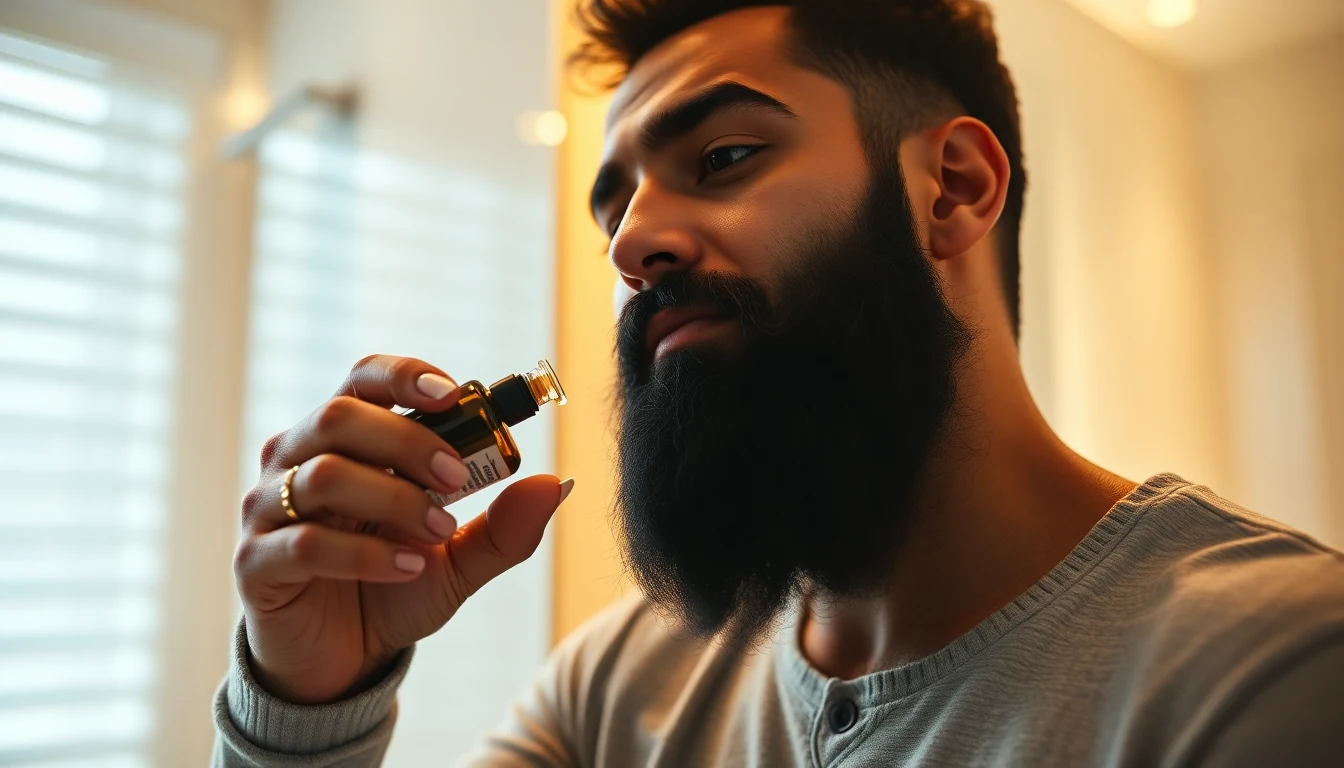
Individual Indian beard hair strands measure 80-100 micrometers in diameter, placing them among the thickest globally. This thickness means each strand has more cortex (the protein-dense interior) and requires more moisture to stay flexible. Light oils designed for fine European beards simply cannot penetrate deep enough to make a difference. South Asian beards need oils with carrier bases that have small molecular structures capable of penetrating thick hair shafts, primarily jojoba, argan, and coconut oils.
Our Skin Underneath Is Often Oily
South Asian men tend toward higher sebum production, which creates a paradox: the skin under the beard is oily, but the beard hair itself is dry and coarse. This means you need an oil that moisturizes the hair without adding excess grease to already-oily skin. Lightweight oils that absorb quickly (jojoba, grapeseed) are better choices than heavy, pore-clogging options (castor, mineral oil) for the carrier base.
Ingrown Hair Susceptibility
The thickness and slight curvature of South Asian beard hair makes South Asian men more prone to ingrown hairs than men with finer facial hair. A good beard oil should include anti-inflammatory ingredients (tea tree, chamomile, jojoba) that reduce the irritation and redness that accompany ingrown hairs. Oils with antibacterial properties also help prevent the small infections that can develop around ingrown hairs.
What to Look for in a Beard Oil
Carrier Oils (The Base)
Carrier oils make up 95-98% of any beard oil formulation. They do the heavy lifting of moisturizing, softening, and protecting. Here are the carriers that work best for South Asian beards.
| Carrier Oil | Weight | Absorption Speed | Best For |
|---|---|---|---|
| Jojoba Oil | Light | Fast | All skin types, daily use |
| Argan Oil | Medium | Moderate | Coarse hair softening, shine |
| Sweet Almond Oil | Medium | Moderate | Sensitive skin, nourishing |
| Grapeseed Oil | Light | Fast | Oily skin, lightweight moisture |
| Coconut Oil (fractionated) | Light | Fast | Deep conditioning, protein binding |
| Castor Oil | Heavy | Slow | Growth promotion, very dry beards |
Essential Oils (The Actives)
Essential oils make up 2-5% of the formulation and provide therapeutic benefits and scent. For South Asian men, these essential oils are particularly beneficial.
- Tea tree: Anti-bacterial, anti-fungal. Prevents beard dandruff and ingrown hair infections.
- Rosemary: Stimulates blood flow to follicles. Supported by clinical research for hair growth.
- Cedarwood: Balances oil production. Good for men with oily skin under a dry beard.
- Sandalwood: Anti-inflammatory, deeply moisturizing. A traditional South Asian scent.
- Neem: Powerful anti-fungal and antibacterial. Addresses beard dandruff at the source.
- Eucalyptus: Cooling, anti-inflammatory. Soothes the itchiness of new beard growth.
Red Flags to Avoid
- Mineral oil / petroleum: Sits on the surface, clogs pores, does not nourish. Common in cheap beard oils.
- Synthetic fragrance: Can irritate the sensitive facial skin under your beard. Look for essential oil scents instead.
- Silicones (dimethicone): Creates a coating that prevents real moisture from penetrating. Feels soft initially but dries out hair over time.
- Alcohol (high on ingredient list): Dries out both skin and hair. Some formulations use a small amount as a preservative, which is fine, but it should not be among the first five ingredients.
Top Beard Oil Recommendations for South Asian Men
Best Overall: Jojoba + Argan Blend
A 50/50 jojoba and argan oil blend with tea tree and cedarwood essential oils is the gold standard for South Asian beards. Jojoba closely mimics natural sebum (making it the best carrier for oily-skinned men), while argan oil provides the deep conditioning that thick, coarse hair demands. This combination softens effectively without greasiness, absorbs within minutes, and keeps the beard manageable throughout the day.

You can find this combination in many quality beard oils. When shopping, check that jojoba and/or argan appear as the first two ingredients. If mineral oil or sunflower oil appears first, the product is primarily filler with a token amount of quality ingredients.
Best for Beard Growth: Growth-Stimulating Oils
If your primary goal is to fill in patchy areas or accelerate growth, look for beard oils that contain beard growth serum ingredients like biotin, caffeine, and rosemary essential oil. These ingredients support follicle health and may encourage dormant follicles to enter the active growth phase. Combine with a jojoba base for the best results on South Asian skin. For comprehensive growth strategies beyond just oil, see my guide to growing a beard faster for South Asian men.
Best Ayurvedic Option: Traditional Oil Blends
For men who prefer to stay within the Ayurvedic tradition, a blend of sesame oil (the traditional Ayurvedic carrier), bhringraj extract, and neem oil suits South Asian beards. Sesame oil has natural UV protection and is deeply moisturizing. Bhringraj supports hair growth, and neem combats the bacterial and fungal issues that thick, dense beards can harbor.
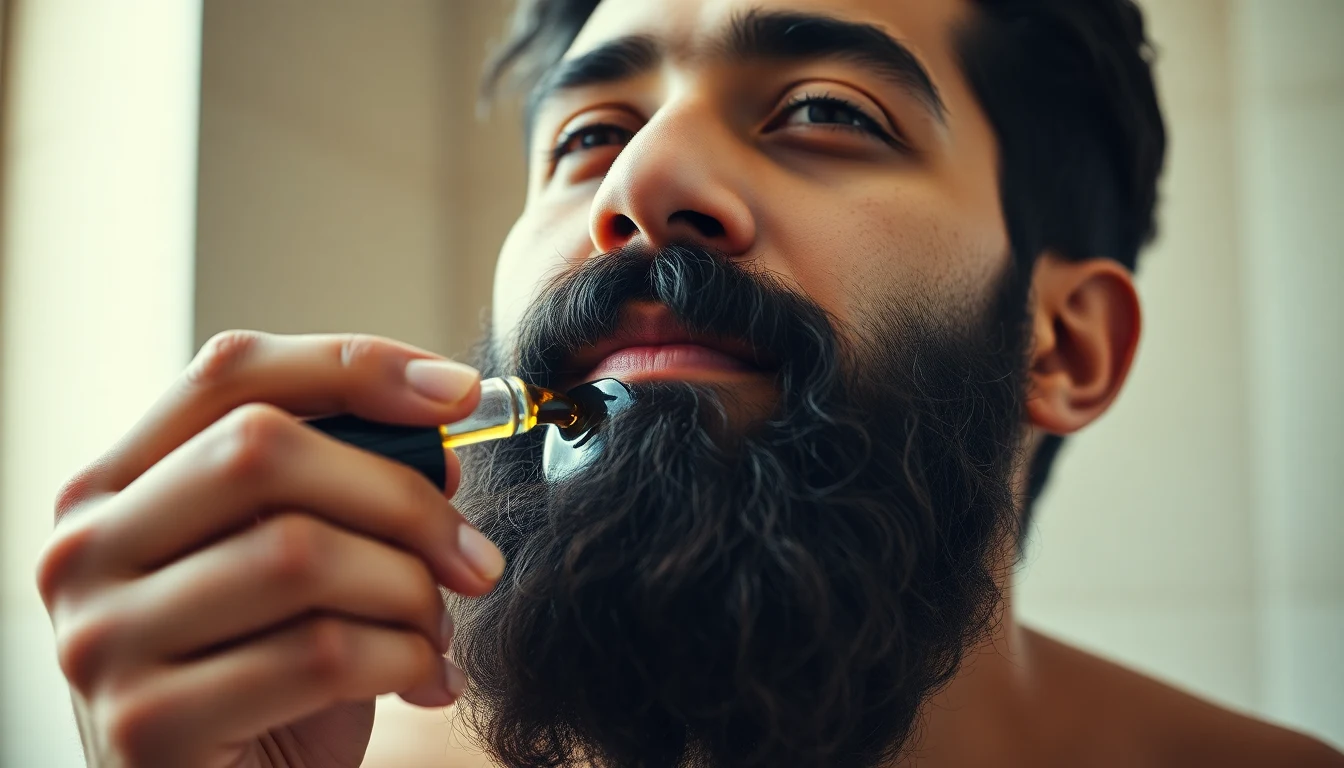
You can adapt your head hair oils for beard use. Bhringraj oil designed for head hair can be used on the beard in small quantities (3-5 drops). The formulation is typically the same; only the application area differs. For a complete comparison of Ayurvedic oils, see my Ayurvedic hair oil ranking guide.
Best Budget Option: DIY Beard Oil
Making your own beard oil is surprisingly simple and significantly cheaper than commercial products. Here is my recommended DIY formula for South Asian beards.

- 1 oz jojoba oil (base)
- 0.5 oz argan oil (conditioning)
- 0.5 oz fractionated coconut oil (penetration)
- 4 drops tea tree essential oil (antibacterial)
- 3 drops cedarwood essential oil (oil balancing)
- 2 drops sandalwood essential oil (scent, moisturizing)
Mix in a dark glass dropper bottle and shake well before each use. This blend costs approximately $15-20 for a 2-ounce bottle that lasts 6-8 weeks, compared to $25-35 for a comparable commercial product. Store in a cool, dark place; it keeps for 6 months.

- 100% PURE & NATURAL ORGANIC COCONUT OIL – A versatile carrier oil used for aroma
- COCONUT OIL FOR SKIN – Pure coconut oil is light weight and provides a silky-smo
- COCONUT OIL FOR HAIR – Coconut hair oil is rich in antioxidants with powerful pr
How to Apply Beard Oil Correctly
Application technique matters as much as the product itself. Here is the method I recommend for maximum benefit on thick South Asian beards.
Step 1: Start with a Clean, Slightly Damp Beard
The best time to apply beard oil is immediately after showering or washing your face. The warm water opens the hair cuticle and the pores of the skin beneath, creating the optimal window for oil absorption. Pat your beard with a towel until it is slightly damp (not dripping, not fully dry).
Step 2: Dispense the Right Amount
For South Asian beards, use more than the standard recommendation (which is typically calibrated for finer Western beards). Short stubble: 3-4 drops. Short beard (1-2 cm): 5-6 drops. Medium beard (2-4 cm): 7-8 drops. Long beard (4+ cm): 10-12 drops. Adjust based on how your specific beard responds. If your beard feels greasy two hours after application, reduce the amount. If it feels dry by midday, increase.
Step 3: Warm and Distribute
Rub the oil between your palms for 10 seconds to warm it. This improves absorption and makes distribution more even. Then work the oil through your beard using your fingers, starting from the skin underneath (press your fingers through the beard to reach the skin) and working outward to the tips. The skin beneath is where itch and dandruff originate, so do not just coat the surface hairs.

Step 4: Comb Through
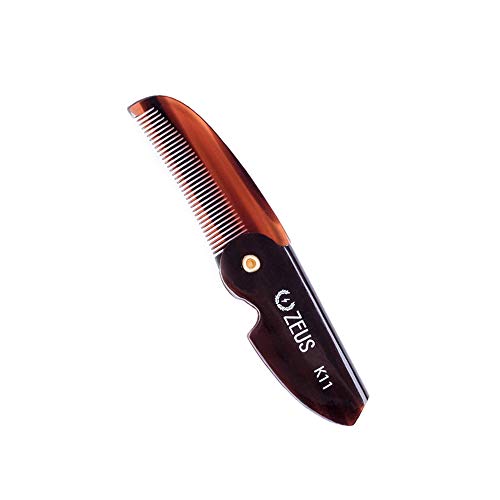
Use a wide-tooth wooden beard comb to distribute the oil evenly from root to tip. Combing also detangles (thick Indian beard hair tangles readily) and trains the hair to grow in your desired direction. Comb downward and outward, following the natural growth pattern. This daily combing ritual takes 30 seconds and makes a dramatic difference in beard appearance and manageability.
Common Beard Oil Mistakes
- Applying to dry beard: Oil absorbs poorly into fully dry hair. Always apply to slightly damp beard for best results.
- Only coating the surface: Many men run oil over the top of the beard without reaching the skin beneath. The skin is where itch, flaking, and follicle health originate. Push your fingers through to the skin.
- Using too little: Most usage guides are written for thinner Western beards. South Asian beards need 50-100% more product due to higher strand thickness and density.
- Applying once and expecting miracles: Beard oil needs to be applied daily, consistently, for at least 2-3 weeks before the cumulative benefits become fully apparent. One application makes a temporary difference; daily application transforms the beard.
- Choosing based on scent alone: Scent is important, but carrier oil quality determines actual effectiveness. A great-smelling oil with a mineral oil base does nothing for coarse South Asian beards.
Beard Oil vs. Beard Balm: Which Do South Asian Men Need?
This is a common question, and the answer depends on your beard length and styling needs.
| Factor | Beard Oil | Beard Balm |
|---|---|---|
| Primary purpose | Moisturize skin and hair | Moisturize + hold/shape |
| Best for beard length | All lengths | Medium to long (2+ cm) |
| Texture | Liquid | Waxy/buttery |
| Hold | None | Light to medium |
| Absorbency | Absorbs fully | Sits partially on surface |
| For South Asian beards | Essential at all stages | Useful once beard is 2+ cm for taming flyaways |
My recommendation for South Asian men: start with oil as your foundation product. Add balm once your beard reaches medium length and you need help with shaping and controlling flyaways. Many men use both: oil applied to damp beard in the morning for moisture, with a small amount of balm over the top for hold and shape. They serve different functions and work best together for beards longer than 2 cm.
Ayurvedic Approach to Beard Oiling
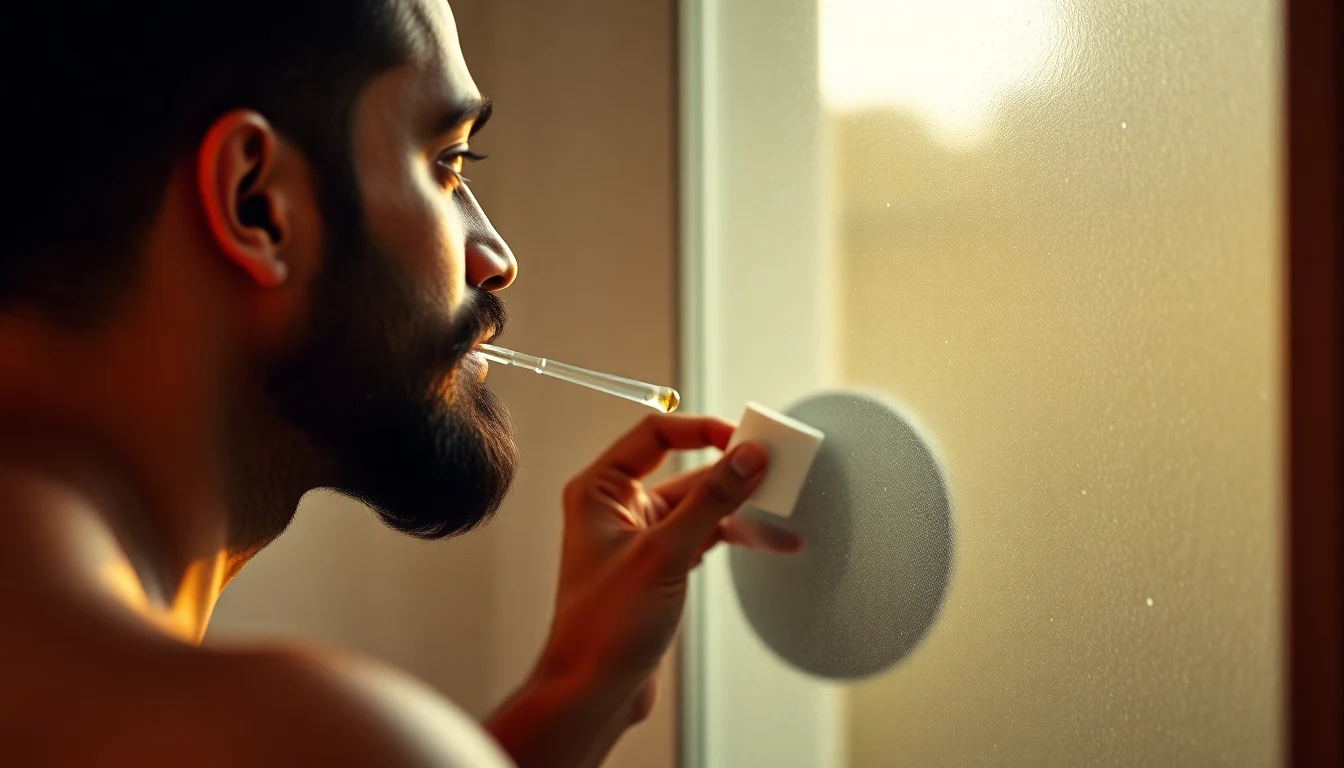
For men who want to incorporate traditional Ayurvedic practices into their beard care, the same principles that apply to head hair champi (oil massage) can be adapted for facial hair. The concept of abhyanga (therapeutic oil application) is not limited to the scalp. Applying warm Ayurvedic oils to the beard and massaging the underlying skin stimulates blood flow to facial hair follicles, delivers nutrients that support growth, and maintains skin health beneath the beard.
Once weekly, warm a tablespoon of your chosen Ayurvedic oil (bhringraj for growth, amla for strengthening, neem for antibacterial protection) and massage it into your beard and the skin beneath. Leave it on for 30-60 minutes, then wash out with a gentle beard wash. This weekly Ayurvedic treatment, combined with your daily modern beard oil, creates a comprehensive care system that addresses both immediate comfort and long-term beard health. For the complete Ayurvedic oil breakdown, check out my Ayurvedic hair oil guide.
Frequently Asked Questions
Can I use the same oil for my beard and head hair?
Ayurvedic oils (amla, bhringraj, coconut) can be used on both beard and head hair without issues. Commercial beard oils can also be used on head hair but tend to be more expensive per ounce than dedicated hair oils. The reverse is more complicated: some head hair oils contain ingredients (like heavy silicones or certain essential oils in higher concentrations) that may irritate the more sensitive facial skin. When in doubt, check the ingredient list and avoid applying anything to your face that contains synthetic fragrance or high concentrations of menthol.

How long does it take for beard oil to soften a coarse South Asian beard?
You will notice an immediate improvement in softness from the first application, but the cumulative, transformative softening takes about 2-3 weeks of daily use. Each application adds moisture that gradually changes the texture of the beard hair. Maintain the daily habit and the beard continues to improve in softness and manageability over the following months.
Will beard oil cause acne?
It can if you use the wrong oil. Heavy, comedogenic oils (coconut oil in its solid form, castor oil, mineral oil) can clog pores and trigger breakouts in acne-prone skin. Jojoba oil is the safest choice for acne-prone South Asian men because its molecular structure closely mimics human sebum, which means the skin recognizes it and does not over-react. Argan and grapeseed oils are also well-tolerated by oily, acne-prone skin. If you experience breakouts after starting a beard oil, switch to a jojoba-based formula and reduce the amount applied. For facial skincare alongside beard care, see my Indian men’s skincare routine guide.
Is beard oil necessary if I already use head hair oil?
Yes, but for a different reason. Head hair oiling (champi) is typically a pre-wash treatment that you apply, leave on, and wash out. Beard oil is a leave-in product applied daily for ongoing moisture and protection. The purposes and application methods are different. Your beard hair is exposed to more friction (from clothing, hands, masks) and more environmental stress (food, drink, weather) than head hair, so it needs dedicated, continuous moisture that a wash-out treatment cannot provide.
What scents work best for South Asian men?
This is entirely personal preference, but scents that resonate with South Asian olfactory culture tend to be well-received. Sandalwood (chandan) is a classic that most Indian men find pleasant and culturally familiar. Cedarwood offers a woody, masculine alternative. Vetiver (khus) provides an earthy, grounding scent. Avoid overly sweet or floral scents unless that is your personal preference. Many men prefer unscented beard oil to avoid clashing with cologne or other grooming products. For general beard style guidance to pair with your grooming routine, explore our broader beard oil comparison.
More Indian & South Asian Grooming Guides
- Indian Men's Skincare Routine: Ayurvedic and Modern Approaches
- Amla Oil for Men: Hair Growth, Scalp Health, and How to Use It
- Ayurvedic Hair Oil Guide for Men: Amla, Bhringraj, and Brahmi Ranked
- Indian Men's Beard Styles: A Complete Guide with Barber Instructions
- Indian Men Hairstyles: Best Cuts for Thick, Dark Hair
Why do South Asian men need different beard oils than other ethnicities?
South Asian facial hair is naturally thicker, coarser, and more wiry than other hair types, which makes it prone to itching, dryness, and ingrown hairs without proper treatment. Additionally, South Asian skin tends to be oilier underneath, requiring beard oils with lighter carrier bases that won’t clog pores or create buildup. The right beard oil formulation addresses these specific challenges by softening coarse hair and nourishing the sensitive skin beneath.
What should you look for in the best beard oil for South Asian men?
You should prioritize lightweight carrier oils like jojoba or argan that won’t feel greasy on your skin, combined with essential oils that reduce itching and promote growth. Avoid heavy synthetic fragrances and overly thick formulations that can trap dirt and bacteria in your beard, making irritation worse. Look for products with natural ingredients or Ayurvedic blends specifically designed for coarse, thick facial hair.
How do you apply beard oil correctly to get the best results?
Start by washing your beard and applying oil to slightly damp hair, which helps the product absorb better into both the hair and skin underneath. Dispense a small amount between your palms, then work it through your beard from the roots outward, making sure to reach the skin. Use this method daily or as needed to eliminate itch, reduce dryness, and maintain a healthy, groomed appearance.
Is it worth making your own beard oil or should you buy a commercial product?
DIY beard oil can be a budget-friendly option if you have the time to source quality carrier oils and essential oils, but it requires knowledge of proper ratios and ingredient compatibility. Commercial products formulated specifically for South Asian men are designed to address your hair type’s unique needs, making them a reliable choice if you’re new to beard care. The best option depends on your budget, time availability, and confidence in blending your own product.

Halal Beard Oil Options for Muslim South Asian Men
Finding halal-certified beard oil can be challenging, especially for South Asian men whose thick, coarse facial hair demands high-quality ingredients. Many commercial beard oils contain alcohol-based carriers or animal-derived components that don’t meet halal standards. For Muslim brothers seeking compliant options, here are halal beard oil options for this hair type.
The Beard Struggle’s Viking Storm beard oil earned halal certification from the Islamic Society of North America (ISNA) in 2024. Its jojoba and argan oil base penetrates coarse South Asian facial hair effectively, while cedarwood and bergamot provide natural fragrance without synthetic alcohol. At $28 per bottle, it’s premium-priced but delivers 8-10 weeks of daily use for medium-length beards.
For budget-conscious options, Mountaineer Brand’s WV Timber beard oil uses only plant-based ingredients and received halal verification through the Halal Food Authority. The sweet birch and cedarwood scent appeals to South Asian preferences, and the $15 price point makes it accessible. However, the lighter formula may require twice-daily application for very coarse hair.
DIY halal beard oil remains popular among practitioners. Combining cold-pressed coconut oil (widely available in halal grocery stores) with black seed oil creates an effective treatment for thick facial hair. Add 3-4 drops of halal-certified essential oils like sandalwood or rose for fragrance. This homemade approach costs roughly $8 per month and aligns with principles many South Asian men prefer.
When shopping for halal beard oil, verify certification through recognized bodies like ISNA, HFA, or local Islamic councils. Avoid products containing ethyl alcohol, lanolin, or glycerin derived from non-halal sources. Always check ingredient lists, as “natural fragrance” sometimes contains alcohol-based extracts that may not meet halal requirements.