By Rohan Mehta
Finding the right shampoo for Indian hair should be straightforward, but the reality is anything but simple. Walk into a pharmacy and you are confronted with hundreds of options, almost none of which are formulated for the specific characteristics of South Asian hair. The thick strands, active sebaceous glands, and the frequent oil treatments that define South Asian hair culture create a set of requirements that most mainstream shampoos simply do not address. Most fall short. They either strip too aggressively (leaving hair dry and brittle after removing pre-wash oils) or clean too gently (leaving residue that makes thick Indian hair look limp and greasy). This guide cuts through the noise with honest rankings for every Indian hair concern.
What Indian Men’s Hair Actually Needs from a Shampoo
Before reviewing specific products, let me explain why most shampoos fail Indian men. Understanding the problem helps you evaluate any shampoo, not just the ones I recommend here.

The Oil Removal Challenge
Most South Asian men use pre-wash oil treatments. This is a core part of South Asian hair culture, and it delivers real benefits as I discuss in my Ayurvedic hair oil guide. But it creates a unique challenge: the shampoo needs to remove oil residue without stripping the hair’s natural moisture. Standard Western shampoos tend to fall into two camps. Sulfate-heavy formulas (like those containing sodium lauryl sulfate) strip everything, including the natural lipid layer that protects the hair cuticle. Gentle, sulfate-free formulas designed for fine European hair often cannot cut through the heavier oils many men use. Indian men need a middle ground: effective cleansing that handles oil removal without over-stripping.
Scalp Management
South Asian scalps tend toward higher sebum production, and the combination of dense hair, heat, and humidity creates an environment where scalp issues thrive. Dandruff affects an estimated 50% of Indian men at some point, and seborrheic dermatitis is more prevalent in South Asian populations than many realize. Your shampoo is your primary scalp management tool. It needs to balance cleansing with scalp pH maintenance (ideally between 4.5 and 5.5) without disrupting the scalp microbiome.
Key Ingredients to Look For
- Sodium laureth sulfate (SLES): A gentler surfactant than SLS. Acceptable for oil-removal days.
- Cocamidopropyl betaine: A mild, coconut-derived cleanser. Excellent for daily or non-oil-day use.
- Decyl glucoside: A plant-derived surfactant that cleanses without stripping. Ideal for sensitive scalps.
- Neem extract: Natural antifungal and antibacterial. Excellent for dandruff management.
- Tea tree oil: Anti-inflammatory and antimicrobial. Soothes itchy, irritated scalps.
- Salicylic acid: Chemical exfoliant that dissolves scalp buildup. Good for oily scalps.
- Ketoconazole (1-2%): The gold standard for managing dandruff and seborrheic dermatitis.
Ingredients to Avoid
- Sodium lauryl sulfate (SLS): Too harsh for regular use. Strips natural oils completely and can irritate the scalp.
- Dimethicone (in high concentrations): Creates heavy buildup on thick Indian hair that requires harsh cleansing to remove, creating a vicious cycle.
- Alcohol denat (high on ingredient list): Drying agent that weakens the hair shaft over time.
- Parabens: While the health concerns are debated, there are enough effective paraben-free options that there is no reason to choose them.
Best Shampoos for Indian Men: Ranked by Category
Best Overall: For Thick, Normal Indian Hair
For the majority of Indian men with thick, healthy hair that needs regular maintenance, a quality sulfate-free shampoo with mild surfactants is the gold standard. Look for formulas that contain cocamidopropyl betaine as the primary cleanser, with added moisturizing agents like glycerin or aloe vera to prevent the dryness that thick hair is prone to after washing.
I recommend keeping two shampoos in your shower: a slightly stronger formula for oil-removal days (after pre-wash treatments) and a gentler formula for regular wash days. This two-shampoo approach is common in South Asian hair care and prevents the compromise of using a single product that is either too strong or too weak for different situations. If you are building your complete routine, pair your shampoo selection with my Indian men’s hair care routine guide.
Best for Oily Scalps
If your scalp becomes visibly oily within 24 hours of washing, you need a shampoo with stronger cleansing power without resorting to harsh sulfates. Formulas containing salicylic acid (0.5-2%) are particularly effective because they dissolve sebum and exfoliate dead skin cells simultaneously. Tea tree oil-based shampoos also work well for oily scalps due to their natural astringent properties.

Important note: if your scalp is extremely oily, the problem may not be insufficient cleansing. Over-washing with aggressive shampoos triggers a feedback loop where the scalp produces more oil to compensate for what was stripped. Try reducing your wash frequency to every other day with a gentle cleanser and see if oil production normalizes within 2-3 weeks. Your scalp often needs less intervention, not more.
Best for Dandruff and Flaky Scalps
Dandruff in South Asian men is typically caused by Malassezia yeast overgrowth, and it requires targeted treatment rather than standard cleansing. Ketoconazole 1% shampoos (available over the counter) are the most effective option supported by clinical evidence. Use the medicated shampoo 2-3 times per week, leaving it on the scalp for 3-5 minutes before rinsing, and alternate with your regular shampoo on other wash days.

For men who prefer a natural approach, neem-based shampoos provide moderate antifungal activity and can manage mild dandruff. However, for moderate to severe flaking, medical-grade anti-dandruff shampoos are significantly more effective. Once the dandruff is under control (typically 4-6 weeks), you can reduce the medicated shampoo to once per week for maintenance.
Best for Thinning Hair
If you are experiencing hair thinning, your shampoo should do three things: clean gently (to avoid further stress on weakened follicles), support scalp health (a healthy microbiome supports hair retention), and deliver mild stimulating ingredients (caffeine, biotin, or saw palmetto extract). Shampoos containing 1% ketoconazole have actually shown modest anti-androgenic effects in studies, making them a dual-purpose choice for men dealing with both dandruff and androgenetic alopecia.
Pair your thinning-hair shampoo with bhringraj oil pre-wash treatments for a comprehensive approach. The oil treatment stimulates growth while the shampoo maintains a clean, healthy scalp environment. For more strategies on addressing hair loss, visit our guide on growing thicker hair and beard.
Best Ayurvedic / Natural Shampoos
For men who want to keep their entire routine rooted in Ayurvedic tradition, several natural shampoos deliver genuine cleansing without synthetic surfactants. Look for formulas based on reetha (soapnut), shikakai (acacia), and amla. These traditional cleansers have been used in India for centuries and are naturally pH-balanced for the scalp.
A word of caution: pure reetha and shikakai powders (mixed with water to form a paste) clean effectively but have a significant learning curve. They do not lather like conventional shampoos, require thorough rinsing to avoid residue, and may not fully remove heavy oil treatments. If you are transitioning from conventional to Ayurvedic cleansing, start by alternating between a natural cleanser and your regular shampoo until you find the right balance for your hair.
Shampoo Comparison Table
| Category | Best For | Key Ingredient | Sulfate-Free | Oil Removal Power | Scalp Health |
|---|---|---|---|---|---|
| Gentle Daily | Regular maintenance | Cocamidopropyl betaine | Yes | Moderate | Good |
| Oil-Removal | Post-oiling wash days | SLES + betaine | No (mild sulfate) | Strong | Neutral |
| Anti-Dandruff | Flaking, itching | Ketoconazole 1% | No | Good | Excellent |
| Anti-Thinning | Hair loss, fine hair | Caffeine + biotin | Yes | Light | Good |
| Oily Scalp | Excess sebum | Salicylic acid + tea tree | Yes | Good | Excellent |
| Ayurvedic Natural | Chemical-free preference | Reetha + shikakai | Yes | Moderate | Good |
| Wavy/Curly | Texture preservation | Glycerin + argan | Yes | Light | Good |
How to Shampoo Indian Hair Correctly
The technique matters as much as the product. Here is the proper shampooing method optimized for thick, dense South Asian hair.

Step 1: Wet Thoroughly
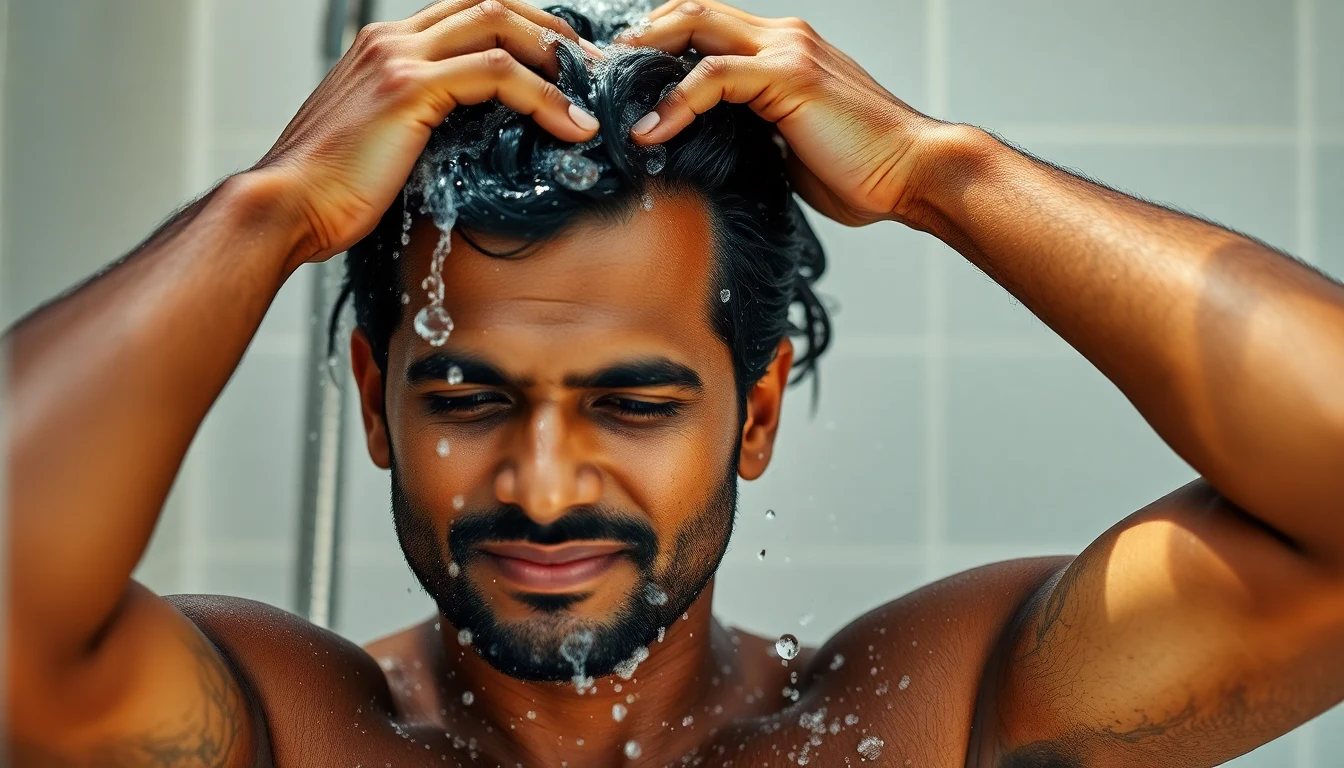
Stand under the shower for a full 60 seconds before applying shampoo. Indian hair is thick and dense, and water needs time to fully saturate each strand. Insufficient wetting means the shampoo contacts dry hair, leading to friction, tangling, and uneven cleansing. Use lukewarm water. Hot water opens the cuticle excessively and can strip the scalp’s natural moisture barrier.
Step 2: Apply to Scalp First
Squeeze a coin-sized amount of shampoo into your palm. Rub your palms together to distribute it, then apply directly to the scalp in four spots: the crown, the temples, the nape, and behind the ears. These are the areas where sebum and sweat accumulate most. Use your fingertips (never your nails) to massage in circular motions for 60-90 seconds. The shampoo that runs down the hair length during rinsing provides sufficient cleansing for the mid-lengths and ends; there is no need to scrub the entire hair shaft.
Step 3: Rinse, Repeat If Needed
On regular wash days, one round of shampooing is sufficient. On post-oil-treatment days, a double shampoo is typically necessary. The first round breaks down and removes the oil, while the second round actually cleanses the scalp. You will notice significantly more lather on the second round, which confirms the oil has been removed. Rinse thoroughly after each round. Shampoo residue on thick hair is a common cause of the “my hair feels waxy” complaint.
Step 4: Cool Rinse
Finish with a 15-30 second rinse of cool (not cold) water. This seals the cuticle, locks in whatever moisture your conditioner provides, and creates the smooth, shiny finish that healthy Indian hair is known for. This small step makes a noticeable difference in how your hair looks and feels after drying.
The Two-Shampoo Strategy: Why Indian Men Need It
This approach works well for most South Asian men. Keep two shampoos and use them strategically.
Shampoo A (Cleansing Shampoo): Slightly stronger formula with mild sulfates or strong surfactants. Use this exclusively on days when you need to wash out pre-wash oil treatments. The stronger cleansing power handles the oil without requiring three or four rounds of lathering.
Shampoo B (Gentle Shampoo): Sulfate-free, mild formula for regular maintenance washes. This is your everyday shampoo for non-oil days when you are simply removing sweat, product, and environmental pollution. It cleans without stripping, maintaining the hair’s natural moisture balance.

This approach prevents the common problem of using a shampoo that is either too harsh for everyday use (causing dryness and rebound oiliness) or too gentle to remove oil treatments (leaving residue that makes hair look greasy and flat). Rotate based on what your hair needs that day.
Shampoo Mistakes Indian Men Make
- Using the same shampoo for everything: Your oil-removal days and regular wash days have different requirements. One product cannot optimally serve both purposes.
- Shampooing daily: Unless you work in a physically demanding environment or exercise intensely every day, daily shampooing strips your hair unnecessarily. Every 2-3 days is optimal for most Indian men.
- Applying shampoo to dry hair: Always wet hair thoroughly first. Applying shampoo to dry or barely-damp hair concentrates the surfactants and causes unnecessary friction damage.
- Using too much product: A coin-sized amount is sufficient for most men. More shampoo does not mean more cleaning; it just means more rinsing required and more product waste.
- Skipping conditioner after shampooing: Every shampoo session should be followed by conditioner on the mid-lengths and ends. Shampoo opens the cuticle; conditioner seals it back. Skipping this step leaves your hair vulnerable to damage all day.
- Using hot water: Hot water feels relaxing but damages your hair and scalp. Lukewarm for washing, cool for the final rinse. This is non-negotiable for hair health.
DIY Natural Cleansing Alternatives
For men interested in traditional cleansing methods, these Ayurvedic alternatives have been used in South Asia for centuries.
Reetha (Soapnut) Wash
Soak 5-6 reetha shells in warm water overnight. In the morning, boil the water for 15 minutes, strain, and use the liquid as a shampoo. Reetha contains natural saponins that cleanse gently. The result is clean, soft hair with a subtle natural sheen. The downside: no foam, which takes getting used to, and it may not fully remove heavy oil treatments.
Shikakai (Acacia) Paste
Mix shikakai powder with warm water to form a thin paste. Apply to wet hair and scalp, massage for 2-3 minutes, and rinse thoroughly. Shikakai has a slightly acidic pH (similar to healthy scalp pH) and contains vitamins A, C, D, and K. It cleans effectively while conditioning simultaneously.
Besan (Gram Flour) Wash
Mix 3-4 tablespoons of besan with enough water to form a paste. Add a teaspoon of lemon juice and a teaspoon of yogurt for extra cleansing and conditioning. Apply to wet hair, work through the scalp, and rinse. This is surprisingly effective at removing oil and leaves hair noticeably soft. It is a traditional method with a long history of use.
Frequently Asked Questions
Should Indian men use sulfate-free shampoo?
For regular wash days, yes. Sulfate-free shampoos clean effectively without stripping the natural oils that protect thick Indian hair. However, a mild sulfate shampoo is acceptable (and sometimes necessary) for post-oil-treatment washes when you need stronger cleansing power. The two-shampoo strategy I recommend above handles both situations optimally.
How do I remove coconut oil from my hair without harsh shampoo?
Apply a generous amount of conditioner to dry, oiled hair before wetting it. The conditioner emulsifies the oil, making it much easier to remove. Then shampoo once with your regular formula. This “reverse conditioning” technique reduces the need for harsh cleansers or multiple shampoo rounds. You can also apply the shampoo directly to dry, oiled hair first, lather without water, then add water to rinse. Both methods break down the oil more effectively than shampooing wet hair.
Why does my hair feel waxy or coated even after shampooing?
This usually indicates either insufficient rinsing, silicone buildup, or hard water mineral deposits. First, extend your rinse time to a full 60 seconds. If the problem persists, check your products for heavy silicones (dimethicone, cyclomethicone) and switch to silicone-free alternatives. If you live in a hard water area, try an apple cider vinegar rinse (2 tablespoons in a cup of water) after shampooing once per week to dissolve mineral deposits.
Can I use the same shampoo my wife or mother uses?
While men and women’s Indian hair share similar structural characteristics, the scalp environment differs due to hormonal differences. Men typically produce more sebum and are more prone to androgenetic alopecia. Shampoos marketed toward women often emphasize moisturizing and smoothing, which can leave men’s oilier scalps under-cleaned. That said, a good shampoo is a good shampoo regardless of who it is marketed to. Focus on the ingredient list and your scalp’s needs rather than the gender on the bottle.
How often should I change my shampoo?
There is a persistent myth that hair “gets used to” a shampoo and stops responding. This is not scientifically accurate. If a shampoo works well for you, there is no need to switch. However, your hair’s needs can change with seasons (more moisture in winter, more cleansing in summer), age (gentler formulas as hair thins), and lifestyle changes (a new exercise routine may require more frequent cleansing). Adjust your products when your circumstances change, not on an arbitrary rotation schedule.
Why do mainstream shampoos leave my Indian hair feeling greasy even after washing?
Most commercial shampoos aren’t formulated for the active sebaceous glands and thick hair texture common in South Asian men. They either clean too gently, leaving residue buildup, or strip too aggressively, causing your scalp to overproduce oil as compensation. Finding the best shampoo for Indian hair means choosing one that balances effective cleansing with your hair’s natural oil needs.
What is the two-shampoo strategy and why do Indian men need it?
The two-shampoo strategy involves washing your hair twice in one session, with the first shampoo removing buildup from oil treatments and styling products, and the second providing a deeper, gentler clean. Indian men benefit from this method because their hair regularly receives pre-wash oil treatments as part of cultural grooming practices, which create more buildup than typical hair requires.
Should I use natural ingredients like reetha or shikakai instead of commercial shampoos?
Natural alternatives like reetha (soapnut) and shikakai can be effective for Indian hair, especially if you prefer Ayurvedic approaches and want to avoid harsh chemicals. However, they require proper preparation and may not provide the same convenience or consistent results as quality commercial shampoos designed for your specific hair needs.
What key ingredients should I look for when choosing a shampoo for thick Indian hair?
Look for ingredients that cleanse effectively without stripping oils, such as gentle surfactants and natural herbs used in Ayurvedic formulations. Avoid sulfates and silicones that can leave residue on thick strands or damage hair structure, and prioritize shampoos specifically designed for high-sebum scalps and dense hair texture.