By Rohan Mehta
Indian men have a complicated relationship with facial hair. In Indian culture, a thick beard can signal maturity, wisdom, and masculinity, but it can also signal “I have no idea how to groom myself” if left unkempt. Indian men sport everything from the clean-shaven Bollywood look to the full Sikh-inspired beard, and the difference between looking distinguished and looking disheveled always comes down to one thing: intentional styling. South Asian facial hair is uniquely suited to certain beard styles due to its typical density, thickness, and growth patterns. But those same characteristics mean that popular Western beard trends do not always translate well to Indian face shapes and hair textures. This is a guide to the styles that actually work for Indian men, complete with the exact barber instructions you can screenshot and bring to your next appointment.
Understanding Indian Facial Hair: What We Work With
Before choosing a style, you need to understand the raw material. Indian men’s facial hair has distinct characteristics that influence which styles look best and how to maintain them.
Density and Thickness
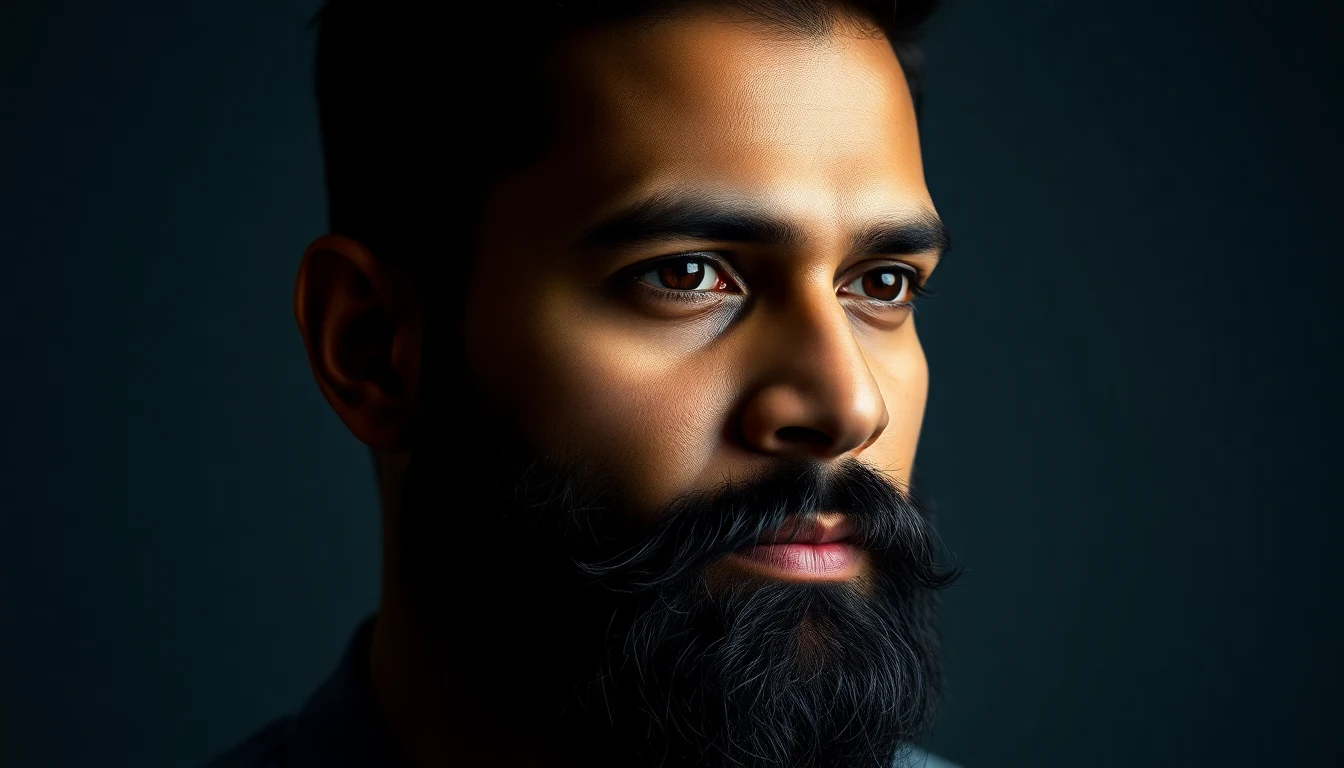
Most Indian men grow dense, thick facial hair, particularly across the jawline and chin areas. Individual strand diameter tends to be on the higher end (80-100 micrometers), which gives Indian beards a naturally full appearance even at shorter lengths. This is an advantage for styles that require volume and presence, but it means maintenance is essential. Thick facial hair that is not regularly trimmed and shaped can quickly look overgrown and messy.
Growth Patterns
Indian facial hair commonly grows in multiple directions, particularly on the cheeks and neck. This creates challenges for achieving a clean, uniform look but adds natural texture and fullness to longer styles. The cheek line often needs more attention than in other hair types because Indian facial hair grows higher on the cheeks in many men, which can look untidy if not defined with a clean cheek line.
Common Challenges
- Patchy growth in some areas: While most Indian men grow thick beards, patchiness on the cheeks is common, especially in younger men under 25.
- Early graying in the beard: South Asian men frequently see gray beard hairs earlier than head hair graying, sometimes as early as the late 20s.
- Ingrown hairs: The combination of thick, curly strands and dense growth makes Indian men prone to ingrown hairs, particularly on the neck and jawline.
- Coarse texture: Untreated Indian beard hair can feel wiry and rough, which affects both comfort and appearance.
Face Shape Guide for Indian Men
The right beard style depends heavily on your face shape. Here is how to identify yours and which beard shapes complement it best.
| Face Shape | Characteristics | Best Beard Styles | Avoid |
|---|---|---|---|
| Oval | Balanced proportions, slightly narrow chin | Almost any style works. Short boxed beard, stubble, medium beard | Very long, untrimmed beards that elongate further |
| Round | Full cheeks, wide face, soft jawline | Goatee, chin strap, longer beards that add length | Full, wide beards that add more width to the face |
| Square | Strong jawline, wide forehead and jaw equally | Short stubble, circle beard, rounded edges | Square-shaped beards that exaggerate angular features |
| Oblong | Longer face, narrow, straight lines | Full beard with volume on sides, mutton chops | Long, thin beards that make the face look longer |
| Diamond | Wide cheekbones, narrow forehead and chin | Full beard with jaw emphasis, chin beard | Very short styles that highlight narrow chin |
| Heart | Wide forehead, narrow chin | Full beard with chin volume, medium-length beard | Goatees that draw attention to narrow chin |
Common Indian face shapes tend toward oval and round, which gives most Indian men significant flexibility in beard style choice. If you are unsure of your face shape, pull your hair back, look in a mirror, and trace the outline of your face with a dry-erase marker on the mirror. The shape that emerges will guide your style selection.
Top 10 Beard Styles for Indian Men
1. The Corporate Stubble
Best for: Professional environments, all face shapes, men who want a masculine look without high maintenance.
This is the most versatile and widely flattering beard style for Indian men. It provides facial definition without the commitment of a full beard, and it works equally well in a boardroom or at a casual dinner. The key is keeping it intentionally maintained rather than looking like you forgot to shave.
Barber instructions: “I want heavy stubble, about 3-5mm length. Please define the cheek line in a natural curve from the sideburn to the corner of the mouth. Clean up the neckline with a sharp line about one finger-width above the Adam’s apple. Use a 3mm guard on the trimmer for the main length, and blend the edges with a 1mm guard.”
Maintenance: Trim every 3-4 days to maintain the length. Use a stubble trimmer with adjustable guards. Apply a light beard oil daily to prevent itchiness and soften the coarse texture that Indian stubble tends to have.
2. The Short Boxed Beard
Best for: Oval, square, and heart face shapes. Men who want a classic, well-groomed beard look.
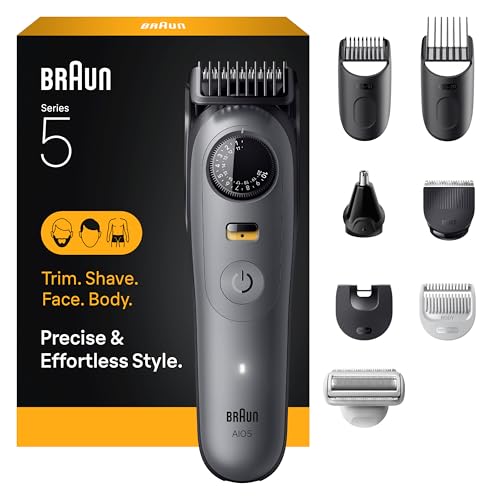
The short boxed beard is the Bollywood standard. Think Virat Kohli or Ranveer Singh in their more restrained moments. It provides substantial facial framing while maintaining a clean, shaped appearance. For Indian men with thick facial hair, this style hits the perfect balance between presence and polish.
Barber instructions: “Short boxed beard, 10-15mm length all around. Defined cheek line following the natural cheekbone, not too high. Squared-off bottom with a slight taper at the jaw corners. Neckline one finger-width above the Adam’s apple, faded into the skin. Mustache trimmed to the lip line, not hanging over.”
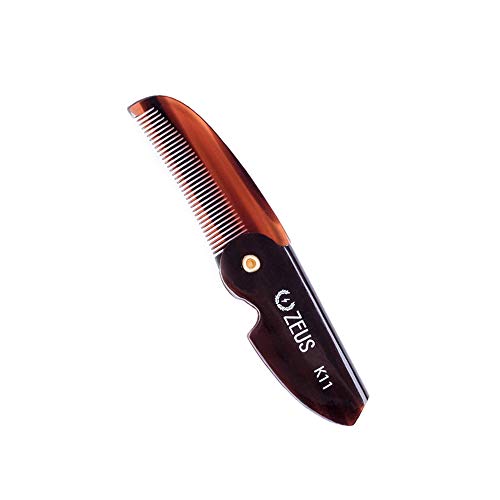
Maintenance: Trim weekly to maintain shape. Use a quality beard comb daily to train the hair direction and distribute natural oils. Apply beard oil morning and night during the first month to tame the coarseness common in Indian beards.
3. The Full Natural Beard
Best for: Oblong and heart face shapes. Men with even, full growth who want a traditional, masculine look.
The full beard carries significant cultural weight in many South Asian communities. In Sikh tradition, the uncut beard represents spirituality and discipline. In Muslim communities, a full beard is a matter of faith. Even outside religious contexts, a well-maintained full beard on an Indian man projects authority and maturity. The key word is “well-maintained.”
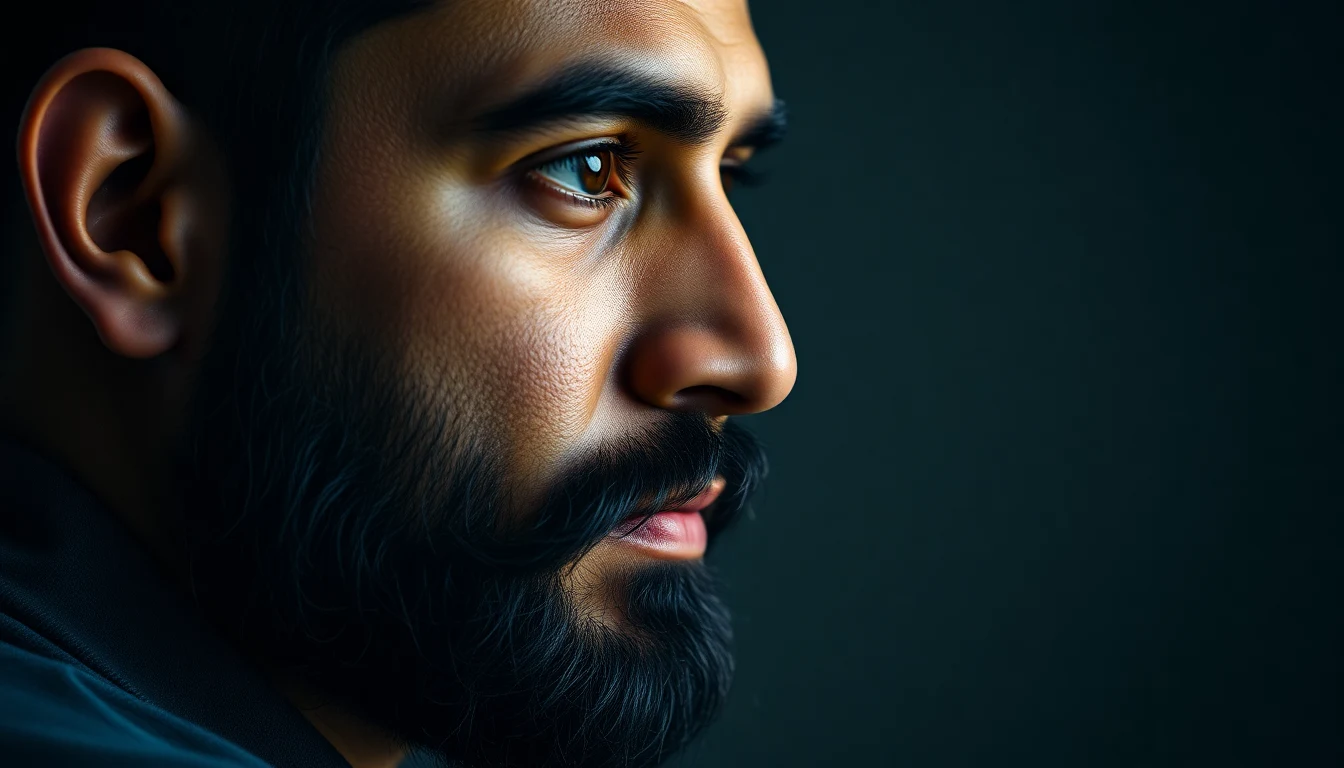
Barber instructions: “Full beard, natural growth, about 25-40mm. Minimal shaping, just clean up the cheek line to remove strays above the natural growth boundary. Trim any hairs that extend beyond the main shape. Neckline cleaned up but kept natural, about two finger-widths above the Adam’s apple. Mustache blended into the beard, trimmed to lip line for cleanliness.”
Maintenance: Wash the beard 2-3 times per week with a dedicated beard wash. Apply beard oil daily, working it through with a wooden beard comb. Trim strays weekly. Brush daily to train direction and distribute oils evenly. For South Asian men with particularly coarse beards, a beard balm provides extra hold and softening. Read my best beard oil for South Asian men guide for product recommendations.
4. The Extended Goatee
Best for: Round and diamond face shapes. Men with patchy cheek growth but good chin and mustache density.
If your cheek growth is thin or patchy but your chin and mustache are strong, the extended goatee is your best friend. This style connects the mustache to the chin beard while keeping the cheeks clean-shaven, creating a focus on the strongest parts of your facial hair. It elongates round faces and adds definition to soft jawlines.
Barber instructions: “Extended goatee with connected mustache and chin beard. Shave the cheeks clean. Goatee extends along the jawline about 2 inches past the chin on each side. Width of the chin portion should be about as wide as the mouth. 10-15mm length. Sharp, clean edges all around.”
Maintenance: Shave cheeks every 2-3 days. Trim the goatee weekly for shape. This style requires more precision than a full beard, so invest in a quality trimmer with a precision attachment.
5. The Fade Beard
Best for: All face shapes. Men who want a modern, trendy look that blends beard into hairstyle.
The fade beard transitions gradually from the sideburns into the main beard, creating a seamless connection between haircut and facial hair. This is one of the most requested styles among younger Indian men because it looks polished and contemporary. It pairs especially well with undercuts, fades, and tapered hairstyles. Check out Indian men’s hairstyles for haircut pairings.
Barber instructions: “Beard with a fade from the sideburns. Start at 1mm at the sideburn, blend to full length (15-20mm) by the jawline. Cheek line should be low and natural, not razor-sharp. Neckline faded into the skin. Make sure the sideburn fade matches the haircut fade for a seamless transition.”
Maintenance: This style requires professional maintenance every 2-3 weeks due to the precision of the fade. Between barber visits, maintain the overall length with a trimmer and keep the neckline clean.
6. The Anchor Beard
Best for: Round and square face shapes. Men who want a distinctive, sculpted look.
Named for its resemblance to a ship’s anchor, this style combines a pointed chin beard with a pencil mustache, creating a sharp, defined look. It requires good chin growth and the ability to shape precisely. On Indian men, particularly those with angular features, this style adds sophistication and visual interest.
Barber instructions: “Anchor beard: pointed chin beard extending slightly below the chin, connected to a thin jawline strip. Pencil-thin mustache, separated from the chin beard with a clean gap. Clean-shaven cheeks. All lines should be crisp and sharp.”
Maintenance: High maintenance style. Requires precision shaving every 2-3 days and weekly barber touch-ups. Not recommended if you prefer a low-effort routine.
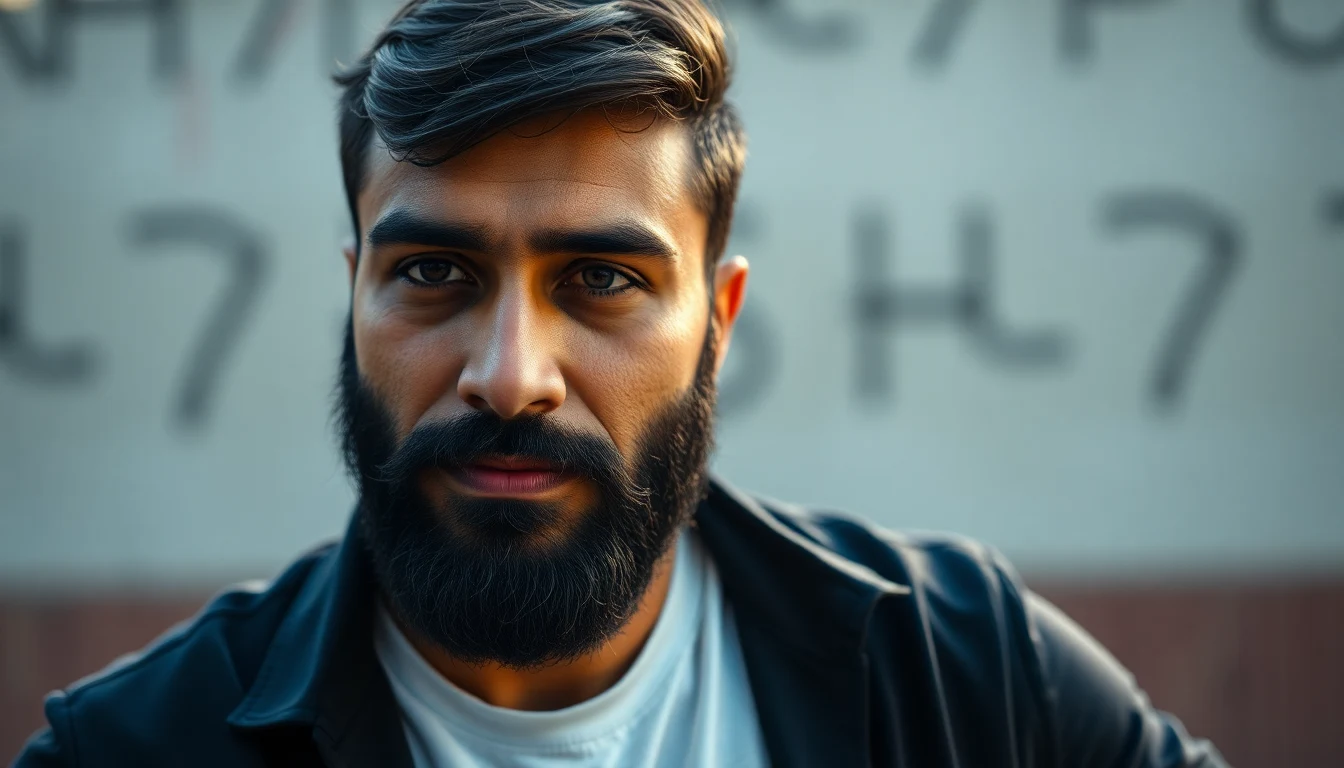
7. The Heavy Stubble with Line-Up
Best for: All face shapes. Men who want a defined, sharp look with minimal length.
This is corporate stubble elevated with razor-sharp edges. The cheek line and neckline are both precisely defined with a razor, creating a clean frame around the stubble. This is one of the most popular styles for Indian professionals because it communicates intentional grooming while remaining low maintenance.
Barber instructions: “Heavy stubble, 4-5mm, with a razor-sharp cheek line. Cheek line should follow a straight line from the bottom of the sideburn to the corner of the mouth. Razor-sharp neckline, clean below. I want clean, geometric edges. No natural fade; I want a crisp contrast between stubble and clean skin.”
Maintenance: Trim stubble every 3-4 days. Touch up the cheek and neck lines every 2-3 days with a single-blade razor for the sharpest edges.
8. The Garibaldi
Best for: Oblong and oval face shapes. Men with full, even growth who want a bold statement.
The Garibaldi is a wide, full beard with a rounded bottom and a natural, slightly untamed appearance. It works beautifully on Indian men with thick, voluminous facial hair because the natural density creates impressive fullness. This is not a corporate style; it is a weekend warrior, creative professional, or personal brand statement.
Barber instructions: “Garibaldi style. Full beard, about 40-50mm, with a rounded bottom. Minimal shaping on the cheeks, just remove true outliers. The bottom should have a natural, rounded shape, not squared off. Mustache full and natural, slightly covering the upper lip. Overall appearance should be full but not unkempt.”
Maintenance: Beard oil is essential for this length. Apply daily and work through with a boar bristle brush. Trim the shape every 2-3 weeks. Wash with beard shampoo 2-3 times per week. Conditioner or beard butter helps manage the coarseness at longer lengths.
9. The Verdi
Best for: Oval and square face shapes. Men who want to showcase a prominent, styled mustache.
Named after the Italian composer, the Verdi pairs a full, short beard with a styled, prominent mustache. The mustache extends slightly beyond the beard and is groomed separately, creating a focal point. Many Indian men grow exceptional mustaches, and this style lets you showcase that growth. It has historical resonance in Indian culture where the mustache has been a symbol of status and pride for centuries.
Barber instructions: “Verdi beard: full beard about 20-25mm, well-shaped and rounded. Mustache separate and prominent, extending slightly past the beard line on each side. Mustache should be waxed and styled with a slight upward curl at the ends. Beard neatly trimmed, cheek line natural but clean.”
Maintenance: The mustache requires daily styling with mustache wax. The beard portion is maintained like a standard short beard with weekly trimming and daily oil application.

10. The Bandholz
Best for: Narrow and oblong face shapes. Men committed to growing a truly impressive, long beard.
The Bandholz is a long, full beard left to grow with minimal trimming. It requires patience (6+ months of growth) and consistent maintenance to avoid looking messy. When properly maintained on an Indian man with thick facial hair, it creates an incredibly commanding presence. This style is common in Sikh and Rajput traditions and carries deep cultural significance.
Barber instructions: “Full beard, long growth, minimal trimming. Just remove split ends and strays. No shaping of the bottom. Natural cheek line. Mustache full, integrated with the beard. I am growing this out long-term and just need maintenance, not reshaping.”
Maintenance: This is the highest-maintenance style despite looking natural. Daily beard oil and brush. Weekly deep conditioning with beard butter. Trim split ends monthly. Keep a quality beard comb with you for midday touch-ups. The investment pays off in an impressive, healthy beard that sets you apart.
Beard Care Essentials for Indian Men
Regardless of which style you choose, these fundamentals apply to maintaining healthy, good-looking facial hair on South Asian men.
Daily Beard Oil Application
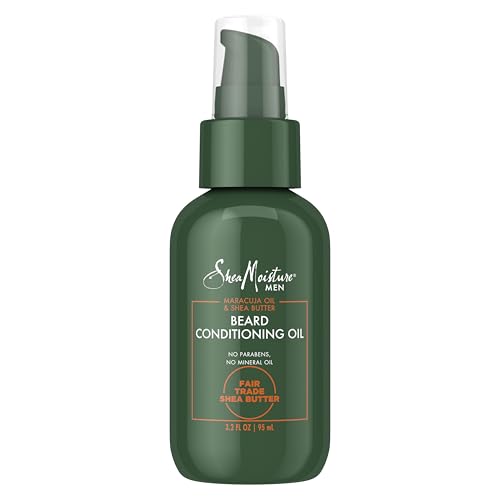
Indian beard hair tends toward coarse and wiry. Daily oil application is not optional; it is essential for softness, manageability, and preventing the itchiness that causes many men to give up growing a beard prematurely. Apply 3-5 drops (more for longer beards) after showering when the hair is slightly damp. Work it through with your fingers first, then distribute evenly with a comb. For specific product recommendations, read my best beard oil for South Asian men guide.
Weekly Beard Washing
Wash your beard 2-3 times per week with a dedicated beard wash. Regular hair shampoo is too harsh for facial skin and beard hair. Beard washes are formulated with gentler surfactants that clean without stripping the natural oils that keep your beard soft. Pat dry gently with a towel; never rub aggressively.
Combating Ingrown Hairs
Indian men are particularly prone to ingrown hairs due to the thickness and curliness of individual beard strands. To prevent them: always shave in the direction of growth on clean-shaven areas, exfoliate the neck area twice weekly, and never pull beard hairs out with tweezers (this damages the follicle and increases the likelihood of the next hair becoming ingrown). If you struggle with persistent ingrown hairs, see our beard growth guide for South Asian men for targeted solutions.
Frequently Asked Questions
What is the most professional-looking beard style for Indian men?
The corporate stubble (style #1) and the short boxed beard (style #2) are the most universally accepted in professional settings. Both look intentional and groomed without being distracting. The heavy stubble with line-up (style #7) is also excellent for corporate environments due to its clean, precise edges. Whichever you choose, the key to professional appearance is consistent maintenance and clean lines.

How long does it take for an Indian man to grow a full beard?
Most Indian men can grow a presentable full beard in 8-12 weeks. However, achieving a truly full, even beard that looks intentional rather than “growing out” takes 4-6 months. The awkward phase between weeks 3-6 is where most men give up. Power through it by keeping the neckline clean and trimming outlier hairs. The patience pays off once you pass the messy stage and the beard fills in completely.
My beard is patchy on the cheeks. What style should I choose?
The extended goatee (style #4) is specifically designed for men with patchy cheek growth. It showcases the strongest growth areas (chin and mustache) while keeping the weaker areas clean. You can also try heavy stubble, which looks more uniform at shorter lengths. If patchiness bothers you, remember that beard growth continues developing in men through their late 20s, so areas that are sparse now may fill in over the next few years. For strategies to improve growth, see my guide to growing a beard faster as a South Asian man.
Should I dye my gray beard hairs?
Gray beard hairs on Indian men can actually look distinguished, especially in a well-maintained beard. The salt-and-pepper look is increasingly popular and communicates experience and confidence. If graying bothers you, temporary beard dyes and tints are available that wash out gradually, avoiding the unnatural look of permanent dye. I recommend embracing the gray strategically: a touch of silver in a well-groomed beard often looks better than a flat, dyed color that does not match your natural tones.
How do I match my beard style to my hairstyle?
As a general rule, contrast works well. If your hairstyle is short and tight (fade, buzz cut), a fuller beard creates attractive balance. If your hair is longer and more relaxed, a shorter, more defined beard prevents an overgrown appearance. The fade beard (style #5) is specifically designed to blend seamlessly with faded hairstyles. For comprehensive hairstyle guidance, see our Indian men’s hairstyles guide and Asian hairstyles for men for broader inspiration.
What are the best Indian men’s beard styles for professional work environments?
The Corporate Stubble and Short Boxed Beard are excellent choices for professional settings, as they maintain a polished appearance while working with your natural facial hair density. These styles project maturity and intentionality without appearing unkempt, making them ideal for office or business casual environments.
How do I prevent ingrown hairs when growing out my Indian beard?
Regular beard washing with appropriate products and daily beard oil application help keep your skin healthy and reduce ingrown hair formation. You should also ensure your barber uses proper line-up techniques and avoid tight shaving, which is particularly important since South Asian facial hair tends to be denser and more prone to this issue.
Why don’t popular Western beard trends work well for Indian men?
Western beard styles often don’t account for the unique density, thickness, and growth patterns typical of South Asian facial hair, as well as the different face shapes common among Indian men. Styles specifically designed for Indian facial characteristics, as covered in this guide, will give you better-proportioned and more naturally flattering results.
How often should I visit my barber to maintain my beard style?
Most Indian men should visit their barber every 2-3 weeks to maintain line-ups and shape, though this depends on your specific style and how quickly your beard grows. Bringing barber instructions or screenshots of your desired style helps ensure consistency and prevents the unkempt appearance that can result from irregular maintenance.