By Rohan Mehta
Pakistani men’s hairstyles sit where South Asian tradition, Islamic influence, Bollywood-inspired trends, and global fashion meet. There is something distinctive about Pakistani men’s approach to grooming: there is a strong cultural emphasis on looking polished and put-together that influences hairstyle choices in ways that differ from broader South Asian trends. Whether you are a university student in Lahore looking for a modern cut, a professional in Karachi wanting something corporate-appropriate, or a Pakistani man living abroad trying to find a barber who understands your hair, this guide covers the styles that work best with Pakistani hair texture, face shapes, and cultural context. I have included exact barber instructions for each style so you can walk into any barbershop with confidence.
Understanding Pakistani Men’s Hair
Pakistani men’s hair shares many characteristics with broader South Asian hair types, but there are notable regional variations. Men from Punjab and Sindh provinces tend toward thicker, straighter hair with high natural shine. Men from Khyber Pakhtunkhwa and Balochistan often have slightly wavier textures with exceptional density. Men from northern areas (Gilgit-Baltistan, Azad Kashmir) may have finer hair that responds differently to products and styling.
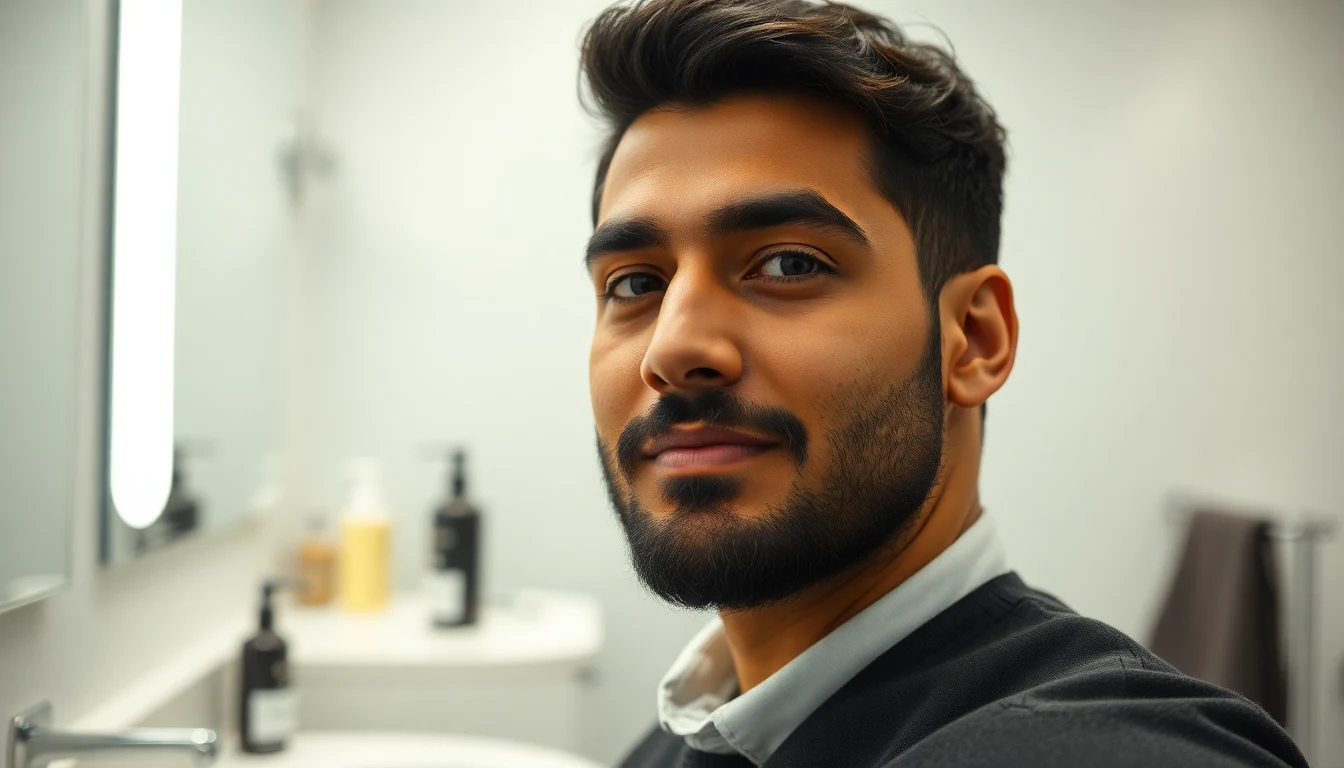
Common characteristics across Pakistani hair types include strong hair shafts (70-100 micrometers in diameter), a natural tendency toward medium-to-high volume, good response to oil-based treatments, and a natural dark color that provides excellent contrast for styled cuts. These properties mean that Pakistani men can pull off a wide range of styles, from tight fades to longer, textured looks, as long as the cut accounts for the hair’s thickness and natural growth direction.
Top 12 Hairstyles for Pakistani Men in 2026
1. The Textured Quiff
Why it works for Pakistani men: The thick texture of Pakistani hair provides natural volume that makes quiffs look effortlessly full. This is arguably the most popular hairstyle among young Pakistani men, from Islamabad to London’s Pakistani community.
Barber instructions: “Textured quiff with a mid skin fade. Sides faded from 0.5mm at the bottom to 6mm at the parietal ridge. Top left at 3-4 inches with point cutting for texture and movement. Blend the top into the sides gradually. No hard part line. I want volume at the front that falls naturally to one side.”
Styling: Apply a matte-finish clay or paste to towel-dried hair. Work the product from back to front, pushing hair upward and slightly to one side. Use a blow dryer on medium heat to set the volume. Finish with a light hairspray for hold that lasts through the day. Mise en Scene Perfect Serum applied before blow drying adds shine without weight.
2. The Classic Side Part
Why it works for Pakistani men: This timeless style suits professional settings and formal events. Pakistani hair’s natural thickness allows the side part to hold structure beautifully without excessive product, and the dark color creates a striking, defined part line.
Barber instructions: “Classic side part with a low taper fade. Part on the left side, about 2 inches from center. Top length 3 inches, combed to the side. Sides tapered from 3mm at the ear to blending with the top. Clean neckline, squared off. Subtle, professional look.”
Styling: Apply a medium-hold pomade to damp hair. Comb through from the part line outward. The natural density of Pakistani hair holds this style with minimal product. Reapply a small amount of pomade at midday if needed for a touch-up.
3. The High Fade with Crop Top
Why it works for Pakistani men: This bold, modern cut is extremely popular among younger Pakistani men and cricketers. The high contrast between the faded sides and the textured crop top creates a clean, sharp look that suits naturally dark hair. It is low-maintenance while looking deliberately styled.
Barber instructions: “High skin fade, 0mm at the bottom blending up to 6mm about 2 inches above the ear. Crop top, 2 inches on top with a textured, slightly choppy finish. Fringe cut blunt across the forehead, just above the eyebrows. Sharp line-up at the forehead and temples.”
Styling: Apply a small amount of matte paste or clay to dry hair. Work it through the top for messy, textured definition. This style looks best slightly tousled rather than perfectly combed. For a complete styling system, check my best hair products for South Asian men guide.
4. The Slicked Back Undercut
Why it works for Pakistani men: Pakistani hair’s natural shine and thickness make the slicked-back look appear polished and intentional rather than greasy. This is a popular style for weddings and formal occasions in Pakistani culture, where grooming expectations run high.
Barber instructions: “Undercut with disconnected sides. Sides at 3mm all around, no fade. Top left at 4-5 inches for slicking back. Sharp disconnect between sides and top. Clean line-up at the temples and nape.”
Styling: Apply a high-shine pomade or gel to damp hair. Comb straight back from the forehead, following the natural growth direction. Blow dry backward for extra hold. The natural oils in Pakistani hair actually help maintain this style, making it one of the easier “fancy” looks to maintain throughout the day.
5. The Medium Length Wavy
Why it works for Pakistani men: Many Pakistani men have natural waves that they suppress with short cuts or straightening. Embracing the natural texture with a medium-length cut creates a distinctive, effortlessly stylish look that stands out from the sea of fades. This style is gaining popularity among creative professionals and entertainment industry figures in Pakistan.
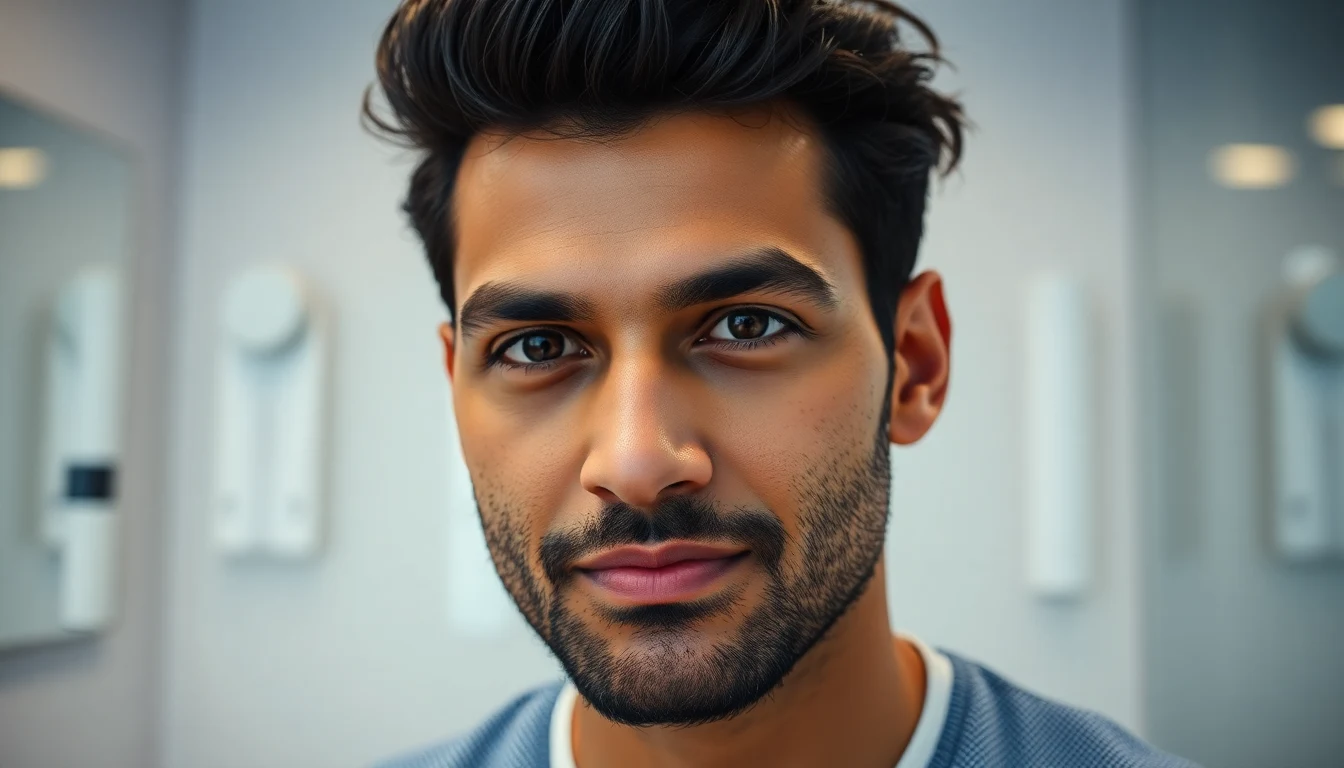
Barber instructions: “Medium length all around, 4-5 inches on top, 3-4 inches on sides. Layered to reduce bulk and encourage natural wave pattern. Thinning shears on the sides to remove weight. No fade. Clean neckline with a natural taper. I want to show my natural wave texture.”
Styling: Apply a curl-enhancing cream or light mousse to damp hair. Scrunch with your hands to encourage wave formation. Air dry for the most natural look, or diffuse on low heat for more defined waves. Mise en Scene Serum applied to damp hair controls frizz while enhancing natural shine. For more wavy and textured style inspiration, see our Asian hairstyles for men guide.

6. The Buzz Cut with Beard
Why it works for Pakistani men: This combination is practical, masculine, and culturally resonant. Many Pakistani men maintain full beards for religious or cultural reasons, and a clean buzz cut ensures the beard becomes the focal point. The contrast between the close-cropped head and a well-groomed beard is striking on South Asian features.
Barber instructions: “Buzz cut, 6mm all over with a skin fade at the temples and nape. Clean line-up at the forehead. Beard shaped to match: defined cheek line, neckline one finger above the Adam’s apple, 15-20mm length.”
Styling: Minimal styling needed for the hair. Focus attention on beard care: daily oil application, weekly washing, and professional shaping every 2-3 weeks. For beard maintenance guidance, read my Indian men’s beard styles guide and best beard oil for South Asian men.
7. The Pompadour
Why it works for Pakistani men: The pompadour demands volume, and thick Pakistani hair delivers it naturally. This style has seen a major resurgence in Pakistan’s urban centers, partly driven by Bollywood and Turkish drama influences that are hugely popular in Pakistan.
Barber instructions: “Modern pompadour with a low skin fade on the sides. Top at 4-5 inches, with length gradually increasing from back to front. Sides faded from 0.5mm to blending at the parietal ridge. Back tapered short. I want height at the front with a smooth transition to the sides.”
Styling: Blow dry damp hair backward and upward from the forehead, using a round brush to create lift. Apply a strong-hold, medium-shine pomade. Style the front into a smooth wave that rolls back from the forehead. This requires 5-7 minutes of styling time but creates a dramatic, polished result.
8. The Faux Hawk
Why it works for Pakistani men: This edgy style channels the height and drama of a mohawk without the commitment. Pakistani hair’s thickness allows you to achieve impressive height along the center without extensive product use.
Barber instructions: “Faux hawk with a mid fade. Sides faded from 1mm to 8mm. Top left at 3 inches, gradually shorter toward the back. Blend the top into the faded sides smoothly. No sharp edges between top and sides.”
Styling: Apply a strong-hold matte product to damp hair. Push hair upward and toward the center from both sides. Use your fingers to create a central ridge. Blow dry to set. This style works for both casual and semi-formal settings depending on how pronounced you make the central ridge.
9. The Curtain Bangs (Middle Part)
Why it works for Pakistani men: Influenced by Korean drama aesthetics (which have significant viewership in Pakistan), curtain bangs create a softer, more youthful look. Pakistani hair’s weight and density help the curtains fall naturally on either side of a center part.
Barber instructions: “Curtain bangs with a center part. Bangs at eye level, layered to frame the face and fall naturally to each side. Back and sides at 3-4 inches, layered for movement. No fade; I want a natural, relaxed look. Thinning shears on the bangs to prevent them from looking too heavy.”
Styling: Blow dry bangs away from the face at the roots for volume, then let the ends curve inward naturally. A light serum or leave-in conditioner keeps the bangs smooth and prevents the frizziness that thick Pakistani hair is prone to in humidity.
10. The Taper with Natural Texture
Why it works for Pakistani men: This versatile, professional cut works in virtually any setting. The taper keeps the sides clean while the top’s natural texture does the styling work. It is the safest choice for men who want to look stylish without drawing excessive attention.
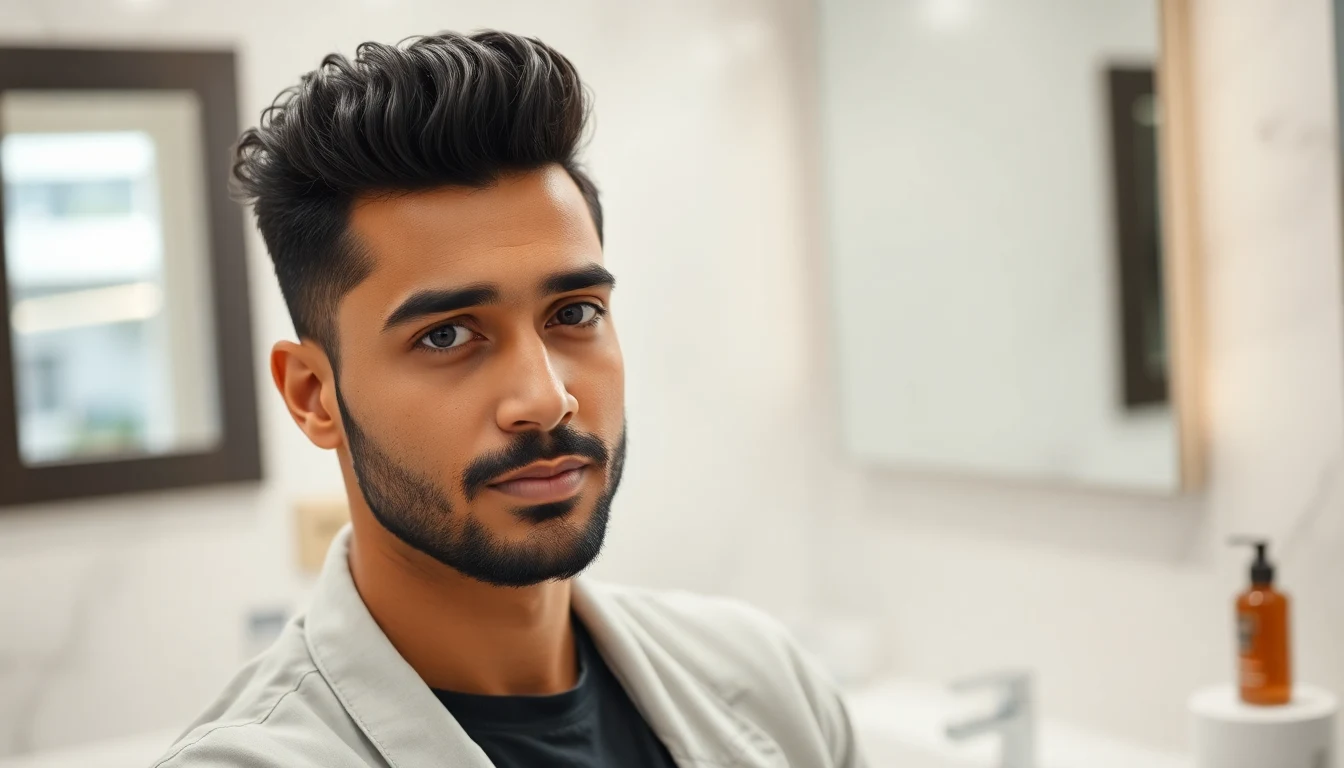
Barber instructions: “Classic taper on the sides, starting at half an inch at the ear and blending to the top. Top at 2-3 inches, natural texture, no thinning. Squared-off neckline. Professional but with some personality on top.”
Styling: Apply a light-hold, matte product to dry hair. Work it through with your fingers for natural movement. This is a style that looks better slightly imperfect, so avoid over-styling. The natural thickness and texture of Pakistani hair carries the look without effort.
11. The Low Fade with Long Top
Why it works for Pakistani men: This style offers maximum versatility. The long top can be styled back, to the side, textured forward, or worn naturally depending on the occasion. The low fade keeps things clean without being as dramatic as high fades, making it appropriate for professional environments in Pakistan where conservative grooming is valued.
Barber instructions: “Low fade starting at 0mm at the sideburn, blending up to 6mm one inch above the ear. Top at 4-5 inches with layers for movement. Blend the transition zone carefully, I don’t want a harsh line. Clean temples, natural neckline tapered.”

Styling: Varies by occasion. For professional settings: comb to the side with light pomade. For casual: work matte clay through for textured volume. For formal events: slick back with high-shine pomade. This versatility makes it ideal for men with varied social and professional lives.
12. The Classic Scissor Cut
Why it works for Pakistani men: Scissor cuts create softer, more natural transitions than clipper fades. For older Pakistani men or those in conservative professional environments, a well-executed scissor cut looks refined and timeless. Pakistani hair responds beautifully to scissor cutting because the individual strands are thick enough to hold the shape without looking wispy.
Barber instructions: “Full scissor cut, no clippers. Sides at 2 inches, top at 3 inches, back at 1.5 inches. Even taper from sides to top with scissors. Natural finish, no hard lines. Classic, professional look that grows out gracefully.”
Styling: Minimal product needed. A small amount of lightweight cream or serum for control and shine. Comb or brush into place. This style looks its best 1-2 weeks after the cut, once the hair has relaxed into its natural fall. For maintaining healthy hair between cuts, follow my Indian men’s hair care routine.
Hairstyle Comparison Table
| Style | Maintenance Level | Best Setting | Products Needed | Barber Visit Frequency |
|---|---|---|---|---|
| Textured Quiff | Medium | Casual, semi-formal | Clay/paste, hairspray | Every 3-4 weeks |
| Classic Side Part | Low | Professional, formal | Pomade | Every 4-5 weeks |
| High Fade Crop | Medium | Casual, trendy | Matte paste | Every 2-3 weeks |
| Slicked Back Undercut | Medium-High | Formal, events | Pomade/gel, blow dryer | Every 3-4 weeks |
| Medium Wavy | Low | Creative, casual | Curl cream, serum | Every 6-8 weeks |
| Buzz Cut + Beard | Very Low (hair); High (beard) | All settings | Beard oil, comb | Every 2-3 weeks |
Finding the Right Barber
One of the biggest challenges Pakistani men face, especially those living abroad, is finding a barber who understands South Asian hair. Here are tips for getting the cut you want.
- Seek out South Asian barbers: Barbers who regularly work with Pakistani and Indian hair understand the thickness, density, and growth patterns inherently. They know how much hair to thin, where to place the fade, and how to work with the natural growth direction.
- Bring reference photos: Always bring 2-3 photos of the exact style you want, preferably on men with similar hair types. Photos communicate what words often cannot, especially across language barriers.
- Use the barber instructions in this guide: The instructions provided are specific and technical. A good barber will appreciate the clarity.
- Start conservative: If trying a new barber, start with a simpler style. Once you are satisfied with their skill, progress to more complex cuts that require precision.
- Communicate during the cut: Check in after each major stage (sides, top, finishing). It is much easier to adjust during the process than to fix a completed cut you are unhappy with.
Hair Care for Pakistani Men
A great hairstyle only looks great on healthy hair. Hair oiling is a long-standing South Asian tradition, and it helps to separate what tradition says from what the evidence supports. Regular oil treatments with coconut oil or amla oil maintain the hair’s natural strength and shine. Gentle, sulfate-free cleansing preserves the oils that make Pakistani hair naturally lustrous. Conditioning after every wash prevents the dryness that leads to breakage and frizz.
For the complete maintenance routine that keeps your hair in the best possible condition for any of these styles, follow my Indian men’s hair care routine guide. The principles apply equally to Pakistani hair, as the underlying characteristics are the same across the broader South Asian population. For product recommendations tailored to thick South Asian hair, see my best hair products guide.
Frequently Asked Questions
What is the most popular hairstyle in Pakistan right now?
In 2026, the textured quiff with a mid fade is the most widely requested style among Pakistani men under 35. For older men and professionals, the classic side part with a taper remains the standard. The high fade crop top has also seen explosive popularity, driven by Pakistani cricketers and social media influencers who have made the style mainstream.

How often should Pakistani men get haircuts?
For styles with fades: every 2-3 weeks to maintain the sharpness of the fade. For longer styles and scissor cuts: every 4-6 weeks. For medium-length natural styles: every 6-8 weeks. Pakistani hair grows relatively fast (about 1.5 cm per month), so faded styles lose their precision quickly. Budget for more frequent barber visits if you choose a fade-based style.
Why does my hair look different at the barber vs. when I style it at home?
This is one of the most common frustrations. The difference usually comes down to three factors: the barber uses a blow dryer to set the style (which creates volume and direction you cannot achieve with air drying alone), the barber uses professional-grade products (which hold better than most consumer products), and the barber styles from behind (giving a perspective and angle you cannot replicate in a mirror). Invest in a good blow dryer and medium-hold styling product, and practice the technique your barber uses. Most styles need 3-4 practice sessions before you can replicate them consistently at home.
Can Pakistani men pull off blonde or colored hair?
Pakistani men are increasingly experimenting with color, particularly subtle highlights, warm brown tones, and dark red tints. Full blonde bleaching is a dramatic look that requires significant maintenance (thick Pakistani hair needs aggressive lightening, which can cause damage) and frequent touch-ups as dark roots grow in quickly. If you want to try color, start with a subtle tonal shift (dark brown to warm chestnut) rather than a dramatic bleach. Consult a colorist experienced with dark Asian hair for the best results with the least damage.
How do I deal with thick Pakistani hair in hot weather?
Heat and humidity are the primary challenges for maintaining styled Pakistani hair. In hot weather, switch to lighter products (water-based rather than oil-based), use matte finishes instead of shiny ones (shine products look greasy in heat), keep your style shorter (fades and crop tops are ideal for summer), and wash more frequently to prevent sweat buildup. A good matte clay or paste resists humidity better than pomade or gel, which can melt and lose hold in high temperatures.
What are the best Pakistani men’s hairstyles for thick, curly hair?
The Textured Quiff, High Fade with Crop Top, and Medium Length Wavy styles work exceptionally well with thick, curly hair common among Pakistani men. These cuts embrace your natural texture while keeping the sides clean, and they’re particularly versatile for both professional and casual settings.
How often should I get a haircut to maintain Pakistani hairstyles?
Most Pakistani men benefit from getting a haircut every 3 to 4 weeks to maintain the shape and definition of styles like fades, undercuts, and quiffs. If you prefer longer styles like curtain bangs or medium length waves, you can extend to 5 to 6 weeks between cuts while still keeping edges sharp.
How do I find a barber who understands Pakistani hair and cultural preferences?
Look for barbers experienced with South Asian hair textures and who understand cultural grooming standards like clean lines and polished finishes that are important in Pakistani styling. Ask for recommendations from your community, check reviews mentioning South Asian clients, and don’t hesitate to discuss your specific hair type and cultural preferences during a consultation.
What’s the difference between a fade and a taper for Pakistani men’s hairstyles?
A fade creates a sharp, dramatic transition from longer hair on top to very short hair on the sides, while a taper offers a more gradual, subtle blend that works well for professional settings. Pakistani men often choose fades for modern, bold looks and tapers for corporate environments where a more conservative appearance is preferred.