By Finn O’Sullivan, Redhead Grooming Editor
Sun damage on fair skin can look severe within a few weeks of strong sun: a peeling nose, red blotches across the cheeks that reflect broken blood vessels rather than simple sunburn, and new freckles dense enough to nearly merge into one brown patch. The standard pharmacy advice is aloe vera for soothing, a bottle of SPF 50, and staying inside between noon and four.
That kind of damage can take years to fully repair, and it is common. Redhead men with fair skin are disproportionately affected by UV damage because their melanin profile provides almost no natural sun protection. The MC1R gene variant that makes their hair red also makes their skin produce pheomelanin instead of eumelanin, and pheomelanin does not block UV radiation. It may actually generate additional free radicals when exposed to UV light, actively accelerating damage rather than preventing it.
If you have existing sun damage, whether from a single bad burn or years of accumulated exposure, this guide walks you through the recovery process. From immediate post-burn care to long-term repair with active ingredients, this is the complete sun damage recovery plan for redhead men.
How UV Damages Fair Redhead Skin: The Mechanisms
Understanding how the damage occurs helps you understand why specific treatments work. There are three primary mechanisms of UV damage in fair skin.


Direct DNA damage: UVB rays penetrate the epidermis and directly damage the DNA in skin cells (keratinocytes and melanocytes). In people with eumelanin-rich skin, this pigment absorbs most UVB before it reaches the DNA. In redheads, pheomelanin absorbs very little UVB, allowing the radiation to reach cellular DNA with minimal filtering. This is why redheads burn faster and more severely. The sunburn itself is your body’s inflammatory response to widespread DNA damage.
Free radical generation: UVA rays penetrate deeper into the dermis and generate reactive oxygen species (free radicals) that damage collagen, elastin, and cellular membranes. Research from 2012 published in Nature showed that pheomelanin can actually generate free radicals even in the absence of UV exposure, meaning fair-skinned redheads experience a baseline level of oxidative stress that darker-skinned individuals do not. UV exposure amplifies this effect dramatically.
Collagen and elastin degradation: Repeated UV exposure breaks down the structural proteins that keep skin firm and elastic. This manifests as premature wrinkles, loss of skin elasticity, and a leathery texture. Because redheads start with thinner skin (the MC1R variant is associated with reduced skin thickness), the structural damage shows earlier and more visibly than on thicker, darker skin.
Immediate Post-Sun Recovery (First 72 Hours)
If you have just gotten a sunburn or significant sun exposure, here is what to do in the first three days to minimize long-term damage.
Hour 1-6: Cool and hydrate. Take a cool (not cold) shower or apply cool, damp cloths to the burned areas. Do not use ice directly on the skin, as this can cause additional tissue damage. Drink extra water, as sunburn draws fluid to the skin surface and can cause mild dehydration. Apply pure aloe vera gel (not the bright green stuff with fragrance and alcohol) to the burned areas. Look for 99% or 100% aloe vera from the refrigerated section if possible, as the cooling effect provides additional relief.
Hour 6-24: Anti-inflammatory care. Take ibuprofen (if you can tolerate it) to reduce the inflammatory response. This is not just about pain relief. Reducing inflammation at this stage can actually minimize the extent of cellular damage. Apply a fragrance-free moisturizer with ceramides, like CeraVe Moisturizing Cream, to help repair the skin barrier that UV has compromised. Reapply every few hours.
Day 2-3: Barrier repair. Your skin barrier is damaged. Avoid any active ingredients (vitamin C, retinoids, AHAs, BHAs) during this period, as they will irritate compromised skin. Stick to gentle cleanser, moisturizer, and SPF (yes, even on sunburned skin, because UV continues to cause damage to already-compromised cells). If blisters form, do not pop them. They are your body’s natural bandage. If blistering is severe or covers a large area, see a doctor.
Long-Term Sun Damage Repair: Active Ingredients That Work
Once the acute phase has passed (usually 1-2 weeks after a burn, or immediately if you are addressing accumulated damage rather than a recent burn), you can start incorporating active ingredients that repair and reverse UV damage.

Vitamin C Serum (L-Ascorbic Acid)
Vitamin C is the cornerstone of any sun damage repair routine. It is a potent antioxidant that neutralizes the free radicals generated by UV exposure, stimulates collagen synthesis to rebuild damaged structural proteins, and inhibits melanin production to fade hyperpigmentation (dark spots and uneven patches).
What to look for: L-ascorbic acid at 10-20% concentration with a pH below 3.5 (this is the form and pH range proven to penetrate the skin effectively). Formulas that include vitamin E and ferulic acid are even more effective, as these ingredients stabilize the vitamin C and boost its antioxidant power.
Recommended product: SkinCeuticals C E Ferulic is the gold standard. It is expensive, but the research behind this specific formulation is the most robust in the vitamin C category. For a budget alternative, Timeless 20% Vitamin C + E + Ferulic Acid Serum uses a similar formula at a fraction of the price.
How to use: Apply 4-5 drops to clean, dry skin every morning before moisturizer and SPF. Vitamin C provides photoprotection in addition to repair, so morning application maximizes both benefits.
Fair skin note: Some redheads experience mild tingling when first using vitamin C. This is normal and usually subsides within a minute. If you experience persistent redness or stinging, switch to a lower concentration (10%) or a derivative like sodium ascorbyl phosphate, which is less potent but gentler.

Retinoids (Retinol / Tretinoin)
Retinoids are the single most evidence-supported ingredient for reversing photodamage. They work by accelerating cell turnover (replacing damaged cells with new ones), stimulating collagen production, and normalizing melanocyte activity to reduce hyperpigmentation.
Over-the-counter retinol: Available in concentrations from 0.025% to 1%. For redheads with sensitive fair skin, start at 0.025% or 0.05% and use it every third night for the first month. Gradually increase frequency as your skin acclimates. CeraVe Resurfacing Retinol Serum is an excellent starting point because it includes ceramides and niacinamide to buffer the retinol’s irritation potential.

Prescription tretinoin: The most potent option, available through a dermatologist. Tretinoin at 0.025% produces visible improvements in photodamage within 12-24 weeks. For redhead men with significant sun damage, a dermatologist visit to discuss tretinoin is one of the highest-value investments you can make.
Critical rule: Retinoids make your skin more sensitive to UV. This is non-negotiable for redheads. If you use a retinoid, you must use SPF 30 or higher every single day, even on overcast days. Apply retinoids at night only.
Niacinamide (Vitamin B3)
Niacinamide is a multitasking ingredient that repairs the skin barrier, reduces inflammation, fades hyperpigmentation, and strengthens the skin’s natural defenses against UV damage. It is also one of the gentlest active ingredients, making it ideal for sensitive redhead skin that cannot tolerate high concentrations of vitamin C or retinoids.
Recommended concentration: 5-10%. Higher concentrations are available but rarely necessary and can cause flushing in fair skin.
How to use: Apply after cleansing, before heavier moisturizers. Can be used morning and night. Pairs well with both vitamin C and retinoids without interference.
Azelaic Acid
Azelaic acid is particularly useful for redhead men because it addresses both hyperpigmentation and rosacea, two conditions that are significantly more common in fair-skinned individuals. It inhibits tyrosinase (the enzyme that produces melanin) to fade dark spots while also reducing the inflammation that triggers rosacea flares.
Recommended concentration: 10% OTC or 15-20% prescription.

How to use: Apply to affected areas once or twice daily. Can be layered under moisturizer and SPF.

- SPF 30 MINERAL SUNSCREEN SERUM: This sheer, lightweight tinted mineral sunscreen
- UNIVERSAL TINT, NATURAL FINISH: Formulated with a universal tint that blends sea
- SKINCARE-INFUSED DAILY DEFENSE: Enriched with Vitamin C, Hyaluronic Acid, Cerami
Sun Damage Recovery Routine: Step by Step
Here is a complete morning and evening routine for redhead men repairing sun damage. Build up to this gradually over 4-6 weeks, introducing one new active ingredient at a time.
Morning Routine
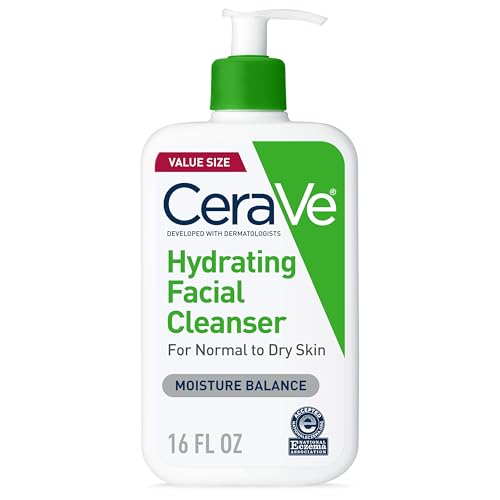
Step 1: Gentle cleanser. Use a fragrance-free, non-foaming cleanser. CeraVe Hydrating Facial Cleanser is a reliable choice that does not strip the skin barrier.
Step 2: Vitamin C serum. Apply 4-5 drops of L-ascorbic acid serum to the face and neck. Wait 1-2 minutes for absorption.
Step 3: Niacinamide (optional). Apply a niacinamide serum or use a moisturizer that contains 5% niacinamide.
Step 4: Moisturizer. Apply a lightweight, fragrance-free moisturizer with ceramides.

Step 5: Sunscreen. Apply a broad-spectrum mineral sunscreen of SPF 50 or higher. Reapply every 2 hours if outdoors. EltaMD UV Clear SPF 46 is excellent for fair, sensitive skin and contains niacinamide for added repair.
Evening Routine
Step 1: Cleanser. Same gentle cleanser as morning. If you wore heavy sunscreen, do a double cleanse (oil cleanser first, then water-based cleanser) to ensure complete removal.
Step 2: Retinoid. Apply retinol or tretinoin to clean, dry skin. Start every third night and increase to nightly as tolerated.
Step 3: Moisturizer. Apply a richer moisturizer than your morning one. CeraVe Moisturizing Cream in the tub is excellent for nighttime repair because it contains three essential ceramides plus hyaluronic acid.
Addressing Specific Types of Sun Damage
Hyperpigmentation (Dark Spots and Freckles)
Sun-induced dark spots and excessive freckling are common on fair redhead skin. The melanocytes in fair skin are more reactive to UV, producing melanin in concentrated clusters rather than the even distribution seen in darker skin types. This creates the spotted pattern that many redheaded men notice after sun exposure.
Treatment: Vitamin C serum (morning) + retinoid (evening) is the most effective combination for fading hyperpigmentation. Add azelaic acid for stubborn spots. Expect to see noticeable improvement within 8-12 weeks of consistent use. Complete resolution of darker spots can take 6-12 months.
Important: Any hyperpigmentation treatment is pointless without rigorous sun protection. UV will re-darken spots faster than any serum can fade them. SPF 50, daily, no exceptions.
Broken Blood Vessels (Telangiectasia)
Visible broken blood vessels, particularly on the nose and cheeks, are a common consequence of sun damage on fair skin. UV weakens the walls of superficial blood vessels, causing them to dilate permanently and become visible through the thin, translucent skin typical of redheads.

Treatment: Topical products have limited effectiveness on established broken blood vessels. Niacinamide and azelaic acid can reduce the redness somewhat. For significant telangiectasia, laser treatments (specifically pulsed dye laser or IPL) are the most effective option. These target and collapse the dilated blood vessels with light energy. Consult a dermatologist for evaluation.
Fine Lines and Premature Wrinkles
UV-induced collagen breakdown causes fine lines and wrinkles that appear earlier on fair skin than on darker skin. The areas most affected are around the eyes, forehead, and mouth.
Treatment: Retinoids are the gold standard for stimulating collagen production and reducing fine lines. Vitamin C supports collagen synthesis from a different pathway. Together, they are the most evidence-supported combination for anti-aging. Peptide serums can provide additional support. Consistent use over 6-12 months typically produces visible improvement in fine line depth.
Rough, Uneven Texture
Accumulated sun damage causes the skin surface to become rough, uneven, and leathery. This is caused by a combination of thickened dead skin cells, irregular melanin distribution, and collagen degradation.
Treatment: Chemical exfoliation with AHAs (glycolic acid or lactic acid) at 5-10% concentration, used 2-3 times per week, removes the damaged surface cells and reveals smoother skin underneath. Retinoids also address texture by accelerating cell turnover. For redhead men, start with lactic acid (gentler than glycolic) and use it on non-retinoid nights to avoid over-exfoliating sensitive skin.
SPF Habits: Preventing Future Damage
Repairing existing damage while continuing to expose yourself to UV is like bailing water out of a boat while someone drills new holes. Sun protection is not optional for redheads. It is the single most important factor in skin health.
SPF 50 minimum, daily. Not SPF 15. Not SPF 30. SPF 50. Fair skin with the MC1R variant has virtually no natural UV protection, so your sunscreen needs to do all the work. Apply it every morning regardless of weather, as UVA penetrates clouds.

Mineral over chemical. Mineral sunscreens (zinc oxide and titanium dioxide) sit on top of the skin and physically block UV rays. Chemical sunscreens absorb into the skin and can cause irritation on sensitive fair skin. Mineral formulas are also effective immediately upon application, while chemical sunscreens need 15-20 minutes to activate.
Reapply every 2 hours outdoors. Sunscreen degrades with UV exposure and rubs off with sweat and touching. If you are outside for extended periods, set a phone alarm to remind you to reapply.
Physical barriers. A wide-brimmed hat reduces UV exposure to the face by up to 50%. Sunglasses protect the delicate skin around the eyes. Seeking shade during peak UV hours (10 AM to 4 PM) reduces exposure by roughly 60%. For redhead men, these physical barriers are not vanity accessories. They are essential skin protection tools.
When to See a Dermatologist
Self-treatment with over-the-counter products is effective for mild to moderate sun damage. However, certain signs warrant professional evaluation.
Any mole that changes. Redheads have a higher baseline risk of melanoma (the most serious form of skin cancer). Any mole that changes in size, shape, color, or border should be evaluated promptly. Use the ABCDE rule: Asymmetry, Border irregularity, Color variation, Diameter larger than a pencil eraser, Evolving appearance.
Rough, scaly patches that do not heal. Actinic keratoses (AKs) are precancerous lesions caused by cumulative UV exposure. They feel rough, like sandpaper, and may be pink, red, or flesh-colored. They are extremely common on fair redhead skin, especially on the face, ears, neck, and hands. A dermatologist can treat them before they progress.
Persistent redness or flushing. If your face is consistently red and flushed, you may have rosacea, which is significantly more common in fair-skinned individuals. Rosacea requires different treatment than standard sun damage and can worsen without proper management.
Severe or extensive damage. If you have significant photodamage (deep wrinkles, widespread hyperpigmentation, leathery texture), a dermatologist can offer professional treatments like chemical peels, laser resurfacing, and prescription retinoids that produce more dramatic results than OTC products alone.
Frequently Asked Questions
Can sun damage on fair skin be fully reversed?
Mild to moderate damage can be significantly improved with consistent use of vitamin C, retinoids, and sunscreen. Fine lines, hyperpigmentation, and texture issues respond well to topical treatment. However, deep wrinkles, severe elastin loss, and established broken blood vessels typically require professional treatments (laser, peels) for significant improvement. Complete reversal to pre-damage skin is not realistic, but dramatic improvement is achievable.
How long does sun damage repair take?
Initial improvements (smoother texture, more even tone) are typically visible within 4-8 weeks. More significant changes (faded dark spots, reduced fine lines) become apparent at 3-6 months. Continued improvement occurs up to 12 months with consistent treatment. This is a marathon, not a sprint. Patience and consistency matter more than the specific products you use.
Is it too late to start sun protection if I already have damage?
Absolutely not. Starting sun protection at any age prevents additional damage and allows your skin’s natural repair mechanisms to work more effectively. Studies have shown that consistent sunscreen use can partially reverse existing photodamage over time, even without any other active ingredients. It is never too late to start protecting your skin.
Can I still get a tan as a redhead?
Most redheads cannot tan in the traditional sense because their melanocytes produce pheomelanin instead of eumelanin. What some redheads perceive as a “tan” is usually a combination of freckle darkening and mild skin inflammation. There is no safe way for redheads to tan. Any color change from UV exposure represents skin damage, not healthy melanin production. If you want a bronzed look, use a self-tanner or bronzing moisturizer. These products darken the skin surface without any UV damage.
Should I avoid vitamin D supplementation if I am avoiding the sun?
No, you should consider supplementation specifically because you should be avoiding excessive sun exposure. Redheads in northern climates are at particular risk for vitamin D deficiency. A daily supplement of 1000-2000 IU of vitamin D3 is a safe and effective way to maintain adequate levels without UV exposure. Have your levels checked by a doctor to determine your specific needs.
Why is sun damage recovery for redhead men different from other skin types?
Redhead men have the MC1R gene variant that produces pheomelanin instead of eumelanin, which provides almost no natural UV protection and may actually generate additional free radicals when exposed to sun. This means your fair skin is disproportionately vulnerable to UV damage compared to other skin types, requiring specialized recovery strategies.
What should I do immediately after getting a serious sunburn?
Apply aloe vera gel and use a high SPF sunscreen like SPF 50 to prevent further damage, then stay out of direct sunlight between noon and four when UV rays are strongest. Hydration and cooling treatments are essential in the first few days to minimize peeling and inflammation.
How long does it take to repair years of accumulated sun damage to fair skin?
Repairing significant sun damage can take years of consistent care with active ingredients and sun protection. The timeline depends on the severity of damage, but you should expect gradual improvement rather than quick fixes with a proper long-term recovery plan.
Where can I find reliable information about treating sun-damaged skin as a redhead?
The American Academy of Dermatology offers evidence-based resources on rosacea and sensitive skin, which are particularly relevant since redhead men’s fair skin is prone to these conditions after UV exposure. Consulting a dermatologist who understands your specific skin type will provide personalized guidance for your recovery needs.
Final Thoughts
Sun damage is not a character flaw or an inevitability. It is a specific, treatable condition that responds well to the right approach. For redhead men, the combination of proactive sun protection and targeted repair ingredients can transform damaged, uneven skin into a healthier, more resilient version of itself. The investment is time and consistency. The payoff is skin that looks years younger than its sun exposure history would suggest.
Start with sunscreen. Add vitamin C. Introduce a retinoid when you are ready. See a dermatologist for anything that concerns you. Your fair skin is more resilient than you think. It just needs the right support.