By Arjun Singh-Goldstein, Faith Grooming Editor
Sarson ka tel, warmed mustard oil, is one of the oldest grooming traditions in Punjabi households. The oil is heated gently in a small steel bowl, tested on the wrist for temperature, and massaged into the scalp and through the kesh for twenty minutes or more, a practice passed down through generations of hands and oil and stories, all connected by the same bottle of sarson ka tel.
Many Sikh and Punjabi men who live far from home keep a bottle of this oil close and use it weekly on the kesh, continuing a practice that predates anything on the shelf at a Walgreens. This guide is about those traditional products, where they come from, why they work, and how to bring them into a modern grooming routine that honors Sikh values and Punjabi heritage.
Religious Note: Grooming practices within the Sikh faith are deeply personal and connected to each individual’s level of observance. Always consult with your Granthi, Panj Pyare, or trusted community elders to confirm that any grooming suggestions mentioned here align with your personal practice and the Rehat Maryada (Sikh code of conduct).
The Punjabi Grooming Tradition
Punjab, the heartland of Sikhi, has a rich tradition of natural grooming practices that long predates the modern cosmetics industry. These practices evolved over centuries in a region where agriculture provided abundant natural ingredients, where long hair was a cultural norm, and where the Sikh faith codified grooming as a spiritual discipline. Understanding this tradition is not merely academic. It provides a framework for grooming that is aligned with Sikh values of simplicity, natural living, and disciplined self-care.

The Punjabi grooming tradition is built on a few core principles. First, nature provides everything you need. The oils, herbs, clays, and botanical extracts used in traditional Punjabi grooming all come from the land. Second, grooming is communal. The champi (oil massage) is performed by one person for another, creating bonds of care and service. Third, consistency matters more than complexity. A simple routine followed daily is more effective than an elaborate routine followed occasionally. These principles are as relevant today as they were a hundred years ago.

Sarson ka Tel (Mustard Oil): The Foundation
If there is one product that defines traditional Punjabi grooming, it is sarson ka tel (mustard oil). This pungent, golden-yellow oil has been the cornerstone of hair and skin care in Punjab for as long as anyone can remember. In rural Punjab, mustard oil is not a specialty product. It is a kitchen staple, used for cooking, massaging babies, oiling hair, and even as a lamp fuel in traditional ceremonies.
Why Mustard Oil Works
Mustard oil is rich in omega-3 and omega-6 fatty acids, vitamin E, and minerals. It has a naturally warming quality caused by allyl isothiocyanate, the same compound that gives mustard its pungent taste. When applied to the scalp, this warming effect increases blood circulation, which may support hair follicle health and promote growth. Mustard oil also has antibacterial and antifungal properties, making it useful for maintaining scalp hygiene.
Research on mustard oil for hair care is limited but promising. A 2019 study published in the Journal of Cosmetic Dermatology found that plant-based oils rich in oleic and linoleic acids (which mustard oil contains) can penetrate the hair shaft and reduce protein loss, strengthening hair from within. The traditional practice of heating the oil slightly before application may enhance its penetrative ability.
How to Use Mustard Oil Traditionally
Warm two to three tablespoons of mustard oil in a small bowl (it should be warm but not hot). Part your kesh into sections and apply the oil directly to the scalp. Massage with your fingertips in circular motions for ten to fifteen minutes. Then distribute any remaining oil through the length of your kesh. Leave the oil on for at least thirty minutes, or overnight for maximum benefit. Wash out with shampoo, which may require two washes to remove the oil completely.
The Smell Factor
Let us address the elephant in the room. Mustard oil has a strong, distinctive smell that not everyone appreciates, and it can linger in your hair even after washing. If the smell bothers you, mix the mustard oil with a few drops of lavender or rosemary essential oil to soften it. Alternatively, use mustard oil only for overnight treatments and wash it out thoroughly in the morning before applying a lighter, less aromatic oil for your daytime routine.
Coconut Oil (Nariyal ka Tel)
Coconut oil is the most researched and scientifically validated of all traditional hair oils. It is also the most widely used hair oil in South Asia, including in Sikh households. Unlike many oils that sit on the surface of the hair shaft, coconut oil actually penetrates the hair cortex, reducing protein loss and preventing hygral fatigue (damage caused by repeated swelling and shrinking of the hair when wet).

A landmark 2003 study published in the Journal of Cosmetic Science compared coconut oil, mineral oil, and sunflower oil for their ability to prevent hair protein loss. Coconut oil was the only one that significantly reduced protein loss for both damaged and undamaged hair. This makes it particularly valuable for Sikh men, whose long kesh is subject to daily mechanical stress from joora tying and turban wearing.
Dabur Vatika Coconut Hair Oil is a popular modern formulation that combines coconut oil with traditional Indian herbs (henna, amla, and others) for enhanced benefits. It is lighter than pure coconut oil and has a pleasant fragrance that works well under a turban. For a more traditional approach, cold-pressed virgin coconut oil (available at any grocery store) is equally effective.
Almond Oil (Badam Rogan)
Almond oil occupies a special place in Punjabi grooming traditions. It is considered a premium oil, richer and more nourishing than everyday coconut or mustard oil. In traditional households, almond oil was often reserved for special occasions, for winter use when scalps tend to be drier, or for treating specific hair and skin conditions.

Almond oil is rich in vitamin E (a powerful antioxidant), vitamin A, fatty acids, and protein. It is lighter than mustard oil and has a mild, pleasant scent that is less likely to linger or overwhelm. For Sikh men who find mustard oil too heavy or pungent for daily use, Bajaj Almond Drops Hair Oil offers a convenient, affordable way to incorporate almond oil into a daily routine.
Almond oil is particularly effective as a turban-line treatment. Its emollient properties soothe the friction-stressed skin along the forehead where the dastar presses, reducing irritation and hyperpigmentation. Apply a few drops along the turban line before bed, massaging gently. The vitamin E supports skin repair overnight.

Amla (Indian Gooseberry)
Amla, the Indian gooseberry, is one of the most revered ingredients in Ayurvedic medicine and Punjabi folk remedies. It contains one of the highest concentrations of vitamin C found in any natural food source, along with tannins, phosphorus, iron, and calcium. In the Punjabi grooming tradition, amla is used both internally (eaten as a pickle, murabba, or juice) and externally (as an oil or paste for hair care).
The traditional claim is that amla strengthens hair, prevents premature graying, and promotes growth. While clinical evidence for these specific claims is still developing, amla’s high antioxidant content and vitamin C concentration provide a plausible mechanism. Vitamin C is essential for collagen production, which supports the hair follicle structure. The tannins in amla may also help seal the hair cuticle, reducing damage and improving shine.
Amla oil (amla extract infused in a carrier oil) is the most common way to use amla for hair care. Apply it as you would any hair oil, focusing on the scalp and working through the lengths. Some Sikh men make a fresh amla paste by grinding dried amla powder with water and applying it as a hair mask for twenty to thirty minutes before washing. This is a more intensive treatment that can be done once a month.
Traditional Champi Oils and Blends
The champi (traditional head massage) uses various oil blends, each with a specific purpose. Here are the most common traditional blends and their intended benefits.
Sarson + Amla blend: Mustard oil infused with dried amla pieces. The warming quality of mustard oil combined with the vitamin C content of amla creates a blend traditionally believed to darken hair and strengthen roots. This is the classic “nani’s champi oil” in many Punjabi households.
Coconut + Brahmi blend: Coconut oil infused with brahmi (Bacopa monnieri). Brahmi is an Ayurvedic herb traditionally believed to support hair growth and reduce anxiety. The combination creates a cooling, soothing oil that is particularly pleasant for evening scalp massage. Kama Ayurveda Bringha Hair Oil uses a similar approach, combining multiple traditional herbs in a therapeutic oil base.

Almond + Sandalwood blend: Almond oil with a few drops of sandalwood essential oil. This is a luxurious blend traditionally used before special occasions (weddings, Gurpurabs, family gatherings). The almond oil nourishes while the sandalwood provides a subtle, meditative fragrance.
Sesame + Neem blend: Sesame oil infused with neem leaves or neem oil. This blend is used specifically for scalp health, particularly when dealing with dandruff, itching, or fungal issues. Neem’s powerful antimicrobial properties, combined with sesame oil’s moisturizing quality, make this an effective treatment blend.
How Traditional Products Align with Sikh Values
Using traditional grooming products is not just a matter of heritage or nostalgia. It aligns with several core Sikh values in ways that modern commercial products often do not.
Simplicity (Sahaj): Traditional Punjabi grooming uses simple, unprocessed ingredients. A bottle of mustard oil, a jar of turmeric, a bag of multani mitti. There are no complex chemical formulations, no proprietary blends with fifty unpronounceable ingredients. This simplicity reflects the Sikh ideal of sahaj, a state of natural ease and simplicity.
Connection to the land (Kirat Karni): Sikh teaching emphasizes honest labor and connection to the earth. Traditional grooming products come directly from the agricultural land, many from crops that Punjabi farmers grow. Using sarson ka tel connects you, in a small but meaningful way, to the fields of Punjab.
No animal harm (Daya): Most traditional Punjabi grooming products are plant-based and do not involve animal testing or animal-derived ingredients. This aligns with the Sikh principle of daya (compassion for all living beings). While not all Sikhs are vegetarian, the general ethos of minimizing harm to other creatures is consistent with using plant-based grooming products.


Sharing and community (Vand Chakna): The champi tradition is inherently communal. One person oils and massages another’s hair. This practice of caring for someone else’s body, without payment or expectation, reflects the Sikh principle of vand chakna (sharing with others). When you give your father, son, or friend a champi, you are practicing seva through grooming.
Modern Products That Replicate Traditional Benefits
Not every Sikh man has the time or inclination to warm oil on the stove and grind amla paste every week. Fortunately, the modern grooming industry has produced products that capture the benefits of traditional ingredients in convenient, modern formats.
Dabur Vatika Coconut Hair Oil is the most direct modern equivalent of the traditional coconut-herbal blend. It combines coconut oil with henna, amla, and other herbs in a ready-to-use format. It is a ready-to-use translation of traditional ingredients into a convenient bottle.
Kama Ayurveda Bringha Hair Oil is a premium therapeutic oil that combines bhringraj, brahmi, neem, and other Ayurvedic ingredients in a sesame oil base. It represents the higher-end traditional approach, using ingredients that have been used in Indian medicine for centuries. This is a product for the weekly champi session, not for daily use.
Bajaj Almond Drops Hair Oil modernizes the traditional badam rogan (almond oil) practice. It is lighter than pure almond oil, absorbs quickly, and has a pleasant scent. It works well as a daily light oiling before tying the joora.
Nizoral Anti-Dandruff Shampoo does not have a direct traditional equivalent, but it addresses the same problem that traditional neem oil treatments target: scalp fungal issues. For Sikh men who deal with persistent dandruff or scalp itching, Nizoral provides a clinically proven solution that complements traditional oiling practices.

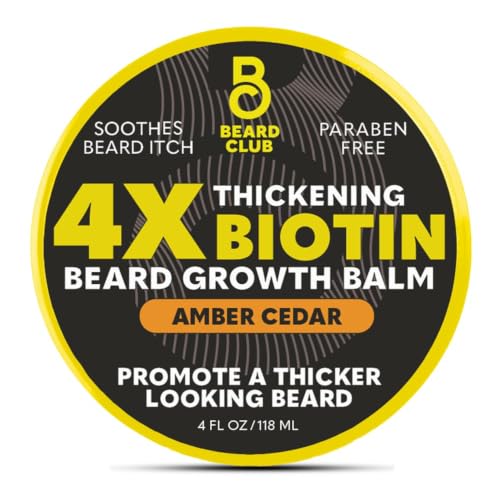
The Beard Club Biotin Beard Balm serves the function that traditional mustard or coconut oil served for the beard: nourishing, softening, and maintaining a long kesh beard. The modern format is less messy and more convenient for daily use.
Building a Traditional-Inspired Grooming Cabinet
Here is how to stock a grooming cabinet that honors Punjabi tradition while being practical for modern life.
Tier 1: Daily Essentials
A light daily oil (coconut or almond), a gentle shampoo, a conditioner, your kanga, and a quality wooden comb. These are the products you will use every single day, and they form the backbone of your routine.
Tier 2: Weekly Treatments
A therapeutic oil for weekly champi (mustard oil or a herbal blend like Kama Ayurveda Bringha), an anti-dandruff treatment if needed (Nizoral), and a deep conditioning mask. These weekly treatments address issues that daily products cannot fully solve.

Tier 3: Traditional Specialties
Turmeric powder (for face masks), multani mitti (for deep cleansing), amla powder (for hair masks), and rose water (as a toner and mask base). These traditional ingredients give you the tools for occasional deep treatments rooted in Punjabi heritage.
Tier 4: Occasion-Specific
An attar or oil-based fragrance (Swiss Arabian Layali or Al Rehab Crown) for Gurdwara visits and celebrations. A beard balm (Beard Club Biotin) for polished beard presentation. These products are not daily necessities but elevate your grooming for important occasions.
Frequently Asked Questions
Is mustard oil safe for all hair types?
Mustard oil is generally safe for all hair types, but some people may experience scalp irritation from the allyl isothiocyanate compound that gives it its warming quality. If you are using mustard oil for the first time, do a patch test by applying a small amount to the inside of your wrist and waiting 24 hours. If you experience redness, itching, or burning, you may be sensitive to mustard oil and should use a gentler alternative like coconut or almond oil instead.

How often should I do a traditional champi?
Once a week is ideal for most Sikh men. This frequency provides consistent scalp nourishment without over-oiling, which can lead to product buildup. If your scalp is particularly dry or your kesh is experiencing stress (from seasonal changes, increased turban wearing, or environmental factors), you can increase to twice a week. The champi should leave the oil on the scalp for at least 30 minutes before washing for maximum benefit.
Can traditional oils cause scalp acne?
If oils are applied too heavily and not washed out thoroughly, they can contribute to clogged pores and scalp acne. The key is moderation and thorough washing. Use just enough oil to coat the scalp and hair lightly. When washing, shampoo twice if necessary to remove all oil residue. If you notice breakouts after oiling, reduce the amount you use and make sure your shampoo is effectively removing the oil.
Are there traditional grooming products for the beard specifically?
Traditionally, the same oils used for kesh (mustard, coconut, almond) were also used for the beard. There was no separate “beard product” category in Punjabi tradition because the same oils that nourished the scalp also nourished the beard. Modern beard-specific products like balms and waxes offer added convenience and hold, but traditional oils remain effective for beard care. A light application of coconut or almond oil worked through the beard and the skin beneath it provides excellent nourishment.
Where can I buy authentic traditional Punjabi grooming ingredients?
Indian grocery stores (often called “desi stores” in diaspora communities) are the best source for traditional ingredients like mustard oil, amla powder, multani mitti, and turmeric. These stores carry the brands and qualities that Punjabi households have used for generations. Online retailers that specialize in Indian grocery and Ayurvedic products are also reliable sources. For premium products like Kama Ayurveda, their official website and authorized retailers are the best options.
What are traditional Sikh grooming products and why are they important?
Traditional Sikh grooming products like sarson ka tel (mustard oil) are deeply rooted in Punjabi heritage and have been used for generations to nourish kesh (uncut hair) and maintain scalp health. These products connect you to your cultural and family history while providing natural benefits that align with Sikh values of honoring the body as a gift.
How do you properly use sarson ka tel for hair care?
Warm a small amount of sarson ka tel to a comfortable temperature, then massage it thoroughly into your scalp and hair for 15-20 minutes to improve circulation and nourishment. You can leave it in overnight or for a few hours before shampooing, making it an effective weekly ritual that fits into a modern grooming routine.
Are there modern alternatives to traditional Sikh grooming products?
Yes, contemporary options include refined mustard oils from brands that maintain quality standards, as well as other natural oils like coconut and almond oil that provide similar benefits. Many Sikh men blend traditional practices with modern products to create a grooming routine that honors their heritage while meeting today’s lifestyle needs.
Should I consult anyone before changing my Sikh grooming practices?
Yes, it’s recommended to consult with your Granthi, Panj Pyare, or trusted community elders, as grooming practices within the Sikh faith are deeply personal and connected to your individual level of observance. This ensures any changes you make align with your faith and family traditions.
Conclusion
The traditional grooming products of Punjab are not relics of a bygone era. They are proven, effective tools for maintaining healthy kesh, skin, and beard, rooted in centuries of lived experience and increasingly validated by modern science. When you warm sarson ka tel and massage it into your scalp, you are not performing an outdated ritual. You are caring for your body with some of the most effective natural ingredients available, in a way that connects you to generations of Sikh men who did the same.
The beauty of this tradition is that it does not require you to choose between old and new. Use mustard oil for your weekly champi and a modern lightweight oil for your daily routine. Apply a turmeric mask on Saturday and a modern moisturizer on Monday. The products may look different, but the underlying principle is the same: your body is a gift from Waheguru, and caring for it with discipline and gratitude is an act of worship.