You’ve finally grown your hair out long enough to pull it back. Now comes the question every long-haired brother faces: do you rock a man bun or a ponytail? On the surface, it seems like they’re basically the same thing, just hair pulled back and secured. But in practice, the man bun vs ponytail debate goes way deeper than most people think. Each style sends a different signal, works better with certain face shapes, requires different maintenance, and even affects your hair health differently. I’ve worn both for years and spent time talking to barbers and stylists who specialize in men’s longer styles. Here’s everything you need to know to make the right call.
The Core Difference Between a Man Bun and a Ponytail
Let’s start with the basics, because a lot of guys genuinely don’t know where one ends and the other begins.
What Is a Man Bun?
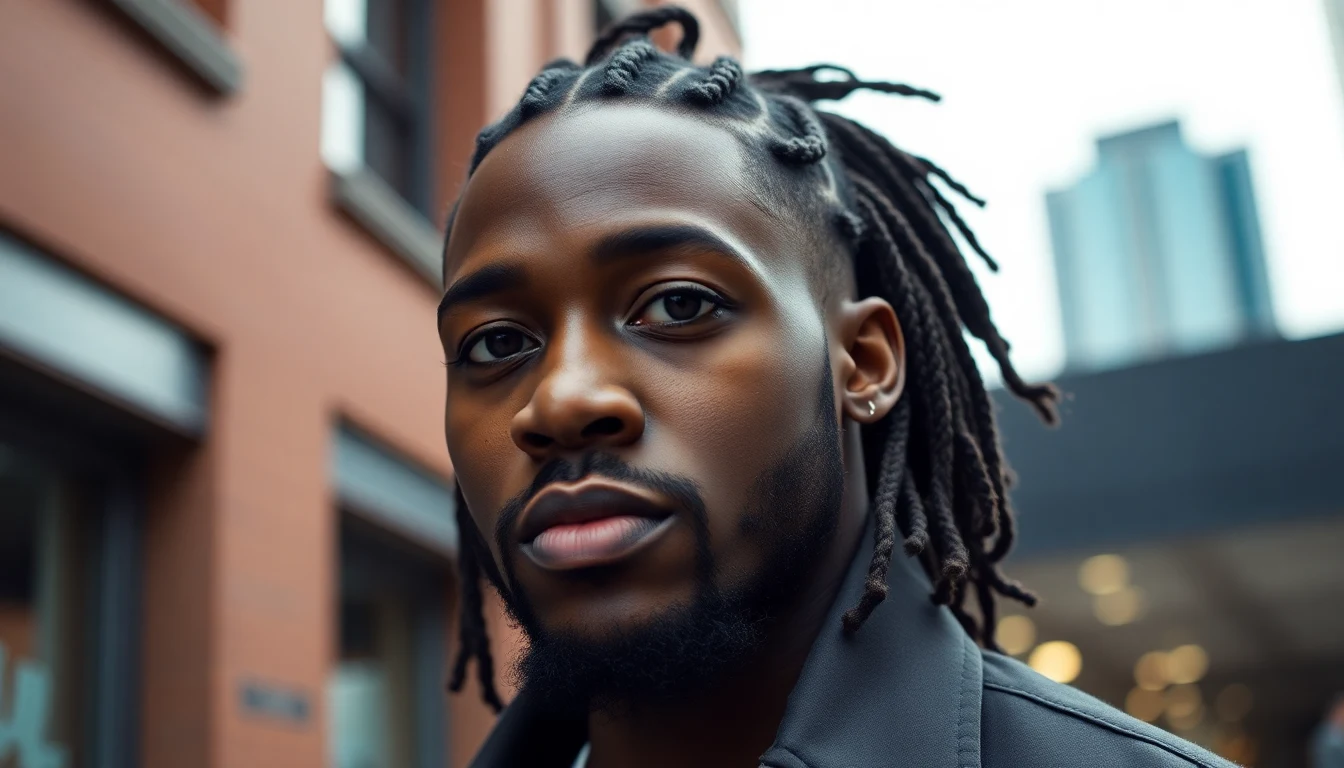
A man bun is hair gathered and twisted or folded into a knot, typically at the crown or back of the head. The key characteristic is that the hair wraps around itself and is secured in a compact shape. Think of it as a ponytail that’s been looped, twisted, or coiled back on itself. The ends of the hair are tucked in rather than hanging free. For a deep dive into all the variations, our man bun hairstyle guide covers every style from topknots to low buns.
What Is a Ponytail?
A ponytail is hair gathered and secured with a band, with the length left to hang freely. The hair flows down from the tie point, whether that’s high on the crown, at the mid-back of the head, or low near the nape. The defining feature is that the hair remains loose and visible below the tie.
The Simple Rule
If the hair below the tie is hanging free, it’s a ponytail. If it’s bundled, coiled, or tucked into itself, it’s a bun. Everything else is just variations in placement and technique.
Style and Aesthetics: How Each Look Reads
The way other people perceive you changes depending on which style you choose. That might sound superficial, but grooming has always been about intentional presentation.
Man Bun Vibes
The man bun reads as more intentional and styled. It says you put thought into your appearance. In professional settings, a clean man bun can look surprisingly polished, almost like a deliberate accessory rather than just “hair out of the way.” A well-executed Black man bun carries cultural weight too, signaling that you’re growing your hair on your own terms and styling it with purpose.
The man bun works especially well in creative and professional environments. It keeps hair completely contained, which gives a cleaner silhouette. When done right, it complements a sharp outfit in ways a ponytail can’t always match.
Ponytail Vibes
The ponytail is more relaxed and effortless. It reads as confident and low-maintenance, like you’ve got long hair and you’re not overthinking it. There’s a reason the ponytail has been a staple across cultures for centuries. It’s simple, functional, and carries a sense of ease.
In casual settings, the ponytail wins. It looks natural, moves with you, and doesn’t require much fuss. A low ponytail at the nape gives a classic, almost old-school cool vibe. A high ponytail brings more energy and volume. For workouts, running errands, or any situation where you need your hair back quickly, the ponytail is king.
The Occasion Factor
| Occasion | Better Choice | Why |
|---|---|---|
| Job interview | Man bun | Cleaner silhouette, more polished |
| Date night | Man bun | Shows effort and intentionality |
| Gym / sports | Ponytail | More secure during movement, easier to tie |
| Casual hangout | Ponytail | Relaxed, effortless vibe |
| Wedding / formal | Man bun | Pairs well with suits and formal wear |
| Beach / outdoor | Ponytail | Breathable, stays out of face |
Face Shape Guide: Which Style Flatters You More
Your face shape plays a major role in which style looks best on you. This isn’t about rules, it’s about using your hair to balance your natural proportions.
Round Face
A high man bun adds vertical height, elongating your face and creating a more angular look. It pulls volume upward and away from the sides, which counteracts the roundness. A ponytail can work too, but keep it mid-height or higher. A low ponytail can emphasize width by leaving the sides flat without adding height.
Oval Face
Lucky you. Both styles work well with an oval face because the proportions are already balanced. Experiment freely with high buns, low buns, high ponytails, and low ponytails. Your face shape won’t fight against any placement.
Square Face
A slightly messy, relaxed man bun softens the strong jawline and angular features of a square face. Avoid overly tight, slicked-back styles (both bun and ponytail) since they can make square features look harder than necessary. A loose, mid-height ponytail with some face-framing pieces works well too.
Long / Rectangular Face
Low placement is your friend. A low bun at the nape or a low ponytail avoids adding more vertical height to an already long face. High buns and high ponytails will exaggerate the length, which usually isn’t the goal.
Diamond / Heart Face
A man bun with volume on the sides (not too slicked down) helps balance a narrow forehead and pointed chin. A ponytail with some loose strands around the temples creates a similar balancing effect. Both styles can work, just avoid pulling everything too tight against the scalp.
Hair Type Considerations
Your hair’s natural texture changes how each style looks and holds. What works for straight hair doesn’t always translate to coily or curly textures, and vice versa.
Straight Hair
Ponytails are easy to achieve and tend to look sleek and clean with straight hair. Man buns require a bit more technique since straight hair can be slippery and may unravel from the bun. Using quality hair ties with good grip makes a significant difference. Bobby pins can help secure any loose ends.
Wavy Hair
Wavy hair is arguably the best texture for both styles. Waves add natural volume and texture to ponytails, making them look fuller. Man buns hold well because the wave pattern creates natural friction that keeps the bun in place. Minimal accessories needed.
Curly to Coily Hair (3A-4C)
Natural Black hair and curly textures shine in both styles, but the approach is different. A natural hair ponytail, often called a “puff,” has incredible volume and presence. A man bun with coily hair creates a fuller, rounder bun shape that straight-haired guys spend ages trying to achieve.
The key with textured hair is being gentle. Never force your hair into either style when it’s dry and tangled. Detangle first, moisturize, and style on slightly damp hair. Use snag-free bands that won’t rip through your curls. For more tips on growing and maintaining long hairstyles as a Black man, we’ve got a full guide.
Locs
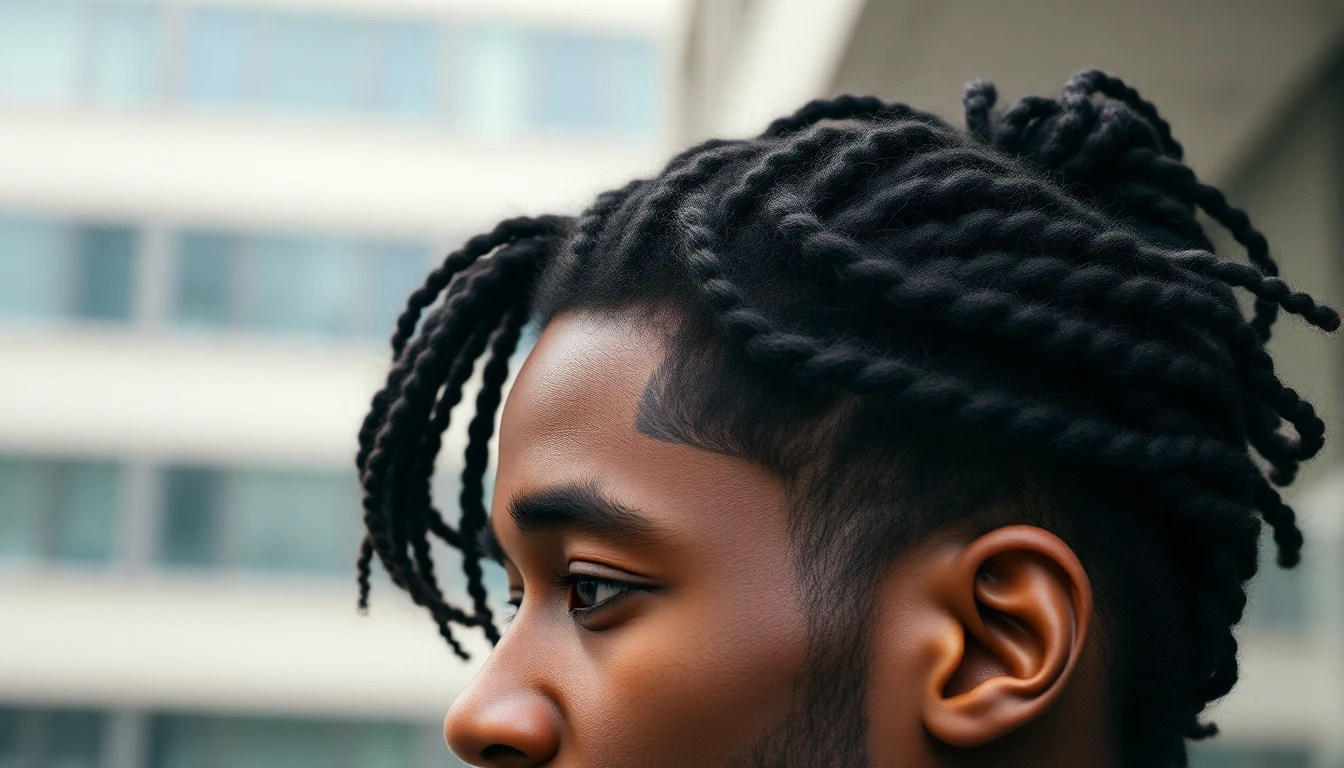
Locs are perfectly suited for both styles and add a unique dimension. Loc ponytails have weight and movement. Loc buns create a dramatic, sculptural look. The weight of locs also means they hold both styles securely without as many accessories. Hair clips designed for thicker hair can help manage individual locs that don’t quite reach the tie point.
Hair Health: Does One Style Cause More Damage?
This is where the man bun vs ponytail conversation gets serious. Both styles involve tension on your hair, and both can cause damage if done wrong.
Traction Alopecia Risk
Traction alopecia is hair loss caused by consistent pulling on the hair follicles. It’s the number one hair health concern with any pulled-back style. The risk is higher with:
- Styles worn very tight
- The same placement every single day
- Rubber bands or metal-clasped ties that snag and break hair
- Pulling wet hair into tight styles
Man buns generally involve more tension than ponytails because the hair is being twisted or folded in addition to being pulled back. The tighter the bun, the more tension on your hairline and the hair nearest the bun. Ponytails distribute tension more evenly along the hair shaft.
Breakage Patterns
Man buns tend to cause breakage at the point where the hair folds or wraps. Over time, you’ll notice shorter broken pieces right at the bun location. Ponytails cause breakage at the tie point, creating a ring of shorter hairs where the elastic sits. Using fabric-covered ties instead of regular rubber bands significantly reduces this.
Protective Styling Tips
- Alternate placement: Don’t wear your bun or ponytail in the exact same spot every day. Shift it slightly to distribute tension across different follicles.
- Loosen up: Your style doesn’t need to be skin-tight to look good. A slightly loose bun or ponytail is healthier and often looks better.
- Take breaks: Wear your hair down at least a few days per week. Give your follicles time to recover.
- Invest in good ties: Goody Ouchless Bands and Conair fabric ties are cheap insurance against breakage.
- Moisturize: Well-moisturized hair is more elastic and resistant to breakage. Check out the best moisturizers for Black men’s hair for solid options.
How to Tie a Man Bun (Step by Step)
A good man bun starts with the right technique. Here’s the method that works across hair types.
- Gather: Collect all your hair at the desired height. Use your fingers or a brush to smooth it back. Don’t pull too tight.
- Twist: Twist the gathered hair in one direction until it naturally starts coiling around itself.
- Wrap: Coil the twisted hair around the base, creating a bun shape.
- Secure: Wrap a hair tie around the base of the bun 2-3 times. Tuck any loose ends under the bun or secure with bobby pins.
- Adjust: Gently pull at sections of the bun to create the fullness and shape you want.
For a more casual “lazy bun,” simply pull your hair through the tie on the last loop but stop halfway, leaving a folded loop instead of a full twist. This works great for everyday wear.
How to Tie a Ponytail That Actually Looks Good
A ponytail seems simple, but there’s a difference between “I just grabbed my hair” and a ponytail that looks intentional.
- Brush or finger-comb: Smooth your hair in the direction of the ponytail. For textured hair, use a wide-tooth comb on damp, conditioned hair.
- Placement: Decide your height. High (crown) for energy, mid (back of head) for balance, low (nape) for understated class.
- Secure: Use a snag-free elastic. Wrap it until it’s secure but not squeezing.
- Hide the band (optional): Take a small section of hair from the ponytail, wrap it around the elastic, and tuck the end under with a bobby pin or small hair clip. This small detail elevates the look significantly.
- Volume check: If your ponytail looks flat, gently pull at the hair on top of your head to create lift. This prevents the “receding hairline” effect that overly slick ponytails can create.
Can You Rock Both? The Hybrid Approach
Here’s what most style guides won’t tell you: you don’t have to pick one. The smartest approach is to rotate between both styles based on the day and the occasion.
Monday at the office? Clean man bun. Tuesday workout? Quick ponytail. Weekend brunch? Low, loose bun. Running errands? Whatever takes 10 seconds. This rotation is actually better for your hair health too, since it changes the tension points and gives different follicles a break.
The half-up variation is another hybrid option. Pull the top half of your hair into a small bun or ponytail while leaving the bottom half down. This works especially well if your hair is in that awkward growing-out phase where it’s not quite long enough for a full bun. Our guide on how to grow hair faster can help you get through that transition period.
Essential Accessories for Both Styles
The right accessories make or break these styles. Here’s what you should have in your grooming kit.
Hair Ties
Conair Hair Ties are my everyday recommendation. They’re durable, have good stretch, and the fabric coating prevents snapping and pulling. Keep a few in your jacket pocket, your car, your gym bag. Nothing kills your style faster than needing a tie and not having one. When it comes to man bun vs ponytail, technique matters most.

Snag-Free Bands
Goody Ouchless Bands are the gold standard for guys with textured or curly hair. They glide out without ripping hair, which matters a lot when you’re taking your style down at the end of the day. These are non-negotiable for natural hair.
Clips for Control
Evolve Hair Clips are useful for sectioning while you style, holding stubborn pieces in place, or managing hair that’s not quite long enough to reach the tie. They’re also great for the half-up style mentioned above. When it comes to man bun vs ponytail, technique matters most.
Minimum Hair Length for Each Style
You need enough length to work with. Here’s the minimum for each style to look intentional rather than struggling.
| Style | Minimum Length (Straight) | Minimum Length (Curly/Coily) | Ideal Length |
|---|---|---|---|
| Low ponytail | 6 inches | 8-10 inches stretched | 8+ inches |
| High ponytail | 8 inches | 10-12 inches stretched | 10+ inches |
| Low man bun | 8 inches | 10-12 inches stretched | 10+ inches |
| High man bun / topknot | 10 inches | 12-14 inches stretched | 12+ inches |
If you’re not there yet, patience is key. Hair grows about half an inch per month on average. Our guide on how to grow hair faster covers nutrition, supplements, and habits that can maximize your growth rate while you wait.
Frequently Asked Questions
Is a man bun the same as a top knot?
Not exactly. A top knot is a type of man bun positioned specifically at the crown of the head. All top knots are man buns, but not all man buns are top knots. A man bun can sit anywhere: high, mid, or low. The term “top knot” implies that high, centered placement. If your bun is at the back or nape of your head, it’s a man bun but not a top knot.
Which style is better for thinning hair?
Neither is great for thinning hair if worn tight, since both create tension that can accelerate hair loss. If you must choose, a loose low ponytail generally creates less tension than a bun. Avoid high, tight styles entirely if you’re noticing thinning around your hairline or crown. Consider consulting with a dermatologist before committing to either style long-term.
Do man buns cause hair loss?
Man buns themselves don’t cause hair loss. Wearing any style too tight, in the same position, every day can cause traction alopecia over time. The key is variety and looseness. Alternate between bun and ponytail, change placement, and never pull so tight that it gives you a headache or creates tension bumps along your hairline.
Can I wear a man bun or ponytail to a professional job?
In 2026, absolutely. Professional grooming standards have evolved significantly. A clean, well-maintained man bun is widely accepted in most workplaces. The key word is “maintained.” A messy, falling-apart bun reads differently than a neat, intentional one. When in doubt, go with a low, sleek bun for interviews and important meetings.
What products help hold a man bun in place?
A light pomade or styling cream applied before tying helps tame flyaways and adds grip. For textured hair, a good moisturizer or curl cream provides the hold and definition you need without stiffness. Avoid heavy gels that flake and become visible. The hair tie does the structural work. Products just polish the look.
The Verdict: Man Bun vs Ponytail
There’s no single winner in the man bun vs ponytail debate. The right choice depends on your face shape, hair texture, the occasion, and honestly, your mood that day. The man bun offers a more polished, intentional look that works well in professional and formal settings. The ponytail is effortlessly cool, quicker to style, and slightly healthier for your hair when worn loose.
My honest recommendation? Learn both. Master them. Rotate between them. Having range in your styling options is what separates guys who just have long hair from guys who rock long hair with confidence. For more inspiration on long hairstyles for Black men, explore our full gallery of styles that are making waves right now.
Frequently Asked Questions
Is a man bun the same as a top knot?
No, they’re different styles. A man bun sits lower on the back of your head and uses more hair, while a top knot is positioned at the crown and uses a smaller section of hair gathered tightly at the top. The man bun vs ponytail debate is separate from top knots, as top knots are a distinct third option for long-haired men.
Which hairstyle is better for thinning hair?
A ponytail is generally better for thinning hair because it distributes tension more evenly along the length of your hair rather than concentrating it in one spot. Man buns can increase traction alopecia risk if you have fine or thinning hair, so if you’re experiencing hair loss, a looser ponytail is the safer choice.
Do man buns and ponytails cause permanent hair loss?
Both styles can cause traction alopecia (hair loss from tension) if worn too tightly or constantly, but this is preventable with proper technique. Wearing your hair loose several days a week, using snag-free bands, and avoiding excessive tension significantly reduces your risk of permanent damage.
Can I wear a man bun or ponytail to a professional job?
It depends on your workplace culture and industry. Man buns and ponytails are increasingly accepted in creative fields, tech, and casual environments, but more conservative industries like law or finance may expect you to wear your hair down or cut short. When in doubt, check your company’s grooming policy or observe what senior colleagues wear.