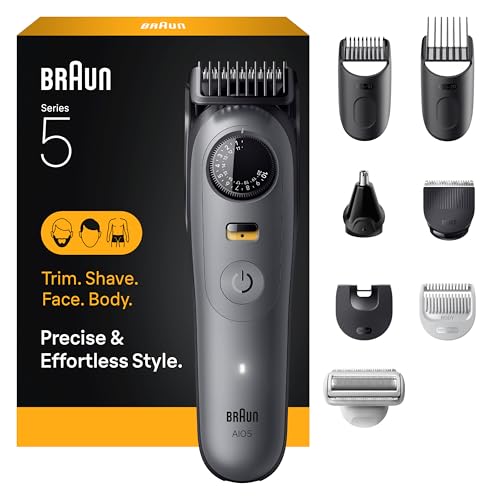
Learning how to use hair clippers is one of those skills that pays for itself after two or three haircuts. A decent pair of clippers costs about the same as one trip to the barber, and once you know what you’re doing, you can keep yourself looking sharp without scheduling appointments or spending $30 every few weeks. I’ve been cutting hair professionally for years, and I’m going to walk you through everything you need to know to get a clean, even cut at home.
This isn’t about becoming a licensed barber. It’s about giving yourself a solid haircut that looks intentional, not like you lost a bet. We’ll cover the basics: how clippers work, which guard to use, proper technique, and the mistakes that trip up every beginner. Let’s get into it.
What You Need Before You Start: How To Use Hair Clippers
Don’t just grab your clippers and go. A little preparation makes the difference between a haircut you’re proud of and one you’re wearing a hat over.
Essential Tools
- Quality hair clippers with multiple guard attachments. The Wahl 5-Star Magic Clip is a professional favorite, but the Oster Fast Feed is an excellent entry point for home use.
- Guard set (usually included with your clippers). You’ll want guards from #1 through #8 at minimum.
- Clipper oil like Wahl Clipper Oil. Oil your blades before every cut. If you’re out, check our guide on how to oil clippers with alternatives.
- Hand mirror for checking the back of your head.
- Cape or old towel to catch hair clippings.
- Spray bottle with water for dampening hair (optional but helpful for thicker hair).
Setting Up Your Space
Cut your hair in the bathroom with good lighting. Natural light is best, but a well-lit bathroom mirror works fine. Put a towel on the floor for easy cleanup. If you have a second mirror you can position behind you, that’s ideal for checking the back of your head as you work.
Make sure your clippers are fully charged (if cordless) or plugged in. Nothing worse than dying clippers halfway through a fade.
Understanding Clipper Guard Sizes
Guard sizes are the foundation of every clipper cut. Each numbered guard leaves your hair at a specific, consistent length. Memorize these numbers and you’ll never second-guess which guard to grab.
| Guard Number | Length (inches) | Length (mm) | Common Use |
|---|---|---|---|
| #0 (No guard) | ~1/50″ | ~0.5mm | Skin-close shave, bald fades |
| #1 | 1/8″ | 3mm | Very short buzz, tight fades |
| #2 | 1/4″ | 6mm | Short buzz cut, fade sides |
| #3 | 3/8″ | 10mm | Standard buzz, classic crew cut sides |
| #4 | 1/2″ | 13mm | Medium length, versatile all-over |
| #5 | 5/8″ | 16mm | Fuller crew cut top |
| #6 | 3/4″ | 19mm | Longer top length |
| #7 | 7/8″ | 22mm | Long top, scissor-over-comb territory |
| #8 | 1″ | 25mm | Longest standard guard, rough cut |
For a deep dive into every guard size and when to use each one, check our dedicated clipper guard sizes guide.
Pro tip: When in doubt, start longer. You can always go shorter, but you can’t put hair back. If you’re unsure between a #4 and a #3, start with the #4.
Step 1: Oil and Test Your Clippers
Before you cut a single hair, apply two to three drops of clipper oil across the blade teeth. Turn the clippers on and let them run for about 10 seconds so the oil distributes evenly between the blades. Wipe off any excess with a clean cloth. (We recommend this Novah® Professional Hair Clippers for Men,.)

Now turn them on and listen. They should hum smoothly, not rattle or buzz irregularly. If they sound rough, the blades might need cleaning or the blade tension might need adjusting. Check your manual for the tension screw location.
Snap on the guard you plan to start with. Give it a firm push until it clicks into place. A loose guard can pop off mid-cut, and that’s how you end up with an unexpected bald stripe. Mastering how to use hair clippers takes practice but delivers great results.
Step 2: Start with the Sides
The sides of your head are where you’ll do most of the clipper work. Here’s the technique: Mastering how to use hair clippers takes practice but delivers great results.
- Place the clipper flat against your skin at the bottom of your sideburn, teeth pointing up.
- Move upward against the grain of hair growth in a smooth, steady motion. Don’t rush it.
- Scoop outward as you reach the point where the side meets the top. This creates a natural blend instead of a harsh line.
- Work in overlapping passes. Each stroke should overlap the previous one by about half the clipper width. This ensures you don’t miss any patches.
- Start from the bottom each time. Don’t start mid-head and go up. Always begin at the hairline and work up.
Repeat this around both sides and the back. Use your hand mirror to check the back regularly. The most common beginner mistake is leaving the back uneven because you couldn’t see what you were doing.
Step 3: Cut the Back
The back of your head is the trickiest part of a self-cut. Position your hand mirror so you can see the back of your head in your bathroom mirror. It feels awkward at first, but you’ll get used to it.
- Start at the neckline and work upward, same as the sides.
- Use the same scooping motion as you approach the crown area.
- Check frequently. After every few passes, stop and look. It’s much easier to fix a small unevenness than a big one.
- Feel with your free hand. Run your fingers over the area you just cut. You’ll feel any patches or ridges that your eyes might miss.
The back crown area (where your hair whorls) is tricky because hair grows in different directions. You may need to make passes from multiple angles to get it even. (We recommend this Novah Professional Hair Clippers for Men,.)
Step 4: Address the Top
For the top, you have two options depending on the style you want:
Option A: Same Length All Over (Buzz Cut)
Keep the same guard you used on the sides and run it across the top of your head from front to back. Make multiple passes in different directions (front to back, back to front, side to side) to catch every hair. Hair on top often lays in different directions, so multi-directional passes are key to an even buzz. (We recommend this Professional Hair Trimmer for Men –.)
Option B: Longer on Top (Crew Cut / Short Back and Sides)
Switch to a longer guard for the top. A popular combo is #2 on the sides with #4 or #5 on top. Run the longer guard across the top the same way, making multi-directional passes.

The transition zone between the shorter sides and longer top is where blending comes in. We’ll cover that next.
Step 5: Blend the Transition
If you’re using different lengths on the sides versus the top, you need to blend the line where they meet. A harsh line between two lengths looks like a mistake. A gradual blend looks professional.
- Identify the transition line. It’s usually around the temples and the upper sides, roughly where your head starts to curve from the side to the top.
- Use an in-between guard. If you used a #2 on the sides and a #5 on top, grab the #3 or #4 guard.
- Rock the clipper. Place the clipper at the bottom of the transition zone and flick upward with a rocking motion, lifting the clipper away from the head as you move up. This feathers the transition.
- Work in small sections. Go around the entire head, blending the same zone consistently.
- Check from multiple angles. Turn your head and look for any visible lines. If you see one, hit it with the in-between guard again.
Blending takes practice. Your first few attempts won’t be barber-quality, and that’s completely fine. It gets noticeably better every time you do it.
Step 6: Clean Up the Edges
Edges are what separate a home haircut from a “home haircut.” Clean edges around your ears, neckline, and sideburns make everything look intentional.
Around the Ears
Fold your ear down with your free hand and carefully trim around it with no guard or a #1 guard. Go slowly. The skin around your ears is thin and nicks here bleed a lot. Use the corner of the blade for precision.
Neckline
You have three neckline options:
- Squared off: A straight horizontal line across the back. Clean and defined.
- Rounded: Follows the natural curve of your hairline. More natural looking.
- Tapered: Gradually fades into the skin with no hard line. The most professional look, but also the hardest to do yourself.
For beginners, a rounded neckline is the most forgiving. Use your clippers with no guard, flipped upside down (blade facing away from skin), and gently outline your desired neckline shape. Then clean up everything below that line. (We recommend this TCMKY Hair Clippers for Men Professional.)
Sideburns
Even up both sideburns. Use the edge of the clipper blade without a guard. The most important thing is that they match in length and position. Use your eyes, ears, or jawline as reference points. Take off a little at a time.
Basic Fade Technique for Beginners
A fade gradually transitions from very short (or skin) at the bottom to longer at the top. It’s the most popular men’s haircut style right now, and while a truly sharp fade takes professional skill, you can achieve a respectable version at home.

For a detailed walkthrough of specific fade styles, see our guides on the high fade and taper fade.
Simple Three-Guard Fade
- Bottom section (#1 guard): Cut from the hairline up to about one inch above your ear. This is your shortest zone.
- Middle section (#2 guard): Cut from the bottom of this zone up to about two inches above your ear, overlapping slightly into the #1 zone to soften the line.
- Upper section (#3 guard): Blend from the #2 zone up to where the top length begins, again overlapping into the zone below.
- Blend each transition using the rocking/flicking technique described in Step 5.
The key to a good fade is patience. Make small, controlled passes and check your work constantly. It’s better to make ten light passes than two aggressive ones.
Common Mistakes to Avoid
I’ve seen (and made) every clipper mistake in the book. Here are the ones that get beginners most often:
Going Too Short Too Fast
This is mistake number one. You grab a #2 because you think that’s what you want, realize it’s shorter than expected, and now you’re stuck with it everywhere. Always start one guard size longer than you think you need. You can always take more off.
Ignoring the Grain
Hair grows in specific directions. Cutting against the grain gives the shortest, closest cut. Cutting with the grain leaves more length. If one section looks longer than the rest despite using the same guard, you’re probably cutting with the grain in that spot. Adjust your angle.
Rushing the Back
You can’t see the back of your head directly, so it’s tempting to make a few quick passes and call it done. Don’t. The back of your head is what everyone else sees. Take your time, use the mirror, and feel for evenness with your hand.
Not Oiling the Blades
Dry blades pull hair, heat up fast, and give uneven cuts. Oil before every session. If you’ve run out, mineral oil from the pharmacy works just as well. We’ve got a full breakdown of clipper oil alternatives if you need options.
Cutting Wet Hair with Standard Clippers
Most standard clippers are designed for dry hair. Wet hair clumps together and doesn’t feed through the blades properly, resulting in patchy, uneven cuts. If your hair is thick and hard to manage dry, dampen it slightly with a spray bottle, but don’t cut soaking wet hair unless you have clippers specifically rated for wet use.
Pressing Too Hard
The guard sets the cutting length, not pressure. Pressing the clipper hard against your head doesn’t give a shorter cut. It just leaves track marks, irritates your skin, and can cause the guard to flex and cut unevenly. Let the blade do the work with gentle, consistent pressure. When it comes to how to use hair clippers, technique matters most.
Clipper Maintenance Between Cuts
Your clippers will last years if you take care of them. Here’s the minimum maintenance you should do: When it comes to how to use hair clippers, technique matters most.

- After every cut: Brush out hair debris from between the blades using the small brush that came with your clippers. Oil the blades.
- Every few cuts: Remove the blade and clean underneath it. Hair, skin cells, and oil residue build up in there. See our complete clipper cleaning guide.
- Monthly: Check blade alignment. The top blade should sit about 1mm back from the bottom blade’s edge. Misaligned blades can nick skin.
- As needed: Replace blades when they start pulling hair even after oiling and cleaning. Most blades last 6-12 months with regular home use.
Choosing the Right Clippers for Home Use
If you’re still shopping for clippers, here’s what matters:
- Motor type: Magnetic motors are lightweight and quiet but less powerful. Rotary motors handle thick hair better. Pivot motors are in between.
- Corded vs. cordless: Cordless is more convenient, but make sure you get one with at least 90 minutes of battery life. Nothing worse than dying clippers mid-cut.
- Blade quality: Stainless steel blades are standard. Ceramic blades stay cooler and sharper longer but cost more.
- Guard set: Make sure the clipper comes with a full range of guards (#1-#8 minimum).
For most beginners, the Oster Fast Feed hits the sweet spot of performance and price. If you want to invest in something you’ll never outgrow, the Andis Master is a barbershop staple for a reason. For a broader look at options, check out our best clippers roundup.
Frequently Asked Questions
How short is a #2 guard in real life?
A #2 guard leaves your hair at 1/4 inch or about 6mm. On most guys, this is short enough to see scalp through the hair but not bald. It’s the most popular guard size for fade sides and a common choice for a clean summer buzz cut. If you have lighter skin and dark hair, the contrast will be noticeable at this length.
Should I cut my hair wet or dry with clippers?
Dry, almost always. Standard clippers are designed to cut dry hair. Wet hair clumps, doesn’t feed through guards properly, and gives inconsistent results. The exception is if you have very thick, coarse hair that’s hard to manage dry. In that case, a light misting with a spray bottle can help, but avoid soaking wet hair.
How often should I cut my hair with clippers?
For a buzz cut or short fade, every 1-2 weeks keeps it looking fresh. For a longer crew cut style, every 2-3 weeks works. The sides and back grow out faster and more noticeably than the top, so you might touch up the sides between full cuts. Pay attention to when you start looking “shaggy” to you personally. That’s your interval.
Can I cut my own hair with clippers, or do I need help?
You can absolutely do it yourself. Millions of guys do. A hand mirror for checking the back is essential, and your first few attempts won’t be perfect. But by the third or fourth self-cut, you’ll have the technique down. For complex styles like sharp fades or designs, having someone help with the back makes things significantly easier.
What’s the difference between clippers and trimmers?
Clippers are the main cutting tool. They have wider blades, more powerful motors, and guard attachments for bulk hair removal. Trimmers (also called edgers or liners) have narrow, fine-toothed blades for precision work like lining up edges, cleaning necklines, and detailing around ears. Most guys who cut at home should have both, but if you’re buying just one tool to start, get clippers. You can do edge work with guardless clippers in a pinch.
Start Cutting with Confidence
Learning how to use hair clippers is simpler than most guys think. Start with a basic buzz cut or crew cut. Master the fundamentals: guard selection, against-the-grain passes, and blending. Once those feel natural, you can start experimenting with fades and more complex styles. (We recommend this Jack & Rose Clippers and Trimmers.)
The most important thing is to just start. Your first cut might not be flawless, but it’ll be good enough, and you’ll be surprised how quickly your skills improve. Keep your blades clean, keep them oiled, and take your time.
For your next steps, explore our guide to cutting your own hair for more advanced techniques, or dive into specific styles with our high fade and taper fade tutorials. You’ve got the tools. Now go put them to work.

Frequently Asked Questions
What’s the best way to learn how to use hair clippers if I’ve never done it before?
Start by investing in a decent pair of clippers (which costs about the same as one barber visit), then follow a step-by-step process beginning with the sides and working your way to the back and top. Practice on longer guard sizes first to build confidence before attempting shorter cuts, and always oil your blades before each use to prevent damage and ensure smooth cutting.
How do I know which clipper guard size to use for my desired haircut?
Clipper guards are numbered, with lower numbers creating shorter cuts and higher numbers leaving more length. A #2 guard typically cuts hair to about 1/4 inch, while a #3 or #4 guard leaves noticeably more length for styles like crew cuts. Start with a longer guard than you think you need, since you can always go shorter but can’t put the hair back.
Can I cut my own hair with clippers, or should I have someone help me?
You can absolutely cut your own hair with clippers once you understand the basic techniques, though having someone help with the back can make the job easier initially. Most men successfully cut their own hair at home after a few practice rounds, especially for simple styles like buzz cuts or basic fades.
What are the most common mistakes people make when using hair clippers for the first time?
The most frequent mistakes include going too short too fast, cutting wet hair with standard clippers, pressing too hard which can irritate the scalp, and not oiling the blades before use. Also avoid ignoring hair grain direction and rushing through the back, as these lead to uneven results that look unintentional rather than sharp.