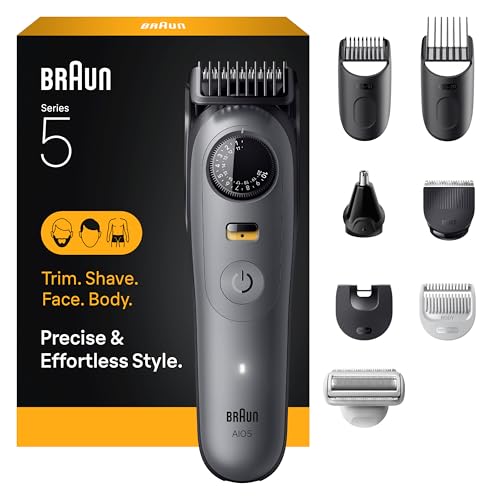
If you want to know how to get waves, you need to understand something first: waves are not a hairstyle you just ask your barber for. They are trained into your hair over weeks and months of consistent brushing, moisturizing, and compression. Every man with deep, spinning 360 waves put in real work to get them. The good news? The process is straightforward once you understand the fundamentals. Whether you are starting from a fresh cut or growing out a fade, this guide breaks down every step of the wave journey from day one to your first clean wave check.

What Are 360 Waves and How Do They Form?: How To Get Waves
360 waves are a hairstyle pattern where the hair lays flat in a circular ripple pattern radiating outward from the crown of the head. The waves form when you consistently brush your hair in the same direction, training the curl pattern to lay down in uniform rows. Your natural curl pattern is what makes waves possible. The tighter your curl, the more defined your waves can become with proper training.
Think of it like training a plant to grow in a certain direction. Your hair naturally wants to curl up and out. Brushing forces it to lay down and follow a specific path. Over time, your hair “remembers” this pattern and the waves become more defined with less effort. For a deeper dive into wave patterns and styles, check out our complete 360 waves guide.
What Hair Length Do You Need to Start?
The ideal starting length for wave training is about 1.5 to 2 inches on top. If you are starting from a bald fade or a very low cut, you will need to let your hair grow out for roughly 2 to 4 weeks before you can effectively begin brushing.
Here is what to know about starting length:
- Too short (under 1 inch): The brush will not grip the hair enough to train the curl pattern. You can still brush to build the habit, but visible waves will not form yet.
- Sweet spot (1.5 to 2 inches): This is where brushing becomes effective. Your hair is long enough to lay down but short enough to control.
- Too long (over 3 inches without prior training): Untrained long hair will just puff out. If you are already at this length, consider getting a low cut and starting the process properly.
Your hair texture matters too. Men with coarser, tighter curl patterns (Type 4 hair) may need slightly more length to see initial wave formation compared to men with looser curls. But make no mistake: waves are achievable across a wide range of hair textures.
The Wolfing Phase: Why It Matters
Wolfing is the single most important concept in wave training. It refers to the period where you intentionally avoid getting a haircut and let your hair grow out while continuing to brush consistently. Most beginners make the mistake of cutting their hair too frequently, which resets their progress every time.
How Long Should You Wolf?
A proper wolf session lasts anywhere from 4 to 8 weeks minimum. Advanced wavers sometimes wolf for 10 to 12 weeks. During this time, your hair will feel thick, unruly, and honestly a little rough looking. That is normal. The wolfing phase is where the real wave depth comes from.
Why Wolfing Creates Deeper Waves
When your hair grows longer during wolfing, each brushing session pushes the longer strands into deeper wave formations. When you finally get a cut, those deep wave patterns are revealed in stunning detail. Cutting too early means your waves stay shallow and barely visible. The longer you can tolerate wolfing, the more dramatic your wave reveal will be.
Tips for Surviving the Wolf
- Keep your edges and neckline cleaned up if needed, but do not touch the top
- Wear your durag consistently to keep the hair compressed
- Increase your brushing sessions to manage the extra length
- Use a harder brush as the hair gets longer
- Stay motivated by taking progress photos weekly
Brushing Technique: The Foundation of Wave Training
Brushing is the core activity that creates waves. But it is not just about running a brush through your hair randomly. Proper technique, the right tools, and consistent direction all matter.
Choosing the Right Wave Brush
You need multiple brushes for different stages of your wave journey. A quality medium wave brush is the best starting point for most beginners. Check out our breakdown of the best wave brushes for detailed recommendations.
- Soft brush: Best for fresh cuts and short hair (under 1 inch). Also great for laying waves down before putting on your durag.
- Medium brush: The workhorse brush. Good for hair between 1 and 2.5 inches. This is where most of your training happens.
- Hard brush: Essential during wolfing when hair gets longer. The stiff bristles penetrate deeper into the hair and force longer strands to lay down.
Brushing Direction and Pattern
Always brush from the crown outward, following the natural direction you want your waves to flow. Here is the standard pattern:

- Crown to forehead: Brush straight forward from the crown to your hairline
- Crown to sides: Brush from the crown down toward each ear
- Crown to back: Brush from the crown straight down toward the nape of your neck
Each section should get at least 50 to 100 strokes per session. Some dedicated wavers do 200+ strokes per section. Consistency matters more than intensity, though. Five minutes of focused brushing twice a day beats one aggressive 30-minute session.
How Often Should You Brush?
For beginners, aim for two to three brushing sessions per day:
- Morning session (5 to 10 minutes): After applying moisturizer, brush all sections thoroughly
- Midday session (3 to 5 minutes): Quick touch-up session if possible
- Night session (5 to 10 minutes): The most important session. Brush thoroughly before putting on your durag for bed
The Moisture and Wash Routine
Dry hair does not wave. Period. Moisture is what keeps your hair pliable enough to lay down and hold the wave pattern. Without it, your hair will be brittle, frizzy, and resist your brushing efforts.
Daily Moisture Routine
- Dampen your hair slightly with water or a spray bottle
- Apply a wave cream or activator like S-Curl Wave Activator or Royal Waves Wave Cream
- Brush thoroughly to distribute the product and train the pattern
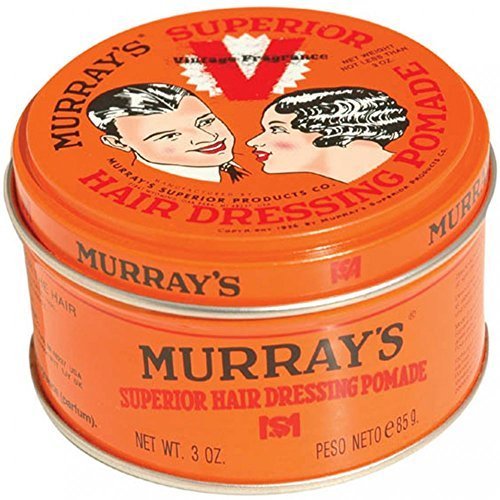
- Seal with a light pomade such as Murray’s Superior Pomade (use sparingly, a dime-sized amount)
- Tie your durag to lock everything in place
Wash Day Protocol
Wash your hair 1 to 2 times per week. Over-washing strips natural oils and can dry out your waves. Under-washing leads to product buildup that blocks wave definition. (We recommend this Natural Wave Pomade Strong Hold Easy.)
- Use a sulfate-free shampoo to clean without stripping
- Brush your hair in the shower while the conditioner is in. This is called “wash and style” and it is one of the most effective wave training techniques
- Rinse with cool water to help the cuticle lay flat
- Apply your moisture routine immediately after, while the hair is still damp
- Durag goes on right after your post-wash brushing session
Durag vs Wave Cap: Compression Matters
Compression is the third pillar of wave training alongside brushing and moisture. Wearing a velvet durag or wave cap holds your hair flat against your scalp after brushing, reinforcing the trained pattern while you sleep or go about your day.
Durag Benefits
- Provides firm, adjustable compression through the tie
- Protects your pillowcase and prevents friction that disrupts wave patterns
- Locks in moisture from your products
- Velvet durags are gentler on hair than satin for sleeping
- The double compression method (wave cap under durag) creates the deepest wave imprints
When to Wear Your Durag
- Every single night: Non-negotiable. Sleeping without a durag will undo a day’s worth of brushing in one night.
- After every brushing session: Even 15 to 30 minutes of compression after brushing helps set the pattern.
- During wolfing: Wear it as much as possible, even at home, to keep the longer hair compressed and trained.
How Long Does It Take to Get Waves?
The timeline varies based on hair texture, consistency, and genetics, but here are general benchmarks:
- 2 to 4 weeks: You may see very faint ripples if you are brushing consistently and your hair texture cooperates. Do not expect much visible progress yet.
- 4 to 6 weeks: Light wave patterns start to show, especially after your first wolf session and a fresh cut. This is when most people get their first real wave check moment.
- 2 to 3 months: Solid wave definition for most hair types. The pattern is established and visible.
- 6+ months: Deep, spinning 360 waves with consistent depth. This is the level you see on social media wave check videos.
Be honest with yourself about the timeline. If someone tells you they got waves in one week, they either had prior training or they are exaggerating. Real waves take real time. For more on what to expect at each stage, see our wave check progression guide.
Common Mistakes That Kill Your Wave Progress
Almost every beginner makes at least one of these errors. Avoiding them will save you weeks of frustration.

1. Getting Haircuts Too Often
Cutting every two weeks destroys your wolf progress. Your barber should understand that you are training waves and adjust accordingly. A lineup on the edges is fine, but the top needs to grow.
2. Inconsistent Brushing
Brushing hard for three days and then taking a week off gets you nowhere. Waves require daily commitment. Even on days you do not feel like it, at least do a quick 3-minute session before bed.
3. Sleeping Without a Durag
Your pillowcase is the enemy of waves. Cotton pillowcases create friction that pulls your hair out of the trained pattern. If you forget your durag one night, you will see the difference the next morning.
4. Using Too Much Product
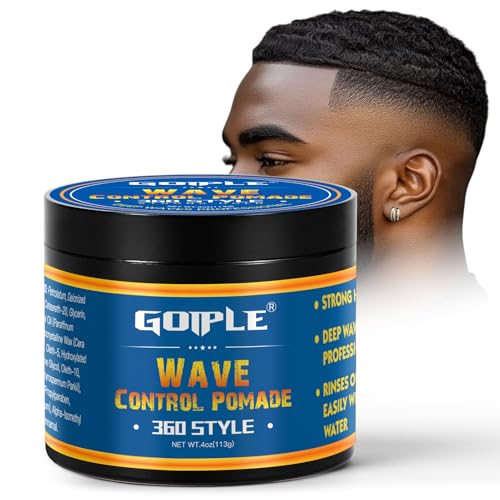
More product does not mean better waves. Heavy product buildup actually makes your hair stiff and prevents it from laying down naturally. A light layer of cream and a tiny bit of pomade is all you need. (We recommend this OCEAN VIEW DEEP WAVES POMADE –.)
5. Brushing in Random Directions
Your brush strokes must be consistent. Always brush from the crown outward in the same pattern every session. Switching directions confuses the curl pattern and creates forks in your waves.
6. Comparing Your Progress to Others
Hair texture, density, and curl pattern all affect how quickly waves develop. Your timeline is your own. A man with 3C hair will see waves faster than a man with 4C hair, but both can achieve excellent results with patience.
The Wave Training Schedule: Putting It All Together
Here is a complete daily and weekly schedule that covers everything:
Daily Routine
- Morning: Remove durag. Dampen hair with spray bottle. Apply wave cream. Brush all sections (50+ strokes each). Tie durag for 15 to 30 minutes if possible before heading out.
- Afternoon (optional): Quick brush session, 3 to 5 minutes. Re-tie durag if you are at home.
- Night: Apply a small amount of moisturizer. Brush all sections thoroughly (100+ strokes per section). Apply durag tightly. Sleep with it on all night.
Weekly Routine
- Wash day (1 to 2 times per week): Shampoo, condition, brush in shower, towel dry gently, apply full moisture routine, durag on immediately
- Progress check (once a week): Take a photo in good lighting to track wave development. Compare to previous weeks.
Monthly Milestones
- Month 1: Build the habit. Focus on consistency, not results.
- Month 2: First wolf period. Resist the urge to cut. Waves should start appearing.
- Month 3: First wolf reveal cut. This is your payoff moment. Deep waves should be visible.
- Month 4+: Maintain and deepen. The wave pattern is established. Continue the routine to make them more defined.
Advanced Wave Techniques
Once you have your foundation established, these techniques can take your waves to the next level: When it comes to how to get waves, technique matters most.
- Double compression: Wear a wave cap under your durag at night for deeper wave imprints
- Hot towel method: Place a warm, damp towel on your head for 5 minutes before brushing to open the cuticle and make hair more receptive
- Shower brushing: Brush with warm water running over your head. The heat and water make the hair extremely pliable
- Angle brushing: Slightly adjust your brush angle to create more defined connections between wave rows
For even more advanced wave styling techniques, explore our deep wave hair guide. When it comes to how to get waves, technique matters most.
Essential Wave Products Checklist
You do not need a cabinet full of products. Here is the streamlined essentials list:
- Medium Wave Brush (your primary training tool)
- Crown Velvet Durag (compression and protection)
- S-Curl Wave Activator (daily moisture)
- Royal Waves Wave Cream (styling and hold)
- Murray’s Superior Pomade (sealing and shine)
- Spray bottle with water (for dampening)
- Sulfate-free shampoo and conditioner
Frequently Asked Questions
Can anyone get 360 waves?
Most men with naturally curly or coily hair can get waves with enough dedication. Hair types 3A through 4C are all capable of forming wave patterns. Straighter hair types (1 and 2) will have a significantly harder time and may not achieve traditional 360 waves. Your curl pattern is the raw material, and brushing is what shapes it.
How long do I need to brush each day to get waves?
Aim for a minimum of 15 to 20 minutes total across all your sessions. Serious wavers often brush for 30 to 45 minutes daily. The key is consistency over time rather than marathon sessions. Two solid 10-minute sessions morning and night will produce better results than one random 30-minute session every few days.
Should I brush my waves when they are dry or wet?
Slightly damp hair is the ideal condition for brushing. Bone-dry hair is brittle and resistant to laying down. Soaking wet hair is too slippery for the brush to grip effectively. Use a spray bottle to lightly mist your hair before each session, then apply your wave cream or activator.
Do I really need to wear a durag every night?
Yes, every single night. The durag maintains compression on your trained wave pattern while you sleep. Without it, friction from your pillow will disrupt the pattern and you will wake up with frizzy, undefined hair. Think of the durag as a retainer after braces. Your hair needs that consistent hold to keep the shape.
Why are my waves not connecting?
Disconnected waves, sometimes called forks, usually happen because of inconsistent brush angles or changing your brushing pattern between sessions. Make sure you are always brushing from the crown outward in the exact same direction every time. Forks can also occur from sleeping without a durag or from a barber cutting against your wave pattern.
Final Thoughts
Learning how to get waves is not complicated, but it demands discipline. The formula is simple: brush consistently, keep your hair moisturized, wear your durag religiously, and let your hair wolf out between cuts. There are no shortcuts or miracle products that skip the work. Every man you have seen with elite waves earned them through daily commitment.
Start today. Get your brush, get your durag, and put in your first real session. In three months, you will look back and be glad you started now. And when someone asks how you got your waves, you will know exactly what to tell them: dedication and a solid routine.
Frequently Asked Questions
Can anyone get 360 waves regardless of hair type?
Yes, most men can develop waves with the right technique and consistency, though the depth and definition may vary based on your natural hair texture and curl pattern. Men with coarser or curlier hair types often see results faster, but straight-haired men can still achieve waves through dedicated brushing and compression.
How long should I brush my hair daily to get waves?
You should brush your hair for at least 10-15 minutes daily during the early stages, increasing to 20-30 minutes as your waves develop and deepen. Consistency matters more than duration, so daily shorter sessions are more effective than occasional longer sessions.
What’s the wolfing phase and why is it important for wave training?
The wolfing phase is when you let your hair grow out for 2-4 weeks without a haircut to allow your natural curl pattern to set and train more easily. This extended growth period is crucial because longer hair responds better to brushing and compression, creating deeper and more defined waves.
Do I really need to wear a durag every night if I want waves?
Yes, wearing a durag or wave cap every night is essential for maintaining compression and locking in your wave pattern while you sleep. Without nighttime compression, you’ll lose significant progress as your hair relaxes and reverts to its natural state.