If you want to master best shampoos for black men, this guide covers everything you need to know. Last updated: February 2026 by Darius Washington, Black Men’s Grooming Editor
I spent years using whatever shampoo was cheapest at the store. Head and Shoulders. Suave. Whatever came in the biggest bottle. My hair stayed dry, my scalp stayed flaky, and my barber kept telling me I needed moisture. He was right. Most shampoos are formulated for straight hair that produces enough sebum to coat the entire strand. On 4B or 4C coils, that sebum never makes it past the first bend. The best shampoo for Black men cleans your scalp without robbing your hair of everything it needs to survive.
This guide covers seven shampoos and a co-wash, all selected for tightly coiled textures. I also cover wash frequency by hair type, sulfate-free science, when to co-wash instead of shampoo, and how to match your product to your hair porosity.
If you only read one section, jump to the porosity guide. Matching your shampoo to your porosity is the single biggest upgrade you can make.
Our Top Picks at a Glance
| Shampoo | Price | Key Ingredients | Best For | Sulfate-Free | Rating |
|---|---|---|---|---|---|
| SheaMoisture Coconut & Hibiscus | $10-13 | Coconut oil, silk protein, neem oil | All-around moisture and curl definition | Yes | 5/5 |
| As I Am Coconut CoWash | $8-11 | Coconut oil, castor oil, tangerine extract | Mid-week refresh, co-wash days | Yes (no surfactants) | 4.5/5 |
| Bevel Moisturizing Shampoo | $12-15 | Shea butter, coconut oil, vitamin E | Daily use for short hair and fades | Yes | 4.5/5 |
| Mielle Pomegranate & Honey | $9-12 | Honey, pomegranate extract, babassu oil | Damaged or color-treated hair repair | Yes | 4.5/5 |
| TGIN Moisture Rich | $14-17 | Amla oil, coconut oil, olive oil | High porosity hair that loses moisture fast | Yes | 4/5 |
| Carol’s Daughter Black Vanilla | $11-14 | Sweet clover, rose, vitamin B5 | Dry, brittle hair that needs softening | Yes | 4/5 |
| Cantu Cleansing Cream Shampoo | $5-7 | Shea butter, apple cider vinegar | Budget pick, product buildup removal | Yes | 4/5 |

What to Look For in a Shampoo for Black Hair
Before I break down each product, you need to understand what separates a good shampoo for textured hair from one that will dry you out in a single wash.
Sulfate-Free Is the Baseline
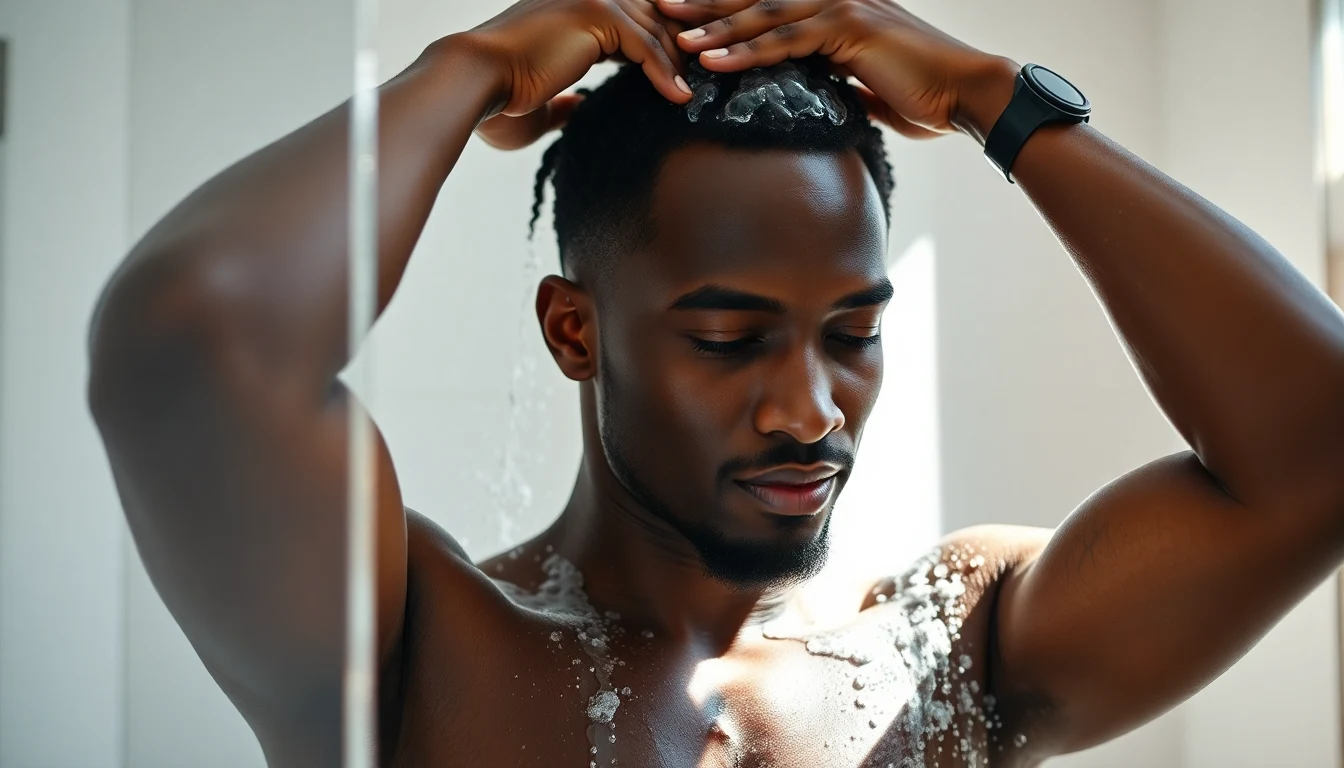
Sodium lauryl sulfate (SLS) and sodium laureth sulfate (SLES) strip the natural oils that 4B and 4C hair cannot afford to lose. On tightly coiled hair, sebum pools at the scalp because the coils prevent it from traveling down the strand. Sulfates remove that oil faster than the scalp replaces it. Sulfate-free shampoos use milder surfactants like cocamidopropyl betaine. They still clean. They just do not strip.
Moisture-First Ingredients
Look for shea butter, coconut oil, honey, glycerin, and natural oils (argan, jojoba, castor). These deposit moisture during the wash, not just after. If the first three ingredients on the label are water, a sulfate, and a fragrance, put it back. (We recommend this SFC Natural King Jamaican Black Castor.)
Protein Balance
Protein strengthens the hair shaft by filling gaps in the cuticle. But too much protein makes hair stiff and brittle, especially on low-porosity 4C hair. High-porosity hair needs more protein. Low-porosity hair needs less. I cover this in the porosity section.
The 7 Best Shampoos for Black Men (Reviewed)
1. SheaMoisture Coconut & Hibiscus Curl and Shine Shampoo
Best for: All-around moisture and curl definition on 4A-4C hair
SheaMoisture has been in the textured hair game since before “sulfate-free” was a marketing term. Coconut oil penetrates the hair shaft (one of the only oils proven to do this; Rele and Mohile, 2003, Journal of Cosmetic Science), silk protein reinforces the cuticle, and neem oil conditions the scalp.
I have been rotating this into my wash days for over two years. On 4C hair, it cleans without that stripped, squeaky feeling. My coils hold definition after towel drying instead of frizzing out. This is the shampoo I tell every guy to start with. Available at every Target, Walmart, and CVS. No excuses.

Key ingredients: Coconut oil, silk protein, neem oil, kelp extract
Pros:
- Coconut oil penetrates the hair shaft for deep-level moisture
- Sulfate-free with a light, satisfying lather
- Black-founded brand with decades of credibility
- Available everywhere at an affordable price
- Works across 4A, 4B, and 4C textures
Cons:
- Can feel heavy on fine, low-density hair
- Hibiscus scent is strong; not everyone wants a floral-smelling shampoo
- May cause buildup on low-porosity hair if used more than once a week
Works for: 4A-4C hair, men who want reliable moisture retention, anyone transitioning from sulfate shampoos for the first time.
Skip if: You have very fine, low-porosity hair that gets weighed down easily. Try Carol’s Daughter Black Vanilla for a lighter formula.
See SheaMoisture Coconut & Hibiscus Shampoo
2. As I Am Coconut CoWash
Best for: Mid-week cleansing without stripping moisture
This is not a shampoo. That is the point. A co-wash (conditioner wash) cleans without surfactants, using a conditioner base to remove light dirt and refresh curls. As I Am is the gold standard in this category.
Coconut oil and castor oil condition while tangerine extract provides mild cleansing. I use this between shampoo days when my scalp feels fine but my hair needs a reset. If you work out three to four times a week, a co-wash on gym days keeps you fresh without the moisture penalty of shampooing every time. (We recommend this OKAY for MEN Castor Oil Hair.)

Key ingredients: Coconut oil, castor oil, tangerine extract, saw palmetto
Pros:
- Cleanses gently without sulfates or harsh surfactants
- Coconut and castor oil add moisture during the wash
- Ideal for maintaining moisture between shampoo sessions
- Saw palmetto may support scalp health (traditionally used for hair thickness)
Cons:
- Will not remove heavy product buildup; you still need a shampoo periodically
- Not effective as a sole cleanser for men who use wave grease or heavy pomades
- Thick consistency requires thorough rinsing to avoid residue
Works for: 4B-4C hair between shampoo days, men who work out frequently, anyone who wants to reduce shampoo frequency. (We recommend this Natural King Jamaican Black Castor Shampoo.)
Skip if: You use heavy styling products daily. A co-wash will not cut through wave grease or pomade buildup. Use Cantu Cleansing Cream for that. (We recommend this Natural Wave Pomade Strong Hold Easy.)
3. Bevel Moisturizing Shampoo
Best for: Daily use on short hair, fades, and waves
Tristan Walker built Bevel for Black men, and this shampoo targets the guy with a fade, a low cut, or waves. Shea butter and coconut oil deliver moisture while vitamin E protects the scalp. Lightweight enough for every-other-day use without the buildup heavier shampoos leave on short hair.
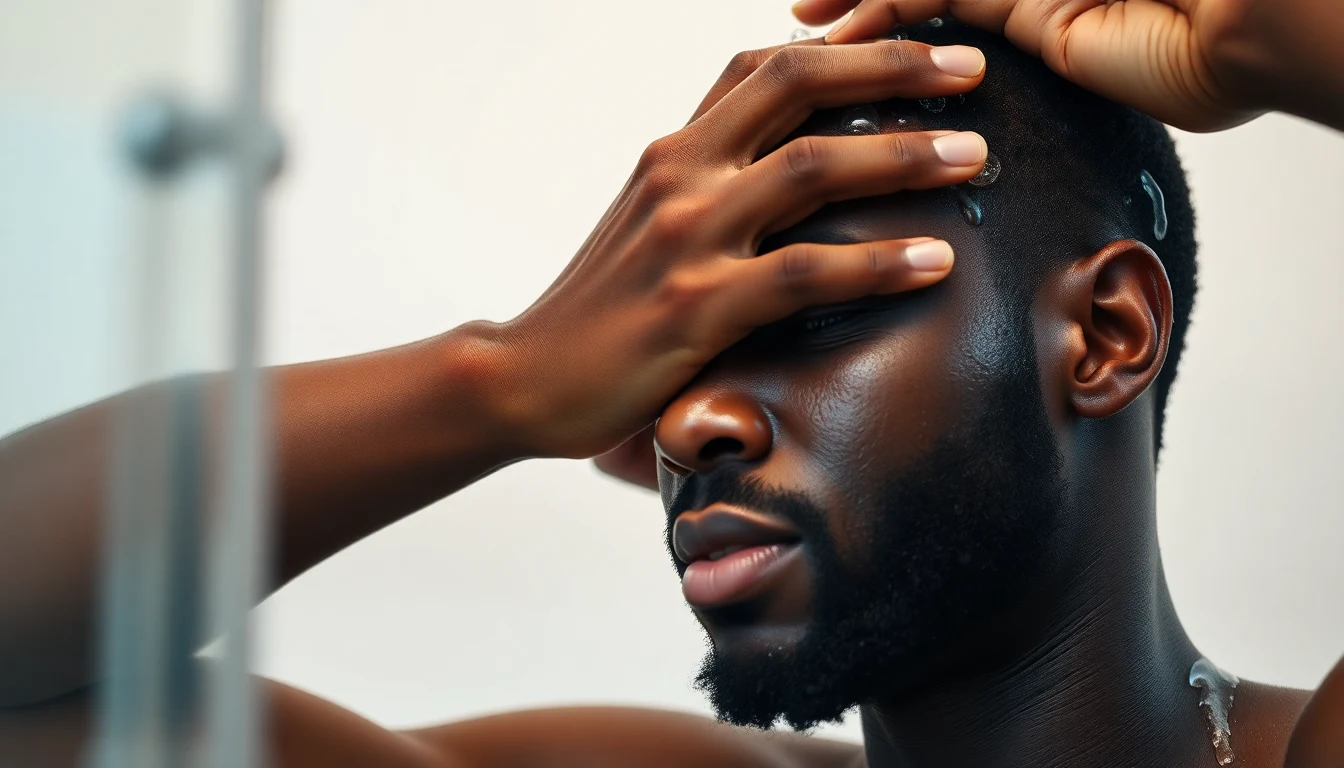
If you are maintaining 360 waves, this cleans without disrupting your wave pattern. The wash-and-style method works best with a shampoo that does not coat your hair in heavy oils that weigh down the curl pattern you have trained. (We recommend this OCEAN VIEW DEEP WAVES POMADE –.)

Key ingredients: Shea butter, coconut oil, vitamin E, tea tree oil
Pros:
- Lightweight formula for frequent washing on short hair
- Does not disrupt wave patterns or fade maintenance
- Black-owned brand built for Black men
- Tea tree oil provides mild antimicrobial scalp support
Cons:
- May not provide enough moisture for longer 4C hair or locs
- Less widely available in stores than SheaMoisture or Cantu
- Higher price per ounce than budget options
Works for: Short haircuts, fades, 360 waves, men who wash every 2 to 3 days, scalp-focused cleansing.
Skip if: You have longer hair (3+ inches) that needs heavy conditioning. Go with SheaMoisture Coconut & Hibiscus or Mielle Pomegranate & Honey.
See Bevel Moisturizing Shampoo
4. Mielle Organics Pomegranate & Honey Moisturizing and Detangling Shampoo
Best for: Damaged, dry, or color-treated textured hair
Monique Rodriguez built Mielle Organics into one of the most trusted names in textured hair care. This shampoo combines honey (a humectant that pulls moisture from the air), pomegranate extract (antioxidants that protect against environmental damage), and babassu oil (lightweight moisture without weighing down curls).

If you have been using sulfate shampoos for years and your hair feels straw-like or refuses to hold moisture, this is the recovery formula. I recommended it to a friend who had been using a drugstore 2-in-1 for a decade. After three weeks of weekly washes, his barber asked what he changed.
Key ingredients: Honey, pomegranate extract, babassu oil, panthenol (vitamin B5)
Pros:
- Honey pulls ambient moisture into the hair shaft
- Babassu oil moisturizes without heaviness or buildup
- Excellent for repairing years of sulfate damage
- Black-owned brand with strong community trust
Cons:
- Honey can make low-porosity hair feel sticky or weighed down in humid climates
- Not the best choice for scalp-focused cleaning; it prioritizes the hair shaft
- Scent is sweet and strong, which is not for everyone
Works for: 4A-4C hair that is dry, damaged, or color-treated. Hair that breaks easily during combing or brushing.
Skip if: You have an oily scalp that needs deep cleansing. This is moisture-first, not clarifying. Try Cantu Cleansing Cream Shampoo for buildup removal.
See Mielle Organics Pomegranate & Honey Shampoo
5. TGIN Moisture Rich Sulfate Free Shampoo
Best for: High-porosity hair that loses moisture fast
TGIN (Thank God It’s Natural) was founded by Chris-Tia Donaldson. The Moisture Rich Shampoo uses a triple oil system: amla oil (an Ayurvedic staple for strengthening hair), coconut oil (penetrates the cortex), and olive oil (smooths the cuticle).

If your hair feels hydrated in the shower but is dry again within an hour, you likely have high porosity. The triple oil formula coats and smooths that raised cuticle during the wash, helping moisture stay locked in longer after you rinse.
Key ingredients: Amla oil, coconut oil, olive oil, pro-vitamin B5
Pros:
- Triple oil system addresses the cuticle damage that causes moisture loss
- Amla oil strengthens hair and promotes scalp health
- Specifically formulated for natural, textured hair
- Black-owned brand
- No silicones, parabens, or sulfates
Cons:
- Oil-heavy formula can weigh down low-porosity or fine hair
- Higher price point than drugstore alternatives
- Less widely available in physical stores; easier to find online
Works for: High-porosity 4B-4C hair, chemically treated or heat-damaged hair, men whose hair dries out within hours of washing.
Skip if: Your hair is low porosity. The heavy oils will sit on top of the strand instead of absorbing, creating buildup. Carol’s Daughter Black Vanilla is a lighter option.
See TGIN Moisture Rich Sulfate Free Shampoo
6. Carol’s Daughter Black Vanilla Moisture & Shine Shampoo
Best for: Dry, brittle hair that needs softening without weight
Lisa Price started Carol’s Daughter in her Brooklyn kitchen in 1993. The Black Vanilla shampoo is a lightweight moisturizer that skips heavy oils for sweet clover, rose, and pro-vitamin B5. Sweet clover promotes scalp circulation. Pro-vitamin B5 coats the hair shaft, improving elasticity and reducing breakage.

I recommend this specifically for men with low-porosity 4C hair. Low-porosity hair resists absorbing heavy products, so lighter formulas like Black Vanilla sit better and do not cause the waxy buildup that heavier shampoos leave behind.
Key ingredients: Sweet clover, rose, pro-vitamin B5, aloe
Pros:
- Lightweight formula that will not weigh down fine or low-porosity hair
- Pro-vitamin B5 improves elasticity and reduces breakage
- Legacy Black-founded brand with 30+ years of credibility
- Pleasant vanilla scent that is not overpowering
Cons:
- May not provide enough moisture for severely dry or high-porosity hair
- Cleansing power is mild; will not remove heavy buildup on its own
- Now owned by L’Oreal, which matters to some buyers
Works for: Low-porosity hair, fine-textured 4A-4B hair, men who want lightweight moisture without residue.
Skip if: Your hair is very dry and high-porosity. You need more oil and protein than this provides. Go with TGIN Moisture Rich.
See Carol’s Daughter Black Vanilla Shampoo
7. Cantu Shea Butter Cleansing Cream Shampoo
Best for: Budget-friendly cleansing and product buildup removal
Cantu is the entry point. $5-7 for a sulfate-free shampoo that actually works on textured hair. Shea butter provides moisture while apple cider vinegar dissolves product buildup and rebalances scalp pH.
This is the shampoo for guys who use wave grease, pomade, edge control, or gel. These products leave residue that lighter shampoos cannot cut through. Cantu handles it without harsh sulfates. Is it as refined as SheaMoisture or Mielle? No. But at this price, it outperforms anything else on the shelf.
Key ingredients: Shea butter, apple cider vinegar, tea tree oil, honey
Pros:
- Most affordable sulfate-free option for textured hair
- Apple cider vinegar dissolves stubborn product buildup
- Available at every major retailer
- Effective on heavy styling products (wave grease, pomade, gel)
Cons:
- Not as moisturizing as premium options; follow with a good conditioner
- Contains some synthetic ingredients that cleaner brands avoid
- Apple cider vinegar scent lingers if you do not rinse thoroughly
Works for: Budget-conscious buyers, heavy styling product users, weekly clarifying washes.
Skip if: Moisture and softness is your priority. Pair it with a conditioner, or use Mielle Pomegranate & Honey for a wash that conditions while it cleans. When it comes to best shampoos for black men, technique matters most.
See Cantu Cleansing Cream Shampoo
How Often Should Black Men Wash Their Hair?
This is the question your barber answers differently every time you ask. The real answer depends on your hair length, activity level, and product use. Tightly coiled hair cannot distribute sebum from scalp to tip the way straight hair does. Every shampoo, even a sulfate-free one, removes some of that oil. For most Black men with 4B-4C hair, washing too often is a bigger risk than washing too little. (We recommend this Jack Black True Volume Thickening Shampoo.)
Wash Frequency by Hair Type and Lifestyle
| Situation | Recommended Frequency | Why |
|---|---|---|
| 4C hair, no heavy products | Every 7-10 days | Preserves natural oils that 4C textures cannot replace quickly |
| 4B hair, moderate product use | Every 5-7 days | Removes light buildup without over-stripping |
| 4A hair or looser curl patterns | Every 3-5 days | Slightly more sebum distribution means faster oil accumulation |
| Short hair / fades / waves | Every 3-5 days | Short hair accumulates less product; scalp health is the priority |
| Heavy product users (wave grease, pomade) | Every 4-5 days | Product buildup clogs pores and can cause scalp irritation if left too long |
| Active / gym 4+ days per week | Shampoo weekly, co-wash between sessions | Sweat carries salt and bacteria; co-wash removes sweat without stripping oils |
| Locs | Every 7-14 days | Overwashing can loosen locs and strip the moisture they need to stay healthy |
My rule of thumb: shampoo once a week, co-wash once between shampoo days if your scalp needs it. Adjust from there based on how your hair feels, not what the internet tells you.
Sulfate-Free vs. Sulfate: The Science
Sulfates (SLS and SLES) are surfactants that attract oil and water simultaneously, letting water rinse away dirt and product. Effective, but aggressive. A 2005 study in the International Journal of Trichology found that surfactant-based cleansing significantly reduces the hair shaft’s lipid content, with a more pronounced effect on hair that already has limited natural lubrication. Tightly coiled textures fall squarely into that category.
Sulfate-free shampoos replace those harsh detergents with gentler alternatives: cocamidopropyl betaine (coconut-derived, mild lather), sodium cocoyl isethionate (gentle enough for infant products), and decyl glucoside (plant-derived, extremely mild). They clean. They just do not strip. If the reduced lather feels unfamiliar, know that foam is a side effect of sulfate action, not an indicator of cleanliness.
When You Might Need Sulfates
One scenario: a monthly clarifying wash. If you use heavy pomades, wave greases, or silicone-based products, gentle surfactants cannot fully remove that buildup over time. One clarifying wash per month with a mild sulfate shampoo resets your hair. Follow it immediately with a deep conditioner.
Shampoo vs. Co-Wash vs. Cleansing Conditioner
Three products, three different jobs. Most Black men benefit from having at least two in rotation.
Shampoo uses surfactants to remove dirt, oil, and product. The only option that can strip heavy buildup. Use every 5 to 10 days. Reach for it when: your scalp feels oily or itchy, you see flaking, or you have used heavy styling products.

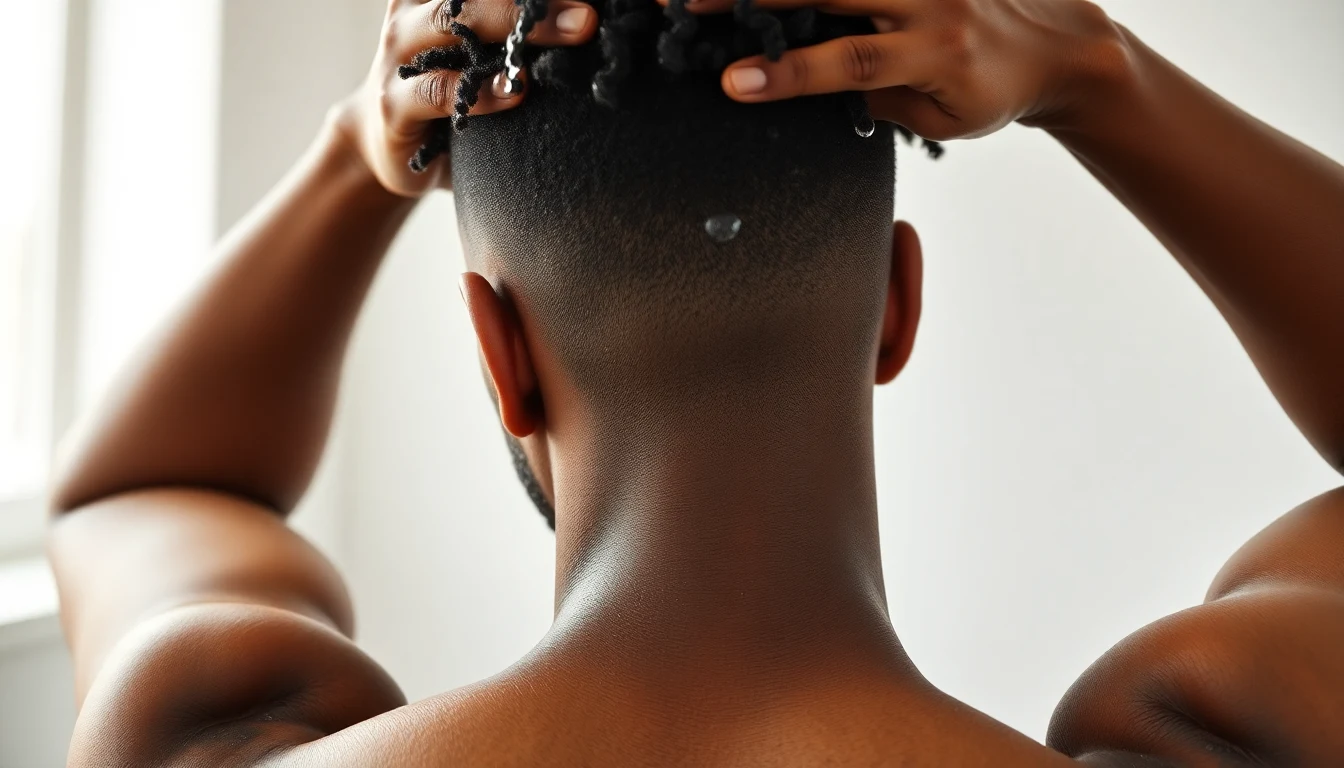
Co-wash (conditioner wash) cleans with a conditioner base and minimal surfactants. Removes light sweat and surface dirt while depositing moisture. It will not remove heavy buildup. Reach for it: between shampoo days, after workouts, or when you want to reduce shampoo frequency.
Cleansing conditioner sits between the two. Mild surfactants in a heavy conditioning base. More cleaning power than a co-wash, more moisture than a shampoo. Good as a primary wash if you only shampoo once or twice a month.
My rotation: SheaMoisture Coconut & Hibiscus once a week on Sunday. As I Am Coconut CoWash on Wednesday after the gym. Two wash days, two products, consistent moisture.
Hair Porosity Guide: Match Your Shampoo to Your Hair
Porosity is the most overlooked factor in choosing hair products. It describes how well your hair absorbs and retains moisture. Two men with identical 4C curl patterns can have completely different porosity levels and need different shampoos.
The Float Test
Drop a clean, product-free hair strand into a glass of room-temperature water. Wait two to four minutes.
- Floats on top: Low porosity. Your cuticle is tightly sealed.
- Sinks slowly to the middle: Normal porosity. Your cuticle opens and closes normally.
- Drops to the bottom quickly: High porosity. Your cuticle is raised or damaged.
Shampoo Recommendations by Porosity
| Porosity | Hair Behavior | What Your Shampoo Needs | Best Pick |
|---|---|---|---|
| Low | Takes forever to get wet; products sit on top; dries slowly | Lightweight, water-based formulas that will not cause buildup; avoid heavy oils and proteins | Carol’s Daughter Black Vanilla |
| Normal | Absorbs moisture well; holds styles; balanced moisture and dryness | Balanced formula with moderate moisture and light protein | SheaMoisture Coconut & Hibiscus |
| High | Absorbs water instantly; dries out fast; feels rough or straw-like | Heavy oils, butters, and proteins that fill cuticle gaps and seal moisture in | TGIN Moisture Rich |
Why Porosity Matters More Than Hair Type
The Andre Walker system (4A, 4B, 4C) describes curl pattern. Porosity describes how your hair interacts with moisture. Two 4C men can have opposite porosity levels and need opposite products. If you have been following recommendations for your “hair type” and they still do not work, porosity is almost certainly the missing variable. Heat damage, chemical treatments, and relaxer history all raise porosity over time.
Frequently Asked Questions
How often should a Black man wash his hair?
For 4C hair with no heavy product use, once every 7 to 10 days. If you work out frequently or use heavy styling products, every 4 to 5 days. Men with short hair or fades can wash every 3 to 5 days. Overwashing strips the natural sebum that textured hair depends on for moisture retention. Use a co-wash between shampoo days if your scalp needs refreshing.
What does sulfate-free actually mean, and does it matter?
Sulfate-free means the shampoo does not contain sodium lauryl sulfate (SLS) or sodium laureth sulfate (SLES). These detergents create heavy lather but strip the natural oils that tightly coiled hair cannot afford to lose. For most Black men, sulfate-free is the better default. The exception is a monthly clarifying wash with a mild sulfate shampoo to remove stubborn product buildup. (We recommend this SFC Natural King Pro-Growth Hair &.)
What is the difference between shampoo, co-wash, and cleansing conditioner?
Shampoo uses surfactants to remove dirt, oil, and product. Co-wash uses a conditioner base with minimal cleansing agents for a gentle, moisture-preserving clean. Cleansing conditioner falls between the two. Most Black men benefit from rotating shampoo (weekly) and co-wash (between shampoo days).
How do I know my hair porosity, and why does it matter for choosing shampoo?
Drop a clean strand of hair in a glass of water. If it floats, low porosity. If it sinks to the middle, normal. If it drops to the bottom fast, high porosity. Low porosity needs lightweight shampoos without heavy oils. High porosity needs heavy, protein-enriched formulas. Matching shampoo to porosity is the fastest way to improve moisture retention.
Can the wrong shampoo cause hair loss in Black men?
Harsh sulfates, high alcohol content, and strong fragrances can damage the hair cuticle and irritate the scalp, contributing to breakage and thinning. Central centrifugal cicatricial alopecia (CCCA), the most common form of scarring hair loss in Black people, has been linked to harsh chemical treatments and scalp inflammation. While shampoo alone rarely causes permanent loss, using the wrong one consistently weakens hair. If you notice increased shedding, switch to a sulfate-free formula and see a dermatologist experienced with textured hair.
The Bottom Line
Here is your recap:
- SheaMoisture Coconut & Hibiscus is the best all-around shampoo for Black men with textured hair
- As I Am Coconut CoWash is the go-to for mid-week cleansing without moisture loss
- Bevel Moisturizing Shampoo is built for short hair, fades, and waves
- Mielle Pomegranate & Honey repairs damage and restores softness
- TGIN Moisture Rich is the answer for high-porosity hair that will not stay moisturized
- Carol’s Daughter Black Vanilla works best for low-porosity hair that gets weighed down
- Cantu Cleansing Cream is the best budget sulfate-free option on the market
Your next step: Take the float test. Match your porosity to the right shampoo from the table above. Wash once a week. Co-wash between. Give it four weeks.
Your barber has been telling you to take care of your hair for years. Now you know exactly how. Start this Sunday.

For more, check out our guide to the best face wash for Black men, the best moisturizer for Black men, our breakdown of types of fades, or how to pull off a curly hair fade.
Frequently Asked Questions
What is the best shampoo for Black men with 4B and 4C hair types?
The best shampoo for Black men depends on your hair porosity and moisture needs, but sulfate-free options like SheaMoisture Coconut and Hibiscus are specifically formulated for textured hair. Look for shampoos with hydrating ingredients like shea butter, coconut oil, and hibiscus that prevent moisture loss and reduce breakage in tight curl patterns.
How often should you wash your hair if you have natural Black hair?
Wash frequency matters more than the product itself; most men with 4B/4C hair should wash every 7-10 days rather than daily to avoid stripping natural oils. Washing too frequently dries out textured hair and can lead to breakage, so finding your ideal schedule is key to seeing growth results.
What is hair porosity and why does it matter for choosing shampoo?
Hair porosity refers to how well your hair absorbs and retains moisture, which you can test by placing a strand in water to see if it floats or sinks. Knowing your porosity helps you select shampoos that match your hair’s needs, whether you need moisture-rich formulas for low porosity hair or lighter options for high porosity hair.
Are co-wash options good alternatives to regular shampoo for Black men?
Co-wash (conditioner washing) can be an excellent option between regular shampoos for men with textured hair, as it cleanses while adding moisture without harsh surfactants. You can use co-wash every 3-4 days as a refresher between your weekly or bi-weekly shampoo to maintain hydration and reduce damage control challenges.