If you want to master what is wolfing the secret, this guide covers everything you need to know.
Found this useful? Send it to someone who needs it.
This article may contain affiliate links. If you purchase through these links, we may earn a small commission at no extra cost to you. See our editorial guidelines for details.
If you want to master what is wolfing the secret, this guide covers everything you need to know. Last updated: February 2026 by Darius Washington, Black Men’s Grooming Editor
I remember the first time somebody in my uncle’s barbershop in Atlanta told me to “just wolf it out.” I was 14, impatient, and convinced my waves would come in faster if I kept getting fresh cuts every two weeks. He looked at me and said, “You keep cutting before the pattern sets. That’s why your waves are shallow.” That conversation changed my entire wave game. So let me answer the question that every waver asks at some point: what is wolfing, and why is it the most important thing standing between you and deep 360 waves?
Wolfing is the practice of growing your hair out for four to eight weeks while maintaining an aggressive brushing and compression routine. It is the single most critical technique in the wave system, and it is also the hardest because it demands patience. This guide covers the science behind it, a week-by-week timeline, hair type adaptations, when to cut, and the mental game of not giving up at week three.
If you only read one section, jump to the week-by-week wolfing guide. That tells you exactly what to expect and what to do at every stage.
Wolfing is the process of intentionally growing your hair out while brushing and compressing consistently to deepen your 360 wave pattern. The name comes from the look you get during the process. After a few weeks without a cut, your hair looks wild and unruly. You are literally growing out like a wolf.
OCEAN VIEW DEEP WAVES POMADE – Premium Wave Grease, Wave Pomade for 360 Waves, Strong Hold Wave Cream for Men, Hydrating Hair Styling Product for Deep, Defined Waves, 4 oz Jar
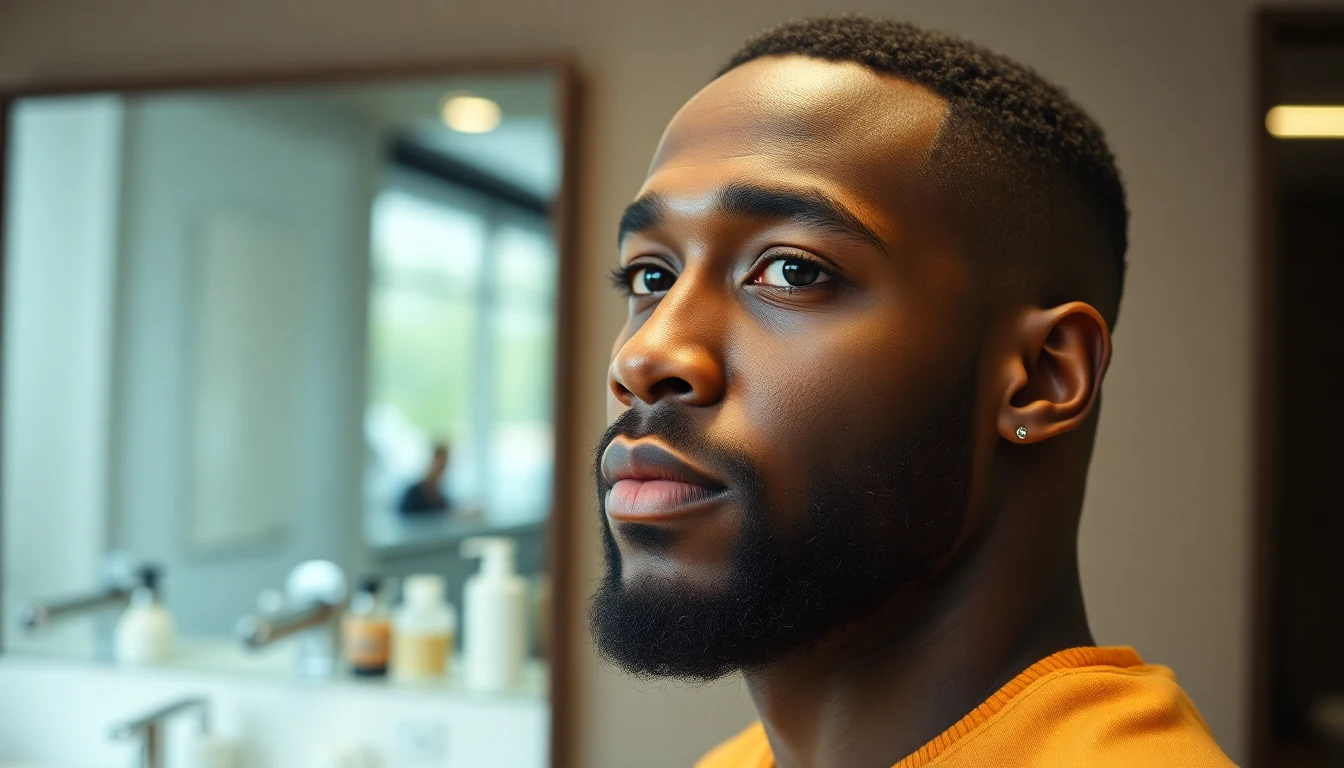
What Is Wolfing? The Secret to Deep, Defined 360 Waves — grooming guide image.
The messy look is the point. When you get a fresh haircut, your waves look clean but they are at their shallowest. The blade removes the hair length that creates depth. When you wolf, you let that length come back while training the hair in your wave direction. The longer hair compresses more dramatically, creating deeper ripples. Think of it like a pool: a shallow pool has tiny ripples, a deep pool has real waves. Wolfing builds the depth. (We recommend this OCEAN VIEW DEEP WAVES POMADE –.)
Every serious waver knows this. Two-week cuts keep you looking fresh but your waves stay on the surface. A proper wolf takes you from “nice pattern” to “people stop you to ask about your waves.”
The term has been part of 360 wave culture for decades. It is not optional. It is foundational.
How Wolfing Works: The Cycle Explained
Your hair naturally wants to coil upward. When you brush consistently in one direction, you train the follicle to lay down that way instead of coiling straight up. A durag compresses it flat, reinforcing the pattern. Here is the five-stage cycle. (We recommend this SFC Natural King Jamaican Black Castor.)
Stage 1: The Cut. Your barber cuts to your wave length, usually a 1.5 to 2 guard. Pattern is visible but shallow.
Stage 2: Growth (Weeks 1-3). Hair grows roughly half an inch per month. You continue brushing and compressing as it grows in the trained direction.
Stage 3: The Wolf (Weeks 3-6+). Hair is long enough that brushing creates real compression. The longer hair lays down in deeper wave troughs. Under the durag, the pattern sets at a level a fresh cut never allows.
SFC Natural King Jamaican Black Castor Oil Shampoo for Men 33.8 oz. – Men’s Cleansing Shampoo that Thickens Hair, Strengthens Hair and Boosts Growth
Stage 4: The Cut Reveal. Back to the barber. The pattern hidden under all that growth is now exposed, significantly deeper than before.
Stage 5: Repeat. Every cycle deepens the pattern further. After three to four complete wolf cycles, your waves become permanent enough to hold through shorter maintenance periods.
How Long to Wolf by Hair Type
There is no universal answer because hair type changes everything. Here is what I have learned from my own 4C hair and from years in the wave community.
Looser coils need more time for pattern to set. Hair lays flatter.
2-3
3C (loose curls)
6-8+ weeks
Widest curl pattern. Needs the most length for visible depth.
2.5-3
Beginners: Start with the longer end of your range. Your first wolf should be your longest because the pattern has not been established. Once you have completed two or three cycles, you can shorten the duration.
Experienced wavers: Listen to your brush. If you are still getting good lay and compression, keep going. If the brush is fighting you, cut.
Week-by-Week Wolfing Guide
This is the section I wish someone had given me when I started. Based on 4B/4C hair. If you have 4A or 3C, add about one week to each phase.
Week 1: The Easy Week
Hair still looks close to fresh. Waves are clean but shallow. You are motivated.
Softsheen-Carson Sportin’ Waves Maximum Hold Pomade
The classic wave pomade for maximum hold and a smooth, connected pattern.
Do this: Brush three sessions daily, 10 to 15 minutes each. Medium bristle brush. Apply a dime-sized amount of Sportin’ Waves Pomade before each session. Durag for 30 minutes after brushing and all night.
Avoid: Skipping sessions because “it’s only week one.” This week sets the tone for your follicle training.
Week 2: Building Momentum
Growth is becoming visible. Without a durag, the hair looks slightly unfocused. Still comfortable.
Do this: Continue three daily sessions. Start transitioning to a hard bristle brush for at least one session per day. Wash once this week with a sulfate-free wave shampoo, brush in the shower, then pomade and durag immediately after. (We recommend this Rolda Black Pomade.)
Avoid: Over-applying product. The longer hair holds pomade on the surface instead of the scalp. Use less, work it in with your palms first.
Week 3: The Temptation Week
The wolf is real. Hair looks noticeably grown out without the durag. With the durag, compression is creating visible depth. This is where most people quit. (We recommend this Black Wolf Mens Shampoo for Oily.)
Do this: Switch to hard bristle for all sessions. Three sessions daily, 15 minutes minimum. Wear the durag as much as possible.
Avoid: Getting a cut. Week three is where real training starts. Cutting now means you did two weeks of maintenance, not wolfing.
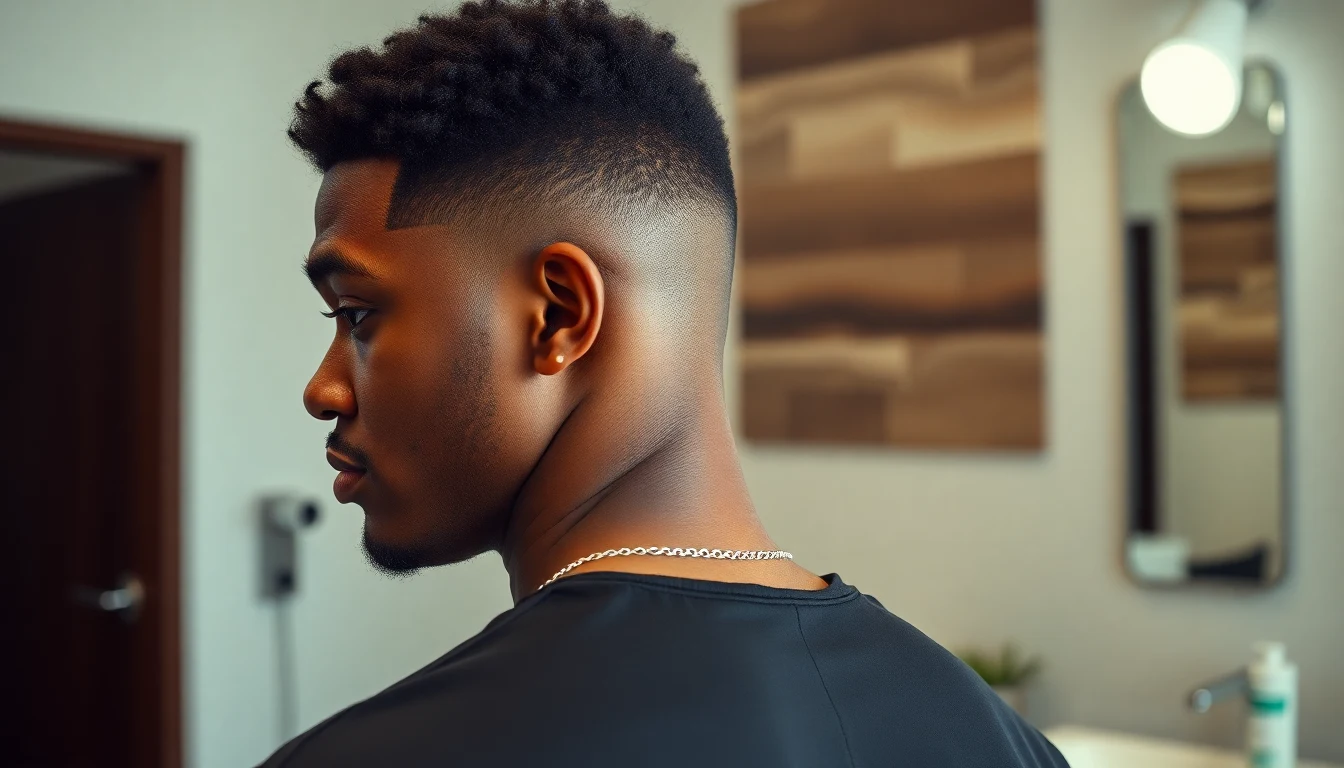
What Is Wolfing? The Secret to Deep, Defined 360 Waves — grooming guide image.
Week 4: The Breakthrough
When you take off the durag, the waves are visibly deeper than week one. Connections are forming. The uncompressed look is wild, but the pattern is setting hard underneath.
Do this: This is the minimum wolf for most 4C wavers. If your connections are solid, you can cut. If you want more, keep pushing. Continue hard bristle sessions.
Avoid: Rushing to the barber at exactly four weeks regardless of progress. Check your pattern, not the calendar.
Weeks 5-6: Deep Wolf Territory
Under compression, your pattern is at its deepest. Connections between crown, sides, and front are filling in. This is the ideal cut window for 4C hair.
Do this: Continue all routines. Do a final wash-and-style two days before your barber appointment so the pattern is set and clean.
Avoid: Skipping brush sessions in the last few days. Those final sessions lock in the pattern for the reveal.
Weeks 7-8: Extended Wolf (4A/4B and Experienced Wavers)
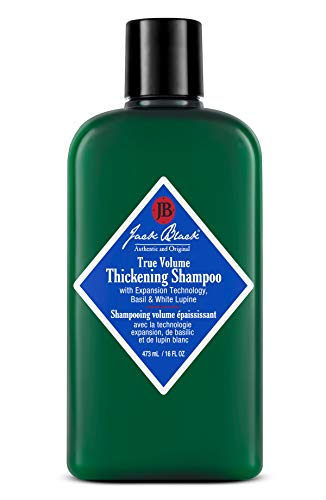
Maximum depth. The pattern is set deep enough to hold through the cut. For 4A hair, this is where the looser curl finally compresses into a true wave. (We recommend this Jack Black True Volume Thickening Shampoo.)
Do this: Cut within this window. Going beyond eight weeks creates diminishing returns.
Avoid: Wolfing past eight weeks without reason. The hair gets too long for the brush to reach the scalp. You start training mid-shaft instead of the root.
Black Wolf Men’s Shampoo for Oily Hair – Daily Hair Care for Men
The Wolfing Routine: Brushing, Compression, and Washing
Daily Brushing Sessions
Session
Time
Duration
Brush
Product
Morning
Before leaving
10-15 min
Hard (weeks 3+) or medium (weeks 1-2)
Light pomade
Midday
Lunch break
5-10 min
Medium (portable)
None or water mist
Night
Before bed
15-20 min
Hard bristle
Wave cream or pomade
The night session is the most important. That is 6 to 8 hours of compression coming right after it. Always brush from the crown outward: front to forehead, sides to ears, back down to the nape. If you do not know your natural wave pattern yet, read our 360 wave guide for beginners.
I recommend the Torino Pro 350 Wave Brush for wolfing. The hard bristles penetrate through extra length to reach the scalp. Check our best wave brush roundup for more options.
Durag Schedule
After every brush session: Durag on immediately, minimum 30 minutes.
Overnight: Every single night. No exceptions.
During the day: As much as possible. Put it on the moment you get home.
Double compression (weeks 5+): Layer a wave cap over the durag for extra depth.
Velvet provides maximum compression during wolfing. The Wavebuilder Premium Velvet Durag is my go-to for wolf phases. For a full breakdown, see our best durag for waves guide.
Tying tension: Snug, never tight. Fit one finger between the durag and your forehead. Overtightening causes headaches and can lead to traction alopecia.
Washing During a Wolf
I hear this debate constantly: “Don’t wash during a wolf, it messes up the pattern.” Wrong. Skipping washes causes buildup that clogs follicles and dulls your waves.
Wash once per week. Wet the hair, apply Wavebuilder Wave Shampoo (sulfate-free), brush in the shower while the shampoo is in, rinse, pat dry with a microfiber towel, apply pomade while still damp, brush 10 to 15 minutes, durag on immediately. This wash-and-style session is your strongest training opportunity all week because wet hair is more pliable.
Jack Black True Volume Thickening Shampoo, Basil & White Lupine , Thickening Hair Products for Men, Sulfate-Free Hair Shampoo – 16 Fl oz (Pack of 1)
Deep durag imprints. After overnight compression, pronounced wave lines hold their shape for minutes after removal.
Connections are filling in. Crown connects to sides. Forehead pattern runs cleanly into temples.
Brushing still lays the hair down in one direction with a hard bristle brush.
You have hit your hair type’s recommended window (see the table above).
Signs You Have Gone Too Long
Brush cannot reach the scalp, only hitting mid-shaft.
Hair tangles or mats despite brushing.
Sections need more than three passes to lay flat.
Constant, aggressive scalp itching from buildup or follicle irritation.
What to Tell Your Barber After Wolfing
This section saves wolves. I have seen guys do six weeks of discipline and then sit in the chair and say “just clean me up.” That is how you lose half your progress. Here is the script I give my barber:
“I’ve been wolfing for [X weeks]. I want to keep my wave pattern. Use a [guard number] with the grain. Don’t go against the grain anywhere. Keep the length on top, fade the sides to a [guard number] at the temple. Soft hairline, not razor sharp.”
What Is Wolfing? The Secret to Deep, Defined 360 Waves — grooming guide image.
Instruction
Why It Matters
“With the grain” (WTG)
Against the grain pulls hair in the wrong direction and disrupts the trained wave pattern.
Specific guard number
“A 2 on top” is clear. “Just a trim” is not.
“Soft hairline”
A razor-sharp lineup removes the natural wave connections at the hairline.
Find a barber who waves. A barber who has or has had 360 waves understands WTG cutting and why you spent six weeks looking rough. If your barber does not know what wolfing means, that is a yellow flag. See our best clippers for Black men guide for what your barber should be using.
Common Wolfing Mistakes
1. Cutting too early. Two to three weeks is maintenance, not wolfing. Commit to a minimum before you start. Write it down.
2. Wolfing without brushing. Growing out without brushing is not wolfing. The sessions are what train the pattern. Three per day minimum. Keep a portable brush in your bag.
3. Sleeping without a durag. One night can undo days of progress. Cotton pillowcases create friction that pulls hair in random directions. Durag every night, no exceptions.
4. Wrong brush firmness. A soft brush during a deep wolf cannot penetrate the length. Weeks 1-2 use medium, weeks 3+ use hard. If you have a sensitive scalp, stay medium but add more pressure.
WaveBuilder Wash In Waves Shampoo
Wave-safe shampoo with keratin and collagen amino acids that won’t strip your pattern.
5. Over-applying product. More pomade does not mean more waves. It means buildup and clogged follicles. Dime-sized amount per session, worked into palms first. (We recommend this OCEAN VIEW DEEP WAVES POMADE, Gold.)
6. Not adapting to your hair type. A 4C waver cannot follow the same timeline as a 3C waver. Know your texture. If you are unsure, your barber can help you identify it.
7. Comparing your wolf to social media. Hair type, density, genetics, and head shape all affect how wolves look at the same stage. Compare your week four to YOUR week two. That is the only comparison that matters.
The Mental Game of Wolfing
Nobody talks about this enough. You spend weeks looking worse than you want to look. You see guys with fresh biweekly cuts looking sharp while you wear hats to cover your wolf. Social media shows the results, not the messy weeks that got there. When it comes to what is wolfing the secret, technique matters most.
Reframe the wolf as investment. You are not “giving up” a clean look. You are investing training into a deeper pattern that makes your next cut dramatically better. When it comes to what is wolfing the secret, technique matters most. When it comes to what is wolfing the secret, technique matters most.
Take progress photos. Every Sunday, durag off, brush your waves, photograph the top of your head. When week three frustration hits, look at week one. The difference keeps you going.
Build the routine into your day. Put the brush next to your toothbrush. Brushing sessions become as automatic as brushing your teeth. You will not skip them.
OCEAN VIEW DEEP WAVES POMADE, Gold Edition 360 Wave Grease for Men Moisturizes, Controls and Styles Black Hair – Water Based Wave Builder Pomade for Men Tames Your Crown During Wolfing (30 grams)
Remember the reveal. The barbershop cut after a proper wolf is one of the most satisfying moments in the wave game. Deep, defined waves revealed from under weeks of growth. That feeling is what keeps every waver coming back. (We recommend this OCEAN VIEW DEEP WAVES POMADE- Water-Based.)
Products for Wolfing
You need four products, and they need to be the right four.
Product
Type
Role in Wolfing
When to Use
Wavebuilder Premium Velvet Durag
Durag
Maximum compression to lock in pattern
After every brush session + overnight
Torino Pro 350 Wave Brush
Hard bristle brush
Penetrates longer wolfing hair to train at the root
All sessions from week 3 onward
Sportin’ Waves Pomade
Pomade
Light hold and moisture to lay hair in wave direction
Before morning and night sessions
Wavebuilder Wave Shampoo
Sulfate-free shampoo
Removes buildup without stripping moisture
Weekly wash-and-style session
Durag: Velvet is the wolfing material. It grips the hair and provides heavier compression than silk or satin. The Wavebuilder Premium has wide tails and a stitched center seam. $10 to $15. Best for 4B/4C. Skip if your scalp reacts to velvet friction; go satin instead.
Brush: The Torino Pro 350 is a hard bristle brush with boar bristles that push through weeks of growth to reach the scalp. $12 to $18. Best from week three onward. For more options, see our wave brush guide.
Pomade: Sportin’ Waves has been in barbershops since before I was born. Light hold, no heavy residue. $3 to $5. For more options, check our wave grease guide.
Shampoo:Wavebuilder Wave Shampoo cleans buildup without stripping oils. Sulfate-free is mandatory during a wolf. Use weekly.
Frequently Asked Questions
How long should you wolf for waves?
Four to eight weeks depending on hair type. 4C does best at four to six weeks. 4A/4B can go six to eight. Beginners should aim for the longer end to establish the pattern.
OCEAN VIEW DEEP WAVES POMADE- Water-Based Hair Cream for 360 Wave Training and Wolfing- Silky Smooth Application and Styling, Strong Hold, Easy Wash- Waver and Barber Accessories – 4oz Tin Can
Yes. Past eight to ten weeks, most textures become too long for the brush to reach the scalp. You stop training new growth and risk tangling. If sections take more than three passes to lay flat, cut.
Should you wash your hair while wolfing?
Absolutely. Once per week with sulfate-free shampoo. Brush in the shower for the best training session of the week. Skipping washes causes buildup and clogged follicles that hurt your pattern more than any wash would. (We recommend this 2PCS Wash Shampoo for Black Men.)
What Is Wolfing? The Secret to Deep, Defined 360 Waves — grooming guide image.
Do you still brush while wolfing?
Brushing is the entire point. Two to three sessions daily, 10 to 15 minutes each. Use medium for weeks one and two, hard bristle from week three onward. Night sessions with overnight durag compression are the most productive.
What is the difference between wolfing and just not getting a haircut?
Wolfing is intentional growth with consistent brushing, product, and compression. Skipping the barbershop without a routine is just growing out. A six-week wolf with daily sessions produces dramatically deeper results than six weeks of no cuts and no brushing.
Start Your Wolf Today
Here is your recap:
Wolfing is intentionally growing hair out for four to eight weeks while brushing and compressing to deepen your 360 wave pattern.
Hair type determines duration. 4C needs four to six weeks. 4A/4B can go six to eight.
The routine is non-negotiable: three brush sessions daily, durag after every session and overnight, wash once per week.
Know when to cut: deep durag imprints, filled connections, hair still responding to the brush.
The mental game is real. Progress photos and routine discipline get you through the temptation weeks.
Your next step: grab a Torino Pro 350 and start your first session tonight. Read our complete guide to getting 360 waves for the full system beyond wolfing. And if you have been exploring different fade styles to pair with your waves, our curly hair fade guide covers how texture and length interact with different cuts.
Commit to the wolf. Trust the process. Your wave check is four to eight weeks away.
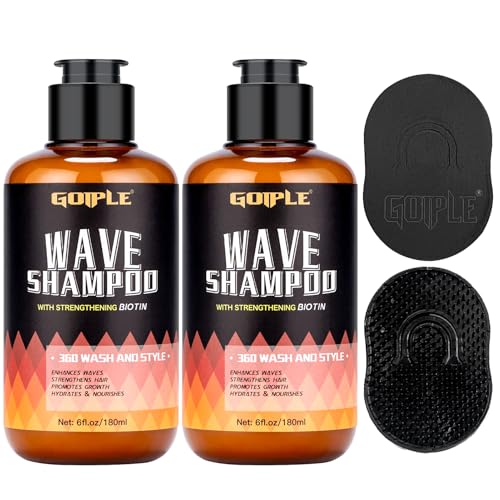
2PCS Wash Shampoo for Black Men – 360 Waves Shampoo for Men Hydration Enhance Shampoos Biotin Hair Growth Shampoos with Wave Comb Hair Brush- Strengthens Hair Promote Growth Nourishes (12 FL OZ)
What is wolfing and how long does it take to see results?
Wolfing is the process of growing out your hair between cuts to train and deepen your wave pattern, typically lasting 3-4 weeks or longer depending on your hair type and desired wave definition. During this growth period, you let your hair extend beyond a typical fade so the length helps compress and set your wave pattern more permanently. Most men see noticeably deeper, more defined 360 waves by week four of wolfing.
What’s the best brushing routine during a wolfing session?
During wolfing, you should brush daily with a hard bristle brush to push through the extra length and train your wave pattern deeper into your hair. Focus your brushing strokes in the direction you want your waves to flow, spending extra time on problem areas that don’t wave as naturally. The combination of the grown-out length and consistent hard brushing is what locks in those deep, defined waves you’re aiming for.
Can I wolf if I have a different hair type or texture?
Yes, you can adapt wolfing to different hair types and textures, though the timeline and brush intensity may vary based on your natural wave potential and hair density. Men with coarser or tighter curl patterns may need longer wolfing periods or slightly different brush techniques to achieve the same wave definition. The key is understanding your specific hair type and adjusting your routine accordingly for the best results.
Is it uncomfortable to wolf and how do I manage it mentally?
Yes, wolfing can be uncomfortable during the growth phase as your hair gets messy, itchy, and harder to style, which is why the mental game is crucial to staying committed. You’ll need to resist the urge to cut too early and trust the process, knowing that one uncomfortable week of wolfing leads to weeks of looking sharp with deep waves. Many successful wave enthusiasts focus on the end result and remind themselves that temporary discomfort is worth the payoff.
Found this useful? Send it to someone who needs it.
Top Culturedgrooming Pick
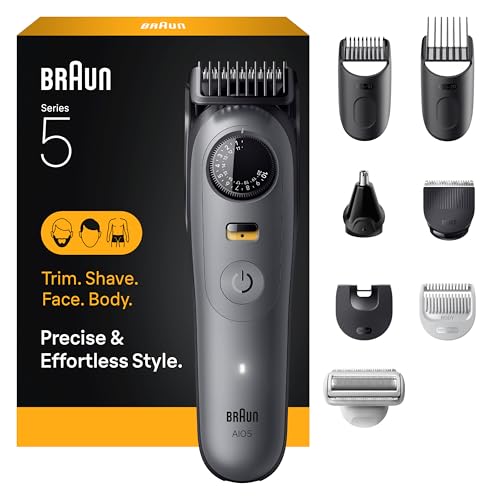
Braun Series 5 All-in-One Beard & Body Grooming Kit for Me