What Is Keratosis Pilaris? (And Why It’s Not Acne): Keratosis Pilaris For Men
If you’ve got rough, sandpaper-like bumps on your upper arms, thighs, or cheeks that won’t respond to acne treatments, you’re likely dealing with keratosis pilaris. For men dealing with this condition, the frustration is real — especially when nothing seems to work. Keratosis pilaris men collectively represent nearly 50% of the adult male population, making it one of the most common skin conditions most guys have never heard of by its actual name.
Keratosis pilaris (KP) is a benign skin condition where excess keratin — the structural protein in your skin, hair, and nails — builds up inside hair follicles and forms small, hard plugs. Those plugs push up through the surface of your skin, creating the characteristic bumpy texture. The surrounding skin often becomes red or inflamed, which is why KP is frequently mistaken for body acne or a rash.
Here’s the critical distinction: KP is not acne. There’s no infection involved. No bacteria are living in those bumps. That’s why benzoyl peroxide washes and salicylic acid acne products often do very little — they’re designed to fight bacterial activity and excess oil, not keratin overproduction. Treating KP like acne can actually make it worse by stripping and irritating the skin barrier without addressing the underlying issue.
The Science Behind the Bumps
Your skin naturally sheds dead cells through a process called desquamation. In people with KP, this process is disrupted around the hair follicle. Keratin accumulates faster than it’s shed, forming a plug that traps the hair inside — sometimes causing the hair to curl inward, which can contribute to inflammation. The technical term for what you’re feeling is a keratinous follicular plug. It sounds dramatic, but it’s fundamentally just a keratin traffic jam.
KP tends to run in families. If your father or brothers have rough bumpy arms, there’s a genetic component at play. It’s also associated with ichthyosis vulgaris, atopic dermatitis (eczema), and dry skin conditions generally. Low humidity environments and winter months often cause flare-ups because dry air accelerates skin dehydration, making keratin buildup worse.
How Keratosis Pilaris Looks on Different Skin Tones
One of the most significant gaps in mainstream dermatology content is the representation of how conditions present on medium, brown, and dark skin. KP is no exception. Most clinical images show red, inflamed bumps on pale skin — which represents only one way this condition appears.
Fair Skin
On lighter skin tones, KP classically presents as small red or pink bumps surrounded by dry, slightly rough skin. The redness comes from inflammation around the follicle. The contrast between the bump color and surrounding skin is often obvious, making diagnosis relatively straightforward. This is the presentation most dermatologists are trained to recognize immediately.
Medium and Olive Skin Tones
On Latino, Middle Eastern, South Asian, and Mediterranean skin tones, KP bumps may appear flesh-colored, slightly pink, or light brown. The redness is less pronounced, and the primary complaint is texture rather than visible color change. Many men with these skin tones are told their skin is “just dry” without receiving an actual KP diagnosis or targeted treatment plan.
Brown and Dark Skin Tones
For Black men and men with deeper brown skin tones, KP often manifests as darker hyperpigmented bumps rather than red ones. The post-inflammatory hyperpigmentation (PIH) that results from chronic follicular inflammation creates brown or grayish spots that can persist even after the active KP is treated. This presentation is frequently underdiagnosed or misidentified as other conditions.
What makes this particularly frustrating is that the hyperpigmentation aspect of KP on darker skin can be more visually prominent than the bumps themselves — and requires an additional treatment consideration (addressing PIH) that lighter-skinned patients simply don’t need to factor in. If you’re dealing with both rough texture and dark spots, you’re not dealing with two separate problems. It’s the same condition with a two-part presentation.
Where KP Appears on the Body
- Upper arms (posterior): The most common site, typically the outer and back surface of the upper arms
- Thighs: Both anterior and lateral thigh surfaces, often worse in areas where clothing creates friction
- Buttocks: A common but rarely discussed site; the constant pressure and friction makes this area particularly persistent
- Cheeks and jawline: More common in children but present in adult men, especially those with a family history
- Back: Less common but reported, particularly in the upper back region
Why Men Are Prone to Ignoring Keratosis Pilaris
There’s a straightforward cultural reason KP goes untreated in men for years: most men don’t discuss skin texture concerns with anyone, including their doctors. The bumps don’t hurt (usually), they don’t spread, and they’re easy to dismiss. Add in the fact that mainstream grooming content rarely addresses KP beyond the occasional “try a sugar scrub” recommendation — which, as we’ll cover, is largely counterproductive — and you have a condition that millions of men manage poorly or not at all.
For men of color specifically, the underrepresentation of their skin presentations in dermatology resources creates an additional barrier. If every image you see shows a condition looking dramatically different from what you see on your own skin, you’re less likely to recognize and correctly identify what you’re dealing with.
The Three-Step KP Treatment Framework
There is no cure for keratosis pilaris. That’s an important distinction to make upfront. What you’re working toward is management — significantly reducing bump formation, improving skin texture, and addressing any associated hyperpigmentation. The good news is that consistent management works extremely well for most men.
The three-step framework below is grounded in current dermatological guidance and practical enough to actually maintain long-term.
Step 1: Chemical Exfoliation (The Foundation)
Physical scrubbing of KP bumps — using loofahs, body scrubs, or exfoliating gloves — is one of the most common mistakes men make. Aggressive mechanical exfoliation can temporarily smooth the skin surface but it doesn’t address the keratin plug inside the follicle. Worse, it creates micro-tears and inflammation that worsen redness and hyperpigmentation, especially on darker skin tones.
Chemical exfoliants are fundamentally different. They work by loosening the bonds between dead skin cells and dissolving the keratin buildup from within the follicle. The primary ingredients you’re looking for are:
- Urea (12-20% concentration): Urea is both a humectant (draws moisture into the skin) and a keratolytic (breaks down keratin). At concentrations of 12% and above, it’s genuinely effective at dissolving the follicular plugs that cause KP. This is arguably the single most targeted ingredient for the condition.
- Lactic acid (AHA): An alpha hydroxy acid that exfoliates the surface of the skin and the follicle opening, reducing buildup over time. Also a decent humectant, so it moisturizes while it exfoliates.
- Glycolic acid (AHA): Smaller molecular size than lactic acid, allowing deeper penetration. Effective but can be more irritating on sensitive skin or in high concentrations.
- Salicylic acid (BHA): Oil-soluble, so it penetrates into the follicle more effectively than AHAs. Less research specifically on KP than urea or lactic acid, but helpful, particularly when mild inflammation is present.
The key rule: start with one active, applied consistently. Don’t layer multiple acids simultaneously when starting out. Apply your chosen chemical exfoliant after showering, to damp skin, focusing on affected areas. Give it 60-90 seconds to absorb before moving to step 2.
Step 2: Moisturize Aggressively
KP is fundamentally worsened by dehydration. A compromised skin barrier allows more rapid keratin accumulation and more visible inflammation. Moisturizing isn’t a passive add-on to KP treatment — it’s mechanically necessary for the process to work.
You need a moisturizer that contains ingredients specifically suited to KP:
- Ceramides: Essential lipids that rebuild and strengthen the skin barrier. Critical for men dealing with KP alongside eczema or generally sensitive skin.
- Urea (lower concentrations, 5-10%): At these concentrations, urea acts primarily as a humectant in moisturizers, keeping skin hydrated throughout the day.
- Lactic acid in moisturizer formulas: Dual-function products that moisturize and provide mild ongoing exfoliation.
- Ammonium lactate: A salt form of lactic acid that’s slightly less irritating, commonly found in prescription-strength formulas and some OTC products.
Apply your moisturizer while skin is still slightly damp from showering — this locks in moisture more effectively. Don’t wait until skin is fully dry. For areas of active KP, you may need to reapply once during the day, particularly in dry climates or winter months.
Step 3: Protect and Be Patient
If your KP is on exposed areas — arms, thighs, cheeks — sun exposure without protection will worsen hyperpigmentation and inflammation. SPF is non-negotiable for men dealing with KP-related dark spots, particularly for darker skin tones where PIH is already a significant concern. You don’t need a separate elaborate sun care routine; a lightweight broad-spectrum SPF 30+ applied to affected exposed areas does the job.
The “protection” in step 3 also means protecting your skin from friction. Tight clothing against actively inflamed KP areas will worsen bumps and pigmentation. During flare periods, give affected areas room to breathe where possible.
Best Products for Keratosis Pilaris: Three Tiers
The product landscape for KP is crowded with marketing-heavy, results-light options. The recommendations below focus on clinically supported formulas across three budget tiers.
| Tier | Product | Key Ingredient | Best For | Price Range |
|---|---|---|---|---|
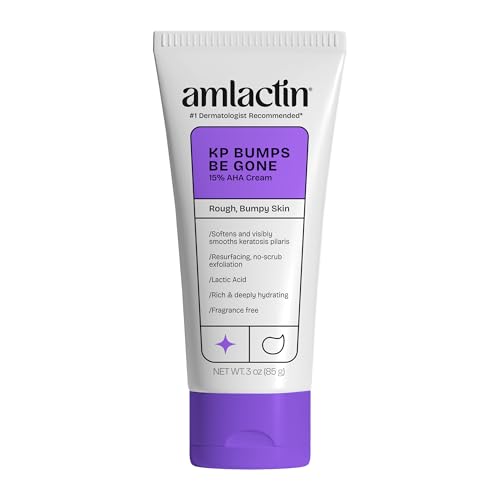
| Budget | AmLactin Daily Moisturizing Body Lotion | Ammonium Lactate 12% | General KP, first-timers | $12–16 |
| Budget | CeraVe SA Smoothing Cream | Salicylic Acid + Ceramides | Sensitive skin, dry KP | $14–18 |
| Mid-Range | Eucerin Roughness Relief Lotion | Urea 5% + Lactic Acid | Moderate KP, arm/thigh focus | $10–14 |
| Mid-Range | Gold Bond Rough & Bumpy Skin Cream | AHA + Urea complex | Bumpy texture, budget-mid | $10–13 |
| Premium | Ameliorate Transforming Body Lotion | Lactic Acid 10% + LaH6 complex | Stubborn KP, all skin tones | $28–36 |
| Premium | Glytone KP Kit (Exfoliating Body Wash + Lotion) | Glycolic Acid | Comprehensive KP system | $40–50 kit |
Body Wash Recommendations for KP
Your body wash plays a supporting role. It won’t clear KP on its own, but the wrong body wash will actively undermine your treatment. Avoid heavily fragranced soaps and anything marketed as “deep cleansing” or “clarifying” for body use — these tend to strip the skin barrier and worsen the underlying dehydration driving KP.
Look for body washes that are either pH-balanced and gentle (preserving the work your exfoliant is doing) or that contain low-concentration actives to deliver mild ongoing exfoliation in the shower:
- Glytone Exfoliating Body Wash: Contains glycolic acid; works well as the cleanse step in a full KP routine
- CeraVe Hydrating Body Wash: No actives, but ceramide-rich and non-stripping — ideal if your active exfoliant is potent
- Dove Men+Care Body Wash (Sensitive): Accessible, gentle, barrier-friendly baseline option
- Vanicream Gentle Body Wash: Fragrance-free, dye-free, ideal for men with KP alongside eczema or highly reactive skin
One application note: if you’re using a glycolic acid body wash in the shower, allow it to sit on the skin for 60-90 seconds before rinsing. This contact time matters. Rinse and go is essentially water exposure at that point.
What Doesn’t Work (And Why)
The misinformation ecosystem around KP is extensive. These are the approaches that consistently fail — or actively make things worse.
Physical Scrubs and Loofahs
Sugar scrubs, salt scrubs, walnut shell exfoliants, and vigorous loofah use are among the most recommended “solutions” for KP online. They create the illusion of progress — immediately after scrubbing, the skin may feel temporarily smoother — but they don’t penetrate the follicle, they don’t dissolve keratin plugs, and repeated aggressive mechanical exfoliation increases inflammation. For men with darker skin tones, this translates directly to worsened post-inflammatory hyperpigmentation.
Spot Picking and Extraction
The bumps in KP are follicular plugs, not extractable blackheads or whiteheads. Attempting to pick or squeeze them causes skin trauma, scarring risk, and worsened pigmentation without any therapeutic benefit. This is particularly important for men with Brown or Black skin, where trauma-induced hyperpigmentation can be severe and long-lasting.
Acne Body Washes as a Primary Treatment
Benzoyl peroxide body washes, despite being commonly recommended for KP in online forums, are not a primary treatment. Benzoyl peroxide kills bacteria; KP doesn’t involve bacteria. While salicylic acid (commonly found in acne washes) has some utility as a BHA exfoliant for KP, using a salicylic acid acne wash as your only treatment will produce minimal results.
Oil-Based Heavy Moisturizers Without Actives
Applying petroleum jelly or heavy occlusive oils to KP bumps without any keratolytic ingredient is treating the dryness but not the keratin plug. Hydration helps, but the plug physically needs to be dissolved. Use an active (urea, AHA, BHA) before sealing with a moisturizer.
Timeline Expectations: Months, Not Weeks
Managing expectations is perhaps the most important part of any conversation about KP. This is a chronic condition that responds to consistent treatment over time — not a problem you solve in a week or two. Men who start a KP routine and abandon it after two weeks because they “don’t see results” are making an extremely common mistake.
Here’s a realistic timeline breakdown:
- Weeks 1-2: Skin may feel slightly more hydrated. Some initial improvement in roughness. Bumps are largely unchanged. This is normal. Your skin is adjusting.
- Weeks 3-4: Texture begins noticeably improving. Bumps may appear slightly less prominent. Redness or hyperpigmentation largely unchanged at this stage.
- Months 2-3: Significant texture improvement for most men. Bump formation is reduced. If compliance has been consistent, this is where results become genuinely noticeable to others.
- Months 4-6: Near-maximum improvement in bump reduction. Redness begins to fade for lighter skin tones. Hyperpigmentation reduction begins for darker skin tones (this takes longer than bump reduction).
- 6+ months: Hyperpigmentation continues to fade with consistent SPF use. Maintenance phase — the goal is staying here, not returning to baseline.
One practical note on the hyperpigmentation timeline: post-inflammatory hyperpigmentation takes significantly longer to resolve than the active KP bumps themselves. Men with darker skin tones should anticipate that even after bump formation is well-controlled, the dark spots may take 6-12 months to meaningfully fade — particularly without dedicated PIH-targeting ingredients like niacinamide or vitamin C.
KP and Hyperpigmentation: The Additional Consideration for Men of Color
Because this intersection is so rarely addressed directly in men’s grooming content, it warrants its own section. If you’re a man with Brown or Black skin dealing with KP, you’re managing two overlapping problems: the active keratin plugs causing bumps and texture, and the hyperpigmentation those plugs leave behind from chronic low-grade inflammation.
Standard KP routines address the first problem well. For the second, consider adding:
- Niacinamide (5-10%): Inhibits melanin transfer to skin cells, gradually reducing post-inflammatory dark spots. Well-tolerated on most skin types and safe to layer with your KP actives.
- Vitamin C (ascorbic acid or more stable derivatives): Antioxidant that also has brightening effects. Body formulations with vitamin C are less common but worth seeking for affected areas.
- Consistent SPF on exposed areas: Unprotected UV exposure stimulates melanin production and will actively maintain or worsen PIH. This isn’t optional if hyperpigmentation is a concern.
- Azelaic acid: Both a mild keratolytic and a proven tyrosinase inhibitor (blocks melanin production). A genuinely useful dual-function ingredient for KP with hyperpigmentation — though body formulations are harder to find.
Frequently Asked Questions About Keratosis Pilaris in Men
Does keratosis pilaris go away on its own?
KP often improves naturally after adolescence and may become less severe in a man’s 30s and 40s. However, it rarely disappears completely without consistent treatment. Hormonal changes, seasonal shifts, and skin hydration levels all affect severity. Many men find their KP significantly improves — but requires ongoing management to stay that way rather than resolving permanently.
Can diet affect keratosis pilaris?
The evidence here is modest but worth considering. Some research suggests that vitamin A deficiency can contribute to excessive keratinization, which is related to KP. Ensuring adequate vitamin A intake (from dietary sources like sweet potato, eggs, and leafy greens) is reasonable. Omega-3 fatty acids may support skin barrier function. However, diet alone will not clear KP, and the primary intervention remains topical treatment.
Is keratosis pilaris worse in winter?
Yes, typically. Cold air holds less moisture than warm air, and indoor heating further dehydrates the skin. For men with KP, winter often brings significant flare-ups as the reduced ambient humidity accelerates skin dehydration and keratin accumulation. Many men who see their KP largely resolve in summer find it returns sharply in fall and winter — a clear signal that consistent year-round treatment (not just seasonal reaction) is the better approach.
Can I shave areas affected by keratosis pilaris?
Yes, but with care. Shaving over actively inflamed KP bumps can cause irritation, ingrown hairs, and worsened inflammation — particularly on the face, where KP sometimes appears alongside shaving-related concerns. Use a sharp, clean blade, a quality shave lubricant, and shave with the grain in affected areas rather than against it. For men with darker skin dealing with facial KP and pseudofolliculitis barbae (razor bumps), the two conditions can overlap and compound each other.
Do I need to see a dermatologist for keratosis pilaris?
For mild to moderate KP, over-the-counter treatment is generally effective and a dermatology visit isn’t strictly necessary. However, you should consider seeing a dermatologist if: your KP is severe or widespread; if OTC treatments haven’t produced results after 4-6 months of consistent use; if the condition is causing significant discomfort or pain; or if you’re unsure whether what you’re dealing with is actually KP. A dermatologist can prescribe higher-strength topical retinoids or urea formulations that are more potent than anything available OTC.
Is keratosis pilaris for men the same thing as acne?
No, keratosis pilaris is not acne and doesn’t involve bacterial infection or excess oil. It occurs when keratin builds up inside hair follicles, creating hard plugs that push through your skin, which is why acne treatments like benzoyl peroxide and salicylic acid won’t help and may actually irritate your skin further.
Why do acne treatments make my keratosis pilaris worse?
Acne products are designed to fight bacteria and reduce oil, not to address keratin overproduction. Using these treatments on KP can strip and damage your skin barrier without solving the underlying issue, making the bumps and inflammation worse over time.
What causes those rough bumps on my arms and thighs?
Those bumps are caused by a disruption in your skin’s natural cell-shedding process where keratin accumulates faster than it sheds, creating plugs inside your hair follicles. This condition affects nearly 50% of adult men and often runs in families, so you may have inherited a predisposition to it.
Can keratosis pilaris be cured or is it permanent?
While keratosis pilaris is a benign condition that many people manage rather than cure, it is treatable with the right approach. Understanding that it’s a keratin issue, not a bacterial one, is the first step toward finding effective treatments tailored to your specific skin type and cultural grooming needs.
Building a Sustainable KP Routine
Consistency is the variable that separates men who manage KP successfully from those who don’t. A moderately effective routine followed every day beats a high-performance routine followed sporadically. The goal is to build KP management into your existing shower and post-shower habits rather than creating a separate elaborate process.
| Step | Action | Timing | Key Consideration |
|---|---|---|---|
| 1 | Shower with gentle or active body wash | Daily | Warm water, not hot — hot water strips the skin barrier |
| 2 | Pat dry, leave skin slightly damp | Daily | Don’t rub aggressively with towel on affected areas |
| 3 | Apply urea or AHA/BHA exfoliant to affected areas | Daily | Allow 60-90 seconds before next step |
| 4 | Apply ceramide or lactic acid moisturizer over affected areas | Daily | Layer while skin is still damp for maximum absorption |
| 5 | Apply broad-spectrum SPF to exposed areas | Daily (morning) | Non-negotiable if hyperpigmentation is a concern |
| 6 | Reapply moisturizer mid-day if skin feels tight or dry | As needed | Especially important in low-humidity environments |
Start with a single active product rather than immediately layering multiple chemical exfoliants. Give your skin two to three weeks to acclimate before assessing whether to increase concentration or add a second active. If you experience significant irritation, redness beyond your baseline, or stinging that doesn’t subside after a few minutes, reduce frequency — every other day rather than daily — until tolerance builds.
Track your progress with photos taken in consistent lighting every four weeks. Progress with KP is slow enough that day-to-day comparison is discouraging and unhelpful. Monthly comparison gives you an honest read on whether your routine is working and the motivation to continue when incremental changes are hard to perceive in the mirror daily.
If you’ve been dealing with KP for years without a structured approach, starting with AmLactin Daily or CeraVe SA Smoothing Cream applied consistently for 90 days will give most men a clear indication of how well they respond to chemical exfoliation before investing in premium formulations. Get the basics right first. The expensive products work better when the fundamentals are already in place.
