By Darius Washington
“The Morning” off House of Balloons arrived in 2011. The music hit different. But so did the visual. Here was this anonymous R&B artist out of Toronto with this massive, untamed pile of freeform locs reaching toward the ceiling. No face shots. No press runs. Just the hair and the voice. You could not separate the two. The Weeknd built an entire mythology around that silhouette before anybody even knew his real name.
Then he cut it all off. And the world lost its mind.
The Weeknd’s hair is one of the most dramatic evolutions in modern music. From towering freeform locs that defined a generation of R&B to a clean buzz cut that signaled a complete artistic rebirth, Abel Tesfaye used his hair the way most artists use album covers. Each era was deliberate. Each cut was a statement. And for Black men watching, especially those with East African heritage, every phase of his journey reflected decisions men make about their own hair every single day.
This guide breaks down every era of The Weeknd’s hair evolution, explains the cultural significance behind each change, and gives you exact instructions for recreating his most iconic looks. Whether you want the freeform locs, the clean afro, or the sharp buzz cut, I have your barber instructions, product recommendations, and maintenance routines covered.
Quick note: This article contains affiliate links. If you purchase through our links, we may earn a commission at no extra cost to you.
The Weeknd’s Hair as Art: Why His Evolution Matters: The Weeknds Hair Evolution
Most celebrities change their hair because a stylist suggests it. The Weeknd changed his hair because the character demanded it.
That distinction matters. Abel Tesfaye is Ethiopian-Canadian, born to parents who immigrated from Ethiopia to Toronto. His relationship with his hair carries layers that go beyond aesthetics. For East African men, hair texture sits in a unique space. It is not the same as West African 4C coils. It is not the same as the straighter textures found in some North African and Middle Eastern communities. Ethiopian hair, typically falling in the 3B to 4A range, has its own curl pattern, its own density, and its own set of challenges when it comes to styling and maintenance.
When The Weeknd debuted with those freeform locs, he was not just choosing a hairstyle. He was making a choice that resonated with a specific experience: letting textured hair do what it naturally wants to do without manipulation, without straightening, without conforming to any standard other than gravity and time.
And when he cut them off, he was making an equally powerful statement. The big chop for a Black man is never just a haircut. It is a psychological reset. You are removing months or years of growth, of identity, of what people recognize you by. The Weeknd did it publicly, on purpose, as part of his art. That takes a specific kind of confidence that every Black man who has ever sat in the barber chair and said “take it all off” understands.
His hair evolution also maps directly onto a broader conversation happening in Black male grooming right now. More men are embracing their natural texture. More men are growing their hair long. More men are experimenting with styles that their fathers and grandfathers never considered. The Weeknd gave permission for that experimentation at a mainstream level. He proved that a Black man could shift between freeform locs, a natural afro, a buzz cut, and a slicked-back vintage look and look incredible in every single one.
Complete Hair Timeline: From Mixtapes to Mainstream
Here is the full chronological breakdown of every major Weeknd hair era. I will go deep on each one in the sections below, but this timeline gives you the overview.

| Era | Years | Album / Project | Hairstyle | Difficulty to Recreate |
|---|---|---|---|---|
| The Mystery | 2010 – 2012 | House of Balloons, Thursday, Echoes of Silence | Towering freeform locs, maximum volume | High (18-24 months growth) |
| Kiss Land | 2013 – 2014 | Kiss Land | Maintained freeform locs, slightly more shaped | High (ongoing maintenance) |
| Beauty Behind the Madness | 2015 | BBTM | Peak freeform locs, most iconic silhouette | High (peak length and volume) |
| Starboy | 2016 – 2017 | Starboy | Short natural afro (the big chop) | Low to Medium (3-6 months growth) |
| My Dear Melancholy | 2018 | My Dear Melancholy, | Grown-out afro, slightly longer | Medium (6-9 months growth) |
| After Hours | 2019 – 2021 | After Hours | Short buzz cut, later bandaged head character | Very Low (clipper cut) |
| Dawn FM | 2022 | Dawn FM | Slicked-back medium length, retro styling | Medium (requires grow-out + product) |
| Idol Era | 2023 | The Idol (HBO) | Slicked back, slightly longer, polished | Medium |
| Hurry Up Tomorrow | 2024 – 2025 | Hurry Up Tomorrow | Short and clean, transitional | Low |
Era 1: The Freeform Locs (2010 – 2016)
The Look
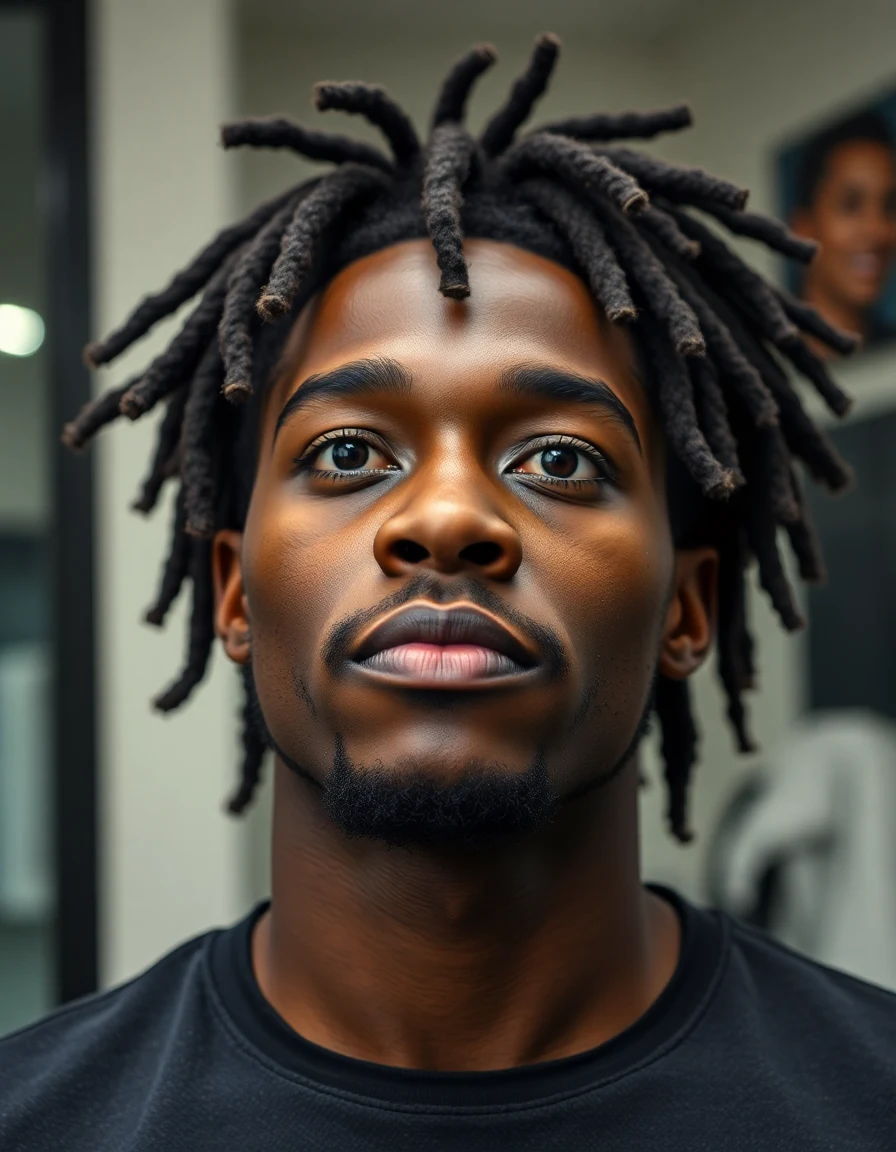
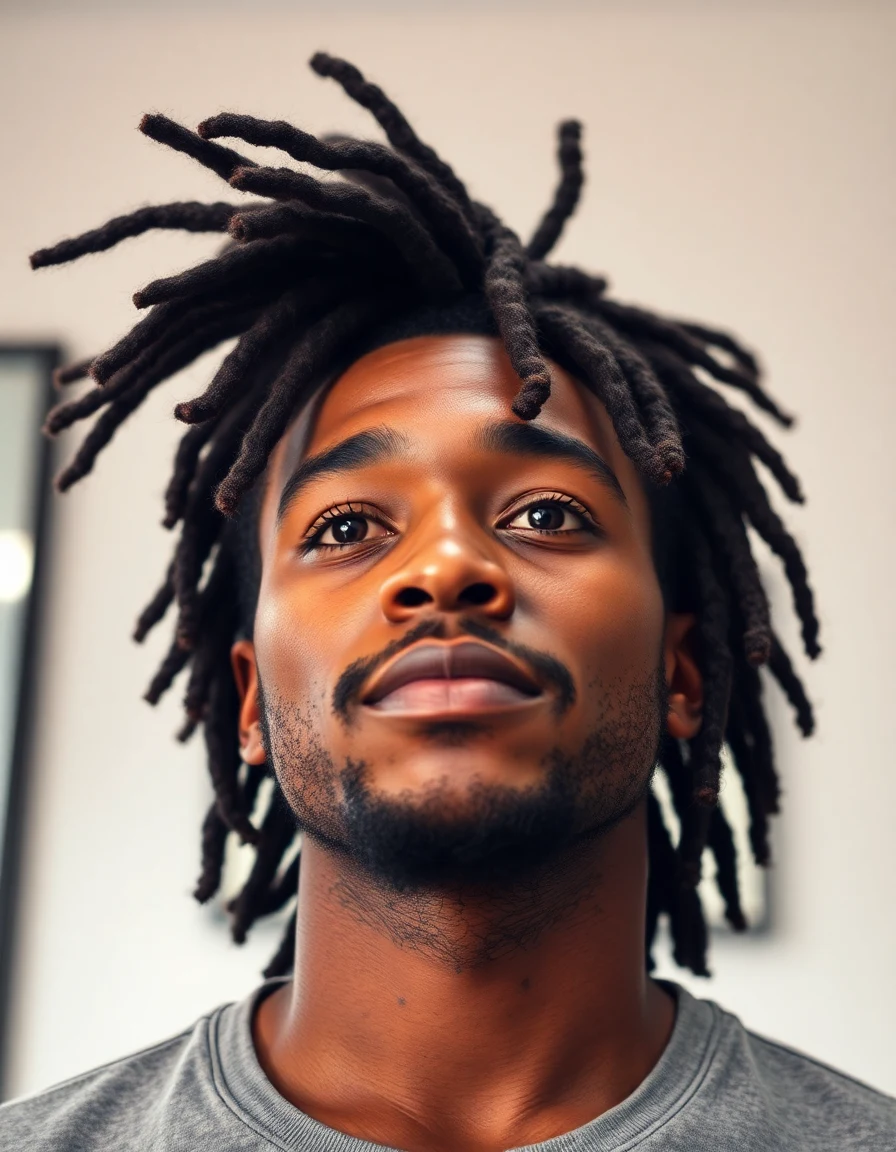
This is the one. The hairstyle that made The Weeknd visually unforgettable before anyone even knew what he looked like. His freeform locs grew upward and outward from his head, creating a towering silhouette that was part palm tree, part crown, and entirely his own. The locs were not neat. They were not uniform. Some were thick, some were thin, some stuck out at odd angles. That was the entire point.
During the House of Balloons era through Beauty Behind the Madness, the locs grew progressively larger and more dramatic. By 2015, they had become arguably the most recognizable hairstyle in music. You could identify The Weeknd from a silhouette alone. No other artist could say that.
The Cultural Context
Freeform locs carry deep significance in Black culture. Unlike traditional locs that are palm-rolled or interlocked into neat, uniform sections, freeform locs are allowed to form organically. The hair mats, tangles, and locks on its own terms. For many Black men, choosing freeform locs is a rejection of the idea that natural Black hair needs to be “controlled” or “tamed” to be acceptable.
For The Weeknd specifically, the choice connected to his Ethiopian heritage. East African hair textures, with their looser curl pattern compared to West African textures, create a distinctive freeform loc appearance. The locs tend to be slightly less cylindrical and more varied in shape, which contributed to the wild, organic look that defined his early career.
If you are interested in starting your own loc journey, our complete guide to getting dreads covers every method from freeform to traditional.
How to Ask Your Barber
The truth is, you do not need a barber to start freeform locs. You need patience. But here is what to communicate if you want a barber to help you along:
- Say: “I want to start freeform locs. I want them to form naturally without retwisting or palm rolling. I need you to help me with initial separation so they do not all combine into one massive congo.”
- Bring reference photos from The Weeknd’s 2012 through 2015 era specifically.
- Discuss timeline: Expect 6 to 12 months for the locs to begin forming and 18 to 24 months for them to reach a substantial length with volume.
- Ongoing barber visits: Every 6 to 8 weeks for root separation only. No retwisting. The barber’s job is to pull apart locs that are combining at the roots so you maintain individual sections.
Products for This Look
Freeform locs need minimal product. Heavy products cause buildup inside the loc that you can never wash out. Keep it light.
- Washing: A residue-free shampoo every 10 to 14 days. Apple cider vinegar rinses once a month to dissolve any buildup.
- Scalp care: Light jojoba or tea tree oil applied directly to the scalp between washes. Never apply oils to the locs themselves.
- Locking support: If you want to encourage locking in the early stages, a light locking gel like Jamaican Mango & Lime Locking Gel applied sparingly to the roots only.
- Night protection: A large satin bonnet or satin pillowcase. This is non-negotiable. Cotton shreds locs.
For a full loc washing routine, check our guide to washing and maintaining dreads.
Era 2: The Short Afro / Starboy (2016 – 2018)
The Look
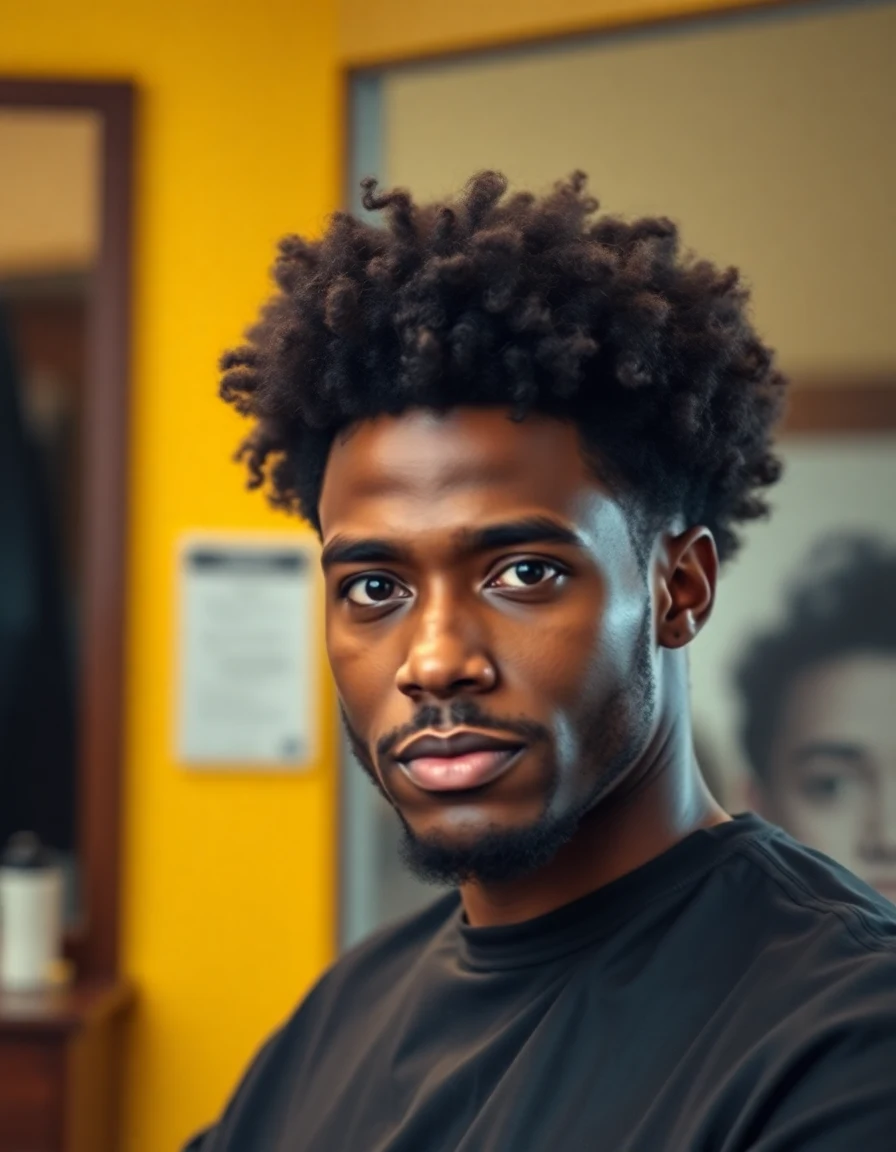
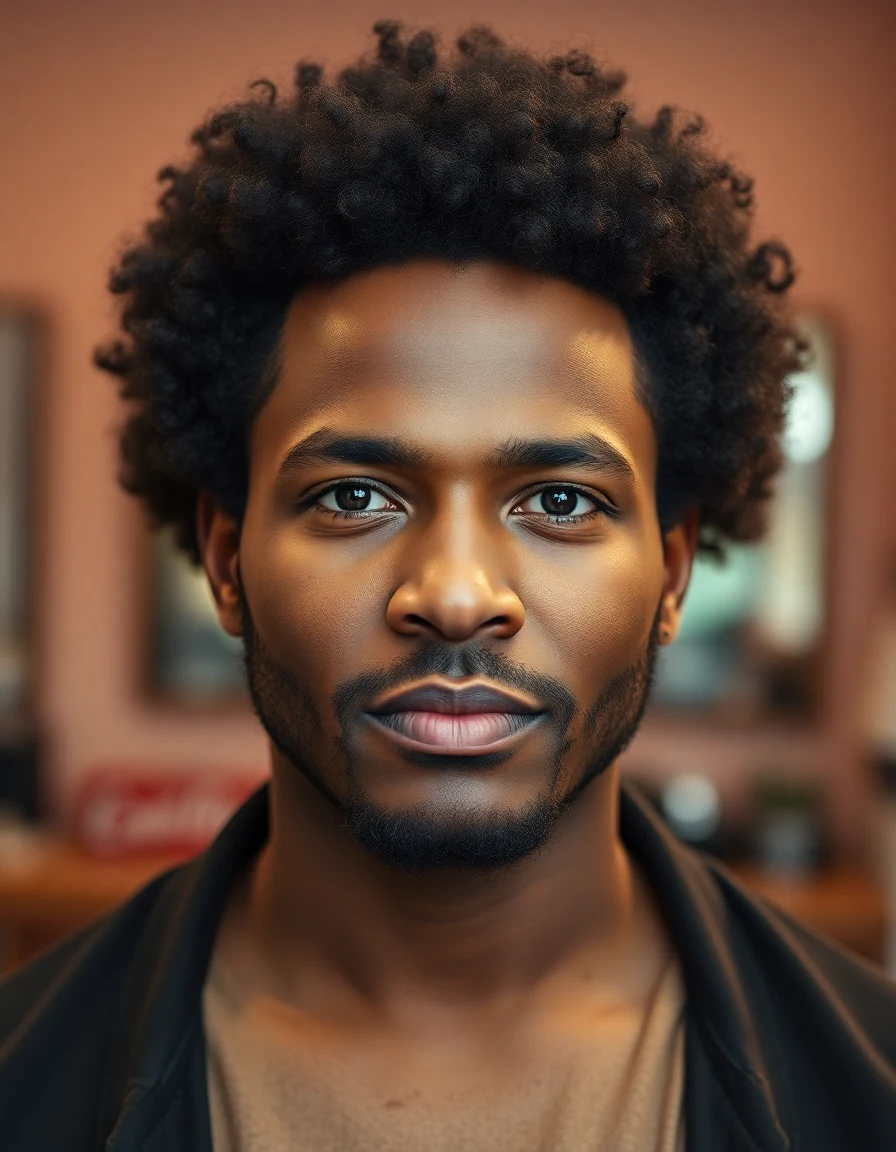
In 2016, The Weeknd released the music video for “Starboy” featuring Daft Punk, and the opening scene showed him literally destroying the room that held his old persona, freeform locs included. When the video debuted, he had a short, clean natural afro. Two to three inches of tight curls. Sharp lineup. Defined sideburns. A completely different man.
The afro grew slightly through the My Dear Melancholy, EP in 2018, reaching about four to five inches. But the foundation was the same: natural texture, no chemical processing, minimal product, clean shape.
The Cultural Context
The big chop is a loaded decision for any Black person. For Black men specifically, cutting off years of growth is often tied to a personal reset. A breakup. A career shift. A change in identity. The Weeknd turning his big chop into the literal opening of an album rollout was genius marketing, but it was also deeply personal. He told GQ that cutting the locs felt like “shedding a skin” and that he had been thinking about it for over a year before finally doing it.
The short afro also put his Ethiopian features front and center in a way the locs never allowed. Suddenly, his facial structure, his jawline, his bone structure were the focal point. For men of East African descent, the short afro is a power move. It says “my face carries the look” without needing any distraction.
Our guide to growing an afro covers the full process from buzz cut to full volume.
How to Ask Your Barber
- Say: “I want a short natural afro, about two to three inches on top, tapered on the sides, with a sharp lineup. Keep the natural curl pattern. No pick-out. I want it to look defined, not fluffy.”
- Key details: Ask for a slight taper on the sides and back that blends into the longer top. The Weeknd’s version was not a high fade; it was a gradual transition.
- Lineup: Clean, sharp, natural hairline. Nothing overly sculpted. Straight edges, natural corners.
- Maintenance visits: Every 2 to 3 weeks for the lineup and side taper. Let the top grow freely between cuts.
Products for This Look
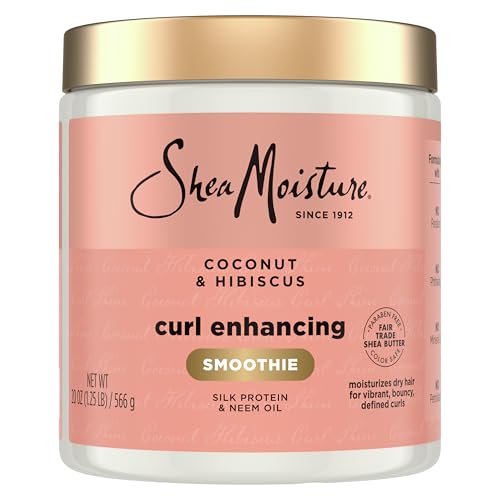
- Defining curls: SheaMoisture Curl Enhancing Smoothie worked into damp hair after washing. This defines the natural curl pattern without crunch or weight.
- Moisture: Mielle Pomegranate & Honey Leave-In applied before the curl cream for base hydration.
- Shape hold: A light hold gel for days when you want more defined curls. Avoid anything with alcohol that will dry out the hair.
- Scalp health: Continue the jojoba oil routine from the loc phase. Your scalp needs consistent moisture regardless of hair length.
For deeper information on maintaining textured hair during the growing phase, check our guide to growing 4C hair and our best leave-in conditioner recommendations.
Era 3: The Buzz Cut / After Hours (2019 – 2021)
The Look
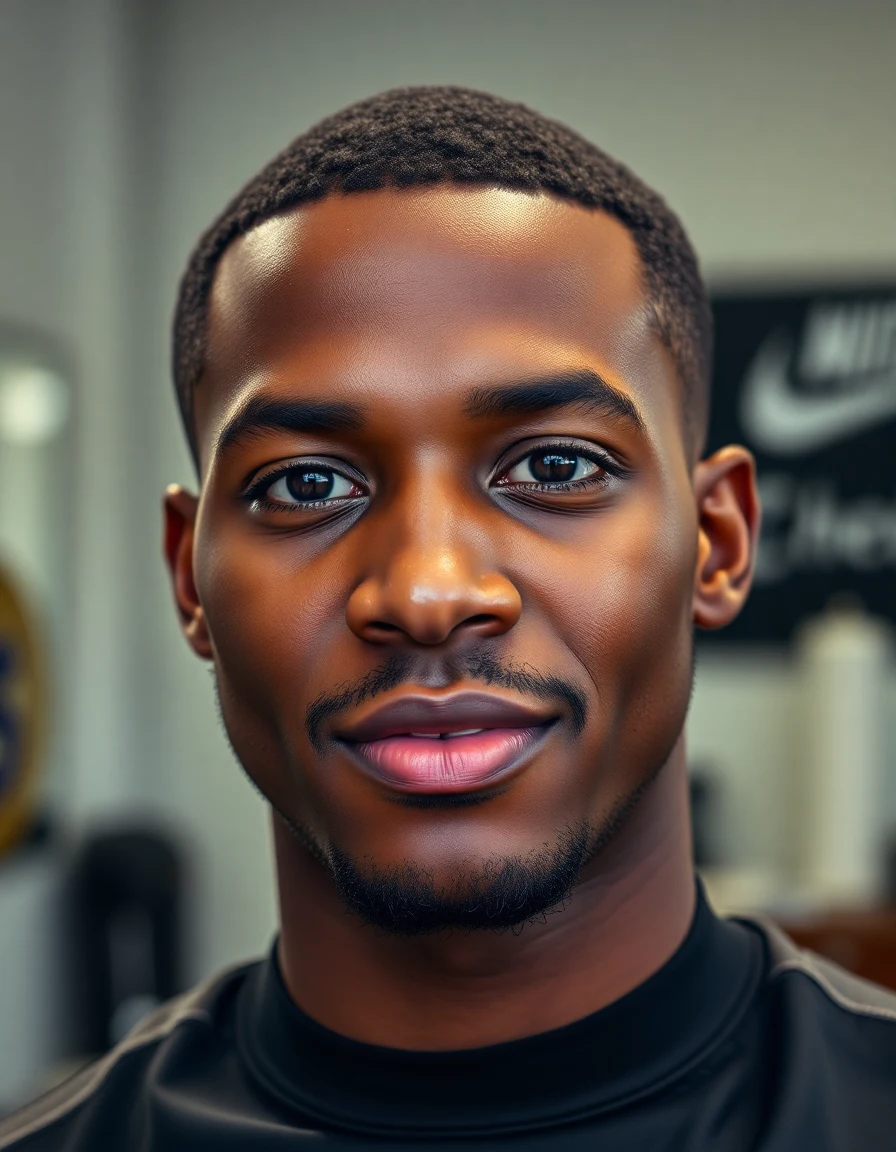
The After Hours era was The Weeknd’s most visually ambitious project. The hair was the simplest he had ever worn it: a very short buzz cut, almost to the scalp, with a clean hairline. But the simplicity was the point. The After Hours character was about stripping away artifice, about showing the raw person underneath. The red suit. The bloody nose. The bandaged face. And underneath all of it, a buzz cut that said “there is nothing left to hide behind.”
The bandaged head era of 2020 through early 2021, including the now-iconic Super Bowl LV halftime show performance, kept the buzz cut underneath prosthetic bandages and makeup that made his face appear disfigured. It was a commentary on beauty standards, cosmetic surgery culture, and the pressure celebrities face to maintain appearances. The hair, stripped to its absolute minimum, supported that narrative perfectly.
The Cultural Context
The buzz cut carries its own weight in Black male culture. It is the reset button. It is what you get when you need to start completely fresh. It is also, historically, one of the most professional and “acceptable” hairstyles for Black men in corporate spaces, which adds a complicated layer to the choice. The Weeknd taking the buzz cut and pairing it with a bloodied, bandaged character subverted the idea that short hair equals safe or clean. He made the simplest Black male hairstyle feel dangerous.
For a deeper look at buzz cut variations, check our complete guide to buzz cut hairstyles and the benefits of shaving your head.
How to Ask Your Barber
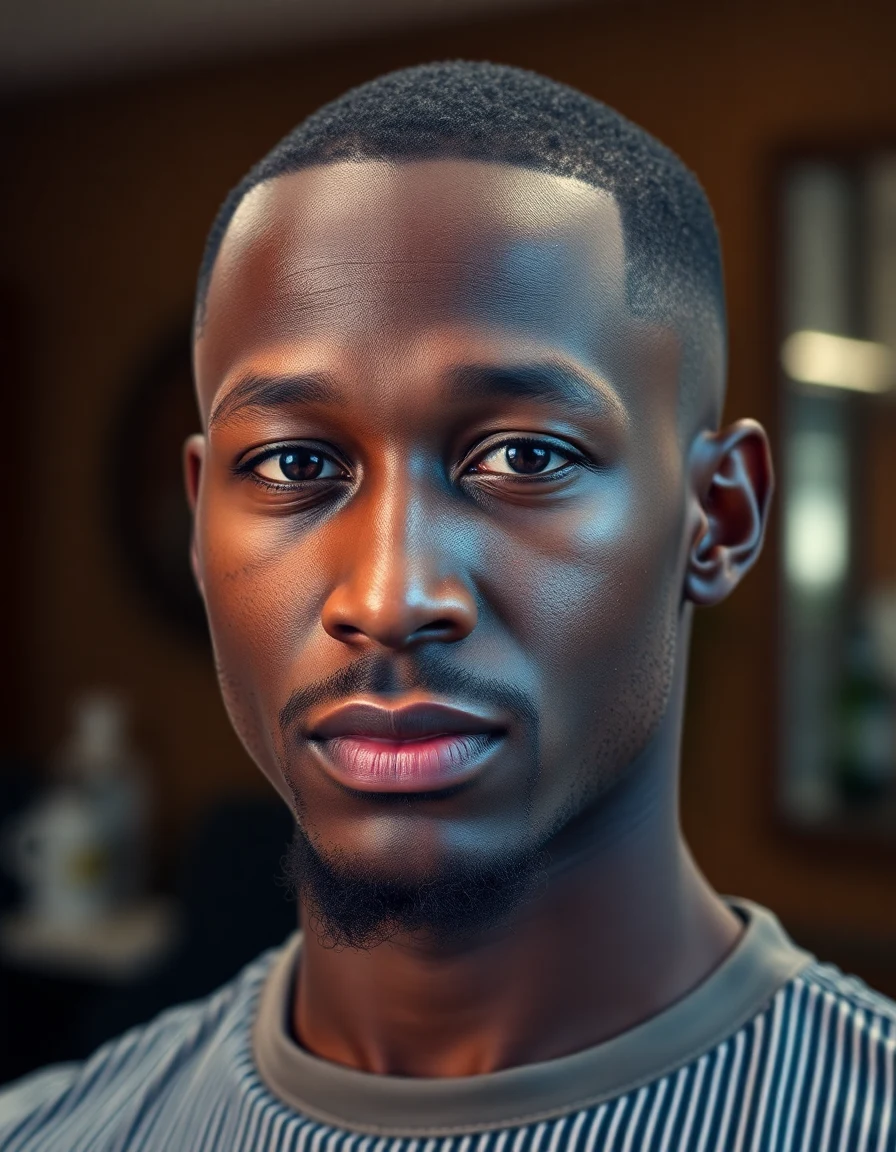
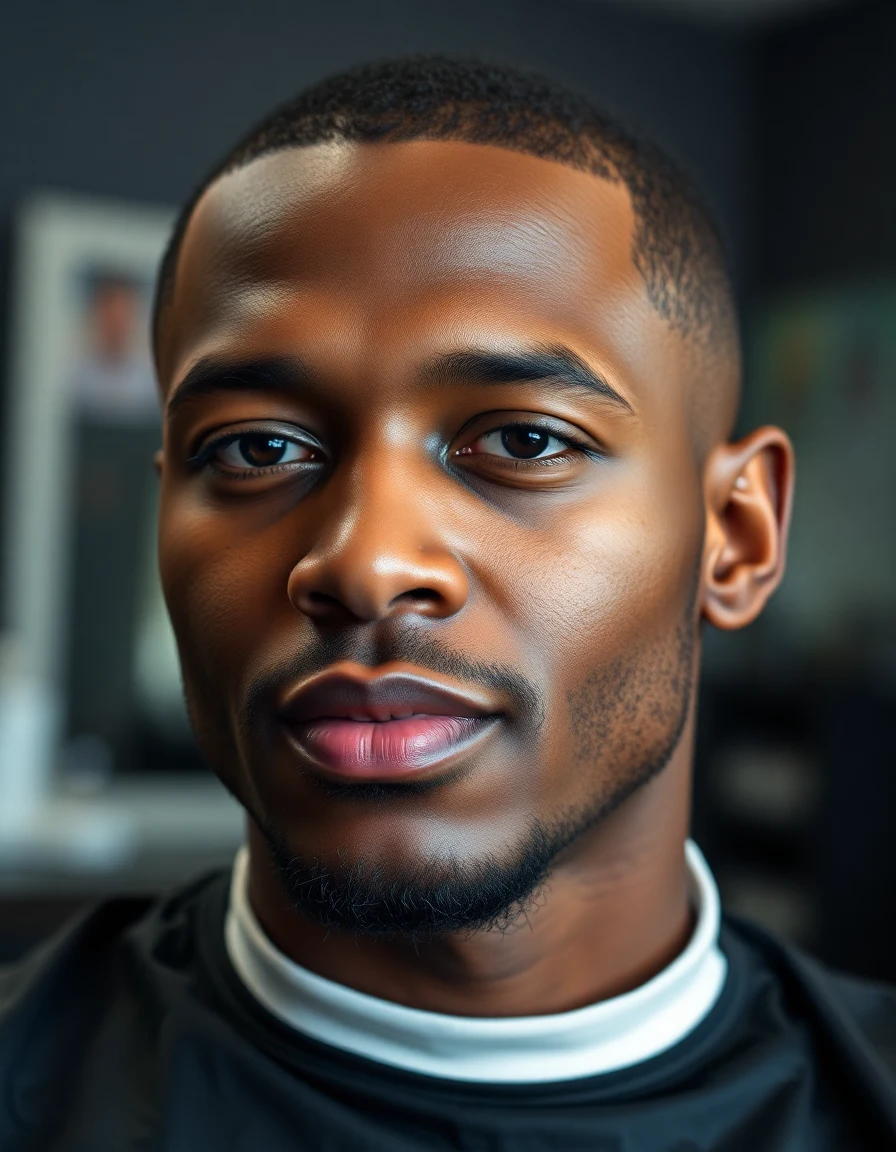
- Say: “Number one guard all over, faded down to skin on the sides and back. Sharp lineup. I want it close but not completely bald.”
- Guard length: The Weeknd’s After Hours buzz was approximately a #1 to #0.5 guard. Short enough to see scalp through the hair but not fully shaved.
- Lineup: Crisp, defined. The buzz cut lives and dies by the lineup quality.
- Maintenance: Every 1 to 2 weeks. A buzz cut grows out fast, and even a few days of growth changes the look.
Products for This Look
The buzz cut requires the least product of any hairstyle. That does not mean zero maintenance.
- Scalp moisturizer: A light, non-greasy moisturizer applied to the scalp daily. Your scalp is now exposed to sun, wind, and friction from hats. It needs protection.
- SPF: Sunscreen on the scalp when spending time outdoors. This is not optional. Scalp sunburn is real and painful.
- Bump prevention: If you are prone to razor bumps, use a bump-preventing aftershave or tea tree oil on the hairline after each barber visit.
- Shine: Carol’s Daughter Black Vanilla Hair Sheen adds a subtle shine to the scalp for events or photos.
Era 4: The Slicked Back / Dawn FM (2022 – 2023)
The Look
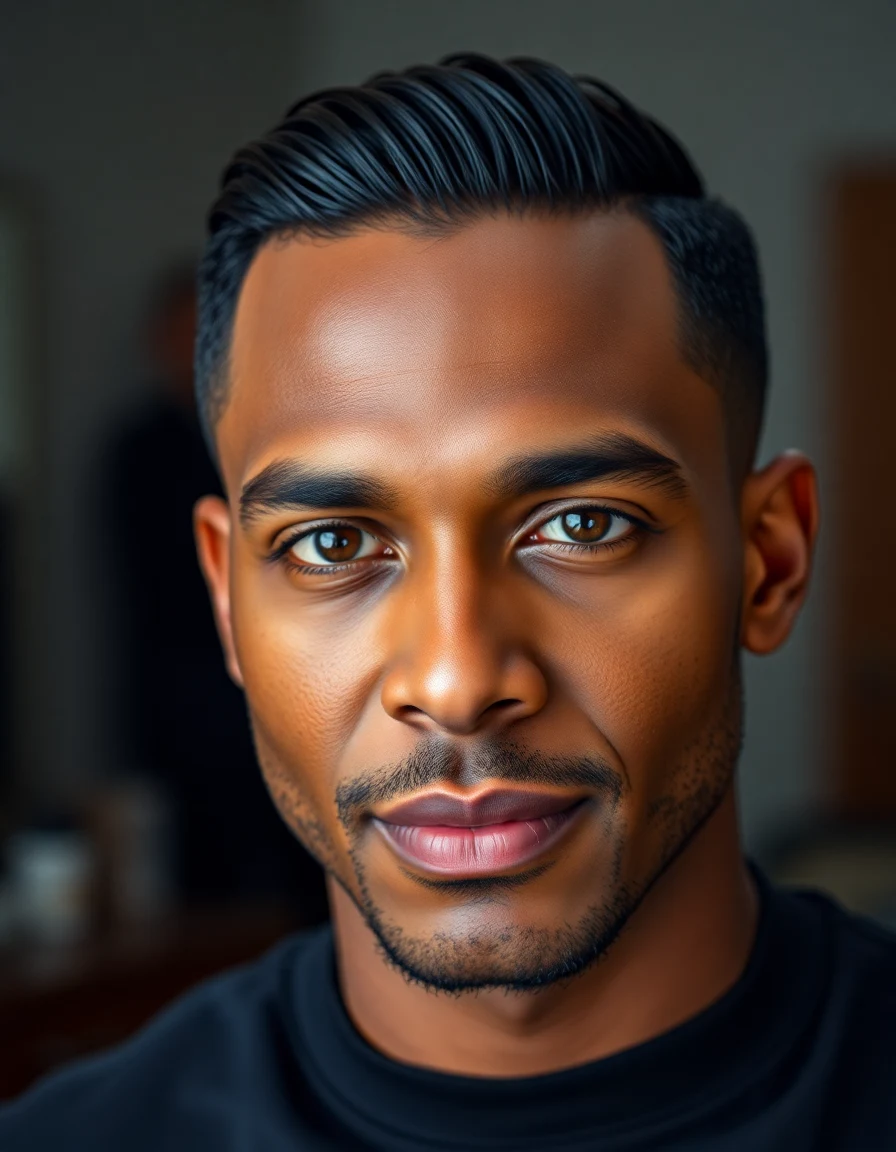
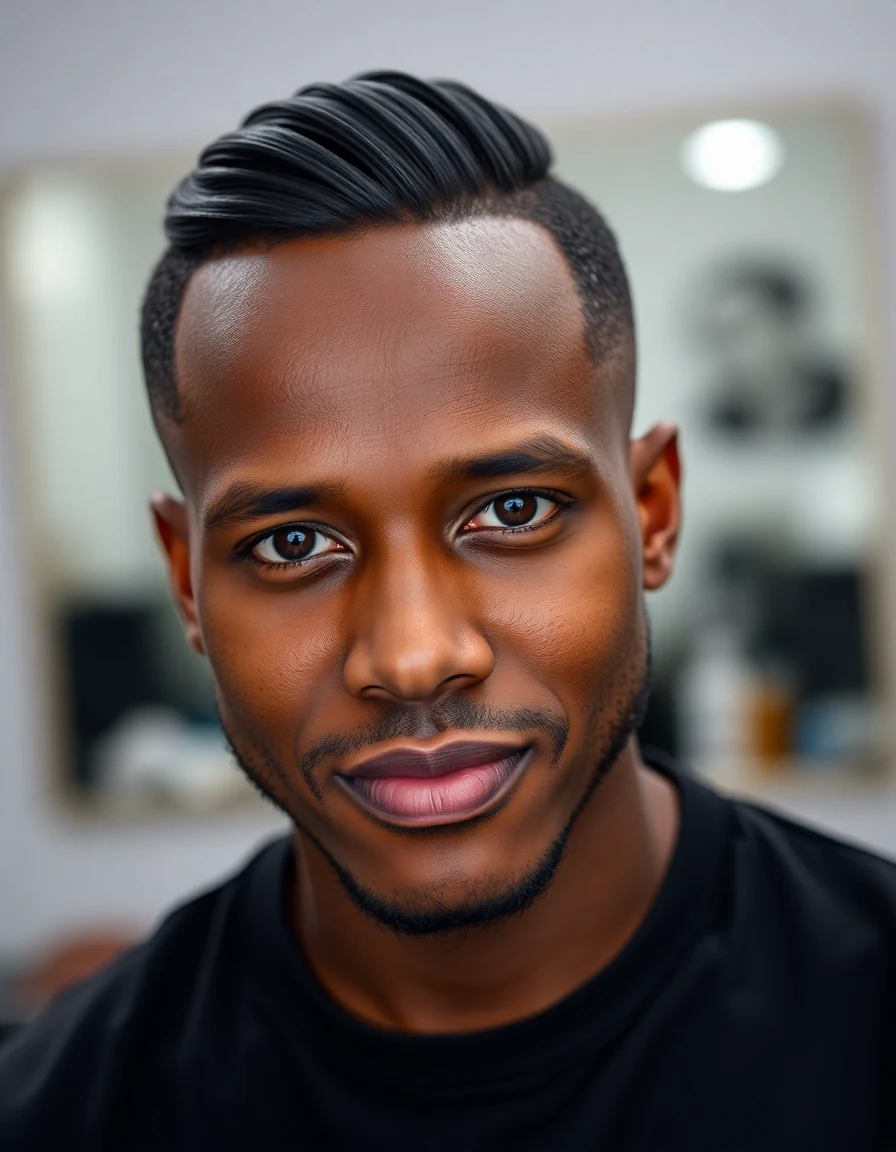
Dawn FM was a concept album set in a purgatory-like radio station, and the visual identity drew heavily from 1980s aesthetics. The Weeknd grew his hair out from the buzz cut to a medium length, somewhere around four to six inches, and styled it slicked straight back with a pomade or gel that created a wet, polished finish. The look channeled vintage R&B, old Hollywood, and the kind of smooth, composed confidence that defined an entire decade of Black male style.
This era also carried into The Idol, the HBO series where he played a charismatic cult leader. The slicked-back hair worked for the character because it communicated control, intention, and a deliberate kind of polish that felt both attractive and unsettling.
The Cultural Context
The slicked-back look on a Black man is a direct callback to the conk hairstyles of the 1940s and 1950s, the jheri curls of the 1980s, and the processed hair that defined artists like James Brown, Little Richard, and early Michael Jackson. It is a style that has always existed in tension within Black culture. On one hand, it looks incredible. On the other hand, it historically required chemical straightening (relaxers), which many in the natural hair movement view as assimilation.
The Weeknd achieved a version of this look that appeared to use product hold and blow-drying rather than chemical relaxing, which makes it more accessible to men who want the aesthetic without altering their natural texture permanently. His 3B to 4A Ethiopian hair texture, which is naturally looser than 4C coils, also made this easier to achieve without harsh chemicals.
How to Ask Your Barber
- Say: “I want a medium length, slicked straight back with a wet finish. Keep the sides tight, maybe a low taper, but leave enough length on the sides to slick back as well. Think 1980s R&B.”
- Key detail: The Weeknd’s version had volume at the crown, not flat against the scalp. Ask for a blow-dry that lifts the roots before applying pomade.
- Product application: A strong-hold pomade or gel applied to towel-dried hair, then combed straight back with a fine-tooth comb. Blow-dry on a low heat setting while combing back to set the direction.
- Maintenance: This is a daily styling look. You will need to re-wet and re-style every morning. Barber visits every 3 to 4 weeks for the taper and shape.
Products for This Look
- Pomade: A water-based, strong-hold pomade with shine. Avoid oil-based pomades that are difficult to wash out.
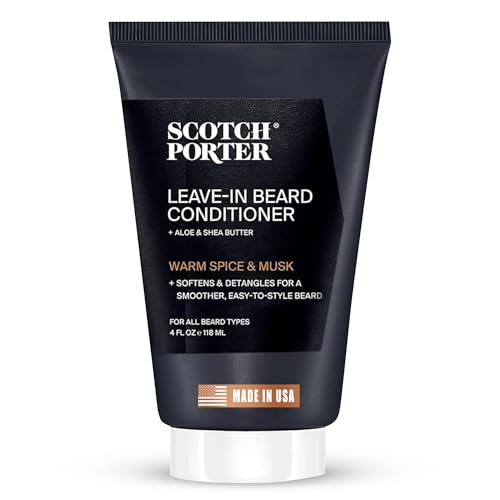
- Leave-in conditioner: Scotch Porter Leave-In Conditioner applied before pomade to protect the hair from the drying effects of gel products.
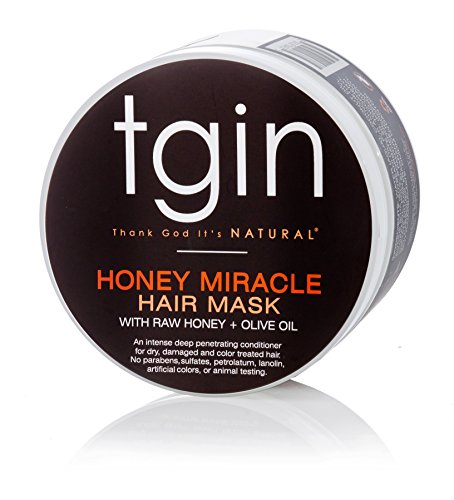
- Deep conditioner: TGIN Honey Miracle Hair Mask used weekly. The slicked-back look requires daily manipulation that can stress the hair. Counteract that with weekly deep conditioning.
- Heat protectant: If you are using a blow dryer daily, a heat protectant spray is mandatory. Heat damage on textured hair is cumulative and often irreversible.
Era 5: Hurry Up Tomorrow and Beyond (2024 – Present)
The Look
The Hurry Up Tomorrow era, the closing chapter of The Weeknd’s trilogy that began with After Hours, brought a more subdued, transitional look. The hair was shorter and cleaner than the Dawn FM slicked-back style but not as stripped down as the After Hours buzz. It sat somewhere in between: a short, natural look with minimal styling. Clean. Understated. Signaling that the era of dramatic visual personas might be winding down as Abel Tesfaye steps further away from “The Weeknd” persona entirely.
In 2024, Tesfaye publicly discussed transitioning away from The Weeknd moniker, suggesting that the next phase of his career would be under his birth name. The hair reflected that: less costume, less character, more personal authenticity.

The Cultural Context
There is something profound about a Black man who spent a decade using his hair as costume and character choosing to land on his natural texture, worn simply. It mirrors a broader cultural shift where Black men are increasingly comfortable just wearing their hair as it grows out of their head, without needing it to make a statement. Sometimes the statement is the absence of a statement. Sometimes the most confident thing a Black man can do with his hair is nothing.
How to Recreate His Most Popular Looks
Let me be direct about what each look actually requires in terms of time, maintenance, and commitment. I am listing these from easiest to hardest.
Easiest: The Buzz Cut (After Hours)
Time to achieve: One barber visit. Fifteen minutes in the chair.
Daily maintenance: 2 minutes. Moisturize the scalp. Done.
Cost: $15 to $30 per visit, every 1 to 2 weeks.
Works with hair textures: All textures, 2A through 4C.
Medium: The Short Afro (Starboy)
Time to achieve from buzz: 3 to 6 months of growing.
Daily maintenance: 5 to 10 minutes. Moisturize, define curls, shape.
Cost: $20 to $40 per visit for lineup and shape, every 2 to 3 weeks.
Works with hair textures: 3A through 4C (curl definition varies by texture).
Product investment: SheaMoisture Curl Enhancing Smoothie + Mielle Leave-In as your foundation.
Medium-Hard: The Slicked Back (Dawn FM)
Time to achieve from buzz: 8 to 12 months of growing.
Daily maintenance: 15 to 20 minutes. Wet, condition, pomade, blow-dry, comb, set.

Cost: $30 to $50 per visit for taper and styling guidance, every 3 to 4 weeks.
Works with hair textures: Best with 3A through 3C. Achievable with 4A to 4B with more product and technique. Very challenging with 4C without chemical processing.
Honest warning: This is a high-maintenance look. If you are not willing to style your hair every single morning, this is not the move.
Hardest: The Freeform Locs (Trilogy)
Time to achieve: 18 to 24 months minimum for substantial volume. 3+ years for the peak Weeknd silhouette.
Daily maintenance: Low daily effort, but high patience requirement. You will go through an ugly phase. Accept it now.
Cost: Minimal. Occasional barber visits for root separation only. $30 to $60 every 6 to 8 weeks.
Works with hair textures: 3B through 4C. Tighter textures (4B, 4C) loc faster but may create thinner locs. Looser textures (3B, 3C) take longer to start locking.
Product investment: Minimal. Jamaican Mango & Lime Locking Gel for the early phase, then just shampoo and scalp oil once fully locked.
For a full breakdown of every fade type that pairs with these looks, including low tapers and skin fades for the sides, check our dedicated guide.
Hair Care for East African and Ethiopian Textures
This section is specifically for East African men. Ethiopian, Eritrean, Somali, Djiboutian. Your hair texture is not the same as West African 4C, and it is not the same as North African or Middle Eastern textures. It sits in its own lane, and the care routine needs to reflect that.
Understanding Your Texture
East African hair textures typically fall in the 3B to 4A range, though there is significant variation even within families. The characteristics that make this texture distinct:
- Curl pattern: Defined spirals that are visible when wet. Less shrinkage than 4C hair (usually 30 to 50% rather than 60 to 75%).
- Density: Often high density (many strands per square inch) with medium to fine individual strand thickness.
- Porosity: Varies, but many East African textures lean toward low to medium porosity, meaning the hair cuticle is relatively flat and does not absorb moisture easily.
- Dryness tendency: Despite the looser curl pattern compared to 4C, East African hair still tends toward dryness because the curls prevent scalp oils from traveling down the hair shaft.
The Core Routine
Wash day (every 7 to 10 days):
- Pre-poo with coconut oil or olive oil for 30 minutes before washing. This prevents the shampoo from stripping all natural moisture.
- Sulfate-free shampoo. Massage into the scalp, not the length of the hair. Let the suds run through the length as you rinse.
- Deep condition for 15 to 30 minutes with a protein and moisture balance mask. TGIN Honey Miracle Hair Mask handles both.
- Rinse with cool water to seal the cuticle.
- Apply leave-in conditioner to soaking wet hair. Cantu Shea Butter Leave-In Repair Cream or Scotch Porter Leave-In depending on how heavy you want the product to feel.
- Seal with a light oil. Jojoba oil mimics the scalp’s natural sebum and works well with East African textures.
Daily maintenance:
- Refresh curls with a water and leave-in conditioner mixture in a spray bottle.
- Avoid touching, pulling, or constantly rearranging your hair. Each manipulation creates friction and potential breakage.
- Sleep on a satin pillowcase or wear a satin bonnet. This is the single highest-impact thing you can do for your hair.
For locs specifically:
- East African textures take longer to lock than 4C hair. Expect 4 to 8 months before the freeform sections start truly locking.
- The looser curl pattern means your freeform locs will have more visible loops and bends within each loc. This is not a flaw. This is the texture expressing itself.
- Do not over-separate. East African locs tend to be slightly thinner than 4C locs, so combining at the roots is actually less common.
For product recommendations specific to tightly textured hair, our best leave-in conditioner guide covers options that work across the 3B to 4C spectrum.
What to Do at Every Length
One of the reasons The Weeknd’s evolution is so useful as a style guide is that he has literally worn his hair at every possible length. Here is what to do at each stage if you are growing your hair out.
0 to 1 Inch: The Buzz Cut Phase
This is your After Hours era. Keep the lineup sharp. Moisturize the scalp daily. Consider this your reset period. If you are growing out from here, resist the urge to cut. Every week of growth matters.
1 to 3 Inches: The Short Afro Phase
This is your Starboy era. Your natural curl pattern becomes visible. Start using a curl-defining product. Get regular lineups to maintain shape on the sides while letting the top grow. This is the sweet spot for most Black men. Low maintenance, high impact.
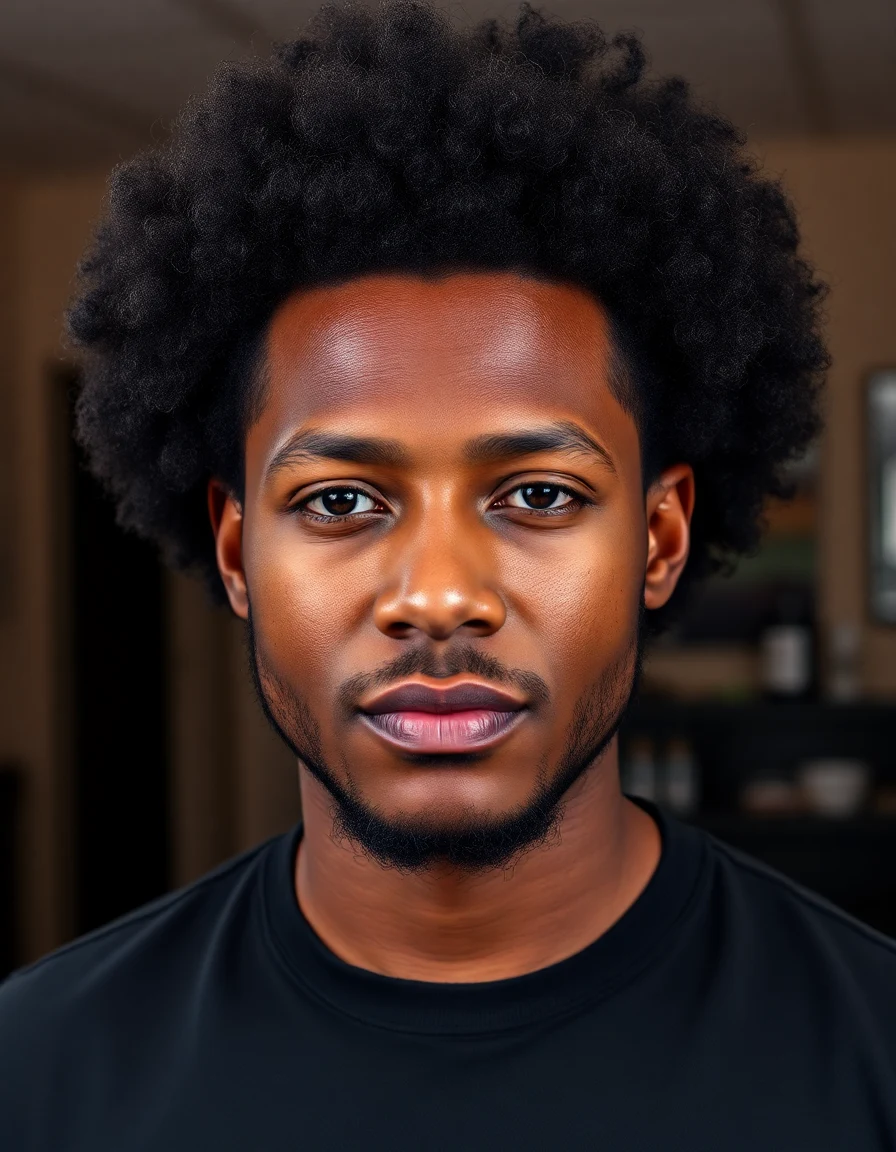
3 to 6 Inches: The Awkward Phase
This is the phase nobody talks about. Your hair is too long for a short style and too short for long styles. It puffs out at the sides. It does not lay the way you want it to. This is where 90% of men give up and cut. Do not cut. Use cornrows, twists, or a durag to manage the shape. This phase lasts 2 to 4 months. Push through.
For style ideas during this phase, check our guide to long hairstyles for Black men, which covers every stage of the growing process.
6 to 12 Inches: The Styling Phase
Now you have options. Slick it back like the Dawn FM era. Twist it up. Braid it. Let it freeform. This is where the investment of the awkward phase pays off. If you started freeform locs, they are beginning to take real shape at this length.
12+ Inches: The Statement Phase
This is peak Trilogy era Weeknd. Locs with volume. Freeform shapes reaching upward. At this length, your hair IS the look. Maintenance shifts from daily styling to weekly washing, root separation, and protection.
Complete Product Guide by Era
Here is your shopping list organized by which Weeknd era you are going for.
Freeform Locs (Trilogy Era)
| Product | Purpose | Frequency |
|---|---|---|
| Jamaican Mango & Lime Locking Gel | Early-stage locking support | First 6 months only |
| Residue-free shampoo | Cleansing without buildup | Every 10-14 days |
| Jojoba oil | Scalp moisture | Every 2-3 days |
| Satin bonnet or pillowcase | Frizz prevention | Every night |
Short Afro (Starboy Era)
| Product | Purpose | Frequency |
|---|---|---|
| SheaMoisture Curl Enhancing Smoothie | Curl definition | After every wash |
| Mielle Pomegranate & Honey Leave-In | Base moisture | After every wash |
| TGIN Honey Miracle Hair Mask | Deep conditioning | Weekly |
| Spray bottle (water + leave-in) | Daily refresh | Daily |
Buzz Cut (After Hours Era)
| Product | Purpose | Frequency |
|---|---|---|
| Carol’s Daughter Black Vanilla Hair Sheen | Subtle scalp shine | As needed |
| Light moisturizer | Scalp hydration | Daily |
| SPF 30+ sunscreen | Scalp sun protection | Daily (outdoors) |
| Bump-preventing aftershave | Lineup irritation | After each barber visit |
Slicked Back (Dawn FM Era)
| Product | Purpose | Frequency |
|---|---|---|
| Scotch Porter Leave-In Conditioner | Moisture base before pomade | Daily |
| Strong-hold water-based pomade | Hold and shine | Daily |
| TGIN Honey Miracle Hair Mask | Weekly deep condition | Weekly |
| Heat protectant spray | Blow-dry protection | Daily (if blow-drying) |
| Fine-tooth comb | Setting slicked direction | Daily |
5 Lessons from The Weeknd’s Hair Journey
The Weeknd’s hair evolution teaches some principles that apply to every man reading this, regardless of which style you are going for.
1. Your Hair Can Be a Character
The Weeknd proved that hair is not just grooming. It is storytelling. Each era of his career was accompanied by a deliberate hair change that supported the narrative. You do not have to be a musician to apply this. Starting a new job? Fresh cut. Going through a life change? Try something new. Your hair is the one aspect of your appearance you can change dramatically, reversibly, and for free (if you are just growing it out).
2. The Big Chop is Always Scary and Always Worth It
Cutting off years of growth takes courage. But every man who has done it says the same thing: the freedom on the other side is real. If you have been thinking about cutting your locs, your long hair, your braids, whatever, and starting fresh, The Weeknd is living proof that it opens new doors rather than closing old ones.
3. Simple Styles Hit Harder Than Complex Ones
The most iconic Weeknd looks were the simplest: untouched freeform locs and a basic buzz cut. Neither required daily styling. Neither required expensive products. Both required confidence and commitment to the choice. Sometimes the best thing you can do for your hair is less.
4. Know Your Texture Before You Choose a Style
The Weeknd’s 3B to 4A Ethiopian texture gave him access to certain looks more easily than others. The slicked-back style worked because his curl pattern could be manipulated with product and heat. A man with 4C hair would need a different approach. Know your texture, work with it, and choose styles that complement what you naturally have. Our 4C hair growth guide helps you understand your specific texture.
5. Evolution is the Point
The Weeknd never stayed in one era too long. He grew, cut, grew, slicked, cut again. Your hair journey should not be static either. The best thing about hair is that it grows back. Try the style. If you hate it, try another one. The worst outcome is a few weeks of wearing a hat.
Bonus: Dyed Hair Like The Weeknd’s Starboy Era
During the “Starboy” music video, The Weeknd’s short afro had a natural black color, but the visual aesthetic of that era leaned into high-contrast looks. If you want to add color to your short afro or buzz cut, here are some guidelines.
- Blonde tips on a short afro: Works well on 3B to 4A textures. Bleach the tips only, keeping the roots dark for contrast. This is a bold move that gets attention. Check our guide to blonde hairstyles for Black men for full details.
- Platinum buzz cut: Requires full bleaching. Extremely high maintenance (roots show within 1 to 2 weeks on dark hair). Only commit if you are willing to touch up constantly or accept the grow-out.
- Subtle auburn tint: A semi-permanent rinse that adds warmth without the commitment of bleach. Washes out in 6 to 8 weeks. Low risk, low maintenance.
Frequently Asked Questions
What type of hair does The Weeknd have?
The Weeknd (Abel Tesfaye) has Ethiopian heritage, which places his natural hair texture in the 3B to 4A curl range. This means defined curls that range from loose spirals to tighter coils. East African hair textures sit between the looser patterns common in North African populations and the tighter coil patterns more common in West African heritage. His natural texture was most visible during the Starboy era short afro.
How did The Weeknd get his signature freeform locs?
His freeform locs formed through a neglect method with periodic separation. Freeform locs happen when textured hair is allowed to mat and lock naturally without retwisting or palm rolling. His locs grew upward and outward due to the density and texture of his natural hair. The process from start to fully locked took approximately 18 to 24 months, and he maintained them from roughly 2011 through 2016.
Why did The Weeknd cut his locs?
He cut his freeform locs in 2016 around the release of Starboy. He described the change as shedding the old persona tied to his Trilogy and Kiss Land era. The big chop served as both a personal and artistic reset. He debuted the short afro in the “Starboy” music video, making the haircut part of the album rollout itself.
How do you maintain freeform locs like The Weeknd’s?
Wash every 10 to 14 days with a residue-free shampoo. Allow locs to air dry completely to prevent mildew. Separate locs that start combining at the roots. Moisturize the scalp with jojoba or tea tree oil between washes. Avoid heavy waxes or butters that cause buildup. Sleep with a satin bonnet or pillowcase. The key is patience and minimal intervention. For a complete routine, check our guide to washing dreads.
Can I recreate The Weeknd’s hairstyles with 4C hair?
Yes. Freeform locs work with 3B through 4C textures since the locking process relies on natural matting. Tighter textures actually loc faster. The short afro works with 4A through 4C hair, though curl definition varies. The buzz cut works with every texture. The slicked-back look requires more product and potentially a texturizer for 4C hair to achieve the smooth finish. Each era section above includes texture-specific adjustments.
How long does it take to grow from a buzz cut to The Weeknd’s short afro?
Hair grows approximately half an inch per month. The Weeknd’s Starboy afro was roughly two to three inches long. Starting from a buzz cut, expect three to six months. The timeline varies based on genetics, diet, and care routine. Keep hair moisturized with a leave-in conditioner, sleep on satin, and avoid heat styling to maximize retention.
What products does The Weeknd use?
The Weeknd has not disclosed a specific product lineup. Based on his styles, professionals recommend: for freeform locs, residue-free shampoo and light oil. For the short afro, a curl cream like SheaMoisture Curl Enhancing Smoothie and light-hold gel. For the slicked-back look, a strong-hold pomade with shine. For the buzz cut, daily scalp moisturizer and SPF.

Is The Weeknd Ethiopian?
Yes. Born Abel Makkonen Tesfaye, he is Ethiopian-Canadian. Both parents are Ethiopian immigrants who settled in Toronto. His Ethiopian heritage influences his hair texture, which falls in the 3B to 4A East African range. This is relevant because East African textures have distinct characteristics compared to West African textures, affecting how styles like freeform locs form and how the natural curl pattern presents when worn short.
What products should I use to maintain freeform locs like The Weeknd’s?
For freeform locs, you’ll want locking gels like Jamaican Mango & Lime, leave-in conditioners such as Scotch Porter or Mielle Pomegranate & Honey, and moisturizing creams like Cantu Shea Butter to keep your locs hydrated and healthy. These products help prevent dryness and breakage while maintaining the natural texture that makes freeform locs distinctive.
Can I achieve The Weeknd’s hair evolution if I have East African hair texture?
Yes, if you have The Weeknd’s 3B to 4A curl pattern typical of Ethiopian heritage, you can replicate his styles from freeform locs to buzz cuts. His hair journey demonstrates how versatile textured hair can be, allowing you to experiment with different lengths and styling methods while maintaining healthy hair with proper moisture and care.
How long does it take to grow freeform locs like The Weeknd’s iconic style?
Growing freeform locs to The Weeknd’s signature tall length typically takes several months to over a year, depending on your starting hair length and how much separation you do during the matting process. The height and fullness of his iconic look required patience and consistent maintenance to allow the natural locking to develop fully.
What’s the difference between The Weeknd’s freeform locs and other loc styles?
Freeform locs, like The Weeknd’s, form naturally through neglect without retwisting or palm rolling, creating organic shapes and varying thicknesses. In contrast, other loc styles like interlocked or twisted locs require regular maintenance and manipulation to maintain uniform appearance and size.
Final Word
The Weeknd did something with his hair that most men never attempt: he used it as a deliberate tool for reinvention. Freeform locs built an entire visual mythology. A buzz cut stripped it all away. A slicked-back look rebuilt it into something completely different. And through every phase, the confidence was the constant.
Whatever era speaks to you, the path to getting there is straightforward. Choose the style. Understand the commitment. Get the right products. Find a barber who listens. And remember that hair grows back. The worst thing that happens is you try something, decide it is not for you, and try something else. That is not failure. That is evolution.
Abel Tesfaye would agree.
Got questions about recreating a specific Weeknd look? Drop them in the comments below and I will give you a personalized game plan.
Darius Washington is the pen name Cultured Grooming uses for its Black men’s grooming guides. Guides are written from manufacturer specifications, dermatology and barbering sources, and published research; the site does not test products.