Table of Contents
- What Is the Two Block Haircut?
- History and Cultural Origins
- Types and Variations of the Two Block Haircut
- How to Ask Your Barber for a Two Block Haircut
- Best Products for Styling a Two Block Haircut
- How to Style a Two Block Haircut at Home
- Two Block Haircut Maintenance Tips
- Who Does the Two Block Work Best For?
- Frequently Asked Questions
haircut“>What Is the Two Block Haircut?
The two block haircut is one of the most requested men’s hairstyles worldwide, and for good reason. At its core, this cut divides the hair into two distinct sections, or “blocks.” The top section is left long and voluminous, while the sides and back are cut significantly shorter, often buzzed or clippered close to the head. The result is a clean, structured look that balances sharp precision with effortless style.
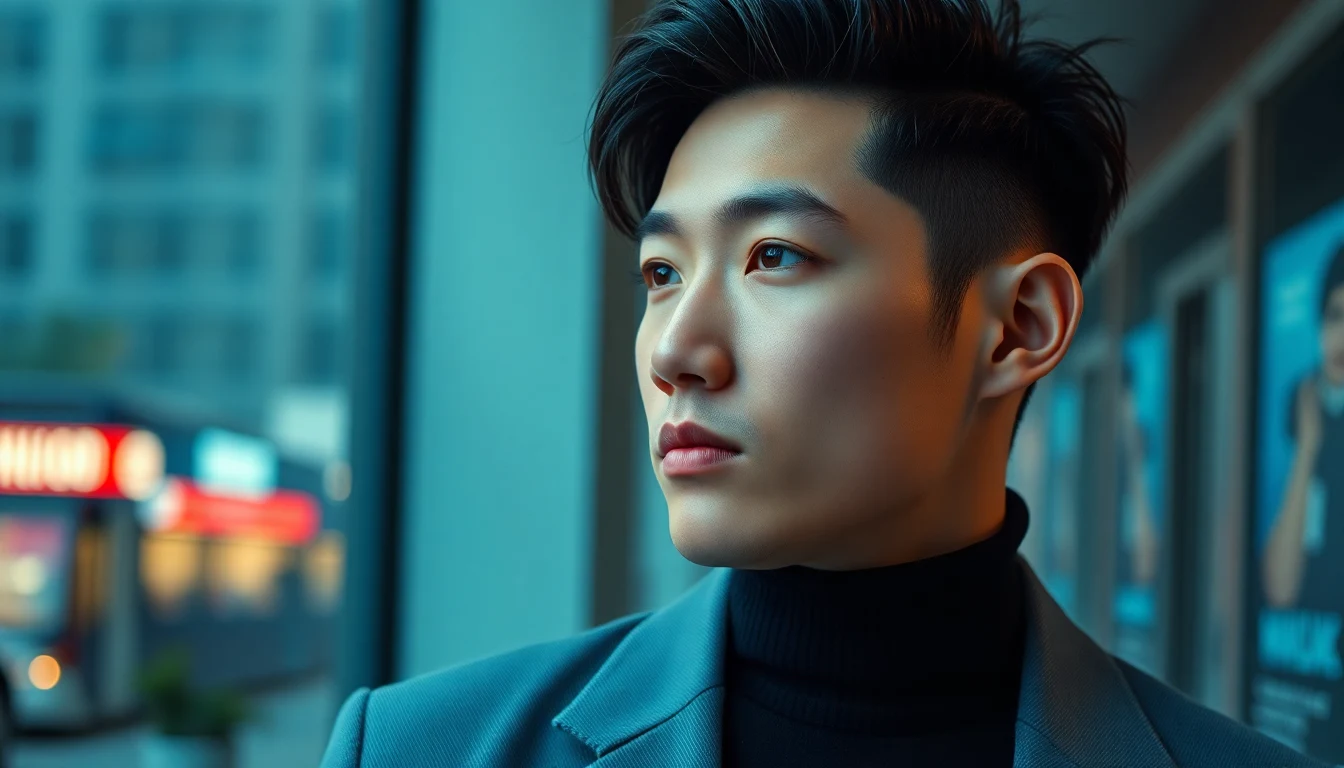
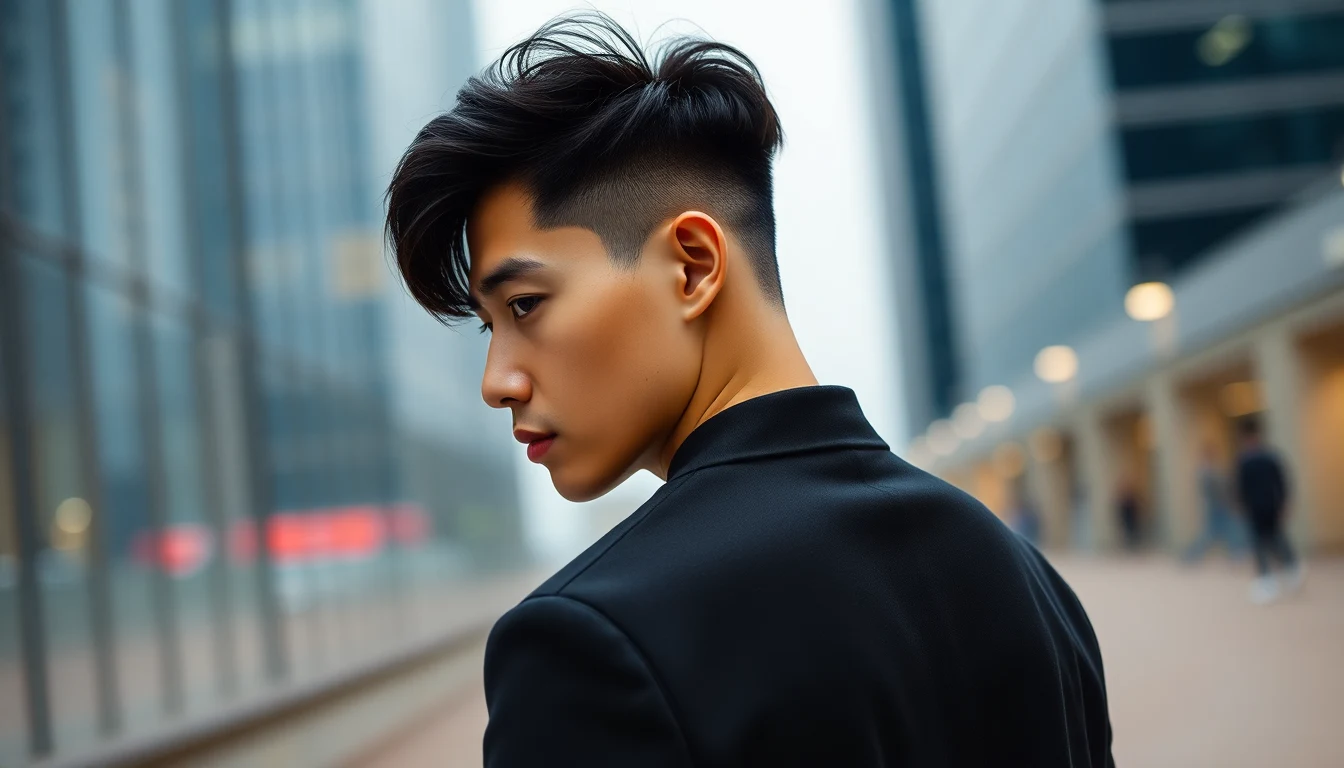
Unlike a traditional undercut where the top blends gradually into the sides, the two block haircut creates a deliberate contrast between the two sections. The longer top layer naturally falls over the shorter sides, creating a layered, curtain-like effect that frames the face beautifully. This is what gives the style its signature look and sets it apart from Western undercut variations.
If you’ve been scrolling through social media and noticed Korean actors, K-pop idols, or style-forward men sporting this cut, you’re already familiar with the aesthetic. The two block haircut men have been wearing across Seoul, Tokyo, and now cities worldwide has become a global grooming phenomenon. Whether you prefer it sleek and polished or messy and textured, this haircut adapts to your personal style while keeping you looking sharp.
In this guide, we’ll walk you through everything you need to know: the history behind the cut, the best variations to consider, exactly how to communicate with your barber, and the products and techniques you need to style it at home like a pro.
History and Cultural Origins
The two block haircut traces its roots to South Korea, where it emerged as a staple of Korean hairstyles’s grooming culture in the early 2010s. While short-sides-long-top haircuts have existed in various forms across cultures for decades, the specific two block technique was refined and popularized by Korean barbers and stylists who wanted a cut that complemented East Asian hairstyles textures and facial structures.
The Korean two block gained massive momentum through the Korean Wave, known as Hallyu. As K-pop groups like BTS, EXO, and BIGBANG rose to international fame, their hairstyles became just as influential as their music. The two block was a constant presence on stage and screen, worn by idols and actors who made the look synonymous with modern Korean masculinity and style.
What makes the Korean approach to this haircut distinctive is the emphasis on softness and movement. Rather than the sharp, aggressive look of a Western disconnected undercut, the Korean two block prioritizes natural fall, volume at the crown, and a framing effect around the forehead and temples. This philosophy reflects broader Korean grooming values that favor a polished yet approachable appearance.
By the mid-2010s, the cut had spread throughout East and Southeast Asia, becoming a go-to style in Japan, China, Thailand, and the Philippines. Each region added its own twist. Japanese stylists leaned into textured, piecey versions. Filipino barbers blended it with local fade styles. The result was a truly pan-Asian hairstyle that transcended any single culture.
Today, the two block has gone fully global. Barbers in New York, London, Toronto, and Lagos are fielding requests for the style from men of all backgrounds. The cut’s versatility across different hair types and face shapes has made it a genuinely multicultural hairstyle, one that honors its Korean origins while welcoming reinterpretation.

- ALL-DAY HOLD – We wanted people to stop worrying about having to add multiple la
- WATER SOLUBLE & EASY TO WASH OUT – We believe pomade should hold strong and wash
- WHAT TO EXPECT – Say goodbye to dark and grimy pomades that leave your hair feel
Types and Variations of the Two Block Haircut
One of the greatest strengths of the two block is its versatility. The basic structure stays the same (short sides, longer top), but the way you handle each section opens up a wide range of two block haircut styles. Here are the most popular variations to consider.
Classic Two Block
The classic version is the foundation that started it all. The sides and back are clippered to a uniform short length (usually a #3 or #4 guard), and the top is left 3 to 5 inches long. The top hair is typically styled with a slight side part or swept naturally to one side, falling just above the eyebrows.
This is the most versatile and low-maintenance version. It works well in professional settings and looks equally sharp on a night out. If you’re trying the two block for the first time, the classic version is the safest starting point.
Best for: First-timers, office environments, straight to slightly wavy hair.
Textured Two Block
The textured two block adds dimension and movement to the top section through point cutting, razor cutting, or texturizing shears. Instead of a smooth, uniform top, you get a choppy, layered look with plenty of natural movement.
This variation is particularly popular among men who want a more casual, lived-in aesthetic. The texture helps disguise the grow-out phase and makes the style look intentional even when you haven’t spent much time in front of the mirror.
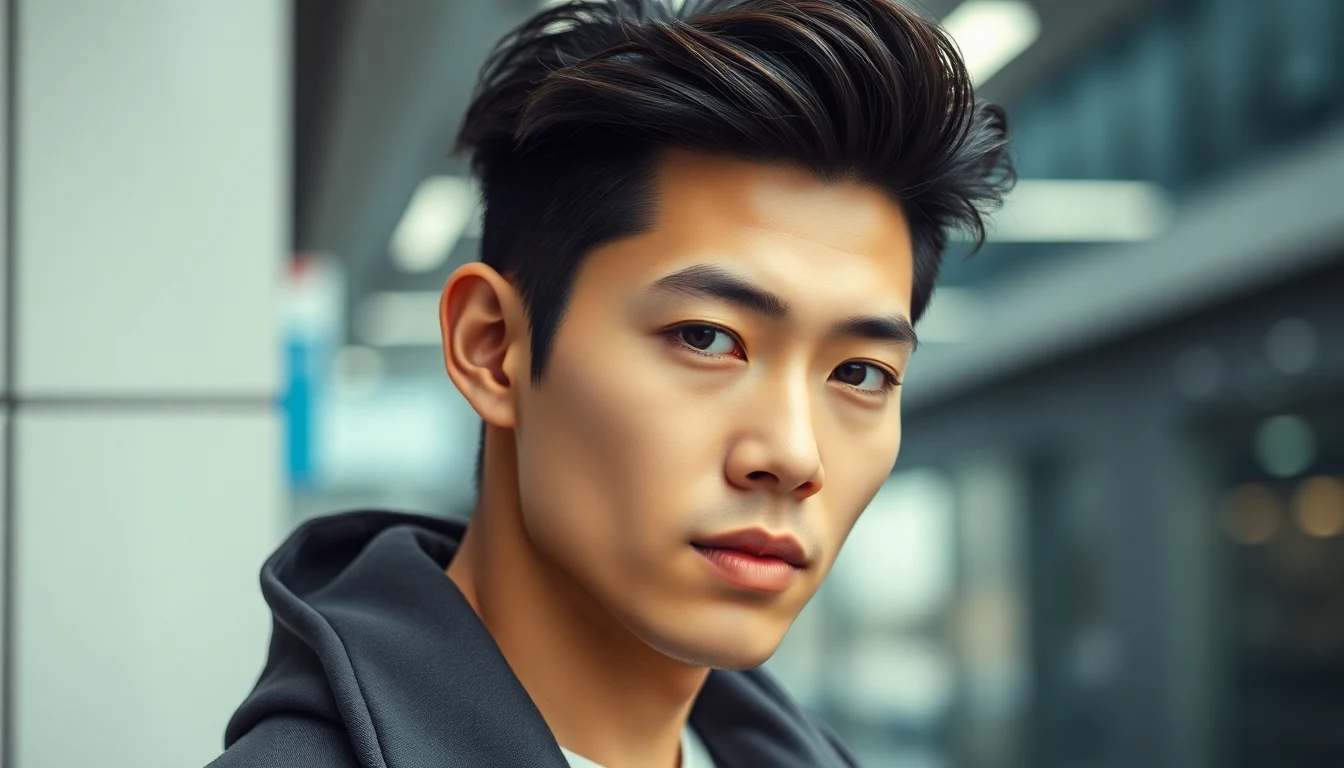
Best for: Thick hair, wavy hair, men who prefer a relaxed look.
Two Block with Perm
The two block perm has exploded in popularity, especially among men looking to add volume and curl to naturally straight hair. The sides are cut short as usual, and the top section receives a gentle perm to create soft waves or loose curls. This combination delivers incredible volume and a dynamic, eye-catching silhouette.
There are several perm styles commonly paired with the two block. A “down perm” creates gentle, natural-looking waves. A “setting perm” adds more defined curls. A “body perm” focuses on volume without tight curls. Your stylist can recommend the right perm type based on your hair’s natural texture and your desired outcome.
Best for: Straight hair that needs volume, men who want a bolder look, anyone willing to invest in salon maintenance.
Two Block Fade
The two block fade is a hybrid that merges Korean and Western barbering traditions. Instead of a uniform buzzed length on the sides, the hair graduates from skin-short at the temples to slightly longer as it approaches the longer top section. This creates a smoother, more blended transition while still maintaining the two-block structure.
You can choose from several fade heights. A low fade keeps the gradient close to the ears for a subtle effect. A mid fade starts around the temple for a balanced look. A high fade brings the gradient up near the crown for maximum contrast.
Best for: Men who want the two block structure with a more Western-barbershop finish, curly or coily hair types, anyone who visits the barber frequently.
Two Block Undercut
The two block undercut takes the contrast to its extreme. The sides and back are shaved very close (skin fade or a #0/#1 guard), and the top is left significantly longer, sometimes 6 inches or more. The stark disconnection creates a dramatic, fashion-forward look.
![CRVFT Gel Pomade 4oz | High Shine/Medium Hold | Water Based/Water Soluble | Ideal For Short/Medium Thin/Thick Hair | For A Clean Cut Look | Men’s Styling Product [Clear], Stylist Approved [Scented]](https://m.media-amazon.com/images/I/41qKj-tVo9L._SL500_.jpg)
This version is popular in streetwear and creative circles where bold self-expression is encouraged. It requires more styling effort to manage the longer top, but the visual payoff is striking.
Best for: Creative fields, men who enjoy bold hairstyles, those comfortable with frequent styling.
Comma Hair Two Block
The comma hair variation features bangs that curl inward at the forehead, creating a shape that resembles a comma. This style became a defining look for several K-pop idols and Korean actors, and it remains one of the most recognizable two block haircut styles.
Achieving the comma shape typically requires a flat iron or curling iron to direct the front section inward. Some men opt for a light perm on just the front section to make the comma shape hold naturally throughout the day.
Best for: Oval and round face shapes, men who want the signature K-pop aesthetic, those willing to use heat styling tools.
| Variation | Maintenance Level | Styling Time | Best Hair Type | Vibe |
|---|---|---|---|---|
| Classic Two Block | Low | 5 min | Straight, Wavy | Clean, Professional |
| Textured Two Block | Low-Medium | 5-7 min | Thick, Wavy | Casual, Effortless |
| Two Block with Perm | High | 10-15 min | Straight (adds curl) | Bold, Dynamic |
| Two Block Fade | Medium | 5-10 min | All types | Modern, Versatile |
| Two Block Undercut | Medium-High | 10 min | Straight, Wavy | Edgy, Fashion-Forward |
| Comma Hair Two Block | Medium-High | 10-15 min | Straight, Fine | K-pop, Trendy |
How to Ask Your Barber for a Two Block Haircut
Knowing how to ask for a two block haircut can make the difference between walking out thrilled and walking out confused. Not every barber will be familiar with the term, especially at traditional Western barbershops. Here’s a step-by-step communication strategy that works every time.
1. Bring Reference Photos
This is the single most important thing you can do. Find 2 to 3 photos that show the exact variation you want, ideally from multiple angles (front, side, and back). Save them on your phone before your appointment. Visual references eliminate ambiguity and give your barber a clear target.
Search for “two block haircut” on Pinterest, Instagram, or Korean grooming sites like Naver for a wide range of reference images. Choose photos of men with a similar hair type and face shape to yours for the most realistic expectations.
2. Use Clear, Descriptive Language
If your barber hasn’t heard the term “two block,” describe the structure using familiar barbering language:
- “I’d like the sides and back buzzed short (specify guard number), with the top left long enough to fall over the sides.”
- “Think of it like a disconnected style where the top drapes over the shorter sides, similar to an undercut but with more length and natural fall on top.”
- “I want a clear distinction between the top and sides, not a blended taper. The top should sit on top of the shorter section.”
3. Specify Your Details
Be prepared to answer or proactively communicate these specifics:
- Side length: What clipper guard? A #2 is very short (about 1/4 inch). A #4 is moderate (1/2 inch). A #6 is on the longer side (3/4 inch).
- Top length: How long do you want the top? Most two blocks have 3 to 5 inches on top.
- Transition: Do you want a hard disconnect (classic two block) or a slight fade to blend the sections?
- Bangs: Straight across, side-swept, or comma-shaped?
- Back neckline: taper fadeed, blocked, or rounded?
4. Discuss the Grow-Out Plan
A great barber will cut with the grow-out in mind. Let them know how often you plan to visit for trims. If you only come in every 6 to 8 weeks, they can adjust the side length and transition to keep the cut looking good as it grows.
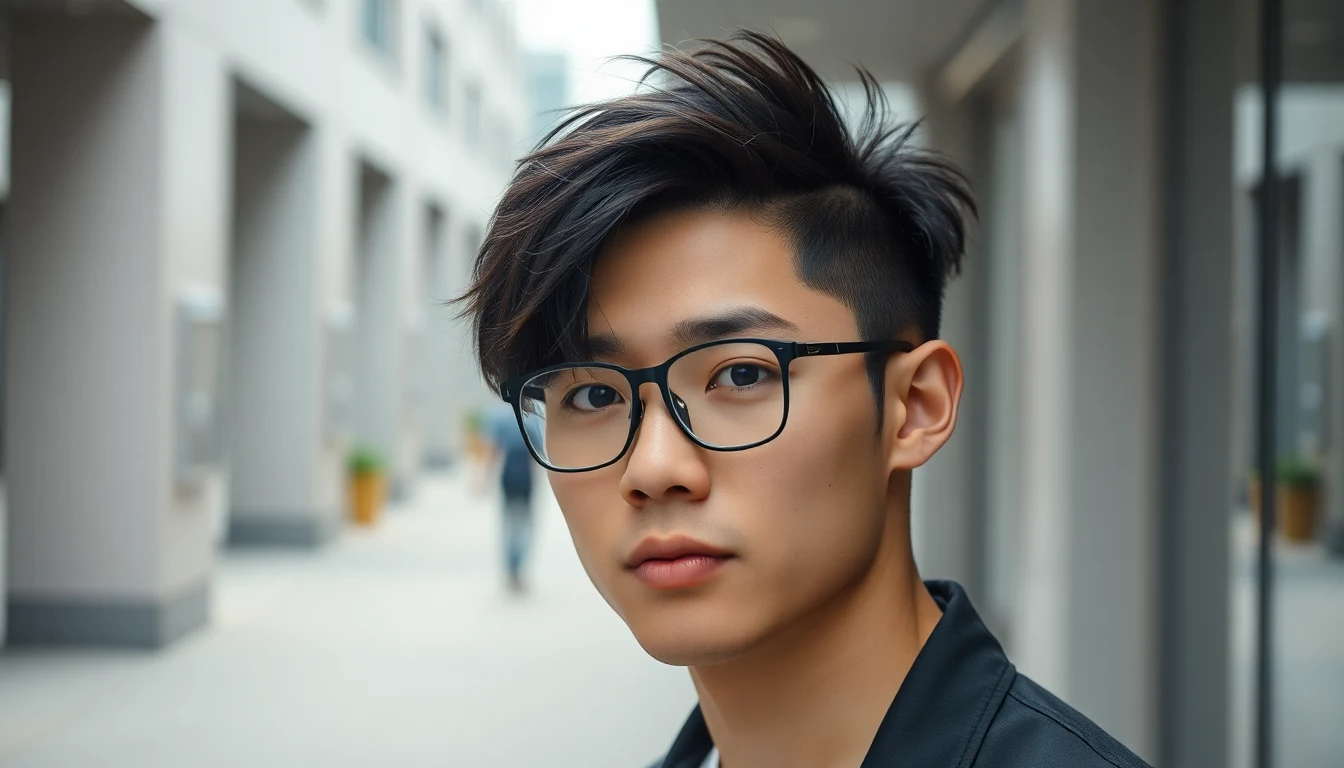
5. Find a Korean or Asian-Specialty Barber (Optional)
If you want the most authentic result, consider visiting a Korean barbershop or a stylist who specializes in Asian hair. These professionals cut two blocks regularly and understand the nuances of the style instinctively. In major cities, a quick Google search for “Korean barbershop near me” or “Asian men’s haircut” will turn up options.
That said, any skilled barber can execute a two block beautifully with the right reference photos and clear communication. Don’t let the lack of a specialty shop stop you from trying the style.
Best Products for Styling a Two Block Haircut
The right products make all the difference when styling a two block. Korean and Japanese grooming brands have developed products specifically formulated for this type of style, prioritizing natural movement, flexible hold, and a non-greasy finish.
Styling Products
| Product | Hold | Finish | Best For | Price Range |
|---|---|---|---|---|
| Gatsby Moving Rubber (Wild Shake) | Medium | Matte | Textured, messy styles | $8-12 |
| Gatsby Moving Rubber (Air Rise) | Medium | Natural | Volume, lift at roots | $8-12 |
| Mise en Scene Perfect Serum (Original) | Light | Natural Shine | Smoothing, frizz control | $10-15 |
| Arimino Peace Pro Design Series (Freeze Keep Wax) | Strong | Matte | All-day hold, structured looks | $15-20 |
| Baxter of California Clay Pomade | Medium-Strong | Matte | Thick hair, polished matte look | $20-25 |
| Shiseido Uno Fiber Neo Hair Wax | Strong | Natural | Fine hair, lasting definition | $10-14 |
Pre-Styling Essentials
Before applying any wax or pomade, the right foundation makes styling much easier:
- Sea salt spray adds grip and texture to freshly washed hair, making it easier to style. Spray on damp hair before blow-drying for the best effect.
- Volumizing powder (like Osis Dust It) gives incredible root lift. Sprinkle a small amount at the roots and work it in with your fingers for natural-looking volume.
- Heat protectant spray is essential if you use a blow dryer or flat iron regularly. It prevents damage and keeps your hair healthy between cuts.
Finishing Products
- Lightweight hair spray locks your style in place without making it stiff or crunchy. Look for a flexible-hold formula that allows some natural movement.
- Hair serum or oil adds a subtle sheen and tames flyaways for a more polished finish. A drop or two is all you need. Apply to the ends, not the roots.
Pro tip: Korean and Japanese hair waxes tend to be lighter and more workable than many Western pomades. They’re specifically designed for Asian hairstyles that prioritize movement over rigid hold. If you’re new to the two block, start with a medium-hold matte wax and adjust from there.
How to Style a Two Block Haircut at Home
Once you’ve got the cut, daily styling is straightforward once you learn the basic technique. Here’s a step-by-step process that works for most two block variations.
What You’ll Need
- A blow dryer with a concentrator nozzle
- A round brush or wide-tooth comb
- Your chosen styling product (wax, clay, or pomade)
- Optional: sea salt spray, volumizing powder, flat iron
Step-by-Step Styling Process
Step 1: Start with damp hair. Towel-dry your hair after washing so it’s about 70-80% dry. Completely wet hair won’t hold a style, and completely dry hair is harder to shape with a blow dryer.
Step 2: Apply pre-styler (optional). If your hair is fine or lacks natural volume, spray a light layer of sea salt spray or volumizing tonic through the top section. Skip the sides since they’re short enough to lay flat on their own.
Step 3: Blow-dry with direction. This is the most important step. Using the concentrator nozzle, aim the airflow from the roots outward in the direction you want your hair to fall. For a side-swept look, dry from the part toward the opposite side. For a textured, lifted look, dry upward and slightly forward from the crown. Use a round brush to guide the hair as you dry.
Step 4: Cool shot. Once you’ve achieved the shape and volume you want, switch to the cool setting on your blow dryer and go over the hair one more time. Cool air sets the style and adds hold. This step makes a noticeable difference in how long your style lasts throughout the day.
Step 5: Apply styling product. Take a small amount of wax or clay (start with a pea-sized amount and add more if needed). Rub it between your palms until it’s warm and evenly distributed. Work it through the top section from the back forward, then use your fingertips to refine the shape and create separation or texture.
Step 6: Detail and finish. Use your fingers to arrange the bangs exactly how you want them. For comma hair, use a flat iron to curl the front section inward. For a messy textured look, pinch and twist small sections with your fingertips. Finish with a light mist of hair spray if you need extra hold.
Styling Tips by Variation
- Classic: Blow-dry to one side, use a light wax. Focus on smooth fall, not volume.
- Textured: Blow-dry roughly in multiple directions, use a matte clay. Embrace imperfection.
- Perm: Avoid brushing. Scrunch with a lightweight mousse or curl cream and let it air-dry for best curl definition.
- Comma: Flat iron the front 2-3 inches inward, then set with a medium-hold wax and hair spray.
Two Block Haircut Maintenance Tips
A two block looks its best with consistent maintenance. Here’s how to keep the cut sharp between salon visits.
Trim Schedule
Plan to visit your barber every 4 to 6 weeks to maintain the two block structure. The sides grow out the fastest and will start to lose their clean shape after about a month. The top can go a bit longer between trims, especially if you’re growing it out.
If you’re comfortable with best clippers for fades, you can maintain the sides at home between professional cuts. Use the same guard number your barber used and carefully trim the sides and back, stopping where the longer top section begins. This can extend the time between full barbershop visits to 6 to 8 weeks.
Washing Routine
Washing your hair every day strips natural oils that actually help with styling and hair health. For most men, washing 2 to 3 times per week with a gentle shampoo is ideal. On non-wash days, rinse with water and apply conditioner if needed.
Korean grooming culture emphasizes scalp health as the foundation for great hair. Consider incorporating a scalp scrub or exfoliating shampoo once a week to remove product buildup and keep your scalp healthy.
Dealing with the Grow-Out Phase
The awkward grow-out phase is the biggest challenge with the two block. As the sides grow, the contrast between the two sections diminishes, and the cut can look shapeless. Here are strategies to manage it:
- Weeks 1-3: The cut looks its best. Enjoy minimal effort styling.
- Weeks 4-5: The sides start getting noticeable. Use a bit more product on top to maintain the visual separation. Consider a DIY side trim if you’re comfortable with clippers.
- Weeks 6+: Time for a professional trim. If you can’t get to the barber, a headband or backward styling can get you through a few extra days.
Nighttime Hair Care
How you sleep affects your morning styling time. Sleeping on a silk or satin pillowcase reduces friction, minimizes bedhead, and cuts your morning styling time significantly. If you have a perm, this is especially important for preserving your curl pattern.
Who Does the Two Block Work Best For?
One of the reasons the two block haircut has gone global is its adaptability. While it originated with East Asian hair types in mind, the style works across a wide range of textures, densities, and face shapes with the right adjustments.
By Hair Type
| Hair Type | Compatibility | Best Variation | Notes |
|---|---|---|---|
| Straight, thick (East Asian) | Excellent | All variations | The style was designed for this texture. Natural fall and volume work perfectly. |
| Straight, fine (Caucasian) | Good | Classic, Comma Hair | Use volumizing products to prevent the top from falling flat. A perm adds body. |
| Wavy | Excellent | Textured, Classic | Natural wave adds movement and texture without extra styling effort. |
| Curly (Type 3) | Good | Two Block Fade | The fade version blends better with natural curl patterns. Keep top length manageable. |
| Coily (Type 4) | Good with adaptation | Two Block Fade | Works well with a fade on the sides and enough length on top to show the two-block contrast. A skilled barber can adapt the structure beautifully. |
By Face Shape
- Oval: Lucky you. Almost every two block variation works. The oval face is the most versatile canvas for this haircut.
- Round: Go for more height and volume on top to elongate your face. The textured two block or a version with comma bangs adds vertical dimension. Avoid very flat, side-swept styles that emphasize width.
- Square: The classic two block softens strong jawlines beautifully. Slightly longer bangs that frame the forehead work well. Avoid extremely sharp, angular styling.
- Oblong/Long: Keep the top shorter (3 inches max) and avoid adding too much height. A side-swept classic or textured version adds width to balance a longer face.
- Heart: A two block with side-swept or curtain bangs balances a wider forehead. The natural fall of the top section is particularly flattering for this face shape.
- Diamond: The two block works naturally here. The fuller top balances cheekbones, and the shorter sides keep things proportional. Most variations are flattering.
Age Considerations
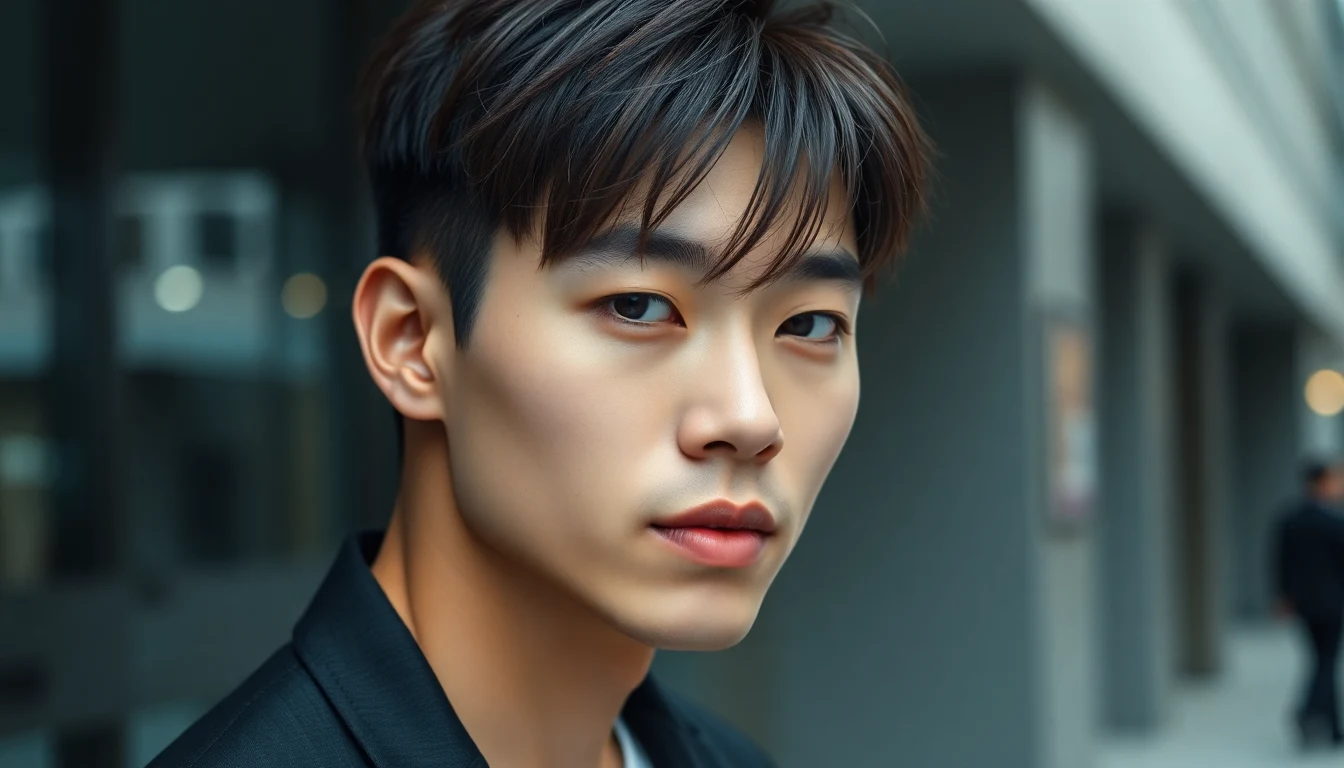
The two block is not just for teenagers and twenty-somethings. Men in their 30s and 40s can wear the classic version or a refined textured two block to great effect. The key is adjusting the proportions: slightly less contrast between top and sides, a bit more length on the sides (a #4 or #5 instead of a #2), and a clean, natural styling approach. This creates a sophisticated version of the cut that reads as intentional and polished rather than trend-chasing.
Frequently Asked Questions
What is the difference between a two block haircut and an undercut?
While both styles feature shorter sides and a longer top, the key differences are in the transition and the styling philosophy. An undercut typically has a smooth, blended transition from long to short, and the top is often slicked back or styled upward. A two block creates a more deliberate disconnect between the two sections, and the top is styled to fall naturally over the shorter sides, creating a layered, curtain-like effect. The two block emphasizes softness and natural movement, while the undercut tends toward a sharper, more structured look.
How long does my hair need to be on top for a two block haircut?
You’ll need at least 3 inches of length on top for the basic two block structure to work. This gives enough hair to fall over the shorter sides and create the signature layered look. For most variations, 3 to 5 inches is the sweet spot. Comma hair and perm variations may benefit from 4 to 6 inches for the best curl definition and shaping options. If you’re starting from a very short cut, expect to grow your hair for about 3 to 4 months before you have enough length.
How much does a two block haircut cost?
At a standard barbershop, a two block haircut typically costs $25 to $50, depending on your location. At a Korean specialty salon or high-end stylist, expect to pay $40 to $80. If you’re adding a perm, the price increases significantly, usually ranging from $80 to $200+ depending on the perm type, hair length, and salon. The extra cost at a specialty salon is often worth it for the first cut, since you’ll get someone who truly understands the style’s nuances.
Can I get a two block haircut if I have curly or wavy hair?
Absolutely. Wavy hair actually works wonderfully with the two block because the natural wave adds texture and movement that straight-haired men need products or perms to achieve. For curly hair (Type 3 and 4), the two block fade variation is the best approach. The fade creates a smoother transition that complements natural curl patterns, and the longer curly top provides the volume and contrast that makes the style work. Talk to your barber about adapting the cut to work with, not against, your natural texture.
How do I maintain a two block haircut between barber visits?
The most important maintenance task is managing the side length. The sides grow out faster than the top and are the first thing to lose shape. If you own a pair of clippers, you can trim the sides at home using the same guard number your barber used. Beyond that, use the right products (a medium-hold wax or clay), wash your hair 2 to 3 times per week instead of daily, and invest in a good blow dryer for daily styling. Plan for professional trims every 4 to 6 weeks to keep the cut looking fresh.
Is the two block haircut appropriate for professional work environments?
Yes. The classic two block is one of the most office-friendly trendy haircuts available. Its clean lines, tidy structure, and polished appearance make it appropriate for corporate settings, client-facing roles, and conservative workplaces. The key is keeping the contrast moderate (don’t buzz the sides to skin) and styling the top neatly with a side part or natural fall. Avoid the more extreme variations like the undercut version or wild textured looks if your workplace has strict grooming standards. The classic and the subtle fade versions strike the perfect balance between style and professionalism.
Ready to try the two block? Bookmark this guide, save your reference photos, and book an appointment with your barber. Whether you go with the classic version or a bold perm variation, the two block haircut is a style that rewards you with versatility, low daily effort, and a look that turns heads. Your best hair day is one good cut away.
Frequently Asked Questions
What exactly is a two block haircut and how is it different from other men’s styles?
A two block haircut divides your hair into two distinct sections: a longer top and significantly shorter sides and back, creating a bold contrast. This style originated in Korea and has become globally popular because it works with various hair types and face shapes, offering both versatility and a modern aesthetic.
Can I get a two block haircut if I have curly or textured hair?
Yes, you can absolutely get a two block haircut with curly or textured hair. In fact, the textured two block variation is specifically designed for men with coily or wavy hair, and the texture on top actually enhances the style by adding volume and dimension to the block shape.
How often do I need to get my two block haircut trimmed to maintain the style?
You should plan to trim your two block haircut every 3 to 4 weeks to maintain the sharp contrast between the top and sides. Regular trims are essential because the shorter sections grow quickly, and without maintenance, the defined two-block shape will blur and lose its distinctive appearance.
Is the two block haircut appropriate for professional work environments?
The two block haircut can work in professional settings, especially if you choose a more subtle variation like the classic or fade version with a moderate length on top. However, some conservative industries may view it as trendy, so consider your workplace culture and opt for longer sides or a less dramatic contrast if needed.