
If you want to master alcohol-free fragrances for sikh men, this guide covers everything you need to know. Last updated: February 2026 by Arjun Singh-Goldstein, Interfaith Grooming Specialist
My father kept a small glass bottle of rose attar in the top drawer of his dresser. Every Sunday morning, before leaving for Gurdwara, he would unscrew the tiny cap, touch his finger to the opening, and dab the oil behind each ear and on his wrists. The scent was soft but unmistakable: a warm, deep rose that lingered in the car, in the Gurdwara, and on his turban for hours afterward. When I asked him why he did not use cologne like the fathers of my American friends, he said something that stuck with me. “An attar does not announce you when you walk in. It introduces you quietly.” Years later, after my own Amrit Sanchar, I found myself at that same drawer, choosing from his small collection of attars, understanding for the first time that this was not just about smelling good. It was about a tradition of fragrance that aligned with my practice.
Many observant Sikh men prefer alcohol-free fragrance products. The Rehat Maryada prohibits the consumption of alcohol as an intoxicant, and some Sikhs extend this principle to avoiding alcohol in personal care products as well. Whether this is your interpretation or not, there is a compelling world of oil-based, alcohol-free fragrances that offers something modern alcohol-based colognes cannot: intimacy, longevity, and a connection to centuries of South Asian fragrance tradition. This guide explores that world. For expert guidance on this topic, consult SikhNet’s community resources on Sikh lifestyle and traditions.
Religious Note: Grooming practices within the Sikh faith are deeply personal and connected to each individual’s level of observance. Always consult with your Granthi, Panj Pyare, or trusted community elders to confirm that any grooming suggestions mentioned here align with your personal practice and the Rehat Maryada (Sikh code of conduct).
Why Some Observant Sikhs Prefer Alcohol-Free Products
The Sikh Rehat Maryada explicitly prohibits the use of intoxicants, stating that a Sikh should not consume alcohol, tobacco, or other intoxicating substances. The primary intent of this prohibition is clearly about ingestion and intoxication. However, the question of whether alcohol in topical products falls under this prohibition is a matter of personal interpretation within the community.

Some Amritdhari Sikhs take a broad interpretation, avoiding alcohol in all forms, including as an ingredient in skincare, cologne, and grooming products. Their reasoning is that the spirit of the prohibition calls for complete separation from alcohol, not just avoidance of intoxication. Others draw a clear distinction between consuming alcohol and applying it topically, noting that the trace amounts in grooming products cannot produce intoxication and therefore do not violate the Rehat Maryada’s intent.
Neither interpretation is wrong. This is a deeply personal matter between a Sikh and his conscience. What I can tell you is that choosing alcohol-free fragrances is not a sacrifice. It is an opportunity to explore a category of perfumery that is older, richer, and in many ways superior to modern alcohol-based colognes. Attars and oil-based perfumes offer depth, warmth, and longevity that most spray colognes simply cannot match.
What Are Attars? A History and Overview
Attars (also spelled “ittars” or “ittrs”) are concentrated perfume oils traditionally made by distilling plant materials (flowers, herbs, wood, spices) into a base of sandalwood oil. The word “attar” is believed to derive from the Persian word “itr,” meaning “perfume” or “scent.” The art of attar-making has roots stretching back over five thousand years in South Asia and the Middle East.
Traditional attar production uses a process called hydro-distillation (deg and bhapka method in Indian tradition). Aromatic plant materials are placed in a copper still (deg) with water, heated over a wood fire, and the steam carrying the volatile aromatic compounds is collected in a receiver (bhapka) containing sandalwood oil. The sandalwood oil absorbs the aromatic compounds, creating a concentrated, complex fragrance. A single batch of high-quality rose attar can require thousands of roses and days of distillation.
The result of this process is a pure, oil-based perfume with no alcohol, no synthetic chemicals, and an incredible depth of fragrance. A quality attar applied to the skin will evolve over hours, revealing different notes as it warms with your body heat. This evolution is called the fragrance “journey,” and it is one of the most rewarding aspects of wearing attars.
In Sikh and Punjabi culture, attars have been used for centuries. Historical accounts describe Sikh royals and scholars wearing rose, jasmine, and sandalwood attars. The tradition of applying fragrance before visiting the Gurdwara is long-standing, as presenting yourself clean and fragrant is considered a sign of respect for the sacred space and the sangat (congregation). Mastering alcohol-free fragrances for sikh men takes practice but delivers great results.
Types of Attars and Oil-Based Fragrances
Not all oil-based fragrances are created equal. Understanding the different types will help you choose one that suits your preferences and budget.
Traditional Attars (Natural)
These are attars made through the traditional distillation process using natural plant materials. They are the most expensive and the most prized. Common traditional attars include gulab (rose), chameli (jasmine), motia (Arabian jasmine), khus (vetiver), and hina (a blend of various aromatics). Traditional attars are available from artisanal producers in India, particularly from the city of Kannauj in Uttar Pradesh, which is known as the attar capital of India.
Oud-Based Attars
Oud (also called agarwood) is one of the most expensive and sought-after fragrance ingredients in the world. It comes from the resinous heartwood of aquilaria trees that have been infected with a specific mold. The resulting scent is complex, woody, slightly animalic, and incredibly long-lasting. Oud-based attars are deeply popular in Middle Eastern fragrance culture and have a growing following worldwide. For Sikh men, oud offers a sophisticated, masculine scent that projects gently from the skin.
Modern Perfume Oils
Modern perfume oils are oil-based fragrances that may use a combination of natural and synthetic aromatic compounds. They are typically carried in a base of jojoba oil, fractionated coconut oil, or other lightweight carrier oils rather than the traditional sandalwood base. These are more affordable than traditional attars and come in a wider range of scent profiles, including modern and designer-inspired options. Companies like Al Rehab and Swiss Arabian produce high-quality perfume oils at accessible price points.
Roll-On Perfume Oils
Roll-on perfume oils are a convenient modern format for oil-based fragrances. The fragrance is housed in a small bottle with a roller ball applicator, making it easy to apply precisely to pulse points. These are excellent for travel and daily use. Many artisanal and commercial attar houses now offer their fragrances in roll-on format.

How to Apply Oil-Based Perfume for Maximum Longevity
Oil-based fragrances interact with your skin differently than alcohol-based sprays. Understanding how to apply them properly will significantly improve their performance and longevity.
Apply to Clean, Moisturized Skin
Oil-based fragrances adhere best to skin that is clean and slightly moisturized. Apply your attar or perfume oil right after showering and moisturizing, when your pores are open and your skin has a slight layer of moisture. Dry skin absorbs fragrance quickly and dissipates it faster, while moisturized skin holds the scent longer.
Focus on Pulse Points
Pulse points are areas where blood vessels are close to the skin surface, generating warmth that helps project fragrance. The primary pulse points for attar application are the inner wrists, the sides of the neck, behind the ears, and the inner elbows. For Sikh men, the sides of the neck are particularly effective because they are exposed (not covered by turban or beard for most), and the warmth from your body naturally diffuses the scent throughout the day.
Do Not Rub
This is the most common mistake people make with perfume oils. After applying attar to your wrists, resist the urge to rub your wrists together. Rubbing creates friction and heat that breaks down the fragrance molecules, causing the top notes to dissipate faster and altering the scent profile. Instead, dab gently. Touch the oil to one wrist, then press the other wrist against it lightly. That is all the spreading you need.
Layer on Clothing (Carefully)
Oil-based fragrances can also be applied to clothing and fabric, where they tend to last even longer than on skin. For Sikh men, a tiny amount of attar applied to the inner edge of the turban fabric (where it will not create a visible stain) can provide a subtle scent aura that lasts all day. Be cautious with light-colored fabrics, as some oils can leave marks. Test on an inconspicuous area first.
Start Light
Attars and perfume oils are significantly more concentrated than alcohol-based colognes. A single small dab on each wrist and neck is usually sufficient. You can always add more, but you cannot remove excess. The goal with attar is a scent that people notice only when they are close to you, not one that fills an entire room. Remember my father’s wisdom: an attar introduces you quietly.
Recommended Alcohol-Free Fragrances for Sikh Men
Here are specific fragrance recommendations that offer excellent quality, appropriate scent profiles, and complete alcohol-free formulations. Understanding alcohol-free fragrances for sikh men is key to a great grooming routine.
Swiss Arabian Layali Al Arab Attar is a warm, amber-based fragrance with notes of saffron, rose, musk, and woods. It projects gently, lasts eight to twelve hours on the skin, and has a sophisticated, mature character that is appropriate for both daily wear and special occasions like Gurdwara visits and celebrations. Swiss Arabian is one of the most respected names in Middle Eastern perfumery, and their attars consistently deliver quality at accessible prices.
Al Rehab Crown Perfume Oil is an affordable, versatile fragrance with a clean, slightly sweet profile that works year-round. It has notes of white musk, soft florals, and a light woody base. At its price point, Al Rehab Crown is one of the best values in the perfume oil world, and it is an excellent entry point for Sikh men who are new to oil-based fragrances. The 6ml roll-on format is also incredibly convenient for daily use.
Rose Attar (Gulab): A traditional Indian rose attar is one of the most historically appropriate fragrances for a Sikh man. The deep, warm, slightly spicy character of a genuine rose attar (as opposed to the lighter, more aqueous scent of Western rose fragrances) is sophisticated and unmistakably South Asian. Look for rose attars from Kannauj, India, which is the traditional center of attar production. These are more expensive than synthetic alternatives but offer an unmatched fragrance experience.
Sandalwood Oil (Chandan): Pure sandalwood oil is one of the most revered fragrances in South Asian culture. It is creamy, woody, and meditative, with a quality that many people describe as “peaceful.” Sandalwood is traditionally associated with prayer and spiritual practice, making it a particularly appropriate choice for wearing to the Gurdwara. Genuine Indian sandalwood (Santalum album) is expensive due to scarcity, but a small bottle lasts a very long time because of its concentration.
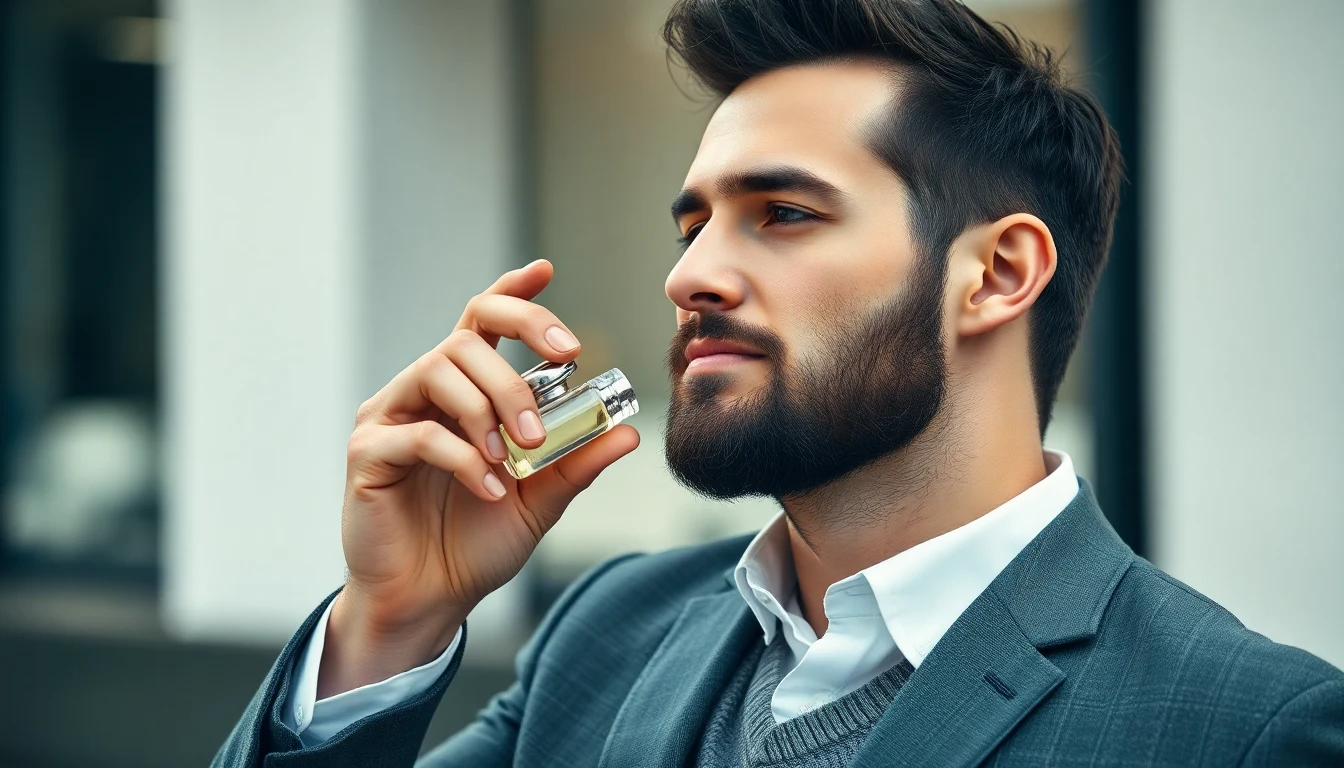
Musk Attar (Kasturi): Traditional musk attars (now made from plant-based or synthetic musk, not animal-derived) have a warm, skin-like quality that is subtle and intimate. Musk attars are excellent for daily wear because they do not project aggressively. They create a clean, warm scent aura close to the body. This is a good choice for Sikh men who want a fragrance that is noticeable only in close conversation.
Layering Fragrances for Complexity and Longevity
One of the advantages of oil-based fragrances is that they layer beautifully. Layering means applying two or more fragrances to create a unique, personalized scent. Here are some combinations that work particularly well.
Rose + Sandalwood: This is the classic South Asian combination. The warmth of sandalwood grounds the sweetness of rose, creating a balanced, sophisticated scent that has been worn by men across the subcontinent for centuries. Apply the sandalwood as a base and the rose on top.
Oud + Musk: For a deeper, more dramatic scent, layer oud over a musk base. The musk softens the intensity of oud and creates a smooth, long-lasting fragrance that evolves beautifully over the course of a day. This combination is particularly suited to evening events and winter months.
Jasmine + Vetiver: Jasmine (chameli) brings a sweet, intoxicating floral character, while vetiver (khus) adds an earthy, grounding base. Together, they create a fragrance that is both festive and masculine. This combination works well for weddings and celebrations.
Single-Note Simplicity: There is also nothing wrong with wearing a single attar without layering. A high-quality rose attar or sandalwood oil worn alone has a purity and clarity that layered combinations cannot replicate. Sometimes simplicity is the most elegant choice.
Storing and Caring for Your Attar Collection
Attars and perfume oils require proper storage to maintain their quality over time.
Keep away from light: UV light degrades fragrance compounds. Store your attars in a dark drawer, cabinet, or box. Many attars come in dark glass bottles specifically to protect against light exposure. When it comes to alcohol-free fragrances for sikh men, technique matters most.
Maintain consistent temperature: Avoid storing attars in the bathroom, where temperature and humidity fluctuate with showers. A bedroom dresser drawer is ideal. Extreme heat accelerates degradation, while extreme cold can cause some oils to solidify.
Keep bottles tightly sealed: Exposure to air oxidizes fragrance compounds. Always replace caps immediately after use, and make sure they are secure.
Shelf life: Well-stored attars can last for years, and some actually improve with age. Oud and sandalwood attars, in particular, are known to develop richer, deeper characters over time. Rose attars are more delicate and may lose their top notes after a few years, though the base notes will persist.
Frequently Asked Questions
Are all attars truly alcohol-free?
Traditional attars made through hydro-distillation into a sandalwood or plant oil base are inherently alcohol-free. However, some modern products marketed as “attars” may contain small amounts of alcohol as a diluent. Always check the ingredient list. If it lists “alcohol,” “ethanol,” or “denatured alcohol,” the product is not truly alcohol-free. Products from reputable attar houses like Swiss Arabian and Al Rehab are typically genuinely alcohol-free, but verify on a product-by-product basis.
How long do oil-based fragrances last compared to cologne?
Oil-based fragrances generally last longer on the skin than alcohol-based colognes. While a typical eau de toilette spray lasts four to six hours, a quality attar or perfume oil can last eight to sixteen hours. The trade-off is projection: attars sit closer to the skin and do not project as far as alcohol-based sprays. You will smell the attar on your skin all day, but someone across the room may not notice it. For Sikh men who value a personal, intimate scent experience, this is an advantage rather than a drawback.
Can I wear attar to the Gurdwara?
Wearing fragrance to the Gurdwara is a long-standing tradition in Sikh culture. Presenting yourself clean and pleasantly scented is considered a sign of respect for the sacred space. Attar is a particularly appropriate choice for Gurdwara because it is subtle and will not overwhelm others in the sangat. Apply lightly and choose gentle fragrances like rose, sandalwood, or musk rather than heavy oud blends.
Where can I buy authentic attars?
Authentic attars can be found at South Asian grocery stores (which often carry a small selection), specialty fragrance shops, online retailers specializing in Middle Eastern and South Asian fragrances, and directly from artisanal producers in India (particularly from Kannauj). When buying online, look for sellers with detailed ingredient lists and reviews from the attar community. Beware of products that seem unusually cheap for “pure” attars, as they may be synthetic dilutions.
Will attar stain my turban fabric?
Oil-based fragrances can leave marks on fabric, particularly light-colored or delicate materials. If you want to apply attar to your turban, test it on an inconspicuous area first. Generally, a very small amount applied to the inner layers (where it will not be visible) is safe. Avoid applying attar to white or light-colored turbans, as even a small amount can leave a visible oil spot. For safety, stick to applying attar to your skin and let the scent naturally transfer to your turban through proximity.
Conclusion
Fragrance has been a part of Sikh and Punjabi culture for as long as attars have been distilled in South Asia. Choosing alcohol-free fragrances is not a limitation. It is an invitation to explore a world of perfumery that is older, deeper, and more nuanced than anything you will find at a department store cologne counter. An attar connects you to centuries of tradition. It honors your practice. And it smells extraordinary.
Start with one good attar. Apply it before Gurdwara next Sunday. Notice how it evolves on your skin over the hours. Notice how the sangat responds to the warm, gentle scent. Then you will understand why my father never needed a spray bottle. The quiet introduction was always enough.
Frequently Asked Questions
Why do many Sikh men choose alcohol-free fragrances over traditional colognes?
Many observant Sikh men prefer alcohol-free fragrances because the Rehat Maryada prohibits alcohol as an intoxicant, and some extend this principle to personal care products. Beyond religious observance, oil-based fragrances like attars offer greater intimacy, longer-lasting scent, and a connection to centuries of South Asian fragrance tradition.
What are the main differences between attars and alcohol-based perfumes for your grooming routine?
Attars are concentrated oil-based fragrances that develop slowly on your skin and create a subtle, personal scent experience that doesn’t announce your presence when you enter a room. Alcohol-based colognes, by contrast, project more immediately and tend to fade faster, making attars ideal if you want a fragrance that honors both your practice and provides longer wear time.
How should you apply oil-based perfumes and attars for best results?
You should apply attars sparingly by touching your finger to the bottle opening and dabbing the oil behind your ears, on your wrists, and other pulse points where body heat can help the fragrance develop. A small amount goes a long way with concentrated oils, and the scent will evolve throughout the day and linger on your clothing and turban for hours.
Are alcohol-free fragrances for Sikh men expensive compared to regular cologne?
Quality attars and oil-based fragrances vary in price, but because they’re highly concentrated and require only small applications, a single bottle typically lasts much longer than alcohol-based cologne. While premium attars may have a higher upfront cost, the longevity and potency make them economical over time.