Daniel Park is a licensed barber and men’s grooming writer with over a decade of experience cutting and styling Asian hair across salons in Los Angeles and Seoul. He specializes in modern East Asian cutting techniques.
Why Undercuts Work So Well on Asian Hair
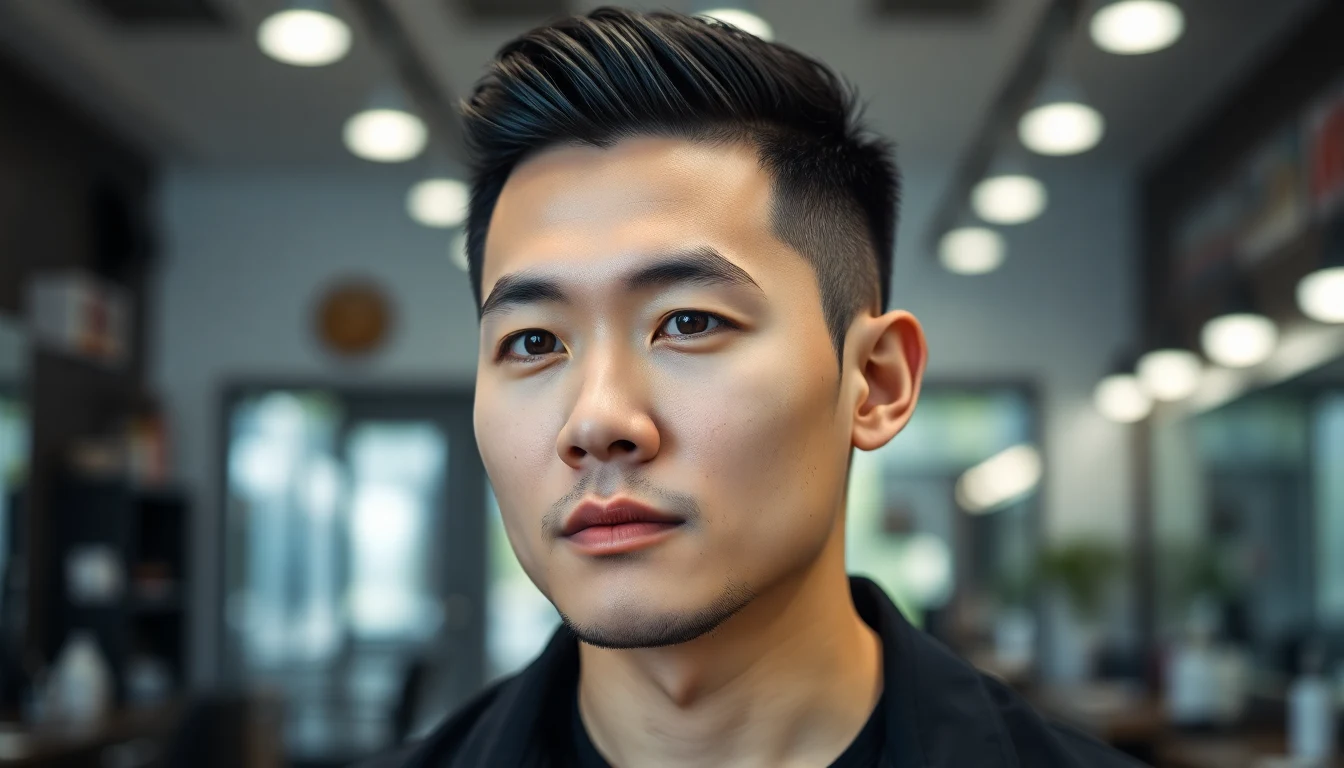
The undercut is one of the most flattering haircuts an Asian man can get, and the reason comes down to biology. Asian hair is typically straight, thick, and dense. These traits create a problem with many haircuts: the sides puff outward and resist laying flat, making the head look wider than it is.
An undercut eliminates that problem entirely. By cutting the sides short or shaving them close, the bulky lower section disappears. What remains is a clean, defined contrast between the tight sides and the styled top. On Asian hair, this contrast is sharper and more defined than on finer hair textures, because the dense top section holds volume and shape naturally.
The undercut also plays well with Asian hair’s natural straightness. The top can be styled into crisp, geometric shapes that hold all day without excessive product. Whether you prefer a polished slick back or a messy textured look, the structural qualities of straight Asian hair give you a reliable canvas to work with.
There is a reason the undercut has been a staple in barbershops across Seoul, Tokyo, and Hong Kong for over a decade. It solves the biggest frustration Asian men have with their hair (side bulk), while giving them a modern, versatile foundation for dozens of different top styles.
Undercut Variations for Asian Men
1. Disconnected Undercut
The disconnected undercut creates maximum contrast between the top and sides. The sides and back are shaved or buzzed to a uniform short length (usually a #1 or #0 guard), with no gradient or blending into the longer top section. The top simply sits on top of the short sides with a hard, visible line separating the two lengths.
On Asian hair, this looks incredibly sharp. The density of the top section creates a strong visual mass that contrasts dramatically with the clean sides. This is the most bold version of the undercut and the one most associated with fashion-forward Asian men’s hairstyles.
The disconnected undercut works best when the top is at least 4 inches long. You can style it swept to one side, pushed back, or left to fall forward with natural movement. The key is maintaining the hard disconnect, so plan for barber visits every 3 to 4 weeks to keep the sides tight.
Best for: Oval and diamond face shapes. Creative and fashion-forward settings.
2. Connected (Blended) Undercut
The connected undercut softens the transition between the sides and top. Instead of a hard line, the barber uses scissors or a comb-over technique to create a gradual blend from the short sides into the longer top. The result is a cleaner, more refined version that reads as polished rather than edgy.
This is the most versatile undercut for professional environments. The blend makes the cut look intentional and well-maintained, even as it grows out. On Asian hair, the connected version is especially forgiving because the natural density helps the blend look smooth and even. Mastering asian undercut takes practice but delivers great results. Mastering asian undercut takes practice but delivers great results.
Best for: All face shapes. Office environments, first-time undercut wearers.
3. Undercut with Fade
Instead of a uniform buzz on the sides, this variation incorporates a fade that graduates from skin-short near the ears to slightly longer as it approaches the top. The fade adds depth and dimension to the sides, creating visual interest where a standard undercut would be flat.
You have three fade height options. A low fade keeps the gradient subtle, hugging the area just above the ears. A mid fade hits at the temple and works as the most balanced option. A high fade starts near the crown for dramatic contrast.
Asian hair’s thickness makes fades look exceptionally clean. The dense hair creates a smooth gradient that barbers can sculpt precisely. Invest in quality clippers if you plan to touch up the fade between visits.
Best for: Round and square face shapes. Men who want modern structure.
4. Two Block Undercut (Korean-Influenced)
The two block undercut is the Korean take on the undercut. The sides are cut short, and the longer top is styled to fall naturally over the shorter sections, creating a layered, curtain-like effect. Unlike a Western undercut where the top is usually swept back, the two block lets the hair drape forward and to the sides.
This variation emphasizes softness and natural movement. The top is often styled with a center or side part, with the hair falling just above or over the eyebrows. It is one of the most popular men’s cuts in South Korea, Japan, and across Southeast Asia.
The two block undercut works especially well on straight Asian hair because the natural fall of the hair creates the layered effect effortlessly. Minimal styling is needed. A blow dryer and a small amount of light wax is usually enough.
Best for: Oval and heart face shapes. Anyone wanting a soft, K-pop-inspired look.
5. Pompadour Undercut
The pompadour undercut pairs classic Americana with the undercut’s clean sides. The top is styled upward and backward from the forehead, creating significant volume and height at the front. The sides can be disconnected, faded, or blended depending on how dramatic you want the contrast.
On Asian hair, the pompadour holds shape remarkably well. The hair’s natural thickness provides the structural support the pompadour needs to stay lifted all day. You do need a strong-hold product and a blow dryer to achieve the height, but once set, it lasts.
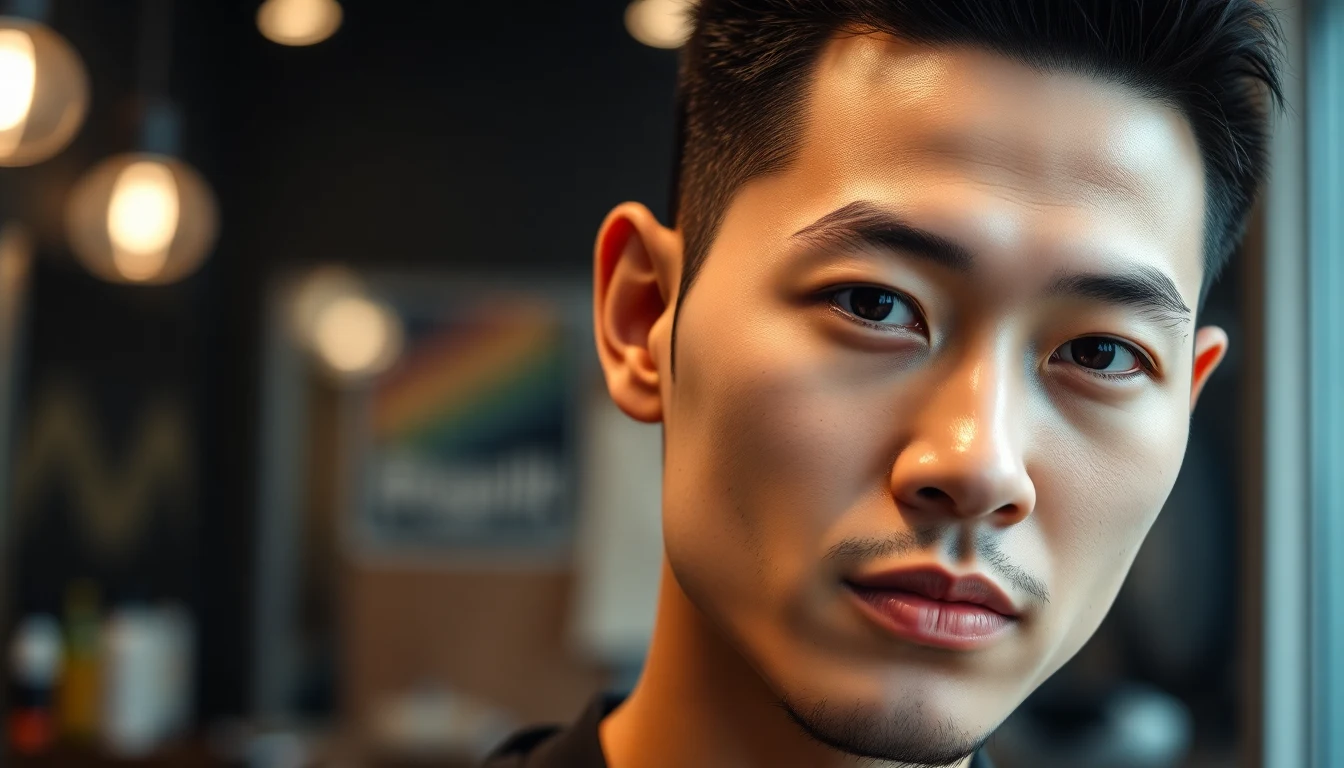
This variation requires the most length on top, at least 5 to 6 inches. It also takes the most daily styling effort, around 10 to 15 minutes with a blow dryer and product. The payoff is a commanding, high-impact look that works for both casual and formal settings.
Best for: Round and oblong face shapes. The height balances a round face; the backward sweep avoids adding length to a long face. Understanding asian undercut is key to a great grooming routine. Understanding asian undercut is key to a great grooming routine.
6. Slick Back Undercut
The slick back undercut is the pompadour’s more refined cousin. Instead of lifting the hair upward, you comb or brush the top straight back against the head. The result is a sleek, high-shine look that conveys control and sophistication.
Asian hair’s straightness makes the slick back particularly smooth and polished. The dense hair lays flat without gaps or thin spots, creating a solid, uniform surface. A medium-hold pomade or gel provides the wet look, while a matte pomade delivers the same shape with a more natural finish.
The slick back undercut is one of the easiest to maintain daily. After washing, apply product to damp hair, comb straight back, and you are done. It grows out gracefully, too, which means you can push barber visits to every 5 to 6 weeks without looking unkempt.
Best for: Square and diamond face shapes. Professional environments, formal events.
7. Textured Undercut (Matte, Modern)
The textured undercut breaks away from the slicked, polished undercut tradition. The top is styled with matte product and deliberately messy technique, creating separated, piece-y texture that looks effortless. The sides can be disconnected or faded.
This variation is popular in Japanese street fashion and among younger Asian men who want the undercut’s structure without its formality. The styling is quick: towel-dry, apply matte clay, and work the hair with your fingers in multiple directions. No blow dryer needed on most days.
On Asian hair, the textured undercut looks particularly clean because each textured piece stands out crisply against the dark hair color. The contrast between the tight sides and the messy top creates a deliberate tension that makes the look feel intentional.
Best for: All face shapes. Casual settings, streetwear aesthetics, low-effort styling.
Face Shape Guide
| Face Shape | Best Undercut Styles | Avoid |
|---|---|---|
| Oval | All styles. Oval faces are the most versatile. | Nothing specific. Experiment freely. |
| Round | Pompadour, high fade undercut. Height and vertical lines slim the face. | Very flat or side-swept tops that add width. |
| Square | Slick back, connected undercut. Smooth lines soften strong jawlines. | Angular, boxy tops that mirror the jaw shape. |
| Oblong | Textured undercut, two block. Horizontal texture adds width. | Pompadour or anything adding height. The face is already long. |
| Heart | Two block, side-swept disconnected. Hair framing the forehead balances width. | Fully slicked back styles that expose a wide forehead. |
| Diamond | Disconnected undercut, textured. Volume at the top balances cheekbones. | Tight, flat tops that emphasize cheekbone width. |
How Long Does It Take? Growing Into an Undercut
If you currently have a short buzz cut, growing into an undercut takes about 3 to 4 months. You need at least 3 inches on top for a basic undercut. For pompadour or slick back variations, plan on 5 to 6 months to reach the necessary 5 to 6 inches.
During the grow-out phase, visit your barber every 3 to 4 weeks to keep the sides trimmed while the top grows. This prevents the awkward “all one length” stage and lets the undercut shape develop gradually.
Growing out of an undercut takes longer. The sides need 3 to 4 months to reach a length that blends with the top. During this phase, a taper on the sides can smooth the transition. Alternatively, you can shift into a two block or a textured crop while the sides catch up.
Styling the Top: Options for Asian Hair
Air-dry styling works for the textured undercut and two block. Apply product to towel-dried hair, shape with your fingers, and let it dry naturally. The results are slightly more relaxed and organic, which suits casual settings. Asian hair holds air-dried shapes well because of its natural body. When it comes to asian undercut, technique matters most.
Blow-dry styling gives you more control and volume. Use a concentrator nozzle to direct airflow in the direction you want the hair to fall. For volume, lift hair at the roots while drying from below. For smoothness, dry in the direction of the finished style. A blow dryer is essential for the pompadour and slick back variations. When it comes to asian undercut, technique matters most.
Heat styling adds another layer of control. A flat iron can straighten any kinks or bends, while a curling iron or round brush with a blow dryer creates soft waves or curls on top. Always use heat protectant spray on Asian hair before applying direct heat.
What to Tell Your Barber
| Detail | What to Say |
|---|---|
| Style name | “I want an undercut” and specify: disconnected, faded, blended, or two block. |
| Sides | Specify the guard: #0 (skin), #1 (very short), #2 (short), #3 (moderate). Or say “fade from skin to a #2.” |
| Top length | “Leave 4 inches on top” (or more for pompadour/slick back). Be specific. |
| Transition | “Hard disconnect” or “blend the transition” or “fade the sides into the top.” |
| Back neckline | “Tapered” (gradual), “blocked” (straight line), or “rounded.” |
| Styling direction | “I plan to style it swept back / to the side / forward with texture.” |
| Reference photos | Bring 2 to 3 photos showing front, side, and back views. |
Products for Styling an Asian Undercut
The product you choose depends on the variation and the finish you want.
For slick back and pompadour: Use a medium to strong hold pomade. Gatsby Moving Rubber (Spiky Edge) or Baxter of California Clay Pomade deliver hold with a matte finish. For a wet, glossy look, use a water-based pomade like Layrite or Suavecito.
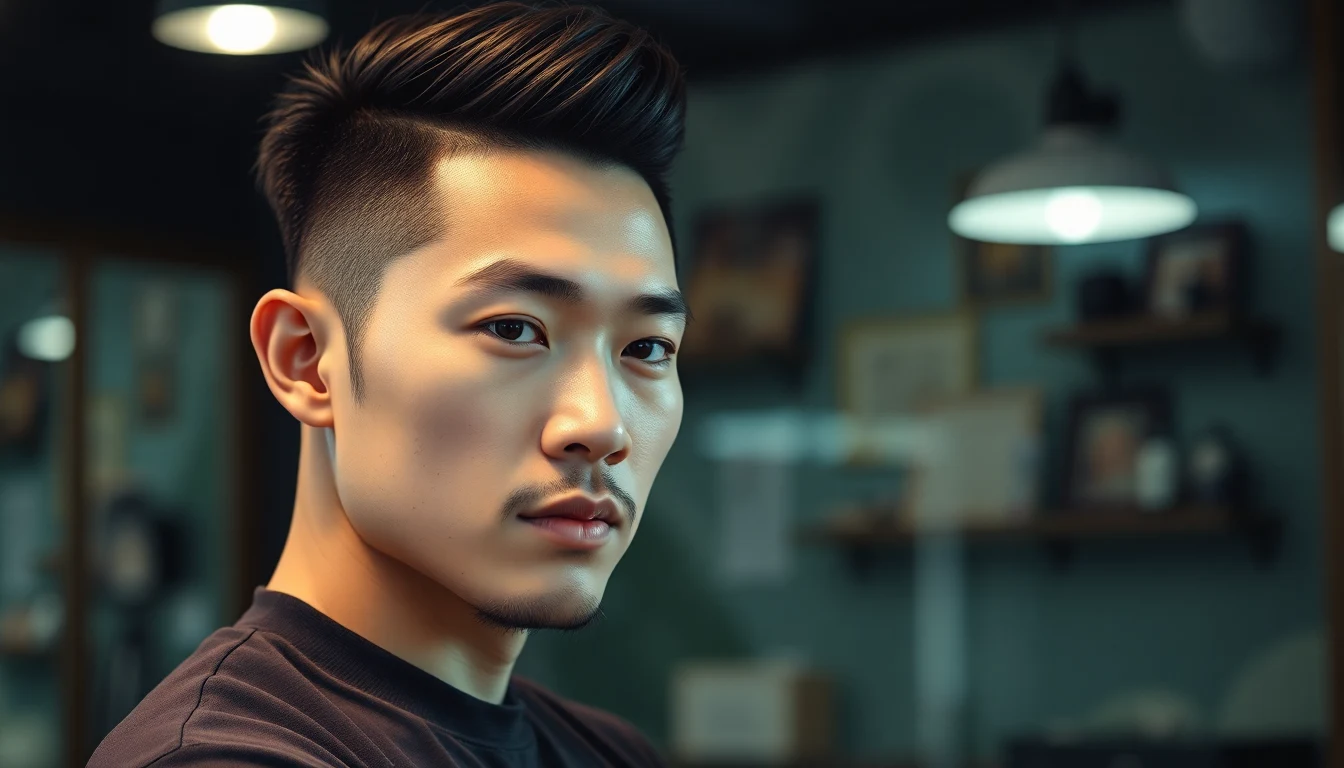
For textured and two block: Use a matte clay or fiber wax. Gatsby Moving Rubber (Wild Shake) or Arimino Peace Free Arange are lightweight options designed for Asian hair. They provide texture and separation without weighing hair down.
For all variations: A volumizing pre-styler (spray or tonic) applied to damp hair before blow-drying gives you a stronger foundation. Finish with a flexible-hold hairspray if you need all-day staying power.
Avoid heavy gels that create a crunchy, stiff finish. Asian hair looks best with products that allow natural movement. The goal is a style that looks like it fell into place naturally, not one that looks like it was cemented there. Asian and Japanese hair product brands understand this balance better than most Western brands, so lean toward those when possible.
Frequently Asked Questions
How often should I get my undercut trimmed?
Every 3 to 4 weeks for disconnected and faded variations, since the sides grow out quickly and lose their shape. Connected and two block versions can stretch to 5 to 6 weeks because the blend is more forgiving as it grows.
Can I maintain the sides at home between barber visits?
Yes, if you are comfortable with clippers. Use the same guard number your barber used and carefully trim the sides and back, stopping where the longer top begins. This can extend the time between professional visits by 2 to 3 weeks. Clean up around the ears and neckline for the best results.
Will an undercut work if my hair is thinning on top?
It depends on the degree of thinning. Mild thinning can actually benefit from an undercut because the short sides create contrast that makes the top look fuller by comparison. The textured undercut is the best variation for thinning hair because the messy styling camouflages sparse areas. If thinning is significant, consult your barber for honest advice about whether the undercut will achieve what you want.
What is the difference between an undercut and a fade?
An undercut has a uniform short length on the sides with a distinct transition to the longer top. A fade gradually changes length from short to long, with no hard lines. Many modern undercuts incorporate a fade on the sides, creating a hybrid. The “undercut with fade” variation combines both techniques for the best of both worlds.
Is an undercut appropriate for professional settings?
The connected undercut, slick back, and subtle fade versions are all appropriate for professional environments. They look clean, intentional, and well-maintained. The disconnected undercut and extreme textured versions are better suited for creative industries and casual workplaces. When in doubt, go with a connected blend and keep the sides at a #2 or #3 guard rather than skin-shaved.
Further reading: For research-backed grooming advice, see Healthline Men’s Health.
Frequently Asked Questions
How often should I get my Asian undercut trimmed to maintain the style?
You should visit your barber every 2-3 weeks to keep the sides sharp and maintain the disconnected look. Since Asian hair grows quickly and densely, more frequent trims help preserve the contrast between the styled top and faded sides that defines a clean undercut.
What is the difference between an undercut and a fade for Asian men?
An undercut features a sharp, disconnected line between the short sides and longer top, while a fade gradually blends the lengths from short to long. The fade is more gradual and subtle, whereas an undercut creates bold definition that works especially well with thick, straight Asian hair.
Can I maintain the sides of my undercut at home between barber visits?
You can do basic maintenance at home with clippers using the same guard setting, but you risk uneven lines or damaging the style’s sharp definition. Professional barbers are recommended for maintaining the precise fade or disconnected lines that make an undercut look polished.
Is an undercut appropriate for professional or corporate work environments?
Yes, the undercut can work in professional settings when styled conservatively with a neat, blended fade and controlled top. You should keep the sides very short and style the top cleanly without extreme height or texture to maintain a business-appropriate appearance.