
Last updated: February 2026 by Carlos Espinoza, Master Barber
Benito Antonio Martínez Ocasio, known to the world as Bad Bunny, has done more to reshape how Latino men think about their hair than any other public figure in the last decade. From the streets of Vega Baja, Puerto Rico to sold-out stadiums on every continent, this man has walked through every phase of hair experimentation that most guys only dream about. Buzz cuts, bleached platinum, neon colors, a full-on mullet, long curls, cornrow braids, and back again. He has done it all, and he has done it with a confidence that gave millions of Latino men permission to step outside the traditional grooming box.
I have watched the Bad Bunny haircut phenomenon reshape my own barbershop in real time. Guys who would never have considered coloring their hair suddenly walked in with a screenshot from Instagram asking, “Can you make me look like Benito?” Young men who had been getting the same taper fade since high school started asking about mullets and braids. It was a cultural shift, and it was happening in barberías across the Americas simultaneously. This guide breaks down every major Bad Bunny hairstyle, how each one fits into Latino men’s hair culture, and exactly how to ask your barber to recreate each look.
Bad Bunny’s Impact on Latino Grooming Culture
Before we get into the timeline of cuts and colors, it is worth understanding why the Bad Bunny haircut matters beyond aesthetics. In Latino culture, particularly in Caribbean and Latin American communities, there has always been a certain set of rules about how men should look. Short hair. Natural color. Maybe a clean fade or a slicked-back look with gel. Anything beyond that was considered too feminine, too attention-seeking, or just too “different” for a man to pull off.
Bad Bunny broke every single one of those rules. He bleached his hair platinum when reggaeton artists were expected to keep it dark and clean. He grew it out long when the industry standard was a tight fade. He dyed it neon green, pink, and orange during a time when the only men coloring their hair in most Latin American countries were punk rockers or guys over sixty covering their gray. And here is the part that really matters: he did all of it while becoming the biggest Latin music artist on the planet. He did not compromise his masculinity for his hair choices. He redefined what Latino masculinity could look like.
In the Latino barbershop culture I grew up in, there was real peer pressure to stay in your lane with hair. You got the cut your father got. You used the pomade your tío recommended. You did not experiment. Bad Bunny made experimentation not just acceptable, but aspirational. The conversations I overhear in my chair changed completely. Younger clients started talking about self-expression through hair, not just about looking “clean.”
His impact goes beyond the barbershop. Bad Bunny normalized men caring about their appearance in a holistic way. He paints his nails, wears skirts, rocks bold fashion, and pairs all of it with hair that matches his mood and artistic era. For a generation of Latino men raised on machismo ideals that said men should not care too much about how they look, this was revolutionary. The Bad Bunny haircut is not just a haircut. It is a cultural statement.
Bad Bunny’s Hair Evolution: Year by Year
Bad Bunny’s hair journey tracks perfectly with his artistic evolution. Each era of his music came with a new look, a new energy, and a new set of reference photos flooding my barbershop DMs. Here is the complete timeline.
2016-2017: The SoundCloud Days (Natural Dark Hair)
Before the world knew Bad Bunny, Benito was a university student in Arecibo working as a bagger at a supermarket and uploading tracks to SoundCloud. During this pre-fame period, his hair was exactly what you would expect from a young Puerto Rican guy in his early twenties: natural dark brown, slightly curly, kept relatively short with a basic taper on the sides. Nothing flashy. Nothing that would stand out in a crowd.
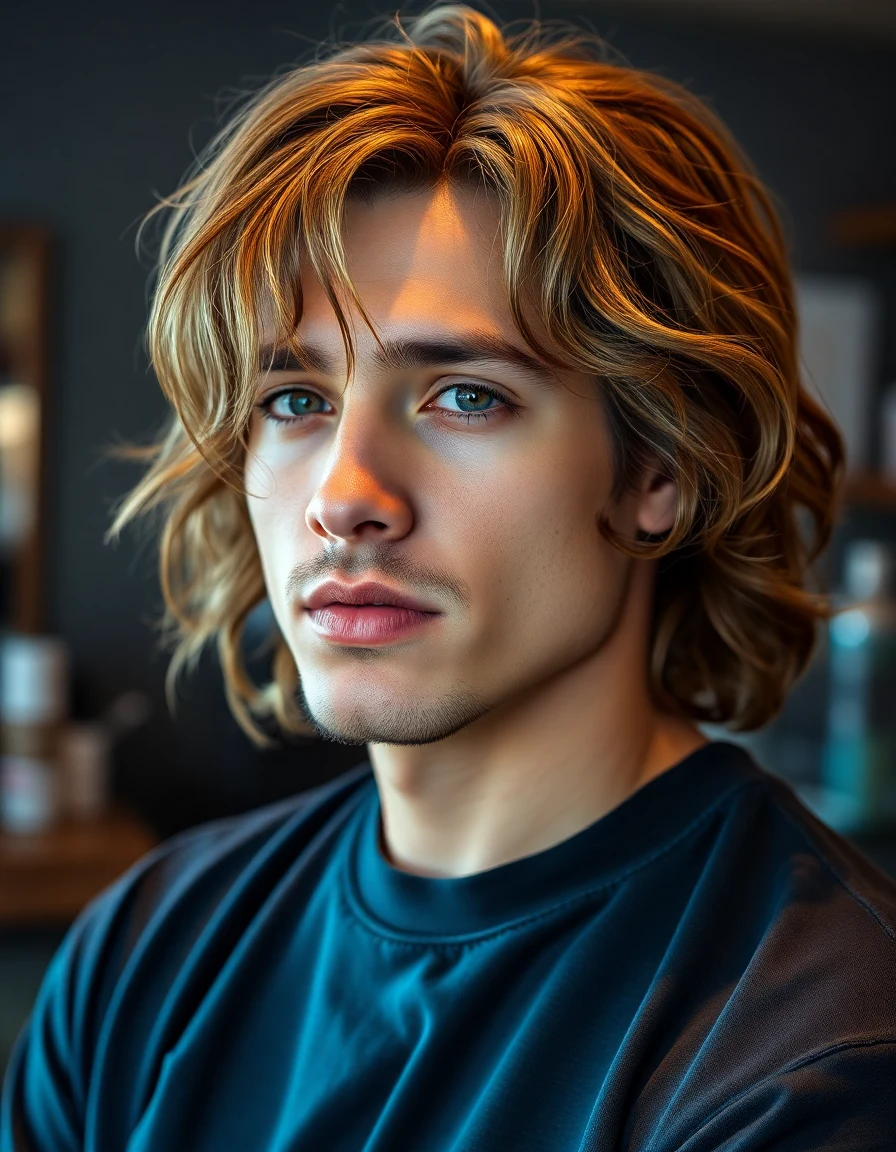
If you look at early photos and videos from this period, you see a kid with thick, dense, slightly wavy Caribbean hair. No color. No designs. Just a basic, functional cut that kept the hair off his face and required minimal maintenance. In hindsight, it is almost impossible to believe this is the same person who would later dye his hair every color in the rainbow.
This era is important because it establishes what Bad Bunny’s natural hair looks like: thick, dark, with a natural wave pattern typical of Puerto Rican men with mixed African, Tainío, and Spanish ancestry. Understanding his natural texture helps you understand why certain styles worked so well on him later. That density and thickness gave him the canvas to do almost anything. For more on Puerto Rican men’s hairstyles and the texture diversity they represent, check our dedicated guide.
2017-2018: The Breakthrough (Buzz Cut and First Bleach)
When “Soy Peor” blew up in late 2016 and early 2017, Bad Bunny began transforming his image. The first major change was the buzz cut. He took all that natural curly hair down to a short, uniform length, approximately a number 2 guard all over. It was a clean, low-maintenance look that still felt authentically Latino. Plenty of guys in the Caribbean rock a short buzz, so this was not groundbreaking on its own.
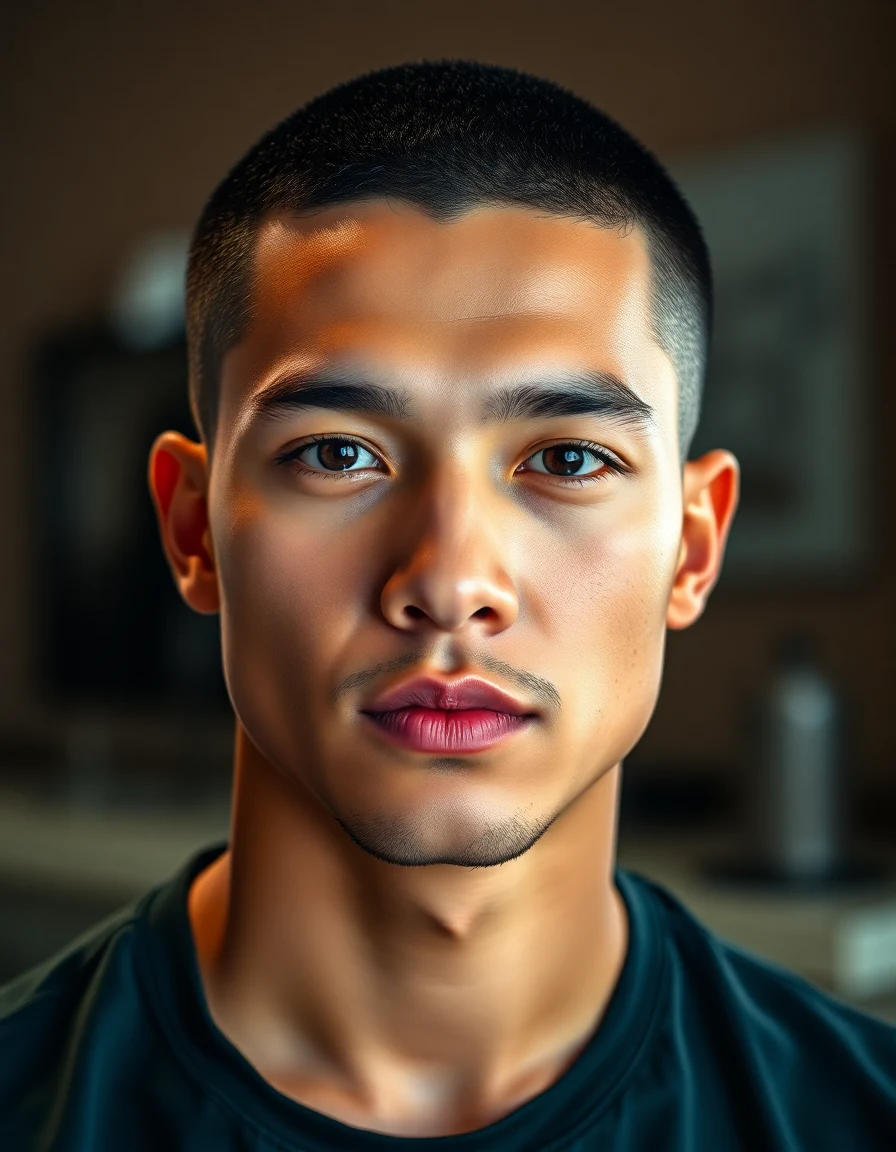
What came next was the game changer. Bad Bunny bleached the buzz cut platinum blonde. On his dark, thick Puerto Rican hair, the contrast was dramatic and impossible to ignore. This was the look that launched the entire Bad Bunny hair phenomenon. Suddenly, every barbershop and salon in Puerto Rico, Miami, New York, and Los Angeles was fielding requests for a “Benito buzz” with bleach.
The bleached buzz cut became his signature during the “Tu No Vive Así” and early “OASIS” era. He paired it with his developing fashion sense, including painted nails and oversized sunglasses, and the combination created a visual identity that was unlike anything in reggaeton or Latin trap at the time. For the technical details on achieving this base cut, our buzz cut hairstyles guide covers every variation.
2018-2019: Shaved Designs and Bold Experiments
As Bad Bunny’s fame exploded with his debut album X 100PRE in late 2018, his hair became a canvas for more creative expression. He kept the short buzz as a base but started incorporating shaved designs. The most famous was a heart shape shaved into the side of his head. He also appeared with lightning bolts, lines, and other geometric patterns carved into the short hair.
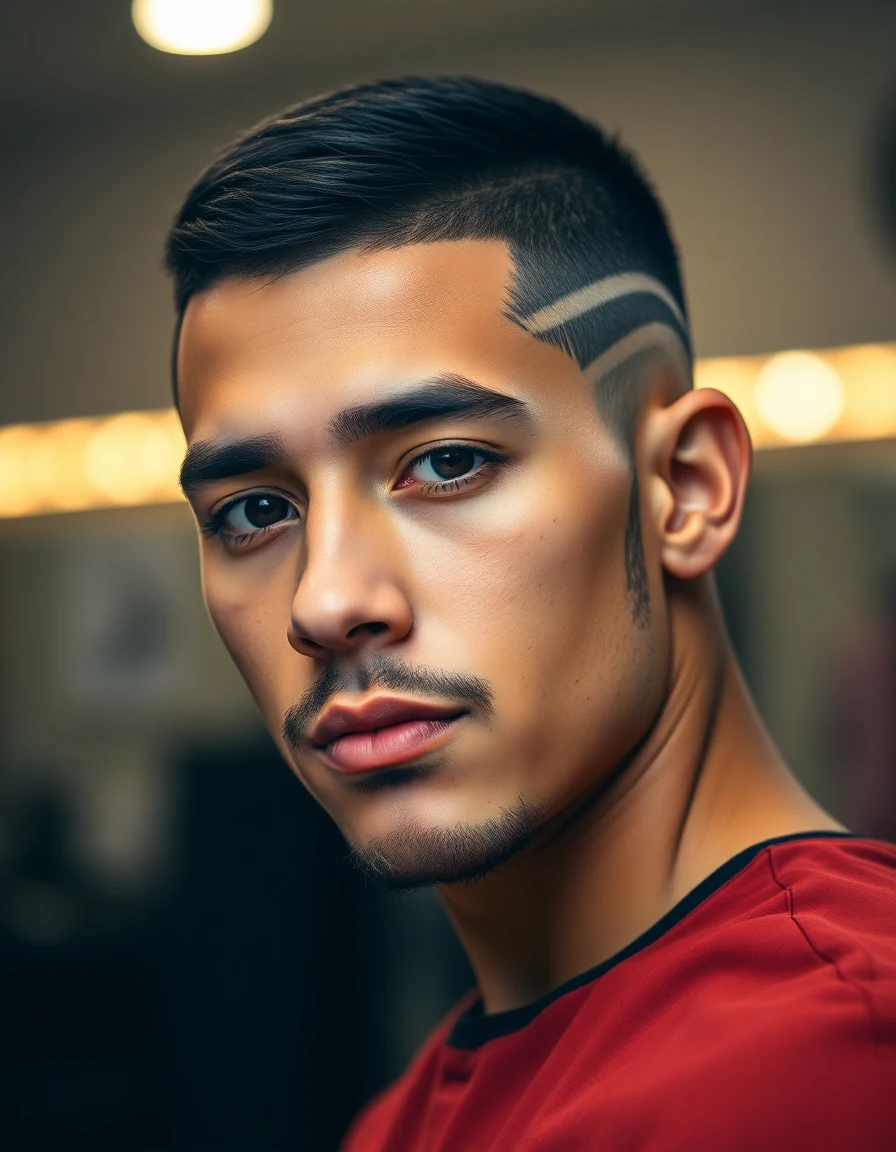
This era also saw some of his boldest color experiments. He was spotted with pink tints, light blue washes, and various shades of blonde. Sometimes the color would change week to week, which is only possible with the short buzz because there is so little hair to damage or re-process. The short length became a strategic advantage; he could bleach, color, let it grow a fraction, buzz it again, and start over without the long recovery period that longer colored hair would require.
The shaved designs era connected directly to a tradition already strong in Latino fade culture. Puerto Rican and Dominican barbers have been carving designs into fades for decades. Bad Bunny took that tradition, added the bleached color base, and broadcast it to a global audience. Barbers in my area told me their design requests doubled during this period.
2019-2020: Neon Green and Color Rebellion
The YHLQMDLG era (the album dropped in February 2020, but the lead-up started in late 2019) brought what might be Bad Bunny’s most visually shocking hair phase: neon green. He appeared at awards shows, music videos, and public events with vivid, almost fluorescent green hair on a short, slightly grown-out buzz. The color was so bright it practically glowed under stage lighting.
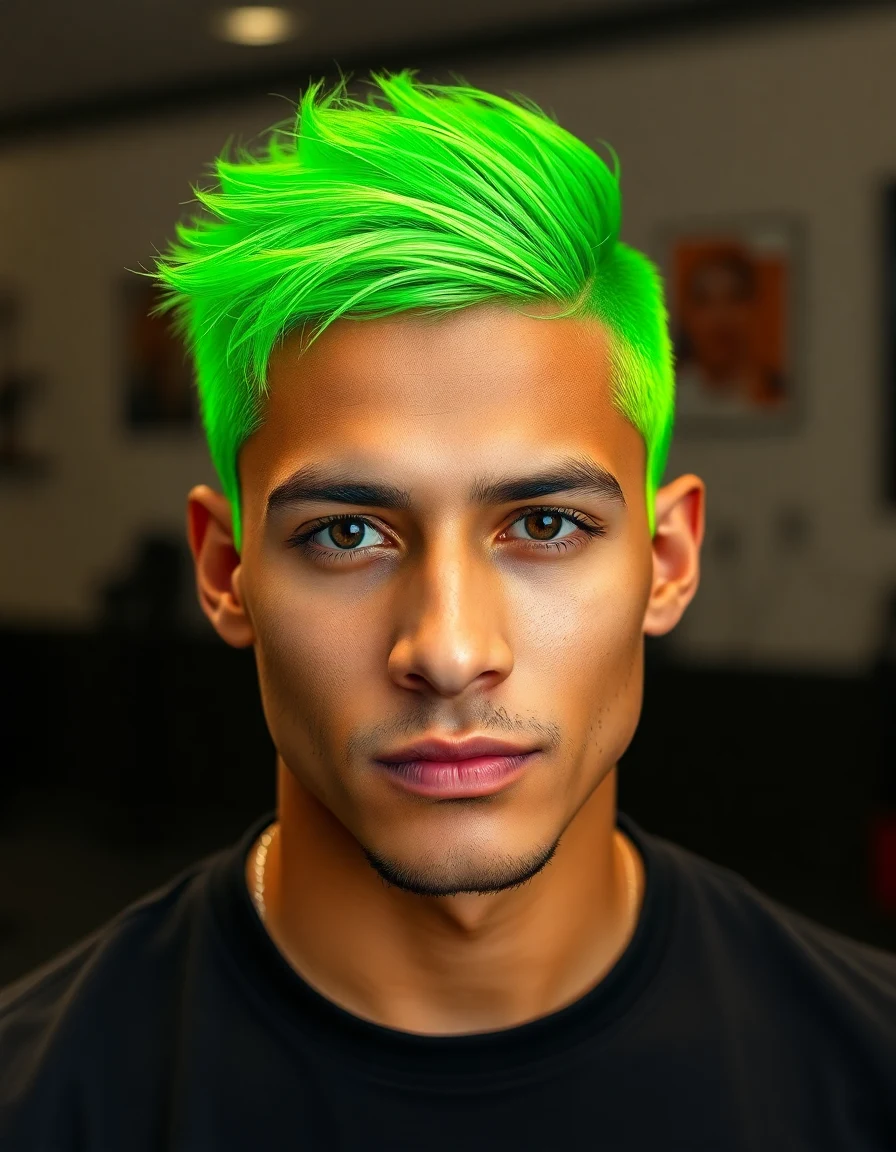
This was the point where Bad Bunny’s hair stopped being just about style and became pure artistic statement. Neon green is not a color you choose because it is flattering or conventional. You choose it because you want the world to know you are not playing by the rules. On Bad Bunny, with his dark complexion and thick features, the green created a striking contrast that photographers and music video directors used to incredible effect.
He also experimented with orange and pink during this period, sometimes blending colors for an ombré effect. The rapid color cycling became part of his brand. Fans would speculate about what color would show up next. Beauty supply stores in Latino neighborhoods reported increased sales of semi-permanent fashion colors in neon shades. Brands like Manic Panic and Arctic Fox saw their sales spike in Latin American markets, a demographic that had historically underperformed in the fashion hair color category.
2020-2021: The Pandemic Grow-Out (Long Curly Hair)
When the pandemic shut everything down in early 2020, Bad Bunny did what a lot of men did: he stopped cutting his hair. But while most guys grew out awkwardly and chopped it off at the first opportunity, Benito committed to the journey. Over the course of 2020 and into 2021, he grew his hair out to shoulder length, revealing the full extent of his natural curly texture.
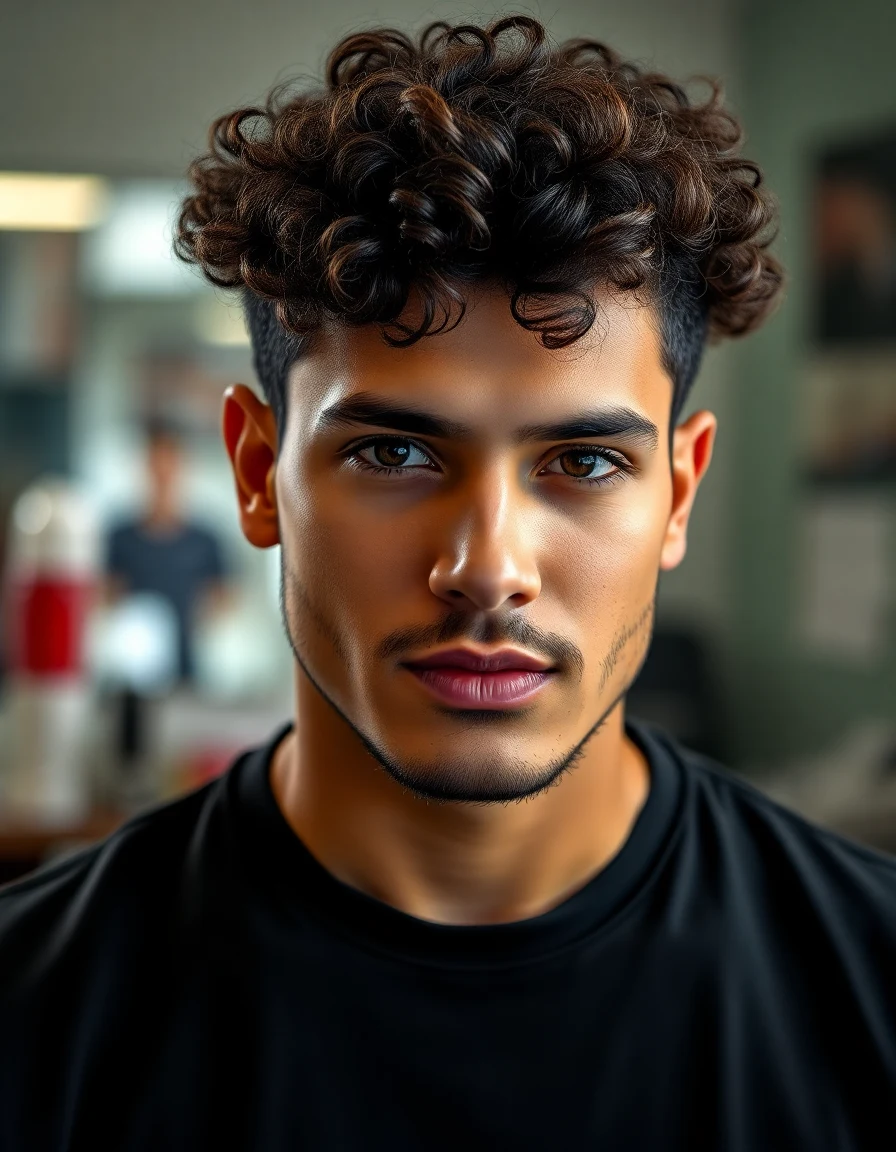
This was a transformative moment. For the first time, the public saw Bad Bunny with long, natural, dark curly hair. No bleach. No neon. Just his natural Puerto Rican hair, grown out and flowing. He wore it loose, pulled back in casual ponytails, and sometimes held up with clips or headbands. The look was relaxed, almost bohemian, and it coincided with the more introspective sound of El Último Tour Del Mundo.
Culturally, this was significant because long hair on Latino men is still stigmatized in many communities. There is a generational divide: older Latino men and those in more conservative cultures view long hair on men as unprofessional or even disrespectful. Bad Bunny growing his hair out while being the most commercially successful Latin artist in the world sent a clear message that long hair does not diminish a man’s success or identity. If you want to understand how curly hair works with different cut styles, we cover the full spectrum in our dedicated guide.
2022: The Mullet Era (Un Verano Sin Ti)
If one Bad Bunny haircut defines 2022, it is the mullet. Leading up to and during the rollout of Un Verano Sin Ti, his most commercially successful album, Bad Bunny debuted a modern mullet that sent shockwaves through barbershops across Latin America. Short and textured on top, slightly shorter on the sides, and noticeably longer in the back, reaching the nape of his neck and beyond. Mastering bad bunny haircut takes practice but delivers great results.
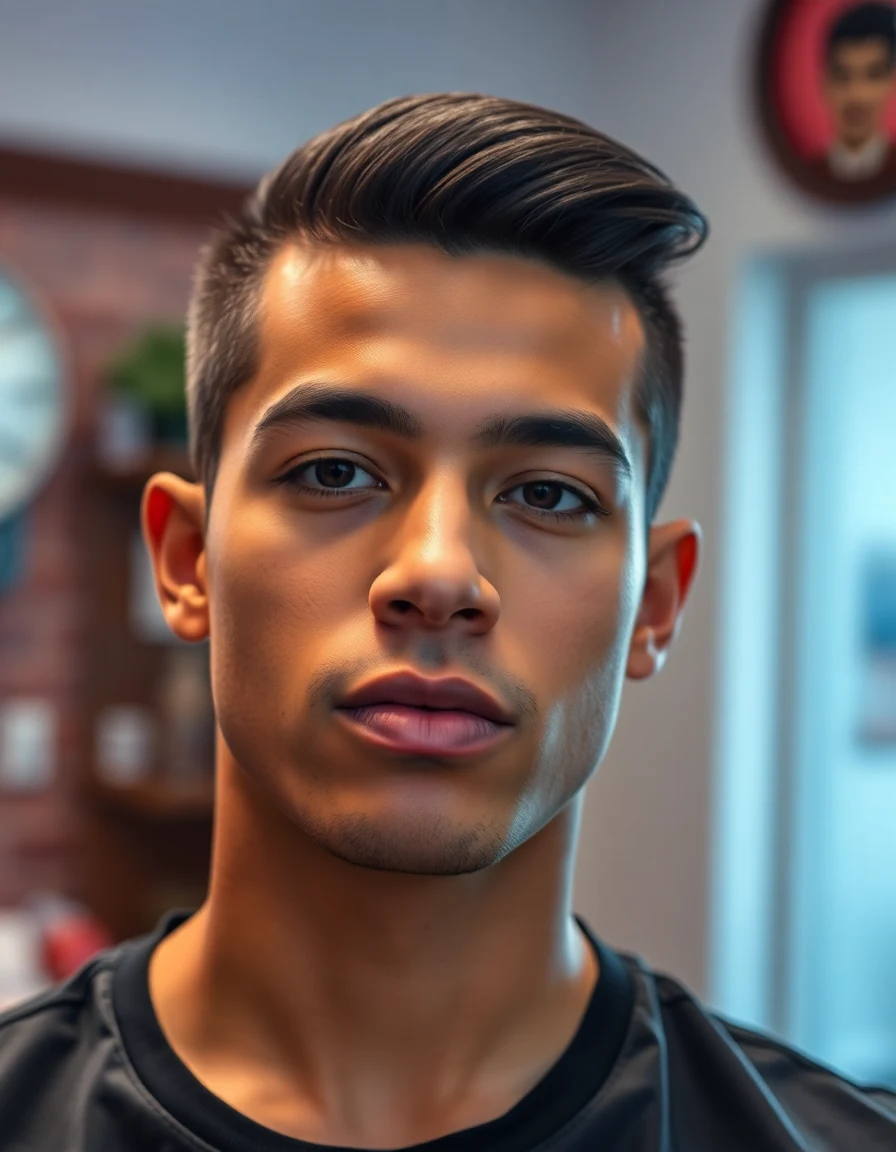
The mullet had been making a comeback in fashion circles for a couple of years, particularly in South Korea and among certain European subcultures. But Bad Bunny brought it to the Latin mainstream in a way nobody else could. When the biggest reggaeton artist on the planet rocks a mullet, it is no longer an ironic fashion statement. It is a legitimate hairstyle choice.
His mullet was not the extreme 1980s version with razor-sharp contrast between short front and long back. It was a softer, more modern interpretation with textured layers that created movement. The sides had a subtle taper rather than a hard fade. The back had enough length to touch his collar but was not excessively long. It was wearable, stylish, and, most importantly, it looked intentional.
Barber shops in Mexico City, Bogotá, Buenos Aires, and throughout the US reported massive increases in mullet requests following the Un Verano Sin Ti tour. The “Bad Bunny mullet” became its own search term. It was the first time many young Latino men had seriously considered a mullet, and many of them pulled it off spectacularly because the thick, dense texture of Latino hair gives the mullet natural volume and body that thinner hair textures struggle to achieve.
2023: Blonde Highlights and Braids
By 2023, Bad Bunny had entered what I call his “everything at once” phase. He appeared at events and in social media posts with chunky blonde highlights woven through his natural dark hair, giving a sun-kissed, almost surfer-inspired look. The highlights were not subtle. They were bold, contrasting streaks of platinum against his dark base, creating a visual texture that added dimension to his medium-length hair.
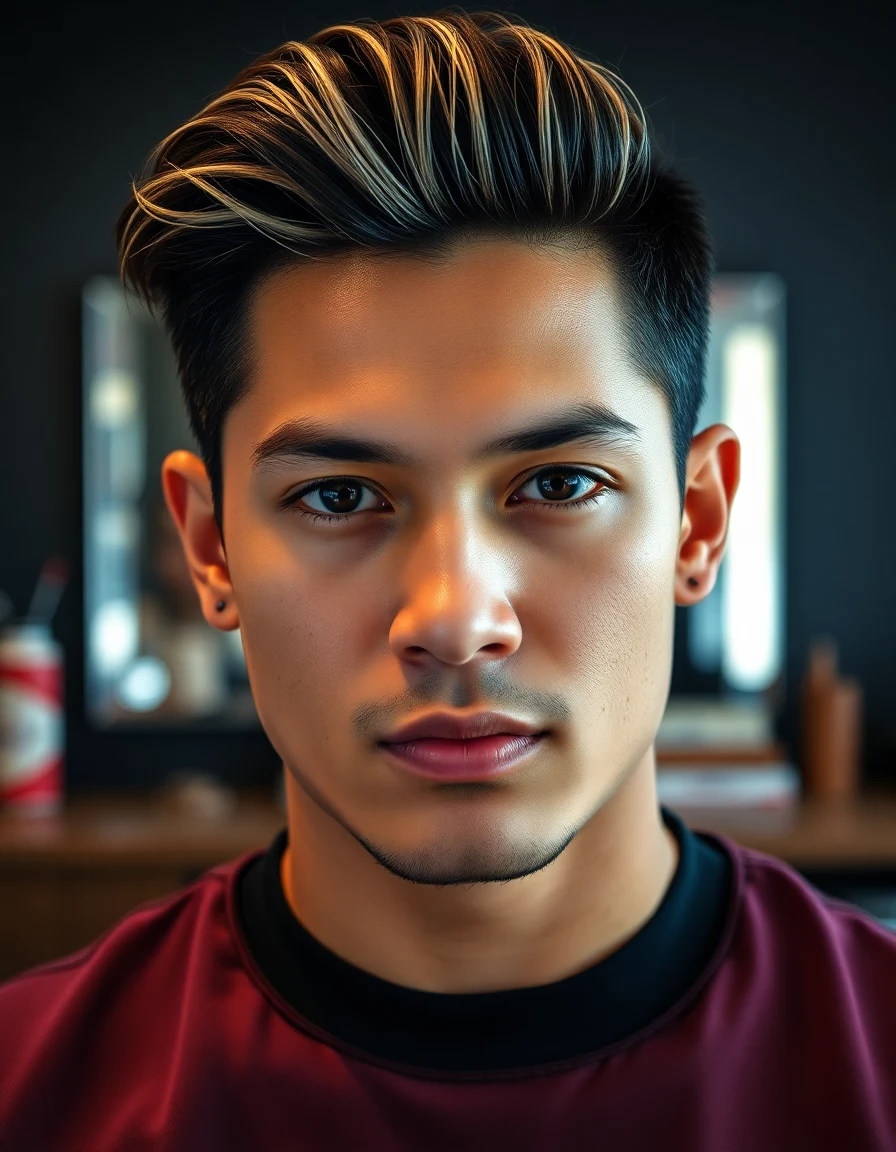
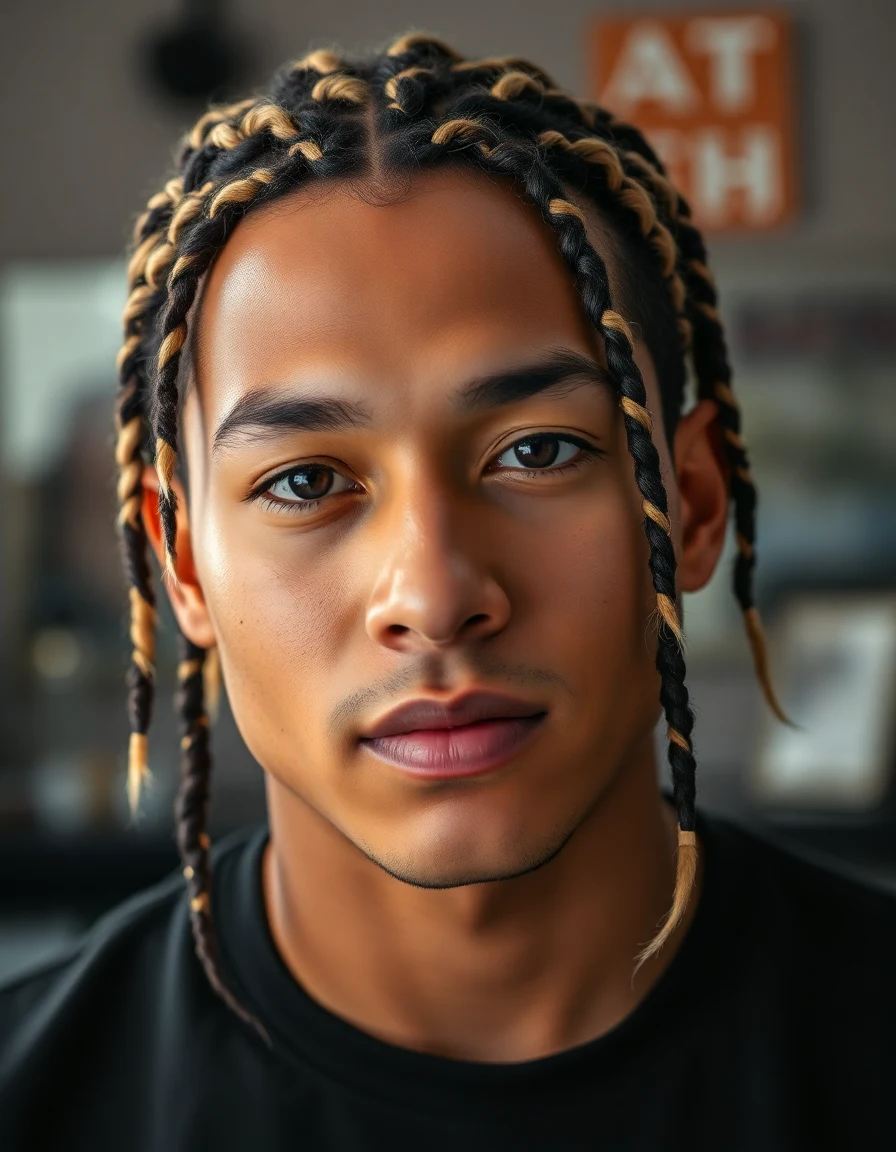
He also began experimenting with braids more seriously during this period. Cornrow braids, specifically, became a recurring look. He wore tight, scalp-hugging cornrows that ran from front to back, showcasing the versatility of his hair texture. Sometimes the braids incorporated his highlighted hair, creating a two-tone braided pattern that was visually striking.
The braids sparked conversation in the Latino community about cultural borrowing and hair texture. Cornrows are traditionally associated with African and African-descended communities. Bad Bunny, as a Puerto Rican man with Afro-Caribbean heritage, exists in a complex cultural space where these traditions overlap. His wearing of braids highlighted the African roots that are present in Puerto Rican culture but are sometimes underacknowledged. It opened up discussions about the African influence on Caribbean identity, hair texture, and grooming traditions.
2024-2025: Full Circle (Return to the Buzz)
After years of dramatic experimentation, Bad Bunny entered 2024 with a return to the look that started it all: the short buzz cut. But this time, it was his natural dark color. No bleach, no neon, no designs. Just a clean, tight buzz with a sharp lineup at the forehead and temples. It felt like a deliberate reset, a return to basics after years of pushing boundaries.
This “back to basics” approach coincided with his acting career expansion (including his role in the Sony film Cassandro and other projects) and a shift toward a more understated personal style. The natural dark buzz is the most universally flattering version of the short cut on dark-haired Latino men. It showcases bone structure, requires almost zero maintenance, and projects a confidence that does not need external ornamentation.
By late 2024 and into 2025, he began subtly growing it out again with slight length on top, suggesting the cycle may be starting over. The beauty of Bad Bunny’s hair journey is that it has never truly ended. Each phase flows into the next, and the return to the buzz is not a conclusion. It is a reset before the next evolution.
His Most Iconic Looks: A Detailed Breakdown
Now that you have the full timeline, let us break down the most requested and most imitable Bad Bunny haircuts. These are the looks that clients actually bring into my barbershop, ranked by how frequently they are requested and how achievable they are for everyday guys.
1. The Platinum Bleached Buzz Cut
Era: 2017-2018 (and periodic returns)
Difficulty: Moderate (the cut is simple; the color requires a professional)
Maintenance: High for the color, low for the cut
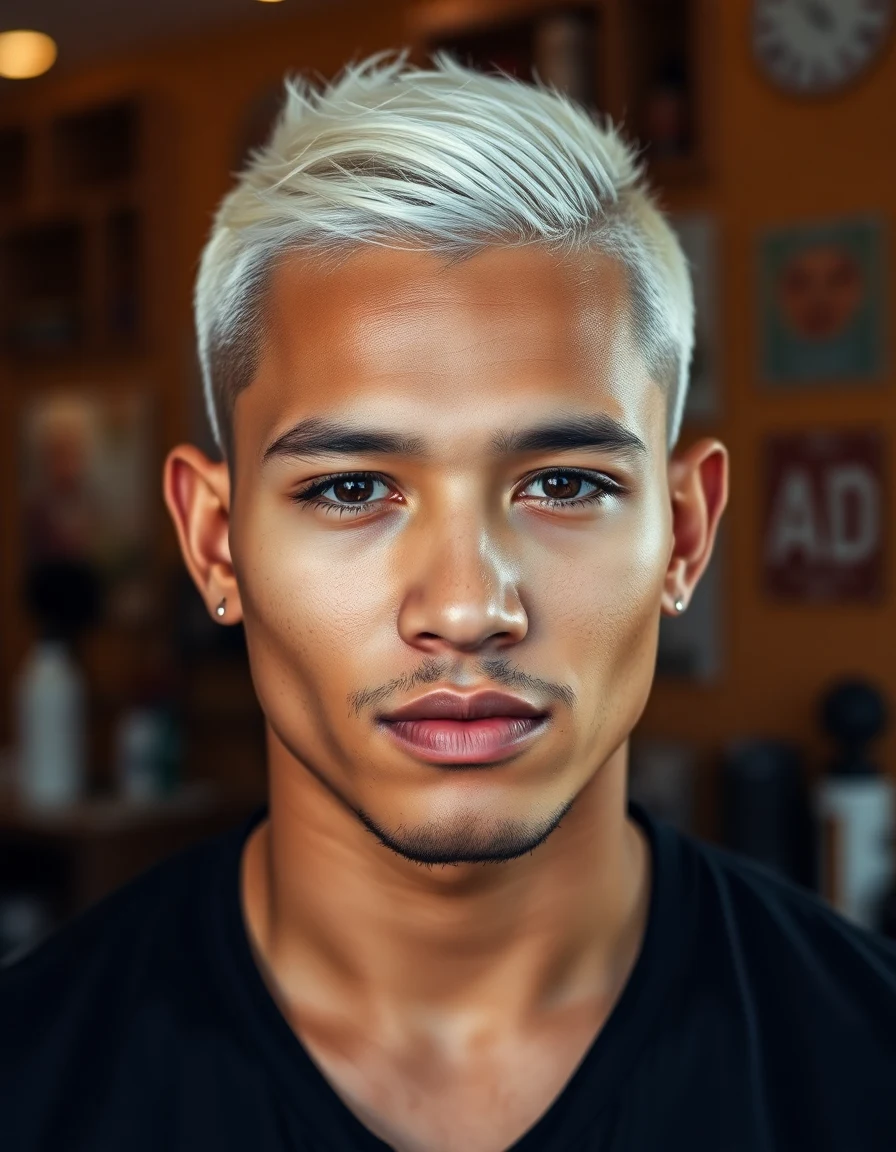
This is the definitive Bad Bunny haircut. A uniform buzz cut, typically a number 1 or number 2 guard, bleached to a cool-toned platinum blonde. On Bad Bunny’s olive to medium-brown skin tone, the platinum creates a dramatic contrast that reads as bold and intentional.
The cut itself is the easiest part. Any barber can execute a clean buzz cut. The challenge is the color. Going from dark Latino hair to platinum white requires serious chemical processing. Natural dark hair has a lot of warm underlying pigment (red, orange, yellow) that must be completely neutralized to achieve a true platinum. This typically requires:
- A professional bleaching session with 20 or 30 volume developer
- Possibly a second bleaching session two to three weeks later if the hair does not lift enough on the first round
- A toner application to neutralize yellow and orange tones (purple-based toner for platinum)
- Bond-repair treatment like Olaplex No. 3 during and after the process
Pro tip from my chair: The advantage of doing this on a buzz cut is that you are working with very little hair, which means less chemical exposure overall and faster processing times. If the bleach damages the hair, you can simply buzz it shorter and start fresh. It is the lowest-risk way to go platinum for the first time.
2. The Modern Mullet
Era: 2022
Difficulty: Moderate (requires a skilled barber who understands layering)
Maintenance: Medium (needs regular trimming to maintain shape)
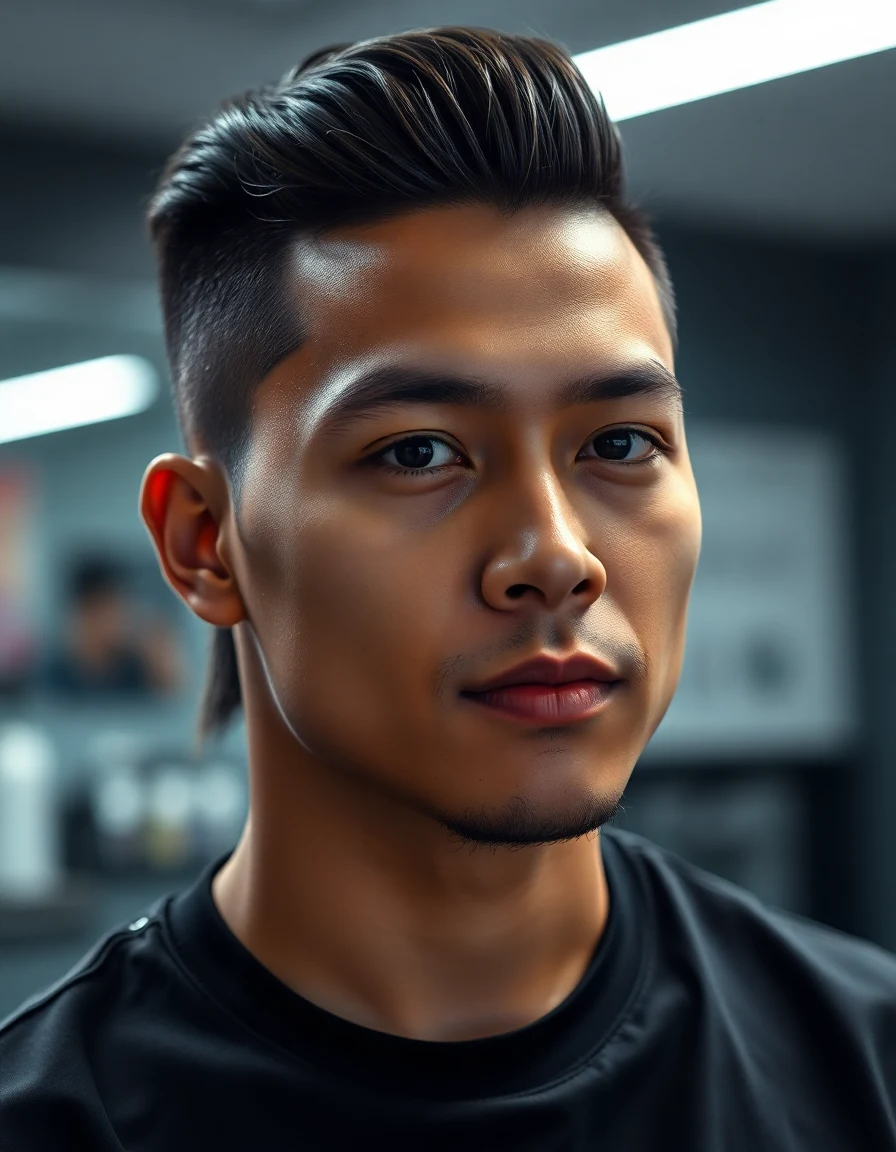
Bad Bunny’s mullet was a masterclass in how to make this controversial style look modern. The key details that separate his mullet from the dated 1980s version:
- Textured top: The top is cut to about 3 to 4 inches with layers that create movement and volume. No helmet-like smoothness.
- Tapered sides: Instead of a hard contrast between short sides and long back, the sides have a gradual taper. This is what makes it feel modern rather than retro.
- Moderate back length: The back extends to the collar or slightly past it. Not an extreme length that looks like a costume.
- Natural texture: He let his natural wave and curl work with the cut rather than straightening or over-styling it. The texture gives the mullet its personality.
On thick Latino hair, the mullet actually works better than on many other hair types. The natural density provides the volume on top that the style needs, and the thickness in the back prevents the “rat tail” look that thin hair can create. If your hair is on the thicker, wavier side of the spectrum, you are an ideal candidate for this cut.
3. The Neon Color Buzz
Era: 2019-2020
Difficulty: High (requires professional bleaching plus color application)
Maintenance: High (vivid colors fade fast and need refreshing)
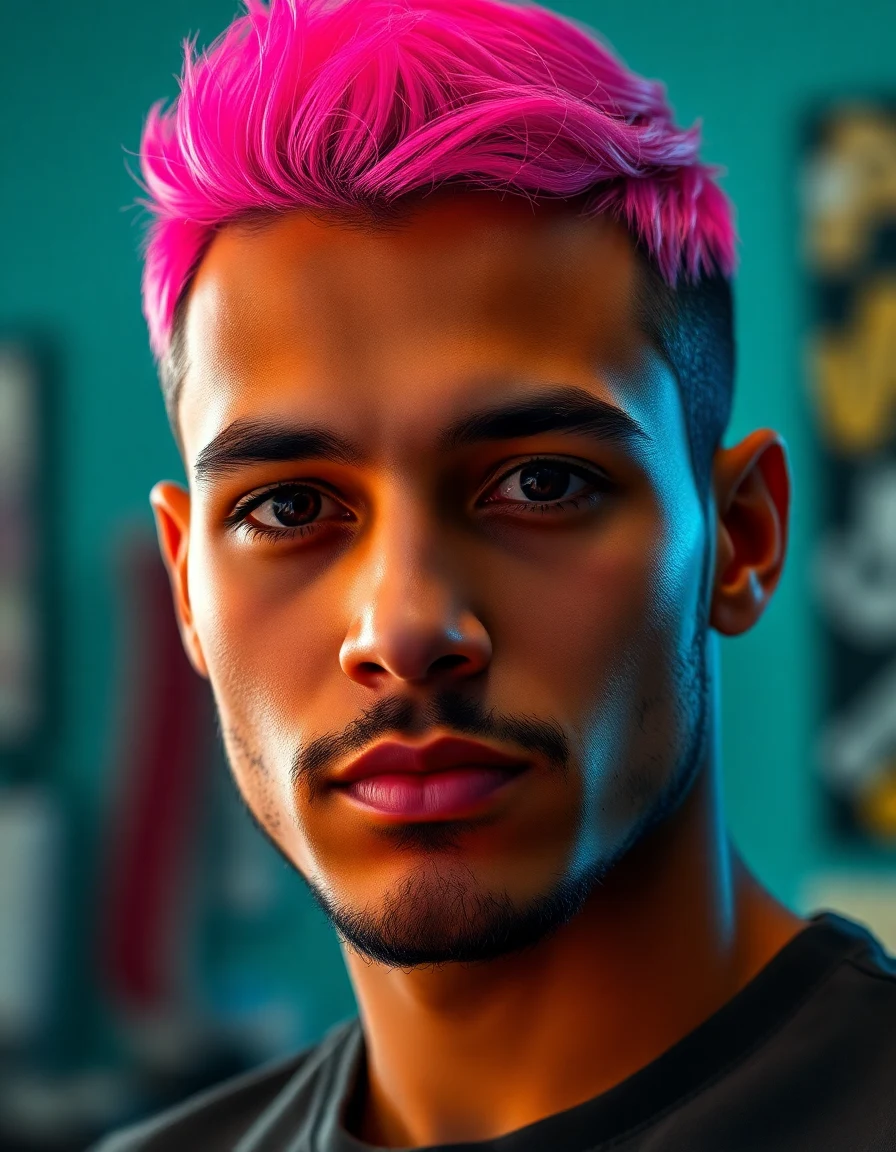
The neon green, pink, and orange phases were Bad Bunny at his most visually daring. To achieve these vivid fashion colors on dark hair, the process involves first bleaching the hair to a very light blonde base (the lighter the base, the more vivid the final color), then applying a semi-permanent fashion color.
Semi-permanent colors like Manic Panic or Arctic Fox are the standard for vivid neon shades. They deposit color without further chemical processing and wash out over four to eight weeks. The short buzz length is advantageous here because the color washes out more evenly on short hair, and you can re-apply a new color without dealing with uneven fading on longer lengths.
The biggest challenge with neon colors on Latino skin tones is finding the right shade. Green tends to work beautifully on warm, olive, and medium-brown skin because the contrast is strong without being unflattering. Pink can work well on cooler skin undertones. Orange and red shades can sometimes blend too closely with warm skin tones, so they need to be especially vivid to read as intentionally dyed rather than just “different.”
4. The Grown-Out Curls
Era: 2020-2021
Difficulty: Low (it is literally growing your hair out)
Maintenance: Medium (requires moisture and patience)
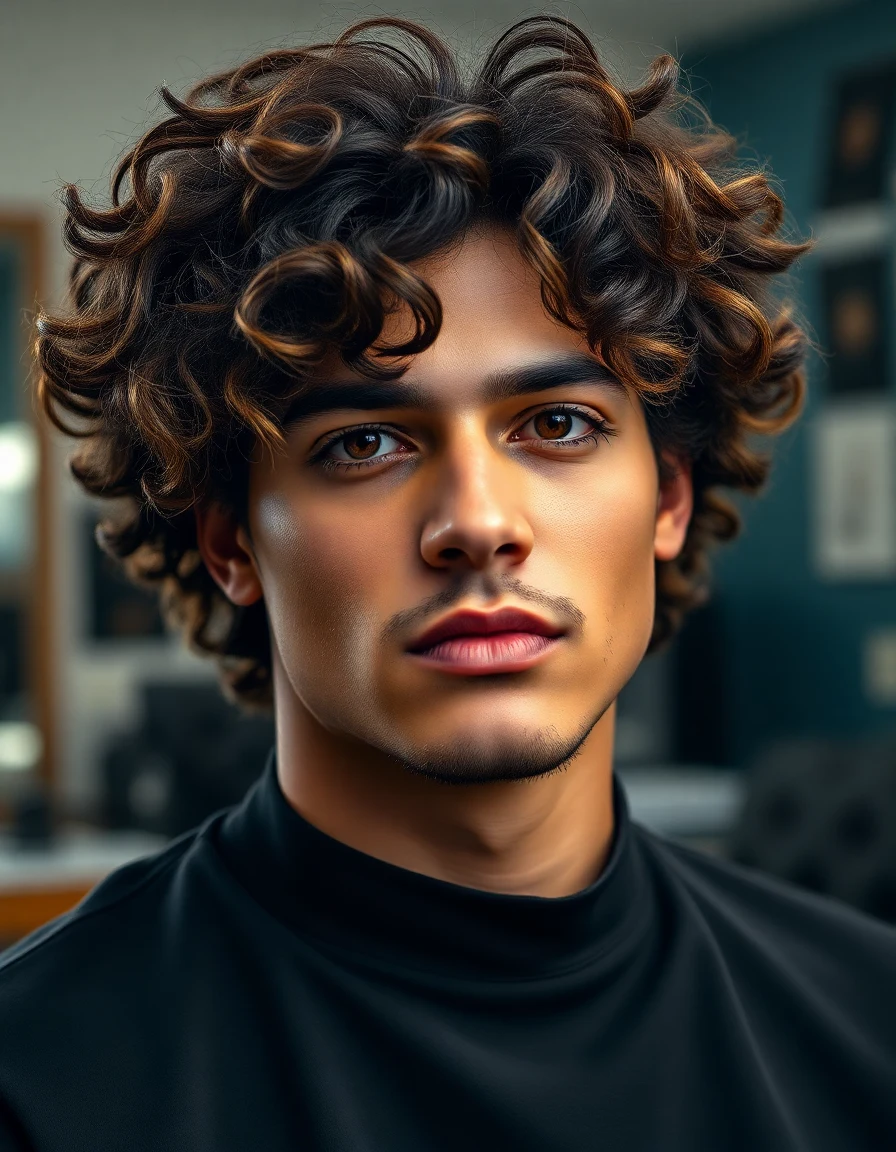
The pandemic-era long hair look requires zero barber skill and maximum patience. Growing out thick, curly Latino hair is an exercise in surviving the awkward stages. Around months two through four, you hit the phase where the hair is too long to look like a buzz cut but too short to tuck behind your ears or pull back. This is where most guys give up. Understanding bad bunny haircut is key to a great grooming routine.
Bad Bunny powered through. And the result, full, shoulder-length dark curls, proved that the wait is worth it. The key to surviving the grow-out phase:
- Keep the sides trimmed: You can taper the sides every three to four weeks while growing the top. This avoids the “mushroom” shape that happens when everything grows at the same rate.
- Moisturize religiously: Curly hair needs hydration. Use a leave-in conditioner like Cantu Shea Butter Leave-In daily. Dry curls become frizzy curls, and frizzy curls become the reason guys cut it all off early.
- Use a wide-tooth comb only: Regular brushes tear through curls and cause breakage. Detangle wet with a wide-tooth comb or your fingers.
- Embrace the awkward phase: Headbands, bandanas, and hats are your friends during months two through five. Bad Bunny used all of them.
5. The Cornrow Braids
Era: 2023-2024
Difficulty: Requires a professional braider (not a barber skill)
Maintenance: Low once installed; lasts two to four weeks
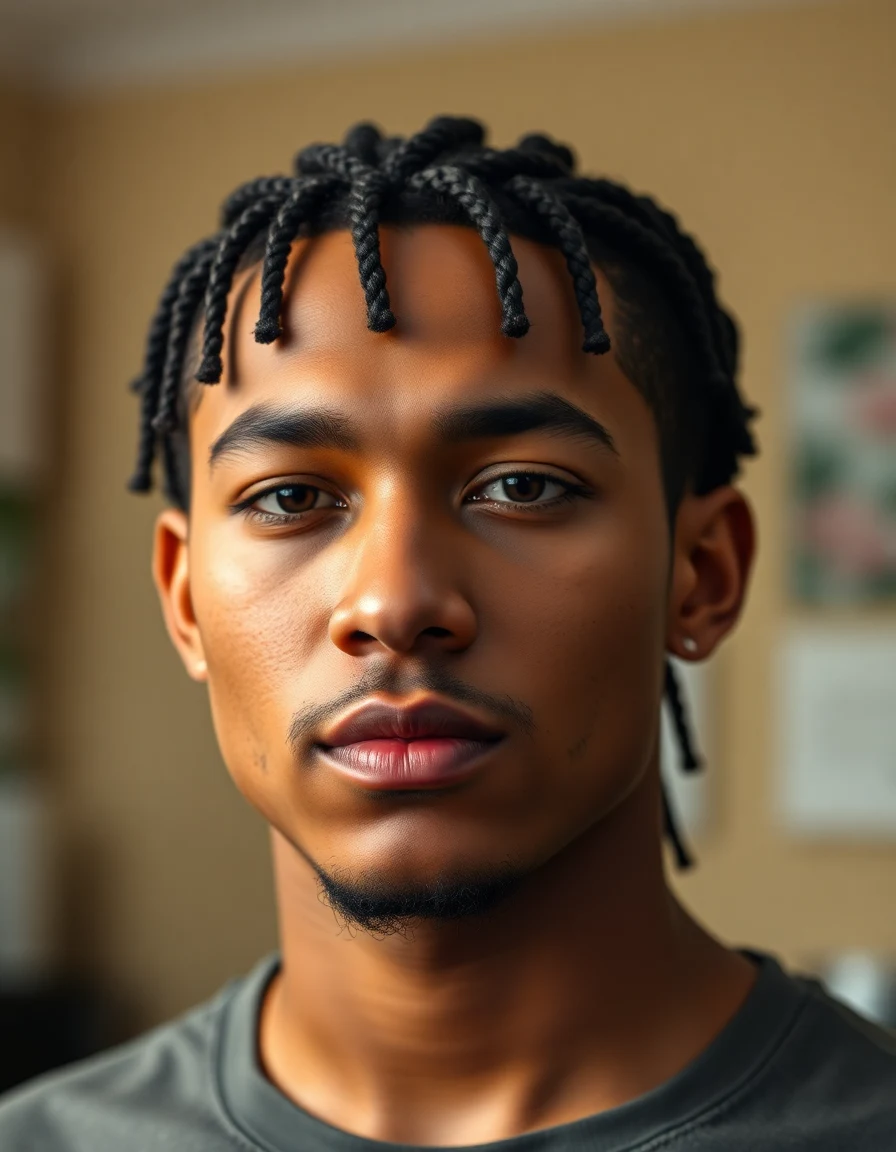
Bad Bunny’s cornrow braids required his hair to be at least 3 to 4 inches long, enough for a braider to grip and create clean, tight rows from front to back. The style showcased the versatility of Caribbean hair textures, particularly the curlier and coilier textures common among Puerto Rican men with stronger Afro-Caribbean heritage.
To get this look, you need to visit a professional braider rather than a traditional barber. Most barbershops do not offer braiding services. Look for braiding salons or stylists who specialize in protective styles. The process takes one to three hours depending on the size and number of braids, and the style lasts two to four weeks before needing a redo.
Maintenance involves wrapping the braids with a durag or silk scarf at night to prevent frizzing, and moisturizing the scalp with a light oil every couple of days. When it is time to take the braids out, be gentle. Pulling or yanking can cause breakage at the root.
How to Get Each Look: Barber Scripts in English and Spanish
One of the biggest challenges in getting a celebrity-inspired cut is the communication gap between what you want and what you tell your barber. Showing a photo helps, but being able to describe the cut in technical terms gets you much closer to the result you want. Here are the exact phrases to use for each Bad Bunny look, in both English and Spanish, because I know many of my readers get their cuts at Spanish-speaking barberías. For more general tips on barber communication, read our how to ask for a haircut guide.
For the Platinum Buzz Cut
English: “I want a buzz cut all over with a number 1 [or number 2] guard. Sharp lineup at the forehead and temples. Then I want to go platinum blonde, so I will need a separate appointment with a colorist for the bleaching.”
Spanish: “Quiero un corte rapado parejo con máquina número uno [o número dos]. Línea bien definida en la frente y las sienes. Después quiero decolorarlo a platino, así que necesito cita aparte con un colorista.”
For the Mullet
English: “I want a modern mullet. Textured layers on top, about 3 to 4 inches. Taper the sides, not a hard fade, just a gradual blend. Leave the back long, about to my collar. I want it to look intentional and layered, not like a grow-out.”
Spanish: “Quiero un mullet moderno. Capas con textura arriba, como tres a cuatro pulgadas. Los lados con taper gradual, sin skin fade, solo un degradado suave. Deja la parte de atrás larga hasta el cuello. Quiero que se vea intencional, con capas, no como pelo crecido sin cortar.”
For the Neon Color Buzz
English: “I want a short buzz, number 2 guard, with a clean lineup. Then I need it bleached to a pale yellow or white base first, and after that I want [green/pink/orange] semi-permanent color on top. I know it takes two appointments.”
Spanish: “Quiero un rapado corto, número dos, con línea limpia. Primero necesito decolorarlo hasta que quede amarillo claro o blanco, y después quiero color semipermanente [verde/rosa/naranja] encima. Sé que son dos citas.”
For the Grown-Out Curls
English: “I am growing my hair out. I want to keep the top length and just clean up the sides with a taper to keep it looking intentional. Take off any split ends on top but do not reduce the length.”
Spanish: “Estoy dejando crecer el pelo. Quiero mantener el largo de arriba y solo limpiar los lados con un taper para que se vea bien. Corta las puntas dañadas arriba pero no me quites largo.”
For the Cornrow Braids
English: “I want straight-back cornrows, medium size, from my hairline to the back. Keep the rows even and clean. I want a fresh edge-up at the front before we start.”
Spanish: “Quiero trenzas pegadas al cráneo (cornrows) de adelante hacia atrás, tamaño mediano. Que las filas queden parejas y limpias. Primero quíero un delineado fresco en la frente antes de empezar.”
Best Products for Bad Bunny-Inspired Styles
Each Bad Bunny haircut era requires different products. Here is my professional recommendation for each look, all of which I have tested on clients with thick Latino hair. For a broader look at styling products for our hair type, check our best pomade for Hispanic hair guide.
For the Buzz Cut (Natural or Bleached)
- Wahl Professional 5 Star Magic Clip for at-home touch-ups between barber visits. This clipper handles thick Latino hair effortlessly and the adjustable blade lets you dial in the exact length.
- Andis Professional T-Outliner for maintaining your lineup between cuts. A sharp lineup is what separates a buzz cut that looks intentional from one that looks lazy.
- Purple shampoo (for bleached versions) to keep the platinum tone cool and prevent yellowing. Use it every other wash.
- Olaplex No. 3 Hair Perfector as a weekly treatment to repair bonds damaged by bleaching. This is not optional if you are going platinum; it is essential.
For the Mullet
- Suavecito Pomade Original Hold for styling the textured top. Suavecito was born in Latino barbershop culture, washes out cleanly, and provides the medium hold and natural finish that the modern mullet demands.
- Sea salt spray for enhancing the natural wave and creating that effortless, lived-in texture on both the top and the longer back section.
- Moroccanoil Treatment for the longer back section to keep it smooth, shiny, and free of frizz. A drop of argan oil through the ends makes a massive difference in how the back of a mullet looks.
For the Neon Colors
- Manic Panic Semi-Permanent Color in your shade of choice. Manic Panic has been the go-to for vivid fashion colors for decades. It is vegan, does not contain harsh chemicals beyond what is already in the bleach, and the color deposits are vibrant.
- Arctic Fox Semi-Permanent Color as an alternative. Arctic Fox tends to last slightly longer than Manic Panic (six to eight weeks vs. four to six) and the color payoff is excellent on pre-lightened hair.
- Color-safe shampoo (sulfate-free) to extend the life of your vivid color. Regular shampoo strips semi-permanent color in half the time.
For the Grown-Out Curls
- Cantu Shea Butter Leave-In Conditioner for daily moisture. This is the single most important product for growing out curly Latino hair. Apply to damp hair, scrunch, and let air dry for defined, hydrated curls.
- Wide-tooth comb or detangling brush for wet-only detangling. Never brush curly hair when dry.
- Microfiber towel or cotton t-shirt for drying. Regular terry cloth towels cause frizz on curly hair. The smooth surface of microfiber or cotton reduces friction and preserves curl definition.
For the Braids
- Light scalp oil (jojoba or argan) applied every two to three days along the parts between braids. This prevents dryness and itching.
- Silk or satin pillowcase (or a durag) for sleeping. Cotton pillowcases pull moisture from braids and cause frizzing at the roots.
- Edge control gel for maintaining clean edges around the hairline between braider visits.
Why These Cuts Work for Latino Hair
There is a reason Bad Bunny’s hair looks have been so widely imitated among Latino men specifically, and it goes beyond cultural identification. The physical properties of typical Latino hair make it exceptionally well-suited for nearly every style in his rotation.
Density: Latino hair, particularly Caribbean and Mexican hair, tends to be denser (more hairs per square inch) than many other ethnic hair types. This density is what makes a buzz cut look full rather than sparse, gives a mullet its body, and allows curls to achieve impressive volume. Bad Bunny’s hair looks as good as it does partly because his natural density is working in his favor at every length.
Thickness: Individual Latino hair strands tend to be thicker in diameter than European or Asian hair. Thicker strands hold color better (more cortex to absorb pigment), maintain shape longer when styled, and resist the limp, flat look that thin hair can fall into. This is why the mullet looks so good on Latino guys; the thick strands maintain the layered shape all day.
Texture variety: As we discuss in our Latino men’s haircuts guide, the range of textures in the Latino community is enormous. Straight, wavy, curly, coily. Bad Bunny sits somewhere in the wavy-to-curly range, which is the most common texture among Puerto Rican men. This texture adds natural movement and visual interest to every style, from the shortest buzz to the longest grow-out.
Resilience: Thick, dense hair is more resistant to chemical damage than fine hair. This is part of why Bad Bunny could cycle through bleach, color, bleach again, and color again without his hair completely giving out. It is not invincible; any hair will break down under enough chemical processing. But Latino hair gives you more room to experiment before you hit the damage threshold.
That said, resilience is not an excuse to skip aftercare. If you are going to follow Bad Bunny’s color journey, invest in bond-repair treatments, deep conditioning masks, and quality sulfate-free shampoo. The goal is to push boundaries without destroying your hair in the process. For barber tool recommendations specific to our hair type, our guide on the best clippers for Latino hair is the definitive resource. When it comes to bad bunny haircut, technique matters most.
The Cultural Conversation: Machismo, Self-Expression, and Hair
I want to take a moment to address something that comes up constantly in my chair. Young Latino guys come in wanting a bold style, sometimes inspired by Bad Bunny, sometimes by another artist or influencer, and they hesitate. They want the bleach, or the color, or the longer length, but they are worried about what their father will say. What their coworkers will think. Whether it makes them look “less masculine.”
This is the machismo conversation, and Bad Bunny has been at the center of it. Traditional Latino machismo defines masculinity through toughness, stoicism, and adherence to certain appearance standards. Dyed hair, long hair, painted nails: these were outside the boundaries. Bad Bunny did not just step outside those boundaries; he demolished them while selling out the largest stadiums in the world.
The message is clear: your hair does not define your masculinity. Your character does. And I have seen this message land with my clients. Fathers who would have been horrified five years ago now come in with their teenage sons asking about the Bad Bunny mullet. Professionals who maintain conservative cuts during the workweek ask about subtle color for the weekend. The conversation has shifted, and Bad Bunny is a primary reason why.
If you are on the fence about trying something new with your hair, remember that every single one of Bad Bunny’s styles is temporary. Hair grows back. Color washes out. A buzz cut resets everything in ten minutes. The risk of trying something bold is remarkably low compared to the reward of finding a look that genuinely makes you feel like yourself.
Cost Breakdown: What to Expect
Let me give you realistic pricing so you are not caught off guard at the register. These are averages based on US salon and barbershop pricing in 2025-2026. Prices vary significantly by city, with New York, LA, and Miami trending higher.
| Style | Cut Cost | Color Cost | Total | Maintenance Frequency |
|---|---|---|---|---|
| Platinum Buzz Cut | $25-$45 | $150-$350 | $175-$395 | Cut every 2 weeks; roots every 3-4 weeks |
| Modern Mullet | $35-$60 | N/A (natural) | $35-$60 | Shape-up every 3-4 weeks |
| Neon Color Buzz | $25-$45 | $200-$400 | $225-$445 | Cut every 2 weeks; recolor every 4-6 weeks |
| Grown-Out Curls | $30-$50 (maintenance trim) | N/A | $30-$50 | Trim every 6-8 weeks |
| Cornrow Braids | $50-$150 (braiding) | N/A | $50-$150 | Redo every 2-4 weeks |
| Buzz with Shaved Design | $35-$65 | $150-$350 (if bleached) | $35-$415 | Design fades in 1-2 weeks |
The most expensive commitment is the platinum color maintenance. Expect to spend $100 to $200 per month on root touch-ups and toner if you want to keep a bleached buzz looking fresh. The most affordable option is the natural grown-out curls, which only requires periodic trims and quality hair products.
Common Mistakes to Avoid
I have seen every possible Bad Bunny haircut attempt, including the ones that go wrong. Here are the most common mistakes and how to avoid them.
- DIY bleaching on dark hair. This is the number one mistake. Box bleach from the drugstore does not have the strength or precision to take dark Latino hair to platinum without turning it orange or causing breakage. Always use a professional colorist for the initial bleach. The $150-$350 you spend is insurance against a disaster that would cost even more to fix.
- Going platinum in one session. Some clients want to walk into the salon with dark hair and walk out platinum. On very dark hair, this requires the colorist to use a higher volume developer for longer, which dramatically increases damage. Two sessions spaced two to three weeks apart is always the safer path.
- Neglecting the lineup. A Bad Bunny buzz cut without a sharp lineup looks unfinished. The lineup is what transforms a “I just woke up” buzz into a deliberate style choice. Invest in a quality trimmer like the Andis T-Outliner to maintain your lineup between barber visits.
- Asking for the mullet too short. The modern mullet needs length in the back to work. If you are starting from a buzz cut, you need at least three to four months of growth before a barber can shape it into a proper mullet. Do not try to force it before you have enough hair to work with.
- Skipping the grow-out plan. Going from a buzz to long hair is a six to twelve month commitment. Without a plan (regular side trims, moisture routine, patience), you will end up in a no-man’s land that looks messy rather than intentional.
- Using the wrong products on colored hair. Sulfate shampoos strip semi-permanent color in a fraction of the time. Hot water accelerates fading. If you invest $200+ in a color treatment and then wash with whatever shampoo is in the shower, you are throwing money away.
Bad Bunny vs. Other Latino Hair Icons
Bad Bunny is not the only Latino artist influencing men’s hair right now, but his impact is uniquely broad. Here is how he compares to other major influences.
Bad Bunny vs. Maluma: Maluma has been a hair icon in his own right, particularly with his slicked-back medium-length looks and his brief mohawk phase. But Maluma’s styles tend to stay within a more conventional “handsome leading man” range. Bad Bunny pushes further into experimental territory with the neon colors and braids. Maluma appeals to guys who want to look polished; Bad Bunny appeals to guys who want to look fearless.
Bad Bunny vs. J Balvin: J Balvin was actually one of the first reggaeton artists to embrace vivid hair color, going through bright red, rainbow, and blue phases before Bad Bunny. However, J Balvin treated his hair color as more of a fashion accessory, changing it to match album aesthetics. Bad Bunny’s hair feels more personal, more tied to his identity and mood. Both have influenced Latino men to experiment with color, but Bad Bunny’s broader mainstream reach (he has crossed over into English-language pop, acting, and professional wrestling) means his influence reaches further.
Bad Bunny vs. the Edgar Cut Trend: The Edgar haircut is the other massive Latino hair trend of the 2020s, but it comes from a completely different place. The Edgar is rooted in Mexican American and Chicano barber culture, driven by social media barbers and everyday guys rather than a single celebrity. Bad Bunny has never worn an Edgar. They represent two different branches of modern Latino grooming: the Edgar is community-generated; the Bad Bunny look is celebrity-generated. Both are valid. Both have reshaped the landscape.
FAQ: Bad Bunny Haircut Questions
What is Bad Bunny’s most popular haircut?
The bleached platinum buzz cut is Bad Bunny’s most iconic and widely requested haircut. He first debuted this look around 2017-2018 and has returned to variations of it multiple times throughout his career. It is achievable at most barbershops and salons, and it works especially well on thick Latino hair textures. The simplicity of the cut combined with the boldness of the color is what makes it so popular.
How do I ask my barber for a Bad Bunny haircut?
Always start by showing your barber a reference photo of the specific Bad Bunny era you want to replicate. For the buzz cut, ask for a number 1 or number 2 guard all over with a sharp lineup. For the mullet, request short textured layers on top with length kept in the back and tapered sides. For colored styles, consult a professional colorist separately before or after the cut. Detailed barber scripts in English and Spanish for each look are included in the “How to Get Each Look” section above.
Can I get Bad Bunny’s bleached hair on dark Latino hair?
Yes, but it absolutely requires professional bleaching. Dark Latino hair typically needs two to three lightening sessions spaced two to three weeks apart to reach platinum without causing severe damage. The key is patience and proper aftercare. Always use a professional colorist rather than box bleach, and invest in bond-repair products like Olaplex No. 3 between sessions. The short buzz length actually makes the process easier and less damaging because there is less hair to process.
What products does Bad Bunny use in his hair?
Bad Bunny has not publicly endorsed or revealed a specific hair product routine. Based on his styled looks, his hairstylist likely uses matte pomades for textured styles, strong-hold gel for slicked editorial looks, and professional-grade color-safe shampoo and conditioner for his dyed hair. For your own Bad Bunny-inspired styles, the product recommendations in this guide are tailored to the specific needs of each look on Latino hair textures.
How much does it cost to get a Bad Bunny-style haircut?
Costs vary widely depending on the style. A basic buzz cut or fade runs $25 to $50 at most barbershops. If you want the bleached platinum color, expect to add $150 to $400 for the initial bleaching depending on your starting hair color and your salon’s pricing. Specialty styles like braids cost $50 to $150 for the braiding service. A mullet with color can run $100 to $300 total for the cut and color combined. See the full cost breakdown table above for detailed pricing by style.
Will bleaching damage my hair?
Bleaching does cause some structural damage because it opens the hair cuticle to strip natural pigment. However, thick Latino hair is generally resilient enough to handle bleaching when done correctly by a professional. The keys to minimizing damage are: use a professional colorist (never DIY), space lightening sessions two to three weeks apart, use bond-building treatments during and after processing, deep condition weekly, and switch to sulfate-free shampoo. Many clients successfully maintain bleached hair for months with proper care.
How often do I need to maintain a Bad Bunny-style buzz cut?
A buzz cut grows out noticeably within two to three weeks. For the cleanest look, plan on visiting your barber every two weeks for a trim and lineup. If you have the bleached version, you will also need root touch-ups every three to four weeks to maintain the platinum color as your dark natural roots grow in. Budget for biweekly barber visits and monthly color maintenance to keep the look sharp.
Final Thoughts: Finding Your Own Benito Era
The greatest thing Bad Bunny has done for Latino grooming is not any single haircut. It is the permission he has given an entire generation to treat their hair as a form of self-expression. Before Benito, the menu of acceptable Latino men’s hairstyles was relatively narrow. After Benito, the menu is infinite.
You do not have to replicate his exact looks. Maybe you take inspiration from the mullet but add your own spin. Maybe the bleached buzz appeals to you but in a warm honey blonde instead of icy platinum. Maybe you just want to grow your hair out for the first time and needed to see someone who looks like you pull it off before you committed.
Whatever version of the Bad Bunny haircut speaks to you, the process starts in the barber chair. Bring your reference photos. Use the barber scripts in this guide. Invest in the right products for your chosen style. And most importantly, commit to the look with the same confidence that Benito brings to every single one of his.
The types of fades and cuts available today are more diverse than ever, and the skin fade techniques coming out of Latino barbershops continue to evolve. If Bad Bunny’s journey teaches us anything, it is that the best hairstyle is the one that makes you feel like the most authentic version of yourself. Now go find it.
Carlos Espinoza is a licensed master barber based in East Los Angeles with over 15 years of experience specializing in Latino hair textures and cultural grooming traditions. Follow CulturedGrooming.com for more guides on haircuts, products, and grooming advice tailored to diverse hair types.
Further reading: For research-backed grooming advice, see Healthline Men’s Health.
Frequently Asked Questions
What is Bad Bunny’s most popular haircut?
Bad Bunny’s bleached platinum buzz cut is arguably his most iconic look, which he debuted around 2017-2018 and has revisited multiple times. This style works especially well on thick Latino hair textures and is achievable at most barbershops. For this look, ask your barber for a number 1 or 2 guard all over with a sharp lineup.
How do I maintain a Bad Bunny haircut between barber visits?
You’ll need to trim your hair every 2-3 weeks to maintain the sharp edges and clean lines of a Bad Bunny-style cut. Use professional clippers like the Andis Professional T-Outliner or Wahl Magic Clip at home for touch-ups, and apply a freeze spray like Got2b Glued for styling hold if you’re going for a textured look.
Can I get a Bad Bunny haircut if I have curly or textured hair?
Yes, many of Bad Bunny’s styles work beautifully with textured and curly hair, especially his faded cuts and mullet variations. You can ask your barber for a curly hair fade that keeps texture on top while maintaining clean sides, similar to looks he’s worn during different eras of his career.
What products should I use to style a Bad Bunny-inspired look?
For hold and shine, use pomades like Suavecito Original Hold which works well on Latino hair, or apply freeze sprays like Got2b Glued for a more textured, piece-y style. If you want to bleach your hair like Bad Bunny, use professional color products and deep conditioning treatments like Olaplex No. 3 to maintain hair health.