
If you want to master bald fade vs skin fade, this guide covers everything you need to know. Last updated: February 2026 by Marcus Chen-Williams, Editor-in-Chief
If you have been searching bald fade vs skin fade trying to figure out the difference, here is the short answer: they are the same haircut. Both take the hair on your sides and back all the way down to bare skin and blend it seamlessly upward into whatever length you keep on top. The only real difference is the name, and which name you hear depends on where you get your hair cut and the barbering tradition your barber comes from.
That said, this is a topic worth unpacking. The terminology tells a story about barbering culture, regional traditions, and how styles move between communities. I have sat in barbershops from Harlem to Koreatown to Shoreditch, and the language around this cut is different in every chair. Understanding the terminology helps you communicate clearly with any barber, regardless of their background.
This guide covers the technical definition of both terms, where each name comes from, how barbers actually execute the cut, the variations within this style, and exactly how to ask for what you want. I will also break down the related fades that are often confused with both, including the zero fade and the razor fade.
The Short Answer: Same Cut, Different Name: Bald Fade Vs Skin Fade
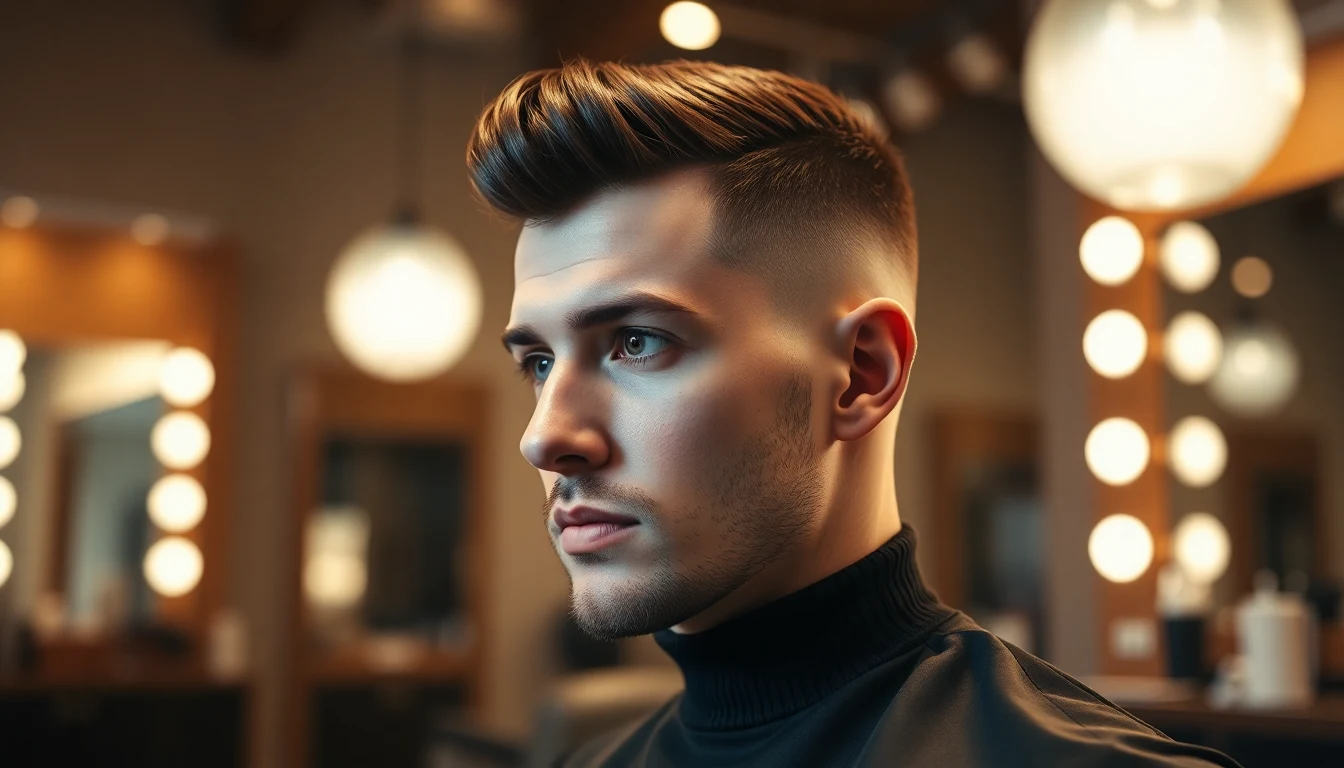
Let me get this out of the way clearly: a bald fade and a skin fade are the same haircut. The technique is identical. The result is identical. The tools are identical. You are looking at a fade that takes hair all the way down to bare skin at its lowest point, with a seamless gradient blending upward through increasingly longer clipper guard lengths until it reaches the hair on top.
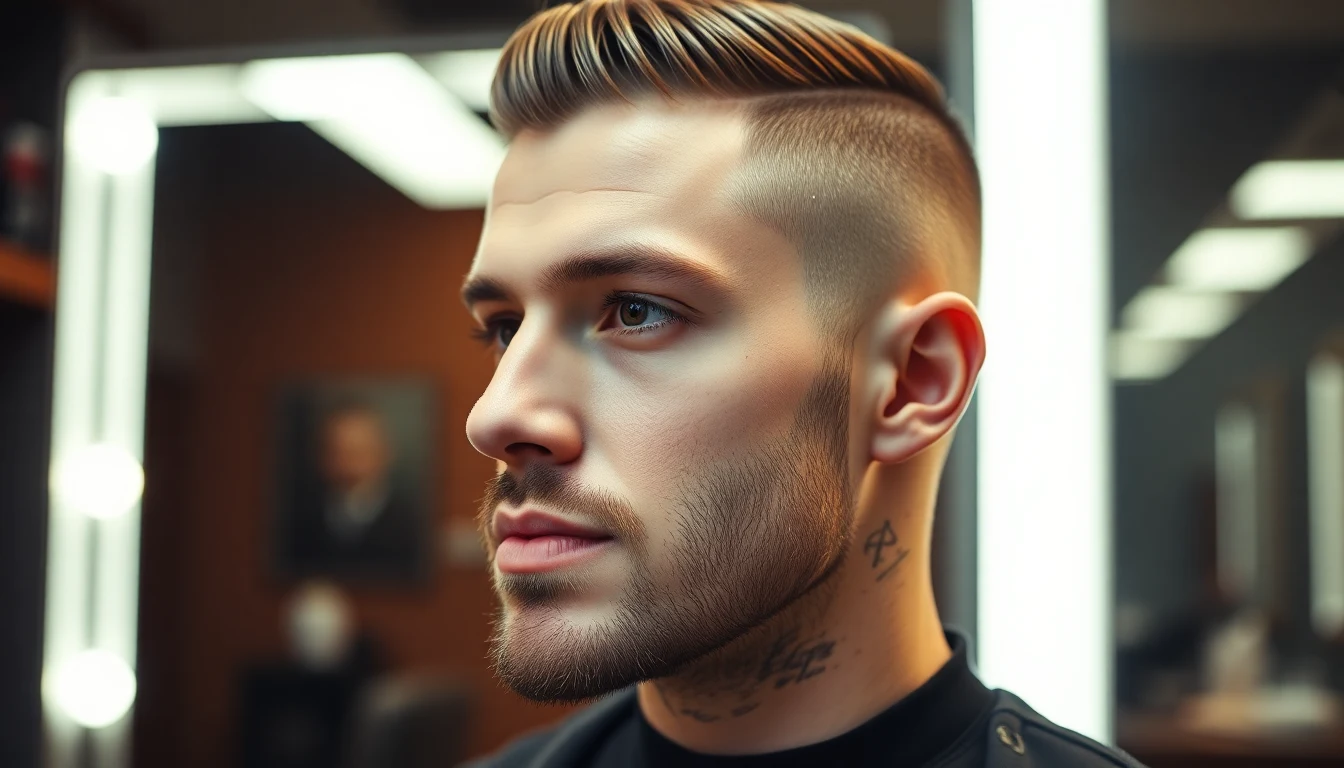
If you ask a barber for a “bald fade” and another barber for a “skin fade,” and both barbers are skilled, you will walk out with the same cut. The terminology difference is about culture and tradition, not technique.
Here is the comparison for clarity:
| Feature | Bald Fade | Skin Fade |
|---|---|---|
| Shortest length | Bare skin (0mm) | Bare skin (0mm) |
| Blending technique | Clipper + foil shaver/razor | Clipper + foil shaver/razor |
| Final result | Seamless skin-to-hair gradient | Seamless skin-to-hair gradient |
| Where the term is common | Black barbershops, urban culture, US (esp. East Coast) | Mainstream barbershops, European shops, social media |
| When the term emerged | 1980s-1990s | 2010s (mainstream adoption) |
| Variations | Low, mid, high bald fade | Low, mid, high skin fade |
| Maintenance schedule | Every 1-2 weeks | Every 1-2 weeks |
The rest of this article explains why two names exist for the same cut, because the history is genuinely interesting and understanding it helps you navigate any barbershop with confidence.
Why Two Names Exist: A Brief History of the Fade
The fade haircut has roots in the Black American barbering tradition, dating back to at least the 1940s and 1950s. It evolved through decades of innovation in Black barbershops, and by the 1980s and 1990s, the fade in all its variations was a cornerstone of Black male style. During that era, the term “bald fade” described a fade that went all the way to the skin. It was the standard terminology in Black barbershops across America.
The fade started crossing into mainstream barbering culture more aggressively in the 2000s and 2010s, driven by social media, celebrity styles, and a new generation of barbers trained in diverse techniques. As mainstream and European barbers adopted the style, they gravitated toward the term “skin fade.” Instagram and YouTube tutorials accelerated this, and “skin fade” became the dominant term in the broader barbering industry.
Here is the thing that is important to acknowledge: “bald fade” is not an older or outdated term that was replaced by “skin fade.” Both terms are in active use today. “Bald fade” remains the standard in many Black barbershops. “Skin fade” is more common in mainstream and European barbershops. Neither term is more correct than the other. They describe the same thing from different cultural starting points.
Growing up between Chinese and Black grooming cultures, I saw this pattern repeat across many styles. The technique originates in one community, spreads to others, and picks up new terminology along the way. The important thing is understanding that both terms point to the same cut, so you can walk into any barbershop and get what you want.
The Technical Definition: What Both Terms Actually Describe
Whether you call it a bald fade or a skin fade, the technical execution involves the same steps and tools. Understanding the technique helps you evaluate your barber’s skill and communicate your preferences more precisely.
The Core Technique
A bald fade / skin fade is defined by one feature: the hair at the lowest point of the fade is taken down to bare skin. This distinguishes it from a standard fade (which might stop at a #1 or #0.5 guard) and a taper fade (which blends gradually without necessarily going to skin). Mastering bald fade vs skin fade takes practice but delivers great results. Mastering bald fade vs skin fade takes practice but delivers great results.
The barber creates a seamless gradient from skin (0mm) through progressively longer clipper guard lengths until reaching the desired length on top. The transition zone, where the blend happens, typically covers about one to two inches of vertical space on the head, though this varies by fade placement.
Tools Required
| Tool | Purpose | Example |
|---|---|---|
| Professional clipper | Primary blending through guard lengths | Wahl 5 Star Senior, Andis Master Cordless |
| Detail trimmer | Close work at the lowest guard lengths | BaBylissPRO GoldFX, Andis Slimline Pro Li |
| Foil shaver | Taking hair to bare skin level | Andis ProFoil, BaBylissPRO FOILFX02 |
| Straight razor (optional) | Cleanest possible skin finish | Feather Artist Club, Dovo Shavette |
The Step-by-Step Process
Here is what a skilled barber does when executing a bald fade or skin fade, regardless of which term they use:
- Establish the guideline. The barber determines where the fade will sit (low, mid, or high) and creates a line at that point using the clipper without a guard or at a #1 guard. This line marks where the blending begins.
- Remove bulk below the guideline. Everything below the guideline is taken down to a very short length using progressively shorter guards. This removes the bulk so the blending work can begin.
- Blend through guard lengths. Starting from the guideline and working downward, the barber uses a sequence of decreasing guard lengths (#2, #1.5, #1, #0.5, #0) to create a smooth gradient. Each guard change is blended into the previous length using small, careful clipper strokes.
- Open and close the clipper lever. Most professional clippers have an adjustable lever that changes the blade length by about half a guard increment. Skilled barbers use this lever constantly during blending to create micro-transitions between guard lengths. This is what separates a good fade from a great one.
- Take it to skin. After reaching the shortest clipper length, the barber uses a foil shaver to take the lowest portion to bare skin. Some barbers finish with a straight razor for the cleanest possible line. This is the step that defines the bald fade / skin fade.
- Detail the edges. The barber cleans up the hairline, sideburns, and neckline using the detail trimmer. This creates the sharp lines that frame the fade.
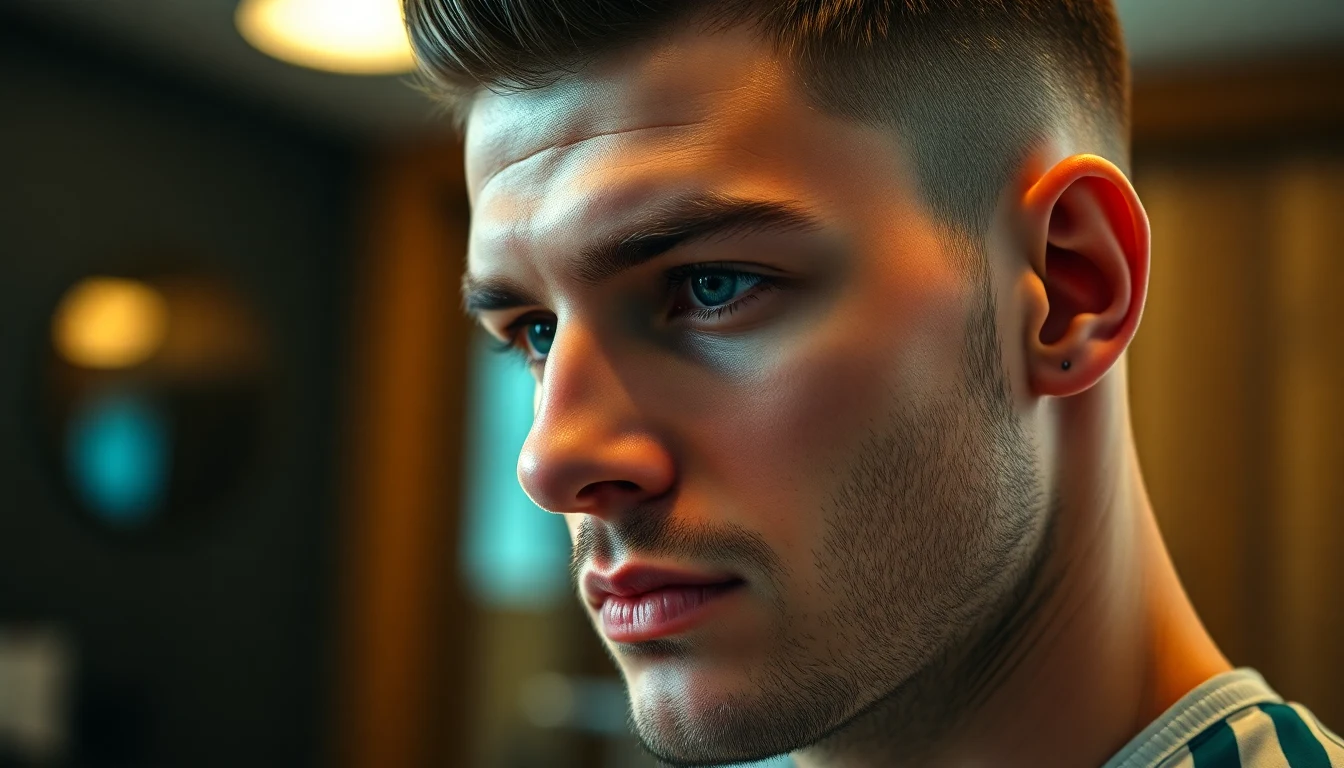
The entire process takes a skilled barber about 20 to 40 minutes, depending on hair type, density, and how meticulous they are with the blend. If you want to see this process in action with the right clippers, it is worth watching your barber work in the mirror. You will quickly learn to distinguish between a barber who rushes through the guard changes and one who takes the time to blend properly.
Regional Terminology: Who Says What and Where
The terminology split is not random. It follows clear cultural and geographic patterns that reflect how the fade spread through different barbering communities.
Where “Bald Fade” Is Standard
- Black barbershops across the US. This is the original home of the term. If you sit down in a Black-owned barbershop in Atlanta, Chicago, Detroit, New York, or any other major US city, “bald fade” is the standard terminology. It has been for decades.
- Latino barbershops in the US. Many Latino barbershops, particularly those influenced by Black barbering culture, also use “bald fade” as the primary term. The cultural exchange between Black and Latino grooming traditions in cities like New York, Miami, and Los Angeles created a shared vocabulary.
- Caribbean barbershops. Barbering culture in Jamaica, Trinidad, the Dominican Republic, and other Caribbean nations tends to use “bald fade” or “skin out” to describe this cut.
- Older barbers regardless of background. Barbers who have been cutting hair for 20+ years, regardless of their own background, often use “bald fade” because that was the term when they learned the technique.
Where “Skin Fade” Is Standard
- European barbershops. The modern barber revival in the UK, the Netherlands, Spain, and other European countries popularized “skin fade” as the standard term. British barbers in particular drove this terminology through social media.
- Mainstream and chain barbershops in the US. As the fade moved into mainstream barbering, “skin fade” became the more commonly used term in shops that serve a general clientele.
- Asian barbershops. Korean, Japanese, and other Asian barbershops that have adopted the fade tend to use “skin fade,” reflecting the international barbering terminology that spread through Instagram and YouTube.
- Social media and YouTube tutorials. The majority of English-language barbering content on Instagram and YouTube uses “skin fade.” This has made it the default term for younger barbers and clients who learned about fades online.
- Australian and New Zealand barbershops. “Skin fade” is the dominant term in Australasian barbering.
The Takeaway for You
When you walk into a barbershop, you do not need to guess which term to use. Say either one. If you ask for a “bald fade” in a shop that uses “skin fade,” your barber will understand. And vice versa. If there is any confusion, the clarifying phrase is simple: “I want it taken all the way down to the skin.” That removes any ambiguity regardless of terminology. For more guidance, GQ provides expert resources on men’s grooming.
Variations Within the Bald Fade / Skin Fade
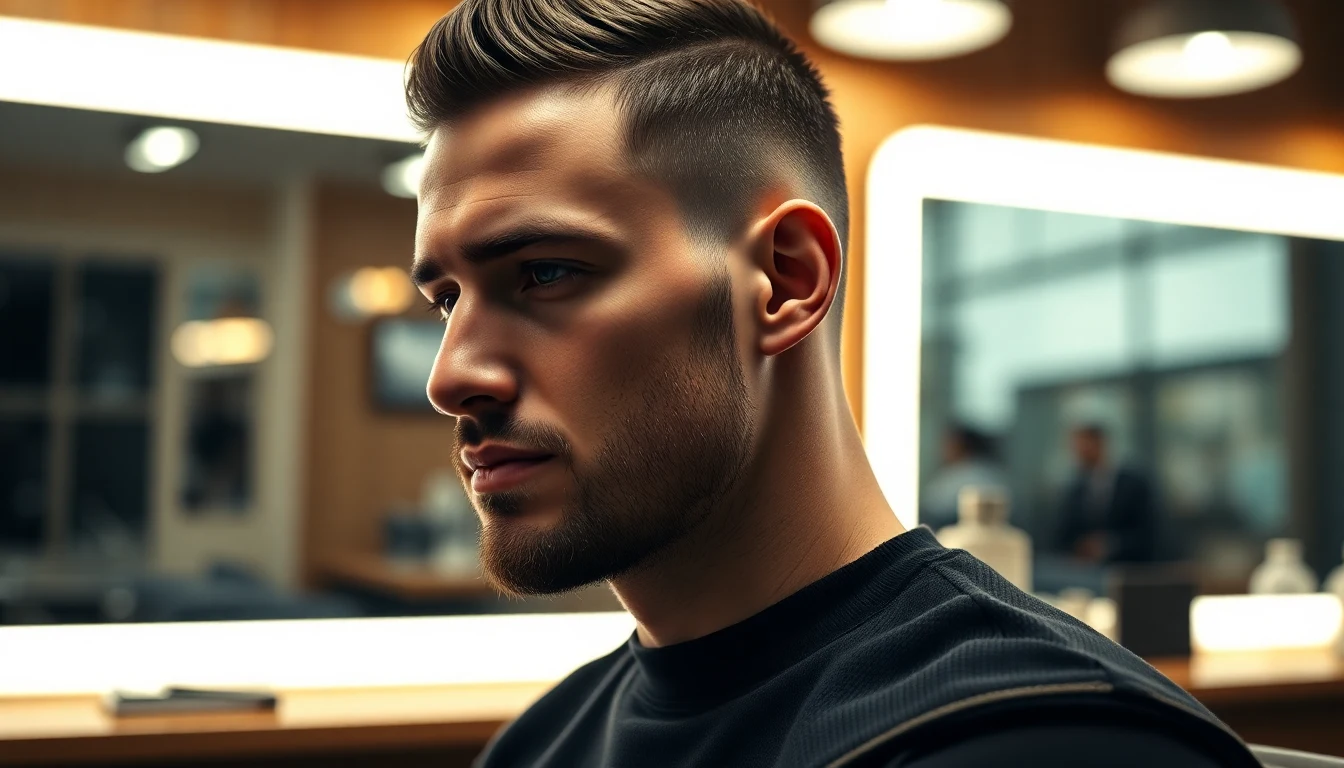
Both “bald fade” and “skin fade” are umbrella terms. Within each, you have the same set of variations based on where the fade sits on the head and how it interacts with the style on top. Here are the main variations you should know.
Low Bald Fade / Low Skin Fade
The fade starts just above the ear and along the lower neckline. Only a narrow band at the bottom is taken to skin level. This is the most conservative version, suitable for professional environments and men who want the clean skin finish without a dramatic look. The low fade is the most common starting point for men getting their first bald fade.
Mid Bald Fade / Mid Skin Fade
The skin-level section extends to roughly the temple area, about halfway up the side of the head. This is the most versatile placement and the one most people picture when they hear “bald fade” or “skin fade.” The mid fade works with almost every style on top, from textured crops to pompadours to buzz cuts.
High Bald Fade / High Skin Fade
The fade starts well above the temples, taking most of the side to skin level. This creates the most dramatic contrast and is the boldest version of the cut. The high fade demands more frequent maintenance because the large shaved area shows regrowth quickly. It is the standard in many Black barbershops and is a statement cut across all cultures.
Burst Fade (Bald or Skin)
The fade radiates outward from the ear in a semicircle rather than following a straight horizontal line. A burst skin fade creates a dramatic arc shape around the ear. This variation is popular with longer hairstyles on top, mohawks, and styles where the hair flows over or around the ear.
Drop Fade (Bald or Skin)
The fade line drops lower behind the ear than in front of it, following the natural curve of the head. This variation works well with men who have rounder head shapes and creates a slightly more natural transition at the back of the head. The drop fade is a subtle variation that many barbers apply by default.
Temp Fade / Temple Fade (Bald or Skin)
A minimal variation where only the temple area and the edges around the hairline are taken to skin level. The rest of the sides may be tapered or left at a short guard length without going all the way to skin. This is the most subtle way to incorporate a skin-level fade and is common in more conservative styling.
Related Fades: Zero Fade, Razor Fade, and Shadow Fade
The bald fade / skin fade is often confused with several related styles. Understanding the differences helps you communicate precisely with your barber.
Zero Fade
A zero fade takes the hair down to the shortest clipper setting (a #0 or #000 guard) but does not use a foil shaver or razor to go to bare skin. The result is an extremely close cut at the bottom that leaves the faintest shadow of stubble. Up close, you can see and feel the difference between a zero fade and a skin fade. At a normal conversation distance, they look very similar. Understanding bald fade vs skin fade is key to a great grooming routine. Understanding bald fade vs skin fade is key to a great grooming routine.
Who chooses a zero fade: Men who want the look of a skin fade without the maintenance of bare skin. The stubble at the bottom means regrowth takes slightly longer to become visible, buying you an extra day or two of freshness. Also preferred by men who get irritation from foil shavers or razors on their scalp skin.
Razor Fade
A razor fade is technically the same as a bald fade or skin fade, but the term specifically indicates that a straight razor (or safety razor) is used to achieve the bare skin finish. While many barbers use a foil shaver to reach skin level, a razor fade goes one step further, using a blade directly on the skin for the closest possible cut.
Who chooses a razor fade: Men who want the absolute cleanest, smoothest skin finish. The razor produces a slightly closer result than a foil shaver. However, it also increases the risk of razor bumps and irritation, particularly for men with coily hair or sensitive skin. If you are prone to ingrown hairs, discuss this with your barber before requesting a razor finish.
Shadow Fade
A shadow fade intentionally stops short of the skin, leaving a visible but very short “shadow” of hair at the lowest point. The shortest guard used is typically a #0.5 or #1, creating a softer, more subtle transition than a bald fade or skin fade. The shadow fade has a slightly “warmer” appearance because it avoids the stark contrast of bare skin.
Who chooses a shadow fade: Men who prefer a softer look, want lower maintenance (shadow fades hold their shape longer than skin fades), or want to avoid the exposed-skin look entirely. It is also a good choice for men who work in conservative professional environments where a skin fade might feel too bold.
Quick Comparison
| Fade Type | Shortest Point | Tool at Bottom | Maintenance Frequency | Look |
|---|---|---|---|---|
| Bald Fade / Skin Fade | Bare skin (0mm) | Foil shaver + optional razor | Every 1-2 weeks | Sharp, dramatic contrast |
| Zero Fade | #000 guard (~0.25mm) | Clipper only | Every 1.5-2 weeks | Very close, faint stubble visible |
| Razor Fade | Bare skin (0mm, razor-smooth) | Straight razor | Every 1-2 weeks | Smoothest possible, glass finish |
| Shadow Fade | #0.5 to #1 guard (~0.5-3mm) | Clipper only | Every 2-3 weeks | Softer, subtle, professional |
How to Ask Your Barber for Exactly What You Want
Knowing that “bald fade” and “skin fade” are the same cut is useful, but what really matters is communicating the details. Here is a script you can adapt for any barbershop.
The 4 Things to Specify
- The finish level: “I want it taken all the way to the skin” (bald/skin fade) or “Leave a little shadow at the bottom” (shadow fade) or “Just take it to the shortest guard” (zero fade).
- The placement: “Low fade” (just above the ears), “mid fade” (at the temples), or “high fade” (above the temples).
- The length on top: Be specific in inches or finger widths. “Leave about two inches on top” is clearer than “leave it long.”
- The style on top: “Textured and pushed forward,” “slicked back,” “natural curls,” or whatever your preference is.
Example Scripts
At a Black barbershop:
“Give me a mid bald fade. Take the sides to the skin, fade it up to about the temple line. Leave about an inch and a half on top, textured. Line me up clean.”
At a mainstream barbershop:
“I’d like a mid skin fade. Blend the sides down to the skin starting at the temples. Two inches on top, textured crop. Clean up the neckline and edges.”
At a new barber you have not visited before:
“I want a skin fade, also called a bald fade. Take the lowest point to bare skin. Mid placement, starting around the temples. About two inches on top with some texture. Here are some photos of what I’m going for.” [Show reference photos from front, side, and back angles.]
Reference Photos Are Worth a Thousand Words
Regardless of which term you use, reference photos eliminate ambiguity. Save three to five images on your phone showing:
- The front view (hairline shape, length on top)
- The side view (fade placement, blend quality)
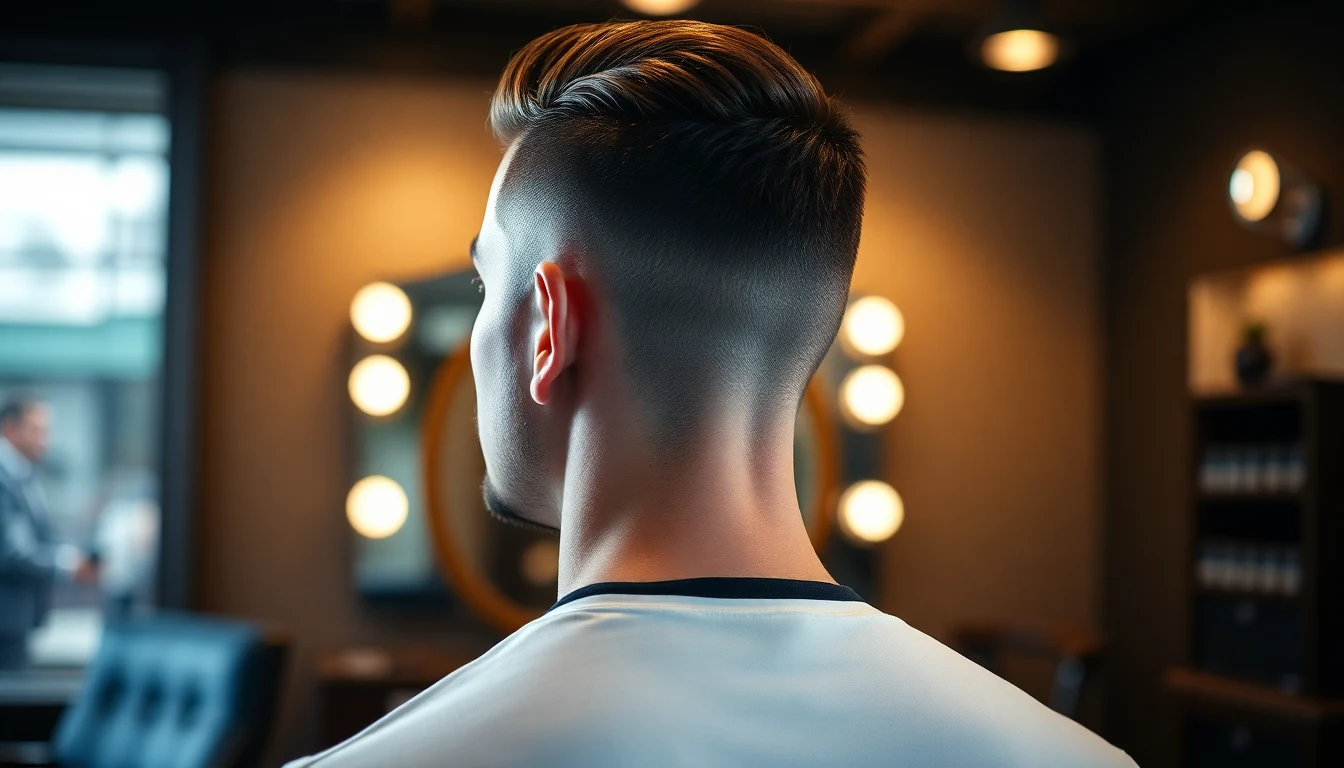
- The back view (neckline shape, overall taper)
Showing photos from the same cut at different angles gives your barber a complete picture. It also helps if the photos match your hair type. A skin fade on straight Type 1 hair looks very different from the same fade on Type 4 coily hair. Whenever possible, find reference photos of someone with a similar hair texture to yours.
If you are looking for the best clippers for at-home maintenance between visits, check our dedicated guide. Quality tools at home extend the life of any fade, regardless of what you call it.
Who Each Term Appeals To
While the haircut is the same, the terminology can signal cultural awareness in a barbershop setting. Here is a practical guide to when each term might serve you better. When it comes to bald fade vs skin fade, technique matters most.
Use “Bald Fade” When…
- You are in a Black barbershop. This is the standard vocabulary and shows you are comfortable in the space.
- You are talking to a barber who has been cutting for 15+ years. They likely learned the term “bald fade” and may not use “skin fade” as often.
- You want to emphasize the clean, bare-skin result. “Bald” has a directness that communicates exactly what you expect.
- You are in a US barbershop with a diverse, urban clientele.
Use “Skin Fade” When…
- You are in a European-style barbershop or a newer, trendy shop. “Skin fade” is the industry-standard term in these settings.
- You are searching online. “Skin fade” returns more results on Instagram, YouTube, and Pinterest, making it easier to find reference photos.
- You are in an Asian barbershop. Korean and Japanese barbers who have adopted the fade typically use international terminology.
- You are talking to a younger barber trained in the social media era.
Use Either When…
- You are at any shop and simply add “take it down to the skin” as clarification. This removes all ambiguity.
- You bring reference photos. The image speaks for itself.
- Your barber already knows your preferences from previous visits.
One thing I want to be clear about: neither term is “better” or more “correct.” There is a temptation in mainstream barbering culture to treat “skin fade” as the modern, proper term and “bald fade” as outdated slang. That framing erases the Black barbering tradition that created this cut. Both terms have legitimate cultural roots. Use the one that fits your context. When it comes to bald fade vs skin fade, technique matters most.
Maintenance: Keeping Your Bald Fade / Skin Fade Fresh
Whether you call it a bald fade or a skin fade, the maintenance requirements are identical. The bare skin at the bottom of the fade is the first thing to grow out, and keeping it looking sharp requires consistent attention.
How Long It Lasts
A bald fade / skin fade looks its sharpest for about five to seven days. By the end of the first week, the skin line has filled in with stubble and the blend starts to soften. Most men rebook every one to two weeks. For a more detailed breakdown of fade longevity, check our guide on how long fades last by type.
At-Home Maintenance Tips
- Neckline cleanup every 3-4 days. Use a cordless trimmer to clean up hair growing below the neckline your barber created. This is the single most effective way to extend the cut’s life.
- Edge-up around the ears. Keep the area around the ears and sideburns clean. Follow your barber’s lines, do not try to create new ones.
- Style the top daily. The contrast between the faded sides and the styled top is what makes this cut work. Product on top keeps that contrast visible as the sides grow.
- Moisturize the scalp. Bare skin at the fade line can dry out, especially in cold or dry climates. A lightweight, non-greasy moisturizer keeps the skin healthy and reduces the appearance of dryness or flaking at the skin line.
- Avoid re-blending at home. Cleaning up the edges is fine. Trying to re-create the blend with clippers at home is a recipe for visible lines that only a barber can fix.
Scalp Care at the Fade Line
The area where your hair transitions from skin to stubble can be sensitive, especially after a fresh cut. If you experience irritation, redness, or bumps at the fade line:
- Apply aloe vera gel or witch hazel immediately after the cut to soothe the skin.
- Avoid touching or scratching the area for 24 hours.
- If you are prone to razor bumps (pseudofolliculitis barbae), ask your barber to stop at a zero fade rather than going to a full skin finish. The minimal stubble provides enough visual impact while significantly reducing irritation risk.
- Use a gentle, fragrance-free aftershave balm rather than an alcohol-based splash, which can sting and dry out the skin.
Frequently Asked Questions
Is a bald fade the same as a skin fade?
Yes. A bald fade and a skin fade are the same haircut. Both involve blending hair from its longest length on top down to bare skin at the sides and back. The difference is purely terminology. “Bald fade” has been the standard term in Black barbershops and urban grooming culture for decades. “Skin fade” became the more widely used term as the style crossed into mainstream barbering. If you ask for either one, any competent barber will give you the same cut.
Why are there two different names for the same haircut?
The dual terminology comes from different barbering traditions. Black barbershops in the United States have used “bald fade” since at least the 1980s, when the fade became a defining style in Black culture. As the fade gained popularity across all demographics, European and mainstream American barbershops adopted the term “skin fade” to describe the same technique. Neither term is wrong. The one your barber uses typically reflects their training background and the barbering culture they came up in.
What is the difference between a skin fade and a zero fade?
A skin fade takes the hair all the way down to bare skin using a foil shaver or open blade. A zero fade takes the hair down to the shortest clipper setting, which is a #0 or #000 guard, leaving the faintest shadow of stubble. The difference is subtle but visible up close. A zero fade has a very slight texture at the bottom, while a skin fade is completely smooth. Some men prefer the zero fade because it lasts slightly longer before the regrowth line becomes obvious.
What is a razor fade?
A razor fade is another name for a skin fade or bald fade that specifically involves using a straight razor or safety razor to achieve the bare skin finish at the bottom of the fade. Some barbers use a foil shaver to get to skin level, while others prefer a straight razor for an even closer finish. The razor fade tends to produce the smoothest possible result, but it requires more skill and carries a slightly higher risk of irritation on sensitive skin. In practice, many barbers use a combination of a foil shaver and a razor to get the cleanest line.
How do I ask my barber for a bald fade or skin fade?
Tell your barber you want a fade that goes down to the skin. Then specify three things: the placement (low, mid, or high), the length on top, and any styling preferences. For example, “I want a mid skin fade, about two inches on top, textured and pushed forward.” Bring reference photos showing front, side, and back views. If your barber uses “bald fade” and you say “skin fade” or vice versa, they will understand. Just confirm they are taking it all the way down to bare skin, not stopping at a zero guard.
Which term should I use, bald fade or skin fade?
Use whichever term your barber uses, or whichever feels natural to you. If you are at a traditional Black barbershop, “bald fade” is the culturally standard term and will communicate exactly what you want. If you are at a more mainstream or European-style barbershop, “skin fade” is more common. Both mean the same thing. The important thing is not the name but the specifics: how high the fade starts, how long you want the top, and what style you want overall.
Is a bald fade good for all hair types?
Bald fades work on every hair type, but the technique and maintenance differ. Straight hair shows the skin-to-hair transition very clearly, creating a sharp, dramatic look but also revealing regrowth faster. Curly and coily hair types blend more naturally in the transition zone, which can make the fade look smoother for longer. Thick, coarse hair may need more passes to achieve a seamless gradient. Fine hair can sometimes look thin at the top of the transition zone. A skilled barber adjusts their technique for each hair type to achieve the best possible blend.

The Bottom Line
The bald fade vs skin fade debate has a simple resolution: they are the same haircut with different names. Here is what matters:
- Same technique. Both take hair to bare skin and blend seamlessly upward. The tools, the process, and the result are identical.
- Different terminology. “Bald fade” comes from Black barbering tradition and has been standard in Black barbershops since the 1980s. “Skin fade” was adopted by mainstream and European barbershops as the style spread globally.
- Neither is more correct. Both terms are actively used today in their respective communities. Use whichever fits your context.
- What actually matters is the details. Low, mid, or high placement. Length on top. Style preferences. Reference photos. These specifics determine the cut you get, not the name you call it.
- Related but different fades exist. The zero fade (stops at the shortest clipper guard, slight stubble), razor fade (straight razor for smoothest finish), and shadow fade (intentionally leaves a short “shadow” of hair) are all distinct variations worth knowing.
Walk into any barbershop with clear specifics and reference photos, and you will get the cut you want regardless of whether the sign says “bald fade” or “skin fade.” For the full breakdown of how this cut is executed and maintained, see our complete skin fade guide. For help choosing between all the fade variations, start with our types of fades guide.
Further reading: For research-backed grooming advice, see Healthline Men’s Health.
Explore more tips at CulturedGrooming.com.
Further reading: For research-backed grooming advice, see Healthline Men’s Health.