
Beard Oil Benefits: 9 Reasons to Start Using It Today
Last updated: February 2026 by Darius Washington
Beard oil changed the way I think about grooming. That sounds dramatic until you have spent years with a dry, itchy beard that sheds flakes on every dark shirt you own. I grew up watching my father and uncles in Atlanta barbershops treating their fades with meticulous care while ignoring their beards entirely. No product, no routine, just hoping for the best. The result was predictable: scratchy beards, flaky skin underneath, and breakage that kept their facial hair from reaching its potential. Beard oil fixes all of that, and I am going to show you exactly how and why. These are nine genuine beard oil benefits, backed by the science of how hair and skin actually work, with specific guidance for men with coarse and textured beards. If you already use beard oil, this will sharpen your understanding. If you have never tried it, this is your sign.
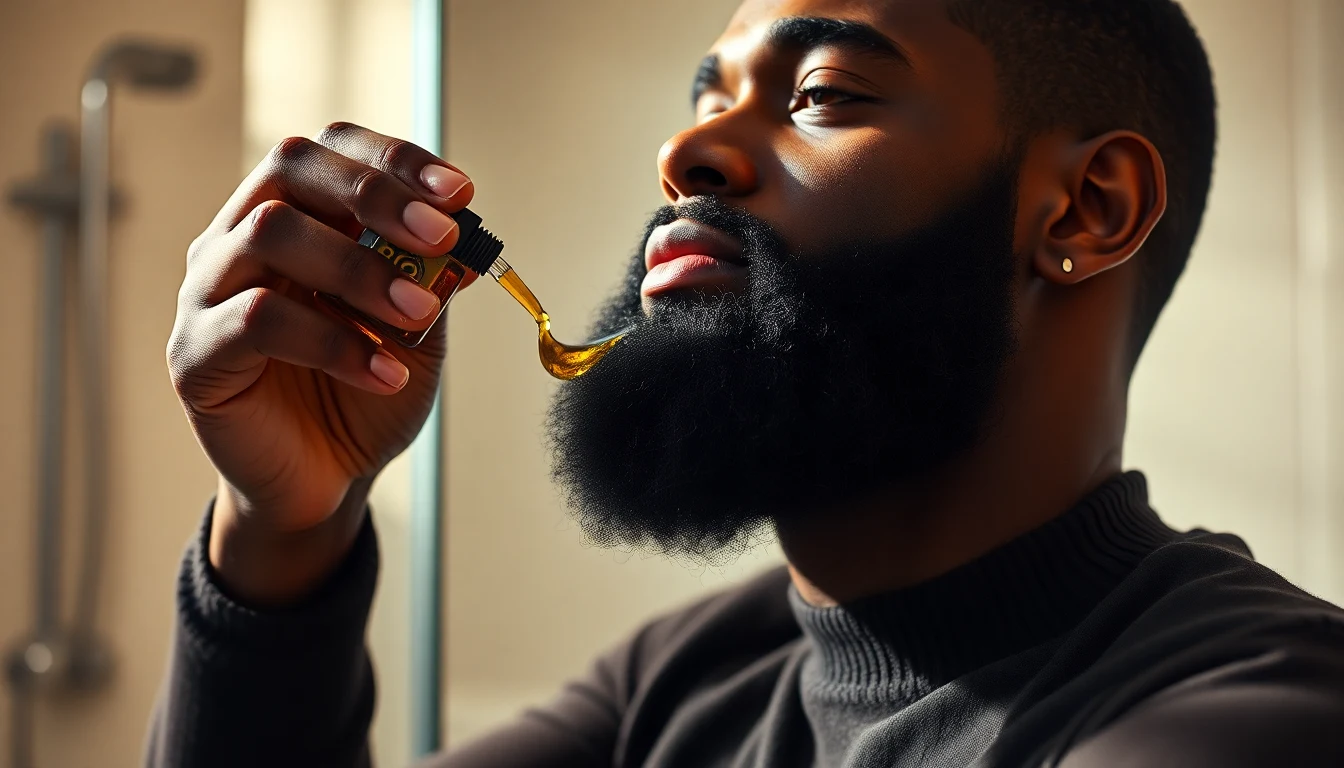
The Science Behind Beard Oil (Quick Foundation): Beard Oil Benefits
Before I walk through the nine benefits, you need to understand what beard oil actually is and why it works. This takes 60 seconds and makes everything else click.
Beard oil is a blend of two types of oils:
- Carrier oils make up 95-99% of the formula. These are plant-derived oils like jojoba, argan, sweet almond, grapeseed, and avocado oil. They deliver moisture, nutrients, and fatty acids to the hair shaft and the skin underneath.
- Essential oils make up 1-5% of the formula. These provide scent and, in some cases, functional benefits (tea tree for antibacterial properties, peppermint for circulation stimulation, cedarwood for a calming effect on skin).
The reason beard oil works is that it supplements your body’s natural moisturizer: sebum. Your sebaceous glands produce sebum at the base of every hair follicle. On your face, this oil is supposed to travel along the hair shaft and keep both the hair and surrounding skin hydrated. The problem is that your body produces a fixed amount of sebum, and as your beard grows longer, that same amount of oil has to cover more surface area. The result is a beard that feels fine at stubble length but becomes dry and uncomfortable past the one-inch mark.
For men with coily or 4C beard hair, the problem compounds. Research published in the International Journal of Dermatology (2015) demonstrated that tightly coiled hair has an asymmetrical cross-section, which makes it harder for sebum to travel along the hair shaft. The natural coil pattern creates friction points where oil gets stuck. This is why Black men with textured beards often experience dryness, brittleness, and flaking at rates significantly higher than men with straight facial hair. (We recommend this Melanin Kings Beard Oil for Black.)
Beard oil solves this by manually delivering the moisture your body cannot distribute on its own. That is the entire mechanism. Simple, effective, and backed by the basic biology of how skin and hair interact.
Benefit 1: Moisturizes the Skin Underneath Your Beard
This is the most important benefit, and it is the one most men overlook because they think beard oil is for the beard hair itself. It is not. The primary target is the skin underneath.
The skin beneath your beard is some of the most neglected real estate on your face. It is covered by hair, which means your normal facial moisturizer barely reaches it. It is subjected to friction from the beard hair itself. And if you have coarser facial hair, the tight coils can actually tug at the follicles during movement, creating micro-irritation that compounds into chronic dryness. (We recommend this WARLORD Beard Oil & Beard Softener.)
Beard oil penetrates through the hair to reach this skin directly. Carrier oils like jojoba are particularly effective because jojoba’s molecular structure closely mimics human sebum, according to research in the International Journal of Cosmetic Science (2008). Your skin recognizes it as familiar and absorbs it readily, rather than sitting on the surface like some synthetic moisturizers do.
The practical result: within three to five days of consistent use, the tight, flaky, uncomfortable feeling under your beard goes away. If you have been living with that sensation and assumed it was just part of having a beard, it is not. It is dehydration, and beard oil fixes it.
If skin moisture is a broader concern beyond your beard area, my guide on the best moisturizers for Black men covers the rest of your face and body.
Benefit 2: Reduces Beard Itch
Every man who has grown a beard past the two-week mark knows the itch. It is the phase that kills more beards than genetics ever will. Men shave it off because they cannot stand the itching, not because their beard was not growing. (We recommend this Every Man Jack Mens Beard Oil.)
Beard itch has two primary causes:
- Dry skin underneath the beard. As the beard grows, it wicks moisture away from the skin. Without replenishment, the skin dries, tightens, and itches. This is the most common cause and the one beard oil directly addresses.
- Sharp hair tips from shaving. If you shaved before growing your beard, the cut ends of the hair are sharp. As they curl back (especially with coily textures), those sharp tips poke the skin and create irritation. This is also the mechanism behind pseudofolliculitis barbae (PFB), which affects up to 80% of Black men who shave regularly (Halder, 1983; Journal of the American Academy of Dermatology).
Beard oil tackles the first cause entirely. By keeping the skin moisturized, you eliminate the dryness that triggers itching. For the second cause, oil softens the sharp tips over time, reducing the poking sensation as the hair grows out.
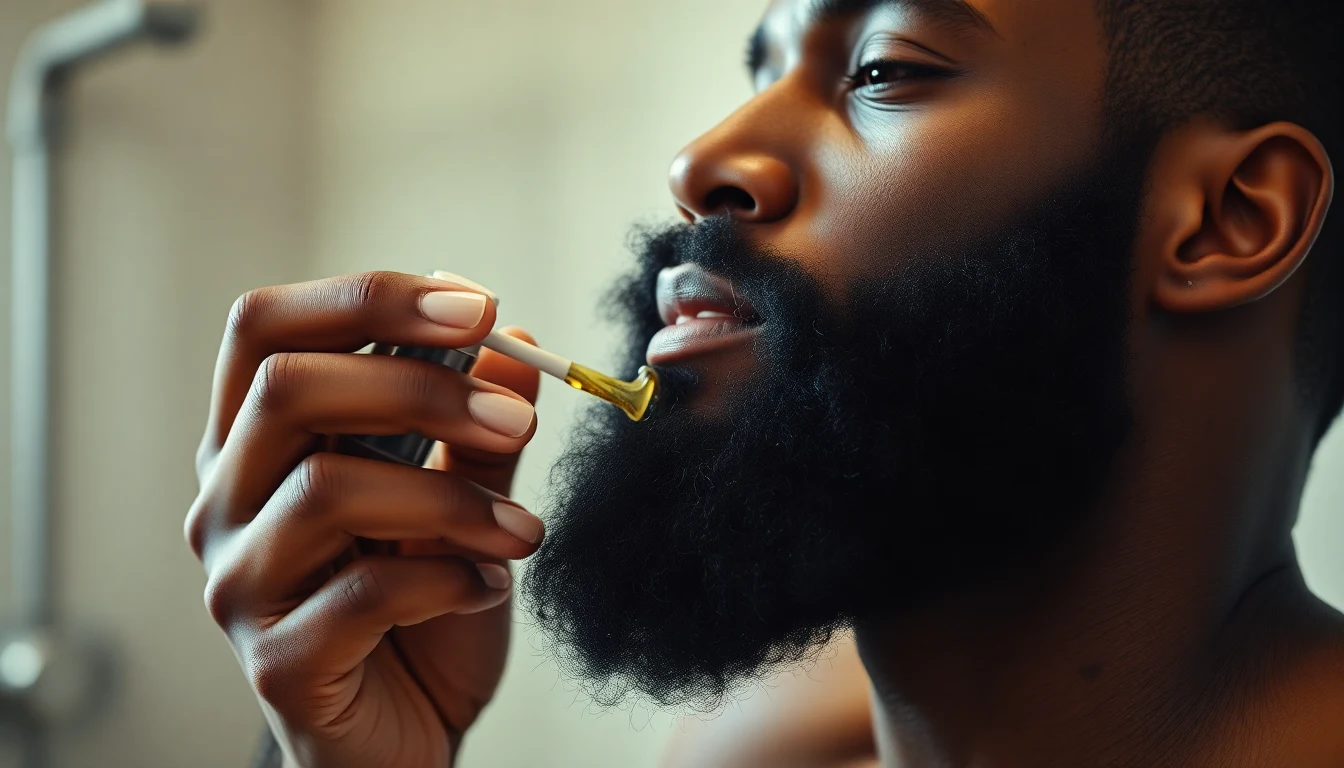
I tell every man who comes to me during the itchy phase the same thing: power through it with oil. Apply twice daily for the first month. Morning and evening. The itch subsides within one to two weeks for most men. If it persists beyond that, the cause may be fungal (seborrheic dermatitis) rather than dryness, and that requires a different approach. Check out my guide on the best dandruff shampoos for Black hair for that scenario.
Benefit 3: Softens Coarse, Wiry Beard Hair
Coarse beard hair is not a defect. It is a texture. But untreated, coarse hair feels rough to the touch, tangles easily, and looks unkempt even when it is clean and trimmed. This is a universal beard concern, but it hits harder when your facial hair is naturally tightly coiled. Mastering beard oil benefits takes practice but delivers great results.
Beard oil softens hair through a straightforward mechanism. The carrier oils coat the outside of the hair shaft (the cuticle layer) and penetrate into the cortex, which is the structural core of the hair. This does two things:
- External smoothing: The oil reduces friction between individual hair strands, which means less tangling and a smoother feel when you run your hand through your beard.
- Internal conditioning: Oils that penetrate the cortex (coconut oil and avocado oil are particularly effective at this, per a 2003 study in the Journal of Cosmetic Science) strengthen the hair from within and improve elasticity. This makes the hair less prone to snapping when you comb or brush it.
For 4B and 4C beard textures specifically, the softening effect of consistent oil use is transformative. I am not exaggerating. My beard in its natural state without oil feels like wire. After a week of daily application, the texture shifts to something you can actually run a comb through without resistance. That shift compounds over time. After a month, people start asking what you are doing differently.
The key word is “consistent.” One application does almost nothing. It is the daily habit that rewires the texture. Mastering beard oil benefits takes practice but delivers great results.
Benefit 4: Prevents Beardruff (Beard Dandruff)
Beardruff is the white flakes that fall from your beard onto your shirt collar, and it is one of the most common grooming complaints I hear. It is also one of the easiest to fix.
Beardruff is caused by the same mechanism as scalp dandruff: dry skin that flakes off, sometimes accelerated by a naturally occurring yeast called Malassezia that feeds on skin oils. When the skin under your beard dries out (from lack of moisture, harsh cleansers, or cold weather), it starts shedding visible flakes.
Beard oil prevents beardruff by maintaining hydration at the skin level. If the skin never dries out enough to flake, beardruff does not appear. It is prevention, not treatment. If you already have significant flaking, you may need to address the existing condition first with a gentle exfoliation or medicated wash, then start a daily oil routine to prevent recurrence.
For men with darker skin tones, beardruff is especially visible and frustrating. White flakes on a dark beard against dark clothing are immediately noticeable. I have seen men avoid wearing black shirts entirely because of it. That is an unnecessary compromise. A $12 bottle of beard oil and 30 seconds of daily application eliminates the problem. (We recommend this Jack Black Beard Oil for Men.)
Beardruff vs. Seborrheic Dermatitis
Important distinction: if your flaking comes with redness, persistent itching, and yellowish or greasy-looking flakes, that is likely seborrheic dermatitis, not simple beardruff. Beard oil alone will not resolve seborrheic dermatitis. You need a medicated wash containing ketoconazole or zinc pyrithione, then use beard oil to maintain moisture after the fungal component is controlled. See a dermatologist experienced with skin of color if over-the-counter options are not working. For more guidance, GQ provides expert resources on men’s grooming.
Benefit 5: Promotes Healthier Beard Growth
I want to be precise here because this benefit gets overstated by marketing. Beard oil does not make your beard grow faster. It does not create new hair follicles. It does not override your genetics. If a brand tells you their oil will give you a full beard in 30 days, they are lying.
What beard oil does is create the conditions for your existing follicles to produce the healthiest hair they are capable of producing. Here is how:
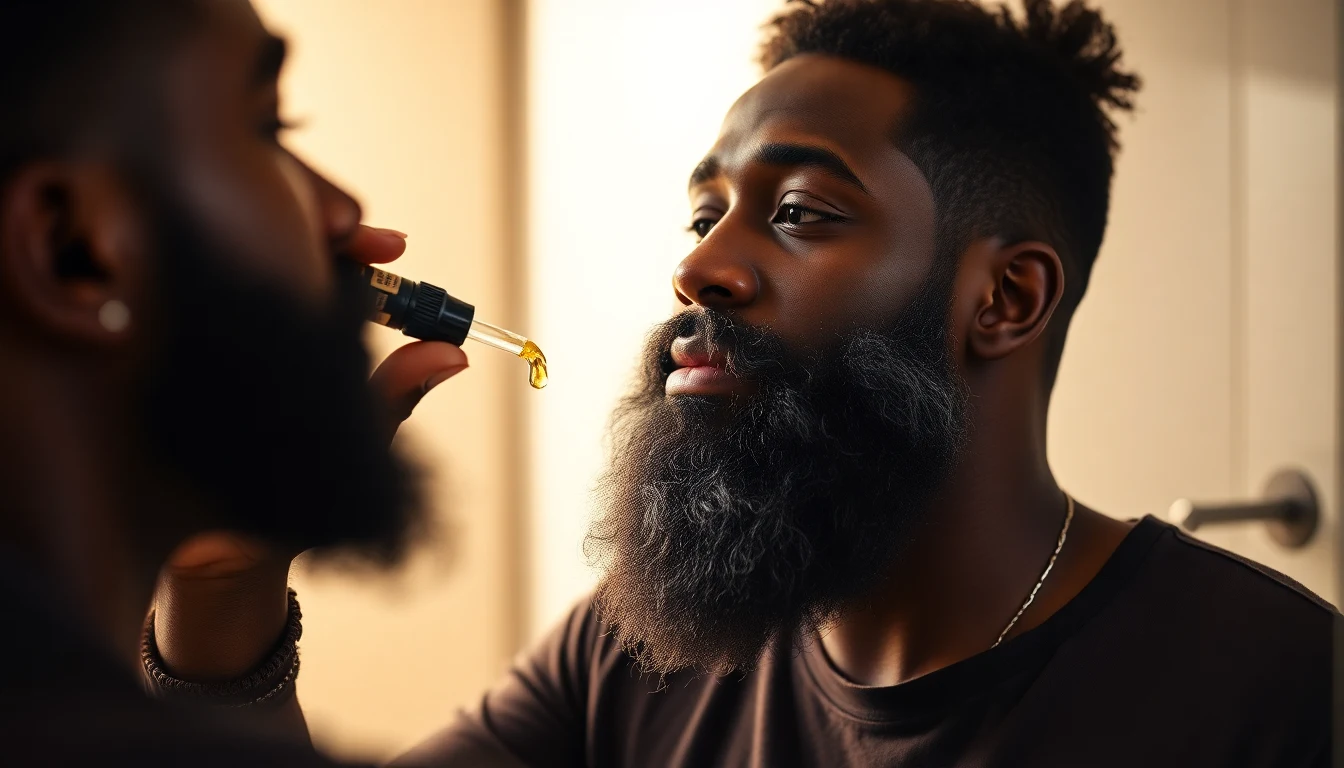
- Hydrated hair breaks less. Dry, brittle beard hair snaps off before it reaches its full length. By keeping the hair shaft conditioned, oil prevents breakage and allows your beard to reach its genetic potential length. For men who think their beard “stops growing” at a certain length, breakage is often the real culprit, not slow growth.
- Healthy skin supports healthy follicles. The hair follicle sits in the dermis layer of your skin. If the skin is chronically dry, inflamed, or flaky, the follicle does not operate at peak efficiency. Moisturized skin creates a better environment for hair production.
- Reduced irritation means fewer ingrown hairs. Ingrown hairs (a major concern for coily beard textures) can damage follicles if they become chronically inflamed. By softening the hair and keeping the skin supple, oil reduces the conditions that cause hairs to curl back into the skin.
Think of it this way: beard oil does not make your beard grow. It removes the obstacles that prevent your beard from growing to its full potential. For men with coarse or curly beards, those obstacles (breakage, dryness, ingrowns) are significant. Removing them can result in what looks like faster, fuller growth, even though the rate of growth itself has not changed.
If you are actively trying to maximize your beard growth, combine beard oil with the strategies in my guide on how to get a thicker beard. And for targeted product recommendations, see my best beard growth products roundup.
Benefit 6: Tames Flyaways and Frizz
Flyaways are the stray hairs that stick out at odd angles, making an otherwise groomed beard look messy. Frizz is the overall puffiness that happens when individual hairs swell with humidity and separate from the body of the beard. Both problems are more pronounced with curly and coily textures.
Beard oil controls flyaways and frizz through two mechanisms:
- Weight. The oil adds a small amount of weight to each hair strand, which encourages the hair to lie flatter and follow the natural direction of growth rather than sticking out randomly.
- Cuticle smoothing. When the hair cuticle (the outer layer of the hair shaft) is dry, the microscopic scales that make up the cuticle lift and separate, creating a rough surface that catches humidity and other hair strands. Oil smooths the cuticle flat, reducing the surface roughness that causes frizz.
For light flyaway control, beard oil alone is sufficient. For beards that need more hold, I recommend layering oil under a beard balm. The oil conditions, and the balm’s beeswax provides the hold to keep stray hairs in place throughout the day. I covered this combination approach and the best balms in detail in my beard balm guide.
Humidity is the enemy of frizz control. If you live in a humid climate (Atlanta, Houston, Miami), you will need to apply oil daily and potentially use a heavier carrier oil blend (look for avocado or castor oil in the formula) to maintain control. Lighter oils like grapeseed absorb quickly but do not provide the same barrier against humidity.
Benefit 7: Adds a Natural, Healthy Shine
A well-oiled beard has a natural sheen that communicates one thing immediately: this man takes care of himself. It is not a greasy shine. It is the subtle luster of hair that is healthy, hydrated, and maintained. (We recommend this SFC Natural King Jamaican Black Castor.)
Dry beard hair absorbs light rather than reflecting it, which makes the beard look dull and flat. This is particularly noticeable on darker hair, where the contrast between dull and healthy is more visible. Beard oil coats the hair shaft with a thin layer of moisture that reflects light evenly, creating that natural shine without the greasy look.
The type of carrier oil affects the level of shine:
| Carrier Oil | Shine Level | Weight | Best For |
|---|---|---|---|
| Jojoba | Low to medium (natural matte) | Light | Everyday use, all textures |
| Argan | Medium (healthy sheen) | Light to medium | Coarse hair, frizz control |
| Sweet almond | Medium | Medium | Dry beards, conditioning |
| Avocado | Medium to high | Heavy | Very coarse/4C beards, deep conditioning |
| Grapeseed | Low (matte) | Very light | Oily skin, shorter beards |
| Castor | High | Very heavy | Maximum shine, mixed with lighter oils |
If you want a matte, natural look, choose oils heavy in jojoba or grapeseed. If you want noticeable shine (which looks particularly sharp on a well-groomed full beard), look for argan or avocado-based formulas. Most quality beard oils blend several carrier oils to balance shine, weight, and absorption.
Benefit 8: Provides a Pleasant, Subtle Scent
Your beard is directly under your nose. Whatever it smells like, you are going to notice. And so is everyone who gets close to you. Understanding beard oil benefits is key to a great grooming routine.
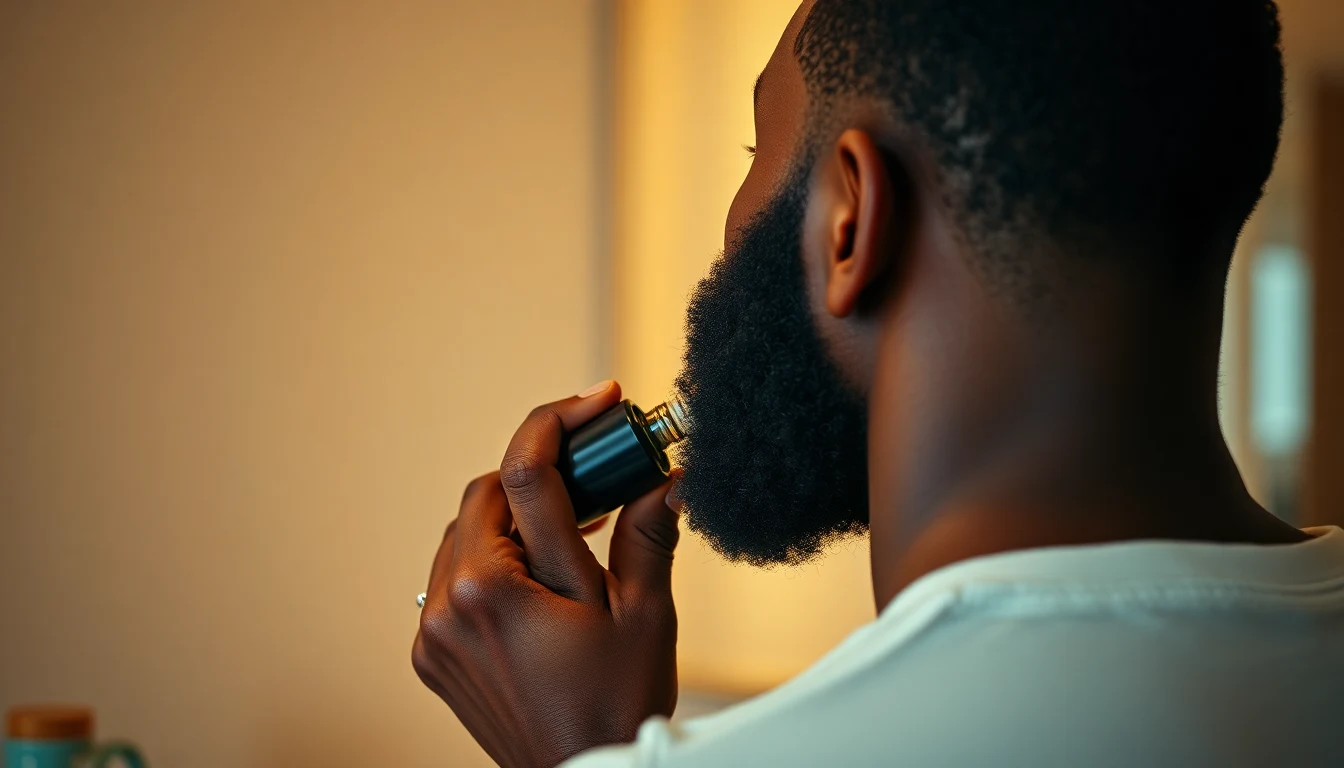
Most beard oils include essential oils that serve double duty as fragrance and functional ingredients. Common scent profiles include: Understanding beard oil benefits is key to a great grooming routine.
- Woodsy/earthy: Cedarwood, sandalwood, vetiver. The most popular category for men’s grooming. Pairs well with most colognes without clashing.
- Fresh/clean: Eucalyptus, peppermint, tea tree. Light and energizing. Good for morning application.
- Warm/spicy: Clove, cinnamon, black pepper. Bolder scent that works well in cooler months.
- Citrus: Bergamot, lemon, orange. Bright and uplifting. Fades faster than woodsy scents.
- Unscented: Carrier oils only. Best if you wear cologne and do not want competing scents, or if you have fragrance sensitivities.
A good beard oil scent is subtle. You should catch hints of it throughout the day without it overpowering the room. If you can smell your beard oil from arm’s length, you used too much.
One consideration: if you already wear a quality cologne, choose a beard oil with a complementary scent profile or go unscented. Woodsy beard oil pairs well with most masculine fragrances. Citrus beard oil can clash with heavier oud or amber-based colognes. When in doubt, unscented eliminates the guesswork.
Benefit 9: Reduces Ingrown Hairs and Irritation
This is the benefit that matters most for men with curly and coily facial hair, and it is the one that rarely gets the attention it deserves in mainstream grooming content.
Ingrown hairs occur when a hair curls back into the skin instead of growing outward. For men with 4B and 4C beard textures, the tight coil pattern makes this significantly more likely. The condition, known clinically as pseudofolliculitis barbae (PFB), affects an estimated 45-80% of Black men who shave or maintain short facial hair (Journal of the American Academy of Dermatology, 1983).
Beard oil reduces ingrown hairs through three complementary mechanisms:
- Softened hair is less likely to penetrate skin. When beard hair is dry and stiff, the sharp tip of a curling hair has enough rigidity to punch through the surface of the skin. Softened, conditioned hair bends rather than penetrates.
- Moisturized skin is more resilient. Hydrated skin is more elastic and less likely to trap a growing hair. Dry, tight skin creates a barrier that forces the hair to grow sideways or curl back inward.
- Reduced inflammation around the follicle. Some carrier oils (jojoba, argan) and essential oils (tea tree, lavender) have anti-inflammatory properties that calm the skin around the follicle, reducing the redness and swelling associated with ingrown hairs.
I want to be clear: beard oil is not a cure for PFB. If you have chronic, severe pseudofolliculitis barbae, you may need prescription treatments (topical retinoids, corticosteroids, or laser hair removal) in addition to a proper grooming routine. But for mild to moderate ingrown hair issues, consistent daily oil application creates a measurable improvement.
The barber shop wisdom my uncle passed down was “let it grow.” He was right. Growing the beard out past the length where hairs can curl back into the skin (typically past one centimeter) combined with daily oil application is the most reliable non-medical prevention strategy for PFB. If you are dealing with a patchy situation while growing through this phase, my guide on how to fix a patchy beard can help.
Common Beard Oil Myths (Debunked)
There is a lot of misinformation in the beard care space, and I hear these myths repeated in barbershops, online forums, and product marketing regularly. Let me set the record straight.
Myth: Beard Oil Makes Your Beard Grow Faster
Reality: No topical oil changes the rate of hair growth. Your beard growth rate is determined by genetics, hormones (primarily testosterone and dihydrotestosterone), and overall health. Beard oil creates healthier conditions that reduce breakage and allow your beard to reach its maximum potential length, but it does not speed up the biological growth process. If your beard grows half an inch per month, oil will not make it grow an inch per month.
Myth: You Only Need Beard Oil If You Have a Long Beard
Reality: Beard oil benefits start at stubble length. The skin underneath your beard begins drying out as soon as the hair is long enough to disrupt your normal moisture distribution. For men with coily facial hair, this can happen within a week of growth. Short beards and stubble actually benefit from oil more immediately because the oil reaches the skin easily without the interference of longer hair.
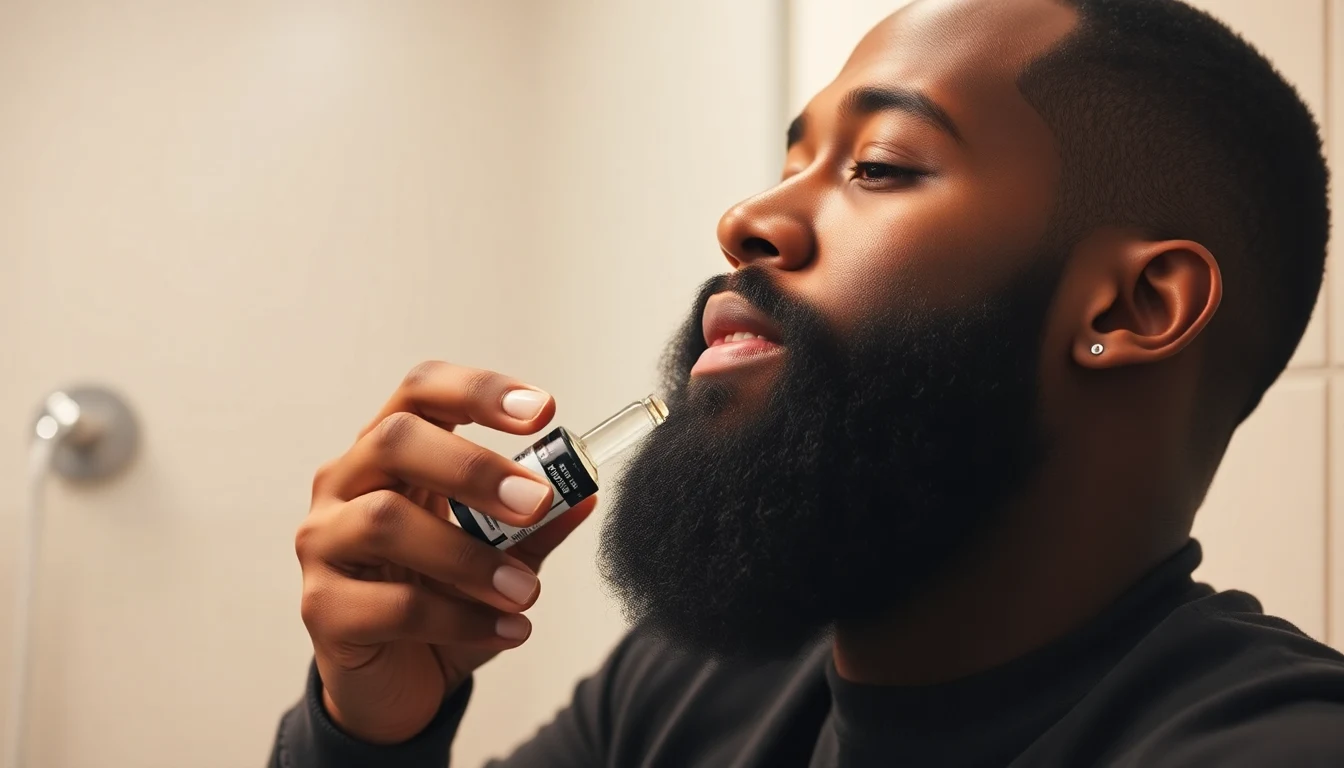
Myth: Beard Oil Causes Acne
Reality: This depends entirely on the formulation and your skin type. Non-comedogenic carrier oils like jojoba, argan, and grapeseed are rated 0-2 on the comedogenic scale and are unlikely to clog pores. Coconut oil, on the other hand, is rated 4 out of 5 on the comedogenic scale and can cause breakouts for men with oily or acne-prone skin. If you are breakout-prone, choose oils formulated with jojoba or grapeseed as the primary carrier. Avoid coconut oil as a primary ingredient.
Myth: More Oil Equals Better Results
Reality: Using too much beard oil makes your beard look greasy, collects dirt and dust, and can clog pores. The right amount is 3-6 drops for short beards, 6-10 drops for medium beards, and 10-15 drops for long beards. If your beard still looks wet 10 minutes after application, you used too much.
Myth: Expensive Beard Oil Works Better Than Budget Oil
Reality: Price does not correlate with effectiveness as much as the marketing suggests. A $15 bottle of beard oil with jojoba, argan, and vitamin E will moisturize your beard identically to a $40 “luxury” formula with the same core ingredients. What you pay extra for is typically fragrance complexity, packaging, and brand positioning. Check the ingredient list, not the price tag.
Who Needs Beard Oil Most? (Honest Assessment)
Beard oil benefits everyone with facial hair, but some men need it more urgently than others. Here is the hierarchy.
High Priority: Must Use Daily
- Men with 4B or 4C beard textures. The coil pattern prevents natural oil distribution. Without supplemental moisture, dryness and breakage are virtually guaranteed.
- Men in the growth phase (first 1-3 months). This is when itch, flaking, and ingrown hairs are at their peak. Oil makes this phase bearable.
- Men in dry or cold climates. Low humidity and cold air strip moisture from facial hair. Daily oil is non-negotiable if you live in a place with harsh winters.
- Men with pseudofolliculitis barbae (PFB). Daily oil softens hair and keeps skin supple, reducing ingrown hair recurrence.
Medium Priority: Should Use Regularly
- Men with medium-length beards (1-3 inches). At this length, sebum distribution becomes insufficient and the beard starts drying out.
- Men who style their beards daily. Combing and brushing create friction that removes natural oils. Replenishing with beard oil prevents damage from styling.
- Men who wash their beards frequently. Shampooing strips oils from the beard. Oil application after washing is essential to restore moisture.
Lower Priority: Can Benefit But May Not Be Urgent
- Men with stubble or very short beards in humid climates. Natural sebum may be sufficient at very short lengths in moisture-rich environments. But even here, oil improves the feel and appearance of the beard.
- Men with naturally oily skin. If your skin produces excess sebum, you may not need as much oil, or you may prefer a lighter formulation. But even oily skin benefits from the conditioning effect on the hair shaft itself.
How to Choose the Right Beard Oil for Your Beard Type
Not all beard oils are formulated the same way, and choosing the wrong one for your specific beard and skin type is why some men try oil once and give up.
For Coarse, Coily, or 4C Beards
You need maximum moisture and deep penetration. Look for:
- Primary carrier oils: Jojoba (sebum mimic, deep absorption), argan (rich in vitamin E and fatty acids), avocado (heavy conditioning, penetrates the cortex).
- Secondary oils: Sweet almond (emollient, smooths the cuticle), castor (thick, adds shine and weight).
- Avoid: Formulas that list mineral oil or petroleum-derived ingredients as primary carriers. These coat the hair without penetrating, creating the illusion of moisture while the hair underneath stays dry.
Best picks for this category: Scotch Porter Beard Oil (Black-owned, formulated for textured hair), Bevel Beard Oil (clean ingredients, sensitive-skin safe), and SheaMoisture Beard Conditioning Oil (heavy moisture, widely available).
For Straight or Wavy Beards
You need moisture without heaviness. Look for:
- Primary carrier oils: Jojoba (lightweight, versatile), grapeseed (very light, fast-absorbing, low shine).
- Avoid: Heavy oils like castor or avocado as primary carriers. They can weigh down straight hair and make it look greasy.
Best picks: Honest Amish Classic Beard Oil (balanced formula, works for all textures), Jack Black Beard Oil (lightweight, non-greasy). When it comes to beard oil benefits, technique matters most.
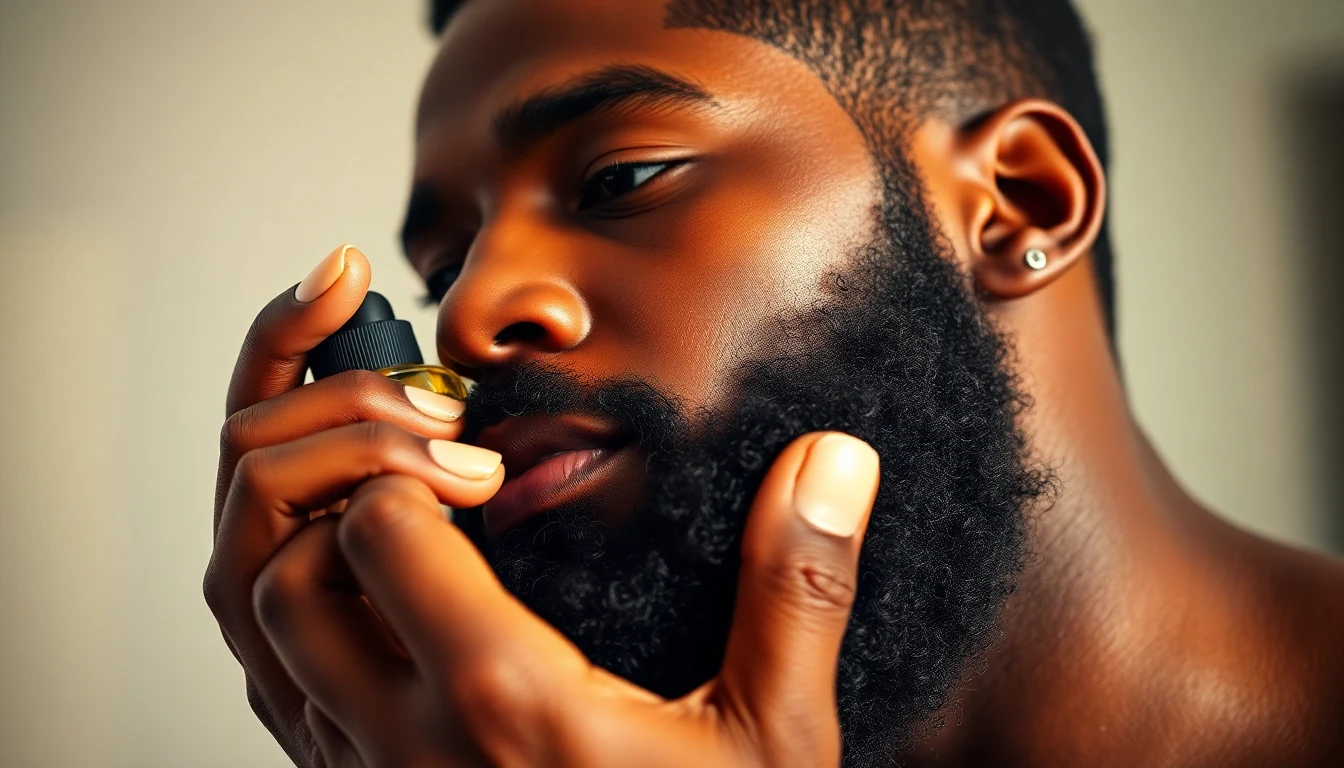
For Sensitive or Acne-Prone Skin
You need non-comedogenic, fragrance-free options. Look for: When it comes to beard oil benefits, technique matters most.
- Primary carrier oils: Jojoba (comedogenic rating 2), grapeseed (comedogenic rating 1).
- Avoid: Coconut oil (comedogenic rating 4), synthetic fragrances, and heavy essential oil blends.
- Prefer: Unscented or lightly scented with non-irritating essential oils (cedarwood, lavender).
Best picks: Bevel Beard Oil (designed for sensitive skin, Black-owned), Frederick Benjamin Beard Oil (specifically formulated for Black men’s skin concerns).
For a comprehensive ranked list, read my full guide to the best beard oils for Black men.
How to Apply Beard Oil (Quick Method)
Proper application takes 30 seconds and makes a significant difference in how well the oil works.
Step-by-Step Application
- Start with a clean, slightly damp beard. The best time is after a shower while your beard is about 80% dry. Warm water opens the hair cuticle, allowing the oil to absorb more effectively.
- Dispense the right amount. Use the dropper to put 3-6 drops (short beard), 6-10 drops (medium), or 10-15 drops (long) into your palm.
- Rub between both palms. Spread the oil evenly across your palms and between your fingers for 5 seconds.
- Apply from the skin outward. Press your palms against the skin under your beard first. Work your fingers through the beard from the jawline up, against the grain, to ensure the oil reaches the skin and the roots of the hair.
- Smooth outward and down. After covering the underside, smooth your palms along the outside of the beard to coat the hair shaft from root to tip.
- Comb through. Use a wide-tooth comb (for coily textures) or boar bristle brush (for straight/wavy) to distribute the oil evenly and detangle.
Application Amount Guide
| Beard Length | Drops of Oil | Notes |
|---|---|---|
| Stubble (under 0.5 inches) | 2-3 drops | Focus entirely on skin hydration |
| Short (0.5-1 inch) | 3-6 drops | Skin and hair equally |
| Medium (1-3 inches) | 6-10 drops | May need midday reapplication in dry climates |
| Long (3-6 inches) | 10-15 drops | Apply in sections for even coverage |
| Very long (6+ inches) | 15-20 drops | Consider layering with beard balm for hold |
For coarse or 4C beards, add 2-3 extra drops beyond these guidelines. Textured hair absorbs oil faster than straight hair, so what seems like the right amount at first may disappear within minutes.
Building a Complete Beard Care Routine
Beard oil is the foundation, but it works best as part of a simple, consistent routine. Here is what I use daily and what I recommend to every man I talk to about beard care.
Daily Routine (5 Minutes)
- Cleanse your face and beard with a gentle, sulfate-free face wash or a dedicated beard wash. Avoid regular bar soap, which strips natural oils aggressively.
- Pat to 80% dry with a clean towel. No rubbing (causes frizz and breakage on textured hair).
- Apply beard oil using the method above. Skin first, then hair, then comb.
- Apply beard balm (optional, for beards over 1 inch that need shape and hold). Layer on top of the oil. See my beard balm guide for technique.
- Style as desired with a comb or brush. Shape your preferred beard style.
Weekly Maintenance
- Deep wash (2-3 times per week): Use a beard shampoo or co-wash. Daily shampooing strips too much oil from textured beards. The other days, rinse with water only.
- Trim and shape (weekly): Maintain your neckline and cheek line with a quality beard trimmer. Removing split ends and stray hairs keeps your beard looking intentional.
- Deep conditioning (weekly): Once a week, apply extra beard oil or a dedicated conditioner, leave it on for 10-15 minutes, then wash it out. This gives your beard a concentrated moisture treatment that daily application builds on.
Monthly Check-In
- Assess your oil formula. Is your beard still dry by midday? You may need a heavier formulation. Is it greasy? Switch to a lighter carrier oil base.
- Check for skin issues. Persistent flaking, redness, or bumps despite consistent oil use may indicate an underlying condition that needs medical attention.
- Evaluate your beard goals. Growing longer? Maintaining? Shaping a specific style? Your routine and products should match your current phase.
Beard Oil Ingredients to Look For (and Avoid)
Here is a quick reference table for the most common beard oil ingredients and what they actually do.
Carrier Oils (Good)
| Oil | Key Benefit | Comedogenic Rating (0-5) | Best For |
|---|---|---|---|
| Jojoba | Mimics sebum, deep absorption | 2 | All skin and beard types |
| Argan | Rich in vitamin E, reduces frizz | 0 | Coarse, frizzy beards |
| Sweet almond | Emollient, smooths cuticle | 2 | Dry beards, general conditioning |
| Grapeseed | Lightweight, fast-absorbing | 1 | Oily skin, short beards |
| Avocado | Deep penetration, heavy conditioning | 3 | Very coarse/4C beards |
| Castor | Thick, adds shine and weight | 1 | Beard shine, mixed with lighter oils |
| Hemp seed | Anti-inflammatory, balances oil production | 0 | Sensitive or acne-prone skin |
Essential Oils (Functional)
| Essential Oil | Benefit Beyond Scent | Notes |
|---|---|---|
| Tea tree | Antibacterial, antifungal | Helps with beardruff and acne; can irritate in high concentrations |
| Peppermint | Increases blood circulation to follicles | A 2014 study in Toxicological Research showed peppermint oil increased dermal thickness and follicle depth in mice |
| Cedarwood | Calming, anti-inflammatory | Good for sensitive skin; classic masculine scent |
| Lavender | Anti-inflammatory, promotes healing | Helps with post-shave irritation; mild scent |
| Eucalyptus | Antimicrobial, stimulating | Fresh scent; can irritate very sensitive skin |
Ingredients to Avoid
- Mineral oil / petroleum jelly: Coats the hair without penetrating. Creates the illusion of moisture while blocking actual hydration.
- Synthetic fragrances: Common irritant, especially for men prone to contact dermatitis or PFB. Look for “fragrance” or “parfum” on the label and avoid it.
- Silicones (dimethicone, cyclomethicone): Create temporary smoothness but build up over time, requiring harsher cleansers to remove. Not ideal for daily use on beards.
- Alcohol (denatured alcohol, SD alcohol): Dries out both hair and skin. Some products include it for quick absorption, but the long-term damage outweighs the short-term benefit.
Frequently Asked Questions
How often should I use beard oil?
Once daily is sufficient for most men. Apply after your morning shower for the best absorption. Men with very coarse or 4C beards in dry climates may benefit from a second, lighter application in the evening. For the first month of beard growth, twice daily (morning and evening) helps manage the itch phase.
Can beard oil cause breakouts?
It depends on the formulation. Non-comedogenic oils like jojoba (rating 2), argan (rating 0), and grapeseed (rating 1) are unlikely to cause breakouts. Coconut oil (rating 4) is a common culprit. If you are acne-prone, check the comedogenic ratings of the carrier oils in your beard oil and avoid anything rated 3 or higher as a primary ingredient.
Does beard oil actually help beard growth?
Beard oil does not increase your rate of hair growth or create new follicles. What it does is prevent breakage, reduce ingrown hairs, and maintain healthy skin conditions around the follicle. These factors allow your beard to reach its full genetic potential, which can look like improved growth even though the biological rate has not changed.
What is the best beard oil for Black men?
Oils with jojoba, argan, and avocado as primary carriers work best for textured and coily beards. Scotch Porter and Bevel are both Black-owned brands that formulate specifically for this hair type. SheaMoisture offers a budget-friendly option with heavy moisture. For a ranked comparison with detailed reviews, see my full guide to the best beard oils for Black men.
Should I use beard oil or beard balm?
For short beards and stubble, beard oil alone is sufficient. For beards over one inch, use both: oil first for moisture, then balm on top for hold and shape. Oil handles hydration. Balm handles control. They serve different functions and complement each other.
How many drops of beard oil should I use?
For stubble, 2-3 drops. For short beards (under 1 inch), 3-6 drops. For medium beards (1-3 inches), 6-10 drops. For long beards (3-6 inches), 10-15 drops. Men with coarse or 4C textures should add 2-3 extra drops because textured hair absorbs oil more quickly. Adjust based on how your beard feels by midday. If it is dry, increase. If it is greasy, reduce.
Can I make my own beard oil at home?
Yes. A basic DIY beard oil is 90% jojoba oil + 10% argan oil with 3-5 drops of an essential oil per ounce for scent. Store in a dark glass dropper bottle. The advantage of DIY is cost savings and ingredient control. The disadvantage is that commercial formulas often include multiple carrier oils blended for specific performance characteristics that are harder to replicate at home. For your first beard oil, I recommend buying a quality commercial product to establish a baseline, then experimenting with DIY once you know what your beard responds to.
Final Thoughts
Beard oil is not a luxury product. It is a basic maintenance tool that addresses the fundamental gap between what your skin produces and what your beard needs. Here is what we covered:
- Moisturizes the skin underneath, eliminating the dryness that causes itch and flaking.
- Reduces beard itch, especially during the critical first month of growth.
- Softens coarse, wiry hair, making it manageable and comfortable to touch.
- Prevents beardruff, keeping your shirt collar clean and your confidence intact.
- Promotes healthier growth by reducing breakage and maintaining follicle health.
- Tames flyaways and frizz for a cleaner, more intentional appearance.
- Adds natural, healthy shine that signals grooming discipline.
- Provides subtle, pleasant scent that complements your personal fragrance.
- Reduces ingrown hairs and irritation, a critical benefit for men with coily beard textures.
If you have never used beard oil, start today. Grab a bottle of Scotch Porter Beard Oil (my go-to recommendation for textured beards, and it is Black-owned) or Honest Amish Classic Beard Oil (if you want a versatile all-around pick). Apply daily for two weeks and see the difference for yourself.
For specific product comparisons and rankings, check out my full guide to the best beard oils for Black men. And if you are looking to level up your overall body moisturizing routine, pair your beard oil with the right lotion for a complete approach to skin and hair health.
Your beard is part of your presentation. Give it the same attention you give your clothes, your haircut, and your watch. Five drops a day is all it takes.
Further reading: For research-backed grooming advice, see Healthline Men’s Health.
Explore more tips at CulturedGrooming.com.
Further reading: For research-backed grooming advice, see Healthline Men’s Health.