
If you want to master best alcohol-free colognes and attars, this guide covers everything you need to know.
The Prophet Muhammad (peace be upon him) was known for his love of good fragrance. He would accept perfume as a gift and never refuse it. Wearing attar for Jumu’ah (Friday prayer) is a sunnah that millions of Muslim men observe weekly. Yet finding a quality fragrance that aligns with your faith can be surprisingly difficult. The mainstream cologne market is built on ethanol. The “halal fragrance” market is full of overpriced products with underwhelming longevity. And the traditional attar market, while rich in heritage, can be intimidating to navigate if you did not grow up buying from a local attar shop. This guide cuts through all of it. Every option here has been tested for scent quality, longevity, projection, and halal compliance.
Attar vs. Cologne: Understanding the Difference
Before we get into specific recommendations, let us clarify what we are comparing.
Attar (Traditional Oil-Based Perfume)
Attar (also spelled itr) is an oil-based fragrance with roots going back over a thousand years in Islamic culture. Traditional attars are made by distilling flowers, herbs, spices, or woods into a base oil (typically sandalwood oil or a neutral carrier). They contain no alcohol. They are applied in small amounts to pulse points (wrists, behind ears, neck, inner elbows).
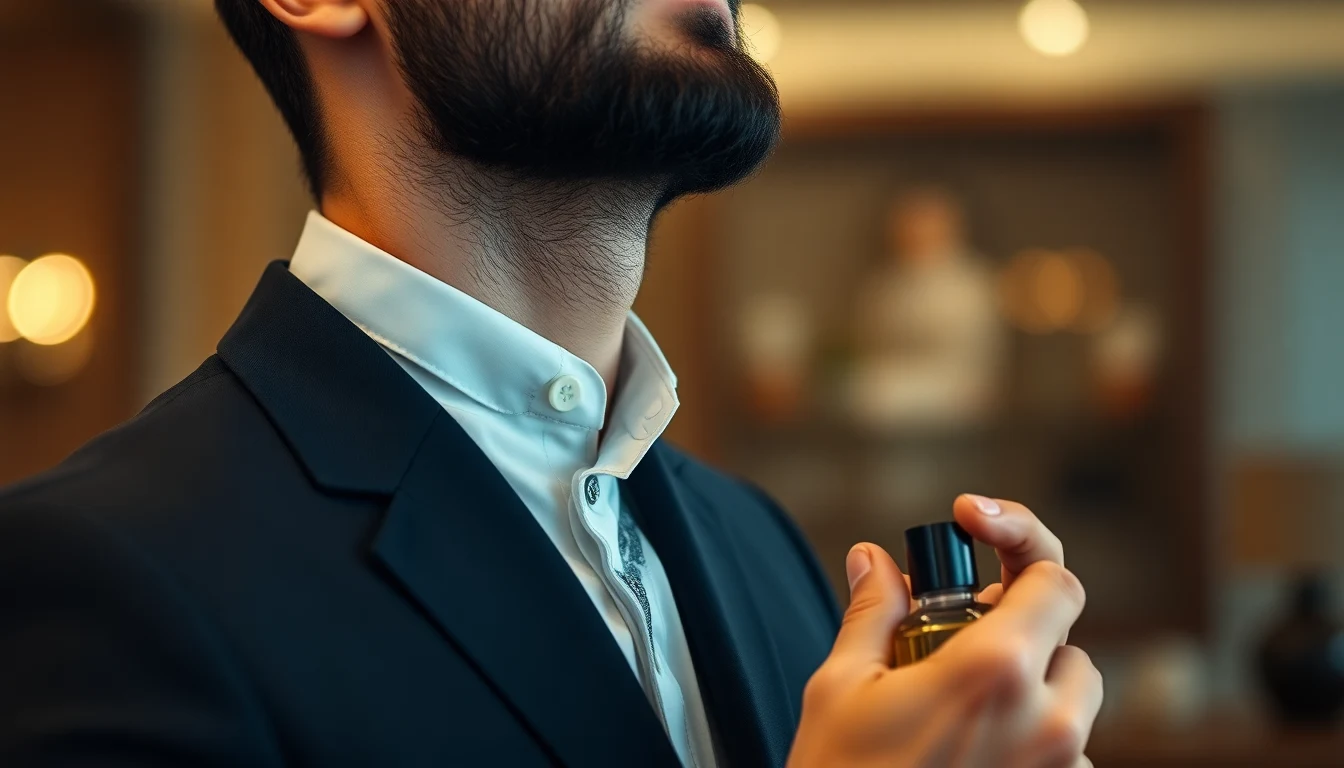
Attars tend to sit closer to the skin (lower projection) but last significantly longer than alcohol-based fragrances, often 8 to 12 hours or more. They evolve slowly on the skin, with the scent deepening and warming over hours rather than the rapid dry-down of a spray cologne.
Alcohol-Free Cologne/Spray
Modern alcohol-free sprays use a water or oil base instead of ethanol to deliver fragrance in a spray format. They bridge the gap between traditional attar (intimate, skin-close) and conventional cologne (projected, spray application). Longevity varies widely by brand, ranging from 2 to 8 hours. Projection is moderate, more than an attar but less than an ethanol-based cologne.
Conventional Cologne (Ethanol-Based)
Traditional colognes and perfumes use ethanol as the carrier. The alcohol evaporates quickly, launching the fragrance notes into the air (the initial “blast” you smell when someone sprays cologne). This gives ethanol-based fragrances strong initial projection but shorter overall longevity than oil-based alternatives.
Whether ethanol-based fragrances are permissible for Muslim men depends on your scholarly position. We covered this in depth in our halal vs. halal-certified guide. If you follow a position that permits topical alcohol, conventional colognes are an option. If you prefer to avoid alcohol entirely, this guide focuses on the best alcohol-free alternatives.
Culturally Significant Fragrance Notes
Certain scent notes carry deep cultural resonance in Muslim communities. Knowing what they are helps you choose with intention.
Oud (Agarwood)
Oud is the resinous heartwood produced by Aquilaria trees when they become infected with a specific mold. It is one of the rarest and most expensive natural ingredients in perfumery. The scent is deep, woody, slightly sweet, and unmistakable. Oud has been prized in Muslim cultures for centuries. High-quality natural oud from Cambodia, India, or Malaysia can cost hundreds of dollars per gram. Synthetic oud molecules provide a more accessible alternative that captures the essence, though connoisseurs can tell the difference.
Musk
Traditional musk came from the musk deer gland, which raises ethical and permissibility concerns. Today, virtually all musk in commercial fragrances is synthetic (white musk, galaxolide, muscone). Synthetic musk is clean, warm, and skin-like. It is the foundation of many modern attars. There is no animal-derived concern with synthetic musk.
Amber
Amber in perfumery is not the fossilized tree resin (that is ambergris, which comes from sperm whales and has its own permissibility discussion). Amber fragrance is typically a synthetic accord combining vanillin, labdanum resin, and benzoin to create a warm, sweet, resinous scent. It is universally pleasant and one of the safest choices for social settings. Mastering best alcohol-free colognes and attars takes practice but delivers great results.
Sandalwood
Sandalwood oil (Santalum album) is creamy, smooth, and subtly sweet. It has been used as a base oil for attars for centuries. Indian Mysore sandalwood is the most prized (and most expensive). Australian sandalwood offers a slightly drier, more affordable alternative. Sandalwood is an excellent “foundation” note that makes other fragrances last longer on the skin.
Rose
Rose (Rosa damascena) is another historically significant fragrance in Islamic culture. Rose water is used in many Muslim households. Rose attar, distilled from thousands of fresh roses, produces a rich, deep floral scent that is very different from the light, synthetic rose in drugstore products. Rose attar works beautifully alone or blended with oud.
Best Alcohol-Free Attars by Category
Best for Daily Wear: Light Musk Attars
For everyday use, including office environments and casual settings, a light white musk attar is ideal. It is clean, subtle, and inoffensive to colleagues who may not share your fragrance preferences. Apply 1 to 2 dabs to your wrists in the morning. It will last through your workday without overpowering anyone in a meeting.
Light musk attars are also the most versatile for layering. Wear them alone for a clean scent or as a base under a stronger evening attar. They pair well with virtually any clothing and any season.
Best for Jumu’ah: Oud and Sandalwood Blends
Jumu’ah (Friday prayer) is the traditional occasion for wearing your best fragrance. An oud and sandalwood blend says “Friday” in Muslim culture the way a good suit says “business meeting.” The oud provides depth and complexity; the sandalwood adds smoothness and longevity.
Apply to your pulse points 15 to 20 minutes before leaving for the masjid. The warmth of your body activates the scent, and by the time you arrive for prayer, the opening notes have settled into a rich, warm aura. These blends typically last 8 to 10 hours, carrying you from Jumu’ah through the rest of your day.

Best for Eid and Special Occasions: Pure Oud
For Eid, weddings, and other major celebrations, pure oud attar makes a statement. A single dab of high-quality oud is enough. Apply behind each ear and on one wrist. Let the scent radiate naturally. Do not rub your wrists together; this breaks down the scent molecules and shortens longevity.
Pure oud is an investment. Expect to pay $30 to $80 for a small bottle (3 to 6 ml) of quality oud oil, and significantly more for premium natural oud. A small bottle lasts months because you use so little per application. Think of it as a signature investment rather than a consumable.
Best for Summer: Citrus and Aquatic Attars
Heavy oud and amber can feel oppressive in summer heat. Lighter formulations with citrus (bergamot, lemon), green tea, or aquatic notes provide a fresher alternative. These are less traditional but increasingly popular among younger Muslim men who want something lighter for hot weather. Look for attars blending light musk with bergamot or a marine accord.
Best for Winter: Amber and Spice Attars
Cold weather is where warm fragrances shine. An amber attar with hints of cinnamon, clove, or saffron creates a cozy, inviting scent cloud. These heavier attars have excellent longevity in cold weather (cold air does not disperse fragrance as quickly as heat). Apply a bit more generously than in summer; the cold suppresses projection, so you need slightly more to achieve the same effect.
Best Alcohol-Free Sprays
If you prefer the convenience of a spray over the ritual of attar application, modern alcohol-free sprays have improved dramatically.
Water-Based Sprays
Water-based fragrances use purified water as the carrier. They spray like conventional cologne but without ethanol. The trade-off: shorter longevity (3 to 5 hours typically). They work well for quick refreshes between prayers or for casual, daytime use where you do not need 10-hour endurance.
Oil-Based Sprays
Some brands now offer oil-based formulas in spray bottles. These provide better longevity than water-based sprays (5 to 8 hours) while still offering the convenience of spray application. They can leave a slight oily residue on clothing, so spray on skin, not fabric. Understanding best alcohol-free colognes and attars is key to a great grooming routine.
How to Apply Attar: A Guide
Pulse Points
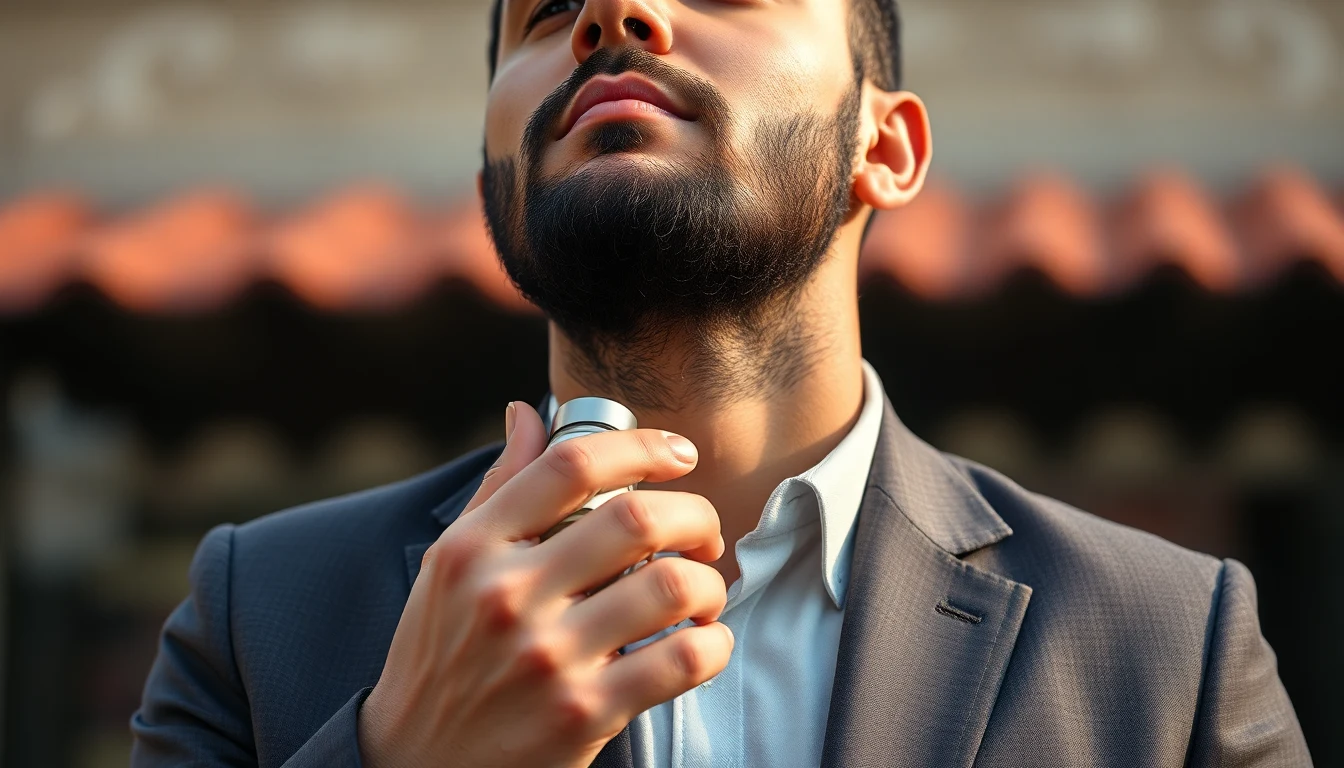
Apply attar to areas where blood vessels are close to the skin surface. The warmth from your pulse activates and projects the fragrance. Key pulse points: behind each ear, sides of the neck, inner wrists, inner elbows, and behind the knees (for special occasions when you want maximum longevity).
The Dabber Technique
Most attars come in small bottles with a glass wand or rollerball. Dab (do not rub) a small amount onto each pulse point. Rubbing generates friction heat that breaks down top notes prematurely. One dab per pulse point is sufficient. You can always add more later, but you cannot remove an overapplication.
Beard as Fragrance Carrier
Your beard is an excellent fragrance diffuser. A dab of attar at the base of the chin (where beard meets skin) allows the scent to project gently all day. The beard hairs trap and slowly release the fragrance. If you use a scented beard oil, coordinate the scent with your attar (or use an unscented oil to avoid clashing).
Clothing
Traditional practice includes applying attar to clothing, especially for Jumu’ah and Eid. Oil-based attars can stain light fabrics. Test on an inconspicuous area first. Applying to the chest area of a dark thobe or shirt is traditional and effective.
Fragrance Comparison Table
| Type | Longevity | Projection | Price Range | Best For |
|---|---|---|---|---|
| Pure oud attar | 10-14 hours | Close to moderate | $30-$200+ | Eid, weddings, special events |
| Musk attar | 6-10 hours | Close | $10-$40 | Daily wear, office |
| Oud + sandalwood blend | 8-12 hours | Moderate | $20-$80 | Jumu’ah, evenings |
| Amber attar | 8-10 hours | Moderate | $15-$50 | Winter, evenings, Ramadan |
| Alcohol-free spray (water) | 3-5 hours | Moderate to strong | $15-$60 | Casual, refresh between prayers |
| Alcohol-free spray (oil) | 5-8 hours | Moderate | $20-$70 | All-purpose daily wear |
Building a Halal Fragrance Collection
You do not need dozens of bottles. A practical collection for a Muslim man covers four bases.
1. A daily musk attar for work, errands, and everyday life. Subtle, clean, inexpensive.
2. A Jumu’ah/evening oud blend for Friday prayer and social events. Richer, more complex.
3. A summer option for hot months. Lighter, citrus or aquatic notes. This can be an alcohol-free spray for convenience.
4. An Eid/special occasion attar for celebrations. This is your signature scent for memorable moments. Invest here.
Total cost for this collection: $60 to $150, depending on quality. Small attar bottles last months. This is less expensive than a single bottle of many designer colognes, and every item in your collection is halal-compliant.
Fragrance and the Muslim Man’s Identity
Fragrance is not just about smelling good. In Muslim culture, it carries layers of meaning. Wearing fragrance to the masjid is an act of worship, showing respect for the sacred space and the brothers praying beside you. Selecting a special attar for Eid is a family tradition passed down through generations. The specific scent you choose becomes part of your identity; brothers will associate your presence with the warm trail of oud you leave behind.
For younger brothers or converts exploring this tradition for the first time, start simple. A white musk attar is universally pleasant and culturally appropriate. Wear it to Jumu’ah for a few weeks. Notice how brothers respond. Notice how you feel. Fragrance is intimate and personal, and finding your signature scent is a journey worth taking slowly. When it comes to best alcohol-free colognes and attars, technique matters most.
For brothers who grew up with attars, explore beyond the classics. The modern alcohol-free fragrance market has expanded dramatically. Niche perfumers now create complex, multi-layered compositions without alcohol that rival anything from mainstream designer houses. The Muslim fragrance market is no longer limited to three notes of oud, musk, and rose. There are aquatic attars, gourmand (food-inspired) blends, green and herbaceous compositions, and everything in between.
Common Fragrance Mistakes
Over-application. The number one mistake. When you wear a fragrance every day, your nose adapts to it (olfactory fatigue). You stop smelling it on yourself and keep adding more. The people around you, however, can smell every application. Stick to your standard 2 to 3 dabs, even if you cannot detect it yourself anymore. Others can.
Rubbing wrists together. This is so ingrained as a habit that most people do it without thinking. Rubbing creates friction heat that breaks down top notes and changes the fragrance’s development on your skin. Dab, do not rub. Let the fragrance develop naturally with your body heat.
Storing in the bathroom. Bathrooms are warm and humid, both of which degrade fragrance. Keep your attars in a cool, dry place, ideally a bedroom drawer or closet shelf away from direct light and heat sources.
Spraying on clothes only. Fragrance needs skin warmth to develop properly. Spraying only on clothes gives you the top notes but misses the beautiful mid and base note development that happens when fragrance interacts with your body chemistry. Apply to skin first, clothes second.
Storing Attars Properly
Oil-based fragrances are more stable than alcohol-based ones, but they still degrade if stored improperly. Keep attars away from direct sunlight (UV breaks down fragrance molecules). Store at room temperature (not in a hot bathroom). Keep bottles tightly sealed when not in use (oxidation dulls the scent). Amber or dark glass bottles are ideal; clear glass exposes the oil to light. With proper storage, a quality attar can last 5 to 10 years, improving with age like a fine oud.
Frequently Asked Questions
Do attars expire?
Pure oil-based attars have an exceptionally long shelf life. Many oud connoisseurs consider aged oud (5+ years old) superior to fresh oud. Synthetic attars and blends have a shorter lifespan (2 to 5 years) but still outlast most conventional colognes. If an attar smells “off” (rancid, sour, or completely flat), it has likely oxidized. Discard and replace.
Can I layer attar with a conventional cologne?
Yes, if you use conventional cologne. Apply the attar first (it lasts longer and sits closer to the skin), then spray cologne lightly on top. The cologne provides the initial projection burst, and as it fades, the attar continues underneath. This layering technique extends the effective fragrance life of both products. Just make sure the scent families complement each other (woody with woody, fresh with fresh).
Is attar safe for sensitive skin?
Oil-based attars are generally gentler than alcohol-based colognes because they lack the drying effect of ethanol. However, essential oils in attars can still cause contact dermatitis in sensitive individuals. If you have sensitive skin, test any new attar on a small area of your inner forearm and wait 24 hours before applying to pulse points. Pure sandalwood and musk are among the least irritating fragrance ingredients.
How do I know if an attar is genuine?
The attar market, unfortunately, has its share of adulterated products. Signs of a genuine attar: it comes from a reputable seller with transparent sourcing. The price is reasonable for the claimed ingredient (genuine oud is never $5 for a large bottle). It develops and changes over hours on skin rather than smelling static. It comes in a small glass bottle, not a large plastic container. Buy from established attar sellers, Muslim-owned fragrance businesses, or specialty shops with verifiable reputations.
What is the etiquette for wearing fragrance to the masjid?
Wearing fragrance to the masjid is sunnah and encouraged. The etiquette: apply moderately (the person next to you in prayer should catch a pleasant whiff, not be overwhelmed). Avoid overpowering fragrances in enclosed spaces. Be aware that some brothers may have fragrance sensitivities. A dab or two of attar is almost always appropriate; spraying an entire arm of cologne before entering a small prayer room is not.
Last updated: February 2026 | Omar Al-Rashid
Further reading: For research-backed grooming advice, see Healthline Men’s Health.
Frequently Asked Questions
What’s the difference between attar and alcohol-free cologne?
Attar is a traditional oil-based perfume that’s been used for centuries in Islamic cultures, while alcohol-free cologne is a modern spray alternative made without ethanol. Both are halal options, but attars typically last longer and have stronger projection, whereas sprays offer easier application and are better for those sensitive to oils.
Why do Muslim men wear fragrance for Jumu’ah prayer?
Wearing fragrance for Friday prayer is a sunnah based on the Prophet Muhammad’s known love of good scents and his acceptance of perfume as gifts. This weekly practice is observed by millions of Muslim men worldwide as a way to show respect for the sacred day and follow the prophetic tradition.
Are all best alcohol-free colognes and attars actually halal?
Not all products marketed as halal are rigorously tested or certified, which is why you should verify ingredients and look for proper halal compliance documentation. The article recommends only products that have been tested for both scent quality and halal alignment to help you avoid overpriced options with questionable authenticity.
What fragrance notes should I choose for different seasons and occasions?
For summer, light citrus and aquatic attars keep you fresh, while winter calls for warmer amber and spice blends. For special occasions like Eid, pure oud is traditional and luxurious, whereas light musk attars work well for everyday wear and won’t overwhelm in professional settings.