If you want to master best beard oils for black, this guide covers everything you need to know. Last updated: February 2026 by Darius Washington, Black Men’s Grooming Editor
Finding the best beard oil for Black men means avoiding bottles that are either too heavy for coarse facial hair or so lightweight they evaporate before lunch. Most beard oils are formulated for straight, fine facial hair. They sit on top of tightly coiled beards instead of penetrating. They leave you looking glazed rather than groomed.
This guide covers seven oils, plus the carrier oil science that explains why some formulas work and others just make a mess.
How this guide was produced: Cultured Grooming does not buy or test the products it covers. This guide draws on manufacturer specifications and ingredient lists, published guidance from dermatology and barbering sources, and publicly available owner reviews.
If you only read one section, jump to the comparison table. For the carrier oil breakdown, read the carrier oils guide.

Our Top Picks at a Glance
| Beard Oil | Price | Key Carrier Oils | Scent | Best For |
|---|---|---|---|---|
| Scotch Porter | $12-16 | Argan, jojoba, avocado | Warm, woodsy | Overall best for coarse, curly beards |
| Bevel | $14-18 | Castor, meadowfoam, olive | Light, fresh | Ingrown prevention and softening |
| SheaMoisture | $8-12 | Maracuja, shea, jojoba | Earthy, subtle | Budget moisture for thick beards |
| Honest Amish | $13-18 | Avocado, pumpkin seed, sweet almond | Spicy, herbal | All-natural ingredient purists |
| Jack Black | $24-28 | Marula, brown algae, kalahari melon | Clean, citrus | Premium option |
| Cremo Revitalizing | $10-14 | Argan, jojoba, sunflower | Cedar, cypress | Reliable mid-range daily driver |
| Viking Revolution | $9-13 | Argan, jojoba | Sandalwood, vanilla | Best budget option under $10 |
Why Beard Oil Matters More for Black Men
Black facial hair typically grows in a tight coil pattern, anywhere from 4A to 4C on the Andre Walker scale. Each coil creates a bend in the hair shaft, and every bend is a potential weak point where the hair can dry out, snap, or curl back into the follicle.
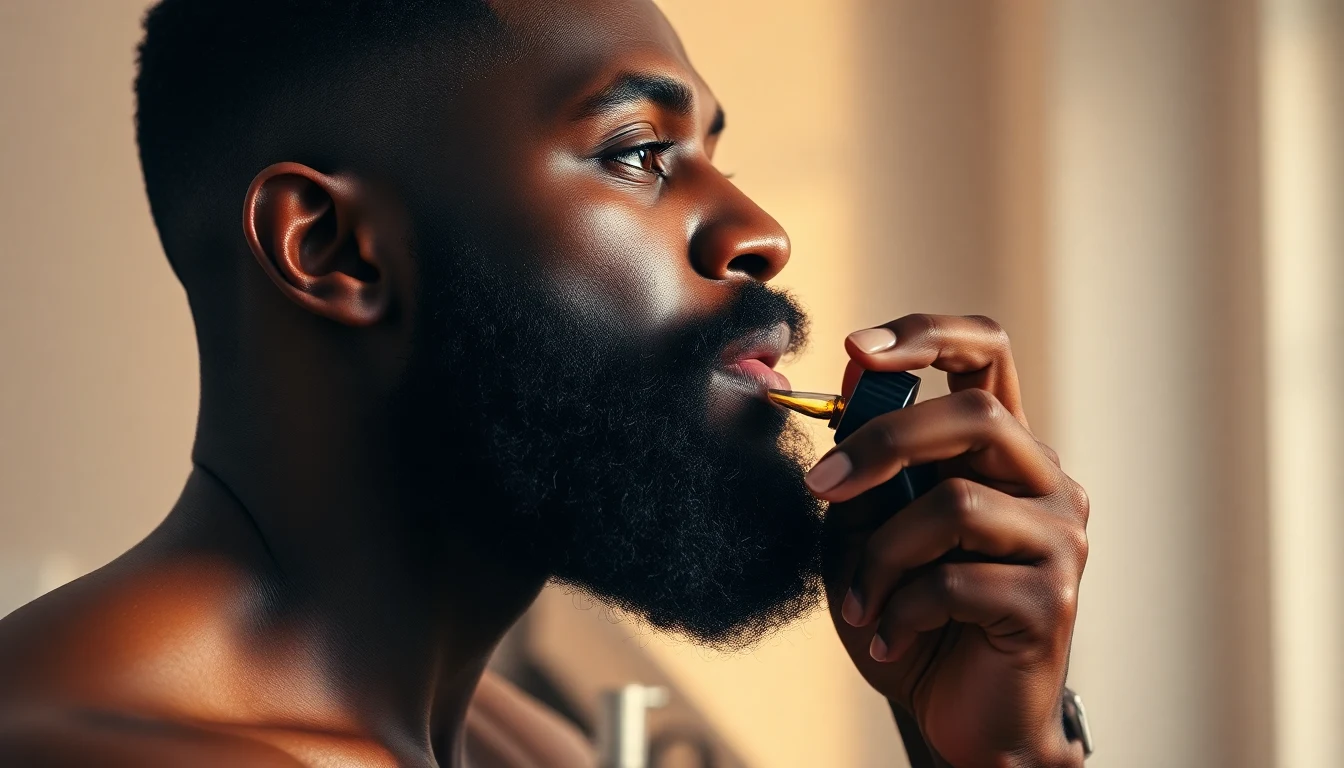
The sebaceous glands at the base of each follicle produce sebum, your skin’s natural oil. On straight facial hair, sebum travels down the shaft easily. On tightly coiled hair, it has to navigate every twist. It rarely makes it to the ends. Your barber has probably told you your beard is thirsty. He was not wrong.
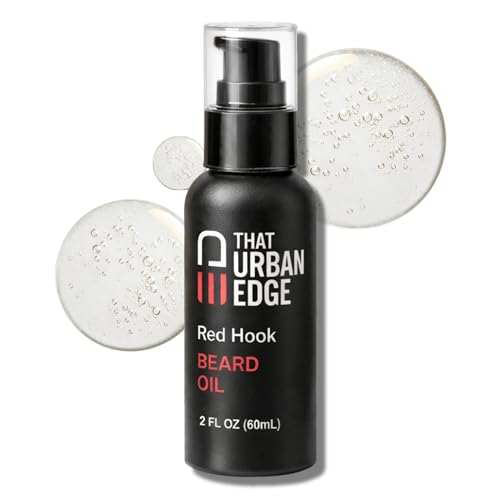
Beardruff. That flaking along your jawline is dry skin caused by coarse facial hair pulling moisture from the skin underneath. Beard oil hydrates both the hair shaft and the skin at the follicle. (We recommend this That Urban Edge Beard Oil for.)
Beard itch. New growth on 4C facial hair feels like sandpaper against your neck. The coils are sharp-tipped and rigid when dry. Beard oil softens each shaft, reducing friction. If you have ever shaved a beard off purely because of the itch, this is the fix you should have tried first. (We recommend this SFC Natural King Pro-Growth Hair &.)
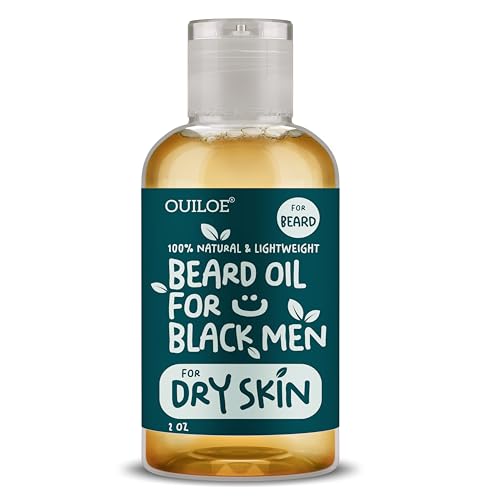
Ingrown hairs. Pseudofolliculitis barbae (PFB) affects up to 80% of Black men who shave regularly (Halder, 1983; Journal of the American Academy of Dermatology). Beard oil keeps hair soft enough to reduce the chance of re-entry into the follicle. Think of it as prevention that works alongside proper trimming and exfoliation. (We recommend this Ouiloe Beard Oil for Black Men.)
Breakage. Dry, brittle facial hair snaps at different lengths, making your beard look thinner than it is. Regular oiling maintains each strand’s integrity, especially past the one-inch mark.

The 7 Best Beard Oils for Black Men (Detailed Reviews)
1. Scotch Porter Beard Oil (Best Overall)
Scotch Porter was built for us. Calvin Quallis founded the brand specifically for Black men’s grooming. The base of argan, jojoba, and avocado oils was designed to penetrate tightly coiled hair, not just coat it.
The avocado oil is key here. Its molecular weight is small enough to penetrate the hair cuticle rather than sitting on the surface.
Best for: Men with 4B/4C facial hair looking for an everyday oil.
Pros: Formulated for textured hair. Black-owned brand.
Cons: Slightly pricier than drugstore brands. One scent only, no unscented option.
2. Bevel Beard Oil (Best for Ingrown Prevention)
Bevel was founded by Tristan Walker to reduce razor bumps and ingrown hairs for Black men. Their beard trimmer set the standard for bump-free grooming, and this oil extends that philosophy.
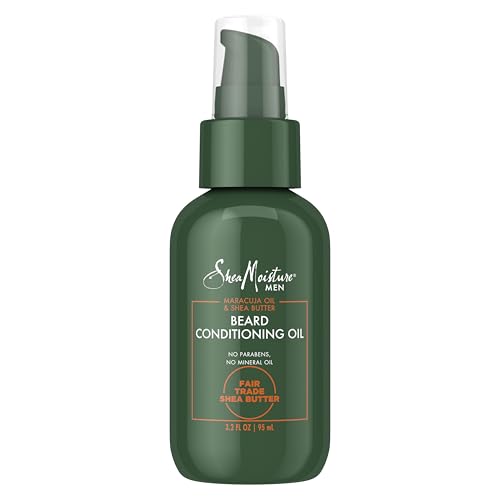
The formula centers on castor oil and meadowfoam seed oil. Castor is a heavyweight moisturizer, deeply conditioning for coarse hair. Meadowfoam balances it with a lighter texture. That transition zone where your beard meets bare skin is where most Black men struggle with ingrowns. (We recommend this SheaMoisture Beard Conditioning Oil for a.)
Best for: Men dealing with ingrown hairs and neckline irritation. Pair it with a quality beard trimmer.

Pros: Designed for ingrown reduction. Deep castor oil conditioning. Black-owned. Light scent.
Cons: Premium price for 1 oz.
3. SheaMoisture Beard Conditioning Oil (Best Budget Pick)
SheaMoisture has been a staple in Black hair care since before the natural hair movement had a hashtag. The base of maracuja oil, shea oil, and jojoba delivers solid hydration at a price that does not punish you for using it generously.
This is my recommendation for men who have never used beard oil before. The maracuja oil (passion fruit seed oil) is rich in vitamin C and essential fatty acids that repair dry, damaged beard hair. You can find it at Target, Walmart, and most drugstores.
Best for: First-time users and men on a budget. Solid choice for 4A/4B beards.
Pros: Affordable and widely available. Trusted in the Black hair care community.
Cons: May not be heavy enough for the coarsest 4C beards. Earthy scent is not for everyone.
4. Honest Amish Classic Beard Oil (Best All-Natural)
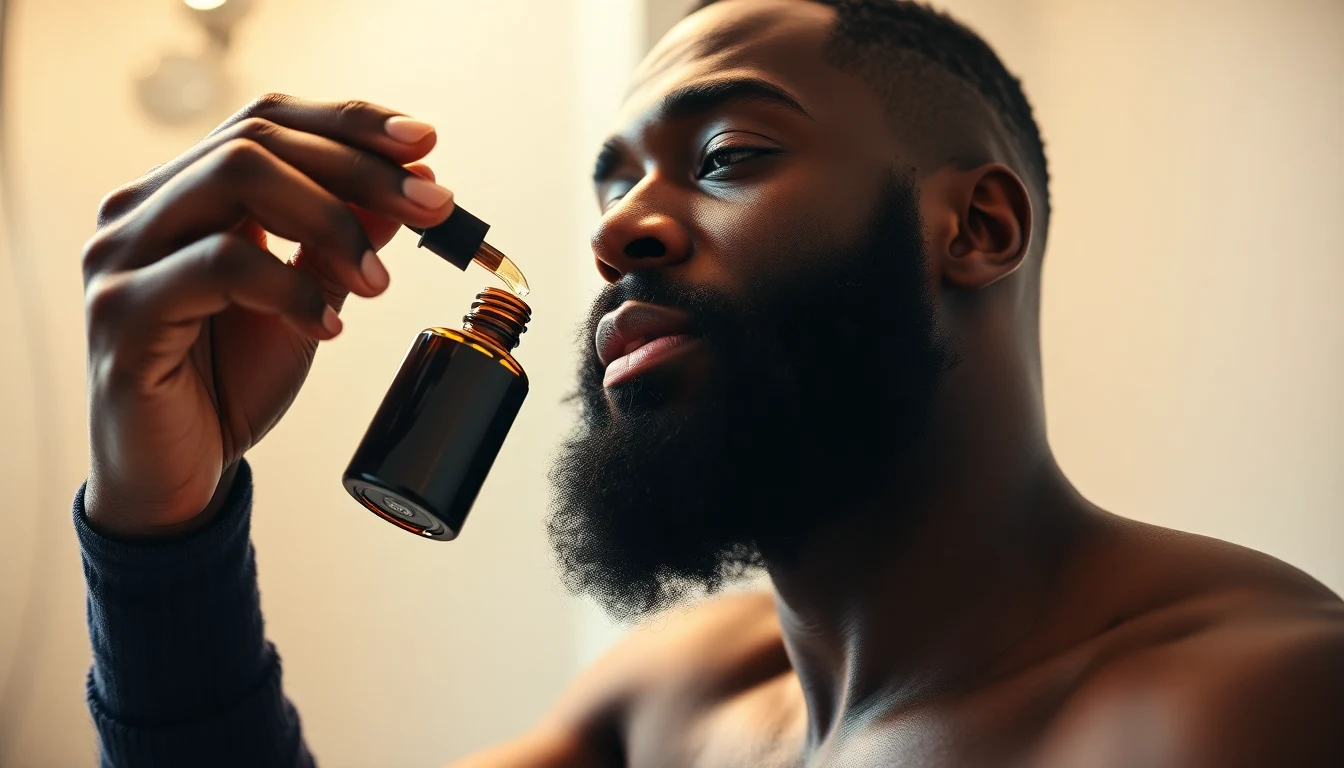
Honest Amish uses seven virgin and organic carrier oils: avocado, pumpkin seed, sweet almond, golden jojoba, kukui, moringa, and apricot kernel. No synthetic fragrances, no silicones. The pumpkin seed oil is rich in zinc, which supports the skin’s barrier function underneath your beard. Kukui oil, traditionally used in Hawaiian grooming, penetrates without clogging pores.

The limitation is the scent. It has a noticeable herbal, spicy fragrance. If you prefer clean or neutral, this is not your match.
Best for: Ingredient-conscious men who want a fully natural formula with no synthetic additives.
Pros: Seven organic oils.
Cons: Polarizing herbal scent. Not formulated specifically for textured hair. Can feel oily if over-applied.
5. Jack Black Beard Oil (Best Premium)
The standout ingredient is marula oil, combined with kalahari melon oil and brown algae extract.
The trade-off is price. At $24 to $28, this is the most expensive oil on the list. Scotch Porter costs roughly half as much.
Best for: Men who hate the feeling of product in their beard. Ideal for professional settings.
Pros: Clean citrus scent.

Cons: Premium price. Not a Black-owned brand. May need layering for the driest 4C beards.
6. Cremo Revitalizing Beard Oil (Best Mid-Range)
Cremo occupies the practical middle ground. Argan and jojoba make up the carrier base, with a cedar and cypress scent.
Best for: The man who wants reliable daily performance without overthinking his routine.
Pros: Argan and jojoba formula. Widely available.
7. Viking Revolution Beard Oil (Best Under $10)
Viking Revolution is the oil I recommend to men who are skeptical about whether beard oil works at all. At under $10, the risk is minimal. The argan and jojoba base is simple but effective. No specialty oils, no exotic extracts. What it does provide is basic hydration that shows you the difference daily moisture makes. Then you can decide whether to invest in a more targeted formula.
Best for: First-timers, tight budgets, and shorter beards that do not need heavy conditioning.
Pros: Under $10. Simple effective formula. Crowd-pleasing sandalwood-vanilla scent.

Cons: No specialty ingredients for deep conditioning.
Carrier Oil Guide: What Actually Penetrates Coarse Facial Hair
Every beard oil is built on carrier oils. The carrier is the base that delivers conditioning agents into your hair and skin. A 2005 study in the Journal of Cosmetic Science found that certain oils penetrate the hair shaft while mineral oil cannot (Rele & Mohile). On coarse, tightly coiled hair with a thicker cuticle layer, carrier choice determines whether you are conditioning your beard or just shining it.
| Carrier Oil | Absorption Speed | Conditioning Depth | Best For | Watch Out For |
|---|---|---|---|---|
| Jojoba | Fast (1-2 min) | Medium | Daily use, all beard lengths | None; closest to natural sebum |
| Argan | Medium (2-3 min) | Medium-Deep | Shine, softening, frizz control | Low-quality argan is often diluted |
| Sweet Almond | Medium (2-4 min) | Deep | Very dry beards, winter use | Nut allergy risk |
| Castor | Slow (5+ min) | Very Deep | Thickness, fullness, heavy conditioning | Too heavy alone; best blended |
Jojoba is the gold standard. Technically a liquid wax ester, it mimics your skin’s natural sebum. On coarse facial hair, it absorbs fast and distributes evenly through the coils. If a beard oil lists jojoba as its primary carrier, that is a good sign.
Argan brings shine and softening. Rich in vitamin E and oleic acid, it repairs the dry, damaged cuticle layer on 4B/4C facial hair. Look for Moroccan argan specifically.
Castor is the heavyweight. Thick, sticky on its own, it coats each strand with a dense moisture barrier. For men trying to maximize fullness, castor supports thickness. But never use it standalone. It needs to be blended with jojoba or argan to be workable.
Oils to Approach Carefully
Coconut oil penetrates the hair shaft, which is good. But it scores a 4 out of 5 on the comedogenic scale, meaning it clogs pores. On the skin underneath your beard, that means breakouts and worsened ingrowns. If your skin tolerates it, a small amount in a blend is fine. As a primary carrier, I would avoid it.
Mineral oil does not penetrate at all. It creates a surface barrier that can be useful in some products, but in a beard oil you want penetration. Skip formulas that list mineral oil or petroleum-derived ingredients as a primary carrier.
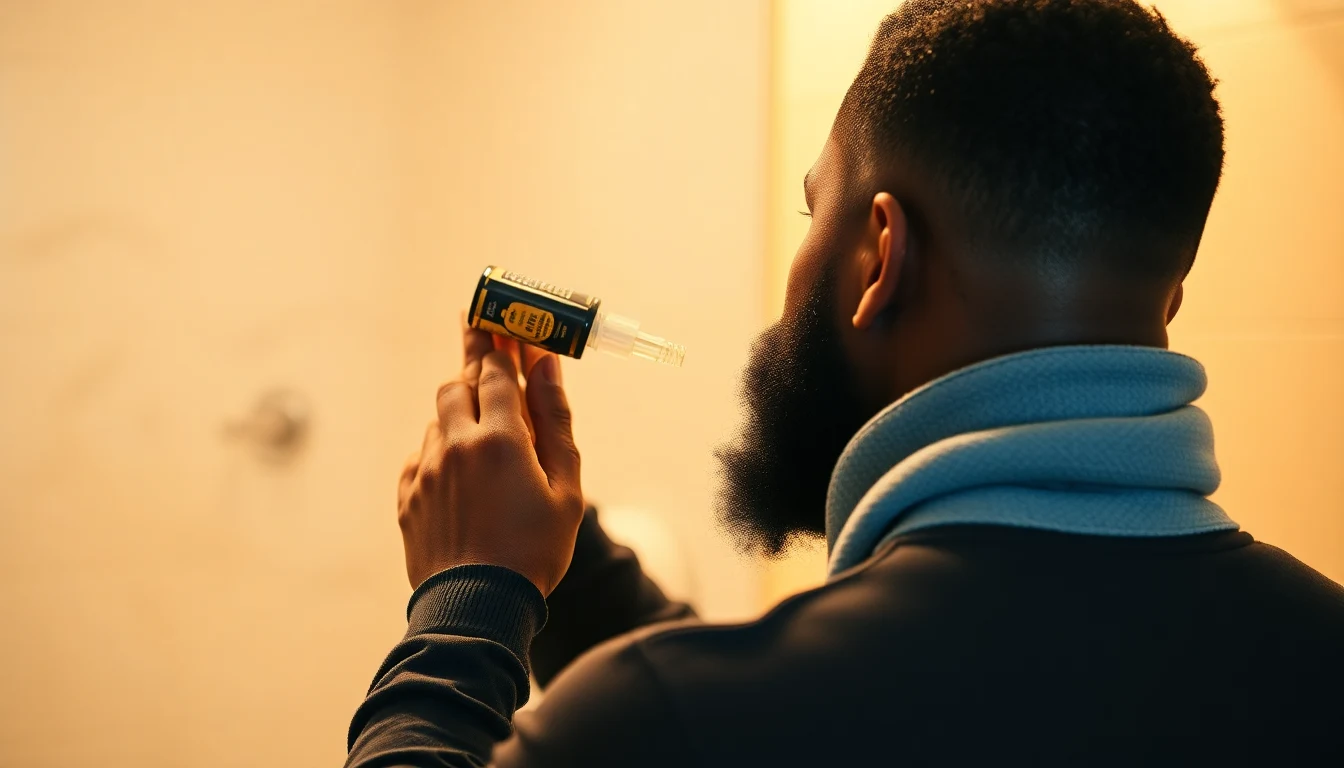
How to Apply Beard Oil Properly (Step-by-Step for Curly Beards)
Application technique matters as much as the product. Here is what works on coarse, curly facial hair.
Step 1: Start with a damp beard. Wash your face with a quality face wash or rinse with warm water. Pat damp, not dry. Oil seals moisture into the hair shaft. Applying to a bone-dry beard means the oil has to do all the hydrating work alone.
Step 2: Dispense the right amount. Three to four drops for a short beard (under one inch), five to six for medium (one to two inches), seven to eight for a full beard (two inches plus). These amounts are for coarse, tightly coiled facial hair. When it comes to best beard oils for black, technique matters most.
Step 3: Warm the oil. Rub your hands together for five seconds. Warming helps it absorb faster and distribute evenly.
Step 4: Work from underneath. This is the step most men skip. Push your fingers up through the bottom of your beard so you touch the skin. Massage the oil into the skin first, then work outward through the hair. Coarse, coiled hair traps moisture at the surface. You need to get oil to the follicle before worrying about the outer layer.
Step 5: Target the neckline and cheeks. These areas see the worst dryness, beardruff, and ingrowns. Massage in small circles along the jawline and down the neck.
Step 6: Finish with a boar bristle brush. A brush distributes oil from roots to tips and gently exfoliates the skin underneath. Ten to fifteen strokes, downward and outward. This step is not optional for coarse beards. The natural coil pattern prevents even distribution by hand alone.

Step 7: Layer balm if needed. If you want hold and shape, apply beard balm on top. If oil is your only product, you are done. The whole routine takes 90 seconds.
Beard Oil vs. Beard Balm vs. Beard Butter
If you can only buy one product, buy beard oil. But understanding all three helps you build the right routine.
| Product | Consistency | Purpose | Hold | When to Use |
|---|---|---|---|---|
| Beard Oil | Liquid | Moisture + skin hydration | None | Daily, all beard lengths |
| Beard Balm | Semi-solid (beeswax) | Moisture + light hold | Light-medium | Shaping beards over 1 inch |
| Beard Butter | Creamy (shea butter) | Deep conditioning | Minimal | Overnight repair, winter |
Oil alone handles beards under one inch. It covers moisture, itch, and beardruff without needing hold.
Oil + balm is the combination for beards over one inch. Oil first for moisture, then balm for shape. The beeswax gives coarse hair enough hold to stay clean all day.
Oil + butter is the recovery routine. Use at night or on weekends for deep conditioning that repairs brittle coils. Especially useful in winter when indoor heating strips moisture faster than daily oil replaces it.
Frequently Asked Questions
How often should Black men apply beard oil?
Once or twice daily depending on dryness and climate. A morning application after washing your face is the minimum. If you live in a dry climate or have a beard longer than two inches, add a second application before bed. Consistency matters more than quantity.
What is the best carrier oil for coarse Black facial hair?
Jojoba. Its molecular structure closely matches human sebum, so it absorbs quickly into tightly coiled hair without leaving a greasy film. For extreme dryness, a blend of jojoba and castor provides both fast absorption and deep conditioning. Avoid coconut oil as a primary carrier if your skin breaks out easily.
Can beard oil help prevent ingrown hairs in a curly beard?
Indirectly, yes. Beard oil keeps facial hair soft and hydrated, preventing the rigid, dry coils that curl back into the skin. It is not a standalone treatment for pseudofolliculitis barbae. You still need proper trimming technique, regular exfoliation, and a quality trimmer. But consistent oiling reduces ingrown frequency over two to three weeks.
What is the difference between beard oil and beard balm for Black men?
Beard oil is a liquid moisturizer that penetrates the hair shaft and hydrates skin. Beard balm contains beeswax or shea butter with carrier oils, providing a thicker consistency with light hold. Oil is the daily essential for hydration. Balm is the styling layer for shape and flyaway control. Most men with full beards benefit from both.
Why does my beard feel dry even after using beard oil?
Three reasons. First, you may not be using enough. Coarse hair absorbs more than straight hair. Double your amount and use a boar bristle brush. Second, you might be applying to a dry beard. Oil locks in moisture but does not add water. Dampen your beard first. Third, the formula may be too lightweight. Oils built on grapeseed or mineral oil do not condition 4C facial hair. Switch to jojoba, castor, or avocado-based formulas.
The Bottom Line
Beard oil is not optional for Black men with coarse, curly facial hair. It is the foundation of every other beard care step. Without it, your beard dries out, itches, flakes, and develops the ingrowns that make you want to shave the whole thing off.
- Scotch Porter is the overall best. Black-owned and formulated for textured hair.
- Bevel is the pick for ingrown prevention. Castor and meadowfoam are the base oils.
- SheaMoisture is the best value. Available everywhere, trusted in the community.
- Honest Amish delivers seven organic oils for ingredient purists.
- Jack Black is the premium pick if budget allows.
Start with one oil, use it every day for two weeks, and pay attention to how your beard feels by evening. Coarse facial hair tells you exactly what it needs if you listen.
Once your oil routine is locked in, make sure your trimming game matches. Check the best beard trimmers for Black men for clean lines without bumps. For skincare beyond the beard, start with the best face washes for Black men. And for style inspiration to frame your beard, explore types of fades and the taper fade haircut.
Frequently Asked Questions
What makes the best beard oil for black men different from regular beard oils?
The best beard oil for black men is formulated specifically for coarse, curly facial hair and uses carrier oils that penetrate tightly coiled hair without leaving a greasy residue. These formulas address common issues like beardruff and itchiness that occur when moisture gets trapped in textured beards.
How do I apply beard oil to coarse, curly facial hair without it looking greasy?
Start with just 3-4 drops of non-greasy formula on your fingertips, then work it through your beard by combing your fingers downward and massaging it into the hair and skin. Apply to damp beard after showering for better absorption and less visible residue.
Can beard oil really help with beardruff and itchiness?
Yes, quality beard oils with proper carrier oils can significantly reduce beardruff and itching by moisturizing both your facial hair and the skin underneath. Coarse beards often trap moisture unevenly, causing dryness and irritation that a good beard oil helps balance.
What carrier oils should I look for in a beard oil for my 4C hair texture?
Look for lightweight carrier oils like jojoba oil, argan oil, and sweet almond oil, which absorb quickly into 4C textured hair without sitting on top and causing buildup. Avoid heavy oils like coconut oil that can leave residue in tightly coiled beards.