
If you want to master best beard trimmers for black, this guide covers everything you need to know. Last updated: February 2026 by Darius Washington, Black Men’s Grooming Editor
I spent three years trimming my own beard wrong. Cheap trimmers, dull blades, shaving too close on the neck. Every time, the same result: bumps along my jawline within 48 hours. That cycle did not break until I understood what the best beard trimmer for Black men actually needs to do. It is not just about cutting hair short. It is about cutting coarse, tightly coiled facial hair cleanly, at the right length, without dragging the blade across your skin like sandpaper.
Pseudofolliculitis barbae (PFB), the clinical name for razor bumps, affects up to 80% of Black men who shave regularly (Halder, 1983; Journal of the American Academy of Dermatology). That number drops significantly when you switch from multi-blade razors to a quality trimmer with the right blade gap. This guide covers six trimmers I have tested on 4B and 4C facial hair, with input from three Atlanta barbers who shape beards all day.
If you only read one section, jump to the comparison table. For the full breakdown including ingrown hair prevention, keep reading.
Our Top Picks at a Glance
| Trimmer | Price | Blade Type | Cordless? | Battery Life | Best For | Rating |
|---|---|---|---|---|---|---|
| Bevel Beard Trimmer | $180-200 | Single T-blade | Yes | 8+ hours | Bump prevention on coarse hair | 5/5 |
| Andis Slimline Pro Li | $65-80 | T-blade (carbon steel) | Yes | 2 hours | Precision lineups and detail work | 4.5/5 |
| BaBylissPRO GoldFX Trimmer | $100-130 | Exposed T-blade (DLC titanium) | Yes | 2+ hours | Pro-level lineups and beard sculpting | 4.5/5 |
| Wahl Stainless Steel Lithium Ion | $60-80 | Standard precision blade | Yes | 6+ hours | All-around beard maintenance with guards | 4/5 |
| Philips Norelco Multigroom 7000 | $30-40 | Self-sharpening steel blades | Yes | 5 hours | Budget versatility with 23 attachments | 3.5/5 |
| Andis T-Outliner | $50-65 | T-blade (carbon steel) | No (corded) | N/A | Barbershop-grade edge work on a budget | 4/5 |
What to Look for in a Beard Trimmer for Coarse, Curly Hair
Not every trimmer works the same on 4B and 4C facial hair. The beard on a Black man’s face grows in tight coils that curl in unpredictable directions, often with multiple growth patterns on the cheeks, chin, and neck. Here is what actually matters.
Blade Type: T-Blade vs. Standard
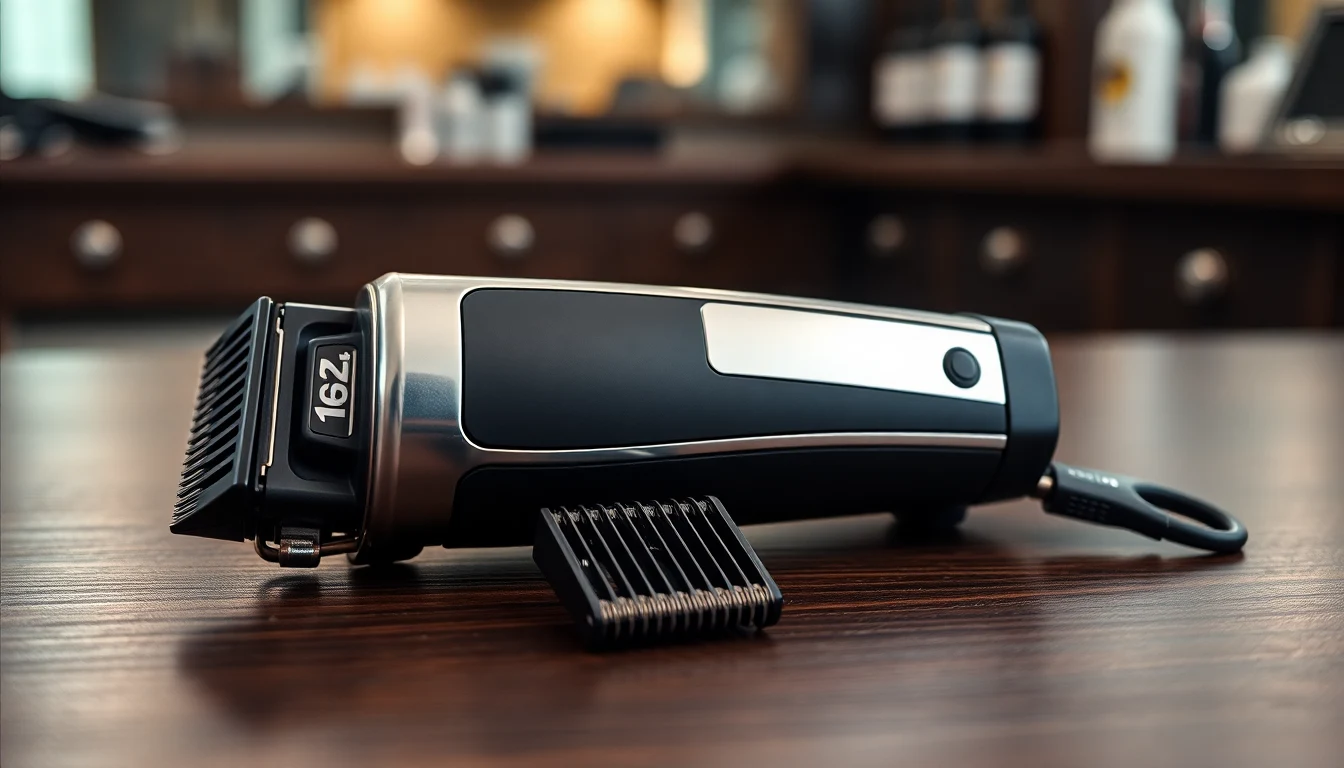
A T-blade extends wider than the trimmer body, giving you a clear sightline to the cutting edge. That visibility matters when you are carving a cheek line or shaping the neckline on tightly coiled hair where every millimeter is visible. Standard blades sit flush and are better for bulk length reduction with guards. For Black men who prioritize a clean beard lineup, a T-blade is the move.
Blade Gap and Zero-Gapping
This is where most trimmer guides get it wrong for our hair. Zero-gapping gives you the absolute closest cut, nearly skin-level. That sounds great until you consider that 4C facial hair curls back toward the skin as it grows. Cut it too short and the tip re-enters the follicle within a day.
My barber in East Atlanta, who has been shaping beards for 14 years, puts it simply: “I leave a half-click of gap on most of my Black clients. Enough to see the line, not enough to cause drama.” If you are prone to PFB, a slight gap gives you a clean look without cutting below the skin surface.
Motor Speed and Power
Coarse facial hair demands torque. A trimmer running at 7,000+ strokes per minute will cut through dense 4C beard hair without stalling or pulling. Cheaper trimmers with weak motors slow down mid-stroke, catching individual hairs and yanking them. That pulling irritates the follicle and increases bump risk.
The 6 Best Beard Trimmers for Black Men in 2026
1. Bevel Beard Trimmer
The Bevel Beard Trimmer was designed by Tristan Walker, a Black man who built an entire brand around solving the razor bump problem. Every design decision, from the blade geometry to the single-cutting-edge approach, was made with coarse, curly facial hair as the baseline, not an afterthought.
The single T-blade cuts close enough for a clean look but not so close that the hair curls back under the skin. I have been using the Bevel for over a year, and my neckline stays defined for three to four days between trims with zero bumps. Battery life is exceptional at eight hours on a single charge.
How it handles coarse facial hair: Engineered for it. The blade speed cuts through 4C beard hair cleanly, and the slight gap between cutting edges prevents the over-close shave that causes PFB.
Pros:
- Purpose-built by a Black-owned brand for textured facial hair
- 8+ hour battery life, best in class
- Significant reduction in razor bumps compared to multi-blade trimmers
Cons:
- $180-200 price point is steep
- No guard attachments included; sold separately
- Not ideal for precise barbershop-style lineups
Best for: Black men who deal with chronic razor bumps and want a trimmer specifically designed around that problem.
See the Bevel Beard Trimmer
2. Andis Slimline Pro Li
Walk into any Black barbershop in America and you will see the Andis Slimline Pro Li sitting on at least one station. It is the go-to detail trimmer for lineups, beard shape-ups, and edge work. The carbon steel T-blade is thin enough to carve precise lines along the cheek, jaw, and neckline where coarse hair meets skin.
I have watched barbers outline beards on men with the densest 4C facial hair I have ever seen, and this blade does not hesitate. At $65-80, it is the sweet spot between barbershop performance and home-grooming budget. The slim body is easy to maneuver, and the T-blade visibility makes it almost impossible to mess up your cheek line. Mastering best beard trimmers for black takes practice but delivers great results.
How it handles coarse facial hair: Carbon steel stays sharp through 4C hair without dulling quickly. High blade speed prevents snagging.
Pros:
- Industry-standard for professional beard lineups
- Lightweight, slim body for precise control
- Affordable at $65-80
Cons:
- 2-hour battery life is on the shorter side
- Can run hot after 15+ minutes of continuous use
- Detail/lineup tool only, not for full beard maintenance
Best for: Precise beard lineups and edge-ups. The same trimmer your barber uses for your shape-up.
See the Andis Slimline Pro Li For more guidance, GQ provides expert resources on men’s grooming.
3. BaBylissPRO GoldFX Trimmer
The BaBylissPRO GoldFX exposed DLC titanium T-blade is sharper and harder than standard carbon steel, which means it cuts through coarse, curly facial hair with less resistance. Less resistance means less pulling. Less pulling means fewer irritated follicles.
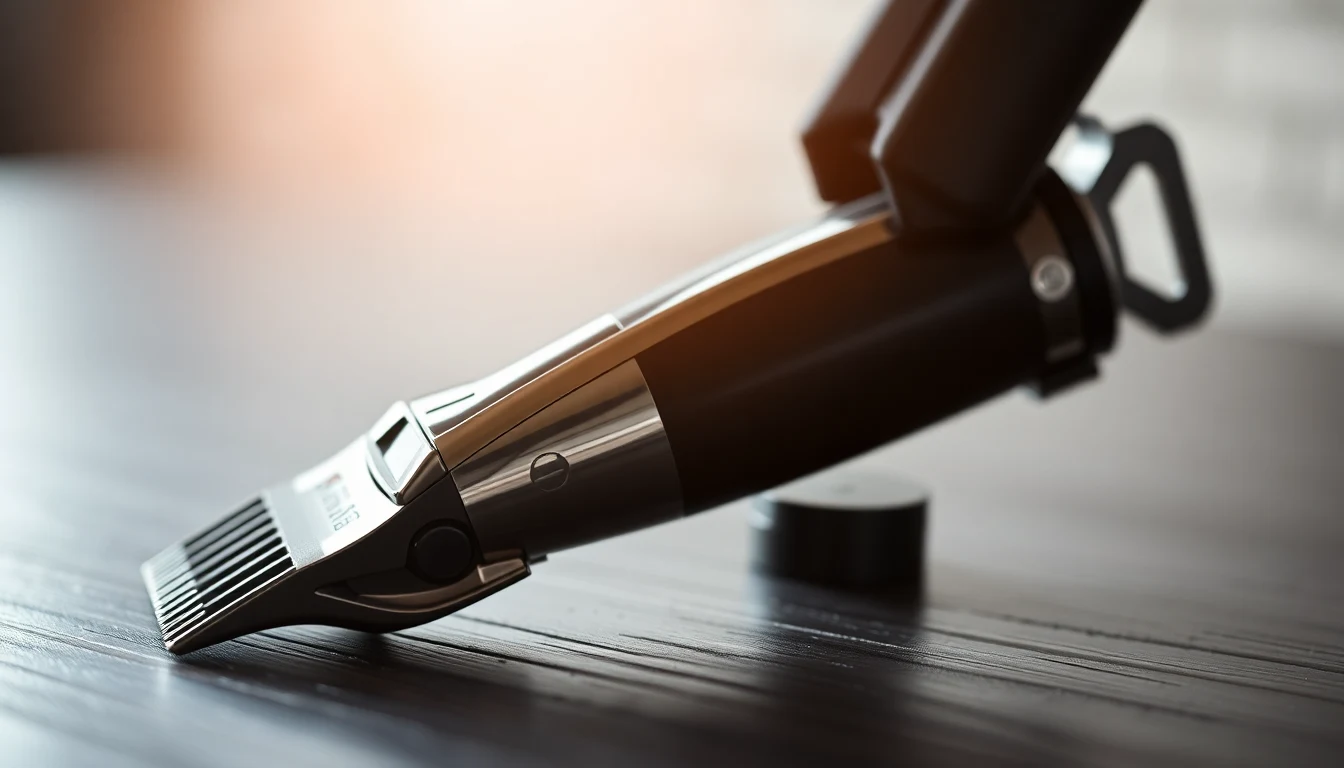
The knurled metal grip prevents slipping when your hands are oiled up from beard balm. The high-torque motor does not lose speed when it hits a thick patch on the chin or jawline. At $100-130, it splits the difference between the Bevel’s bump-prevention focus and the Slimline’s lineup precision. If you want one trimmer that does both jobs well, this is the pick.
How it handles coarse facial hair: DLC titanium is one of the hardest cutting surfaces in a consumer trimmer. It glides through 4B and 4C beard hair with minimal drag.
Pros:
- DLC titanium blade stays sharper longer than carbon steel
- High-torque motor handles dense facial hair without slowing
- Knurled metal body prevents slipping
Cons:
- $100-130 price; premium territory
- Exposed blade can nick skin around the Adam’s apple
- Heavier than the Andis Slimline
Best for: Men who want barbershop-level precision in a single cordless trimmer for both lineups and full beard shaping.
See the BaBylissPRO GoldFX Trimmer
4. Wahl Stainless Steel Lithium Ion
If your beard game is more about maintaining a full, well-shaped beard than carving razor-sharp lineups, the Wahl Stainless Steel Lithium Ion is the workhorse. It ships with 12 guide combs covering 1mm to 25mm, making it the most versatile trimmer on this list. Battery life is over six hours.
The standard blade (not a T-blade) is better suited for bulk trimming with guards than for freehand lineup work. For coarse hair, the self-sharpening precision blades handle 4B and 4C beard textures without the tugging you get from cheaper all-in-one trimmers. The guards snap on securely and do not pop off mid-trim.
Pros:
- 12 guide combs for versatile length options
- 6+ hour battery life
- Self-sharpening blades reduce maintenance
Cons:
- Standard blade, not ideal for precise lineups
- Heavier than dedicated detail trimmers
- Not zero-gappable
Best for: All-around beard maintenance for men who keep a full beard and need versatile length control. Understanding best beard trimmers for black is key to a great grooming routine.
See the Wahl Stainless Steel Lithium Ion
5. Philips Norelco Multigroom 7000
At $30-40, the Philips Norelco Multigroom 7000 is the budget entry, and I want to be honest about what that means. This is not a barbershop-quality trimmer. The blade speed is lower, the precision is not as tight, and the cutting heads are designed for versatility across your entire body rather than specializing in beard work.
That said, if you are building your grooming kit from scratch and need one tool that trims your beard, nose hair, and body hair, it does all of that adequately. The self-sharpening steel blades handle coarse facial hair better than most sub-$50 trimmers. I would not recommend it for freehand neckline work on curly hair. Pair it with a dedicated T-blade trimmer for lineups and use the Multigroom for everything else. (We recommend this MANSCAPED® The Beard Hedger® Men’s Premium.)
Pros:
- 23 attachments cover beard, body, nose, and ear grooming
- $30-40 price makes it accessible
- Fully washable under running water
Cons:
- Not precise enough for clean beard lineups on curly hair
- Lower blade speed can snag thick hair at shorter lengths
- Jack-of-all-trades, master of none
Best for: Budget-conscious men who need a versatile all-in-one grooming tool and do not prioritize razor-sharp lineups.
See the Philips Norelco Multigroom 7000
6. Andis T-Outliner
The Andis T-Outliner is the trimmer that built the barbershop lineup. The corded design means it never loses power mid-trim, which matters more than you think when you are working through dense 4C facial hair on a Sunday morning. No battery degradation, no gradual slowdown.
The T-blade is the same carbon steel design that professionals have relied on for decades. It is easily zero-gappable with a quick blade adjustment, and the visibility on the cutting edge is excellent for freehand cheek lines. If you grew up watching your barber shape beards with a corded trimmer in each hand, one of them was probably a T-Outliner. At $50-65, you get genuine barbershop-quality blade performance without the cordless premium.
Pros:
- Corded power means no battery degradation or mid-trim slowdowns
- Classic barbershop T-blade, proven on decades of textured hair
- Zero-gappable with simple blade adjustment
- $50-65 for professional-grade performance
Cons:
- Corded only; no cordless option
- Motor heats up after 10-15 minutes of continuous use
- No guide comb attachments included
Best for: Men who want a dedicated lineup trimmer at a barbershop-proven price and do not mind the cord.

See the Andis T-Outliner
Beard Trimmer Buying Guide: What Black Men Need to Know
Zero-Gap vs. Close-Gap: The PFB Factor
Zero-gapping pushes the cutting blade flush with the fixed blade, giving you the closest possible trim. On straight hair, this is fine. On 4C facial hair, zero-gapping can cut the hair so short that the curled tip immediately curves back into the skin, creating an ingrown hair within 24 to 48 hours.
If you are prone to pseudofolliculitis barbae, leave a slight gap. The difference is maybe half a millimeter of visible stubble. That half millimeter is the difference between smooth skin and a neckline full of bumps.
Foil Shaver vs. Blade Trimmer
Foil shavers cut extremely close, nearly to the skin surface. For Black men prone to bumps, foil shavers can be worse than multi-blade razors because they cut hair below the skin surface in some areas. A blade trimmer with a proper gap setting gives you more control. You are trimming above the skin surface rather than shaving at it. That is why barbers who specialize in Black men’s grooming overwhelmingly prefer blade trimmers for beard work.
Battery Life: What Actually Matters
For home use, anything above two hours is fine. The real question is how the trimmer behaves when the charge drops. Cheap trimmers lose blade speed as the battery drains, causing pulling and uneven cuts on coarse hair. Look for lithium-ion batteries, which maintain consistent power until they are nearly dead, then shut off cleanly rather than gradually fading. When it comes to best beard trimmers for black, technique matters most.
How to Trim Your Beard to Prevent Ingrown Hairs and Razor Bumps
The trimmer is only half the equation. Technique determines whether you end up with a clean beard or a neckline covered in bumps. Here is the approach I use, confirmed by two dermatologists who specialize in skin of color.
Step 1: Prep the Hair
Wash your face with warm water or trim immediately after a shower. Warm water softens the hair shaft and opens the follicle. Coarse, dry 4C facial hair is significantly harder to cut cleanly when it has not been softened. The blade glides instead of pulling.
Step 2: Trim With the Grain
Find your beard’s growth direction. On most men, the cheeks grow downward, the chin grows outward, and the neck grows upward or in multiple directions. Trim in the same direction the hair grows. Going against the grain cuts the hair at an angle below the skin surface, the primary trigger for ingrown hairs on curly facial hair.
I know going against the grain feels closer. It is closer. That is the problem.
Step 3: Do Not Over-Trim the Neckline
The neckline is where most Black men get ingrowns. The hair there grows in multiple directions, often curling directly into the skin even at moderate lengths. Trim the neckline no more than once every three to five days. A slightly visible neckline trim looks clean. A repeatedly over-trimmed neckline looks inflamed.
Step 4: Post-Trim Treatment
Immediately after trimming, apply an aftershave with salicylic acid or glycolic acid. These ingredients exfoliate around the follicle, preventing the hair from getting trapped under dead skin. Products like PFB Vanish and Tend Skin are formulated specifically for this. Avoid alcohol-heavy aftershaves, which dry out melanin-rich skin and increase irritation.
Step 5: Exfoliate Between Trims
Two to three times per week, use a gentle chemical exfoliant (AHA or BHA) on the beard area, especially the neck. Physical scrubs can irritate existing bumps, so stick to chemical exfoliation.
Beard Maintenance Routine for Black Men
Coarse, curly beard hair needs moisture, structure, and maintenance on a schedule. Here is the routine I follow on 4C facial hair.
Daily (5 Minutes)
- Cleanse: Sulfate-free beard wash or warm water. Regular soap strips the natural oils that keep coarse hair soft.
- Moisturize: Beard oil while the hair is still damp. Focus on the skin underneath. For 4C facial hair, jojoba or argan oil absorbs without a greasy film.
- Brush: Boar bristle brush, working downward to train growth direction and distribute oil evenly.
Weekly
- Deep condition: Beard balm or conditioner, five minutes before rinsing. Coarse facial hair loses moisture fast.
- Trim and shape (every 3-5 days): T-blade for cheek line, jawline, and neckline. Standard trimmer with guards for overall length.
- Exfoliate (2-3 times): Chemical exfoliant on the neckline and bump-prone spots.
Monthly
- Replace or sharpen trimmer blades if you notice pulling
- Oil your trimmer blades before each use (two to three drops across the teeth)
- Deep clean your trimmer to remove hair and product buildup
- Visit your barber for a professional shape-up if your cheek line or neckline has drifted, then maintain that line at home
Frequently Asked Questions
What type of beard trimmer is best for coarse, curly facial hair?
A T-blade trimmer with a close-gap setting is best for coarse, curly facial hair. T-blades give you the precision needed for beard lineups on tightly curled hair. Look for 7,000+ strokes per minute to cut through dense facial hair without snagging. The Bevel Beard Trimmer and Andis Slimline Pro Li are both excellent choices. (We recommend this OLOV X Men’s Beard Trimmer –.)
How do I prevent razor bumps when trimming my beard?
Trim with the grain, never against it. Use a trimmer rather than a multi-blade razor. After trimming, apply salicylic acid or glycolic acid (PFB Vanish, Tend Skin). Exfoliate the beard area two to three times per week. Keep your blade clean, sharp, and oiled.
Should I zero-gap my beard trimmer for a closer cut?
If you are prone to ingrown hairs or pseudofolliculitis barbae, leave a slight gap instead of zero-gapping. Cutting hair at a tiny length above the skin prevents the tip from curling back into the follicle. For most Black men, a close gap provides the best balance of clean lines and bump prevention.
How often should I trim my beard to prevent ingrown hairs?
Every three to five days rather than daily. Cutting too frequently keeps the hair at the exact length where it curls back into the skin. Give it a few days of growth to get past the critical re-entry length.
What is the difference between a T-blade and a standard blade trimmer?
A T-blade has a wider cutting edge that extends beyond the trimmer body, giving you better visibility for detail work like lineups and edge-ups. Standard blades sit flush and are better for bulk trimming with guards. For clean beard lines, use a T-blade. For general maintenance, use a standard blade. Many men, including myself, use both.
The Bottom Line
Here is the recap:
- Best overall for bump prevention: Bevel Beard Trimmer. Black-owned, purpose-built for coarse facial hair.
- Best for precision lineups: Andis Slimline Pro Li. The same trimmer your barber uses. Lightweight, sharp, affordable.
- Best all-around performer: BaBylissPRO GoldFX Trimmer. DLC titanium handles lineups and full beard shaping.
- Best for full beard maintenance: Wahl Stainless Steel Lithium Ion. 12 guards, 6+ hour battery.
- Best budget pick: Philips Norelco Multigroom 7000. Under $40, 23 attachments.
The trimmer you choose matters less than how you use it. Trim with the grain, leave a slight blade gap if you get bumps, moisturize daily, and exfoliate the neckline. That combination will do more for your beard than any single product purchase.
If you are also looking for the right clippers for your haircut, check out our guide to the best clippers for fades or the complete breakdown of types of fades. For a full lineup and taper reference, our taper fade haircut guide covers every variation with barber-approved instructions.
Further reading: For research-backed grooming advice, see Healthline Men’s Health.
Explore more tips at CulturedGrooming.com.
Frequently Asked Questions
What makes the best beard trimmer for Black men different from regular trimmers?
The best beard trimmer for Black men features T-blade designs, zero-gap settings, and single-blade technology specifically engineered for coarse and curly facial hair. These features help you achieve clean lines while minimizing ingrown hairs and razor bumps, which are common concerns for Black men’s grooming.
Why do I keep getting ingrown hairs and bumps when I trim my beard?
Ingrown hairs occur when your trimmer pulls or tugs at coarse, curly facial hair instead of cutting it cleanly. Using a trimmer with a T-blade design and sharp, high-quality blades ensures you get a precise cut that prevents the hair from curling back into your skin.
Are cordless beard trimmers as effective as corded ones for thick facial hair?
Modern cordless trimmers like the Andis Slimline Pro Li with lithium batteries offer comparable power and cutting performance to corded models while giving you the flexibility to trim without being tethered to an outlet. You should look for cordless options with consistent blade speed and zero-gap settings to handle coarse facial hair effectively.
How often should I replace my trimmer blades to prevent bumps and irritation?
You should replace or professionally sharpen your trimmer blades every 6 to 12 months, depending on how frequently you trim, to maintain sharp cutting edges that won’t tug at your beard. Dull blades are a leading cause of ingrown hairs and irritation, so keeping your equipment in top condition is essential for clean, bump-free results.