If you want to master best dandruff shampoo for black, this guide covers everything you need to know.
If you want to master best dandruff shampoo for black, this guide covers everything you need to know. Last updated: February 2026 by Darius Washington, Black Men’s Grooming Editor
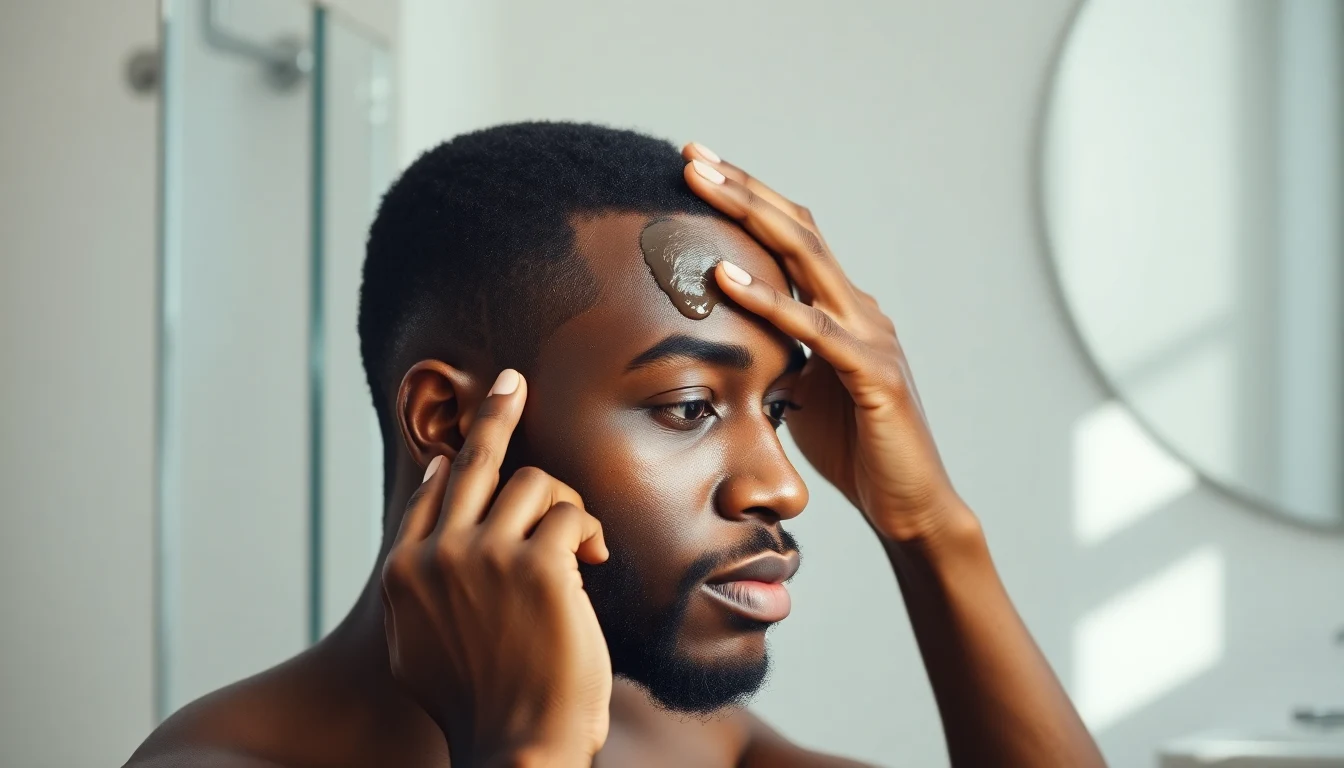
I have been dealing with dandruff since college. Not the “minor flaking after a dry winter” kind. The kind where white flakes are sitting in your 4C coils like confetti after a party nobody invited you to. I tried every shampoo the drugstore had, and most of them did the same thing: cleared the flakes for two days, then left my scalp so dry it started flaking again for a completely different reason. If you are looking for the best dandruff shampoo for Black hair, you already know the struggle. Most of these products were not formulated with your hair texture in mind.
Here is the truth my barber dropped on me years ago that changed everything: fighting dandruff on textured hair is a two-front war. You need the active ingredients that actually kill the fungus, AND you need to protect the moisture that 4B and 4C hair cannot afford to lose. Get one without the other and you are trading flakes for breakage. I have tested over a dozen dandruff shampoos on my own scalp and consulted dermatologists who specialize in Black hair. This is the definitive list of what works.
Our Top Picks at a Glance: Best Dandruff Shampoo For Black
Before we get into the details, here is a quick comparison of the best dandruff shampoos for Black hair. Every product on this list was evaluated for its antifungal or anti-flake effectiveness AND its impact on moisture retention in textured hair.
| Product | Active Ingredient | Best For | Sulfate-Free | Price Range |
|---|---|---|---|---|
| Nizoral A-D | 1% Ketoconazole | Moderate to severe dandruff, seborrheic dermatitis | No | $14-18 |
| Head & Shoulders Royal Oils | 1% Pyrithione zinc | Daily use on 4B/4C hair, maintenance | Yes | $8-12 |
| As I Am Dry & Itchy Scalp Care | 1% Pyrithione zinc | Dry scalp with flaking, co-wash alternative | Yes | $10-14 |
| Neutrogena T/Sal | 3% Salicylic acid | Heavy buildup and thick scale removal | No | $8-12 |
| SheaMoisture African Black Soap | Tea tree oil, African black soap | Mild dandruff with natural ingredients | Yes | $10-14 |
| Frederick Benjamin Rejuvenating | Tea tree oil, menthol | Itchy scalp, Black-owned brand | Yes | $12-16 |
| TGIN Miracle RepaiRx | Biotin, black castor oil | Dandruff with thinning or breakage | Yes | $12-15 |
| Selsun Blue Moisturizing | 1% Selenium sulfide | Stubborn dandruff, budget option | No | $7-10 |
| Carol’s Daughter Wash Day Delight | Aloe, micellar water | Gentle cleansing for sensitive scalps | Yes | $9-13 |
| Paul Mitchell Tea Tree Special | Tea tree oil, peppermint | Mild dandruff with professional-grade feel | No | $14-22 |
Dry Scalp vs. Dandruff: Why You Need to Know the Difference
This is the single most important thing I can tell you before you spend a dollar on any shampoo: dry scalp and dandruff are not the same condition. They look similar, they both cause flaking, and most people (including a lot of barbers) use the terms interchangeably. But the treatments are completely different, and using the wrong one makes the problem worse.
Dry Scalp
- Cause: Not enough moisture. The scalp is dehydrated, often from over-washing, harsh shampoos, cold weather, or low humidity.
- Flake appearance: Small, white, dry, powdery. They fall easily when you scratch.
- Scalp feel: Tight, sometimes itchy. Worse after washing.
- Treatment: More moisture, not medicated shampoo. Gentle cleansers, scalp oils, less frequent washing.
True Dandruff (Seborrheic Dermatitis)
- Cause: Overgrowth of Malassezia fungus that feeds on scalp oils (sebum). The fungus produces oleic acid, which triggers inflammation and accelerated skin cell turnover.
- Flake appearance: Larger, yellowish or grayish, oily or waxy. They stick to the scalp and hair.
- Scalp feel: Greasy, red or inflamed (harder to see on dark skin, look for ashiness or discoloration). Itching is persistent.
- Treatment: Antifungal active ingredients. Zinc pyrithione, ketoconazole, selenium sulfide, or salicylic acid.
Why this matters for Black men specifically: Textured hair does not distribute sebum from the scalp down the hair shaft the way straight hair does. The natural oils stay concentrated near the scalp. This means 4B and 4C hair can simultaneously have an oily scalp (feeding the Malassezia fungus) and dry, brittle strands. Using a harsh dandruff shampoo strips what little oil reaches your hair without necessarily solving the scalp issue. You need targeted treatment at the scalp level while protecting the hair itself. (We recommend this Black Wolf Mens Shampoo for Oily.)
If your flaking is worse AFTER you wash, you probably have dry scalp. If your flaking is worse when you SKIP washes, you probably have dandruff. If you are not sure, a dermatologist experienced with skin of color can diagnose it in one visit.
Active Ingredients That Actually Fight Dandruff (Ingredient Guide)
Not all dandruff shampoos work the same way. The active ingredient is what determines whether a product will help your specific condition. Here is a breakdown of the five main antifungal and anti-flake agents, how they work, and which ones are friendliest to textured hair.
| Active Ingredient | How It Works | Effectiveness | Drying Level | Best For |
|---|---|---|---|---|
| Ketoconazole (1-2%) | Antifungal. Kills Malassezia directly by disrupting its cell membrane. | Very High | Moderate | Moderate to severe dandruff, seborrheic dermatitis |
| Zinc Pyrithione (1-2%) | Antifungal and antibacterial. Slows Malassezia growth and reduces inflammation. | High | Low to Moderate | Mild to moderate dandruff, daily maintenance |
| Salicylic Acid (2-3%) | Keratolytic. Breaks down thick, flaky buildup on the scalp surface. Does not kill fungus directly. | Moderate | Moderate to High | Heavy scale buildup, product buildup on scalp |
| Selenium Sulfide (1%) | Antifungal. Slows skin cell turnover and reduces Malassezia population. | High | High | Stubborn dandruff resistant to other treatments |
| Tea Tree Oil (5%+) | Natural antifungal and anti-inflammatory. Mild antimicrobial action. | Mild to Moderate | Low | Mild dandruff, preventive maintenance, sensitive scalps |
My recommendation for most Black men starting dandruff treatment: Begin with zinc pyrithione in a sulfate-free formula. It is effective enough for mild to moderate dandruff, gentle enough for textured hair, and widely available. If zinc pyrithione does not resolve the issue after four to six weeks, step up to ketoconazole (Nizoral). If you have heavy, thick scale buildup, start with one or two washes of salicylic acid to clear the surface, then switch to zinc pyrithione or ketoconazole for ongoing treatment. (We recommend this Facial Fortress Dr. Eddie’s 3 In.)
Detailed Reviews: The Best Dandruff Shampoos for Black Hair
1. Nizoral A-D Anti-Dandruff Shampoo (Best for Stubborn Dandruff)
Active Ingredient: 1% Ketoconazole | Price: $14-18 | Size: 7 oz
If your dandruff has resisted everything else, Nizoral is the nuclear option. Ketoconazole is the most potent antifungal available over the counter, and it works. Studies published in the Journal of the American Academy of Dermatology have consistently shown ketoconazole outperforming zinc pyrithione and selenium sulfide for moderate to severe seborrheic dermatitis.
I am being honest with you: Nizoral is not the most moisture-friendly shampoo on this list. It contains sodium laureth sulfate and will strip your hair if you use it daily. That is not how it is meant to be used. The label says two to three times per week, and for textured hair, I recommend twice per week maximum during the treatment phase (four to six weeks), then once per week for maintenance.
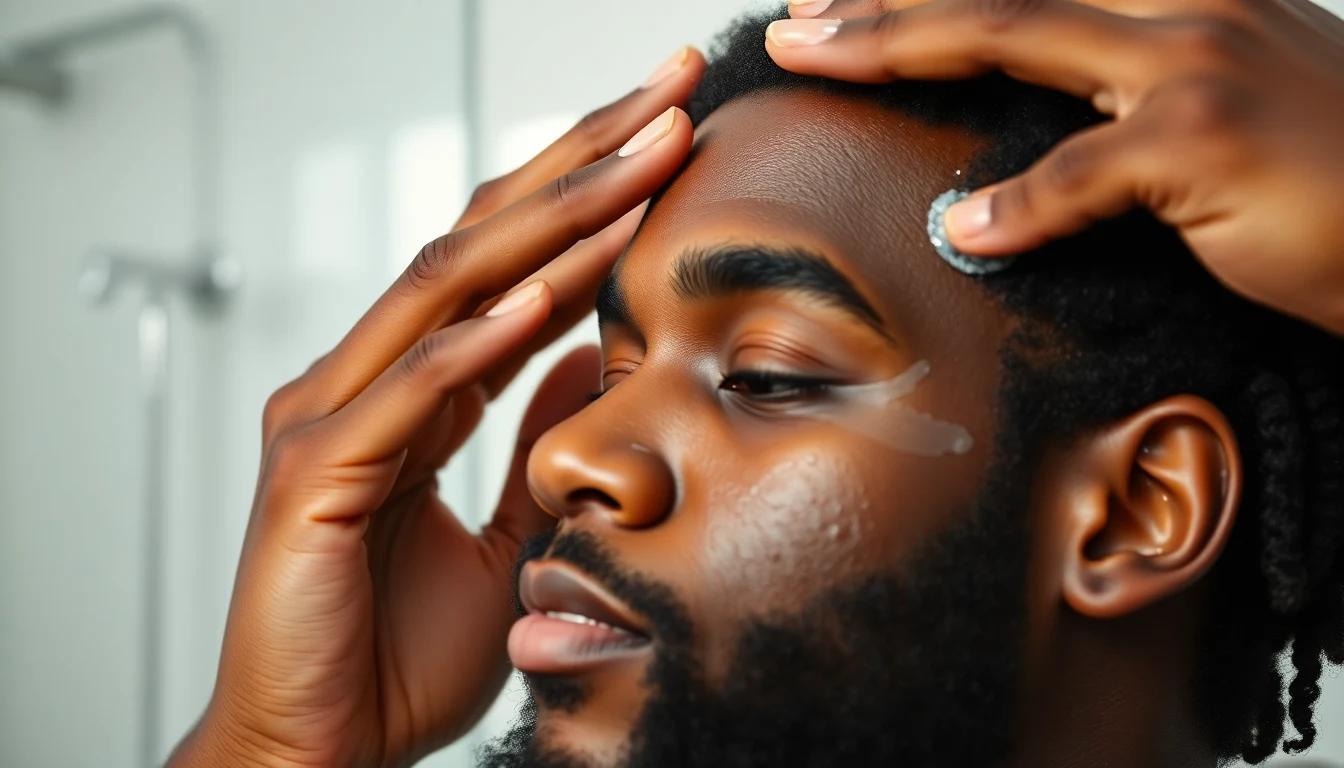
The key with Nizoral on Black hair: Apply it directly to the scalp, massage it in for three to five minutes (you need contact time for the ketoconazole to work), then rinse thoroughly. Follow IMMEDIATELY with a deep conditioner. Do not skip this step. I use a SheaMoisture deep treatment mask after every Nizoral wash, and it completely offsets the drying effect. (We recommend this Jack Black Nourishing Hair & Scalp.)
Strengths: Most effective OTC antifungal. Clinically proven. Works when nothing else does.
Weaknesses: Contains sulfates. Drying without conditioner follow-up. Strong medicinal smell.
Verdict: Your best option for moderate to severe dandruff. Pair it with a deep conditioner and limit use to twice per week.
2. Head & Shoulders Royal Oils Moisturizing Scalp Cream Shampoo (Best Everyday Option)
Active Ingredient: 1% Pyrithione zinc | Price: $8-12 | Size: 12.8 oz
This is the one I recommend to most people who ask me about dandruff. Head & Shoulders Royal Oils was specifically formulated for textured hair, and it shows. The sulfate-free formula contains coconut oil, argan oil, and a cream-based consistency that feels nothing like regular Head & Shoulders. It lathers modestly (do not expect mountains of foam) and rinses clean without that squeaky, stripped feeling.
The pyrithione zinc concentration (1%) is the same as the original Head & Shoulders, so you are getting real dandruff-fighting power. What is different is everything surrounding that active ingredient. The moisturizing base, the oil blend, the lack of sulfates. It treats the fungus while respecting the hair.
I have recommended this to at least a dozen people in the last year, including a few guys maintaining 360 waves. None of them reported their wave pattern drying out or their scalp getting worse. That is the test.
Strengths: Sulfate-free. Affordable. Widely available at every drugstore. Genuinely formulated for textured hair. Good enough for daily use.
Weaknesses: May not be strong enough for severe seborrheic dermatitis. Low lather takes getting used to.
Verdict: The best everyday dandruff shampoo for Black hair. Start here.
3. As I Am Dry & Itchy Scalp Care Shampoo (Best Sulfate-Free Medicated Option)
Active Ingredient: 1% Pyrithione zinc | Price: $10-14 | Size: 12 oz Mastering best dandruff shampoo for black takes practice but delivers great results.
As I Am Dry & Itchy was built from the ground up for Black hair. The brand specializes in textured hair care, and this shampoo reflects that expertise. It uses the same pyrithione zinc as Head & Shoulders Royal Oils but wraps it in a formula enriched with olive oil, tea tree oil, and a gentle cleansing base that preserves moisture.
What sets this apart is the tea tree oil addition. You are getting the antifungal punch of zinc pyrithione PLUS the mild antimicrobial and soothing properties of tea tree oil. That combination is particularly effective for the dry, itchy scalp that many Black men deal with alongside their dandruff.
I noticed the scalp itch relief almost immediately with this one. Within the first wash, the tightness and irritation were noticeably reduced. The flake reduction took about two weeks of consistent use (three washes per week), which is standard for zinc pyrithione. (We recommend this KAMEDIS Beard Wash –.)
Strengths: Sulfate-free. Dual antifungal action (zinc pyrithione + tea tree). Excellent moisture retention. Brand built for textured hair. Mastering best dandruff shampoo for black takes practice but delivers great results. (We recommend this Jack Black True Volume Thickening Shampoo.)
Weaknesses: Slightly more expensive per ounce than Royal Oils. Limited availability in some areas (easier to find online).
Verdict: If you want a medicated shampoo that feels like a haircare product and not a medicine, this is it.
4. Neutrogena T/Sal Therapeutic Shampoo (Best for Heavy Buildup)
Active Ingredient: 3% Salicylic acid | Price: $8-12 | Size: 4.5 oz
Neutrogena T/Sal is not a daily shampoo for Black hair. Let me be clear about that upfront. It is a targeted treatment for one specific problem: thick, crusty scale buildup on the scalp that other shampoos cannot penetrate.
Salicylic acid is a keratolytic, which means it dissolves the protein bonds holding dead skin cells together. If you have layers of flaky buildup cemented to your scalp, salicylic acid breaks that apart so the antifungal ingredients in your regular shampoo can actually reach the skin. Think of T/Sal as the prep step, not the main treatment.
For Black men with textured hair, I recommend using T/Sal once per week for two to three weeks to clear heavy buildup, then discontinuing it entirely. Switch to a zinc pyrithione or ketoconazole shampoo for ongoing treatment. T/Sal is too drying for regular use on 4B or 4C hair. Always follow with a deep conditioner.
Strengths: Extremely effective at removing thick scale. Fragrance-free. Good prep shampoo before medicated treatment.
Weaknesses: Very drying. Not antifungal (does not kill Malassezia). Small bottle for the price. Should not be used as sole treatment. For more guidance, AAD provides expert resources on Black hair care.
Verdict: A specialist tool, not a daily driver. Use it to clear the path for your real dandruff shampoo.
5. SheaMoisture African Black Soap Shampoo (Best Natural Option)
Active Ingredient: Tea tree oil, African black soap | Price: $10-14 | Size: 13 oz
If you want to go the natural route, SheaMoisture African Black Soap is the best option I have found. African black soap has been used across West Africa for centuries for skin conditions including eczema, psoriasis, and fungal infections. The plantain ash and cocoa pod ash in the formula provide gentle cleansing and mild antimicrobial action without synthetic detergents. (We recommend this SFC Natural King Jamaican Black Castor.)
Combined with tea tree oil and willow bark extract (a natural source of salicylic acid), this shampoo addresses mild dandruff through three natural pathways: antimicrobial action, gentle exfoliation, and anti-inflammatory soothing. It is not going to match the fungal-killing power of ketoconazole for severe cases, but for mild flaking and itchy scalp, it works well and keeps your hair moisturized in the process. (We recommend this Natural Wave Pomade Strong Hold Easy.)
I like this one for maintenance between medicated washes. Once your dandruff is under control with a clinical-strength shampoo, switching to SheaMoisture African Black Soap for your regular washes helps keep things in check without the drying effects of continuous medicated shampoo use.
Strengths: Natural ingredients with cultural roots. Sulfate-free. Excellent moisture balance. Widely available. Affordable.
Weaknesses: Not strong enough for moderate to severe dandruff as standalone treatment. Tea tree oil concentration is lower than clinical threshold.
Verdict: Best natural dandruff shampoo for Black hair. Great for mild cases and maintenance.
6. Frederick Benjamin Rejuvenating Scalp Shampoo (Best Black-Owned Brand)
Active Ingredient: Tea tree oil, menthol | Price: $12-16 | Size: 12 oz
Frederick Benjamin was created specifically for Black men, and I want to highlight that because it matters. This is not a mainstream brand that slapped “for textured hair” on the label. The entire product line was formulated with Black hair and scalp biology in mind.
The Rejuvenating Scalp Shampoo uses tea tree oil and menthol to provide antimicrobial and anti-itch action, along with saw palmetto extract and a sulfate-free cleansing base. The menthol provides immediate cooling relief when your scalp is irritated and itchy, which is a feature I genuinely appreciate after a week of flaking.
The formula also includes glycerin and aloe vera for hydration, so it cleanses without that desert-dry aftermath. I appreciate that Frederick Benjamin understands the assignment: treat the scalp, protect the hair.
Strengths: Black-owned. Formulated for Black men specifically. Immediate itch relief from menthol. Sulfate-free. Good moisture balance.
Weaknesses: Tea tree oil alone may not be sufficient for moderate to severe dandruff. Slightly harder to find in stores (available online and at Target).
Verdict: The best Black-owned dandruff shampoo option. Strong for mild dandruff and scalp itch.
7. TGIN Miracle RepaiRx Anti-Breakage Shampoo (Best for Dandruff with Thinning)
Active Ingredient: Biotin, black castor oil | Price: $12-15 | Size: 13 oz
If your dandruff is accompanied by thinning or breakage, TGIN Miracle RepaiRx addresses both issues. The black castor oil strengthens the hair shaft and promotes scalp circulation, while the biotin supports follicle health. It is not a medicated dandruff shampoo in the clinical sense, but the gentle, sulfate-free cleansing formula with anti-inflammatory ingredients helps calm mild flaking while focusing on the hair’s structural integrity.
I recommend this for men whose dandruff treatment has caused secondary damage. If you have been using harsh dandruff shampoos that left your hair brittle and breaking, TGIN RepaiRx can help rebuild while maintaining scalp health. Alternate this with a medicated shampoo (like Nizoral or Royal Oils) for the best of both worlds. Understanding best dandruff shampoo for black is key to a great grooming routine.
Strengths: Black-owned brand (Thank God It’s Natural). Addresses breakage and thinning alongside flaking. Excellent moisture. Sulfate-free.
Weaknesses: Not a clinical-strength dandruff treatment. Works best as a complement to a medicated shampoo. Understanding best dandruff shampoo for black is key to a great grooming routine.
Verdict: The repair option. Best when dandruff treatment has damaged your hair and you need to rebuild.
8. Selsun Blue Moisturizing Shampoo (Best Budget Heavy-Duty Option)
Active Ingredient: 1% Selenium sulfide | Price: $7-10 | Size: 11 oz
Selsun Blue Moisturizing is the budget option for stubborn dandruff that will not respond to zinc pyrithione. Selenium sulfide is a powerful antifungal that slows Malassezia growth and reduces the rate of skin cell turnover on the scalp. The “Moisturizing” formula adds aloe vera and a conditioning base to offset some of the drying effects.
I need to be straight with you: even the moisturizing version of Selsun Blue is drying on Black hair. Selenium sulfide is a strong chemical, and this shampoo contains sulfates. Use it twice per week maximum, always with a deep conditioner afterward, and do not leave it on longer than the recommended three minutes. (We recommend this GIBS BioFuel Hair Conditioner For Men.)
There is one more thing to watch for: selenium sulfide can discolor chemically treated or dyed hair. If you have any color treatment, highlights, or even a relaxer in your hair, avoid Selsun Blue entirely. Stick with zinc pyrithione or ketoconazole instead.
Strengths: Affordable. Strong antifungal. Good for stubborn dandruff that does not respond to gentler options.
Weaknesses: Drying. Contains sulfates. Can discolor treated hair. Medicinal smell.
Verdict: A budget heavy-hitter for tough cases. Handle with care on textured hair.
9. Carol’s Daughter Wash Day Delight Shampoo (Best for Sensitive Scalps)
Active Ingredient: Aloe, micellar water | Price: $9-13 | Size: 16.9 oz
If your scalp reacts to everything, including medicated shampoos, Carol’s Daughter Wash Day Delight offers the gentlest cleansing on this list. Micellar water technology lifts dirt and oil without stripping, and the aloe base soothes inflammation on contact. This is not a dandruff shampoo by clinical definition, but for men with sensitive scalps where dandruff is mild and irritation-driven, it breaks the itch-scratch cycle that makes flaking worse.
Carol’s Daughter is a legacy Black hair care brand, and this formula reflects decades of understanding textured hair needs. I use it as my “off day” shampoo between medicated washes. On the days I am not treating with zinc pyrithione or ketoconazole, Wash Day Delight cleanses gently enough that my scalp stays calm without aggravating the dandruff.
Strengths: Extremely gentle. Great for sensitive, reactive scalps. Lightweight formula. Good value (large bottle). Black-founded brand.
Weaknesses: Not a medicated dandruff treatment. Will not resolve moderate to severe dandruff alone.
Verdict: The gentle rotation option. Best paired with a medicated shampoo on alternate days.
10. Paul Mitchell Tea Tree Special Shampoo (Best Professional-Grade Tea Tree)
Active Ingredient: Tea tree oil, peppermint, lavender | Price: $14-22 | Size: 10.14 oz
Paul Mitchell Tea Tree Special is the professional-grade tea tree option. The tea tree oil concentration is higher than most drugstore alternatives, and the peppermint and lavender oils add antimicrobial support and a genuinely pleasant sensory experience. The tingling is strong. If you like that cooling, clean scalp feeling, this delivers it better than anything else on this list.
Fair warning: this is not a sulfate-free formula. It contains sodium laureth sulfate, which means it will lather heavily and strip oil. For straight or wavy hair, that is fine. For 4B and 4C hair, you need to condition aggressively after every use. The tea tree oil is effective for mild dandruff and scalp itch, but the cleansing base is not formulated with textured hair in mind.
I include it on this list because a lot of barbers use it. If your barber washes with Paul Mitchell Tea Tree and your scalp responds well, it makes sense to keep it in your rotation at home. Just follow with a moisture-focused conditioner.
Strengths: High tea tree oil concentration. Professional quality. Excellent tingling relief. Great scent.
Weaknesses: Contains sulfates. Not formulated for textured hair. Premium price point.
Verdict: The barber’s choice. Effective for mild dandruff but requires conditioner follow-up on Black hair.
Seborrheic Dermatitis on Dark Skin: What Most Guides Miss
Seborrheic dermatitis affects all skin tones, but it presents differently on dark skin, and that difference matters for diagnosis and treatment.
On light skin, seborrheic dermatitis appears as red, scaly patches. On dark skin, those patches often appear as hypopigmented (lighter) or hyperpigmented (darker) areas rather than red ones. The redness is still there, but it is masked by melanin. This means many Black men with seborrheic dermatitis do not recognize it as a medical condition. They assume it is “just dandruff” or “dry skin” and treat it with the wrong products.
Here are the signs to look for on dark skin:
- Patches of skin on the scalp that are noticeably lighter or darker than the surrounding area
- Persistent, greasy-looking flakes that stick to the scalp rather than falling freely
- Scalp itching that gets worse when you skip washes (not after washes, which suggests dry scalp instead)
- Flaking that extends to the eyebrows, sides of the nose, or behind the ears
- Ashiness or rough texture on the scalp that does not respond to moisturizing
If you have these symptoms, especially if the flaking extends beyond the scalp to the face or ears, see a dermatologist experienced with skin of color. Standard dermatology training historically underrepresented dark skin presentations, and a dermatologist who has seen these patterns before will diagnose faster and treat more effectively.
For seborrheic dermatitis specifically, ketoconazole (Nizoral) is the first-line OTC treatment. If OTC does not resolve it within six to eight weeks, a prescription-strength 2% ketoconazole shampoo or a topical antifungal cream may be needed. Do not ignore seborrheic dermatitis. Left untreated, the chronic inflammation can cause temporary hair loss in the affected areas.
The Sulfate Question: What Black Men Need to Know
Every time I write about shampoo for Black men, the sulfate question comes up. Let me break it down clearly. When it comes to best dandruff shampoo for black, technique matters most. When it comes to best dandruff shampoo for black, technique matters most.
What sulfates do: Sodium lauryl sulfate (SLS) and sodium laureth sulfate (SLES) are detergents that create lather and strip oil from hair and scalp. They are effective cleansers. Too effective for most textured hair.
Why they are a problem for Black hair: 4B and 4C hair is naturally low in sebum because the tight coil pattern prevents oil from traveling down the hair shaft. The limited oil that does coat the hair is essential for preventing breakage and maintaining moisture. Sulfates strip that oil completely. On straight hair, the oil replenishes within a day. On tightly coiled hair, it can take several days. This leaves textured hair dry, brittle, and prone to breakage between washes.
The nuance: Sulfates are not inherently evil. For dandruff treatment specifically, you sometimes need the cleansing power of a sulfate-containing shampoo to deliver the active ingredient effectively. Nizoral and Neutrogena T/Sal both contain sulfates, and they are on this list because they work. The solution is not to avoid them entirely. The solution is to use them strategically (twice per week maximum, not daily) and always follow with a deep conditioner or leave-in treatment.
For daily and maintenance use: Choose a sulfate-free dandruff shampoo. Head & Shoulders Royal Oils, As I Am Dry & Itchy, and Frederick Benjamin all deliver medicated treatment without sulfates.
Co-Wash Options and Natural Alternatives
Not every dandruff situation requires a traditional shampoo. For Black men who co-wash (conditioner-only washing) to preserve moisture, there are ways to address flaking without breaking your routine. (We recommend this Beard Wash and Conditioner & Silicone.)
Co-Wash Approach
Co-washing with a cleansing conditioner can work for mild dandruff IF your co-wash contains antimicrobial ingredients. Here is how to make it effective:
- Pre-treat with a scalp oil. Apply tea tree oil diluted with jojoba oil (5-10 drops of tea tree per tablespoon of jojoba) directly to the scalp 30 minutes before washing. This gives the tea tree oil time to work on the fungus before you cleanse.
- Use a cleansing conditioner with antimicrobial ingredients. As I Am Dry & Itchy also makes a co-wash in this line. Look for ingredients like tea tree oil, peppermint oil, or zinc pyrithione in the conditioner formula.
- Massage the scalp thoroughly. Co-wash does not lather, so you need manual scrubbing to lift flakes. Use your fingertips (not nails) in circular motions for three to five minutes.
- Rinse completely. Co-wash residue left on the scalp can feed Malassezia and make dandruff worse. Rinse longer than you think you need to.
Apple Cider Vinegar (ACV) Rinse
ACV is the most popular natural dandruff remedy, and it has some science behind it. The acetic acid (typically around 5% concentration) creates an acidic environment on the scalp that inhibits Malassezia growth and helps restore the scalp’s natural pH (which should be between 4.5 and 5.5).
How to use it:
- Mix one part raw, unfiltered ACV with two parts water in a spray bottle or applicator bottle.
- Apply directly to the scalp after shampooing.
- Massage gently for one to two minutes.
- Let it sit for three to five minutes.
- Rinse thoroughly with cool water.
What to expect: ACV works best for mild flaking and scalp itch. It is a maintenance tool, not a treatment for active moderate or severe dandruff. The smell is strong when wet but disappears completely once the hair dries. Use it once or twice per week.
Tea Tree Oil Scalp Treatment
A 2002 study in the Journal of the American Academy of Dermatology found that 5% tea tree oil shampoo significantly reduced dandruff severity compared to placebo. You can create your own scalp treatment by adding 10-15 drops of 100% tea tree essential oil to an ounce of carrier oil (jojoba, coconut, or olive oil) and massaging it into the scalp before washing.
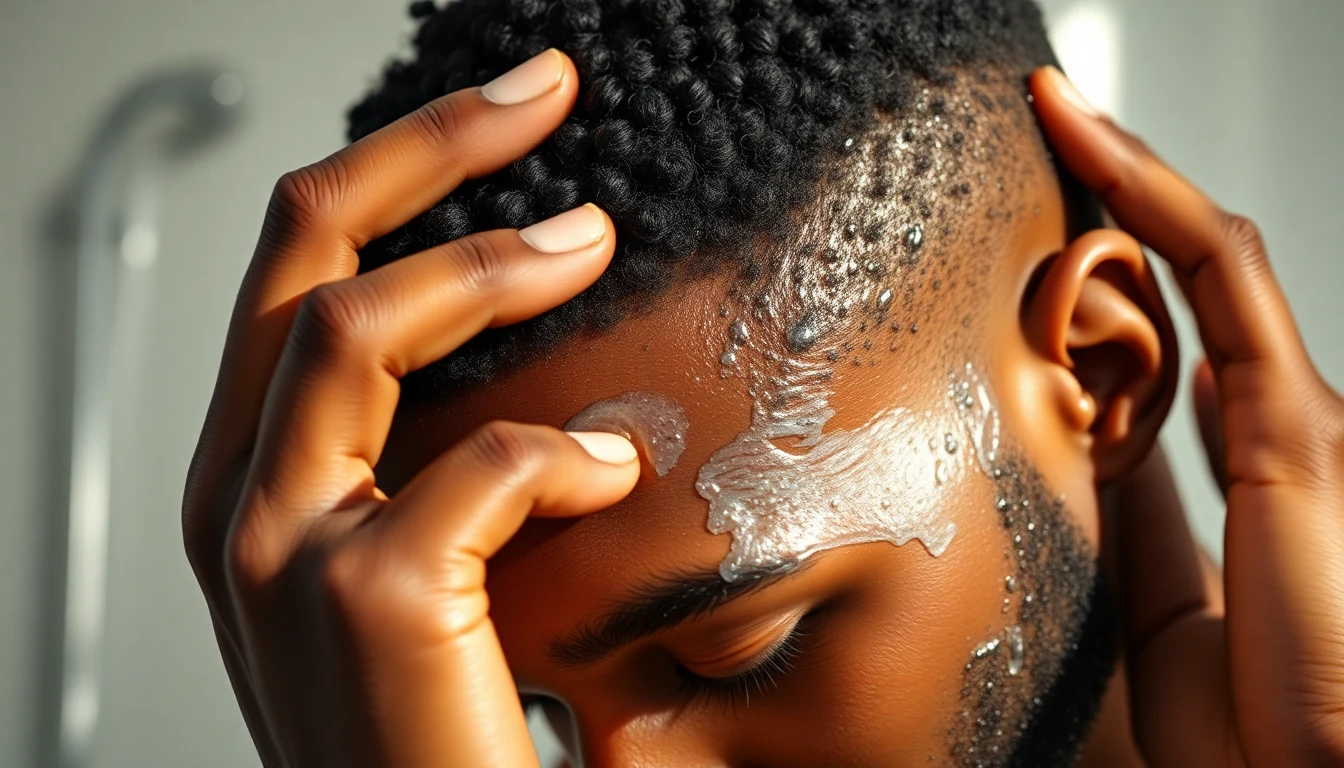
This is a good approach for men who want to minimize their shampoo use entirely. The oil treatment provides moisture and antimicrobial action simultaneously. Leave it on for 15-30 minutes before washing out.
The Complete Dandruff Treatment Routine for Black Hair
Picking the right shampoo is only half the equation. How you use it, how often, and what you do before and after determines whether you get results. Here is the complete routine I recommend.
Phase 1: Active Treatment (Weeks 1-6)
This phase is about aggressively reducing the Malassezia population and clearing existing flakes.
- Wash three times per week with your medicated shampoo. This is more frequent than most Black men wash, and I know that. It is temporary. You are not maintaining this schedule forever.
- Massage the shampoo into the scalp for three to five minutes. The active ingredients need contact time. Do not just lather and rinse. Set a timer on your phone if you have to.
- Rinse thoroughly. Medicated residue left on the scalp causes irritation.
- Deep condition after every wash. Apply a thick, moisture-rich conditioner from mid-shaft to ends. Leave it on for five to ten minutes. For extra hydration, use a deep treatment mask once per week.
- Apply a scalp oil to the scalp after washing. A few drops of jojoba oil, tea tree oil blend, or a lightweight oil on the scalp between washes prevents dryness between treatment sessions.
Phase 2: Maintenance (Ongoing)
Once your flaking is under control (usually four to six weeks), scale back to a sustainable routine.
- Wash once or twice per week. Alternate between your medicated shampoo and a moisturizing sulfate-free shampoo.
- Continue conditioning after every wash. This is permanent. Your hair needs it.
- Use an ACV rinse or tea tree scalp treatment once per week as a preventive measure.
- Monitor for flare-ups. Dandruff is a chronic condition that can be managed but not cured. Stress, weather changes, and dietary shifts can trigger recurrences. When you notice early signs (slight itching, small flakes), increase your medicated wash frequency for a week or two before it becomes a full flare.
Wave maintenance note: If you are maintaining 360 waves, brush immediately after washing while hair is damp, then apply your wave product (pomade or moisturizer) while the hair is still slightly moist. The medicated shampoo will not disrupt your wave pattern as long as you maintain your brushing routine.
When to See a Dermatologist
Over-the-counter dandruff shampoos work for the majority of cases. But some situations need professional help. See a dermatologist experienced with skin of color if:
- OTC treatment has not improved your dandruff after six to eight weeks of consistent use
- Your flaking extends to the eyebrows, sides of the nose, ears, or chest
- You have smooth, coin-shaped bald patches (possible alopecia)
- Your scalp is red, swollen, painful, or oozing (possible infection)
- You are experiencing hair loss in the areas where dandruff is worst
- You have tried multiple active ingredients without improvement
A dermatologist can prescribe stronger formulas (2% ketoconazole, topical corticosteroids, antifungal creams) and rule out conditions that mimic dandruff, including scalp psoriasis, contact dermatitis, and fungal infections. Do not self-diagnose for longer than two months. Your skin health is worth the visit.
Frequently Asked Questions
Is dandruff different on Black hair?
The dandruff itself is the same fungal overgrowth (Malassezia), but it presents differently on dark skin and affects textured hair uniquely. White flakes are more visible against dark skin and in tightly coiled hair. The bigger issue is treatment: most mainstream dandruff shampoos contain harsh sulfates designed for straight, oily hair. Treating dandruff on Black hair requires balancing antifungal effectiveness with serious moisture retention.
How often should Black men wash their hair to treat dandruff?
For active treatment, wash two to three times per week with a medicated shampoo. Once the dandruff is under control (usually four to six weeks), scale back to once or twice a week and alternate between your medicated shampoo and a moisturizing sulfate-free option. Always follow with conditioner.
What is the difference between dry scalp and dandruff?
Dry scalp produces small, white, powdery flakes and feels tight, especially after washing. Dandruff produces larger, yellowish or grayish flakes that feel oily. Dry scalp needs moisture. Dandruff needs antifungal active ingredients. Many Black men actually have dry scalp, not dandruff, and are using the wrong treatment.
Does apple cider vinegar work for dandruff?
It helps as a supplementary treatment for mild cases. ACV has mild antifungal properties and helps restore scalp pH. Dilute one part ACV with two parts water, apply after shampooing, let it sit for three to five minutes, then rinse. It is not a replacement for medicated shampoo in moderate to severe cases.
Can I use dandruff shampoo if I have 360 waves?
Yes. Choose a gentle medicated option like Head & Shoulders Royal Oils or As I Am Dry & Itchy. Follow with your wave moisturizer and brush while hair is damp. Your wave pattern will stay intact as long as you maintain your brushing routine.
Are sulfate-free dandruff shampoos effective?
Yes. The antifungal action comes from the active ingredients (zinc pyrithione, ketoconazole, tea tree oil), not the sulfates. Several sulfate-free formulas are clinically effective. They produce less lather and may require a second application, but the moisture preservation is worth the extra wash time for textured hair.
When should I see a dermatologist for dandruff?
If OTC shampoos have not improved your condition after six to eight weeks of consistent use, if flaking extends to your face or ears, if you notice bald patches, or if your scalp is painful or oozing. Ask specifically for a dermatologist experienced with skin of color.
The Bottom Line
Finding the best dandruff shampoo for Black hair is not about grabbing the strongest medicated bottle on the shelf. It is about matching the right active ingredient to your condition while protecting the moisture your textured hair depends on. Here is the quick summary:
- For most Black men with mild to moderate dandruff: Start with Head & Shoulders Royal Oils or As I Am Dry & Itchy. Both are sulfate-free, effective, and formulated for textured hair.
- For stubborn or severe dandruff: Step up to Nizoral (ketoconazole). Use twice per week with a deep conditioner after every wash.
- For heavy buildup: Clear the surface with Neutrogena T/Sal for one to two weeks, then transition to a zinc pyrithione or ketoconazole shampoo.
- For natural and maintenance care: SheaMoisture African Black Soap and Frederick Benjamin provide gentle antimicrobial care without synthetics.
- For dandruff with hair damage: Add TGIN Miracle RepaiRx to your rotation to rebuild while treating.
Dandruff is a chronic condition, not a one-time problem. Once you find what works, keep it in your routine. Your scalp gave you the signal. Listen to it.
For more on building a complete hair care routine, check out our guide to the best shampoos for Black men and our picks for the best moisturizers for Black men. And if your grooming setup needs an upgrade beyond the shower, our best clippers for Black men roundup has you covered.
Further reading: For research-backed grooming advice, see Healthline Men’s Health.
Explore more tips at CulturedGrooming.com.
Further reading: For research-backed grooming advice, see Healthline Men’s Health.
Frequently Asked Questions
What makes the best dandruff shampoo for black hair different from regular dandruff shampoos?
The best dandruff shampoo for black hair is formulated to treat flakes while preserving moisture in textured hair, which is naturally drier than other hair types. Regular dandruff shampoos often contain harsh sulfates that strip away natural oils your scalp needs, leaving your strands even more vulnerable to breakage and dryness.
How do I know if I have dandruff or just a dry scalp?
Dandruff typically appears as larger, yellowish, oily flakes that itch, while dry scalp shows smaller, white flakes and feels tight. If you have dandruff, you’ll notice the flakes don’t improve with regular moisturizing alone and may worsen without medicated treatment.
What active ingredients should I look for in an anti-dandruff shampoo?
Look for ingredients like zinc pyrithione, ketoconazole, salicylic acid, selenium sulfide, or tea tree oil, each targeting dandruff differently. For black hair specifically, choose products that combine these actives with hydrating ingredients like glycerin or coconut oil to prevent additional moisture loss.
Can I use dandruff shampoo every day without damaging my black hair?
Most medicated dandruff shampoos shouldn’t be used daily, as frequent use can over-dry your scalp and hair. Instead, use them 2-3 times per week and alternate with a gentle, sulfate-free conditioner designed for textured hair to maintain your hair’s moisture balance.