
If you want to master best hair for box braids, this guide covers everything you need to know.
If you want to master best hair for box braids, this guide covers everything you need to know. Last updated: February 2026 by Darius Washington, Black Men’s Grooming Editor
I learned the hard way that the hair you braid with matters just as much as who braids it. The first time I got box braids, my cousin used the cheapest Kanekalon she could find at the beauty supply. By day three, my scalp was on fire. By week two, the braids were fuzzy and half unraveled. I wasted four hours in that chair for braids that barely lasted. The second time, I asked my barber’s sister what she actually used on her clients. She put me onto X-pression Ultra Braid, showed me how to do the apple cider vinegar soak, and those braids lasted seven weeks without a single itch. Choosing the best hair for box braids is not a small decision. It determines your comfort, your style, and how long your investment lasts.
This guide breaks down every braiding hair type on the market, recommends 10 specific products by brand, gives you an honest comparison table, tells you exactly how many packs you need for your braid size, and walks you through pre-stretching and hot water sealing. If you are a man considering box braids for the first time or looking to upgrade your next install, this is the resource I wish I had.
Why Your Braiding Hair Choice Makes or Breaks the Style
Box braids on men have gone from a niche protective style to one of the most requested looks in barbershops and braiding salons across the country. From NBA players to everyday guys who want a low-maintenance protective style while growing out their 4C hair, braids are everywhere. But here is what most guides skip: the braiding hair itself is 80% of the equation.
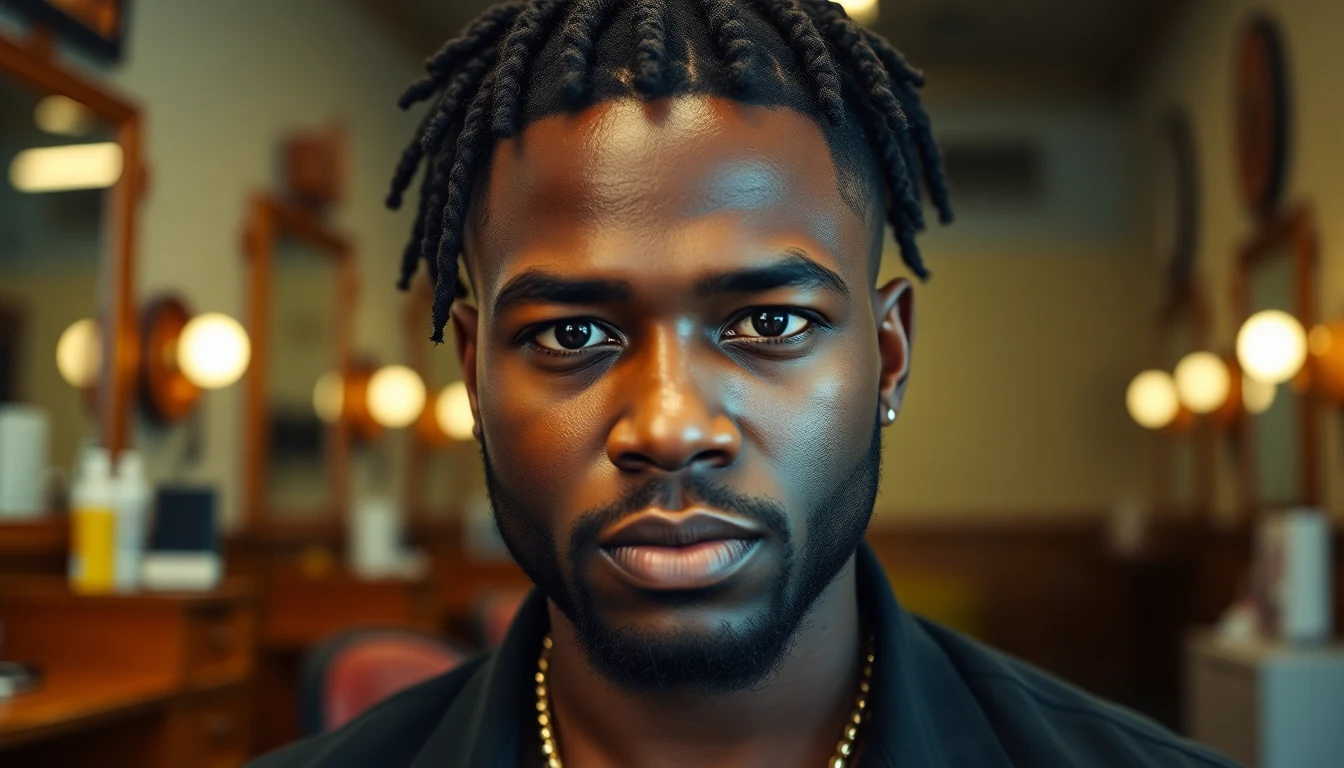
Your braider’s skill matters. Your prep routine matters. But if you hand your braider cheap, stiff, itchy fiber, no amount of technique will save you from an uncomfortable, short-lived install. I have sat through enough bad braiding sessions to know that the difference between a $4 pack and a $7 pack of hair is the difference between wanting to rip your braids out after a week and rocking them confidently for two months.
What “Braiding Hair” Actually Is
Braiding hair falls into two broad categories: synthetic and human. Within synthetic, you have several fiber types that behave differently.
- Kanekalon: The original synthetic braiding fiber. Made from a type of modacrylic, it resists heat (to a point), holds its shape well, and seals with hot water. It is the industry standard and the most widely available.
- Toyokalon: A softer, lighter synthetic fiber made in Japan. Less shiny than Kanekalon, more natural feel, and generally less irritating to the scalp. Harder to find in some areas.
- Human hair: Real hair, usually sourced from Asian or South American donors. Moves naturally, no itch, no chemical coating. Expensive and requires different care than synthetic options.
Most men will end up using some form of Kanekalon-based fiber because of price and availability. The key is knowing which brand, what weight, and how to prep it before your install.
Braiding Hair Types Explained
Let me break down each fiber type so you know exactly what you are buying.
Kanekalon Fiber
Kanekalon is the workhorse of braiding hair. It was originally developed by Kaneka Corporation in Japan, and the name has become synonymous with synthetic braiding fiber. Standard Kanekalon has a noticeable sheen, a firm texture, and holds braids tightly. It responds well to hot water sealing, which is why it dominates the box braid market.
Works for: Men who want defined, long-lasting box braids at an affordable price. Best for medium and small braids where you want clean lines and minimal frizz over time.
Does not work for: Men with sensitive scalps who have not pre-treated the hair. Kanekalon has an alkaline coating from manufacturing that irritates the scalp. If you skip the apple cider vinegar soak, you will be scratching your head for the first week straight.
X-pression (Kanekalon-Type)
X-pression Ultra Braid is technically made from Kanekalon-type fiber, but it has earned its own reputation. It is softer than generic Kanekalon, lighter per pack, and comes in an enormous range of colors. X-pression is what most professional braiders reach for because it is easy to grip, separates cleanly, and braids smoothly without tangling.
Works for: Almost everyone. This is the go-to recommendation for your first box braids and your tenth. Available at virtually every beauty supply store and online.
Does not work for: Men who want a completely matte, natural look. X-pression still has some synthetic sheen, though less than standard Kanekalon.
Toyokalon Fiber
Toyokalon is the premium synthetic option. The fiber is noticeably softer than Kanekalon, with a more natural, matte finish. It causes significantly less scalp irritation right out of the pack, which is a major selling point for men who found Kanekalon unbearable. The downside: Toyokalon is lighter and silkier, which means braids can feel slightly less firm and may slip more during the braiding process.
Works for: Men with sensitive scalps, anyone who has had itching problems with Kanekalon, and guys who prefer a more natural, low-sheen look.
Does not work for: Men who want very small, tight box braids. The silky texture can make it harder for braiders to grip during installation, especially on finer box braids.
Human Hair
Human braiding hair is the gold standard in terms of look and feel. It moves like natural hair, has no synthetic sheen, and does not itch. You can wash it, condition it, and style it exactly like your own hair. The cost is the barrier. A single pack of human braiding hair costs three to five times what synthetic costs, and you need the same number of packs.
Works for: Men who want the most natural-looking braids possible, special occasions, shorter braids where fewer packs are needed, and anyone with a budget that allows for it. Mastering best hair for box braids takes practice but delivers great results.
Does not work for: Budget-conscious installs, very long braids (the cost adds up fast), and men who want braids they can seal with hot water.
Pre-Stretched Hair
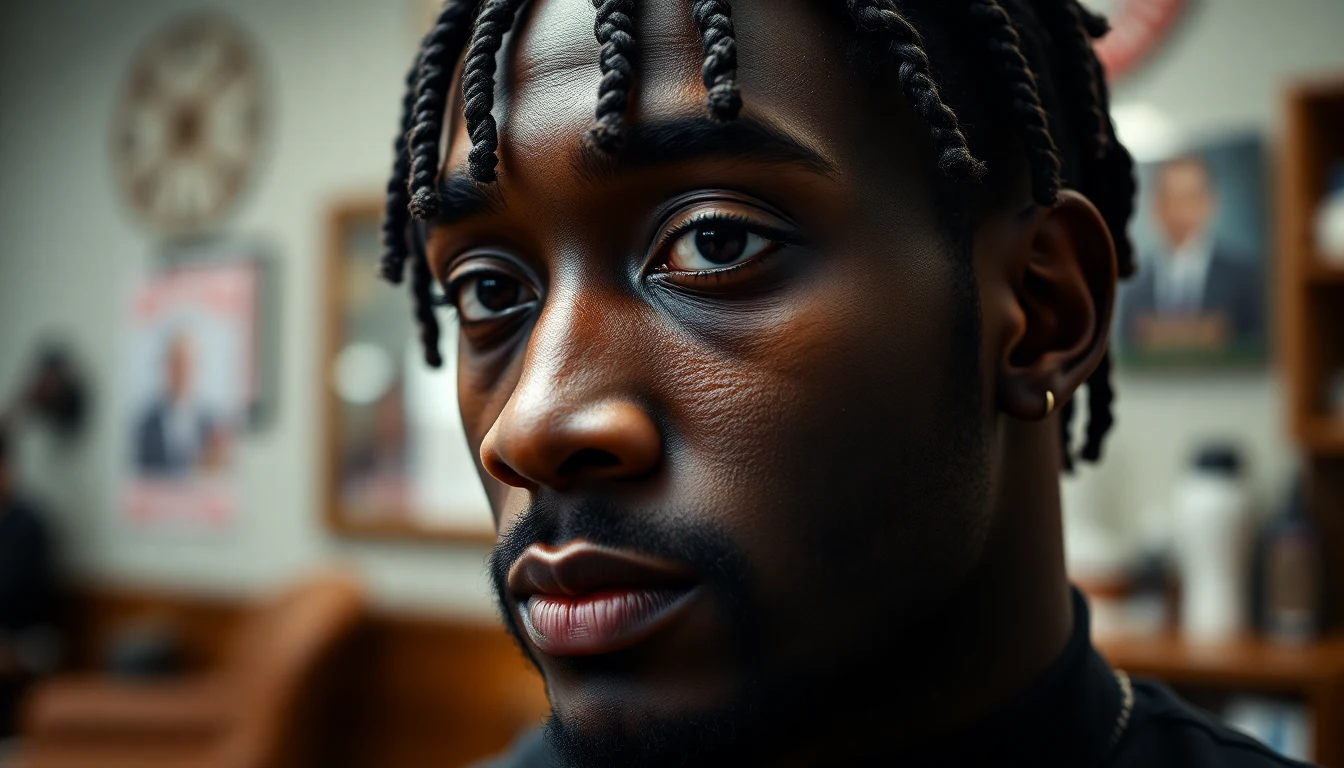
Pre-stretched braiding hair is a relatively new category that has changed the game. Brands like Sensationnel Ruwa and Outre sell Kanekalon-type fiber that has already been stretched and detangled at the factory. This saves significant time during installation, reduces bulk, and creates a sleeker finished braid. The packs are thinner than standard Kanekalon, so you typically need one or two extra packs for a full install. Mastering best hair for box braids takes practice but delivers great results.
Works for: Men who want a faster install, smoother finish, and less bulk. Also great if you are braiding at home and do not want to deal with pre-stretching yourself.
Does not work for: Men on a tight budget who want maximum volume per pack. Pre-stretched packs cost slightly more and contain less hair per unit.
Braiding Hair Comparison: The Complete Breakdown
Here is the comparison table I wish someone had given me before my first box braid install. Every column matters.
| Brand / Product | Fiber Type | Weight per Pack | Texture / Feel | Itch Factor | Price per Pack | Durability | Best For |
|---|---|---|---|---|---|---|---|
| X-pression Ultra Braid | Kanekalon-type | ~100g | Soft, smooth, slight sheen | Low-moderate (ACV soak recommended) | $3-6 | 6-8 weeks | All-around best value |
| Kanekalon Original | Kanekalon | ~85g | Firm, shiny, strong hold | Moderate-high (ACV soak essential) | $2-5 | 6-8 weeks | Budget installs, tight small braids |
| Toyokalon TZ3 | Toyokalon | ~80g | Soft, matte, natural feel | Low | $5-8 | 5-7 weeks | Sensitive scalps, natural look |
| Sensationnel Ruwa | Pre-stretched Kanekalon | ~60g | Smooth, lightweight, sleek | Low | $5-8 | 6-8 weeks | Fast installs, smooth finish |
| Outre Pre-Stretched | Pre-stretched Kanekalon | ~60g | Light, silky, easy to grip | Low | $4-7 | 6-8 weeks | DIY braiders, sleek styles |
| Rastafri Freed’m Silky | Kanekalon blend | ~85g | Silky, low-sheen, flexible | Low-moderate | $5-8 | 6-8 weeks | Natural movement, medium braids |
| Janet Collection Human Hair | 100% Human | ~80g | Natural, soft, moves freely | None | $15-30 | 8-12 weeks (with care) | Premium installs, special occasions |
| Model Model Glance | Kanekalon-type | ~95g | Medium softness, good grip | Moderate (ACV soak recommended) | $3-5 | 6-7 weeks | Budget-friendly, widely available |
| Freetress Braid | Kanekalon blend | ~90g | Soft, versatile, slight sheen | Low-moderate | $4-6 | 6-7 weeks | Good mid-range option |
The price-per-pack numbers are based on beauty supply store and online retail pricing as of early 2026. Prices vary by region, and buying in bulk (six-plus packs at once) can save you 10 to 20 percent at most beauty supply stores.
My Top Picks for Men’s Box Braids
After testing multiple brands across different installs and talking to braiders who do box braids daily, here are my honest recommendations.
Best Overall: X-pression Ultra Braid
This is the hair I keep coming back to. X-pression Ultra Braid hits the sweet spot of price, quality, and availability. At $3 to $6 per pack, a full install costs $20 to $50 in hair alone. It braids smoothly, holds well, seals beautifully with hot water, and comes in over 60 colors including natural black tones from 1B to 4. Every braider I know has worked with X-pression, which means your stylist will not have to adjust their technique for an unfamiliar fiber. (We recommend this SFC Natural King Jamaican Black Castor.) For more guidance, Healthline provides expert resources on Black men’s skincare.
Do the apple cider vinegar soak and you eliminate most of the itch. That is the one non-negotiable step.
Best for Sensitive Scalps: Toyokalon TZ3
If your scalp reacts to Kanekalon no matter what you do, Toyokalon TZ3 is your answer. The fiber is softer from the factory and does not carry the same alkaline coating that makes Kanekalon itch. The matte finish also looks more natural, which I appreciate on shorter men’s box braids where the hair sits closer to your face. You sacrifice a bit of firmness, and the braids may feel slightly less structured than Kanekalon, but the comfort tradeoff is worth it for guys who have tried everything and still get irritation.
Best Pre-Stretched: Sensationnel Ruwa
Sensationnel Ruwa comes out of the pack ready to braid. No stretching, no separating, no wrestling with crimped fiber. The result is a smoother, more polished braid with less bulk at the root. If you are doing a feed-in or knotless box braid style, Ruwa is almost mandatory because it creates that seamless transition from your natural hair into the extension. The packs are thinner at roughly 60 grams each, so budget for two or three extra packs compared to standard Kanekalon.
Best Budget Pick: Kanekalon Original
At $2 to $5 per pack, Kanekalon Original is the most affordable way to get box braids. The fiber is stiffer and shinier than X-pression, and you absolutely must do the ACV soak. But if you are on a tight budget or doing a shorter-term style that only needs to last four to five weeks, this gets the job done. I used standard Kanekalon for years before upgrading, and it served me fine. Just prep it properly.
Best Premium: Janet Collection 100% Human Hair
When price is not the deciding factor, Janet Collection human braiding hair gives you the most natural box braids possible. The hair swings, bounces, and blends with your natural hair texture in a way that synthetic cannot replicate. I wore human hair braids to a wedding last year, and three people asked me if it was all my hair. That is the level of realism you get. At $15 to $30 per pack, a full install runs $90 to $210 in hair alone, but the braids last longer (eight to 12 weeks with proper care) and the comfort is unmatched.
Best for DIY Beginners: Outre Pre-Stretched
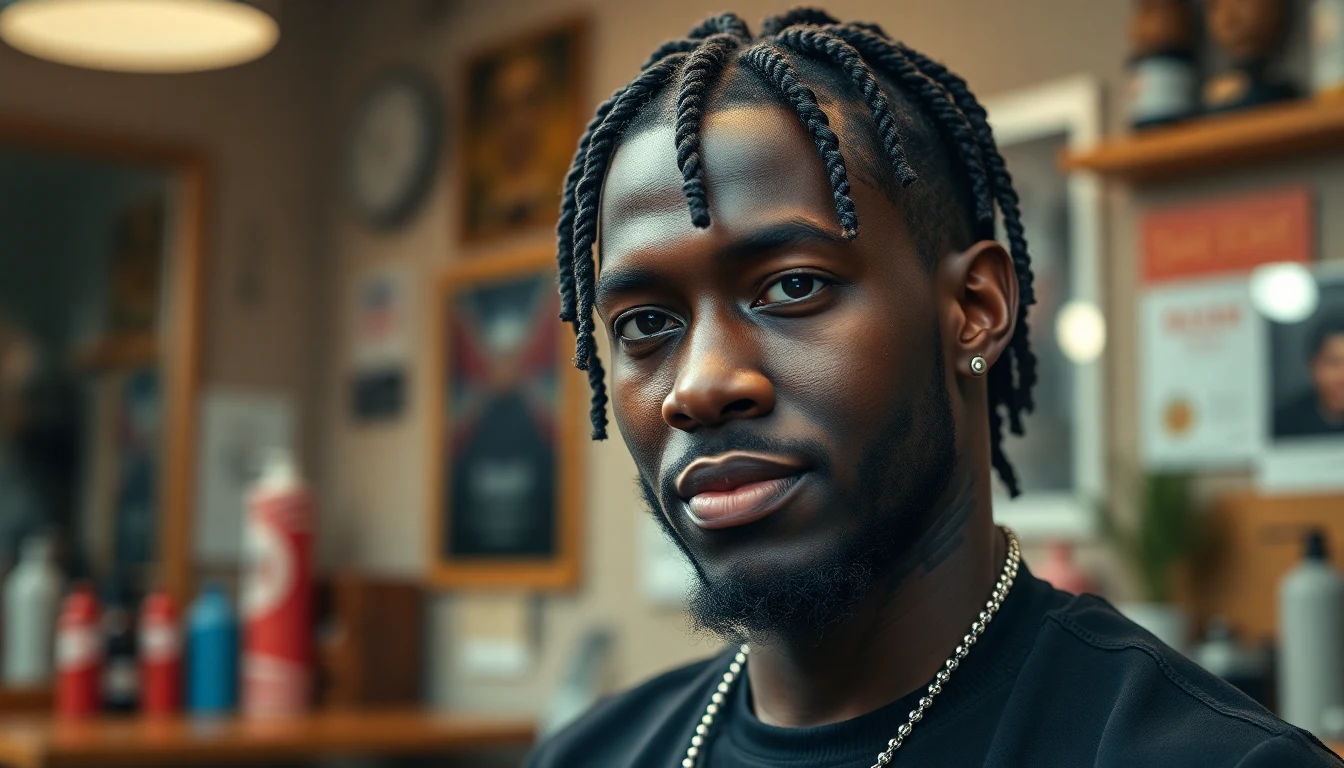
If you are braiding your own hair or having a friend do it, Outre Pre-Stretched makes the process significantly easier. The hair is already detangled and uniform in width, which means you spend less time prepping and more time actually braiding. The lighter weight also reduces hand fatigue during a long install. At $4 to $7 per pack, it is priced competitively with standard Kanekalon when you factor in the time you save.
How Many Packs Do You Need?
This is the question I hear most from guys getting braids for the first time. The answer depends on three variables: braid size, desired length, and whether you are using standard or pre-stretched hair.
| Braid Size | Shoulder Length (Standard Hair) | Shoulder Length (Pre-Stretched) | Mid-Back Length (Standard) | Mid-Back Length (Pre-Stretched) |
|---|---|---|---|---|
| Small (pencil width) | 7-9 packs | 9-11 packs | 9-11 packs | 11-13 packs |
| Medium (finger width) | 5-7 packs | 7-9 packs | 7-9 packs | 9-11 packs |
| Jumbo (thumb width) | 3-5 packs | 5-6 packs | 5-6 packs | 6-8 packs |
Pre-stretched packs contain less hair per unit (roughly 60g vs. 85-100g), which is why you need more of them. Always buy at least one extra pack. Running out of hair mid-install is a frustrating experience that I would not wish on anyone. If you have leftover packs, keep them sealed for touch-ups or your next install.
Head Size and Hair Density Factor
These pack counts assume an average male head size. If you have a larger head or particularly dense natural hair, add one to two packs to the estimates above. Dense 4C hair, which is common among Black men, absorbs more extension hair at the base of each braid. Your braider can give you a more precise estimate once they see your hair, but these numbers get you in the right range for purchasing.

- All Your Grooming Basics in One: Beard & Hair Shampoo, Body Wash, Face Wash, Bod
- Gentle, Everyday Care: Cleans your face, beard, and body without drying you out
- Powerful Natural Ingredients: Shea Butter softens, Coconut Oil hydrates, Aloe co
Pre-Stretching Your Braiding Hair: Step by Step
Pre-stretching removes the crimps and kinks from synthetic braiding hair, giving you smoother braids with less bulk. If you are using standard Kanekalon or X-pression (not pre-stretched varieties), this step is essential.
Method 1: The Rubber Band Method (Easiest)
- Remove the hair from its packaging and gently separate it into two equal halves lengthwise. Do not pull hard; just divide it into sections.
- Fold each section in half to find the center point.
- Secure a rubber band at the fold point and loop it over a door handle, towel rack, or any sturdy hook.
- Let the hair hang freely with gravity pulling the crimps out. Leave it hanging for at least six to eight hours. Overnight is ideal.
- Run your fingers through the hair gently from top to bottom after stretching. The fibers should feel smoother and more uniform.
This method requires zero effort beyond setup. I prep all my braiding hair the night before my appointment and let it hang while I sleep.
Method 2: The Steam Method (Fastest)
- Boil a pot of water and remove it from the heat source.
- Hold the braiding hair over the steam (not in the water) for 30 to 60 seconds. Use tongs or wear a heat glove; the steam is hot.
- Gently pull the hair taut while it is warm and pliable. The heat relaxes the synthetic fibers.
- Lay the hair flat on a clean towel and let it cool completely. The fibers will set in their stretched position.
The steam method works in minutes instead of hours, but it requires more hands-on attention. I use this when I forget to prep the night before.
Method 3: Hand Stretching (No Tools Needed)
- Remove the hair from the pack and hold it at the folded center point.
- Grip small sections (about the width of a pencil) near the fold and gently pull them downward, running your fingers along the length of the fiber.
- Repeat for each section until the entire bundle feels smoother and hangs straighter.
- Shake the bundle out gently to release any remaining crimps.
Hand stretching is the quickest method but removes the least amount of crimp. It works in a pinch, especially for jumbo braids where some texture is acceptable.
The Apple Cider Vinegar Soak (Itch Prevention)
If you only do one prep step before your box braid install, make it this one. The apple cider vinegar soak strips the alkaline coating from synthetic braiding hair that causes scalp irritation, itching, and sometimes bumps.
- Fill a large bowl or bucket with warm water (not hot).
- Add one cup of apple cider vinegar per gallon of water. You will smell it. That is normal.
- Submerge your braiding hair bundles in the solution. Push them down gently to make sure all the fiber is soaked.
- Let them soak for 15 to 20 minutes.
- Rinse the hair thoroughly with clean, cool water until the vinegar smell is gone.
- Lay the bundles flat on a clean towel or hang them to air dry completely before braiding. Do not braid with wet synthetic hair; it takes longer to dry once installed and can create mildew issues.
I do the ACV soak after pre-stretching so the hair is prepped in two ways. Some guys also add a small amount of leave-in conditioner to the rinse water for extra softness, though this is optional. If you have a sensitive scalp, the ACV soak is the single most important thing you can do for your comfort. I mentioned this in our guide on the best shampoo for 4C hair too; scalp health is everything with protective styles. Understanding best hair for box braids is key to a great grooming routine. Understanding best hair for box braids is key to a great grooming routine.
Hot Water Sealing: How to Lock in Your Braids
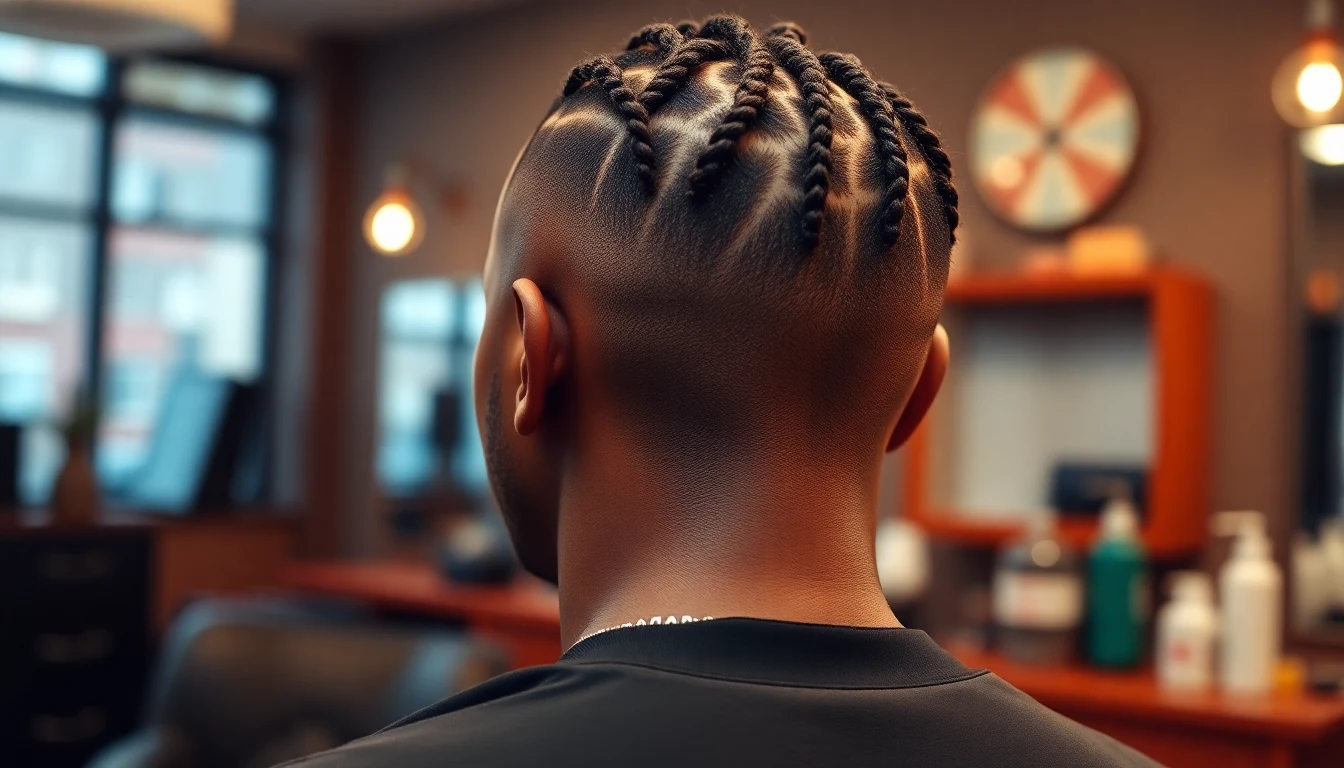
Hot water sealing is the finishing move for synthetic box braids. It melts the tips of the synthetic fiber just enough to fuse them together, creating a clean, sealed end that will not unravel.
The Process
- Boil a pot or kettle of water and pour it into a heat-safe cup or mug. Let it cool for about 30 seconds so it is very hot but not at a rolling boil.
- Gather a small group of braids (three to five at a time) and hold them together.
- Dip only the last inch of the braid ends into the hot water for five to eight seconds.
- Carefully remove them and blot with a clean towel. The ends will feel slightly different; smoother and fused.
- Repeat for all sections of your head. The entire process takes about 10 to 15 minutes.
Safety Notes
- The hot water is nowhere near your scalp. You are dipping the very tips, usually six or more inches away from your head.
- Have a towel draped over your shoulders to catch any drips.
- Do not use boiling water. Let it cool for 30 seconds after boiling. Water that is too hot can damage the braid structure, while water that is not hot enough will not seal properly.
- Never hot water seal human hair. This technique only works on synthetic fibers. Human hair will be damaged by this process.
Hot water sealing is not strictly required, but it extends the life of your braids by one to two weeks and keeps the ends from looking ragged. I consider it a non-negotiable part of the install.
Men’s Box Braid Styles and Lengths
Box braids are not one-size-fits-all. The braid size, length, and styling you choose create completely different looks. Here is what works for men.
Short Box Braids (Chin to Shoulder Length)
Short box braids hit between your chin and your shoulders. They are the most popular length for men because they are low-maintenance, work with most face shapes, and do not carry the weight that longer braids do. This length requires fewer packs (three to seven depending on size) and takes less time to install, usually three to five hours.
Short braids work well worn down, tucked behind the ears, or pulled into a small top knot. If you are getting braids for the first time, start here.
Medium Box Braids (Shoulder to Mid-Chest)
Medium-length braids give you more styling versatility. You can wear them in a full ponytail, a half-up bun, or free-flowing. The added length does mean more weight on your scalp, so I recommend medium or jumbo braid sizes at this length to reduce tension per braid. This length needs five to nine packs and takes five to eight hours to install.
Long Box Braids (Mid-Chest and Beyond)
Long braids make a statement. They require the most hair (seven to 13 packs), the longest install time (six to 10 hours), and the most maintenance. The extra weight means you need to be intentional about not sleeping on loose braids without a durag or satin pillowcase. Long braids look incredible pulled into a low bun or a thick ponytail.
Braid Size Styles
| Style | Braid Size | Install Time | Maintenance Level | Vibe |
|---|---|---|---|---|
| Jumbo box braids | Thumb width | 2-4 hours | Low | Bold, casual, statement look |
| Medium box braids | Finger width | 4-6 hours | Medium | Versatile, most popular size for men |
| Small box braids | Pencil width | 6-10 hours | Higher | Clean, detailed, lasts longest |
| Knotless braids | Any size | Add 1-2 hours | Medium | Feed-in start, less tension at the root |
Knotless braids are worth mentioning separately. Traditional box braids start with a knot at the base, which creates a small bump. Knotless braids use a feed-in technique where the extension hair is gradually added, creating a flat, seamless start. They put less tension on your hairline, which matters if you are using braids as a protective style to grow your hair out. The tradeoff is a longer install time and slightly higher cost at most braiding salons.
Styling Your Box Braids
One of the biggest advantages of box braids for men is daily styling versatility without touching your natural hair underneath.
- Free-hanging: Just let them fall. This works at every length and is zero effort.
- Top knot / man bun: Gather all braids into a high bun. Clean, professional, works in most office settings.
- Half-up, half-down: Pull the top half into a bun and let the bottom hang. This is my go-to style.
- Low ponytail: Secure at the nape with a hair tie. Classic and understated.
- Bandana or headband: Wrap a bandana or wear a headband to push braids back from your face. Good for workouts.
The ability to switch between styles daily without any heat, product, or manipulation is why box braids are one of the best protective styles for maintaining healthy hair underneath.

Box Braid Maintenance for Men
Getting the braids is step one. Keeping them looking good for six to eight weeks is step two. Here is the maintenance system I follow.
Nighttime Routine
Sleep with a satin or silk durag every night. No exceptions. Cotton pillowcases create friction that fuzzes your braids, dries out the synthetic hair, and pulls on your edges. If you do not own a durag, a satin pillowcase is the backup. But a durag is better because it compresses the braids and keeps them in place. I covered the science of friction and textured hair in our guide on the best moisturizer for Black men.
Scalp Care
Your scalp still needs attention under braids. Dryness, buildup, and itching will happen if you ignore it.
- Moisturize every two to three days. Use a lightweight oil (jojoba or tea tree oil) applied directly to your scalp along the parts. A needle-tip applicator bottle makes this easy. Avoid heavy butters or greases that create buildup.
- Wash every one to two weeks. Use a diluted sulfate-free shampoo in a squeeze bottle. Apply it directly to your scalp, massage gently with your fingertips, and rinse thoroughly. Do not rub the braids themselves aggressively; focus on the scalp.
- Dry completely. This is critical. Braids trap moisture, and damp braids can develop mildew or a musty smell. After washing, gently squeeze water out of the braids with a towel, then sit under a hooded dryer or in direct sunlight until your braids are completely dry. This can take one to three hours depending on braid size and length.
Edge Care
Your edges (the hairline around your forehead and temples) are the most fragile part of your hair. Box braids create tension at these points, especially if they are braided too tightly.
- If your braids feel too tight at the hairline after installation, do not just power through it. Ask your braider to loosen them, or apply a warm damp towel to the area for relief.
- Apply edge control gel sparingly. Too much product buildup at the hairline weakens the follicle over time.
- When you take your braids out, give your edges a two-week rest before your next install. This break prevents traction alopecia, a real condition where sustained tension causes permanent hairline recession.
When to Take Them Out
The maximum wear time for box braids is eight weeks. I know it is tempting to push past that, especially when they still look decent. But after eight weeks, your natural hair has grown out enough that the weight of the braids pulls on new growth. This causes breakage at the root, matting where new growth tangles with itself, and potential hair loss.
Take them out gently. Cut the extension hair at the point where your natural hair ends, then carefully unravel each braid. Use a detangling conditioner and your fingers. Do not rip. The right leave-in conditioner makes removal significantly easier and reduces post-braid breakage.
Preparing Your Natural Hair for Box Braids
Your natural hair needs to be in good condition before you add extensions. Braiding over damaged, dry, or dirty hair accelerates breakage and defeats the purpose of a protective style.
Pre-Install Checklist
- Wash and deep condition your hair one to two days before your braiding appointment. Use a moisturizing shampoo and follow with a deep conditioner for at least 20 minutes under a plastic cap.
- Detangle thoroughly. Work through your hair in sections with a wide-tooth comb and conditioner. Every knot or tangle that goes into a braid becomes a point of breakage later.
- Blow dry or stretch your hair lightly if it is very tightly coiled. Your braider needs to grip your hair to braid it, and freshly washed, shrunken 4C hair can be difficult to part and section. A light blow-dry on low heat with a heat protectant gives your braider easier access without causing heat damage.
- Do not apply heavy oils or butters before your appointment. Products that make your hair slippery cause braids to slide off and result in a less secure install. Clean, conditioned, lightly stretched hair is the ideal state.
Your natural hair should be at least two to three inches long for box braids to hold securely. Shorter than that, and the braids may slip out at the root within the first week. If you are in the early stages of growing your hair, consider starting locs or wearing a shorter protective style until you have enough length for braids.
Box Braid Cost Breakdown
Let me break down the real costs so you can budget accurately.
| Expense | Budget | Mid-Range | Premium |
|---|---|---|---|
| Braiding hair (7 packs) | $14-35 (Kanekalon) | $28-56 (X-pression/Ruwa) | $105-210 (Human hair) |
| Braiding service | $80-120 (friend/student braider) | $150-250 (experienced braider) | $250-400 (premium salon) |
| Maintenance products | $10-15 | $15-25 | $25-40 |
| Total per install | $104-170 | $193-331 | $380-650 |
| Cost per week (6-week wear) | $17-28 | $32-55 | $63-108 |
When you compare the cost per week to daily styling time, product costs, and potential heat damage from other styles, box braids are actually cost-effective for many men. You are paying upfront for six to eight weeks of zero daily hair maintenance.
Common Mistakes to Avoid
I have made most of these myself, so you do not have to. When it comes to best hair for box braids, technique matters most.
1. Skipping the ACV Soak
The single most common complaint about box braids is itching. Nine times out of ten, it is because the synthetic hair was not pre-treated. The 20-minute ACV soak eliminates this problem for most people. Do not skip it. When it comes to best hair for box braids, technique matters most.
2. Braids Too Tight at the Hairline
If your braids hurt after installation, they are too tight. Pain is not normal. Excessive tension at the hairline causes traction alopecia, and I have seen too many guys lose their edges permanently because they thought tight braids meant better braids. A skilled braider can install braids that are secure without causing pain. Speak up during the install if something feels wrong.
3. Using the Wrong Hair for Your Style
Jumbo braids do not need the same firm fiber that small braids do. If you are going jumbo, a softer fiber like Toyokalon or X-pression works well because the braid size provides natural structure. For very small braids, you want firmer fiber that holds tight sections without slipping.
4. Not Buying Enough Packs
Running out of hair mid-install means either leaving braids incomplete or making a last-minute beauty supply run while your hair is half-done. Buy the higher end of the recommended pack count plus one extra. Leftover hair keeps for your next install.
5. Leaving Braids in Too Long
Eight weeks maximum. After that, new growth creates matting at the root that causes breakage during removal. I know it is tempting to stretch the wear time, especially when your braids still look decent on the outside. But underneath, your natural hair is tangling around itself. Respect the timeline.
6. Neglecting Your Scalp
Box braids are not a “set it and forget it” style. Your scalp still produces oil, dead skin, and sweat. If you go six weeks without washing, you are creating an environment for buildup, itching, and potential dandruff or fungal issues. Wash your scalp every one to two weeks with diluted shampoo.
Where to Buy Braiding Hair
Not all sourcing is equal. Here is where to find the best deals and authentic products.
Beauty Supply Stores
Your local Black-owned beauty supply store is the best place to buy braiding hair. You can feel the texture, compare brands side by side, and get advice from staff who know the products. Many stores offer bulk discounts when you buy six or more packs. Prices are generally competitive with online retailers, and you avoid shipping delays.
Online Retailers
Amazon, Sally Beauty, and brand-direct websites all carry braiding hair. Online shopping is convenient, but be careful about counterfeit products. X-pression and Sensationnel both have problems with knockoff products sold under similar names. Buy from verified sellers, and check reviews for authenticity complaints.
Your Braider
Many professional braiders sell hair at their shop or can order it for you at wholesale pricing. This is often the easiest option because your braider knows exactly what they like to work with and can get you the right amount.
Frequently Asked Questions
How many packs of braiding hair do I need for box braids?
The number of packs depends on your braid size and the length you want. For small box braids at shoulder length, you will typically need seven to nine packs of standard braiding hair. Medium braids require five to seven packs, and jumbo braids need three to five packs. If you are going longer, past your shoulders, add one to two extra packs. Pre-stretched hair packs are thinner, so you may need one or two more packs than you would with standard Kanekalon bundles. Buy one extra pack as insurance. Running out mid-install is worse than having one leftover.
What is the best braiding hair that does not itch?
Kanekalon fiber is the biggest culprit for itching because of its alkaline coating. To reduce irritation, soak your braiding hair in an apple cider vinegar and water solution for 15 to 20 minutes before your install. Rinse it thoroughly and let it air dry. Toyokalon fiber is naturally softer and less likely to itch than Kanekalon. Pre-stretched brands like Sensationnel Ruwa and Outre also produce less scalp irritation because they have a smoother, lighter texture right out of the pack.
How long do box braids last on men?
Box braids on men typically last four to eight weeks with proper maintenance. The lifespan depends on your braid size, how well you care for them, and how fast your natural hair grows. Smaller braids tend to last longer because the tighter tension holds the braid pattern better as your roots grow out. Jumbo braids may start looking fuzzy at the three to four week mark. Sleep with a satin or silk durag every night, keep your scalp moisturized, and avoid excessive water exposure to maximize your wear time.
Can I use human hair for box braids?
Yes, and human hair gives you the most natural look and feel of any braiding hair. The tradeoff is cost. Human braiding hair runs $15 to $30 per pack compared to $3 to $8 for synthetic options, and you need the same number of packs. Human hair also cannot be sealed with hot water, so the ends require a different finishing method. Most men reserve human braiding hair for shorter braids or special occasions where the natural movement is worth the investment.
Should I pre-stretch braiding hair before box braids?
Pre-stretching is highly recommended for standard Kanekalon and X-pression hair. Straight out of the pack, these fibers are compressed and crimped, which adds unnecessary bulk and makes the braids heavier. Pre-stretching loosens the fiber, gives a smoother finish, and reduces tension on your scalp. You can pre-stretch by hand, by steaming, or by hanging bundles overnight. Some brands like Sensationnel Ruwa and Outre come pre-stretched, saving you the step entirely.
What is hot water sealing and do I need it?
Hot water sealing is a finishing technique where you dip the ends of freshly installed synthetic braids into near-boiling water for five to ten seconds. The heat fuses the synthetic fibers together, creating a clean sealed end that will not unravel. This only works on synthetic hair; never attempt it with human hair. The process is painless when done correctly because you only dip the very tips, several inches away from your scalp. It extends the life of your braids by one to two weeks.
Is Kanekalon or X-pression better for box braids?
For most men, X-pression Ultra Braid is the better choice. It is softer, lighter per pack, and easier for braiders to work with. It comes in over 60 colors and costs $3 to $6 per pack. Standard Kanekalon is stiffer and shinier, but it holds tighter braids well and costs slightly less at $2 to $5. If you want very small, tight braids with maximum definition, Kanekalon has a slight edge. For everything else, X-pression wins.
The Bottom Line
Here is what to remember:
- X-pression Ultra Braid is the best all-around choice for most men getting box braids. Affordable, available everywhere, and backed by every braider I know.
- Toyokalon is the move for sensitive scalps. If Kanekalon makes you itch no matter what, switch fibers.
- Pre-stretched hair saves time and reduces bulk. Sensationnel Ruwa and Outre are the top options in this category.
- Always do the ACV soak on synthetic hair. Twenty minutes of prep saves weeks of scratching.
- Buy one extra pack. Running out mid-install is not worth saving $5.
- Eight weeks maximum wear time. Protect your edges and your natural hair underneath.
Box braids are one of the best protective styles for men who want to grow their hair while looking sharp every day. The key is starting with the right hair. Get that right, and the rest falls into place.
If you are looking for your next style after braids, check out our guide to getting dreads or explore the best curly hair products for men to define your natural texture between installs.
Further reading: For research-backed grooming advice, see Healthline Men’s Health.
Explore more tips at CulturedGrooming.com.
Further reading: For research-backed grooming advice, see Healthline Men’s Health.