Best Shampoo for Smelly Scalp (Men’s Guide)
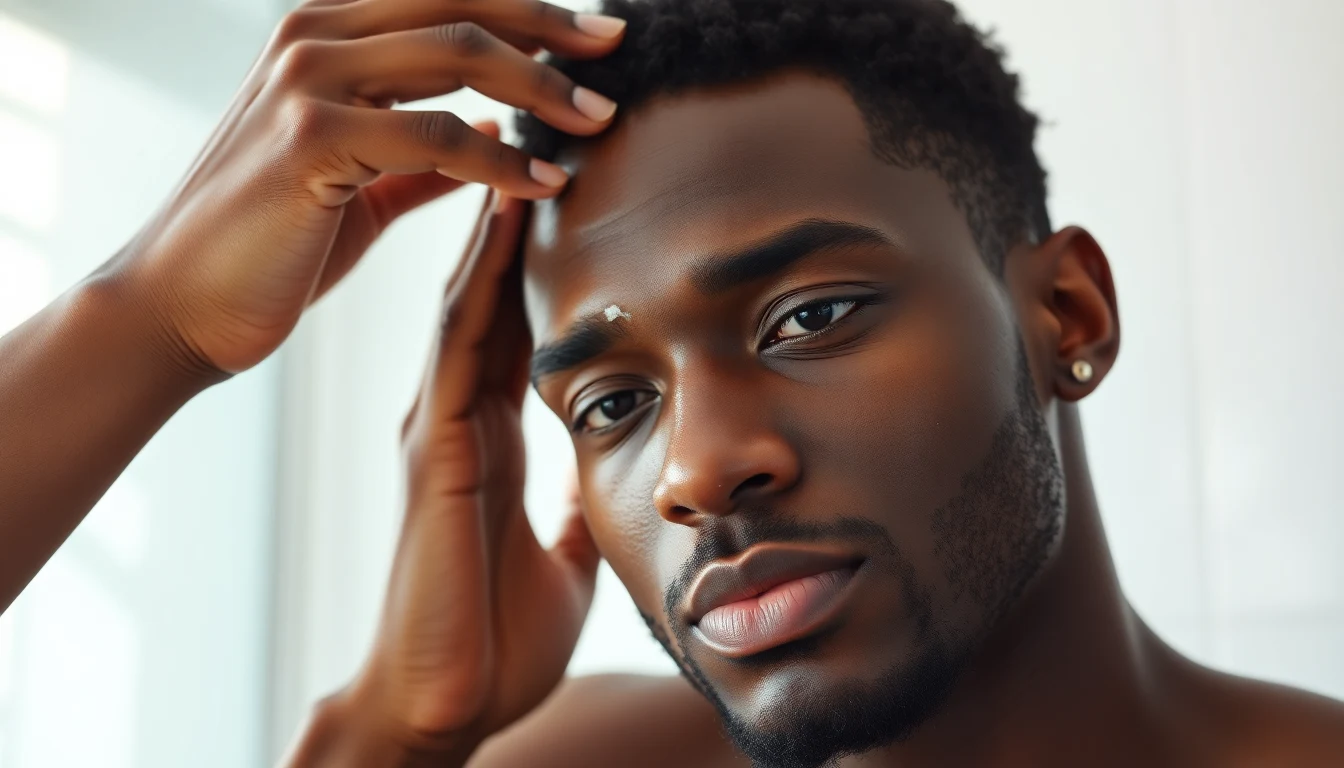
Let’s keep it real for a second. If your scalp has a smell that hits you the moment you scratch behind your ear, you’re not alone. It’s one of those things nobody talks about in the barbershop, but everybody has dealt with at some point. Whether it’s from product buildup, sweat, or something deeper like a fungal issue, that musty scalp odor can wreck your confidence faster than a bad lineup. The good news? The right shampoo fixes it. I spent months testing the best shampoo for smelly scalp options on the market, and I’m breaking down what actually works, what’s just marketing fluff, and how to build a scalp care routine that keeps you fresh all day.

Why Does Your Scalp Smell Bad?: Best Shampoo For Smelly Scalp
Before you grab the first “clarifying” bottle off the shelf, you need to understand what’s causing the problem. Scalp odor doesn’t come from one single source. For most men, it’s a combination of factors working together to create that unpleasant funk.
Fungal and Bacterial Overgrowth
Your scalp is home to millions of microorganisms. When the balance tips in favor of certain fungi (like Malassezia) or bacteria, they break down sebum and sweat into compounds that smell. This is the number one cause of persistent scalp odor, and it’s the same fungus behind dandruff and flaking. If your scalp smells AND flakes, fungal overgrowth is almost certainly the culprit.
Product Buildup
Heavy pomades, waxes, oils, and leave-in conditioners can accumulate on the scalp over time. Especially if you’re not washing frequently enough or using a shampoo that doesn’t actually cut through buildup. That layer of old product traps bacteria, mixes with sweat, and starts to smell rancid. If you use a lot of styling products, check out our guide on how often men should actually wash their hair for a sustainable routine.
Excessive Sweating (Hyperhidrosis)
If you work out regularly, wear hats or durags daily, or just naturally sweat more than average, moisture is sitting on your scalp for extended periods. That warm, damp environment is a breeding ground for odor-causing bacteria. The fix isn’t washing every day (that creates its own problems). It’s using the right shampoo when you do wash.
Hormonal Changes and Diet
Hormonal shifts can increase sebum production, which feeds the bacteria and fungi on your scalp. Certain foods, particularly those high in sulfur or strong spices, can also change how your sweat and oils smell. It’s not the primary cause for most guys, but it’s worth considering if nothing else seems to explain the odor.
What to Look for in a Shampoo for Smelly Scalp
Not every shampoo is built to handle scalp odor. Most mainstream shampoos just add fragrance to cover the smell. That’s like spraying air freshener in a locker room. It doesn’t solve anything. Here’s what you actually need in your formula.
Anti-Fungal Active Ingredients
Ketoconazole (1-2%), zinc pyrithione, selenium sulfide, and tea tree oil are proven anti-fungal agents. They target the Malassezia fungus directly and reduce the microbial load on your scalp. If your odor comes with flaking, itching, or redness, an anti-fungal shampoo should be your first choice.
Clarifying Agents
Ingredients like salicylic acid, charcoal, and apple cider vinegar break down product buildup and excess sebum. They clean your scalp at a deeper level than standard surfactants. A clarifying shampoo used once a week can prevent buildup from becoming a problem in the first place.
pH-Balanced Formula
Your scalp’s natural pH sits around 5.5. Shampoos that are too alkaline strip your scalp, causing it to overcompensate with more oil, which feeds more bacteria. Look for formulas explicitly labeled as pH-balanced or slightly acidic.
What to Avoid
Sulfates (in excess) can irritate and dry out the scalp. Heavy silicones coat the scalp and trap odor underneath. Artificial fragrances just mask the problem. Alcohol-based formulas dry the scalp out, triggering more oil production in response. Mastering best shampoo for smelly scalp takes practice but delivers great results.
The 5 Best Shampoos for Smelly Scalp in 2026
I tested each of these for at least three weeks, paying attention to odor reduction, scalp feel, hair texture after washing, and how long the freshness lasted. Here’s what made the cut. Mastering best shampoo for smelly scalp takes practice but delivers great results.
1. Nizoral Anti-Dandruff Shampoo (Best Overall)
Nizoral Anti-Dandruff Shampoo contains 1% ketoconazole, which is the gold standard anti-fungal ingredient for scalp issues. Originally developed to treat dandruff and seborrheic dermatitis, it works exceptionally well for scalp odor because it attacks the root cause: fungal overgrowth.
In my testing, Nizoral eliminated scalp odor within the first week of use (washing every 2-3 days). The lather is decent, and it doesn’t leave your hair feeling stripped or straw-like. It’s not a daily shampoo, though. Use it 2-3 times per week and alternate with a gentle moisturizing shampoo on other days.
Pros: Clinically proven anti-fungal, eliminates odor at the source, widely available, affordable
Cons: Can be slightly drying with overuse, not ideal as a daily wash
Best for: Men with persistent scalp odor linked to dandruff or fungal issues
2. Head & Shoulders Clinical Strength
Head & Shoulders Clinical Strength uses 1% selenium sulfide, another powerful anti-fungal agent. It’s stronger than the regular Head & Shoulders formula and specifically designed for severe dandruff and scalp conditions. The selenium sulfide works differently than ketoconazole, making it a great alternative if Nizoral doesn’t click with your scalp.
What I noticed with this one is the immediate freshness. After the very first wash, my scalp felt noticeably cleaner and the odor was significantly reduced. The formula is thick and lathers well, but it does have a medicinal scent that fades once your hair dries. For more guidance, AAD provides expert resources on Black hair care.
Pros: Strong anti-fungal action, excellent lather, immediate results
Cons: Strong medicinal scent, can cause dryness if used daily
Best for: Men who need clinical-strength treatment for severe scalp odor and flaking
3. Paul Mitchell Tea Tree Special Shampoo
Paul Mitchell Tea Tree Special Shampoo takes a different approach. Instead of synthetic anti-fungals, it relies on tea tree oil, peppermint, and lavender to create an environment that’s hostile to bacteria and fungi. The tingle you feel when using this shampoo is the tea tree oil and peppermint working to stimulate blood flow and kill microbes.
This one became my go-to for maintenance washes. It’s gentle enough for regular use, smells incredible (naturally, not artificially), and leaves the scalp feeling truly clean without that stripped sensation. For guys who want a more natural approach to scalp health, this is the move.
Pros: Natural anti-microbial ingredients, invigorating feel, great scent, gentle enough for frequent use
Cons: May not be strong enough for severe fungal issues, higher price point
Best for: Men who prefer natural ingredients and want a daily-use option
4. Neutrogena T/Sal Therapeutic Shampoo
Neutrogena T/Sal is all about salicylic acid. At 3% concentration, it’s a serious clarifying shampoo that dissolves buildup, dead skin cells, and excess sebum that harbor odor-causing bacteria. If your smell problem is more about buildup than fungus, this is your best bet.
I found this shampoo particularly effective after heavy styling product days. It strips away everything without harsh sulfates. The formula is fragrance-free, which some guys love and others find odd. But remember, you don’t want fragrance masking a problem. You want the problem gone. Understanding best shampoo for smelly scalp is key to a great grooming routine. Understanding best shampoo for smelly scalp is key to a great grooming routine.
Pros: Powerful buildup removal, fragrance-free, dermatologist-recommended, affordable
Cons: Not moisturizing at all, must follow with conditioner, not anti-fungal
Best for: Men with scalp odor caused by product buildup and excess oil
5. SheaMoisture African Black Soap Shampoo
SheaMoisture African Black Soap Shampoo is built for textured hair and deserves a spot on this list. African black soap has natural antibacterial and anti-fungal properties, and this formula combines it with tea tree oil and willow bark extract (a natural source of salicylic acid). It’s designed specifically for 4C and coily hair types that need deep cleansing without complete moisture stripping.
For brothers dealing with scalp odor alongside the unique challenges of natural hair care, this is the one. It respects your curl pattern while giving your scalp the deep clean it needs. The scent is earthy and subtle, and it pairs beautifully with a good moisturizing conditioner. (We recommend this Black Wolf Mens Shampoo for Oily.)
Pros: Designed for textured hair, natural antibacterial ingredients, moisturizing, culturally relevant formulation
Cons: May not be strong enough for severe fungal conditions, thicker formula takes more rinsing
Best for: Black men with natural hair who want a culturally informed, effective scalp cleanser
How to Use These Shampoos for Maximum Results
Having the right shampoo is only half the equation. How you use it matters just as much. Here’s the technique I recommend after years of testing products and working with barbers.
The Double Wash Method
For your anti-odor wash days, do two rounds. The first wash removes surface-level dirt, oil, and product. The second wash allows the active ingredients to actually contact your scalp and do their job. On the second round, let the shampoo sit for 2-3 minutes before rinsing. This contact time is crucial for anti-fungal ingredients to work. (We recommend this 2PCS Wash Shampoo for Black Men.)
Build a Rotation
Don’t use the same shampoo every single wash. Here’s a rotation that works:
- Wash 1 (Anti-fungal day): Nizoral or Head & Shoulders Clinical
- Wash 2 (Maintenance day): Paul Mitchell Tea Tree
- Wash 3 (Clarifying day): Neutrogena T/Sal
- Repeat
This rotation hits all three causes of scalp odor (fungus, bacteria, buildup) across your weekly wash schedule. For more guidance on finding the right frequency, check our breakdown on how often men should wash their hair.
Scalp Scrubbing Technique
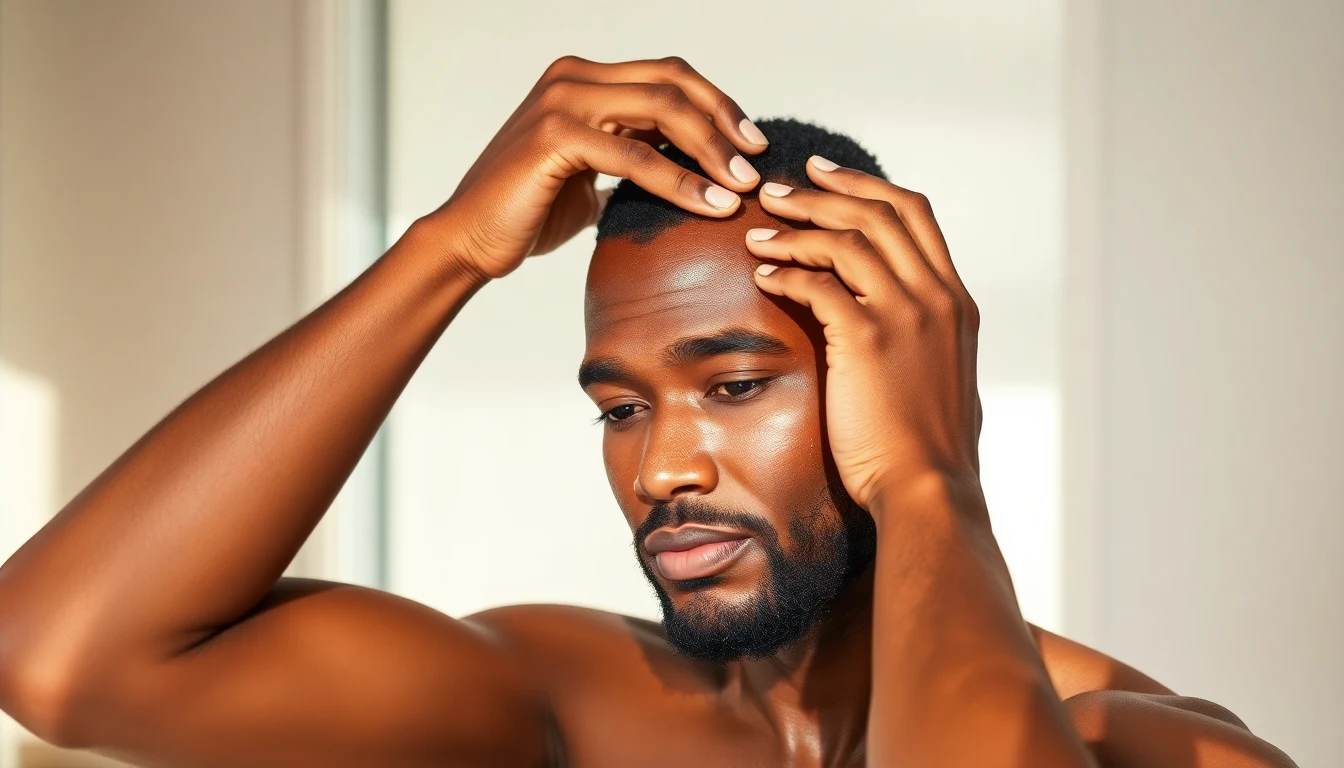
Use your fingertips (never your nails) to massage the shampoo into your scalp in circular motions. Cover every area: the crown, the sides, behind the ears, and the nape. These are the spots where odor-causing bacteria tend to concentrate. Spend at least 60 seconds massaging before you even think about rinsing.
Beyond Shampoo: Full Scalp Odor Prevention
Shampoo handles the heavy lifting, but a complete approach to scalp health involves a few extra steps.
Dry Your Scalp Properly
Leaving your scalp damp after washing creates a warm, moist environment that bacteria love. After towel-drying, let your hair air dry completely, or use a blow dryer on a cool setting. This is especially important if you’re putting on a hat, durag, or wave cap shortly after washing. When it comes to best shampoo for smelly scalp, technique matters most.
Clean Your Hair Accessories
Durags, wave caps, hats, pillowcases, and combs can harbor bacteria and reintroduce them to your clean scalp. Wash fabric accessories weekly and clean your combs and brushes at least twice a month. This is one of the most overlooked causes of recurring scalp odor. When it comes to best shampoo for smelly scalp, technique matters most.
Watch Your Diet and Hydration
Drinking enough water helps your body regulate oil production. Zinc-rich foods (oysters, pumpkin seeds, beef) support skin health. Probiotic foods (yogurt, kimchi) can improve your overall microbiome, including what’s living on your scalp.
Know When to See a Dermatologist
If you’ve been using anti-fungal shampoos consistently for 4-6 weeks and the smell persists, it’s time to see a dermatologist. You might be dealing with a more serious condition like psoriasis, severe seborrheic dermatitis, or a bacterial infection that requires prescription treatment. There’s no shame in it. Getting your scalp checked is just smart hair care.
Comparison Chart: Best Shampoos for Smelly Scalp
| Shampoo | Active Ingredient | Best For | Frequency | Hair Type |
|---|---|---|---|---|
| Nizoral | 1% Ketoconazole | Fungal odor + dandruff | 2-3x/week | All types |
| H&S Clinical | 1% Selenium Sulfide | Severe odor + flaking | 2-3x/week | All types |
| Paul Mitchell Tea Tree | Tea Tree Oil | Daily maintenance | Daily/every other day | All types |
| Neutrogena T/Sal | 3% Salicylic Acid | Product buildup | 1-2x/week | All types |
| SheaMoisture ABS | African Black Soap + Tea Tree | Natural/textured hair | 1-2x/week | 3C-4C |
Frequently Asked Questions
Why does my scalp smell bad even after I wash it?
If your scalp still smells after washing, your shampoo likely isn’t addressing the root cause. Standard shampoos clean surface dirt but don’t kill the fungi and bacteria responsible for odor. Switch to an anti-fungal shampoo like Nizoral and let it sit on your scalp for 2-3 minutes during each wash. Also make sure you’re rinsing thoroughly, since leftover shampoo residue can actually make the problem worse.
Can smelly scalp cause hair loss?
The scalp odor itself doesn’t cause hair loss, but the underlying conditions often do. Fungal infections, severe seborrheic dermatitis, and chronic inflammation can all weaken hair follicles over time. Treating the smell is treating the condition, which protects your hair. Don’t ignore persistent scalp odor, especially if it comes with excessive shedding.
How often should I wash my hair if my scalp smells?
For active scalp odor issues, washing every 2-3 days with a medicated shampoo is the sweet spot. Washing daily can strip your scalp’s natural oils and cause it to overproduce sebum, making the problem worse. On non-wash days, you can rinse with just water or use a dry shampoo to absorb excess oil. Check our full guide on wash frequency for men for more detail.
Is smelly scalp a sign of a fungal infection?
Often, yes. Malassezia yeast naturally lives on everyone’s scalp, but when it overgrows, it breaks down oils into odorous byproducts. If your scalp odor comes with itching, flaking, or redness, fungal overgrowth is the most likely cause. An anti-fungal shampoo containing ketoconazole or selenium sulfide is the first-line treatment.
Do home remedies work for smelly scalp?
Some do, to a degree. Apple cider vinegar rinses can help rebalance scalp pH and reduce bacterial growth. Baking soda can absorb excess oil temporarily. Tea tree oil diluted in a carrier oil has legitimate anti-fungal properties. However, for persistent or severe scalp odor, these remedies are best used alongside a proper medicated shampoo, not as replacements.
The Bottom Line
A smelly scalp is fixable. It’s not something you have to live with or be embarrassed about. The best shampoo for smelly scalp depends on what’s causing your specific issue. For fungal-related odor, Nizoral is the proven winner. For buildup, grab Neutrogena T/Sal. For textured and natural hair, SheaMoisture African Black Soap hits different.
Start with one, give it two to three weeks of consistent use, and build your rotation from there. Your scalp (and the people standing near you) will thank you. For more guidance on building a complete hair care routine, check out our full Black men’s hair care guide.
Further reading: For research-backed grooming advice, see Healthline Men’s Health.
Explore more tips at CulturedGrooming.com.
Further reading: For research-backed grooming advice, see Healthline Men’s Health.
Frequently Asked Questions
Why does my scalp smell bad even after I wash it?
Your scalp may continue to smell after washing due to fungal or bacterial overgrowth, product buildup from regular shampoos, excessive sweating, or hormonal changes. Using the best shampoo for smelly scalp specifically formulated with anti-fungal ingredients and clarifying agents can help eliminate these odors more effectively than standard shampoos.
How often should I wash my hair if my scalp smells?
If you have a smelly scalp, you should wash 2-3 times per week using a medicated shampoo, but avoid daily washing as it can strip natural oils and worsen the problem. The double wash method recommended in grooming guides involves two consecutive washes during the same session to ensure the active ingredients have time to work on bacterial or fungal buildup.
Can a smelly scalp be a sign of a fungal infection?
Yes, a persistent musty or yeasty scalp odor often indicates fungal overgrowth like malassezia, which thrives in warm, moist environments. If you suspect a fungal infection, look for shampoos with ketoconazole or zinc pyrithione as active ingredients, and consider seeing a dermatologist if the smell doesn’t improve after two weeks of treatment.
Do home remedies work for treating a smelly scalp?
While some home remedies like apple cider vinegar rinses or tea tree oil may provide temporary relief, medicated shampoos with proven anti-fungal and antibacterial ingredients are more effective for long-term results. Home remedies work best as supplementary treatments alongside a quality shampoo, not as standalone solutions for stubborn scalp odor.