
If you want to master best shampoos for thick, coarse, this guide covers everything you need to know. Last updated: February 2026 by Tane Matua, Pacific Islander Grooming Specialist
For most of my teenage years, I washed my hair with whatever bar of soap was in the shower. Nobody told me there was a difference between body soap and shampoo when it came to thick, coarse hair, and nobody warned me that the wrong cleanser could turn my naturally strong, healthy Polynesian hair into a dry, brittle mess. By the time I was twenty, my hair had the texture of a wire brush. It was stiff, dull, and broke when I combed it. A friend’s mother, a Samoan auntie who took one look at my hair and shook her head, told me to stop using soap immediately and handed me a bottle of moisturizing shampoo. “Your hair is thick,” she said. “You need to feed it, not fight it.” That simple advice changed everything.
Choosing the right shampoo for thick, coarse hair is not a minor grooming decision. It is the foundation of your entire hair care routine. The wrong shampoo strips the natural oils that keep thick hair manageable, leaving it dry, frizzy, and impossible to style. The right shampoo cleanses effectively while preserving moisture, supporting the health and manageability of hair that is already working against you in terms of dryness potential. For Pacific Islander men and anyone else dealing with thick, coarse hair, understanding what your hair needs from a shampoo, and what it definitely does not need, is the first step toward hair that looks as strong and healthy as it naturally is. For expert guidance on this topic, consult Healthline’s research overview on natural oils for hair health.
This guide covers the science of thick, coarse hair care, the differences between moisturizing and clarifying shampoos, how often you should actually be washing, the real story on sulfates (it is more nuanced than “sulfates are bad”), and specific product recommendations tested on the hair types they are meant for.
What Thick, Coarse Hair Needs From a Shampoo : Best Shampoos For Thick, Coarse
Thick, coarse hair has specific structural characteristics that dictate its cleansing needs. Understanding the science helps you make informed choices rather than guessing in the shampoo aisle.
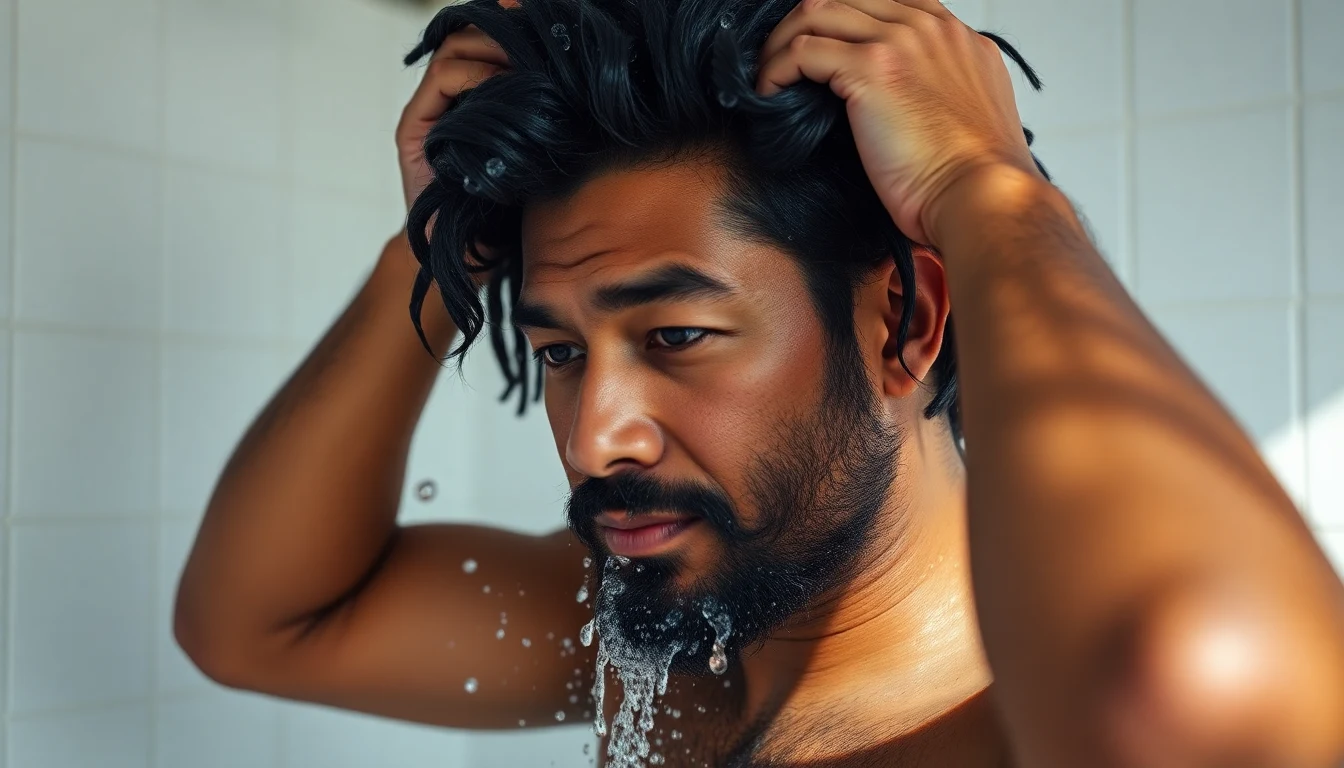
The hair shaft diameter in thick-haired populations (Pacific Islander, Middle Eastern, South Asian, and some African descent) ranges from 80 to 120 micrometers. This wider diameter means more cuticle layers, more cortex volume, and a larger surface area per strand for moisture to escape from. Thick hair is structurally predisposed to dryness, not because it produces less oil, but because the oil produced by the scalp has more strand surface to cover and the wider shaft loses moisture more readily through the cuticle.
The cuticle, the outermost layer of the hair strand, consists of overlapping scales that protect the cortex beneath. On thick, coarse hair, these cuticle scales tend to be slightly more raised and open compared to fine hair. This open cuticle allows moisture to escape more easily and makes the hair more susceptible to damage from harsh cleansing agents. When a shampoo strips the protective oil layer from the cuticle surface, the already-open scales become even more vulnerable, leading to the dull, rough, straw-like texture that so many thick-haired men experience.
What thick hair needs from a shampoo is simple in concept: effective cleansing that removes excess sebum, environmental grime, and styling product buildup without stripping the hair’s natural protective oils. In practice, finding this balance requires choosing formulations specifically designed for thick, coarse, or dry hair types rather than the “universal” shampoos that dominate store shelves.
Moisturizing Shampoos vs. Clarifying Shampoos
These two categories serve different purposes, and understanding when to use each one is essential for thick hair management.
Moisturizing Shampoos
Moisturizing shampoos are your daily (or regular-use) shampoo. They use milder surfactants (cleansing agents) that remove surface oil and grime without deeply stripping the hair. They also contain conditioning ingredients, such as natural oils (argan, coconut, jojoba), humectants (glycerin, panthenol), and silicones (dimethicone), that deposit moisture and smoothness onto the hair during the wash.
For thick, coarse hair, a moisturizing shampoo should be your primary cleanser for the vast majority of washes. Look for shampoos labeled “moisturizing,” “hydrating,” “for dry or damaged hair,” or “for thick/coarse hair.” These formulations are specifically designed to cleanse without over-stripping, which is exactly what thick hair needs.
Shea Moisture Jamaican Black Castor Oil Shampoo is an excellent example. It uses gentle coconut-derived surfactants, contains castor oil and shea butter for deep conditioning, and is free of sulfates that can over-strip thick hair. The Jamaican black castor oil in the formula is particularly beneficial for coarse hair because it coats and conditions the hair shaft while the shampoo cleanses. Mastering best shampoos for thick, coarse takes practice but delivers great results.
Clarifying Shampoos
Clarifying shampoos use stronger surfactants to deeply cleanse the hair and scalp, removing stubborn buildup from styling products, silicones, hard water minerals, and excess sebum. They are not meant for regular use on thick hair because the deep cleansing they provide also strips away beneficial oils. However, they serve an important purpose when used periodically.
If you use pomade, wax, clay, or other heavy styling products regularly, product buildup accumulates on the hair and scalp over time. This buildup can weigh down thick hair, make it look dull, and prevent conditioning products from penetrating effectively. A clarifying shampoo used once every one to two weeks cuts through this buildup and resets the hair to a clean baseline. After using a clarifying shampoo, always follow with a deep conditioner or hair mask to replenish the moisture that the deeper cleanse removed.
How Often Should You Wash Thick, Coarse Hair?
The washing frequency question is one of the most important and most commonly answered incorrectly for thick hair types. The short answer: less often than you think.
Thick, coarse hair does not need to be shampooed daily. Daily washing strips the natural sebum that keeps thick hair manageable, forces the scalp to overproduce oil to compensate, and accelerates the dryness that makes coarse hair difficult to manage. For most men with thick, coarse hair, shampooing two to three times per week is optimal. This frequency removes sufficient oil and buildup to keep the hair clean and fresh while preserving enough natural moisture to maintain health and manageability.
On non-shampoo days, you can still rinse your hair with water in the shower. Water alone removes surface sweat and loose debris without stripping oils. If your hair feels particularly oily or you have been physically active, a quick rinse with water and a light application of conditioner (called “co-washing” or conditioner-only washing) provides gentle cleansing without the stripping effect of shampoo.
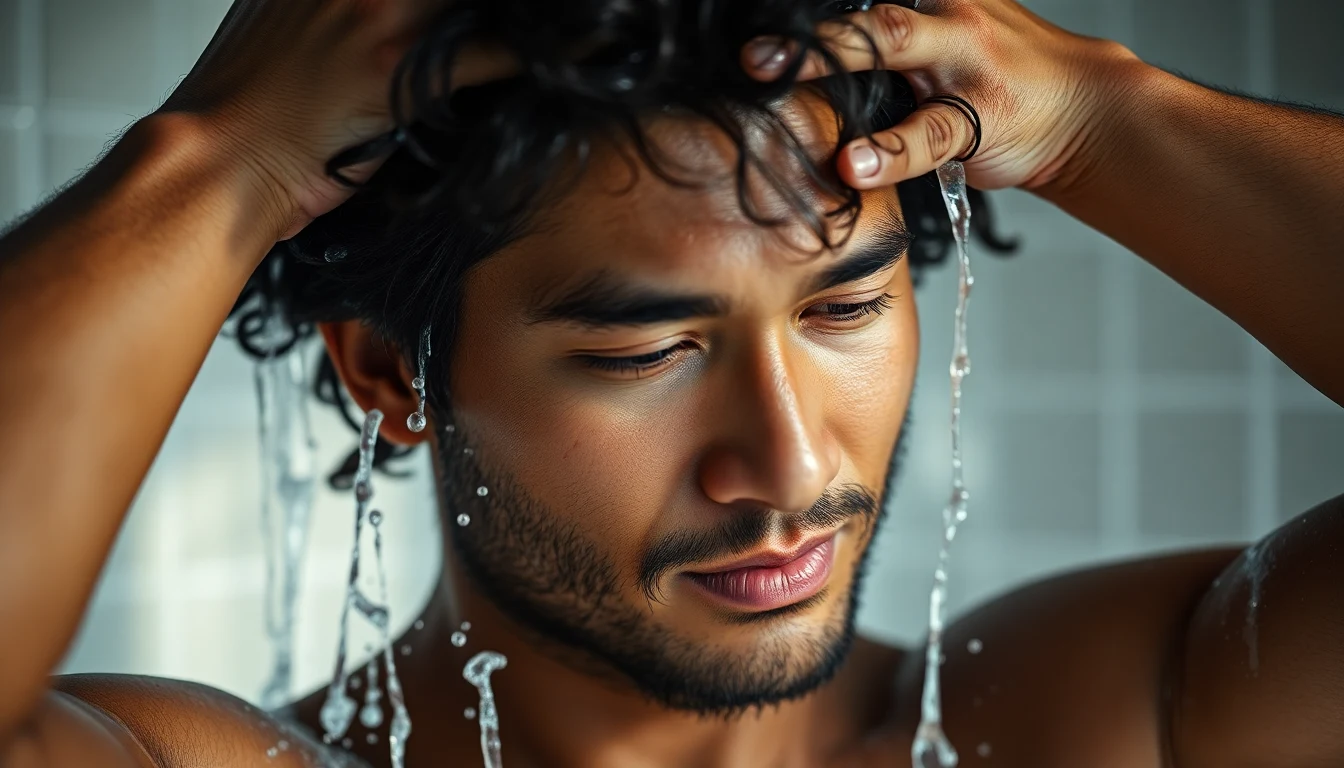
The exception is men who use heavy styling products (pomade, wax, gel) daily. Product buildup requires more frequent cleansing. In this case, shampooing every other day with a moisturizing shampoo, plus a weekly clarifying wash, strikes the right balance between cleanliness and moisture retention.
The Sulfate Question: Not as Simple as You Have Been Told
The “sulfate-free” movement has dominated hair care marketing for years, and the messaging is straightforward: sulfates are harsh, they strip your hair, and you should avoid them. While this narrative contains truth, the complete picture is more nuanced, particularly for thick, coarse hair.
What Are Sulfates?
Sulfates are a class of surfactants (cleansing agents) used in shampoo to create lather and remove oil and dirt. The two most common sulfates in shampoo are sodium lauryl sulfate (SLS) and sodium laureth sulfate (SLES). SLS is the stronger of the two and can be harsh on hair and skin. SLES is milder and less irritating while still providing effective cleansing.
Are Sulfates Bad for Thick Hair?
SLS can be overly stripping for thick, coarse hair, particularly with frequent use. It removes natural oils efficiently, which is a problem for hair that is already prone to dryness. If your thick hair feels dry, stiff, or straw-like after washing, an SLS-containing shampoo is likely a contributing factor.
However, SLES is significantly gentler and does not strip oils as aggressively. Many men with thick hair find SLES-containing shampoos perfectly adequate, particularly when used two to three times per week rather than daily. And sulfate-free shampoos are not universally better. Some sulfate-free formulations use alternative surfactants that are even gentler than SLES but may not cleanse effectively enough to remove heavy styling product buildup from thick hair.
The practical recommendation: if your thick hair is healthy and manageable with your current shampoo, the presence of mild sulfates (SLES) is not inherently problematic. If your hair is dry, brittle, or dull despite regular conditioning, switching to a sulfate-free moisturizing shampoo is a logical first step. Avoid SLS (sodium lauryl sulfate) entirely, as it is unnecessarily harsh for thick hair. But do not assume that “sulfate-free” automatically means “better for your hair.”
Key Ingredients to Look For
Beyond the sulfate question, certain ingredients signal a shampoo formulated for the needs of thick, coarse hair. Look for these on the ingredient list. Understanding best shampoos for thick, coarse is key to a great grooming routine.
Coconut oil or coconut-derived cleansers (coco-betaine, cocamidopropyl betaine) provide gentle cleansing with inherent conditioning properties. Coconut oil is one of the few oils proven to penetrate the hair shaft, providing internal conditioning that other oils cannot. This makes it particularly valuable for thick hair that needs deep moisture.
Argan oil adds fatty acids (oleic and linoleic acid) that smooth the cuticle and reduce frizz. Shampoos containing argan oil cleanse while simultaneously conditioning, which is the ideal combination for coarse hair.
Shea butter provides intense moisture and a protective coating that seals the cuticle. Shampoos with shea butter leave thick hair feeling softer and more pliable after washing.
Glycerin is a humectant that attracts moisture from the environment and binds it to the hair shaft. In humid climates, this is particularly beneficial for thick hair that would otherwise lose moisture to the air.
Panthenol (pro-vitamin B5) penetrates the hair shaft and increases its water-holding capacity, improving moisture retention between washes. It also adds volume and shine, which benefits thick hair that can appear dull when dry.
Ingredients to Avoid
Certain ingredients are counterproductive for thick, coarse hair and should be avoided in your primary shampoo.
Sodium lauryl sulfate (SLS) is the most commonly cited offender and deserves its reputation for thick hair types. It is simply too effective at stripping oils, leaving thick hair dry and rough.
High concentrations of alcohol (denatured alcohol, alcohol denat., isopropyl alcohol) are drying agents that evaporate moisture from the hair. They are sometimes included in shampoos for their quick-drying properties but are detrimental to thick hair health. Note: fatty alcohols like cetyl alcohol and cetearyl alcohol are conditioning agents and are beneficial, not harmful. Do not confuse these with drying alcohols.
Parabens (methylparaben, propylparaben) are preservatives that have come under scrutiny for potential endocrine-disrupting effects. While the evidence is debated, many men prefer to avoid them, and effective paraben-free alternatives are widely available.

Top Shampoo Recommendations for Thick, Coarse Hair
Best Overall: Shea Moisture Jamaican Black Castor Oil Shampoo
Shea Moisture Jamaican Black Castor Oil Shampoo is formulated specifically for thick, coarse, and damaged hair. The Jamaican black castor oil provides deep conditioning, the shea butter adds moisture and softness, and the sulfate-free formula cleanses gently without stripping. This shampoo leaves thick hair feeling clean but still soft and manageable, which is exactly what you want. It is also affordable, widely available, and has a pleasant, subtle scent.
Best for Oily Scalp With Dry Ends: Pantene Gold Series Shampoo
Pantene Gold Series Shampoo is designed for thick, coarse hair and addresses the common PI challenge of an oily scalp with dry ends. The formula cleanses the scalp effectively while depositing conditioning agents along the hair shaft. It contains argan oil for smoothing and strengthening, and the lather is rich enough to feel like a thorough wash without the harshness of SLS-based formulas.
Best Budget Option: OGX Moroccan Argan Oil Shampoo
OGX Moroccan Argan Oil Shampoo offers good performance at a budget-friendly price point. The argan oil content provides conditioning during the wash, and the sulfate-free formula is gentle enough for regular use on thick hair. The scent is more pronounced than some competitors, which is a positive or negative depending on your preference. For the price point, it is difficult to beat as an everyday moisturizing shampoo for coarse hair. When it comes to best shampoos for thick, coarse, technique matters most.
Best for Product Buildup: Neutrogena Anti-Residue Clarifying Shampoo
For your weekly or bi-weekly clarifying wash, Neutrogena Anti-Residue is the standard recommendation. It cuts through pomade, wax, silicone buildup, and hard water minerals in a single wash. It does contain stronger surfactants, which is the point: it is designed for periodic deep cleaning, not daily use. Always follow with a deep conditioner after using this shampoo on thick hair.
Best Natural/Traditional Option: Coconut Oil Pre-Wash + Gentle Shampoo
For men who prefer a traditional Pacific Islander approach, applying virgin coconut oil to the hair as a pre-shampoo treatment (thirty minutes to overnight), then washing with any gentle shampoo, provides exceptional conditioning alongside effective cleansing. The coconut oil penetrates the hair shaft during the pre-wash treatment, and the shampoo then removes only the surface oil, leaving the internal conditioning intact. This method has been used across Polynesia for generations and remains one of the most effective approaches for maintaining thick, coarse hair health.
The Complete Washing Routine for Thick Hair
How you wash matters as much as what you wash with. Here is the optimal technique for thick, coarse hair.
Step one: Wet your hair thoroughly with warm (not hot) water. Hot water opens the cuticle excessively and can increase dryness. Warm water is sufficient to prepare the hair for cleansing. Step two: Apply a quarter-sized amount of shampoo to your palms and emulsify (rub your palms together to create lather before applying to hair). Step three: Massage the shampoo into the scalp first, using your fingertips (not nails) in circular motions. The scalp is where oil and buildup accumulate; the lengths of the hair need minimal direct shampoo contact. Step four: Let the lather run through the lengths of the hair as you rinse. This provides sufficient cleansing for the mid-shaft and ends without directly applying shampoo, which can be overly stripping. Step five: Rinse thoroughly with lukewarm water. Step six: Apply conditioner from mid-shaft to ends, avoiding the scalp. Leave on for two to three minutes. Step seven: Rinse with cool water. The cool water helps close the cuticle, locking in moisture and increasing shine.
Frequently Asked Questions
Can I use the same shampoo for my hair and beard?
You can, but it is not ideal. Beard hair and head hair, while both thick and coarse for Pacific Islander men, exist in different environments. The skin beneath your beard is facial skin, which is more sensitive than the scalp. A gentle, moisturizing shampoo works for both, but a dedicated beard wash (which is typically gentler and contains more conditioning agents) is better for the beard specifically. If you must use one product for both, choose the more gentle option and follow with appropriate conditioner or oil for each area.
Is conditioner really necessary for thick hair?
Yes, without question. Conditioner is arguably more important for thick, coarse hair than for any other hair type. The wider hair shaft and more open cuticle structure make thick hair inherently prone to dryness, and conditioner is the primary tool for replacing the moisture that shampooing removes. Skipping conditioner on thick hair is like washing a car and skipping the wax: you have cleaned it, but you have also removed the protective layer that keeps it looking good.
My thick hair gets greasy fast. Should I wash more often?
Greasiness at the roots with dryness at the ends is common for thick hair. It usually indicates over-washing, which triggers the scalp to overproduce oil. Rather than washing more, try washing less (every other day or every third day) and see if the oiliness decreases after two to three weeks of the new schedule. Your scalp needs time to recalibrate its oil production. In the meantime, a dry shampoo can absorb excess oil at the roots between washes.
Does shampoo cause hair loss?
Shampoo does not cause permanent hair loss. You may notice hairs falling out during washing, but these are hairs that were already in the shedding phase of the growth cycle and would have fallen out regardless. Normal shedding is 50 to 100 hairs per day. If you are losing significantly more, the cause is hormonal (androgenetic alopecia), nutritional, or medical, not shampoo-related. That said, harsh shampoos can cause breakage of the hair shaft, which mimics the appearance of shedding. Using a gentle, moisturizing shampoo reduces breakage and helps the hair you have look its healthiest and fullest.
Conclusion: The Foundation of Healthy Thick Hair
Choosing the right shampoo for thick, coarse hair is not glamorous, but it is foundational. Every other hair care product and technique you use, from conditioner to styling products to heat tools, performs better when the hair has been properly cleansed without being stripped of its natural moisture. A gentle, moisturizing shampoo used two to three times per week, combined with periodic clarifying and consistent conditioning, creates the healthy, manageable base that thick Pacific Islander hair needs to look its best.
Stop fighting your hair with harsh cleansers. Start feeding it with products designed for its unique needs. The difference will be visible within a few weeks and will compound over months into hair that is noticeably healthier, softer, and easier to style. Your thick, coarse hair is not a problem. It is an asset. Treat it accordingly.
Frequently Asked Questions
What’s the difference between using regular body soap and shampoo for thick, coarse hair?
Regular body soap is too harsh for thick, coarse hair and strips away natural oils that keep your hair manageable and healthy. Using body soap can leave your hair dry, brittle, and prone to breakage, whereas shampoo is formulated to cleanse while preserving the moisture your thick hair needs.
Why do best shampoos for thick, coarse hair focus on moisturizing rather than deep cleansing?
Thick, coarse hair is naturally prone to dryness because natural oils have difficulty traveling down the hair shaft due to the hair’s structure. Moisturizing shampoos preserve these essential oils while cleansing, keeping your hair strong and manageable instead of turning it stiff and dull like a wire brush.
How do I know if my shampoo is stripping my natural oils?
Signs your shampoo is too harsh include increased frizz, dryness, brittleness, and hair that breaks when you comb it. If you notice these issues, switch to a moisturizing shampoo specifically formulated for thick, coarse hair that cleanses without removing the oils your hair needs to stay healthy.
Can men with thick, coarse hair use clarifying shampoos regularly?
No, clarifying shampoos should only be used occasionally for thick, coarse hair because they’re designed to strip buildup and can remove too many natural oils your hair depends on. Save clarifying shampoos for monthly use at most, and rely on moisturizing shampoos for your regular cleansing routine.