
Best Shape Up Clippers (2026): Get a Barbershop Edge-Up at Home
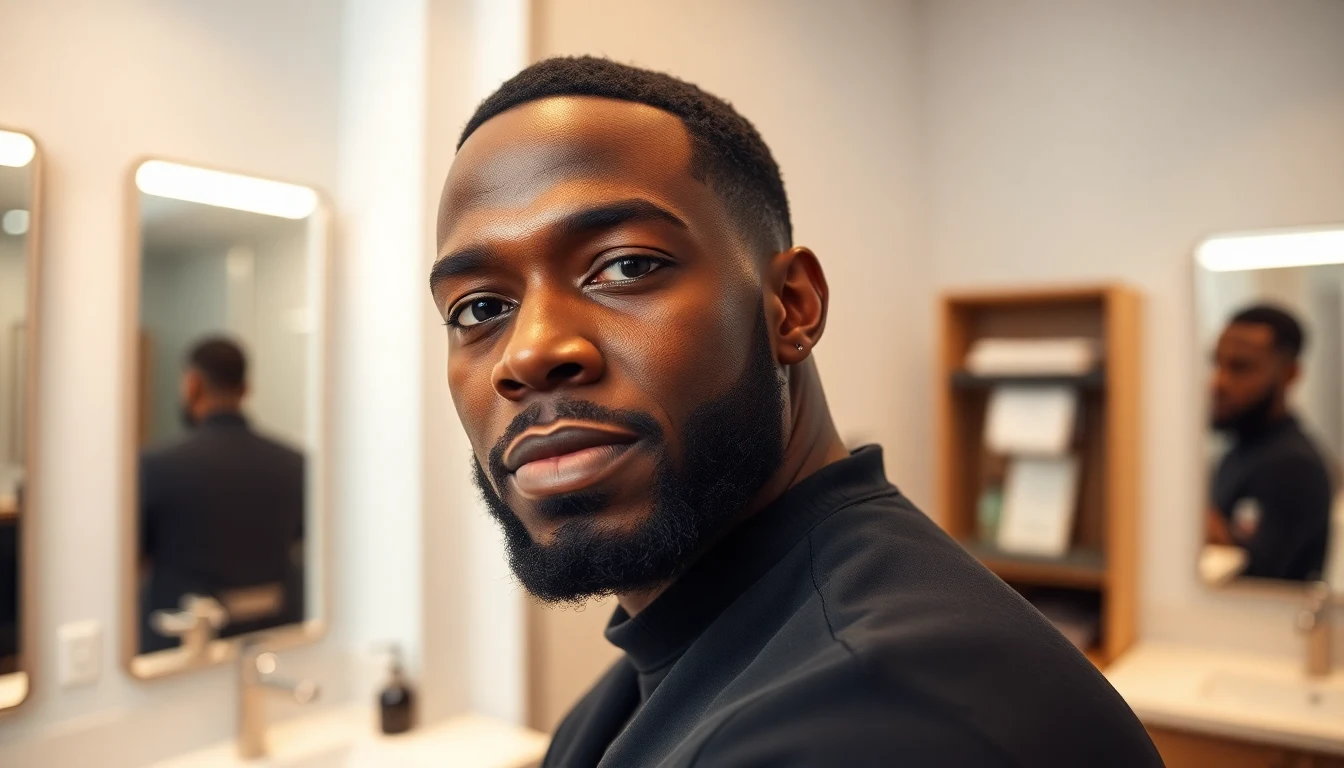
A fresh shape up can make a two-week-old cut look brand new. I learned that watching my uncle work the chair in his Atlanta shop, turning a lineup touch-up into a complete transformation in under five minutes. But here is the truth most “best trimmer” lists won’t tell you: the tool that shapes up 4C coils along a tight hairline is not the same tool that works on straight or loosely waved hair. You need a trimmer with a zero-gap T-blade, a motor that won’t stall on thick growth, and enough precision to follow the natural curve of your forehead, temples, and nape. I’ve tested dozens of shape up clippers over the years, talked to working barbers, and narrowed it down to the best options for getting that crisp edge-up at home. If you only read one section, jump to the comparison table for a quick winner.
Our Top Picks at a Glance
Here is the quick breakdown before we get into the details. Every trimmer on this list was evaluated for blade sharpness out of the box, motor power on dense hair, ergonomics during a self-shape-up, and overall value for the price.
| Trimmer | Blade Type | Price Range | Battery | Best For |
|---|---|---|---|---|
| Andis Slimline Pro Li | T-blade (carbon steel) | $65-80 | 2 hrs cordless | Overall best for home shape ups |
| BaBylissPRO GoldFX Trimmer | T-blade (titanium) | $130-160 | 2 hrs cordless | Premium precision, barbershop-grade |
| Wahl Detailer Li | T-blade (chrome) | $75-95 | 3 hrs cordless | Long battery life, reliable lines |
| Oster T-Finisher | T-blade (stainless) | $35-50 | Corded only | Best budget option, barbershop workhorse |
| Gamma+ Absolute Hitter | T-blade (black diamond DLC) | $120-140 | 3+ hrs cordless | Closest cutting, zero-gap out of the box |
| PatEdge Platinum | T-blade (ceramic/steel) | $80-100 | 3 hrs cordless | Designed by a barber, tight corners |
| Andis T-Outliner | T-blade (carbon steel) | $50-70 | Corded only | Classic barbershop standard, powerful motor |
| BaBylissPRO Skeleton Trimmer | T-blade (exposed, DLC-coated) | $80-100 | 2 hrs cordless | Lightweight, great visibility while cutting |
| Wahl Stinger | T-blade (stainless) | $30-45 | Corded only | Ultra-budget entry point |
Top pick: The Andis Slimline Pro Li hits the sweet spot of price, precision, and portability. If money is no issue, the Gamma+ Absolute Hitter delivers the closest, cleanest edge-up I’ve ever gotten from a cordless trimmer.
What Makes a Good Shape Up Trimmer
Not every trimmer is a shape up trimmer. That all-in-one Philips Norelco sitting in your bathroom drawer? It’ll trim a beard. It will not give you a crisp temple line. Here is what separates a real edge-up tool from a general grooming trimmer.
The T-Blade Advantage
Shape up clippers need a T-blade. The wide, exposed cutting edge lets you see exactly where the blade meets your skin, which is critical when you’re working a hairline in the mirror. A standard clipper blade sits recessed behind a guard housing, giving you less visibility and less control at the edges.
The T-shape also lets you use the corner of the blade for tight detail work around the temples and sideburns. You can create those sharp 90-degree angles that define a clean shape up. With a standard blade, you’re limited to straight horizontal passes.
Zero-Gap Capability
A “zero-gapped” trimmer has its cutting blade adjusted flush with (or slightly behind) the stationary blade. This gets the blade as close to the skin as possible without actually touching it, creating that razor-sharp line. Some trimmers come zero-gapped from the factory. Others require manual adjustment with a small screwdriver. If you’re not comfortable adjusting blade gaps, look for a trimmer that cuts close out of the box.
One warning: a zero-gapped blade that isn’t properly aligned can nick skin. On the hairline where the skin is thin and tight, especially at the temples, a misaligned blade draws blood fast. I’ve seen it happen to guys who watched a YouTube video on zero-gapping and got too aggressive. If the blade feels like it’s pulling or pinching, back it off.
Motor Power Matters
Thick 4B/4C growth along the hairline is denser than it looks. A weak rotary motor will bog down and leave you with patchy, uneven lines. You want either a strong rotary motor (7,000+ RPM) or a linear magnetic motor. The magnetic motors in the best clippers for Black men deliver consistent power through every stroke without slowing down on coarse textures.
Ergonomics for Self-Shape-Ups
Shaping up your own hairline in a mirror is an entirely different motion than cutting someone else’s hair. You’re working in reverse, often with your non-dominant hand for one side. The trimmer needs to be light (under 6 oz), slim enough to grip like a pen, and balanced so it doesn’t torque when you angle it. Corded trimmers give you unlimited power but the cord can snag at the worst moment. Cordless trimmers give you freedom but die mid-lineup if you don’t keep them charged.
Detailed Reviews
1. Andis Slimline Pro Li (Best Overall)
This is the trimmer I recommend to anyone doing shape ups at home for the first time. The Slimline Pro Li is lightweight at just 4.6 ounces, slim as a marker, and cuts close enough to satisfy anyone who isn’t a professional barber chasing competition-level lines.
The carbon steel T-blade comes reasonably close out of the box and can be zero-gapped with minimal effort. Battery life runs about two hours, which is plenty for weekly edge-ups. The lithium-ion battery holds a charge for weeks between uses, so it’s always ready when you need a touch-up before heading out.
Works for: Home users who want barbershop-quality lines without the learning curve of a professional trimmer. 4A through 4C textures. Weekly maintenance shape ups.
Doesn’t work for: Professional barbers doing back-to-back clients (battery life too short for a full day). If you need the absolute closest cut, the Gamma+ Absolute Hitter edges it out.
Alternative: If the Slimline Pro Li is out of stock or out of budget, the Wahl Detailer Li is the closest competitor at a similar price point with longer battery life.
2. BaBylissPRO GoldFX Trimmer (Best Premium)
The GoldFX is what you’ll see in the hands of barbers who post their work on Instagram. It’s a show piece and a workhorse at the same time. The titanium T-blade holds its edge longer than carbon steel, which means fewer blade changes if you’re shaping up multiple people or going months between replacements.
Build quality is noticeably better than anything under $100. The all-metal housing adds weight (5.4 oz) but feels planted in your hand rather than flimsy. The knurled grip prevents slipping even with oil on your hands from pre-trim prep.
The downside is the price. At $130-160, this is a serious investment for a home user. If you cut your own hair and your family’s hair, it pays for itself within a few months of saved barbershop visits. If you’re only touching up your own line every two weeks, the Andis Slimline Pro Li at half the price does nearly the same job.
Works for: Serious home barbers, anyone who also does lineup work for friends and family, 4C textures that need consistent power.
Doesn’t work for: Casual users who only shape up once a month. The premium price doesn’t make sense for light use.
3. Wahl Detailer Li (Best Battery Life)
Wahl’s answer to the Slimline Pro, and in some ways it’s better. The Detailer Li delivers three hours of battery life compared to the Andis’s two, and the chrome blade is corrosion-resistant, a nice detail if you store your trimmer in a humid bathroom. Mastering best shape up clippers takes practice but delivers great results.
The blade is slightly wider than the Slimline Pro’s, which means faster straight-line work across the forehead but slightly less maneuverability in tight corners around the temple. If your hairline has a lot of curvature, you’ll need to make more passes. If you have a relatively straight forehead line, the wider blade actually saves time.
Works for: Users who forget to charge their tools. Straight or gently curved hairlines. All textures from 3C through 4C. Mastering best shape up clippers takes practice but delivers great results.
Doesn’t work for: Intricate temple work with lots of sharp angles. The wider blade makes tight radius turns harder.
4. Oster T-Finisher (Best Budget)
The T-Finisher has been in barbershops since before I was born. My uncle had three of them, all corded, all running daily for years. That reliability is the selling point. At $35-50, this is the cheapest trimmer on this list that I’d actually recommend for shape up work.
The trade-off is the cord. You’re tethered to an outlet, which limits your positioning in front of a mirror. The motor is a traditional electromagnetic pivot type, not as smooth as the newer rotary and linear motors, but it has enough bite to handle 4C growth along the hairline without hesitation.
The blade requires manual zero-gapping for the closest cut. Out of the box, it leaves about a half-millimeter of visible stubble at the hairline. That’s fine for a general edge-up, but if you want that glass-smooth look you see on social media, you’ll need to adjust the blade or follow up with a straight razor.
Works for: Budget shoppers, beginners learning to shape up, anyone who doesn’t mind a cord. Works across all textures.
Doesn’t work for: Anyone who needs portability. Not ideal if you want a close cut without blade adjustment.
5. Gamma+ Absolute Hitter (Closest Cut)
If closeness is what you’re after, the Absolute Hitter lives up to its name. The black diamond DLC-coated blade comes zero-gapped from the factory and cuts closer than anything else on this list without needing a straight razor follow-up. I’m talking about a shape up that looks like your barber just hit it with a blade. For more guidance, GQ provides expert resources on men’s grooming.
The DLC (diamond-like carbon) coating also reduces friction and heat, which matters when you’re making multiple passes along the hairline. On trimmers with uncoated blades, the blade heats up after 10-15 minutes of continuous use, and that heat on the sensitive skin behind your ears or along your nape is uncomfortable at best.
Battery life is excellent at 3+ hours. Build quality is premium. The only drawback is that the ultra-close cut can cause irritation on sensitive skin, especially if you have a history of razor bumps along your hairline. If your skin reacts to close shaving, the Andis Slimline Pro Li’s slightly less aggressive cut might actually be the better choice for you.

Works for: Users who want the closest possible shape up without a straight razor. Competition barbers. All textures.
Doesn’t work for: Sensitive skin that’s prone to pseudofolliculitis barbae (PFB) along the hairline. The ultra-close cut can trigger ingrown hairs on tight curl patterns.
6. PatEdge Platinum (Best Barber-Designed)
The PatEdge was designed by Patrick Mosley, a barber who built this trimmer specifically for detail work that other trimmers couldn’t handle. The blade geometry is optimized for tight corners, and the slim body was engineered for the pen grip that most barbers use during shape ups.
What sets it apart is the blade angle. Most T-blades sit flat against the housing. The PatEdge’s blade sits at a slight forward angle that naturally matches the wrist position you use when edging a temple line in the mirror. It’s a subtle difference that becomes obvious after a few uses.
Works for: Experienced home barbers who know what they’re doing and want a specialist tool. Temple-heavy shape up styles.
Doesn’t work for: Complete beginners (the learning curve is steeper than a Slimline Pro). Hard to find in stores, mostly available through barber supply channels.
7. Andis T-Outliner (Classic Barbershop Standard)
The T-Outliner is what most barbers learned on. If you’ve ever gotten a shape up at a traditional Black barbershop, there’s a good chance this is the trimmer your barber used. The electromagnetic motor has serious power and the carbon steel blade is aggressive enough to define lines on the thickest 4C growth.
Like the Oster T-Finisher, it’s corded. Unlike the T-Finisher, the T-Outliner’s motor generates more heat during extended use. Barbers deal with this by switching between trimmers or using cooling spray. For a home user doing a 10-minute shape up, heat isn’t a concern.
The T-Outliner requires zero-gapping for the closest results. Out of the box, it’s good for general edge-ups but not competition-level crispness.
Works for: Anyone who wants the exact tool their barber uses. Heavy-duty hairline work on dense textures.
Doesn’t work for: Travel. The cord and the weight (7 oz) make it a stay-at-home tool.
8. BaBylissPRO Skeleton Trimmer (Best Visibility)
The Skeleton’s exposed-blade design gives you an unobstructed view of where the blade meets your skin. In a mirror, working in reverse, that visibility is worth its weight in gold. You can see your hairline, see the blade, and see the line forming in real time.
It’s also one of the lightest cordless trimmers on the market at 4.2 ounces. The open frame housing helps with heat dissipation too. The DLC-coated blade stays cooler longer than enclosed trimmers.
The open design does collect hair and oil faster. Clean it after every use or the exposed internals will gum up. Keep clipper spray and blade oil nearby. Understanding best shape up clippers is key to a great grooming routine. Understanding best shape up clippers is key to a great grooming routine.
Works for: Self-shape-up users who need maximum visibility. Light grip preferred. All textures.
Doesn’t work for: Users who don’t want to clean their trimmer after every session. The exposed design needs more maintenance.
9. Wahl Stinger (Best Ultra-Budget)
At $30-45, the Stinger is the entry-level option for someone who has never shaped themselves up before and doesn’t want to invest serious money until they know they can do it consistently. It’s corded, basic, and cuts clean enough for a presentable edge-up.
The blade is narrower than most T-blades on this list, which gives you good precision but slower progress on longer runs across the forehead. The motor is adequate for 4A and 4B textures but labors visibly on the thickest 4C growth.
Works for: First-timers testing the shape-up-at-home waters. Lighter textures (3C through 4B).
Doesn’t work for: Dense 4C hairlines. Extended use (the motor runs hot on the corded model).
T-Blade vs. Standard Blade: Why It Matters for Shape Ups
If you’re new to doing your own edge-up, you might wonder why every trimmer on this list has a T-blade instead of a standard clipper blade. Here’s the breakdown.
| Feature | T-Blade | Standard Blade |
|---|---|---|
| Visibility | Wide, exposed edge. You see where you’re cutting. | Recessed behind housing. Harder to see the cut line. |
| Corner work | Corners of the blade create sharp angles at temples. | Rounded profile can’t create defined angles. |
| Line crispness | Razor-sharp lines when zero-gapped. | Leaves a softer, less defined edge. |
| Bulk cutting | Not designed for it. Slow on large areas. | Covers more area per pass. Better for full haircuts. |
| Guard compatibility | Limited guard sizes. Mostly used without guards. | Full range of guard sizes for different lengths. |
| Best use | Shape ups, edge-ups, beard detailing, line work. | Full haircuts, fading, bulk hair removal. |
The bottom line: standard blades are for cutting hair. T-blades are for defining lines. A shape up is entirely about lines. That’s why your main cordless clippers are great for the haircut itself, but you need a separate T-blade trimmer for the edge-up.
Shape Up Tutorial: How to Edge Up Your Own Hairline
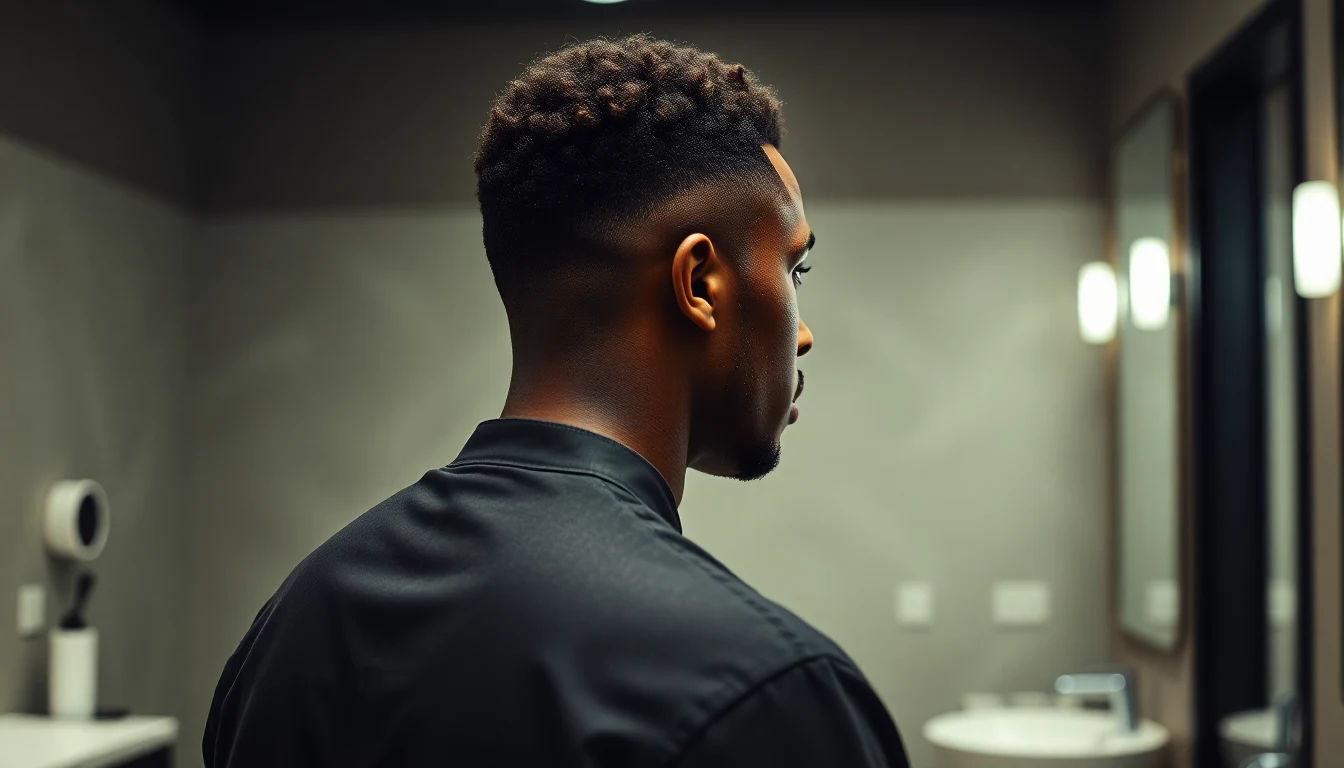
Doing your own shape up takes practice. I’m not going to pretend you’ll nail it on the first try. But with the right technique and a steady hand, you can maintain a clean hairline between barbershop visits, and that’s what this is really about. You’re not replacing your barber. You’re extending the life of the cut he gave you.
Tools You Need
- A T-blade trimmer (any from the list above)
- A handheld mirror (for checking the back and sides)
- Good lighting (overhead bathroom lights plus a ring light if you have one)
- A white pencil or brow liner (for mapping your line before cutting)
- Clipper oil and a small brush for cleanup
Step 1: Map Your Natural Hairline
Before you turn the trimmer on, study your hairline. Every man’s hairline is different. Yours has a natural shape that your barber follows and enhances. You’re not creating a new hairline. You’re cleaning up the existing one.
If you’re not sure where your natural line is, look at your most recent fresh shape up (take photos right after your barber cuts you). Use a white eyebrow pencil to lightly trace the line you want to follow. This gives you a visual guide and prevents the most common mistake: cutting too far back.
Step 2: Start at the Temple
The temples are the most defined part of a shape up and the easiest place to start. Turn on your trimmer and hold it like a pen, with the blade pointing downward. Place the corner of the T-blade at the top of your sideburn where it meets the temple line. Use short, controlled downward strokes to define the vertical edge.
Work one side at a time. Do the right temple first, then match the left. Check symmetry constantly using the handheld mirror.
Step 3: Define the Forehead Line
The forehead is where most beginners mess up. The instinct is to create a perfectly straight line across the top, but most natural hairlines have a gentle curve. Follow your mapped line. Use the full width of the T-blade for horizontal passes across the forehead, moving from one temple toward the other.
Keep the trimmer flat against the skin. Don’t press hard. Let the blade do the work. Pressing creates uneven depth and can cause irritation.
Step 4: Clean Up the Nape
This is the hardest part to do yourself because you can’t see it directly. Use the handheld mirror positioned behind you while looking in the wall mirror. If you’ve seen your barber work the nape, you know the motion: gentle, upward strokes from the neck toward the hairline.
For your first few times, just clean up the obvious strays below your hairline. Don’t try to create an arched or squared nape design without practice. A straight, clean line at the nape is all you need for maintenance.
Step 5: Check and Refine
Set the trimmer down and look at your work from multiple angles. Use the handheld mirror to check each side, the back, and the overall symmetry. Make small correction passes only. This is where patience wins. Every extra pass you make takes you further from recovery if something goes wrong.
Hairline Types and How to Shape Each One
Your shape up should follow your natural hairline type. Fighting your natural shape leads to a look that grows out unevenly and requires more frequent maintenance. Here’s how to work with what you’ve got.
Straight Hairline
A naturally straight forehead line is the easiest to maintain. Run the T-blade horizontally across the forehead, keeping the blade level. Clean up any dips or uneven spots. Most men with straight hairlines need a shape up every 7-10 days to keep it looking fresh.
Rounded Hairline
A rounded or curved hairline follows the natural curvature of the skull. Don’t try to straighten it. Instead, use the corner of the T-blade to follow the arc. Make shorter passes along the curve rather than one long horizontal stroke. Take your time at the peak of the curve where precision matters most.
M-Shaped (Widow’s Peak)
The M-shaped hairline with a widow’s peak in the center requires the most skill. You’re defining three distinct zones: the center peak and the two receding corners on either side. Use the corner of the blade to carefully outline the peak, then clean up the corners individually. Symmetry between the left and right recession points is critical. If one side looks higher than the other, the whole shape up looks off.

Receding Hairline
If your hairline has started to recede, a shape up can actually make it look cleaner and more intentional. The key is working with the recession, not against it. Define the existing line sharply rather than trying to bring it forward. A crisp receding hairline looks 10 times better than a fuzzy one. Some barbers specialize in creating high fade haircuts that complement a receding line, blending the fade into the natural recession. When it comes to best shape up clippers, technique matters most.
Budget Breakdown: What to Spend
Your budget should match your usage pattern. Here’s how I break it down. When it comes to best shape up clippers, technique matters most.
Under $50 (Getting Started)
The Wahl Stinger ($30-45) or Oster T-Finisher ($35-50) get the job done at this price. You’re giving up cordless convenience and premium build quality, but you’re getting a functional shape up tool that cuts clean lines. If you’re just learning and might quit after a month, start here.
$50-100 (The Sweet Spot)
The Andis Slimline Pro Li ($65-80), Wahl Detailer Li ($75-95), and PatEdge Platinum ($80-100) all live in this range. These are the trimmers that deliver professional results without professional pricing. If you shape up weekly and want a tool that’ll last years, spend here.
$100+ (Barbershop Grade)
The Gamma+ Absolute Hitter ($120-140) and BaBylissPRO GoldFX ($130-160) are what barbers buy for themselves. You’re paying for premium blade materials, superior build quality, and the closest cuts possible. These make sense if you cut hair for others, not just yourself, or if you simply want the best tool available.
Shape Up Maintenance: Keeping Your Edge
A fresh shape up lasts about 5-7 days for most 4B/4C textures before regrowth starts to blur the lines. Here are some tips for extending that window.
Between Shape Ups
- Moisturize the hairline: Dry skin along the edge creates a dusty, ashy appearance that makes even a fresh line look old. Use a lightweight moisturizer or beard oil on your edges if you have facial hair connecting to the hairline.
- Sleep with a durag or satin pillowcase: Friction from cotton pillowcases roughs up the hairline overnight. If you’re already maintaining 360 waves, you’re ahead of the game.
- Don’t touch it: Resist the urge to do micro-touch-ups every other day. Each pass takes a tiny bit more off, and before you know it, your hairline has crept back further than intended.
Trimmer Maintenance
- Oil the blade after every use: Two drops of clipper oil on the cutting edge, then run the trimmer for 10 seconds to distribute. This prevents rust and keeps the blade cutting smoothly.
- Brush out hair after every use: The small brush that came with your trimmer exists for a reason. Hair buildup between the blades causes pulling and uneven cuts.
- Replace blades annually: Even the best blades dull over time. Carbon steel dulls faster than titanium or DLC-coated blades. If your trimmer starts pulling instead of cutting, it’s time.
- Sanitize between users: If you shape up family or friends, spray the blade with Barbicide or 70% isopropyl alcohol between each person. This is non-negotiable hygiene, not optional.
Common Shape Up Mistakes (and How to Fix Them)
I’ve made all of these. Here’s how to avoid them or recover when they happen.
Cutting Too Far Back
The number one mistake. You’re edging the forehead line and suddenly realize you’ve pushed it back a quarter inch. Fix: Stop immediately. Don’t try to even it out by pushing the other side back too; that spirals into a receding hairline situation. Let it grow back for a week and try again with a pencil guide. If it’s really bad, your barber can blend it into a taper fade that disguises the damage.
Asymmetrical Temples
One temple higher or further back than the other. Fix: Always start from the higher (more aggressive) side and bring the other side to match. You can always take more off; you can’t put it back. Check symmetry every few strokes using the handheld mirror.
Pressing Too Hard
Pressing the trimmer into your skin doesn’t get a closer cut. It causes irritation, redness, and potential ingrown hairs. Fix: Let the blade float on the skin. If you need a closer cut, zero-gap the blade. Don’t compensate with pressure.

Skipping the Nape
You spend 15 minutes perfecting the front and forget the back. Fix: The nape is visible to everyone behind you. Even a quick pass to clean up stray hairs makes a difference. Set up your mirrors before you start so the nape isn’t an afterthought.
When to Shape Up vs. When to Visit the Barber
Let me be clear: a home shape up is maintenance, not a replacement for your barber. Here’s my rule of thumb.
- Shape up at home: Week 1 and week 2 after a barbershop visit. You’re just cleaning up the lines your barber already set.
- Visit the barber: Week 3 or 4, when regrowth has changed the shape and you need a fresh baseline. Also visit for any major style change, skin fades, or corrective work.
A good shape up trimmer extends the life of your barbershop cut. It doesn’t replace the skill, eye, and experience of a barber who knows your head. If you’re cutting your own fade and your own shape up, you’re saving money but you need significantly more skill and practice than just maintaining the edges.
Frequently Asked Questions
What is the best shape up clipper for beginners?
The Andis Slimline Pro Li is the best shape up trimmer for beginners. It’s lightweight, easy to control, forgiving on technique mistakes, and cuts close enough to look professional. The slim pen-like body makes it natural to hold, even if you’ve never edged up your own hairline before.
How often should I shape up my hairline?
For most men with 4B/4C hair, a shape up every 5-7 days keeps the hairline looking fresh. If your hair grows quickly, you may need to touch up every 4-5 days. If you have slower growth, you can stretch it to 10 days. Pay attention to when the lines start to blur rather than sticking to a rigid schedule. (We recommend this SFC Natural King Pro-Growth Hair &.)
Do I need to zero-gap my trimmer for a shape up?
Not necessarily. A zero-gapped trimmer gives you the closest, crispest line possible. But for basic maintenance shape ups between barber visits, the factory setting on a good T-blade trimmer is close enough for most people. Zero-gapping is more important for barbers who need competition-level lines or for men who want a razor-sharp look without using an actual razor.
Can shape up clippers cause razor bumps?
Yes, especially if the trimmer is zero-gapped very aggressively. A close-cutting trimmer can shear hair below the skin surface, leading to pseudofolliculitis barbae (PFB), the clinical term for razor bumps. Men with tightly coiled 4B/4C hair are more susceptible because the curled hair shaft is more likely to grow back into the skin. If you’re prone to bumps along your hairline, keep the blade slightly above zero-gap and apply an AHA/BHA serum after shaping up.
What is the difference between a shape up and a lineup?
They’re often used interchangeably, but technically a shape up refers to defining the entire hairline (forehead, temples, sideburns, and nape) while a lineup typically focuses on the front hairline and temples. A shape up is a more complete service. When your barber does your “edge-up,” they’re usually doing a full shape up. Check out our guide to the best lineup clippers for trimmers focused specifically on front-line precision.
Is a T-blade trimmer the same as a regular hair clipper?
No. A T-blade trimmer is designed specifically for detail work: shape ups, lineups, beard edging, and tight designs. The wide, exposed T-shaped blade gives you visibility and corner precision that a standard clipper blade cannot. Standard clippers with their wider, recessed blades are designed for cutting larger areas of hair. Most men who do their own grooming need both: clippers for the haircut and a T-blade trimmer for the shape up.
How do I maintain my shape up trimmer?
After every use, brush out hair from between the blades, apply two drops of clipper oil, and run the trimmer for 10 seconds to distribute the oil. Store it upright in a dry location. If you share the trimmer, sanitize the blade with 70% isopropyl alcohol or Barbicide spray between users. Replace the blade once a year for carbon steel, or every 18-24 months for titanium and DLC-coated blades.
The Bottom Line
A shape up trimmer is the single most cost-effective grooming tool you can own. For the price of two barbershop edge-ups, you can buy a trimmer that keeps your hairline crisp for years. Here’s the recap.
- Best overall: Andis Slimline Pro Li. Affordable, portable, precise, and beginner-friendly.
- Best premium: BaBylissPRO GoldFX Trimmer. Barbershop-grade titanium blade, built to last.
- Closest cut: Gamma+ Absolute Hitter. Zero-gapped from the factory, DLC-coated blade.
- Best budget: Oster T-Finisher. Proven in barbershops for decades at under $50.
- Best battery life: Wahl Detailer Li. Three hours of cordless cutting.
Invest in a good T-blade, learn your hairline, and practice with patience. Your barber sets the line. You keep it sharp between visits. If you’re also looking for clippers for a full fade at home or the right electric shaver for your skin type, we’ve got you covered.
Last updated: February 2026
Further reading: For research-backed grooming advice, see Healthline Men’s Health.
Explore more tips at CulturedGrooming.com.
Further reading: For research-backed grooming advice, see Healthline Men’s Health.