
Black Male Hair Care Tips: The Essential Guide (2026)
I grew up in an Atlanta barbershop watching my uncle fix what bad products and worse advice had done to men’s hair. Every Saturday, someone walked in with brittle coils, a dry scalp, or breakage they thought was “just how 4C hair works.” It’s not. Your hair isn’t fragile. Your routine is wrong. These black male hair care tips cover everything I’ve learned from 100+ barber conversations, dermatological research, and years of figuring out my own 4C texture. Whether you’re trying to retain length, fix a dry scalp, or just stop your hair from snapping when you comb it, this is where you start.

If you only read one section, start with the LOC Method breakdown below. Moisture retention is the single biggest factor in healthy Black hair, and most men get it wrong.
Understanding Your Hair Type: 3C, 4A, 4B, and 4C: Black Male Hair Care Tips
Before you spend a dollar on products, you need to know what you’re working with. The Andre Walker hair typing system categorizes textured hair into numbered types and lettered subtypes. It’s not perfect. Most men have at least two curl patterns on their head. But it gives you a starting point for product selection and routine building.
3C Hair
Tight corkscrew curls about the width of a pencil or straw. Defined curl pattern that’s visible without product. Shrinkage sits around 50-60%. If your curls form visible spirals when wet and maintain some shape as they dry, you’re likely in 3C territory. This type overlaps heavily with what the curly hair community covers, and if you want specific curly hair tips for Black men, I’ve broken that down separately.
4A Hair
S-shaped coils roughly the size of a crochet needle. Still has a visible curl pattern, but tighter than 3C. Shrinkage is around 70%. 4A hair tends to hold moisture better than 4B or 4C but still needs consistent hydration. Many men with 4A curls can get away with lighter products and less frequent deep conditioning.
4B Hair
Z-pattern coils that bend at sharp angles instead of curving. Less defined than 4A, more prone to breakage at the bend points. Shrinkage is roughly 70-75%. This is where moisture retention starts to become the central challenge. 4B coils need heavier creams and butters, and your detangling game has to be careful or you’ll snap strands at every Z-bend.
4C Hair
The tightest coil pattern. Very densely packed, minimal curl definition without manipulation. Shrinkage can hit 75% or more. This means your hair might be six inches long but look like two inches. 4C hair is not inherently weaker than other types, but its structure means sebum (the natural oil your scalp produces) has a harder time traveling down the coil. That’s why it feels dry. That’s why it breaks. Not because it’s fragile, but because it’s thirsty. If you’re working with 4C specifically, my guide on how to grow 4C hair goes deeper on length retention.
Why Most Men Have Mixed Textures
Here’s what nobody tells you at the barbershop: you probably don’t have one hair type. Your crown might be 4C while your edges are 4A. The sides might behave differently from the top. This matters for product application. When I moisturize, I use heavier product on my crown and lighter application on my edges. Pay attention to how different sections of your hair respond to water, oil, and cream. That tells you more than any chart.
The Daily Hair Care Routine
I’m going to be honest with you. If you don’t have a daily routine, nothing else in this guide matters. You don’t need 45 minutes. You need five minutes and the discipline to show up every day. Here’s what that looks like.
Morning Routine (5 Minutes)
- Hydrate your coils. Use a spray bottle with water and a small amount of leave-in conditioner mixed in (roughly 80% water, 20% leave-in). Mist your entire head. This takes 30 seconds.
- Seal with oil. Apply a quarter-sized amount of Mielle Organics Rosemary Mint Oil or Jamaican Black Castor Oil to your palms. Work it through your hair, focusing on the ends. This locks in the water you just added.
- Style or cover. If you’re wearing your hair out, use a wide-tooth comb or pick to shape. If you’re heading to work or the gym, a satin-lined cap keeps your moisture in and friction out.
Night Routine (3 Minutes)
- Lightly re-mist if dry. Your hair should feel soft, not crunchy. If it feels stiff by evening, a quick mist from your spray bottle resets it.
- Protect while you sleep. A satin or silk pillowcase is the minimum. A satin bonnet or durag on top of that is better. Cotton pillowcases pull moisture from your coils all night. After a week of sleeping on cotton, you’ll feel the difference. It’s not subtle.
What You Can Skip Daily
You don’t need to use styling products every day unless you’re maintaining waves or a specific curl definition. You don’t need to comb or brush daily. Over-manipulation breaks coils. The daily goal is simple: water in, oil on, protection overnight.

The Weekly Routine: Wash Day Done Right
Wash day is where growth happens or gets destroyed. I’ve seen more men break off three months of progress in one bad wash day than from anything else. Here’s the system. Mastering black male hair care tips takes practice but delivers great results.
How Often Should You Wash?
Let me kill this myth now: washing your hair does not strip it. Washing your hair with the wrong shampoo too frequently can strip it. Those are two very different things. For most men with 4B or 4C hair, washing every 7-10 days works well. If you work out daily and sweat heavily, you can co-wash (conditioner-only wash) midweek and save the shampoo for your main wash day. Men with 4A hair or active scalps may benefit from washing every 5-7 days. The key is choosing a sulfate-free shampoo built for 4C hair.
Step-by-Step Wash Day (45-60 Minutes)
- Pre-poo with oil (10 minutes). Before you touch water, coat your hair in coconut oil or Jamaican Black Castor Oil. This protects the hair shaft from absorbing too much water too fast (hygral fatigue). Section your hair into four to six parts with clips. Work the oil through each section from root to tip.
- Rinse and shampoo (5 minutes). Warm water only. Hot water dries out your scalp. Apply a sulfate-free shampoo like SheaMoisture Jamaican Black Castor Oil Shampoo to your scalp. Use your fingertips, not your nails. Massage in circular motions for two minutes. Rinse thoroughly.
- Deep condition (20-30 minutes). Apply a deep conditioner like TGIN Honey Miracle Hair Mask generously to each section. Put on a plastic cap and let it sit for 20-30 minutes. Heat helps. A hooded dryer works best, but sitting in a warm room with a cap on still makes a difference.
- Detangle while conditioner is in (10 minutes). This is critical. Never detangle dry hair. Never detangle without conditioner. Using a wide-tooth comb, start at the ends of each section and work your way up toward the roots. If you hit a snag, stop. Apply more conditioner to that spot and work through it with your fingers before going back to the comb. Rushing this step is how men lose hair.
- Rinse with cool water (2 minutes). Cool water closes the hair cuticle and locks in moisture. It’s uncomfortable. It works.
- Apply leave-in and style (5 minutes). Immediately apply the LOC or LCO method (see next section). Do not let your hair air dry without product. Naked, wet 4C hair dries brittle.
Moisture Retention: The LOC and LCO Methods
This is the most important section in this entire guide. Every other tip I give you builds on this foundation. If your coils feel dry by noon, if your hair snaps when you comb it, if your barber keeps telling you to “moisturize more” but nothing works, the problem is not how much product you’re using. It’s the order you’re applying it. Mastering black male hair care tips takes practice but delivers great results.
The LOC Method (Liquid, Oil, Cream)
LOC stands for Liquid, Oil, Cream. You apply them in that exact order.
- Liquid (water or water-based leave-in): Water is the only true moisturizer for hair. Everything else is a sealant. Start with wet hair or a thorough misting from your spray bottle. Then apply a water-based leave-in like Cantu Shea Butter Leave-In Conditioner.
- Oil: Oil creates a barrier that slows water evaporation. Mielle Rosemary Mint Oil or pure jojoba oil work well because their molecular structure is small enough to partially penetrate the hair shaft. Heavier oils like castor oil sit on top and provide a stronger seal.
- Cream: The cream is your final seal. A product like SheaMoisture Coconut & Hibiscus Curl Enhancing Smoothie or As I Am Double Butter Cream locks everything in place. Apply generously to the ends. That’s where the oldest, driest hair lives.
The LCO Method (Liquid, Cream, Oil)
LCO swaps the last two steps. You apply cream before oil. This works better for some men because the cream provides more slip and softness, while the oil on top creates a harder seal. Here’s how to decide which works for you.
| Factor | LOC Works Better | LCO Works Better |
|---|---|---|
| Hair type | 4C, very high density | 4A, 4B, lower density |
| Climate | Dry climates, winter | Humid climates, summer |
| Porosity | Low porosity (water beads on hair) | High porosity (hair absorbs fast, dries fast) |
| Goal | Maximum moisture lock for days | Softer feel, more defined curls |
Try both for two weeks each and pay attention to how your hair feels by day three. The method that keeps your coils softest on day three is your method. For more guidance, GQ provides expert resources on men’s grooming.

What About Hair Grease?
I grew up watching my uncle rub Blue Magic on every head that sat in his chair. Here’s the truth: petroleum-based grease (like Blue Magic and Royal Crown) sits on top of the hair and creates a waterproof seal. That sounds good until you realize it also blocks new moisture from getting in. If you apply grease to dry hair, you’re sealing in dryness. If you apply grease to well-moisturized hair after the LOC method, it can work as a heavy sealant. But modern water-based products do the same job without the buildup. I stopped using grease in 2019 and haven’t looked back. My barber noticed the difference within a month.
Scalp Care: The Foundation Nobody Talks About
Healthy hair starts at the scalp. You can have the best products in the world, but if your scalp is inflamed, clogged, or flaking, your hair will suffer. Men tend to ignore the scalp until there’s a visible problem. Don’t wait.
Common Scalp Issues for Black Men
- Seborrheic dermatitis: Flaking, itching, redness. This is the most common cause of dandruff in Black men. It’s a fungal condition that responds well to zinc pyrithione or ketoconazole shampoos. See my best dandruff shampoo for Black hair roundup for specific products.
- Product buildup: Heavy butters and oils accumulate on the scalp over time. If your scalp feels waxy or your hair seems limp at the roots, you have buildup. A clarifying shampoo once a month (apple cider vinegar diluted 1:3 with water works too) resets things.
- Dryness and tightness: If your scalp feels tight after washing, your shampoo is too harsh. Switch to a sulfate-free formula. If it persists, a lightweight scalp oil applied after washing (jojoba or tea tree) helps restore balance.
- Traction-related irritation: Tight braids, locs under tension, or over-wound twists pull at the hair follicle. If your edges feel sore after getting braids, they were too tight. This leads to traction alopecia over time. More on this in the protective styling section.
Weekly Scalp Massage
This is free, takes five minutes, and actually works. Using your fingertips (not nails), massage your scalp in circular motions for three to five minutes during your wash day. A 2016 study published in ePlasty found that standardized scalp massage over 24 weeks resulted in increased hair thickness among participants. The mechanism is increased blood flow to the hair follicles. You can also do this dry, before bed, as part of your nightly routine. I do it while watching highlights. It’s become automatic.
Protective Styling for Men
Protective styles aren’t just for women. Any style that tucks your ends away and reduces daily manipulation is protective. For men growing out 4C or 4B hair, protective styles can be the difference between retaining length and breaking it off. If you’re trying to grow an afro, protective styling between growth phases is essential.
Best Protective Styles for Black Men
| Style | Best For | Duration | Maintenance Level |
|---|---|---|---|
| Two-strand twists | 4B/4C, medium length | 1-2 weeks | Low |
| Braids (cornrows) | All types, medium to long | 2-4 weeks | Medium |
| Locs (starter or mature) | Long-term commitment | Ongoing | Low to medium |
| Bantu knots | 4B/4C, medium length | 1 week | Low |
| Finger coils | 4A/4B, shorter length | 3-7 days | Medium |
Rules for Protective Styling
- Never install on dry hair. Always moisturize with the LOC or LCO method before braiding, twisting, or coiling. Dry hair under tension breaks.
- Keep tension moderate. If your braids or twists give you a headache, they’re too tight. Traction alopecia (permanent hair loss from pulling) starts silently. By the time you notice thinning at the edges, damage is already done.
- Maintain moisture while the style is in. Just because your hair is tucked away doesn’t mean you skip hydration. Spray your scalp and braids with a water-based moisturizer every two to three days. Oil your scalp lightly once a week.
- Don’t leave styles in too long. Cornrows and braids shouldn’t stay in longer than four weeks. Beyond that, you get matting, buildup, and unnecessary tension on new growth. Take them down, do a thorough wash day, and reinstall if desired.
If you’re considering locs, I’ve written a complete breakdown of how to start and maintain locs that covers everything from starter methods to the year-by-year timeline.
Heat Damage Prevention
Heat is the one thing your hair cannot fully recover from. Chemical damage from dye or relaxers can sometimes be reversed with protein treatments. Heat damage is permanent until the damaged section grows out and gets cut off. Here’s what you need to know.

What Heat Damage Looks Like
Heat-damaged 4C hair loses its coil pattern. When wet, the damaged sections hang straight or wavy while the rest of your hair coils up normally. You’ll also notice those sections feel smoother but weaker, breaking more easily.
Safe Heat Use Guidelines
- Temperature limit: Never exceed 350 degrees Fahrenheit (177 degrees Celsius) on textured hair. Many flat irons and blow dryers can go to 450 degrees. That’s for straight, thick European hair. Your coils will fry at those temperatures.
- Always use a heat protectant. Apply it to damp, detangled hair before any heat tool touches your head. Look for protectants with silicones (dimethicone or cyclomethicone) that create a thermal barrier.
- Limit heat sessions. Once a month, maximum. If you’re blow drying for a twist-out or stretch, that counts. If you’re flat ironing, that counts. Track it.
- The blow dryer on low/warm, not high/hot. A diffuser attachment on your blow dryer reduces direct heat concentration. Use the low or medium heat setting with the cool shot button. Drying takes longer. Your hair survives.
Heatless Stretching Alternatives
If you want to elongate your coils without heat, try these methods:
- Banding: Section damp hair and wrap fabric-covered hair ties down the length of each section. Let dry overnight. Removes shrinkage without any heat.
- African threading: Wrapping thread around sections of hair to stretch them. Traditional West African technique that works beautifully on 4C hair.
- Twist-outs: Two-strand twist damp hair with a cream or gel like Mielle Pomegranate & Honey Curl Smoothie. Allow to dry completely (overnight is best). Unravel for stretched, defined coils.
Product Layering: Building Your Routine by Hair Type
Not every product works for every hair type. I’ve wasted hundreds of dollars on products that influencers swore by but turned my 4C hair into a sticky, product-heavy mess. Here’s how to build a product routine that matches your specific texture. Understanding black male hair care tips is key to a great grooming routine. Understanding black male hair care tips is key to a great grooming routine.
Product Recommendations for 4A Hair
| Product Type | Recommendation | Why It Works |
|---|---|---|
| Shampoo | SheaMoisture JBCO Shampoo | Sulfate-free, gentle cleanse without stripping |
| Conditioner | TGIN Honey Miracle Hair Mask | Lightweight enough for 4A, strong moisture |
| Leave-in | Carol’s Daughter Black Vanilla Leave-In | Light formula, won’t weigh down defined curls |
| Oil | Jojoba oil or argan oil | Small molecular size, absorbs into the hair shaft |
| Styling | Mielle Pomegranate & Honey Curl Smoothie | Definition without crunchiness |
Product Recommendations for 4B Hair
| Product Type | Recommendation | Why It Works |
|---|---|---|
| Shampoo | SheaMoisture JBCO Shampoo | Moisturizing cleanse, no sulfates |
| Deep conditioner | TGIN Honey Miracle Hair Mask | Heavy enough for Z-pattern coils |
| Leave-in | Cantu Shea Butter Leave-In Conditioner | Affordable, widely available, solid moisture |
| Oil | Jamaican Black Castor Oil | Heavier seal, promotes scalp circulation |
| Cream | SheaMoisture Curl Enhancing Smoothie | Rich seal without greasiness |
Product Recommendations for 4C Hair
| Product Type | Recommendation | Why It Works |
|---|---|---|
| Shampoo | SheaMoisture JBCO Shampoo | Won’t strip the little sebum 4C produces |
| Deep conditioner | TGIN Honey Miracle Hair Mask | Intense moisture for the tightest coils |
| Leave-in | Cantu Shea Butter Leave-In Conditioner | Heavy enough to coat 4C strands |
| Oil | Jamaican Black Castor Oil | Maximum sealing power, scalp nourishment |
| Cream/Butter | As I Am Double Butter Cream | Dense seal, specifically designed for tightly coiled hair |
| Gel (for definition) | Best gel for 4C hair (see roundup) | Hold + moisture for twist-outs and wash-and-gos |
How to Layer Products Without Buildup
The biggest mistake I see men make is piling on products without a strategy. Here are the rules:
- Thinnest to thickest. Water-based products first, oils second, creams and butters last. This is the logic behind both LOC and LCO.
- Less is more on the scalp. Heavy products on the scalp clog follicles and cause buildup. Apply your creams and butters to the hair shaft and ends, not your scalp. Your scalp gets the oil and the spray. That’s it.
- Clarify monthly. Even with perfect layering, some buildup accumulates. A clarifying shampoo or an apple cider vinegar rinse once a month strips the slate clean. If you’re using the right shampoo for Black men, alternating it with a clarifying wash keeps things balanced.
Debunking Common Hair Care Myths
The barbershop is full of wisdom. It’s also full of myths that have been passed down for so long they feel like facts. Let me set a few straight.
Myth: Washing Your Hair Strips It
The truth: Washing with sulfate-heavy shampoos strips your hair. Washing with sulfate-free, moisturizing shampoos actually helps your hair by removing dead skin, product buildup, and excess sebum that can clog follicles. The men I know who avoid washing end up with dry, matted hair that breaks more than the men who wash weekly with the right products. Don’t skip wash day. Fix your shampoo.
Myth: Grease Is Good for Black Hair
The truth: Petroleum-based grease (Blue Magic, Royal Crown, pink oil) was the standard for decades because nothing else existed on drugstore shelves for textured hair. It creates a waterproof seal that does prevent moisture from escaping, but it also prevents new moisture from entering. It attracts dust, lint, and buildup. And it clogs the scalp. Modern water-based creams and natural oils do the same job better. I respect the tradition. I use the better technology. (We recommend this SFC Natural King Jamaican Black Castor.)
Myth: Cutting Your Hair Makes It Grow Faster
The truth: Hair grows from the follicle, not the tip. Cutting the tip does not send a signal to the root to produce more. What regular trims do is remove split ends before they travel up the hair shaft and cause breakage. Trimming prevents length loss. It doesn’t accelerate growth. Get a trim every 8-12 weeks if you’re growing your hair out.
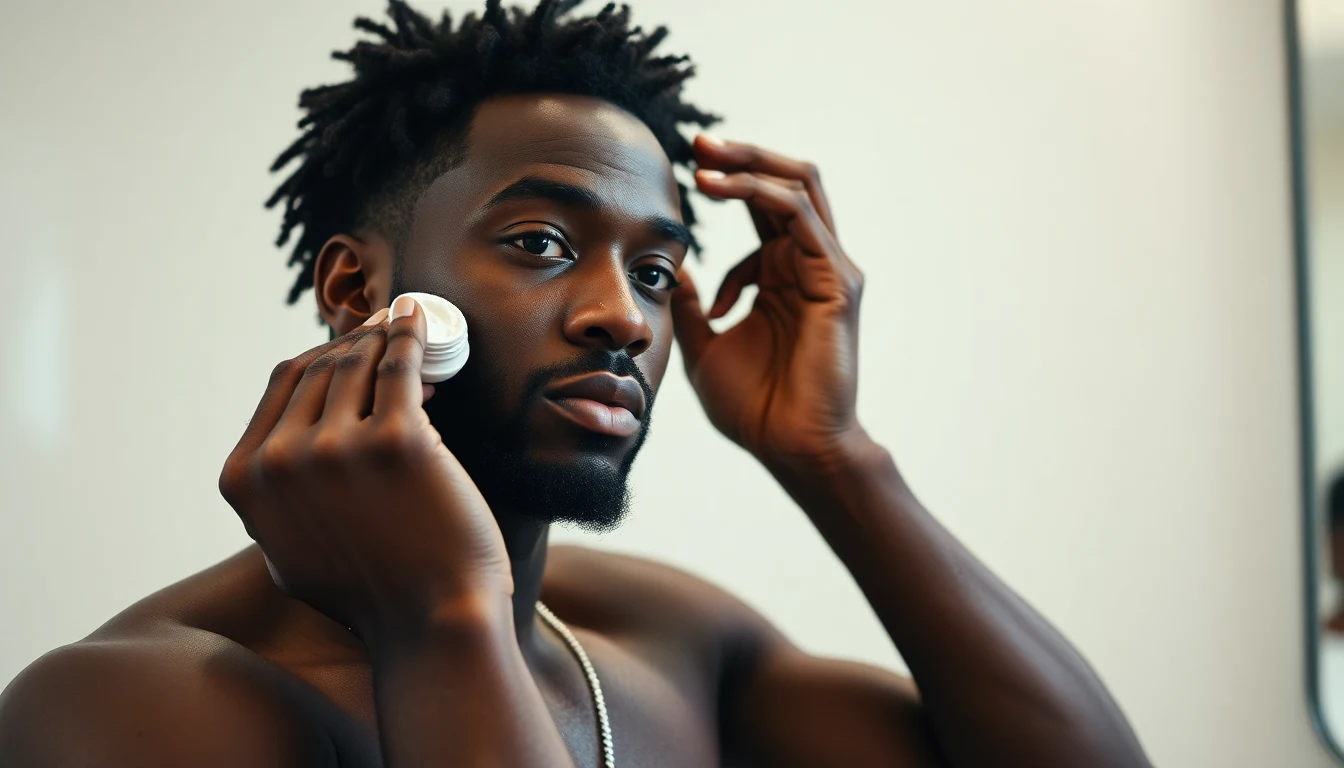
Myth: Black Hair Doesn’t Grow Long
The truth: Black hair grows at approximately the same rate as all other hair types, roughly half an inch per month. The difference is retention, not growth rate. 4C hair’s tight coil pattern makes it more susceptible to breakage, and shrinkage hides length. A man with six inches of 4C hair might look like he has two inches because of shrinkage. The problem was never growth. It was always breakage. Master moisture retention and gentle handling, and your hair will show the length it’s been growing all along.
Myth: You Need Protein Treatments Every Week
The truth: Protein treatments strengthen hair by temporarily filling in gaps in the hair cuticle. But too much protein makes hair stiff, brittle, and prone to snapping. This is called protein overload. Most men with healthy hair need a protein treatment once every 4-6 weeks at most. If your hair feels mushy and limp when wet, you need protein. If it feels stiff and breaks easily, you need moisture. Learning this balance takes time, but it’s the difference between healthy coils and frustrated breakage.
Seasonal Hair Care Adjustments
Your routine in August should not be the same as your routine in January. Climate affects your hair daily, and if you’re using the same products year-round without adjusting, you’re fighting your environment instead of working with it.
Winter Hair Care (Cold, Dry Air)
- Increase moisture frequency. Your daily misting might need to happen morning and evening. Indoor heating dries the air, which dries your coils.
- Use heavier sealants. Switch from lightweight oils to heavier ones. Jamaican Black Castor Oil or shea butter blends provide a stronger barrier.
- Protect from friction. Winter hats are necessary, but they also cause friction and breakage. Line your beanies with a satin cap or buy satin-lined hats. This one change saves your edges through the cold months.
- Deep condition more frequently. Move from biweekly to weekly deep conditioning sessions during the driest months.
- Drink water. Hydration starts from the inside. If you’re dehydrated, your hair shows it. Aim for half your body weight in ounces of water daily.
Summer Hair Care (Humid, Hot)
- Lighter products. Switch to lighter leave-ins and oils. Heavy butters in summer heat can melt, attract dirt, and weigh your hair down.
- Humidity is your friend (mostly). Humid air adds moisture to your coils. You may need fewer product layers in summer.
- UV protection. Prolonged sun exposure can dry out hair and cause color fading. Wear a hat during extended outdoor time or use a leave-in with UV protection.
- Pool and ocean water. Chlorine and salt water are both drying. Before swimming, wet your hair with fresh water and apply a leave-in conditioner. This fills the hair shaft so it absorbs less chlorine or salt. Rinse immediately after swimming. If you’re at the beach all weekend, co-wash each night.
- Sweat management. Sweat isn’t bad for your hair, but the salt it leaves behind can dry your scalp. If you’re working out daily in summer, a midweek co-wash keeps things fresh without stripping.
Transition Seasons (Spring and Fall)
These are your adjustment weeks. Pay attention to how your hair responds to the changing humidity and temperature. If you’re in a city like Atlanta where fall humidity drops sharply, you’ll feel the dryness within two weeks. Start increasing moisture before the full winter dryness hits. If you’re in a coastal city where humidity ramps up in spring, start lightening your product load before summer.
Monthly Maintenance Checklist
Beyond daily and weekly routines, there are monthly tasks that keep your hair and scalp in top condition. Print this or screenshot it.
| Task | Frequency | Why It Matters |
|---|---|---|
| Clarifying wash | Once per month | Removes product buildup that regular shampoo misses |
| Deep conditioning | Every 1-2 weeks | Restores moisture to the cortex of the hair shaft |
| Protein treatment | Once every 4-6 weeks | Strengthens hair cuticle, prevents breakage |
| Trim | Every 8-12 weeks | Removes split ends before they cause shaft breakage |
| Scalp exfoliation | Every 2-4 weeks | Clears dead skin cells, promotes healthy follicle function |
| Product audit | Every 3 months | Toss expired products, reassess what’s working |
Tools Every Black Man Needs
You don’t need twenty tools. You need the right six.
- Wide-tooth comb. The only comb that should touch wet, textured hair. Fine-tooth combs rip through coils.
- Spray bottle. Continuous mist spray bottles (around $8) deliver better coverage than trigger sprays. Fill with water and a splash of leave-in.
- Satin/silk pillowcase or bonnet. Non-negotiable. Cotton steals moisture and causes friction breakage.
- Sectioning clips. Four to six large clips for wash day sectioning. They prevent tangling and let you work methodically.
- Applicator bottle. For applying oils directly to the scalp between braids, locs, or twists. Precision saves product and keeps your scalp from getting greasy.
- A good set of clippers. Even if your barber handles most of your cuts, a reliable trimmer for edge maintenance at home saves time and money. I’ve reviewed the best clippers for Black men separately.
When to See a Professional
Not everything can be solved at home. Here are the signs you need to see someone. When it comes to black male hair care tips, technique matters most. (We recommend this Black Wolf Mens Shampoo for Oily.)

- Excessive shedding (more than 100 hairs per day consistently): Some shedding is normal. Clumps of hair in your comb or shower drain are not. See a dermatologist experienced with skin and hair of color.
- Scalp pain, redness, or persistent itching: This could indicate seborrheic dermatitis, folliculitis, or an allergic reaction to a product. Don’t self-diagnose with Google.
- Thinning at the temples or crown: This could be androgenetic alopecia (male pattern baldness) or traction alopecia from tight styles. Early intervention matters. A dermatologist can distinguish the cause and recommend treatment.
- Unusual texture changes: If your curl pattern suddenly changes in one area (loosens, straightens, or falls flat), it could indicate heat damage, hormonal changes, or a medical condition like alopecia areata.
Find a board-certified dermatologist who regularly treats patients with darker skin tones. Dermatology has historically underrepresented Black patients in training materials, and not every dermatologist has the same expertise with melanin-rich skin. Ask specifically about their experience with textured hair and conditions common to Black men.
Frequently Asked Questions
How often should a Black man wash his hair?
Every 7-10 days for most men with 4B or 4C hair. Men with 4A hair or very active lifestyles may benefit from every 5-7 days. Co-washing (conditioner-only) midweek is a good option if you sweat heavily. The key is using a sulfate-free shampoo that cleanses without stripping. If your hair feels dry after washing, your product is the problem, not the frequency. When it comes to black male hair care tips, technique matters most.
What is the LOC method for Black hair?
LOC stands for Liquid, Oil, Cream. You apply water or a water-based leave-in first (liquid), then seal with an oil (like jojoba or Jamaican Black Castor Oil), and finish with a cream or butter to lock everything in. This layering technique keeps moisture in tightly coiled hair for days instead of hours. There’s also the LCO variation (Liquid, Cream, Oil), which works better for men with looser curl patterns or in humid climates.
Is it bad to use grease on Black hair?
Traditional petroleum-based grease (Blue Magic, Royal Crown) creates a waterproof seal that can trap dryness in and prevent new moisture from entering. It also causes product buildup and can clog scalp pores. Modern water-based creams and natural oils like shea butter blends offer the same sealing benefits without the downsides. If you prefer grease, apply it only to already-moisturized hair as a final seal, never as your first product.
How do I stop my 4C hair from breaking?
Breakage in 4C hair comes from three main sources: dryness, mechanical stress, and protein imbalance. Master the LOC or LCO method for moisture retention. Detangle only when wet with conditioner in, always starting from the ends and working up. Sleep on satin. Avoid tight styles. And limit heat to once a month at 350 degrees or lower. If you follow these steps consistently for eight weeks, you’ll see a significant reduction in breakage.
What products should I use for 4C hair?
Focus on heavy moisture and strong sealants. Start with a sulfate-free shampoo like SheaMoisture JBCO Shampoo for wash day. Use a deep conditioner like TGIN Honey Miracle Hair Mask weekly. For daily moisture, layer a leave-in like Cantu Shea Butter Leave-In Conditioner, followed by Jamaican Black Castor Oil, and seal with As I Am Double Butter Cream. This LOC stack keeps my 4C coils soft for three to four days. (We recommend this Jack Black Nourishing Hair & Scalp.)
Does cutting Black hair make it grow faster?
No. Hair grows from the follicle at the scalp, not from the tip. Cutting the ends does not speed up growth. What regular trims do is remove split ends before they travel up the hair shaft and cause breakage. This preserves the length you’ve already grown. Get a trim every 8-12 weeks to maintain your ends. The goal is retention, not acceleration.
How can I protect my hair while sleeping?
Use a satin or silk pillowcase at minimum. For better protection, add a satin bonnet or durag on top. Cotton pillowcases create friction that lifts the hair cuticle and pulls moisture from your coils. After eight hours on cotton, your hair is drier and more prone to breakage. Satin eliminates that friction. If you’re maintaining 360 waves, a durag also holds your wave pattern overnight.
Your Next Steps
Here’s the recap. This is what you’re doing this week:
- Identify your hair type (or types, since most men have mixed textures) and choose your LOC or LCO method.
- Set up your daily routine: spray bottle in the morning, oil to seal, satin at night. Five minutes total.
- Schedule your next wash day and follow the step-by-step system above. Section your hair, pre-poo with oil, shampoo your scalp, deep condition for 20+ minutes, detangle with conditioner in, and apply your LOC/LCO layers immediately after.
- Audit your current products. If anything in your cabinet contains sulfates, mineral oil, or petroleum as a primary ingredient, it’s working against you.
- Get a satin pillowcase today. This is the cheapest, fastest upgrade you can make. The results are immediate.
For product-specific recommendations, check out my roundups on the best shampoo for 4C hair, best leave-in conditioner for 4C hair, and best moisturizer for Black men. If you’re working on a specific style, my guides on 360 waves and growing an afro break down the routines step by step.
Your hair isn’t the problem. Your routine was. Now you have a better one.
Last updated: February 2026
Further reading: For research-backed grooming advice, see Healthline Men’s Health.
Explore more tips at CulturedGrooming.com.
Further reading: For research-backed grooming advice, see Healthline Men’s Health.