
Turmeric and Neem Skincare for Men: Ancient Remedies That Work
Last updated: February 2026 by Rohan Mehta, Certified Trichologist & Ayurvedic Hair Specialist
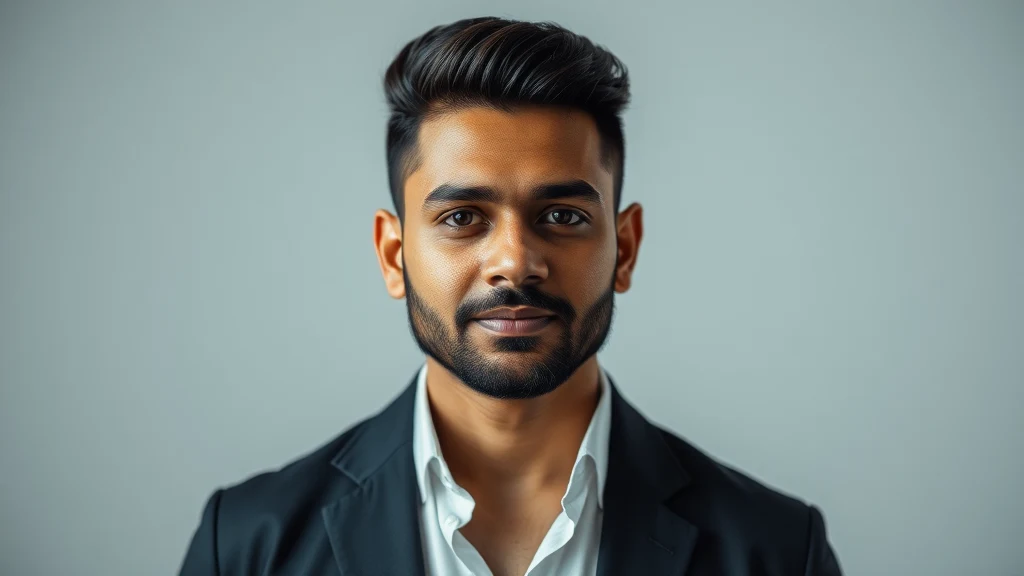
South Asian men represent one of the most culturally rich and diverse communities in the world, spanning the vibrant traditions of India, Pakistan, Sri Lanka, Bangladesh, Nepal, and beyond. While these nations each carry their own distinct heritage, languages, and customs, men across South Asia share a number of common grooming characteristics and needs that deserve thoughtful, informed attention. At CulturedGrooming.com, this section is dedicated to celebrating and serving those needs — without generalisation, and with genuine respect for the nuances that make each community unique.
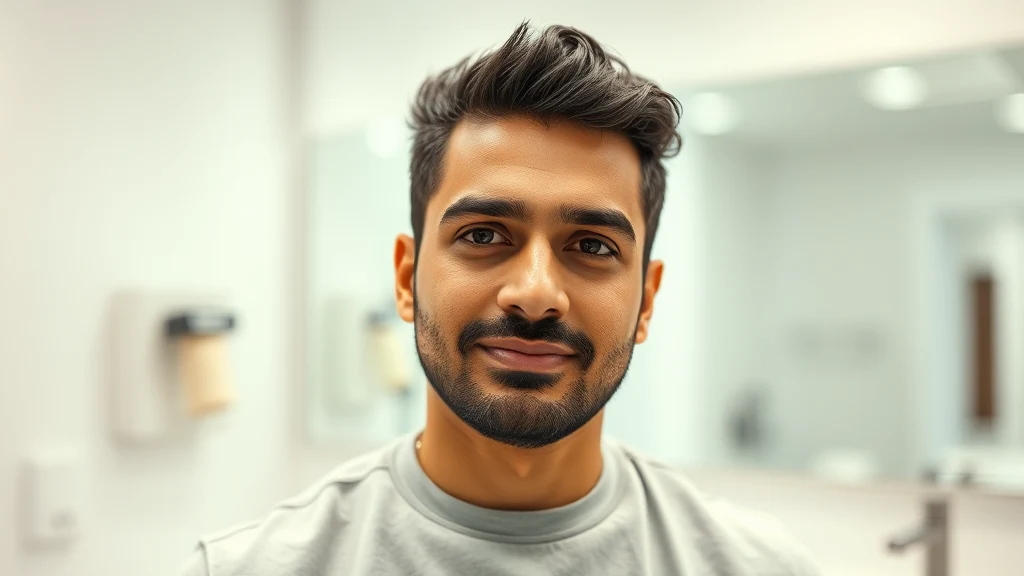
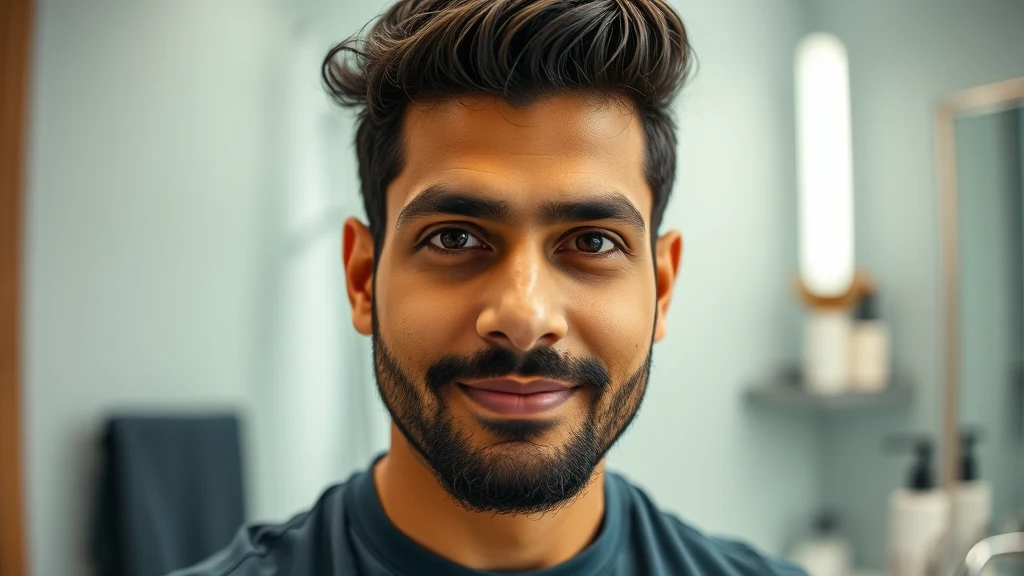
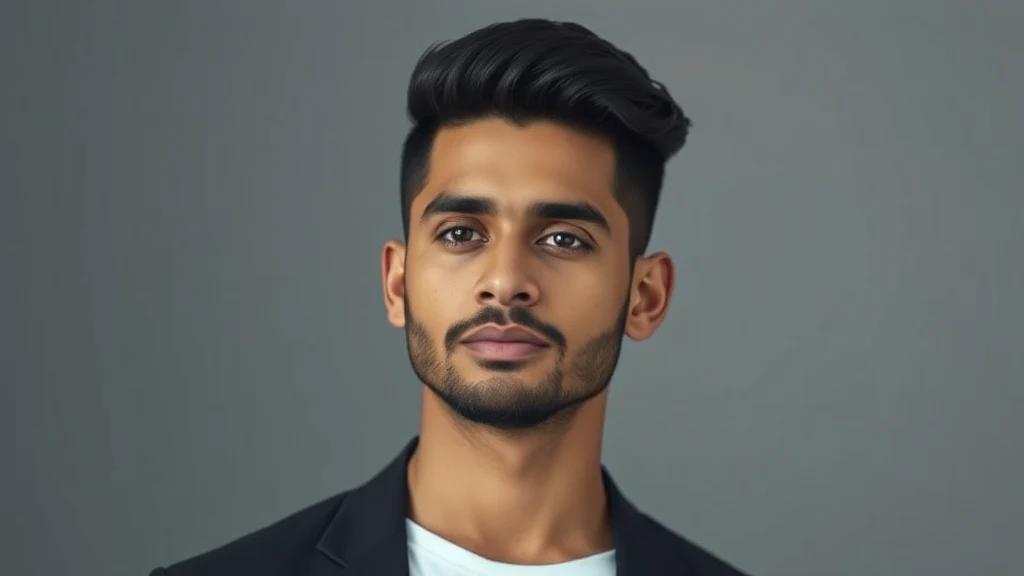
One of the most commonly shared traits among South Asian men is hair that tends to be thick, dense, and coarse in texture. This hair type is genuinely beautiful in its strength and volume, but it comes with its own set of challenges — from managing frizz and dryness at the ends to dealing with scalp oiliness at the roots. Finding the right shampoo, conditioner, and styling products for this hair type means looking beyond mainstream formulas that are typically developed with finer hair textures in mind. The products and guides featured in this section are selected with thick, coarse South Asian hair structures specifically in consideration.
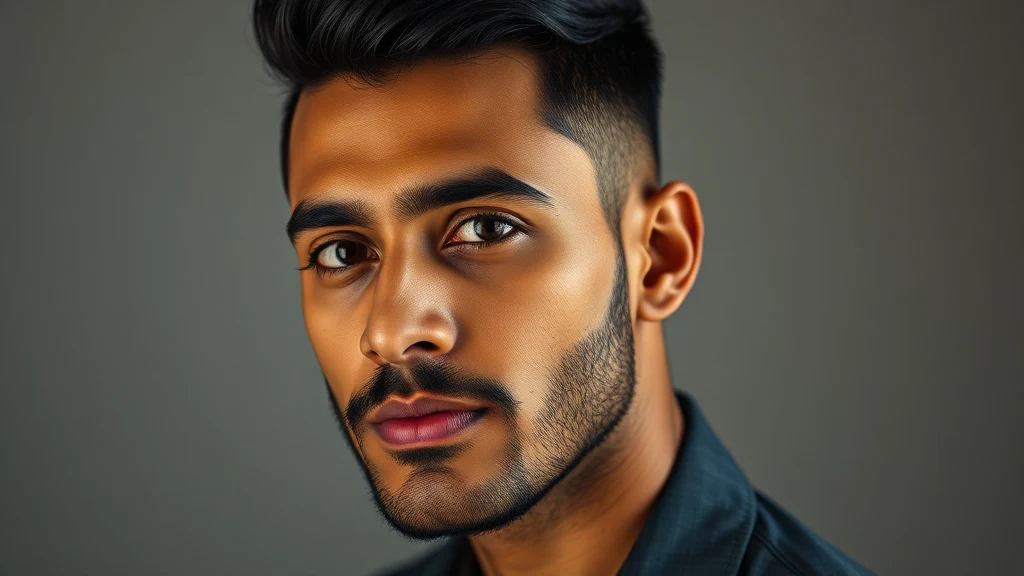
Dark circles are an extraordinarily common concern for Indian men grooming themselves for both professional and personal life, as well as for men across the broader South Asian diaspora. Genetics, melanin distribution around the orbital area, lifestyle factors, and screen fatigue all contribute to under-eye discolouration that can be resistant to basic skincare approaches. We’ve curated eye creams, serums, and targeted treatments that are specifically effective on deeper skin tones, avoiding products that may work on lighter complexions but deliver little benefit — or even unwanted side effects — on melanin-rich skin.
Oily and combination skin is another widely reported concern across South Asian skin types, driven by a combination of genetics, climate, and diet. Managing excess sebum without stripping the skin of essential moisture requires a careful, balanced approach. The right cleanser, toner, and lightweight moisturiser can make a significant difference, and our product recommendations prioritise formulations that regulate oil production throughout the day without leaving skin feeling tight, dull, or over-dried.
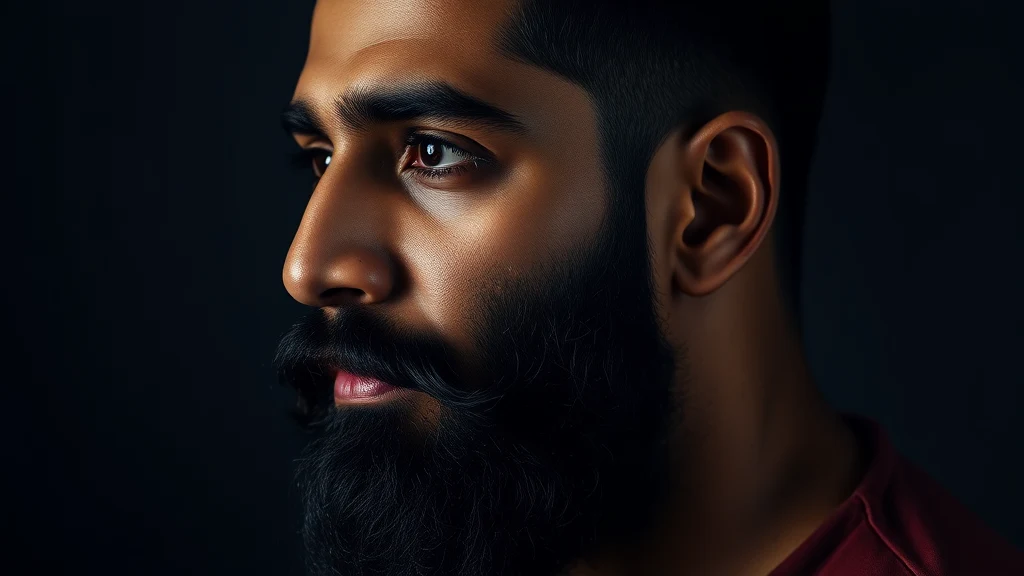
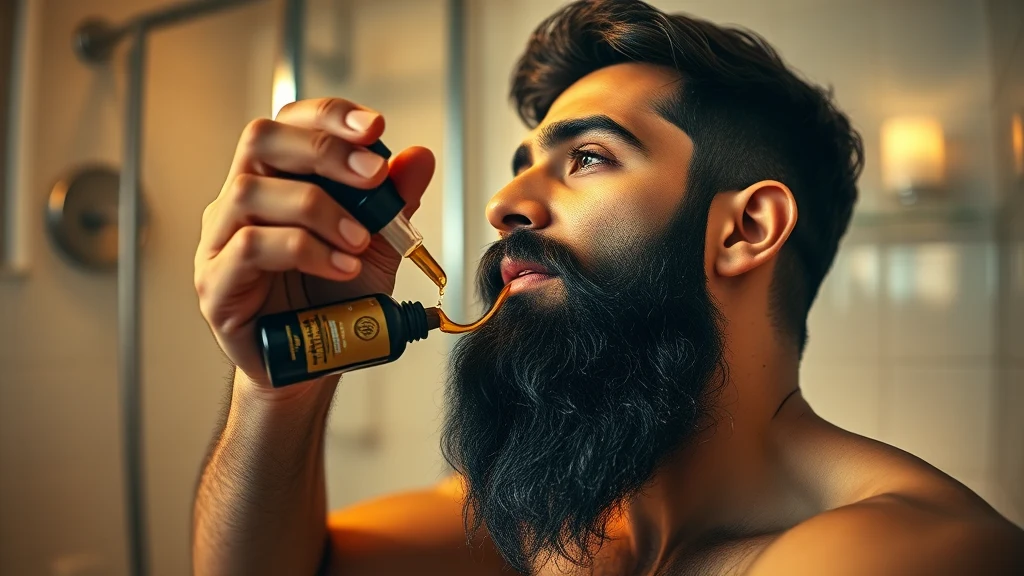
Beard care is equally important for many South Asian men, whose facial hair often grows in thick and fast. Whether the goal is a sharp, close-trimmed beard or a full, well-maintained style, the right combination of beard oils, balms, and trimmers matters enormously. This connects naturally to one of the most enduring and meaningful grooming traditions in South Asian culture — the use of hair oils. Coconut oil and amla oil have been passed down through generations as foundational elements of hair health, and modern grooming need not discard these traditions. Instead, we explore how to integrate these time-honoured practices alongside contemporary products for the best possible results.
We also want to specifically acknowledge and honour the needs of Sikh men, for whom grooming carries profound spiritual significance. The maintenance of kesh — uncut hair as one of the Five Ks — is a deeply sacred practice, and caring for long hair, including beard grooming and the art of dastar tying, requires dedicated knowledge and the right products. This section includes guidance respectfully tailored to the Sikh community, recognising that their grooming needs are inseparable from their faith and identity.
Last updated: February 2026 by Rohan Mehta, Certified Trichologist & Ayurvedic Hair Specialist

Last updated: February 2026 by Rohan Mehta, Certified Trichologist & Ayurvedic Hair Specialist

Last updated: February 2026 by Rohan Mehta, Certified Trichologist & Ayurvedic Hair Specialist
Last updated: February 2026 by Rohan Mehta, Certified Trichologist & Ayurvedic Hair Specialist
Last updated: February 2026 by Rohan Mehta, Certified Trichologist & Ayurvedic Hair Specialist
Last updated: February 2026 by Rohan Mehta, Certified Trichologist & Ayurvedic Hair Specialist
Last updated: February 2026 by Rohan Mehta, Certified Trichologist & Ayurvedic Hair Specialist
Last updated: February 2026 by Rohan Mehta, Certified Trichologist & Ayurvedic Hair Specialist
Last updated: February 2026 by Rohan Mehta, Certified Trichologist & Ayurvedic Hair Specialist
Last updated: February 2026 by Rohan Mehta, Certified Trichologist & Ayurvedic Hair Specialist