How Long Do Electric Razors Last?
Electric razors last three to seven years with care. What wears out first, and when replacing the head beats replacing the razor.
At CulturedGrooming.com, we celebrate grooming across every background, ethnicity, and skin tone. Our mission has always been to serve men of all cultures, and that means recognizing that white men are an important and diverse part of the multicultural tapestry we proudly represent. From skincare routines built around lighter complexions to haircuts that have become staples in barbershops around the world, this section is dedicated to helping white men look and feel their absolute best.
When it comes to white men grooming, skin care is often the first place to start. Lighter skin tones tend to produce more noticeable sun damage over time, making SPF protection one of the most essential steps in any daily grooming routine. Whether you have fair, ruddy, or olive-toned skin, a broad-spectrum sunscreen applied every morning is non-negotiable. Many white men also deal with oily or combination skin, which requires a balanced approach — lightweight, non-comedogenic moisturizers paired with a gentle cleanser can help control shine without stripping the skin of its natural moisture barrier.
Beard care is another major focus for white men grooming, and the approach often depends on hair texture. Many men of Northern and Western European descent have softer, finer hair that can grow in a range of directions, making shaping and definition key. Beard balms and light-hold waxes work well for managing softer textures, helping to create structure without weighing the hair down. Regular trimming and conditioning are essential for keeping the beard looking intentional and well-maintained rather than unkempt.
Popular haircuts among white men run the full spectrum, from the timeless side part and classic ivy league cuts to more modern styles like the textured crop, the undercut, and the fade. Barbershops have long been a place where many of these styles were refined and popularized, and today they remain as relevant as ever. Whether you prefer a polished, professional look or something more relaxed and contemporary, there is no shortage of options tailored to the hair types commonly found among white men.
It is worth noting that “white men” is far from a monolithic category, and this section reflects that complexity. Celtic and Northern European men — including those of Irish, Scottish, Scandinavian, and Anglo-Saxon heritage — often have finer, lighter hair, fair skin prone to redness, and specific concerns around sun sensitivity and rosacea. Their grooming needs can differ significantly from those of Mediterranean white men, which is why we cover both extensively.
Southern European men, including Italian, Greek, Spanish, and Portuguese men, as well as Eastern European men from countries like Poland, Russia, and Ukraine, often have darker, thicker hair and more olive or medium skin tones that come with their own unique grooming considerations. Coarser beard growth, heavier eyebrows, and different scalp and skin textures mean that these men benefit from targeted advice rather than a one-size-fits-all approach. Throughout this section, you will find grooming guidance that honors all of these distinctions and helps every white man build a routine that genuinely works for him.
Electric razors last three to seven years with care. What wears out first, and when replacing the head beats replacing the razor.
Here’s something most guys don’t want to hear: that expensive electric razor sitting on your bathroom counter is probably filthy. Skin cells, oil, tiny hair clippings, and bacteria build up inside the

Here’s something most guys don’t realize: that “dull” razor cartridge sitting on your bathroom counter probably still has plenty of life left in it. The problem usually isn’t that the blade edge is go
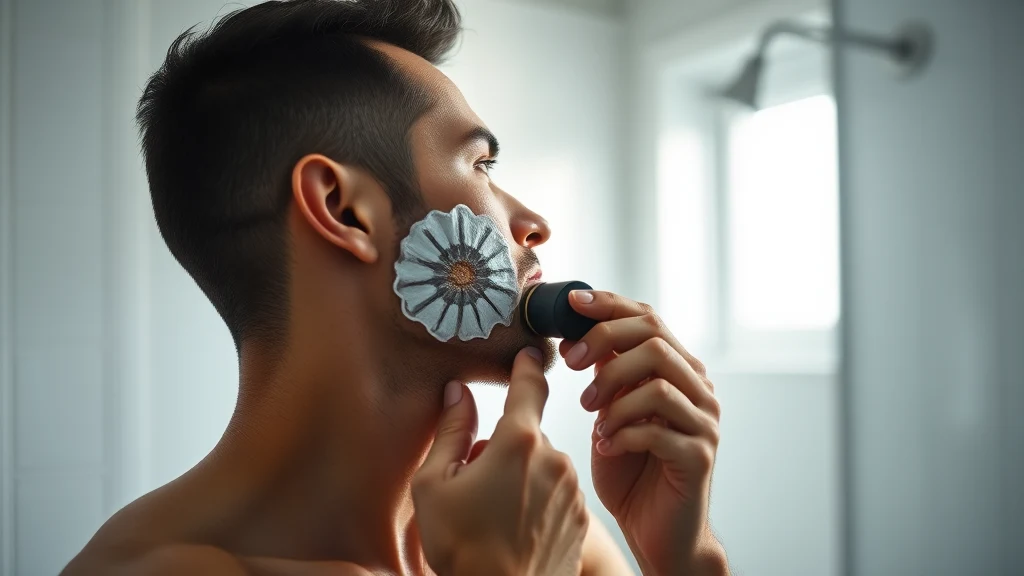
Electric razors are built to last, but the blades inside them are not. After months of daily use, the cutting elements lose their edge, and you start noticing the signs: longer shave times, more passe

You’re halfway through a haircut when your clipper blades start dragging, heating up, and pulling hair instead of cutting it. You reach for your clipper oil and the bottle is bone dry. Sound familiar?
Learning how to use hair clippers is one of those skills that pays for itself after two or three haircuts. A decent pair of clippers costs about the same as one trip to the barber, and once you know w
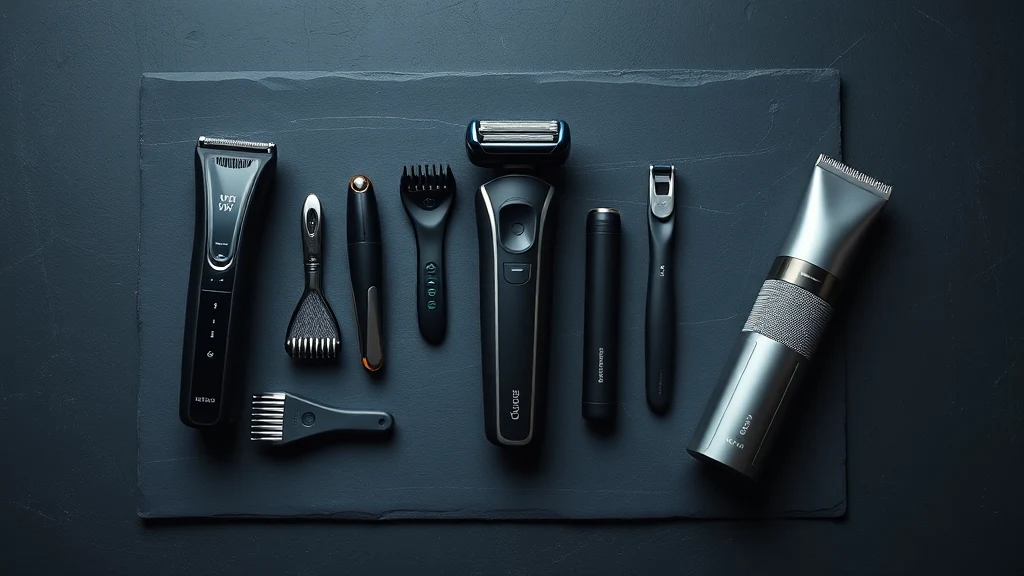
Foil shavers cut closer on straight hair, rotary handles contours and coarse growth better. How to pick for your own face.
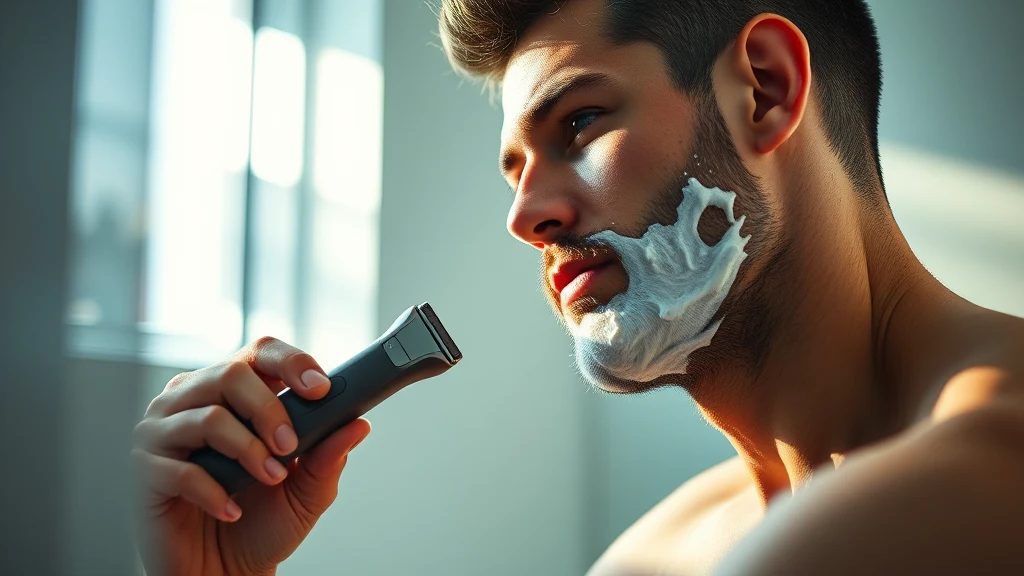
Electric shaving needs a different technique than blades. The prep, stroke direction, and pressure that avoids irritation.
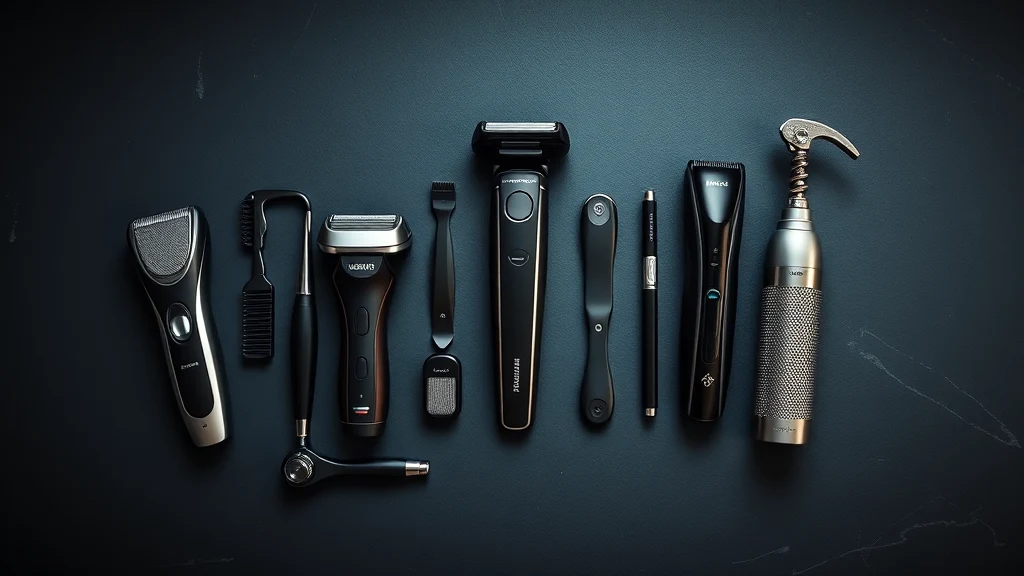
Clippers bulk-cut length, trimmers detail edges. Knowing which one does what saves you from buying the wrong tool twice.
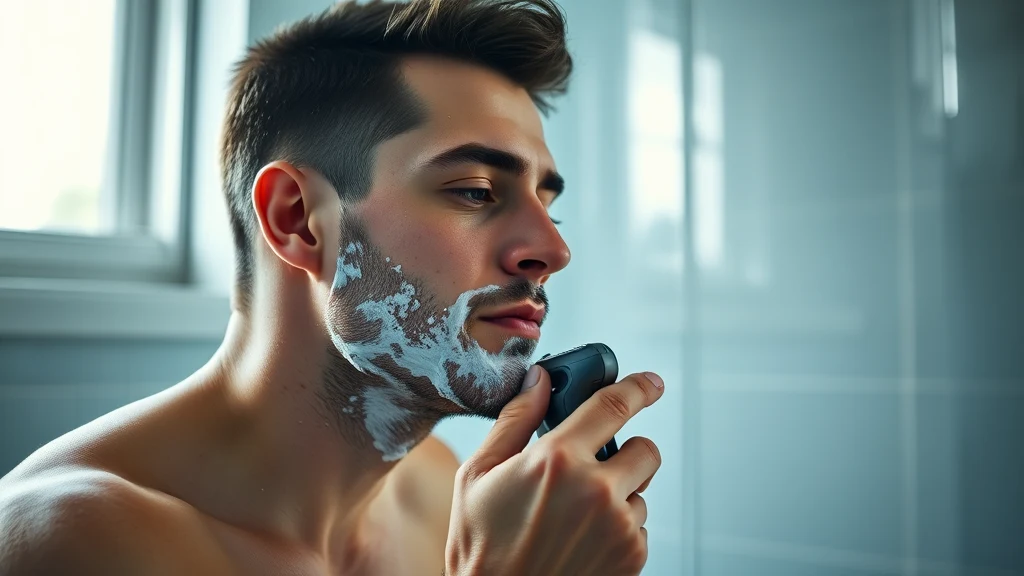
Light pressure, straight strokes and the right prep. A step-by-step guide to using a foil shaver for a closer, faster, more comfortable shave.