If you want to master celtic and irish grooming traditions, this guide covers everything you need to know. Last updated: February 2026 by Finn O’Sullivan, Irish Grooming Specialist
My grandfather kept a straight razor wrapped in oilskin in his dresser drawer. It had belonged to his father before him, and his father before that. The handle was carved from bog oak, a wood that had been preserved in Irish peat bogs for thousands of years, turning it black and dense as stone. Every Sunday morning, he would lather up with a bar of coal tar soap and shave with a precision that came from decades of practice. When I asked why he did not use the disposable razors my mother bought him, he said, “A man’s face deserves more respect than plastic.”
That razor connected him to a grooming tradition that stretches back millennia in Celtic cultures. The relationship between Celtic men and their grooming practices is not merely historical curiosity. It is a living thread that connects ancient tribal identity, medieval warrior culture, and modern men’s grooming in ways that most people never realize. The modern barber shop, the emphasis on beard maintenance as a mark of character, the use of natural botanicals in grooming products, and the idea that how a man presents himself reflects who he is as a person all have roots in Celtic and Irish tradition.
This article explores how the grooming practices of Scotland, Ireland, and Wales evolved over centuries and how they continue to influence the way men groom today. It is a journey through history, culture, and identity, told from the perspective of someone who grew up in a culture where how you kept your beard and hair said something about who you were.
Ancient Celtic Grooming: Warriors, Druids, and Tribal Identity
The ancient Celts were famously meticulous about their appearance. Roman historians, who encountered Celtic warriors in battle, consistently noted that these “barbarians” were surprisingly well-groomed, often better groomed than the Romans themselves.
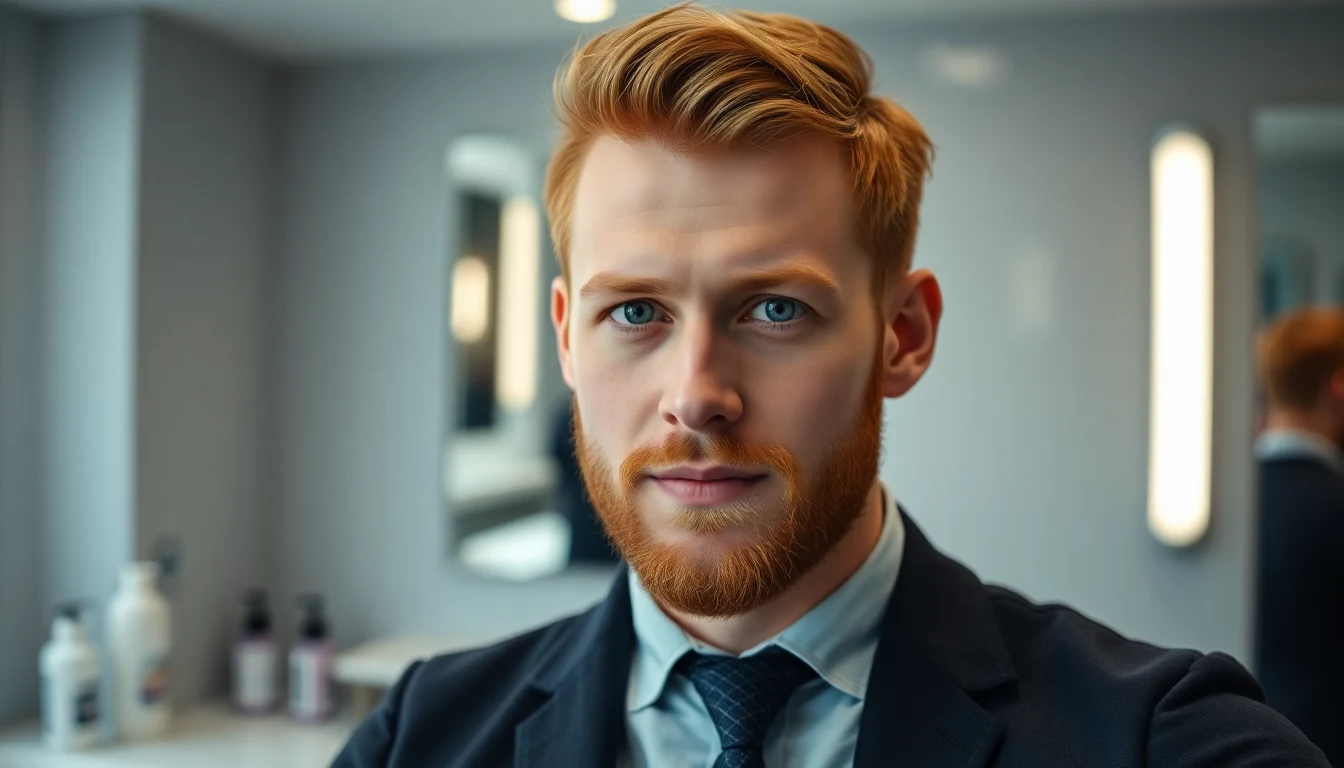
Diodorus Siculus, writing in the 1st century BCE, described Celtic men as tall, with light skin and red or blonde hair, which they “artificially increase by washing it frequently with lime water, drawing it back from the forehead to the top of the head and to the back of the neck.” This practice of using lime to stiffen and lighten the hair created a dramatic, swept-back hairstyle that doubled as psychological warfare. The treated hair formed rigid spikes and ridges that made warriors look larger and more intimidating. This may be the earliest recorded use of a “styling product” for men’s hair. For expert guidance on this topic, consult the American Academy of Dermatology’s rosacea and sensitive skin resources.
Beards as social markers: In Celtic society, the beard carried significant social meaning. Free men of noble birth wore full, well-maintained beards. The length, style, and condition of a man’s beard communicated his social rank, martial prowess, and family honor. Shaving a man’s beard without his consent was considered a grave insult, equivalent to stripping him of his social status. Some Celtic legal codes prescribed specific punishments for the forcible shaving of a free man’s beard.
Mustaches as warrior marks: Archaeological evidence and classical accounts suggest that some Celtic warriors favored long, drooping mustaches while keeping the chin clean-shaven. This was particularly common among the Gauls and the insular Celts of Britain. The mustache may have served a practical purpose in battle (protecting the upper lip from sword strikes) as well as a cultural one (distinguishing warriors from civilians).
Grooming tools: Archaeological digs at Celtic sites across Ireland, Scotland, and Wales have uncovered bronze razors, bone combs, mirrors, tweezers, and ear scoops dating back to the Iron Age. The craftsmanship of these tools, often decorated with intricate knotwork patterns, suggests that grooming was not considered a trivial daily chore but a practice worthy of artistic investment. Many of these tools were found in burial sites alongside weapons and jewelry, indicating that they were prized personal possessions.
Druidic Grooming Traditions
The Druids, the priestly and intellectual class of Celtic society, maintained specific grooming practices that set them apart from warriors and common people.
Tonsure: Some evidence suggests that Druids practiced a distinctive form of tonsure (head shaving), shaving the front half of the head from ear to ear while allowing the hair at the back to grow long. This practice, which later caused controversy when Christianity arrived in Ireland, marked the Druid as belonging to a specific spiritual tradition. The Irish monastic tonsure, which early Irish Christians adopted, may have been derived from this Druidic practice rather than the Roman tonsure.
Herbal hair care: Druids were the herbalists and healers of Celtic society, and classical sources describe them using plant-based preparations for hair and skin care. Nettle rinses for the scalp, meadowsweet for fragrance, chamomile for lightening blonde and red hair, and bog myrtle (sweet gale) as a natural insect repellent and hair tonic are all documented in early Irish and Welsh texts. Many of these same botanicals appear in modern “natural” grooming products, though most consumers do not realize they are using ingredients with Celtic origins.
Beard oil precursors: Early Celtic texts reference the use of animal fats (particularly lanolin from sheep’s wool, abundant in Ireland and Scotland) mixed with fragrant herbs and applied to beards and hair. This is functionally identical to modern beard oil: a carrier substance infused with botanicals that conditions the hair and scents the wearer. The concept is ancient, even if the specific products are modern. Mastering celtic and irish grooming traditions takes practice but delivers great results.
Medieval Celtic Grooming: Ireland, Scotland, and Wales
As Celtic societies evolved through the early medieval period, grooming traditions became more codified and intertwined with law, religion, and social structure.
Ireland (Gaelic Tradition)
Early Irish law texts (Brehon Laws) contain surprising detail about personal grooming standards. A man’s honor price, the legal measure of his social worth, could be affected by his personal appearance. Neglecting one’s grooming was considered a sign of low status or mental disturbance. The laws specified that a free man should maintain clean clothing, trimmed nails, and well-kept hair and beard.
Irish sagas describe heroes in extensive physical detail, always noting their hair and beard. The legendary warrior Cuchulain was described as having hair of three colors: dark at the roots, red in the middle, and golden at the tips. Whether this was poetic license or a description of actual hair coloring techniques is debated, but it demonstrates how central hair appearance was to the Celtic concept of heroic masculinity.
Irish monks brought a unique grooming aesthetic to early medieval Europe. Their distinctive tonsure (shaved at the front, long at the back) and their reputation for personal cleanliness stood in contrast to many of their continental counterparts. Irish monasteries maintained bath houses and established regular bathing routines that were advanced for the period.
Scotland (Highland Tradition)
Scottish Highland grooming traditions were closely tied to clan identity. Specific beard styles, hair arrangements, and grooming practices could identify which clan a man belonged to. While the popular image of the wild, unkempt Highlander persists in film and television, historical accounts suggest that Highland men were attentive to their appearance, particularly before battle and social gatherings.
The Scottish tradition of using heather, bog myrtle, and pine in grooming preparations reflects the practical use of locally available botanicals. These plants, abundant in the Scottish Highlands, provided antimicrobial, fragrant, and conditioning properties. Modern Scottish grooming brands continue to feature these ingredients as a direct link to their heritage.
The Highland tradition of washing in cold streams and lochs, while partly a matter of necessity, was also considered a mark of hardiness and vitality. Cold water exposure closes the hair cuticle, which, combined with the mineral content of Highland water, may have contributed to the healthy, shiny hair that period observers noted among Scottish men.
Wales (Cymric Tradition)
Welsh legal codes (the Laws of Hywel Dda, codified in the 10th century) contain provisions related to personal grooming. A man’s comb was listed among his personal possessions that could not be seized for debt, indicating that grooming tools were considered essential personal items rather than luxuries.
Welsh bardic tradition celebrated physical appearance as a reflection of inner character. Poets described their patrons’ beards, hair, and skin in terms that linked physical attractiveness to moral virtue. A well-groomed man was by implication a worthy man. This connection between grooming and character would echo through Celtic cultures for centuries.
Celtic Botanicals in Modern Grooming
Many ingredients that appear in today’s premium grooming products have roots in Celtic herbal traditions. Understanding this connection adds context to what might otherwise seem like marketing buzzwords.
Nettle (Urtica dioica): Used in Celtic hair rinses for centuries to strengthen hair and stimulate the scalp. Nettle extract appears in many modern shampoos and scalp treatments. It contains silica, iron, and other minerals that support hair health. The tradition of making nettle tea as a hair rinse is still practiced in rural Ireland and Scotland today.
Bog myrtle (Myrica gale): A Scottish and Irish botanical used historically as a natural insect repellent, fragrance, and hair tonic. It has antibacterial and astringent properties. Several modern Scottish grooming brands incorporate bog myrtle as a signature ingredient.
Meadowsweet (Filipendula ulmaria): Known as the “queen of the meadow” in Celtic herbal tradition, meadowsweet was used for fragrance in hair and clothing. It contains salicylic acid (the same active ingredient in modern acne treatments), which may explain its traditional use in skin preparations.
Seaweed and kelp: Coastal Celtic communities used seaweed in hair and skin care. Irish kelp baths (still available at seaweed spas along the west coast of Ireland) were used to soften skin, condition hair, and relieve joint pain. Modern grooming products containing seaweed extract are drawing on a tradition that dates back centuries in coastal Celtic communities. Understanding celtic and irish grooming traditions is key to a great grooming routine.
Oat (Avena sativa): Oats were a staple crop in Celtic regions, and ground oatmeal was used as a gentle skin cleanser and soother. The colloidal oatmeal that appears in modern sensitive-skin products like CeraVe and Aveeno is a direct descendant of this Celtic practice. For redhead men with sensitive, reactive skin, oat-based cleansers connect you to a tradition that your ancestors practiced for exactly the same reason.
The Evolution of Celtic Barbering
The modern barber shop has roots that extend through Celtic culture, and the profession of barbering in Ireland and Scotland followed a distinctive path.
Medieval barber-surgeons: In Celtic regions, as elsewhere in Europe, barbers served dual roles as groomers and medical practitioners. Irish and Scottish barber-surgeons performed bloodletting, tooth extraction, and wound treatment alongside shaving and hair cutting. The barber’s pole, with its red and white stripes representing blood and bandages, dates from this era of combined practice.
The village barber: In rural Ireland and Scotland through the 19th and early 20th centuries, the village barber was a social institution. The barber shop was a gathering place where men exchanged news, conducted informal business, and maintained social connections. This social function of the barber shop persists in Irish and Scottish communities today, and it has been adopted by the modern barbershop revival worldwide.
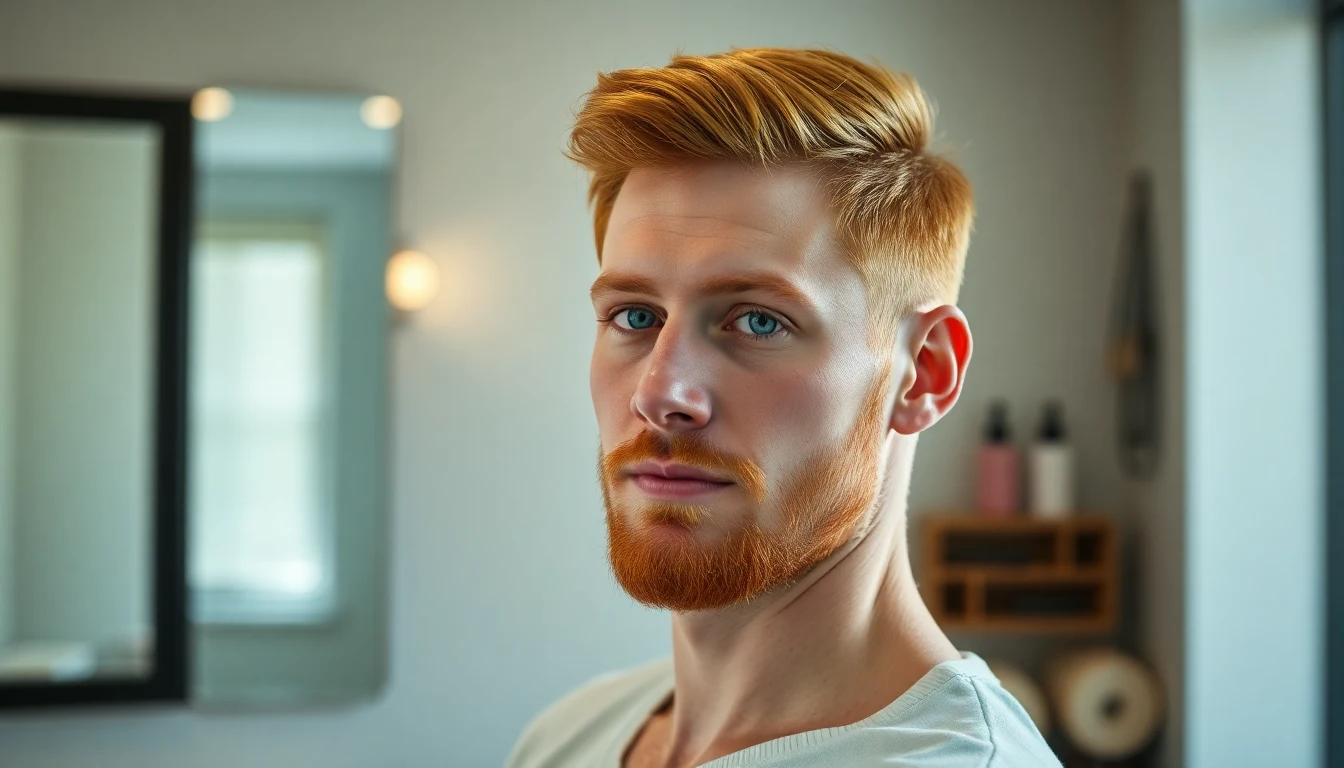
The straight razor tradition: Celtic regions maintained the straight razor tradition longer than many parts of the world. My grandfather’s straight razor was not an affectation. It was the norm for Irish men of his generation. The skill of straight razor shaving was passed from father to son, and the razor itself often became a family heirloom. This tradition is experiencing a revival, with many modern barber shops offering straight razor shaves as a premium service.
Clan Tartans and Grooming Identity
In Scottish culture, tartan patterns served as visual identifiers of clan membership and regional origin. This concept of visual identity through personal presentation extends naturally to grooming practices.
While there is limited historical evidence for clan-specific beard styles, the broader principle that appearance communicates identity was deeply embedded in Highland culture. A man’s physical presentation, including his grooming, was a statement about his family, his social position, and his values. This is not so different from today, where grooming choices communicate personal brand, professional status, and cultural belonging.
Modern Scottish grooming brands frequently use tartan patterns in their packaging, connecting their products to this heritage of visual identity. It is a marketing choice, but it reflects a genuine cultural association between personal presentation and clan or community membership.
Modern Celtic Grooming: Products and Brands
The Celtic grooming heritage has spawned a number of modern brands that draw directly on traditional ingredients, techniques, and aesthetics.
Irish brands: Several Irish grooming companies incorporate traditional botanicals like seaweed, nettle, and meadowsweet into their formulations. The emphasis on natural ingredients and sustainable sourcing reflects both Celtic herbal tradition and modern environmental consciousness.
Scottish brands: Scottish grooming brands often highlight Highland botanicals like heather, pine, and bog myrtle. The rugged, outdoorsy branding connects to the Highland tradition of grooming as a mark of self-reliance and practical competence.
Welsh brands: Welsh grooming products frequently feature ingredients from the Welsh landscape: lavender, honey, and sheep’s lanolin. The emphasis on gentle, nourishing formulations reflects the Welsh tradition of using local resources for personal care.
For redhead men looking to connect their grooming routine to their Celtic heritage, seeking out products from these regions adds a layer of cultural meaning to the daily ritual of washing, shaving, and styling. A beard oil made with Scottish bog myrtle or an Irish seaweed face wash is not just a product. It is a connection to a tradition that valued the relationship between a man and his personal care. When it comes to celtic and irish grooming traditions, technique matters most.
Celtic Grooming Wisdom for Modern Redhead Men
Several principles from Celtic grooming tradition remain relevant and applicable today.
Grooming as self-respect: The Celtic emphasis on personal presentation as a reflection of character and social standing translates to a modern understanding that grooming is not vanity but self-respect. Taking care of your appearance is an investment in how you present yourself to the world.
Natural ingredients: The Celtic use of locally available botanicals for hair and skin care presaged the modern “clean beauty” movement by centuries. Many of the most effective grooming ingredients, from nettle to oat to seaweed, have been validated by modern science after centuries of traditional use.
Intentionality: Celtic grooming was not mindless. It was deliberate, connected to identity, and treated as a meaningful daily practice. Modern men who approach grooming with the same intentionality, choosing products carefully, developing consistent routines, and treating the process as a form of self-care, benefit both practically and psychologically.
The social function: Celtic men groomed in community, whether in the barber’s chair, at the river, or in the monastery bathhouse. The modern barbershop revival reflects a growing recognition that grooming can be a social experience, not just a solitary chore.
Frequently Asked Questions
Did ancient Celts actually care about grooming?
Extensively. Multiple Roman historians noted that Celtic warriors were better groomed than expected, with elaborate hairstyles, well-maintained beards, and clean clothing. Archaeological evidence confirms this with the recovery of grooming kits (razors, combs, tweezers, mirrors) from Iron Age Celtic sites across Europe. Grooming was not just personal hygiene. It was tied to social status, tribal identity, and martial culture.
Is there a traditional Celtic beard style?
There was no single “Celtic beard style,” but historical accounts describe several distinctive approaches. Some Celtic men wore full beards as marks of social standing. Others favored long, drooping mustaches with clean-shaven chins. The variation suggests that beard styles were a matter of personal and tribal identity rather than a uniform practice. The common thread was that beard grooming was taken seriously and carried social meaning.
Are Celtic grooming ingredients backed by science?
Many are. Nettle extract has been shown to support scalp health and hair growth in clinical studies. Oatmeal (colloidal oat) is FDA-recognized as a skin protectant. Seaweed extract contains minerals and antioxidants that benefit skin and hair. Meadowsweet contains salicylic acid. Bog myrtle has documented antibacterial properties. These ingredients were used for centuries before science confirmed their benefits.
How can I incorporate Celtic grooming into my modern routine?
Choose products that feature traditional Celtic botanicals: nettle, oat, seaweed, heather, bog myrtle. Consider visiting a traditional barber for a straight razor shave. Approach your grooming routine with intention rather than rushing through it. Support grooming brands from Ireland, Scotland, and Wales that draw on their regional heritage. These small choices connect your daily routine to a tradition that your ancestors valued.
Why did Celtic men use lime in their hair?
Lime water (calcium hydroxide solution) stiffened the hair and lightened its color, creating dramatic, swept-back styles that made warriors appear larger and more intimidating in battle. It also had antibacterial properties that may have helped maintain scalp health. This practice, documented by Diodorus Siculus and other Roman writers, represents one of the earliest known uses of a chemical styling product.
Final Thoughts
The grooming traditions of Ireland, Scotland, and Wales did not end with the ancient Celts. They evolved, adapted, and continue to influence how men present themselves today. From the straight razor in my grandfather’s drawer to the seaweed face wash on my bathroom shelf, the thread of Celtic grooming runs unbroken through centuries of practice and pride.
For redhead men of Celtic heritage, understanding this history adds depth and meaning to what might otherwise feel like a mundane daily routine. You are not just washing your face and trimming your beard. You are participating in a tradition that your ancestors considered a reflection of character, identity, and self-worth. That is a tradition worth continuing.
Frequently Asked Questions
What are the key principles of Celtic and Irish grooming traditions that I can apply today?
Celtic and Irish grooming traditions emphasize respect for your face, quality tools over disposable products, and the use of natural botanicals in grooming. These practices connect to ancient tribal identity and the belief that how you present yourself reflects your character and personal identity.
Why did Celtic men traditionally use straight razors and natural soaps?
Celtic cultures valued precision craftsmanship and natural materials, viewing grooming as a ritual that deserved respect and attention. Straight razors made from quality materials like bog oak and coal tar soaps derived from natural ingredients were seen as tools that honored a man’s face rather than treating grooming as a quick, disposable task.
How do modern barber shops connect to Celtic grooming history?
The modern barber shop tradition has direct roots in Celtic culture, where grooming was a communal and ritualistic practice that reflected a man’s social status and tribal identity. Today’s emphasis on skilled barbers and personalized grooming services echoes this historical respect for the craft and the importance of appearance in Celtic societies.
What role did beards play in ancient Celtic and Irish warrior culture?
In Celtic and Irish warrior traditions, beard maintenance and style were marks of character, status, and tribal affiliation. Warriors took pride in their facial hair as a symbol of strength and identity, making beard grooming a significant part of their cultural expression and personal presentation.