
Clipper vs Trimmer: Know the Difference Before You Buy
Last updated: February 2026 by Jack Brennan, White Men’s Grooming Editor
I cannot count how many guys have walked into a shop, dropped money on clippers, then wondered why they cannot get a clean neckline. Or bought a trimmer and got frustrated when it took twenty minutes to knock down a month of growth. The clipper vs trimmer mix-up is probably the single most common grooming purchase mistake men make. These are two different tools built for two different jobs, and grabbing the wrong one will leave you disappointed every time.
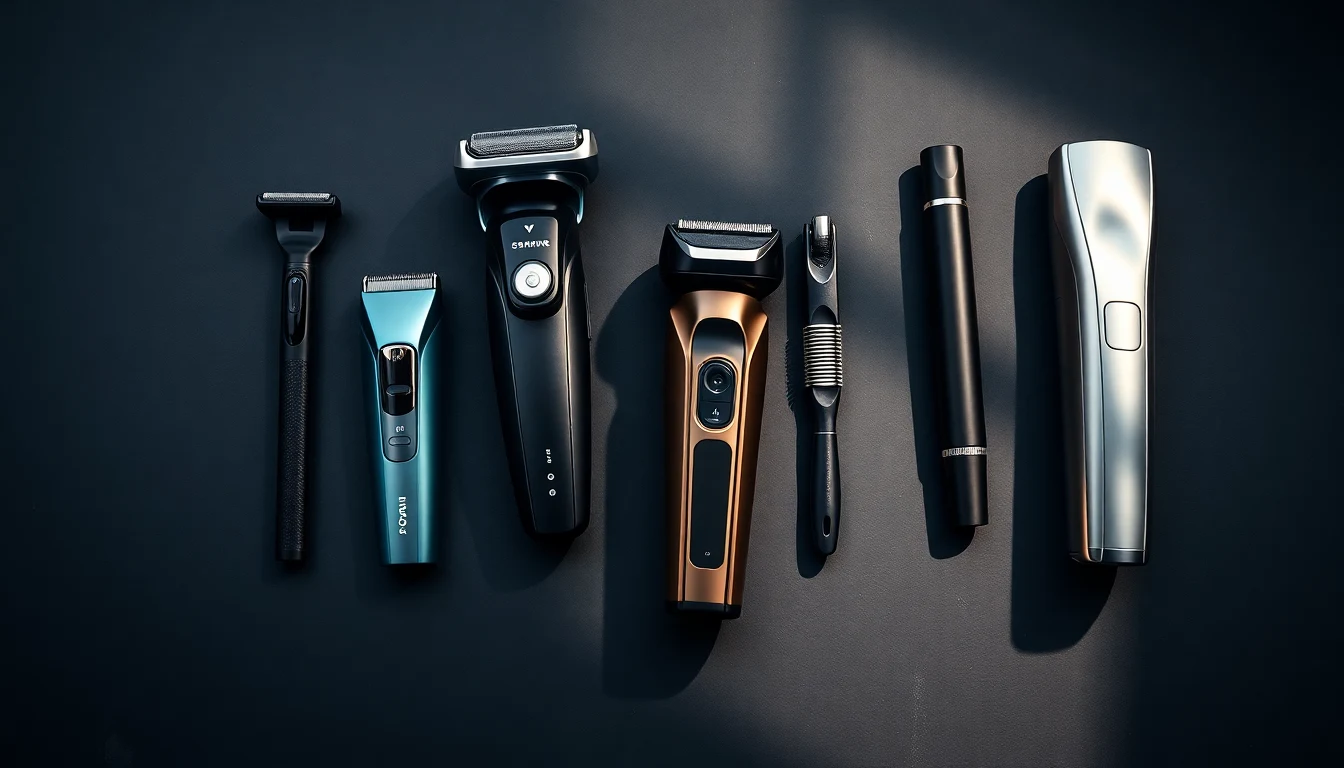
The names sound interchangeable. Some product listings use them interchangeably. Even some grooming articles blur the line. But spend five minutes behind the barber chair, and the distinction is obvious. Let me break it down so you never waste money on the wrong tool again.
The Core Difference Between Clippers and Trimmers
Here is the simplest way to think about it. Clippers are the workhorse. Trimmers are the precision instrument.
A clipper is built to cut through large amounts of hair quickly. It has a wide blade (usually 1.5 to 2 inches across), a powerful motor, and comes with numbered guard combs that set the cutting length. Clippers handle full haircuts, bulk hair removal, fades, and anything that involves cutting significant length off the head. When your barber picks up that chunky tool and starts mowing through the sides of your head, that is a clipper.
A trimmer is built for detail work and shorter grooming tasks. It has a narrower blade (typically a T-blade or foil-style head), a more compact body, and is designed for precision rather than power. Trimmers handle beard shaping, necklines, sideburn edges, ear and nose hair, and maintaining short facial hair. When your barber switches to that smaller tool to carve out sharp lines around your ears and neck, that is a trimmer.
Think of it this way: clippers are the lawnmower, trimmers are the edger. You would not try to edge your sidewalk with a riding mower, and you would not try to mow an acre with a string trimmer. Same principle, different scale.
What Clippers Are Designed For
Full Haircuts
This is the clipper’s primary job. If you are doing a full haircut at home or in the shop, clippers are the first tool out of the drawer. The wide blade covers a lot of surface area per pass, and the powerful motor cuts through thick hair without bogging down. Whether you are doing a simple buzz cut, a crew cut, or the initial bulk removal on a longer style, clippers get the job done in minutes instead of hours.
Good clippers like the Wahl Magic Clip or Andis Master can handle any hair type and density. The motor speed and blade design are engineered specifically for cutting through full heads of hair without pulling, snagging, or overheating. A trimmer simply does not have the blade width or motor power to do this efficiently.
Fades and Tapers
Creating a proper fade requires clippers with adjustable blade lengths and multiple guard sizes. The technique involves blending different lengths seamlessly from shorter to longer as you move up the head. Clippers with a taper lever let barbers open and close the blade gap mid-cut, creating those smooth gradients that define a great fade.
If you are learning to maintain a fade at home, clippers with a lever are non-negotiable. The lever gives you intermediate lengths between guard sizes, which is how you avoid those harsh lines between sections. The guard size system on clippers (typically #1 through #8) provides the framework, and the lever fills in the gaps. Mastering clipper vs trimmer takes practice but delivers great results.
Bulk Hair Removal
When hair has grown out significantly and needs to be taken down several inches, clippers are the only practical option. Their wide blade and strong motor plow through length without resistance. Trying to do this with a trimmer would take forever and probably overheat the motor. Clippers are built to eat through volume. That is their entire purpose. Mastering clipper vs trimmer takes practice but delivers great results.
Head Shaving (Down to Stubble)
For men who buzz their heads short but do not want a completely bald look, clippers with a #0 or #0.5 guard deliver that consistent, even stubble length across the entire scalp. The wide blade covers the head quickly, and the uniform length looks intentional rather than patchy. For going fully bald with clippers, specialized balding clippers with zero-gap blades can get within a fraction of a millimeter of the skin.
What Trimmers Are Designed For
Beard Shaping and Maintenance
If you keep any length of facial hair, a trimmer is your daily driver. Full beards, goatees, stubble, whatever the style. A trimmer with adjustable guards lets you maintain consistent length across your entire face. Most quality beard trimmers come with guards from 0.5mm up to 10mm or more, giving you fine control over exactly how much facial hair you are keeping.
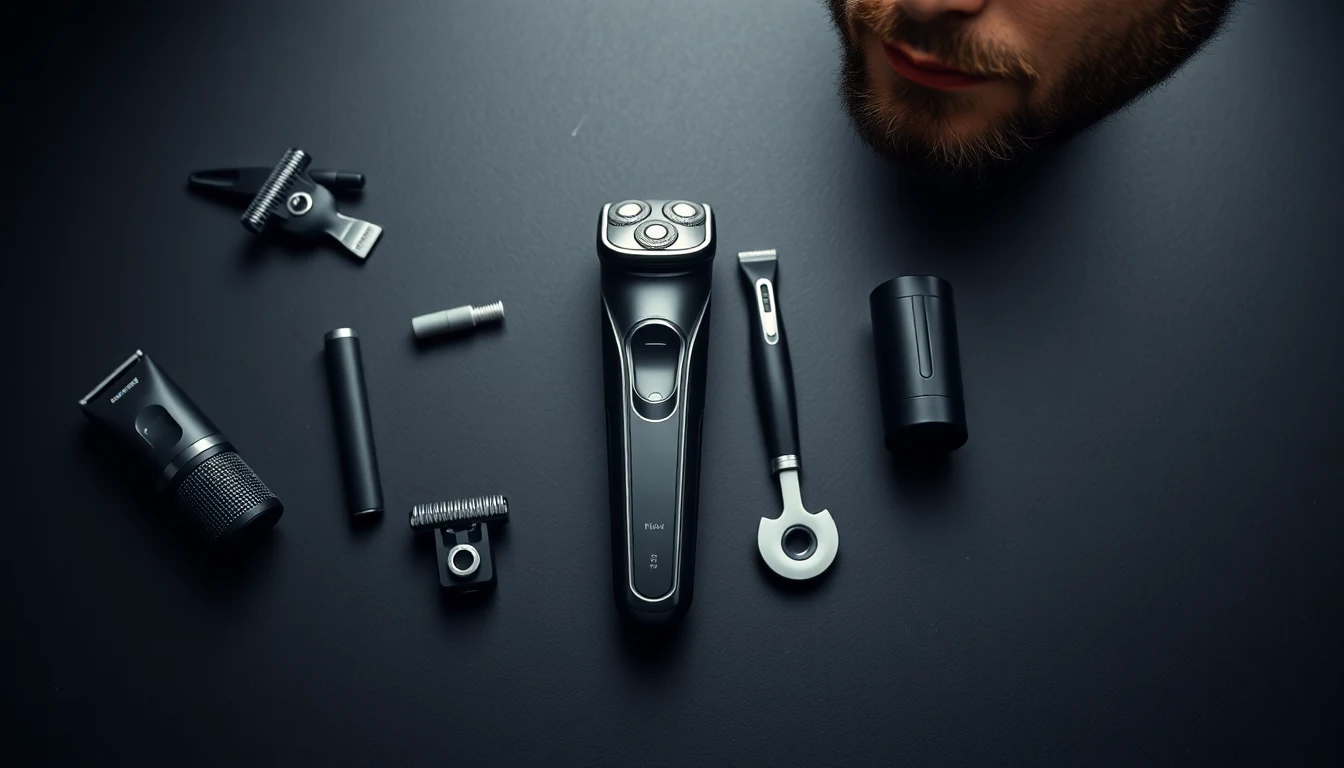
The narrower blade is actually an advantage here. It lets you work around the curves of your chin, jawline, and upper lip without accidentally cutting into areas you want to keep. A clipper’s wide blade is too broad for this kind of precision work on the face.
Necklines and Edge Work
Sharp, defined lines are a trimmer’s specialty. The exposed T-blade on most trimmers lets you see exactly where the cutting edge meets your skin, which means you can carve out perfectly straight necklines, crisp sideburn edges, and clean beard borders. Barbers call this “outlining” or “edging,” and it is exclusively trimmer territory.
The Andis Slimline Pro and similar professional outliner trimmers have blades specifically ground for this purpose. The corners of the T-blade let you get into tight spaces and create angles that a wider clipper blade simply cannot reach. For more guidance, Men’s Health provides expert resources on men’s grooming.
Detail Work and Cleanup
Everything that requires finesse rather than power falls under the trimmer’s domain. Cleaning up stray hairs on the cheeks above your beard line. Shaping eyebrows. Tackling ear hair and nose hair with a dedicated detail trimmer. Cleaning up the hairline between barber visits. These tasks demand precision and a light touch, not raw cutting power.
Shorter Grooming Tasks
Maintaining designer stubble, keeping sideburns even, tidying up around the ears. These smaller, quicker grooming jobs do not justify breaking out a full-size clipper. A cordless trimmer stored in your bathroom cabinet handles these tasks in a few minutes. For the distinction between trimmers and dedicated shavers for these tasks, our trimmer vs shaver guide covers it in detail.
Blade Differences: Clippers vs Trimmers
The blades are where the clipper vs trimmer distinction becomes physically obvious. They look different, work differently, and are engineered for completely different cutting demands.
Clipper Blades
Clipper blades are wide, typically 1.5 to 2 inches across. They use two overlapping blades: a stationary bottom blade and a moving top blade that oscillates side to side. The cutting teeth are spaced to grab and cut through full-thickness hair efficiently. Most clipper blades are made from carbon steel, stainless steel, or ceramic, and some premium models use a combination.
The blade gap (the space between the stationary and moving blade) can often be adjusted via a taper lever on the side of the clipper. Opening the lever increases the gap, leaving hair slightly longer. Closing it tightens the gap for a closer cut. This adjustability is what makes clippers so versatile for fading and blending.
Trimmer Blades
Trimmer blades are narrower, usually around 1 to 1.5 inches. The most common design is the T-blade, which has a wider cutting edge relative to the body of the trimmer, allowing you to see and control the cutting line precisely. Trimmer teeth are finer and more closely spaced than clipper teeth, which helps them catch and cut shorter, finer hairs without pulling. Understanding clipper vs trimmer is key to a great grooming routine. Understanding clipper vs trimmer is key to a great grooming routine.
Many professional trimmers can be “zero-gapped,” meaning the moving blade is adjusted flush with or slightly behind the stationary blade. This allows the trimmer to cut extremely close without a guard, which is essential for crisp line work. However, a zero-gapped trimmer can nick the skin if you are not careful, so this is more of a barbershop technique than a home grooming move.
Why You Cannot Swap Blades Between Tools
Clipper blades would be too wide and aggressive for detail work on the face. Trimmer blades would be too narrow and slow for cutting through a full head of hair. The motor behind each blade is also matched to the blade’s demands. A clipper motor generates more torque to handle thick, dense hair. A trimmer motor is tuned for speed and precision on finer tasks. Putting the wrong blade on the wrong motor creates a tool that does neither job well.
Corded vs Cordless: Considerations for Each Tool
The corded vs cordless question plays out differently for clippers and trimmers, and making the right choice depends on how you plan to use the tool.
Clippers: Corded Still Has an Edge
Full haircuts take time, and the motor works hard the entire time. Corded clippers deliver consistent power without any battery degradation over the course of a 20-minute haircut. For barbers doing back-to-back clients, corded clippers are still the standard for exactly this reason.
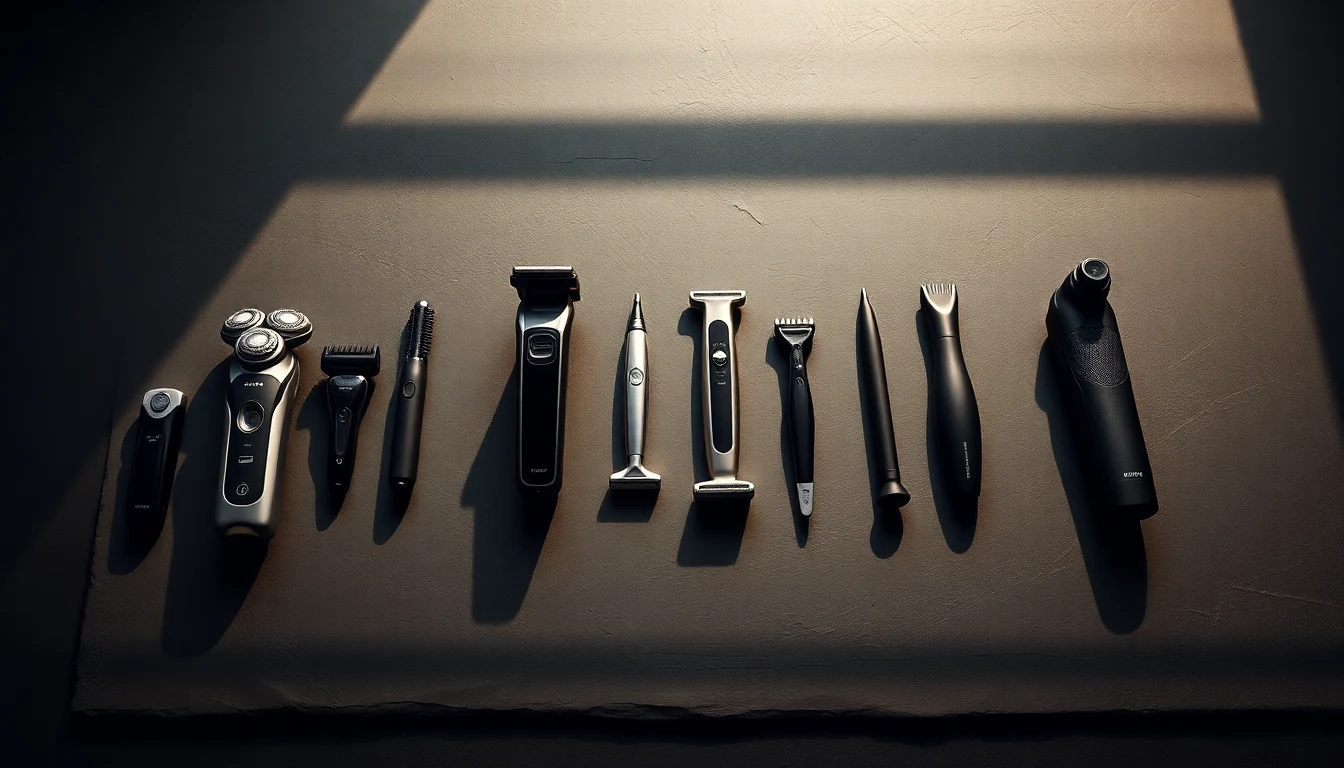
That said, cordless clippers have closed the gap significantly. Premium cordless models now deliver 90+ minutes of runtime on a single charge, which is plenty for home use. The trade-off is slightly less torque compared to a corded model with the same motor, but for home haircuts it is rarely noticeable. The freedom of movement without a cord makes the actual cutting process easier, especially when you are working on yourself.
Trimmers: Cordless Is the Way to Go
Trimmer tasks are shorter, and you need maximum maneuverability for detail work. A cord getting in the way while you are trying to edge a precise neckline is a recipe for mistakes. Nearly all modern trimmers are cordless, and battery life is a non-issue since most trimming sessions last five to ten minutes. Even budget cordless trimmers deliver 60+ minutes of runtime, which is weeks of daily use between charges.
The exception is professional barbers who use trimmers all day. Some pros still prefer corded outliners for the reliability and consistent power across an eight-hour shift. But for home use, go cordless on trimmers without hesitation.
When You Need Both vs When One Is Enough
Let me save you some money or confirm that you need to spend it.
You Only Need Clippers If:
- You buzz your head at home and keep a clean-shaven face
- You cut your own hair (or your family’s hair) and go to a barber for the detail work
- You have a very short, uniform hairstyle and no facial hair to maintain
You Only Need a Trimmer If:
- You get your haircuts at a barbershop but maintain your beard and neckline at home
- You keep facial hair that needs regular shaping and length management
- Your grooming routine is limited to touch-ups between professional haircuts
You Need Both If:
- You cut your own hair AND maintain facial hair
- You do home fades and want professional-looking edges
- You want full grooming independence without regular barber visits
- You keep any hairstyle that requires both bulk cutting and detail finishing
For most men who groom at home, owning both a clipper and a trimmer is the right call. The total investment for a solid pair (something like the Wahl Color Pro clipper and a dedicated trimmer) is less than three barbershop visits. And unlike a barber, they are available at 6 AM on a Tuesday when you notice your neckline is getting out of control.
Common Mistakes When Choosing Between Clippers and Trimmers
Buying a “Multi-Use” Tool and Expecting It to Do Everything Well
All-in-one grooming kits that promise to replace both clippers and trimmers usually do neither job particularly well. The motor is a compromise between power and precision. The blade width is a compromise between coverage and control. You end up with a mediocre clipper and a mediocre trimmer in one body. If you are serious about home grooming, buy dedicated tools.
Using a Trimmer for a Full Haircut
I see this constantly. A guy buys a trimmer because it was marketed as a “hair clipper,” then spends 45 minutes trying to cut his own hair with a narrow blade and a motor that keeps bogging down. A trimmer technically CAN cut head hair, but it is painfully slow and the narrow blade makes it nearly impossible to get an even result. Use the right tool. When it comes to clipper vs trimmer, technique matters most.
Using Clippers for Beard Detail Work
The opposite problem. A wide clipper blade on your face is like using a paint roller for detail work. You will cut lines that are too wide, remove hair you wanted to keep, and struggle to navigate the contours of your jaw and chin. Clippers can rough-trim a long beard down to a manageable length, but the final shaping should always be done with a trimmer. When it comes to clipper vs trimmer, technique matters most.
Ignoring the Guard System
Both clippers and trimmers depend on their guard combs for length control. Buying a tool without a complete guard set limits what you can do with it. Make sure any clipper or trimmer you buy includes the full range of guards for its intended purpose. Our clipper guard sizes guide breaks down exactly what each numbered guard does and when to use it.
Recommended Products
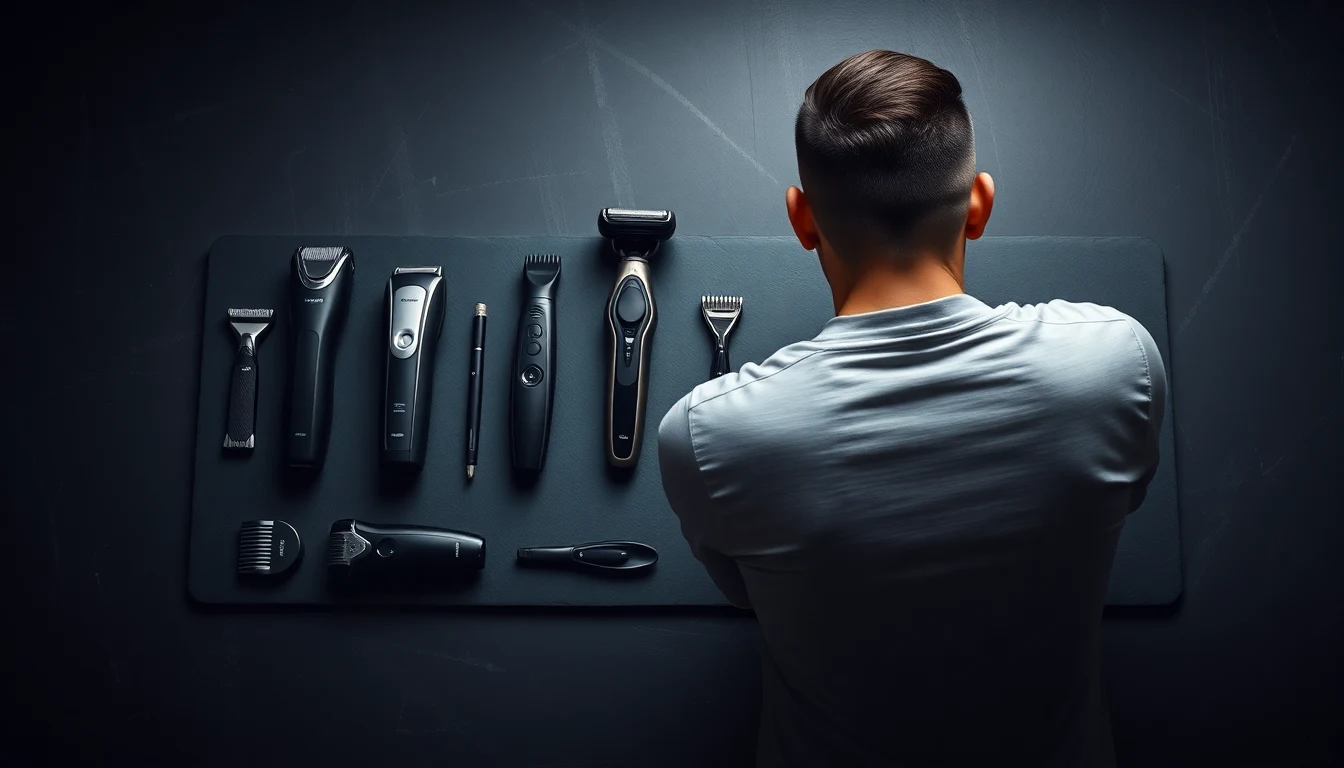
Best Clippers for Home Use
The Wahl Magic Clip is the gold standard for home haircuts and fades. It has a powerful motor, a smooth taper lever, and stagger-tooth blades that blend beautifully. For a budget option, the Wahl Color Pro comes with color-coded guards that make guard selection foolproof for beginners.
Best Trimmers for Detail Work
The BaBylissPRO GoldFX delivers professional-grade edge work with a deep-tooth T-blade that handles everything from beard shaping to lineup work. For a versatile option that doubles as a body groomer, the Philips Norelco Multigroom comes with multiple attachment heads for face, body, and nose/ear grooming.
Best Combo for Complete Grooming
If you want one purchase that covers both bases, look for a dedicated clipper and trimmer set rather than an all-in-one. The Wahl Professional clipper and trimmer combo gives you a full-power clipper for haircuts alongside a precision trimmer for detail work, each with their own motor and blade system optimized for their specific purpose.
Quick Comparison: Clipper vs Trimmer
| Feature | Clipper | Trimmer |
|---|---|---|
| Primary purpose | Full haircuts, bulk cutting | Detail work, beard shaping |
| Blade width | 1.5 to 2 inches | 1 to 1.5 inches |
| Motor power | High torque | Moderate, precision-focused |
| Guard range | #0.5 to #8 (1.5mm to 25mm) | 0.5mm to 10mm typically |
| Best for | Head hair, fades, buzz cuts | Beards, necklines, edges, cleanup |
| Blade style | Wide, overlapping blades | T-blade or narrow blade |
| Corded preference | Corded for power, cordless for convenience | Cordless almost always |
| Typical session length | 15 to 30 minutes | 3 to 10 minutes |
| Price range | $20 to $150 | $15 to $100 |
Frequently Asked Questions
Can a trimmer replace a clipper for cutting hair?
Technically, a trimmer can cut head hair, but it will take significantly longer and produce worse results. The narrow blade means more passes, and the smaller motor can overheat or bog down on thick hair. If you only need to maintain a very short buzz cut (like a #1 or shorter), a trimmer might get the job done. But for anything involving actual haircutting, blending, or fading, you need clippers. The time and frustration you save is worth the separate purchase.
Which tool is louder, clippers or trimmers?
Clippers are louder. The powerful motor and wider blade generate more noise and vibration than a trimmer’s smaller motor. Rotary motor clippers (like the Oster Classic 76) are louder than pivot motor or magnetic motor clippers. Trimmers are generally quiet enough to use without disturbing anyone else in the house, even early in the morning.
Are clippers or trimmers better for beginners?
Trimmers are easier to learn with for basic grooming tasks like beard maintenance and neckline cleanup. The narrow blade gives you more control and makes mistakes less dramatic. Clippers have a steeper learning curve because the wider blade removes more hair per pass, so a wrong move is harder to fix. If you are just starting out with home grooming, start with a trimmer for detail work and work up to clipper skills over time. Our guide on how to maintain a fade walks beginners through clipper technique step by step.
Can I use clippers or trimmers on body hair?
Trimmers are the better choice for body hair management. The narrower blade navigates the contours of the chest, stomach, and groin area more safely than a wide clipper blade. Many trimmer brands make specific body grooming attachments with rounded tips and skin-safe guards. Clippers can work on large, flat areas like the chest, but they are overkill for most body grooming tasks and the wide blade creates a higher risk of nicks on uneven terrain.
How often should I replace clipper and trimmer blades?
For home use, clipper blades last 12 to 24 months with proper maintenance (regular oiling and cleaning after each use). Trimmer blades tend to last 6 to 18 months depending on use frequency and hair coarseness. Professional barbers replace blades much more frequently because of the higher volume of daily use. The signs that a blade needs replacing include pulling or snagging, uneven cutting, and the blade running noticeably hotter than usual during use. Replacement blades typically cost $15 to $40 depending on the brand and model.
Further reading: For research-backed grooming advice, see Healthline Men’s Health.
Explore more tips at CulturedGrooming.com.
Further reading: For research-backed grooming advice, see Healthline Men’s Health.
Frequently Asked Questions
Can I use a trimmer instead of clippers for cutting my hair?
No, a trimmer cannot effectively replace a clipper for full haircuts. Trimmers are designed for detail work and edge maintenance, while clippers have the power and blade design to remove bulk hair and create fades. Using a trimmer for a full haircut will be slow, frustrating, and deliver poor results.
What’s the main difference between clippers and trimmers I should know before buying?
Clippers are built for heavy-duty work like full haircuts and head shaving with larger blades and more cutting power, while trimmers excel at precision tasks like beard shaping and neckline detail work. Understanding this core difference helps you choose the right tool and avoid the common mistake of buying one expecting it to do everything well.
Should I buy cordless clippers or stick with corded models?
Corded clippers still have the advantage for consistent power during longer sessions, especially for full haircuts and bulk cutting. However, many modern cordless clippers now offer excellent battery life and performance, so your choice depends on whether you prioritize convenience or maximum cutting power for extended grooming sessions.
How often do I need to replace the blades on my clippers and trimmers?
Most clipper and trimmer blades last 6 to 12 months with regular use, though this depends on how often you groom and your hair type. You’ll notice performance decline when blades feel dull or tug rather than cut cleanly, which is your signal to replace them for better results and to protect your skin.