
If you want to master dastar tying styles for sikh, this guide covers everything you need to know. Last updated: February 2026 by Arjun Singh-Goldstein, Interfaith Grooming Specialist
The first time I tied my own dastar, my hands were trembling. I was twenty-three years old, standing in front of my bathroom mirror with six meters of starched royal blue fabric pooled on the counter, a YouTube tutorial paused on my phone, and absolutely no idea what I was doing. My father had always worn a patka at home, but for Gurdwara he would tie a full Patiala shahi that made him look like Sikh royalty. I wanted that. I wanted to feel that same sense of sovereignty and discipline every morning when I wrapped my turban. It took me weeks of lopsided, sagging attempts before I achieved anything I would wear outside. Now, a decade later, tying my dastar is the most grounding part of my morning, and I want to help you find that same experience.
The dastar is not a fashion accessory. It is not a cultural curiosity. For Sikh men, the dastar is a crown, a public declaration of faith, identity, and commitment to the principles of equality, courage, and self-discipline that define Sikhi. Whether you are newly initiated, returning to your turban after years away, or simply exploring different tying styles, this guide will walk you through the major dastar styles, practical tying advice, fabric selection, and the spiritual significance behind every fold. For expert guidance on this topic, consult SikhNet’s community resources on Sikh lifestyle and traditions.
Religious Note: Grooming practices within the Sikh faith are deeply personal and connected to each individual’s level of observance. Always consult with your Granthi, Panj Pyare, or trusted community elders to confirm that any grooming suggestions mentioned here align with your personal practice and the Rehat Maryada (Sikh code of conduct).
What the Dastar Represents in Sikhi : Dastar Tying Styles For Sikh
To understand the dastar, you must understand what it symbolizes. Guru Gobind Singh Ji, the tenth Sikh Guru, established the turban as a mandatory article of faith when he created the Khalsa in 1699. At a time in South Asian history when only royalty and high-caste individuals were permitted to wear turbans, the Guru commanded every Sikh to wear one. This was a revolutionary act of equality. The dastar declared that every Sikh, regardless of caste, economic status, or social standing, carries the same sovereign dignity as a king.
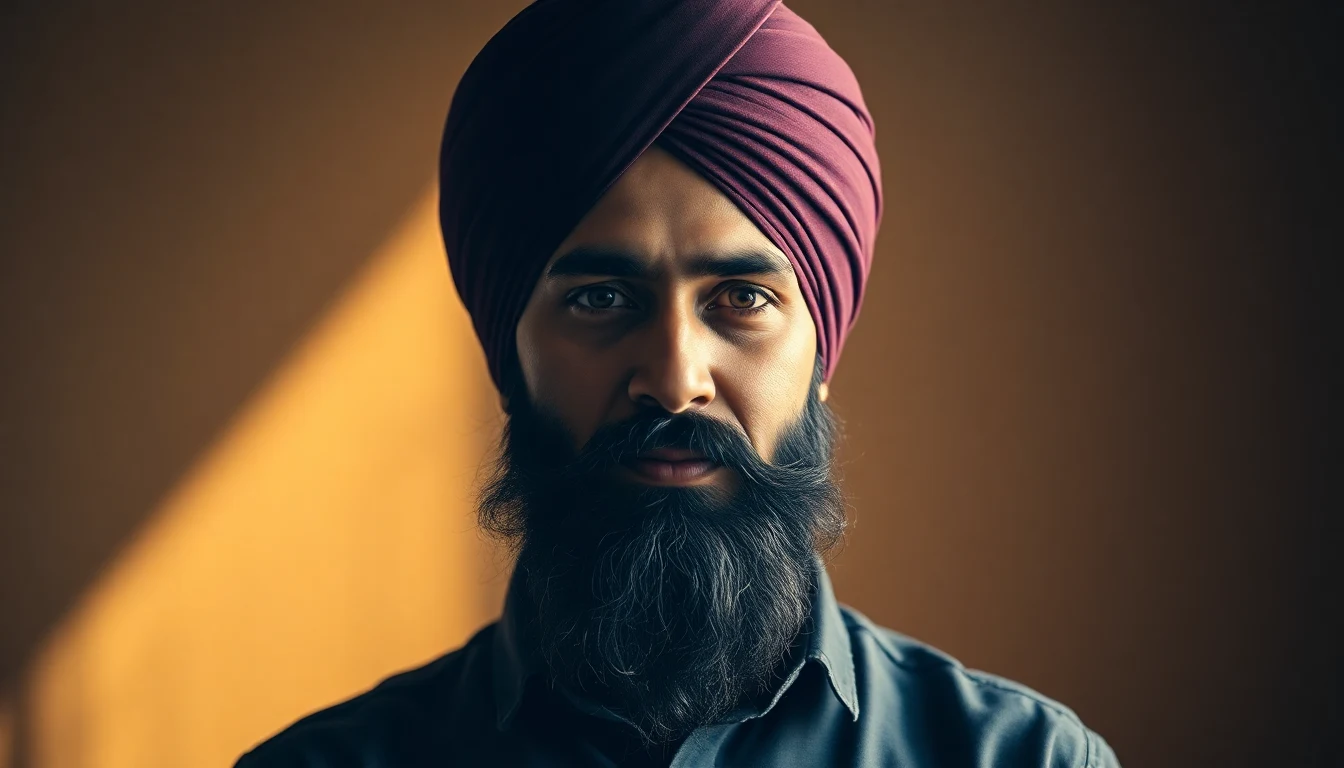
The word “dastar” comes from the Persian “dastaar,” meaning “hand of divine grace.” In Sikh theology, the dastar represents more than cloth on the head. It is a symbol of sovereignty (patshahi), self-respect (swabhiman), courage (himmat), and spiritual discipline (rehat). When you tie your dastar each morning, you are making a conscious decision to present yourself to the world as a Sikh, carrying the values of the Guru Granth Sahib on your crown.
For Amritdhari Sikhs (those who have taken Amrit and committed to the Khalsa discipline), wearing the dastar is a requirement of the Rehat Maryada. But even for Sikhs who have not taken Amrit, the dastar holds deep cultural and spiritual importance. It is the first thing the world sees, and it communicates a Sikh’s identity before a single word is spoken.
Major Dastar Tying Styles Explained
There is no single “correct” way to tie a dastar. Over centuries, Sikh communities across Punjab and the diaspora have developed distinct styles that reflect regional traditions, historical contexts, and personal preferences. Here are the most recognized styles you will encounter.
Patiala Shahi (The Royal Patiala Style)
The Patiala shahi is arguably the most iconic dastar style and the one most commonly seen in modern Sikh communities worldwide. Originating from the royal court of Patiala in Punjab, this style is characterized by its rounded, layered appearance with clean, even folds that fan out symmetrically across the forehead. The Patiala shahi typically uses a single long piece of fabric (usually five to seven meters) that is first starched and then wrapped around the head in a systematic layering pattern.
What makes the Patiala shahi so popular is its versatility. It looks equally appropriate at a business meeting, a wedding, or a casual outing. The finished turban sits relatively close to the head, giving a sleek, polished appearance. Most Sikh men in North America and the UK who wear a full dastar daily are wearing some variation of the Patiala shahi. My father wore this style, and it was the first style I learned. I would recommend it as the starting point for anyone learning to tie a dastar.
Dumalla (The Warrior Style)
The Dumalla is a traditional warrior-style turban with deep historical roots in the Khalsa military tradition. Unlike the smooth, layered Patiala shahi, the Dumalla has a more rugged, fortress-like appearance. It is wrapped in a way that creates visible ridges across the surface, and it traditionally sits higher on the head, giving the wearer a taller, more imposing silhouette.
Historically, the Dumalla served a practical purpose. Sikh warriors would wrap their turban in thick layers that could absorb the impact of a sword blow. Some Dumallay (plural) were reinforced with chainmail or metal chakrams (circular throwing weapons). Today, the Dumalla is worn by many Amritdhari Sikhs who want to connect with the martial tradition of the Khalsa. It is commonly seen at Nagar Kirtans (Sikh processions) and historical commemorations.
The Dumalla requires more fabric than the Patiala shahi, often using two separate pieces: a base turban (usually a smaller, tighter wrapping) and the main Dumalla fabric wrapped over it. The technique takes longer to master, but the result is a turban that feels incredibly secure and carries significant historical weight.
Nihang Dastar (The Akali Bunga)
If you have ever seen photographs of Nihang Singhs at Hola Mohalla in Anandpur Sahib, you have seen the most dramatic dastar style in the Sikh tradition. The Nihang dastar, sometimes called the “bunga” or “farla dastar,” is an enormous, conical turban that can use up to thirty meters of fabric. It towers above the head, often adorned with steel chakrams, small daggers, and a flowing farla (a piece of fabric that cascades from the top).
The Nihang order (also called the Akali Nihangs) are a warrior sect within Sikhi dedicated to preserving the martial traditions of the Khalsa. Their dastar is not just a head covering; it is a portable armory and a statement of fearless devotion. While most Sikh men will never wear a full Nihang dastar in daily life, understanding this style is essential to appreciating the full spectrum of Sikh turban traditions.
Some modern Sikhs wear a simplified version of the Nihang style for special occasions. This typically involves a taller, more conical shape than the Patiala shahi, sometimes with a small farla, but without the weapons and extreme height of the traditional Nihang bunga.
Naamdhari Dastar (The White Round Turban)
The Naamdhari (or Namdhari) community within Sikhi is recognizable by their distinctive white, round turbans. The Naamdhari dastar is tied flat across the forehead without the layered fan shape of the Patiala shahi. It hugs the head closely and is almost always white, reflecting the Naamdhari emphasis on simplicity and purity.
This style uses less fabric than most other dastar styles and creates a compact, understated look. While it is specific to the Naamdhari tradition, some non-Naamdhari Sikhs adopt a similar flat-front style for its simplicity and comfort, especially in hot weather. Mastering dastar tying styles for sikh takes practice but delivers great results.
Wattan Wali Pagh (The Everyday Punjabi Style)
In rural Punjab, many older Sikh men tie what is sometimes called a “wattan wali pagh,” a simple, practical turban that can be wrapped quickly. This style does not have the precise layering of the Patiala shahi. Instead, the fabric is wound around the head in a straightforward manner, creating a comfortable, everyday turban that prioritizes function over form.
This style is less common among younger Sikhs in the diaspora, but it remains a staple in Punjab. It is worth learning if you want a quick, comfortable turban for days when you do not have time for a full Patiala shahi setup.
Step-by-Step: Tying a Basic Patiala Shahi Dastar
This section walks you through the most common dastar style for beginners. Before you start, you will need a mirror (a full-length mirror or a large bathroom mirror works best), a pre-starched turban cloth (five to six meters for beginners), a patka or base cloth, and a few bobby pins or turban pins for the initial stages.
Step 1: Prepare Your Hair
Start by tying your kesh (uncut hair) into a joora (topknot) on the top of your head. If your kesh is long enough, twist it into a bun and secure it. If your kesh is still growing, gather it as best you can. Place a small patka (under-turban) over your joora and hair to create a smooth base. The patka should cover your hairline and ears, holding everything in place. This base layer is essential because it prevents the dastar from slipping and gives you a smooth surface to work with.
Step 2: Create the Starting Fold
Hold the starched turban fabric lengthwise and create a pleat at one end, folding the fabric over itself to create a narrow starting section about three to four inches wide. This pleated end will be the anchor point. Place it at the center of your forehead, just above your eyebrows, and drape the two tails of the pleat over your shoulder. Secure this starting point with a pin if needed.
Step 3: Begin Wrapping
Take the long end of the fabric and begin wrapping it around your head, going from the right side, around the back, to the left, and back to the front. Each pass should overlap the previous one slightly, moving upward with each layer. Keep the fabric taut but not uncomfortably tight. The key to a clean Patiala shahi is even tension throughout the wrapping process.
Step 4: Build the Layers
As you continue wrapping, you will notice the turban building layer by layer across your forehead. Each pass should create a clean, visible fold. The folds should fan out symmetrically from the center of your forehead, creating the distinctive layered look of the Patiala shahi. Aim for five to eight visible layers across the forehead, depending on how much fabric you have and how tall you want the turban.
Step 5: Secure the End
When you reach the end of the fabric, tuck the remaining material neatly under the layers at the back of your head. Some people use a small pin to secure this, while experienced turban tyers can tuck it firmly enough that no pin is needed. Adjust the turban by gently pulling the front folds to even them out, and check the sides and back for any loose sections.
Step 6: Final Adjustments
Look at your turban from all angles. The front should have clean, even folds. The sides should sit comfortably above your ears without pressing on them. The back should be smooth and secure. If any section looks uneven, you can gently pull the fabric to redistribute it. With practice, the entire process should take you eight to twelve minutes.
Choosing the Right Turban Fabric
The fabric you choose dramatically affects both the appearance and comfort of your dastar. Different fabrics work better for different styles and different climates. Here is what you need to know.
Rubia Voile
Rubia voile is the most commonly used turban fabric worldwide. It is a lightweight cotton blend that takes starch well, holds its shape throughout the day, and comes in virtually every color. Most Sikh turban shops sell pre-cut lengths of rubia voile in standard turban sizes. This is the fabric I would recommend for beginners learning the Patiala shahi, because it is forgiving, affordable, and widely available.
Mal Mal (Muslin)
Mal mal is a thin, breathable muslin cotton that is excellent for hot weather. It is lighter than rubia voile, which makes it comfortable in summer but also means it requires more careful starching to hold its shape. Mal mal turbans have a softer, more relaxed appearance compared to the crisp folds of a starched rubia voile turban. Many Sikhs in Punjab prefer mal mal during the scorching summers.
Silk and Silk Blends
For weddings, special occasions, and formal events, silk turbans are a popular choice. Silk has a natural sheen that photographs beautifully and adds an element of celebration to the dastar. However, silk is slippery and more difficult to tie than cotton. If you are new to turban tying, practice extensively with cotton before attempting silk. A silk-cotton blend offers a good compromise, providing some of the sheen with better grip.
Chanderi and Brocade
For weddings and other grand celebrations, some Sikh men wear turbans made from chanderi silk or brocade fabrics with woven patterns. These are statement fabrics that pair beautifully with a sherwani or achkan. They are not practical for daily wear, but they make a stunning impression at formal events.
The Significance of Turban Colors
While there is no strict rule in the Rehat Maryada about turban color, colors carry cultural significance within the Sikh community. Understanding these associations can help you make intentional choices about your dastar.
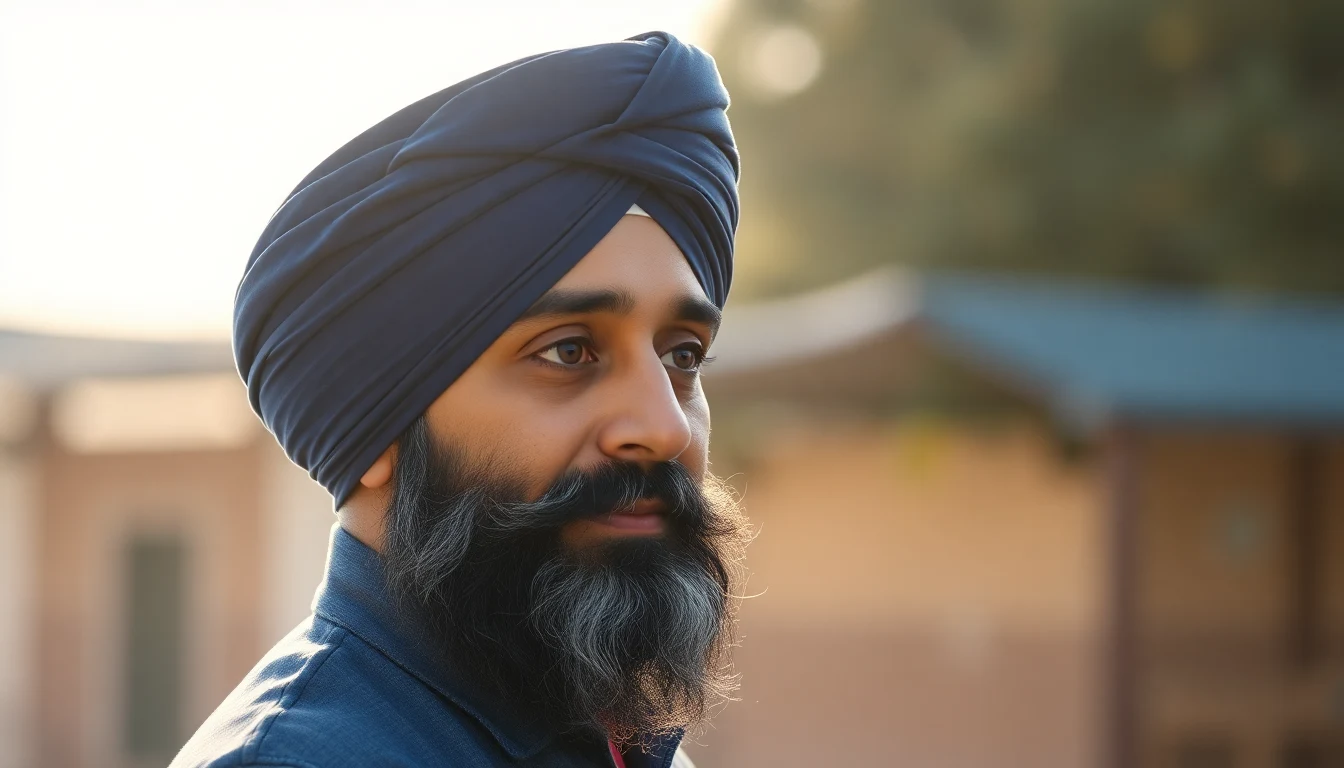
Royal Blue (Neela): This is the color most closely associated with the Khalsa and the Nihang tradition. Royal blue represents the warrior spirit, courage, and the vastness of the sky. It is an extremely popular choice for daily wear and is the color I wear most often.
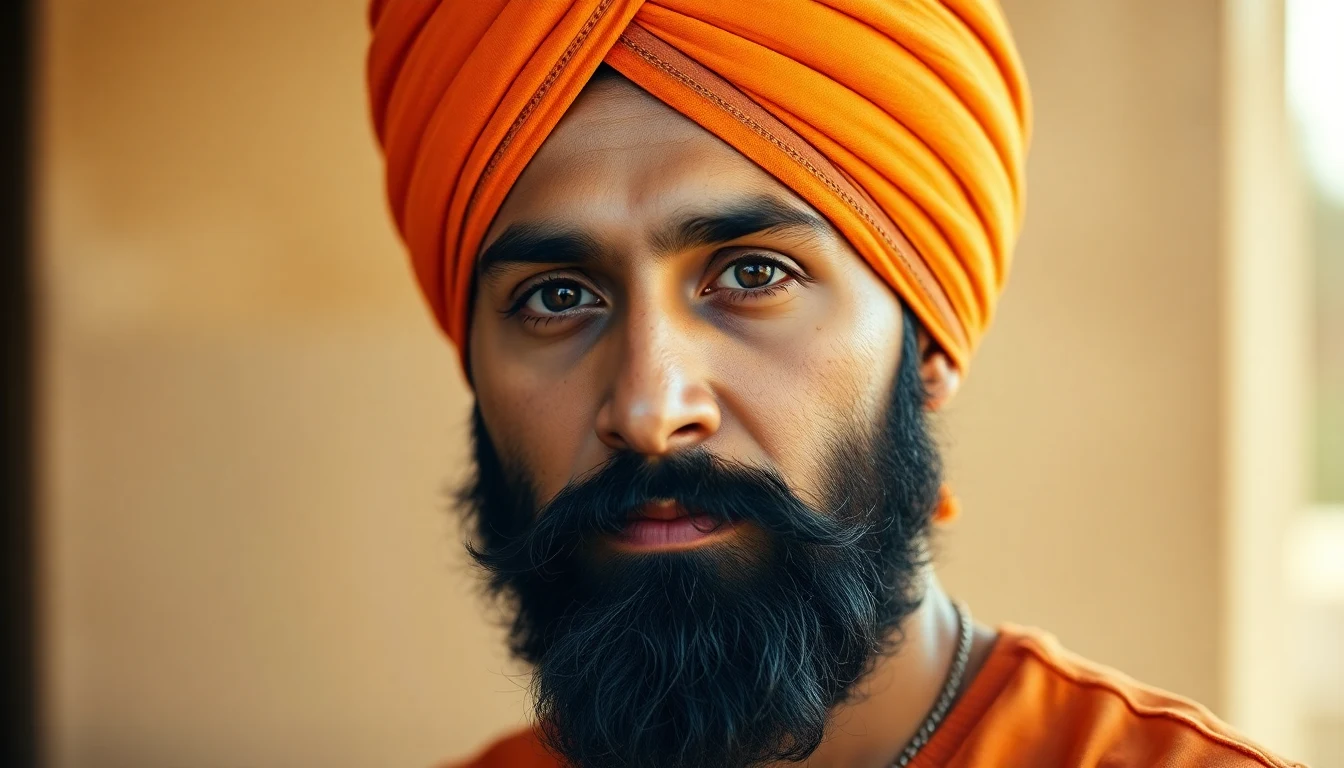
Saffron/Orange (Basanti): Saffron represents sacrifice, courage, and commitment. It is deeply associated with the Khalsa tradition and is a common choice for Nagar Kirtans, Gurpurabs (Sikh holidays), and other religious occasions. Many Amritdhari Sikhs wear saffron regularly as an expression of their Khalsa identity.
White (Safed): White represents purity, peace, and spiritual clarity. It is the standard color for Naamdhari Sikhs and is also commonly worn at funerals and during mourning periods. Older Sikh men in Punjab traditionally gravitate toward white turbans.
Black (Kala): Black is a bold, striking choice that is popular among younger Sikhs, especially in Western countries. While some traditional views associate black with mourning, in modern practice it is widely worn without any negative connotation. A black dastar with a well-groomed beard creates a powerful, elegant look. Understanding dastar tying styles for sikh is key to a great grooming routine.
Pink (Gulabi): Pink is a festive color, commonly worn at weddings and celebrations. In Punjabi culture, pink carries connotations of joy and warmth. A pink or magenta turban paired with a matching outfit is a classic Sikh wedding look.
Maroon/Deep Red: Maroon is a dignified, versatile color that works for both formal and casual occasions. It is a popular alternative to black for those who want a dark turban with more warmth.
Maintaining Your Turban Fabric
Your dastar fabric needs proper care to look its best. Here are the essential maintenance practices every turban-wearing Sikh man should know.
Starching Your Turban
Starch is what gives your dastar its crisp, structured appearance. Without starch, the fabric will sag and lose its shape within hours. The traditional method involves dissolving starch powder in water, soaking the turban fabric, wringing it out, and then drying it in a stretched position. Many Sikh men starch their turbans once a week and rotate between several pre-starched cloths throughout the week.
For a quick starch, spray-on fabric starch products work well for touch-ups, but they do not provide the same level of structure as a full soak. I keep a spray starch in my grooming kit for travel days, but I do a full starch every Sunday for my weekly rotation of turbans.
Washing and Drying
Turban fabric should be hand-washed in cool water with a gentle detergent. Avoid using hot water, as it can cause cotton to shrink and colors to bleed. After washing, remove the old starch completely before applying fresh starch. Hang the fabric to dry in a stretched position to prevent wrinkles. Some people use a curtain rod or a dedicated turban drying frame.
Storage
Store your starched turban cloths flat or loosely rolled. Do not fold them tightly, as this will create creases that show when you tie the turban. A dedicated shelf or drawer for your turban collection is ideal. Keep colored turbans separated from white ones to prevent any color transfer.
Essential Accessories for Dastar Tying
While the fabric is the main component, a few accessories can make your turban-tying experience much smoother.
Patka (Under-Turban): A small cloth that covers your joora and provides a base for the dastar. Essential for beginners and used by most Sikh men regardless of experience level.
Turban Pins (Tikka Pins): Small, straight pins used to secure the starting fold and the final tuck. As you gain experience, you will rely on these less, but they are invaluable when learning.
Fifty (50) Meter Roll: Many Sikh men buy turban fabric in bulk rolls and cut their preferred lengths. This is more economical than buying pre-cut pieces, especially if you wear a dastar daily.
A Good Kanga: Your wooden kanga is used to comb your kesh before tying the joora. A clean, well-maintained kanga ensures your hair is smooth and tangle-free under the turban.
Product Recommendations for Dastar Care
While turban tying itself does not require many products, the right grooming and maintenance items can make a significant difference in how your dastar looks and feels throughout the day.
Dabur Vatika Coconut Hair Oil is excellent for applying to your kesh before tying your joora. It keeps your hair manageable under the turban and prevents dryness from the fabric pressing against your scalp all day. A small amount applied to damp hair before your morning turban routine makes a noticeable difference in comfort.
Kent Handmade Wooden Comb serves as an excellent companion to your kanga for detangling longer kesh before tying. While nothing replaces the significance of the kanga itself, having a wider-toothed wooden comb for initial detangling can save time and reduce hair breakage during your morning routine.
Head and Shoulders Itchy Scalp Care Shampoo addresses one of the most common complaints among turban-wearing Sikh men. The combination of long hair, a tight joora, and fabric wrapped against the scalp all day can create itchiness and flaking. This shampoo helps manage those symptoms when used two to three times per week.
The Beard Club Biotin Beard Balm pairs perfectly with your dastar routine. After tying your turban, apply a small amount of beard balm to your beard to keep it neat and hydrated throughout the day. A well-groomed beard and a crisp turban together create the complete Sikh presentation.
Resources for Learning to Tie Your Dastar
If you are learning to tie a dastar for the first time, or if you want to explore new styles, here are the best resources available.
YouTube Tutorials: Channels like “JusReign,” “That Sikh Guy,” and numerous Punjabi turban tying channels offer step-by-step video tutorials for every style. Video is the best medium for learning turban tying because you can pause, rewind, and follow along in real time. When it comes to dastar tying styles for sikh, technique matters most.
Gurdwara Community: This is the most traditional and arguably the best way to learn. Older Singhs at your local Gurdwara are often delighted to teach turban tying to younger community members. After Sunday diwan (worship service), ask a turban-wearing uncle or bhai sahib if they can show you their technique. This is how turban tying has been passed down for centuries.
Sikh Student Associations: If you are in college or university, Sikh student associations frequently hold turban-tying workshops, especially during Turban Day events. These are welcoming, supportive environments where you can learn alongside others.
Turban Tying Services: In cities with large Sikh populations (Toronto, Vancouver, London, Southall, and parts of California), there are professional turban-tying services, especially for weddings and special events. These professionals can also teach you techniques if you ask.
Common Mistakes and How to Avoid Them
Learning to tie a dastar involves a fair amount of trial and error. Here are the most common mistakes I see among beginners, along with solutions.
Wrapping too tightly: A turban that is too tight will give you headaches by midday and can contribute to traction alopecia over time. You should be able to slide a finger between the turban and your forehead. If you feel pressure or throbbing, loosen the base layers.
Not starching enough: Under-starched fabric is the number one reason turbans sag and lose shape. If your turban looks droopy by noon, you need more starch. The fabric should feel slightly stiff when dry, almost like cardstock, but still pliable enough to wrap.
Uneven layers: If your turban layers are thicker on one side than the other, slow down and focus on maintaining consistent tension as you wrap. The speed will come with practice. For now, precision matters more than speed.
Skipping the patka: Some beginners try to tie the dastar directly on their hair without a patka underneath. This almost always results in a turban that slips and shifts throughout the day. The patka creates the foundation. Do not skip it.
Giving up too soon: I spent three weeks producing turbans I was embarrassed to wear outside before I achieved a result I was proud of. This is completely normal. Every Singh who wears a beautiful dastar today went through the same learning curve. Be patient with yourself.
Frequently Asked Questions
How long should the fabric be for a dastar?
For a standard Patiala shahi, most men use five to seven meters of fabric. The Dumalla style typically requires six to eight meters, and the Nihang dastar can use fifteen to thirty meters depending on the desired height. If you are a beginner, start with five meters and adjust from there based on your head size and preferred style.
Can I wear a dastar if I have not taken Amrit?
Absolutely. Many Sikhs who have not taken Amrit wear a dastar as an expression of their Sikh identity and cultural pride. While the Rehat Maryada makes turban wearing a requirement for Amritdhari Sikhs specifically, the turban is a welcome practice for any Sikh who chooses to wear one. It is a deeply personal decision, and the community generally supports anyone who wishes to start wearing a dastar.
How do I keep my dastar from coming loose during the day?
Three factors contribute to a dastar that stays put: proper starching, a secure patka base, and consistent tension during wrapping. If your turban frequently comes loose, check each of these three elements. Also, make sure your joora is positioned correctly on the top of your head, not too far back or to one side, as an off-center joora will cause the turban to tilt.
Is it acceptable to use turban pins?
Yes. Many Sikh men use small pins, especially when learning. As you gain experience, you may find that you need fewer pins, but there is no prohibition against using them. The goal is a neat, secure dastar, and pins are a tool to achieve that.
How often should I replace my turban fabric?
With proper care (regular washing, starching, and careful storage), a quality turban cloth can last six months to a year of regular use. You will notice the fabric becoming thinner, losing its ability to hold starch, or developing permanent wrinkles. When this happens, it is time for a new cloth. Most dastar-wearing Sikhs maintain a rotation of three to five cloths to extend the life of each one.
Conclusion
The dastar is one of the most visible expressions of Sikh faith in the world. Every morning, when you stand in front of your mirror and wrap those meters of fabric around your head, you are participating in a tradition that stretches back over three centuries. You are declaring your identity, your values, and your commitment to the path of the Guru. Whether you choose the regal Patiala shahi, the warrior Dumalla, or any other style, the act of tying your dastar connects you to every Singh who has ever done the same.
If you are just beginning this journey, be patient with yourself. Reach out to your community for guidance. Watch tutorials, practice daily, and remember that every expert was once a beginner with a lopsided turban and too many pins. The dastar is not just something you wear. It is something you grow into, and that growth is part of the beauty of Sikhi.
Waheguru Ji Ka Khalsa, Waheguru Ji Ki Fateh.
Frequently Asked Questions
What is the difference between a patka and a dastar for Sikh men?
A patka is a smaller, simpler turban typically worn at home or casually, while a dastar is the full traditional turban worn for religious occasions and formal settings. The dastar requires more fabric (usually around six meters) and involves more complex wrapping techniques to create its distinctive regal appearance, as described in traditional dastar tying styles for Sikh men.
How long does it take to learn how to tie a dastar properly?
Learning to tie a dastar typically takes several weeks of consistent practice, as mentioned in the guide where the author practiced for weeks before achieving a polished result. The timeline varies depending on your natural ability, how frequently you practice, and which style you’re learning, but patience and repetition are key to mastering the technique.
What fabric should I use when learning to tie my first turban?
Starched fabric is recommended for beginners because it holds its shape better and makes the wrapping process easier to control. You should start with approximately six meters of fabric, and royal blue is a popular choice, though you can select colors that match your personal preference and cultural tradition.
Is tying a dastar considered a religious requirement for all Sikh men?
Grooming practices within Sikhism are deeply personal and connected to each individual’s level of observance, so you should consult with your Granthi, community elders, or trusted spiritual advisors about requirements specific to your situation. The dastar is a significant spiritual symbol representing faith and identity, but the level of observance varies among Sikh men based on personal choice and commitment.