If you want to master drakes haircut evolution, this guide covers everything you need to know. Last updated: February 2026 by Darius Washington, Black Men’s Grooming Editor
I remember the exact moment Drake’s haircut became a thing. It was 2011. “Take Care” had just dropped, and suddenly every other dude walking into the barbershop had the same request: “Give me the Drake.” Not a fade name. Not a guard number. Just “the Drake.” And every barber in the building knew exactly what that meant. A tight buzz, a lineup so clean it looked laser-cut, and maybe a little stubble connecting the whole thing. That cut was not just a haircut. It was a cultural reset for what grooming standards looked like for Black men in the mainstream.
What makes the Drake haircut worth studying in 2026 is not just one look. It is the evolution. This man went from a Degrassi kid with a basic short afro to the most influential grooming icon for an entire generation of Black and biracial men. He made the lineup sacred. He made the barber visit feel like a ritual, not a chore. And whether you loved or clowned the heart-shaped hairline era, you were still talking about his hair. That is influence.
This guide breaks down every major Drake hairstyle era, how to ask your barber for each one, the products you need, and the cultural context behind why these cuts matter. Whether you want the OVO signature buzz or you are curious about trying braids like his 2021 era, I have you covered.
Why Drake’s Hair Matters in Black Grooming Culture: Drakes Haircut Evolution
Before we break down the timeline, let me explain why Drake’s grooming influence runs deeper than celebrity copycats.
Drake is biracial. His mother is Jewish Canadian and his father is Black American from Memphis. That identity sits at a unique intersection in the grooming world. His hair texture falls somewhere in the 3B to 3C curl range, which is a texture that a lot of biracial and mixed-race men share but rarely saw represented at the top of the cultural food chain. When Drake made the buzz cut and lineup the standard, he was doing something specific: he was centering Black barbershop culture in pop music’s biggest spotlight.
The lineup (also called an edge-up or shape-up) is not just cosmetic. In Black barbershop culture, the lineup is a statement of self-respect. It says you care about how you present yourself. It says you have a relationship with your barber. Drake did not invent the lineup, but he made it non-negotiable. Before the OVO era, plenty of celebrities walked red carpets with mediocre edges. After Drake, that was no longer acceptable. The standard changed.
He also proved that simplicity could be a signature. In an era where rappers were experimenting with wild colors, eccentric shapes, and constant reinvention, Drake showed up with the same clean buzz for years. The message was clear: perfect execution of a simple cut is more powerful than a complicated style done at 80 percent. That philosophy resonates across every section of types of fades and cuts we cover on this site.
Drake Haircut Timeline: Every Era Explained
Era 1: The Degrassi Years (2001 to 2009)
The Style: Short natural afro, minimal to no lineup, clean-shaven face.
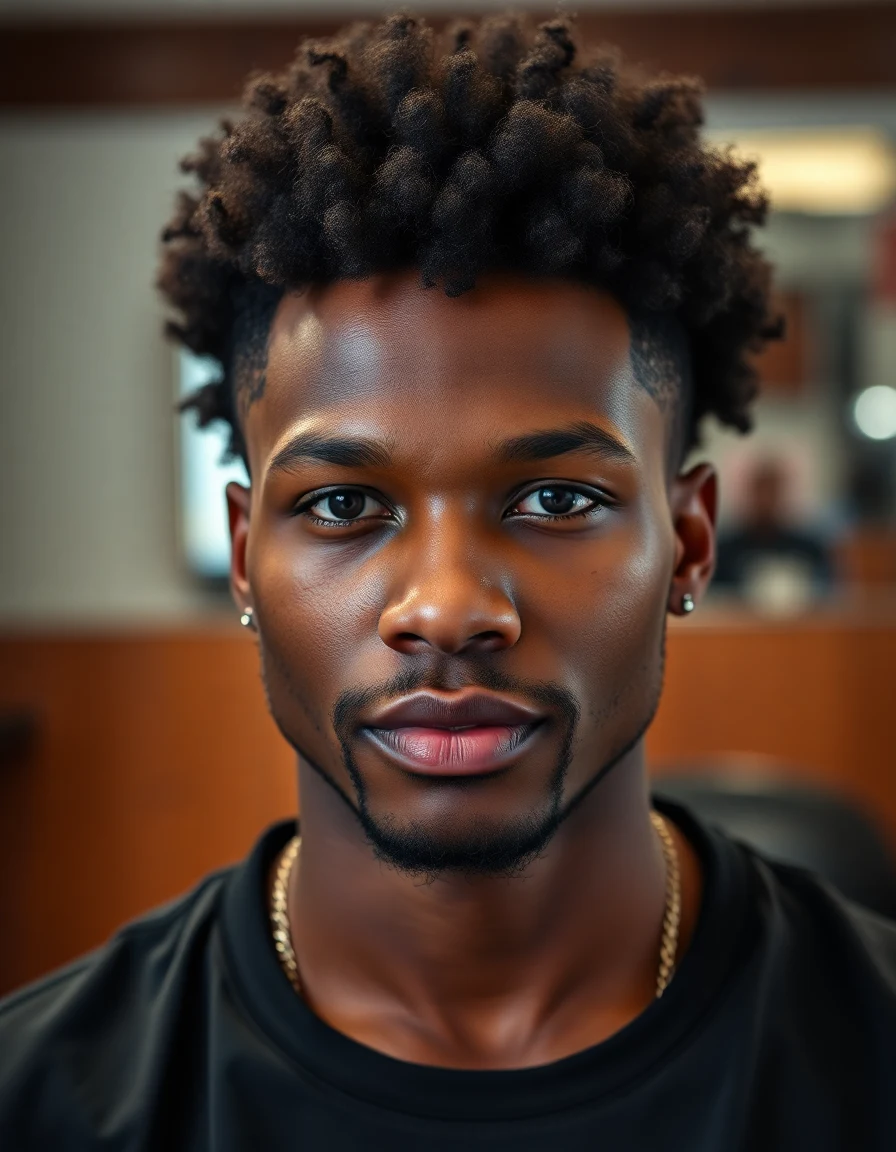
Before Aubrey Graham became Drake the rapper, he was Jimmy Brooks on Degrassi: The Next Generation. And his hair reflected exactly where he was in life: a teenager who had not yet discovered what a good barber could do. The look was a basic short afro, maybe an inch or two of length, with soft natural curls showing his mixed texture. No sharp edges. No beard. No product game. Just a kid on a TV set.
There is nothing wrong with this era. In fact, it is the perfect before picture for what came next. If you look at early Degrassi promotional photos, young Drake’s hair was healthy and natural but completely unstyled. The curls were visible but not defined. The hairline was natural, not carved.
What this era teaches us: Every grooming journey starts somewhere. Most of us had that same period in our teens where hair just existed on our heads without any intentional styling. The transition from “hair that grows” to “hair that is maintained” is a rite of passage in Black male grooming.
How to get this look: Let your natural hair grow to about one to two inches. Wash and condition regularly. Do not get a lineup. That is literally it.
Era 2: The Comeback Season and Mixtape Rise (2009 to 2011)
The Style: Slightly longer curls on top, early attempts at a lineup, beginning of the stubble beard.
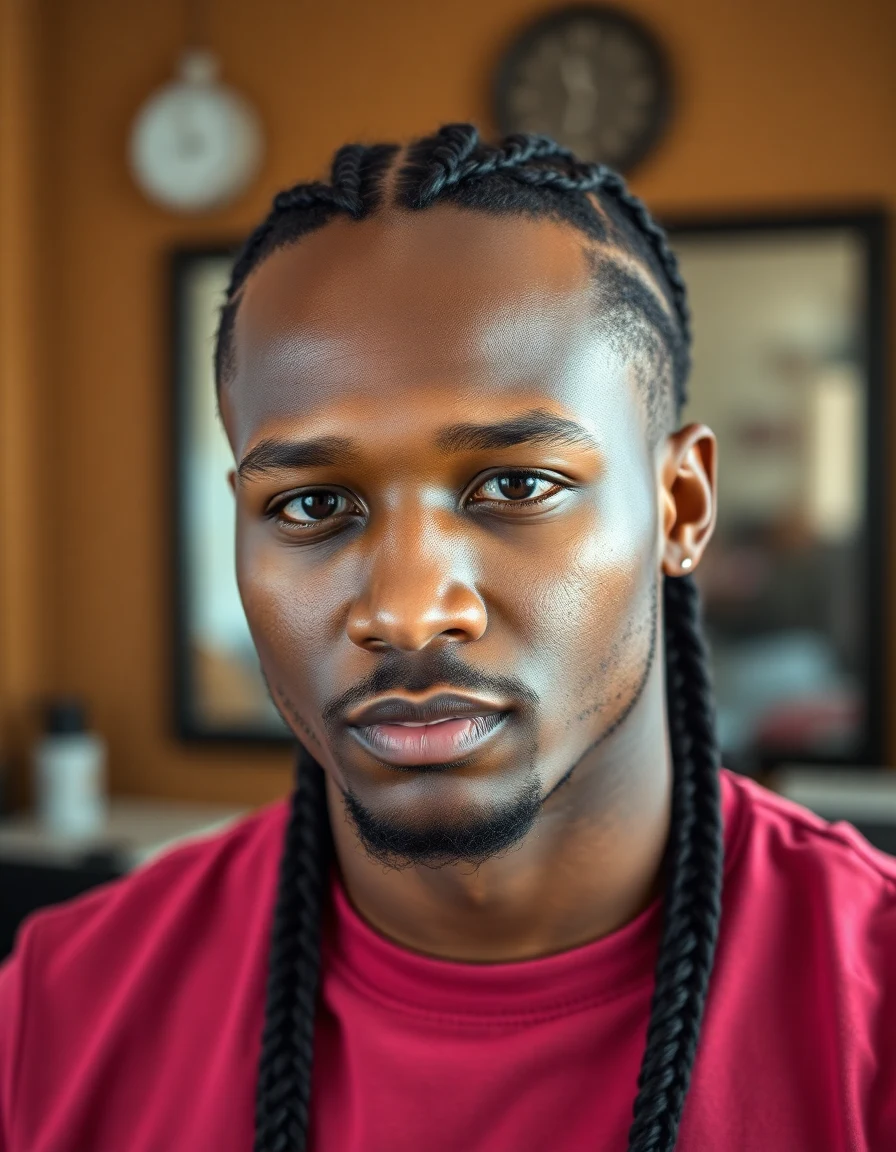
When “So Far Gone” dropped in 2009, Drake’s grooming started shifting. You can see it in the music video for “Best I Ever Had.” The hair is slightly longer, maybe two inches on top with some curl definition. The lineup is starting to appear but it is not surgical yet. He is experimenting with facial hair for the first time, growing a light stubble that would eventually become part of his signature.
This transitional era is one many men recognize in their own lives. You start caring about your appearance. You find a barber you trust. You start noticing the difference between a fresh cut and a grown-out one. Drake was in that exact phase publicly, and his grooming evolved in real time alongside his music career.
By the time “Thank Me Later” released in 2010, the transformation was accelerating. The lineup was getting cleaner. The hair on top was still showing curl texture but was kept shorter and more intentional. The beard was filling in. You could see the OVO aesthetic forming before it had a name.
How to get this look: Ask your barber for a taper fade on the sides with about one and a half inches of length on top. Get a lineup but keep it slightly soft, not razor-sharp. Let your natural curl pattern show. Maintain a light stubble beard. Use a curl enhancing product to define the texture without weighing it down.
Era 3: The OVO Signature Buzz (2011 to 2015)
The Style: Number 1 or 0.5 buzz cut all over, razor-sharp lineup, light stubble beard with defined edges.
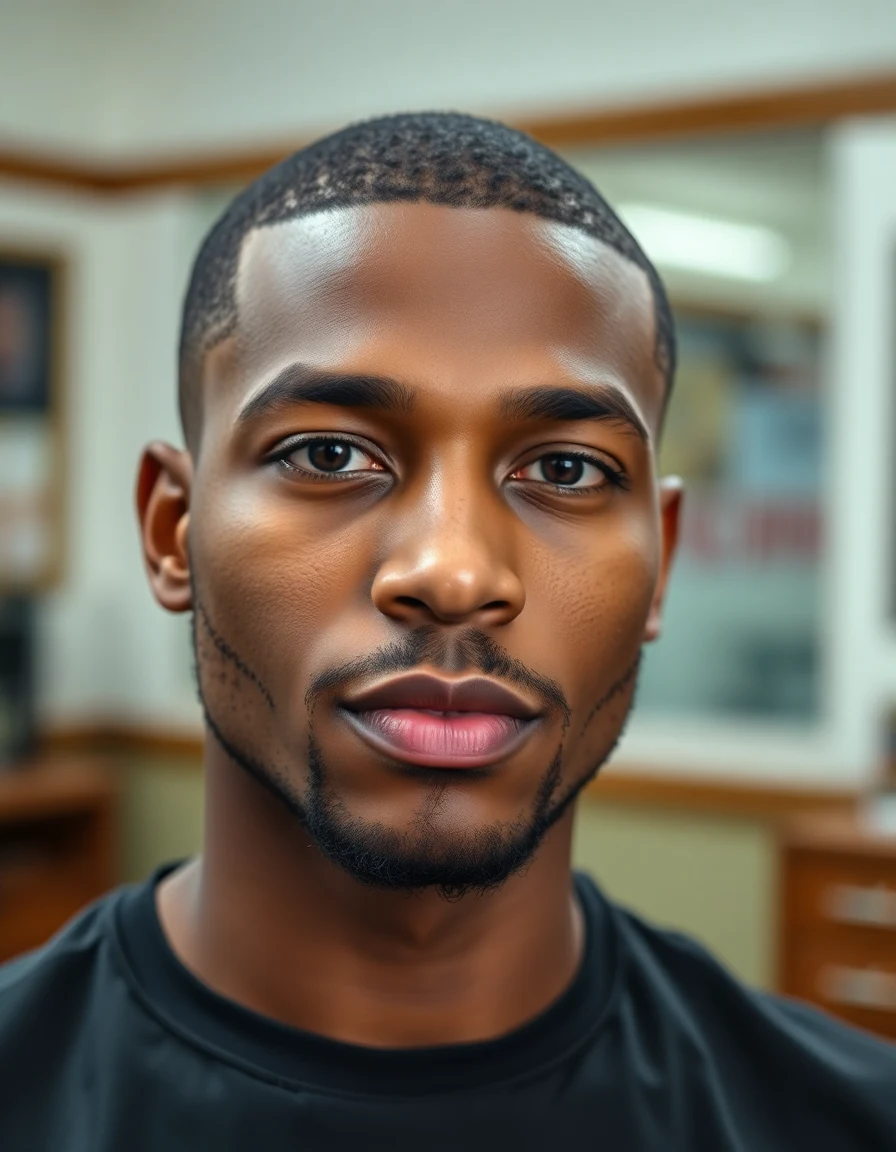
This is the one. This is the Drake haircut. When people say “the Drake,” this is the era they are talking about.
Starting around the “Take Care” album in 2011 and running through “If You’re Reading This It’s Too Late” in 2015, Drake locked in on a formula and did not deviate. The hair was buzzed extremely short, somewhere between a half guard and a number 1 guard. The lineup was absolute precision. We are talking about edges so clean they looked computer-generated. The front hairline was straight and horizontal. The temples were squared off with geometric accuracy. The sideburns connected into a light stubble beard that was shaped and maintained just as precisely as the hairline. Mastering drakes haircut evolution takes practice but delivers great results.
This look worked for multiple reasons. First, it was low maintenance in concept but high maintenance in execution. The cut itself is simple, but keeping that lineup fresh requires barber visits every five to seven days. Second, it framed Drake’s face perfectly. The clean lines drew attention to his features without any hair competing for attention. Third, and most importantly for the culture, it elevated the buzz cut from “I just need something quick” to “this is a deliberate style choice.”
The ripple effect was massive. Barbershops across North America reported that lineup requests became more specific after Drake’s rise. Men were not just asking for a “shape-up.” They were asking for the Drake shape-up, which meant tighter, cleaner, and more precise than what many barbers were doing as standard. It raised the bar for the entire industry.
Key detail: Drake’s lineup during this era featured a slightly squared-off hairline rather than a rounded one. The corners at the temples were sharp right angles, not curved. This specific shape became the template that millions of men brought to their barbers as reference photos.
How to get this look: Tell your barber you want a buzz cut at a number 1 guard all over. Ask for a skin fade on the sides blending from a zero at the temples. Request a razor-sharp lineup with a straight horizontal front hairline and squared-off temples. For the beard, maintain stubble at a number 1 or 2 guard and have your barber line up the cheek line and neckline. To maintain this at home between visits, invest in a quality trimmer. The Andis T-Outliner is the industry standard for precision edge work, and the Bevel Trimmer is specifically designed for men with textured hair.
Era 4: The Peak and Hard Part Era (2016 to 2018)
The Style: Buzz cut with fade variations, hard part line, fuller beard.
As Drake’s dominance in music peaked with “Views” (2016) and “Scorpion” (2018), his grooming began evolving in subtle but important ways. The foundation remained the same buzz cut and lineup, but he started experimenting with elements that added dimension to the basic template.
The most notable addition was the hard part. A hard part is a line shaved into the side of the head, usually about two to three inches above the ear, that creates the illusion of a deep side part. Drake wore this look on and off throughout 2016 and 2017, and it added a level of sophistication to his signature buzz. The hard part transforms a simple short cut into something that looks intentionally designed, like architecture for your head.
During this era, he also played with fade variations more aggressively. Some appearances showed a low fade that blended so gradually it was almost invisible. Other times, the fade started higher, closer to a mid fade that created more contrast between the top and sides. The beard also became fuller, moving from light stubble to a more established short beard that gave his overall look more maturity.
This era is important because it showed men that you can keep the same foundational haircut and still evolve. You do not need a dramatic transformation to look fresh. Sometimes a hard part, a slightly different fade height, or a fuller beard is enough to signal that your style is moving forward.
How to get this look: Start with the same OVO buzz cut base (number 1 guard on top). Ask your barber for a low to mid fade on the sides and a hard part line about two inches above your left ear (or right ear, depending on which side you prefer). The hard part should be about two inches long and razor-thin. Keep the beard at a number 2 to 3 guard and shape the cheek line with a slight curve. Use the BabylissPRO GoldFX Clipper for the bulk work and the Andis T-Outliner for the detail lines.
Era 5: The Heart Shape Era (2018 to 2020)
The Style: Buzz cut with a heart-shaped or peaked design shaved into the front hairline.
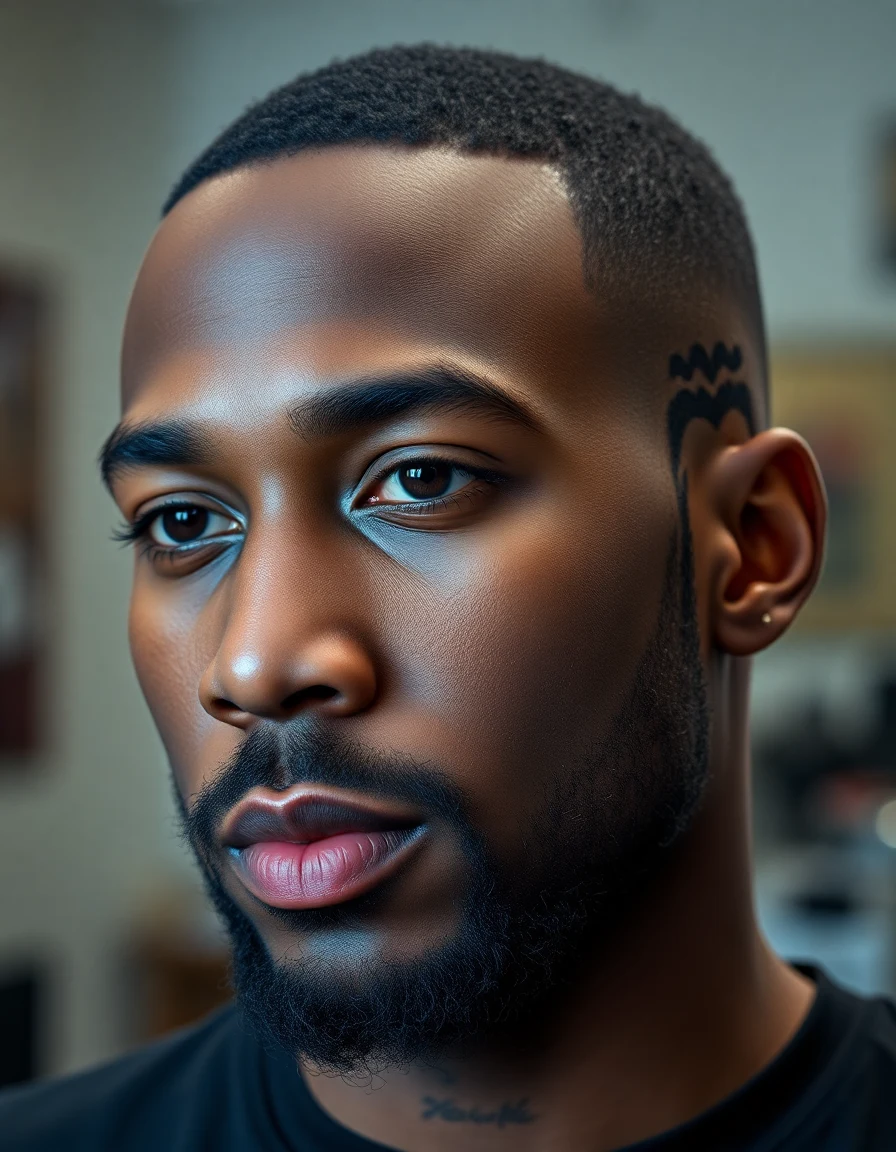
Let me be honest. When Drake first showed up with the heart-shaped hairline, social media went absolutely nuclear. The memes were instant and merciless. People compared it to everything from the Joker’s widow’s peak to a McDonald’s logo. But here is what I will say as someone who analyzes grooming trends for a living: that reaction is exactly why it worked.
The heart shape (or more accurately, a double-peaked hairline design) appeared around 2018 and became a recurring element through 2020. The concept was simple but bold. Instead of the standard straight horizontal lineup across the front, Drake’s barber created a subtle heart or “W” shape at the center of the hairline. The two peaks dipped down slightly at the center, creating a shape that vaguely resembled a heart from the front.
Was it for everyone? No. Did some people hate it? Absolutely. But it did something that most celebrity haircuts never do: it started a conversation about men’s grooming that went far beyond the barbershop. News outlets covered it. Sports commentators mentioned it. The heart hairline became one of the most discussed men’s grooming choices of the decade. And in the world of personal branding, attention is the point.
There is also a deeper cultural layer here. In Black barbershop tradition, hairline designs and shapes have a long history. From carved parts to geometric patterns to initials and logos, the idea of using the hairline as a canvas is not new. Drake took that tradition and applied it to the biggest stage in entertainment. Whether you liked the heart or not, he was honoring a barbershop art form.
How to get this look: This is an advanced barber request. You need a barber who is comfortable with custom hairline designs. Ask for a buzz cut at a number 1 guard, standard fade on the sides, and a custom peaked or heart-shaped design at the front hairline. Bring clear reference photos from multiple angles. Understand that this look requires more frequent maintenance (every four to five days) because any hair growth at the hairline distorts the shape. This is not a low-maintenance style.
Era 6: The Braids and Longer Hair Era (2020 to 2023)
The Style: Cornrow braids in various patterns, sometimes with a fade on the sides, paired with a fuller beard.
Around 2020, Drake did something unexpected. After nearly a decade of being the buzz cut guy, he started growing his hair out. And then the braids appeared.
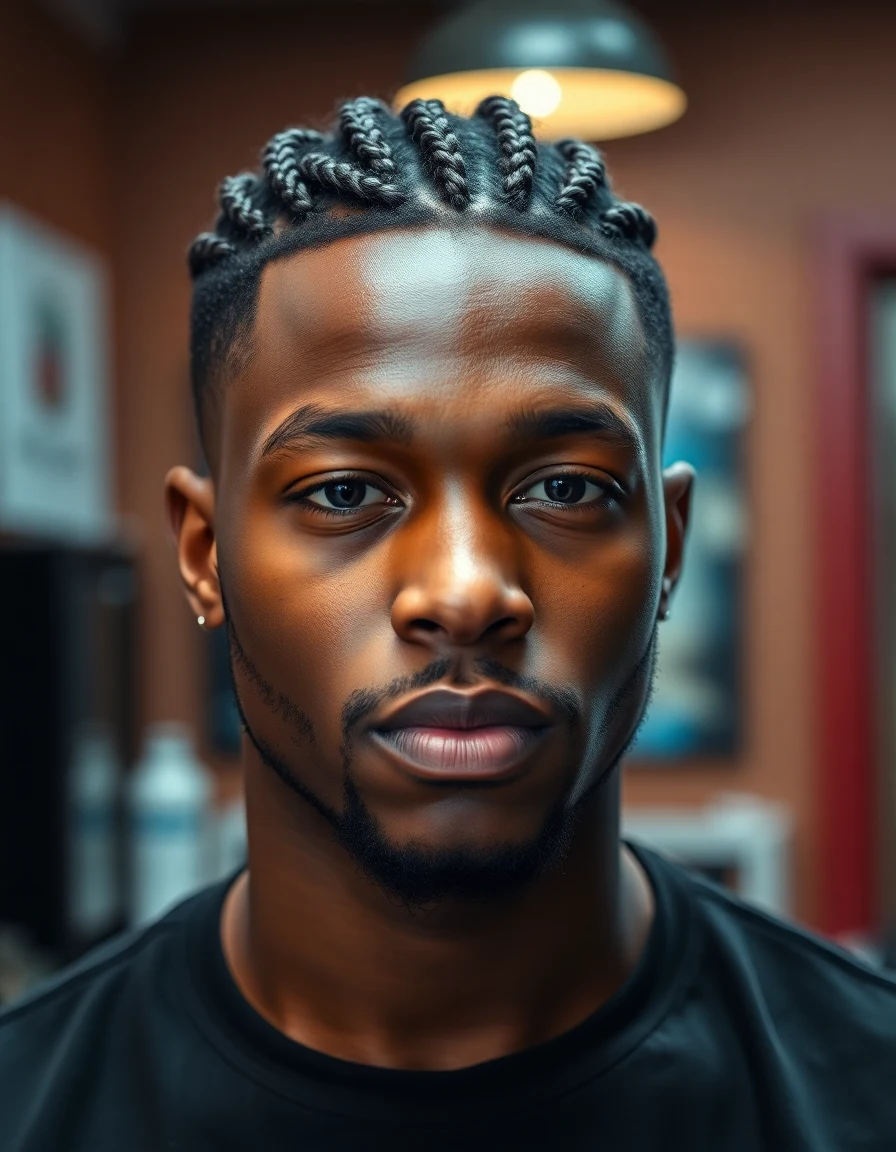
The first widely seen braided look was straight-back cornrows, a classic style in Black men’s grooming. The braids ran from the forehead to the nape of the neck in a clean, uniform pattern. The sides were sometimes faded and sometimes braided all the way down. The beard was at its fullest during this era, giving the overall look a mature, distinguished quality that contrasted with the youthfulness of braids.
Drake also experimented with different braid patterns during this period. Some appearances showed thicker, fewer braids (four to six going straight back). Others showed a more intricate pattern with eight to ten thinner braids. He occasionally wore the braids with a slightly undone, lived-in quality rather than the ultra-tight freshness of a just-braided look. This gave the style a more relaxed, off-duty feel.
For men thinking about braids, Drake’s era is a great reference point because it shows how versatile cornrows can be on shorter to medium-length hair. You do not need waist-length hair for braids. Even three to four inches of length is enough for cornrows if you have the right hair texture. Our complete guide to cornrows covers everything from the minimum length needed to maintenance schedules. Understanding drakes haircut evolution is key to a great grooming routine.
This era also coincided with a broader cultural moment. Post-2020, more Black men in professional and public-facing roles were wearing braids openly. Drake, as arguably the biggest entertainer in the world, wearing braids to events, in music videos, and on album covers helped normalize the style in spaces where it had previously been judged.
How to get this look: You need at least three inches of hair length for cornrows. Tell your braider you want straight-back cornrows, and specify the number of braids you prefer (six to eight is the most common for a Drake-inspired look). Ask for a clean edge-up at the front and a tapered neckline at the back. If you want the fade variation, get a skin fade from the temple down before braiding the top. Maintain the braids for two to three weeks, then take them down, deep condition, and re-braid. Use a moisture-based product on the braids to prevent dryness and keep the edges laid.
Era 7: The Return and Current Look (2024 to 2026)
The Style: Clean buzz cut return, sometimes with slight length on top, paired with a fuller, more mature beard.
By 2024, Drake had cycled back to familiar territory. The braids made occasional appearances, but the dominant look was a return to the buzz cut aesthetic that built his visual brand. However, this version was different from the 2011-2015 original in important ways.
The beard is now a permanent fixture and carries more weight in the overall look. Where the early OVO era featured light stubble, the 2024-2026 Drake is wearing a medium-length, well-shaped beard that adds maturity and distinction. The buzz cut length has varied from a near-zero guard to a slightly longer number 2 that shows more of his curl texture. The lineup remains pristine, but there is a slight softness to the overall aesthetic that reflects where he is in life: a man in his late 30s who no longer needs to prove anything with his style.
The current era also features more variety than his earlier periods of consistency. In the same month, you might see Drake with a tight buzz at a public appearance, slightly grown-out curls on Instagram, and braids at a private event. This flexibility suggests a man who is no longer locked into a single signature but comfortable rotating through a wardrobe of styles that all share the same foundation: precise grooming, clean edges, and intentional presentation.
This is honestly the most relatable Drake grooming era for everyday men. It says you do not need to pick one haircut and commit to it forever. You can have a rotation. The constant is not the specific style. The constant is the standard of grooming.
How to get this look: Ask your barber for a buzz cut at a number 1 to 2 guard on top, with a skin fade on the sides. Get a sharp lineup but communicate that you want a natural-looking hairline, not an overly geometric one. For the beard, let it grow to about half an inch and shape it with a Bevel Trimmer or have your barber maintain the lines. The key is keeping both the hair and beard at a consistent length and shape. Weekly touch-ups are ideal.
How to Ask Your Barber for a Drake Haircut
Walking into the barbershop and saying “give me the Drake” is a starting point, but it is not specific enough. Drake has had at least seven distinct eras. Your barber needs to know which one. Here is how to communicate each request clearly. For broader advice on communicating with your barber, check our complete guide on how to ask for a haircut.
For the Classic OVO Buzz Cut (Most Requested)
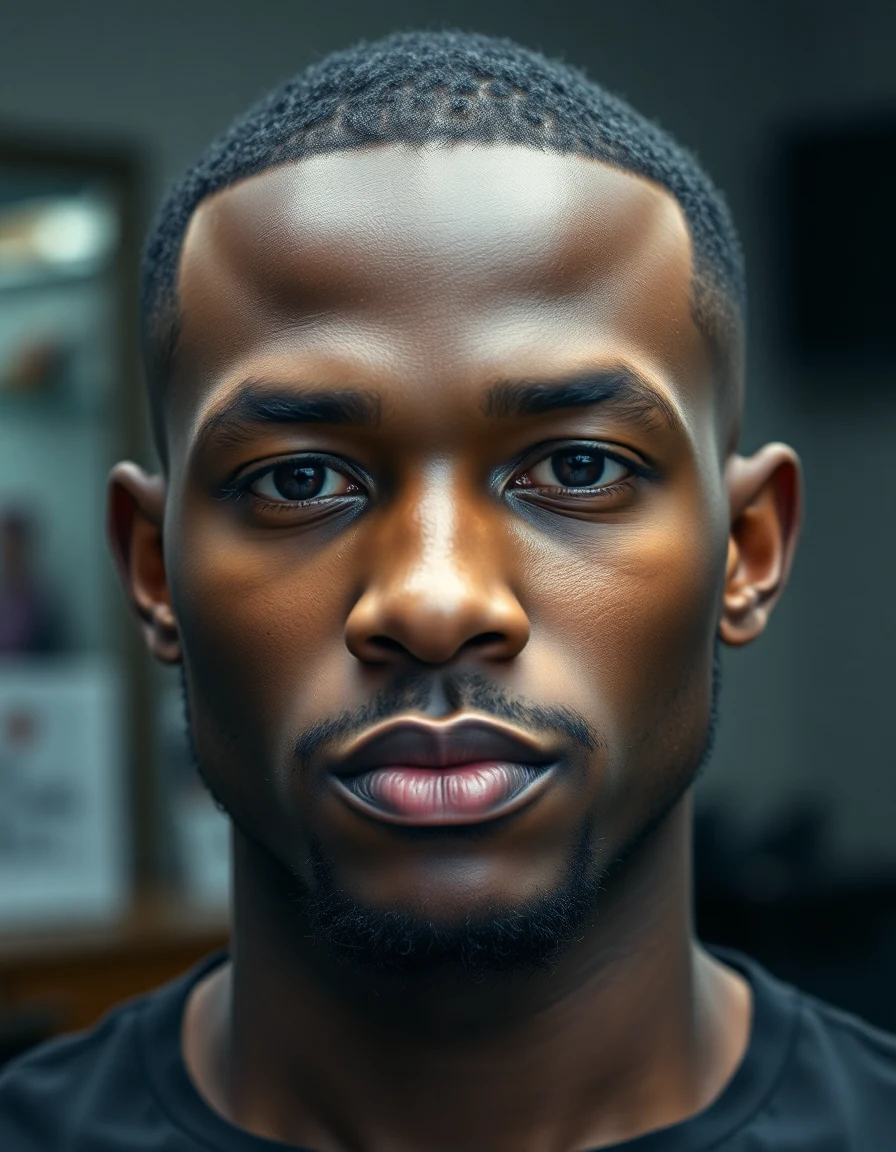
- “I want a buzz cut at a number 1 guard all over the top.”
- “Skin fade on the sides, starting from a zero at the temples.”
- “Razor-sharp lineup with a straight front hairline and squared-off temples.”
- “Light stubble on the beard, shaped and lined up.”
- Bring a reference photo from the 2013-2014 era for the cleanest example.
For the Fade with Hard Part
- “Same buzz cut base, number 1 on top.”
- “I want a hard part on the left side, about two inches above the ear, razor thin.”
- “Low fade on the sides blending to skin.”
- “Medium beard, shaped cheek line.”
- Bring a reference photo from the 2016-2017 “Views” era.
For the Braids
- “Straight-back cornrows, six to eight braids.”
- “Clean lineup at the front, tapered neckline.”
- “Keep the braids medium-tight. Not overly slicked down.”
- Bring a reference photo from 2021 for the most common pattern.
General Tips for Any Drake-Inspired Cut
- Always bring photos. Show front, side, and three-quarter angles if possible.
- Discuss your hair texture. If your texture is different from Drake’s (4C versus 3B, for example), your barber may need to adjust the guard length or fade style to achieve a similar visual effect.
- Ask about the lineup shape. Squared versus rounded temples makes a significant difference in the final look.
- Confirm the beard integration. Drake’s looks always feature seamless connection between the hairline and the beard. Make sure your barber addresses both.
The Lineup: Why It Matters More Than You Think
If you take one lesson from Drake’s grooming legacy, let it be this: the lineup is everything.
In Black barbershop culture, the lineup is not just a finishing touch. It is the foundation. A lineup communicates discipline, attention to detail, and self-respect. A fresh lineup makes a two-week-old haircut look like it happened yesterday. A sloppy lineup ruins an otherwise perfect cut. Drake understood this instinctively, and his commitment to razor-sharp edges elevated the standard for an entire generation.
Here is what a proper lineup involves:
- The front hairline: This is the most visible part of your edge-up. Drake’s front line is characteristically straight and horizontal, creating a clean frame above the forehead. Some men prefer a slightly rounded or curved hairline, which is equally valid but gives a different aesthetic.
- The temples: This is where Drake’s barber earns their money. The temple area needs to be squared off with precise right angles. The line from the hairline to the sideburn should be clean and deliberate.
- The sideburns: The sideburns should taper naturally or be lined into a defined shape that connects with the beard (if you have one).
- The neckline: Though less visible, the back neckline should be tapered or squared off to match the precision of the front.
To maintain your lineup between barber visits, invest in a proper set of lineup clippers. The Andis T-Outliner is what most professional barbers use for edge work. For a home-friendly option, the Bevel Trimmer was literally designed for this purpose, with a blade shaped for textured hair edges. You can extend the life of a fresh barbershop lineup by three to four days with careful touch-ups at home.
Learn more about keeping your cut looking sharp between visits in our guide to how to maintain a fade.
Products You Need for a Drake-Level Cut
The Drake look appears simple, but maintaining it requires the right tools and products. Here is what I recommend based on each era and element.
For the Buzz Cut and Lineup
- Wahl 5 Star Senior for the bulk cut. This is a professional-grade clipper that handles the all-over buzz cleanly and efficiently. It is what many barbers use as their primary clipper.
- Andis T-Outliner for the lineup. The T-shaped blade is the industry standard for edge work. Zero-gap it (or have your barber do it) for the sharpest possible lines.
- Frederick Benjamin Lineup Gel for holding your lineup in place between cuts. This gel is specifically formulated for edge control without the flaking or buildup that generic gels leave behind.
For the Beard
- Bevel Trimmer for beard shaping and lineup maintenance at home. Designed for men with textured hair, it handles both the hairline and beard line with one tool.
- Scotch Porter Beard Balm for conditioning and light hold. Keeps the beard soft, shaped, and moisturized without looking greasy. Scotch Porter is a Black-owned brand that formulates specifically for textured facial hair.
For a comprehensive breakdown of beard grooming tools, check our guide to the best beard trimmers for Black men. And for styling inspiration beyond Drake, our Black men beard styles guide covers 25+ options from stubble to full beard.
For the Braids Era Look
- SheaMoisture Curl Enhancing Smoothie to prep hair before braiding and maintain moisture while braids are in.
- Murray’s Pomade in small amounts for laying edges around the braids. A little goes a long way. Too much creates buildup that is difficult to wash out.
- A durag or wave cap at night to protect braids while sleeping and keep the edges laid.
For men looking to achieve the best possible results with clippers at home, our best clippers for Black men guide ranks every major option by price, performance, and suitability for different hair textures.
Adapting the Drake Cut for Your Hair Texture
Drake’s hair sits in the 3B to 3C range, which means loose to medium curls with some definition. If your texture is different, here is how to adapt each look.
For 4A to 4C Hair
If you have tighter coils, the buzz cut translates perfectly. In fact, many barbers argue that fades look their best on 4C texture because the density of the coils creates a smooth, velvety appearance at short lengths. The lineup works identically on tighter textures. For the braids, you actually have an advantage because 4C hair holds braids longer and tighter than looser curl patterns. The only adjustment is guard length: you may want a number 0.5 instead of a number 1 because 4C hair at a number 1 can appear slightly longer than Drake’s look at the same setting.
For 3A to 3B Hair
If your curl pattern is similar to Drake’s, you can follow the guides above almost exactly. Your main consideration is curl definition at slightly longer lengths. When Drake grows his hair out to a number 2 or 3 guard, his curls start to show. If your curls are looser, that same length might look wavier or less structured. Use a light curl cream to add definition without weight. When it comes to drakes haircut evolution, technique matters most.
For 2A to 2C Hair (Wavy to Loosely Curly)
The buzz cut works great on straight to wavy hair. The fade and lineup are universal techniques. The main visual difference is that you will not get the same coiled texture on top that gives Drake’s buzz its distinctive look. At very short lengths this is barely noticeable. At slightly longer lengths, consider asking for a textured crop on top to add visual interest where curl texture would normally do the work.
Maintenance Schedule: Keeping the Cut Fresh
One thing people underestimate about the Drake haircut is the maintenance commitment. This look is not a “get it cut and forget it” style. Here is the reality.
| Element | Frequency | Professional or DIY |
|---|---|---|
| Full buzz cut | Every 7 to 10 days | Professional recommended |
| Lineup touch-up | Every 3 to 5 days | DIY between barber visits |
| Fade blend | Every 7 to 10 days | Professional only |
| Beard shaping | Every 2 to 3 days | DIY with quality trimmer |
| Braids maintenance | Every 2 to 3 weeks | Professional braider |
| Scalp moisturizing | Daily | DIY |
The average cost of maintaining a Drake-level buzz cut with a weekly barber visit runs between $120 and $200 per month depending on your city. In major metros like Toronto, New York, or Los Angeles, expect the higher end. A good lineup specialist may charge $30 to $50 per session. The investment is real, but the results speak for themselves. If weekly visits are not in the budget, learn to maintain the lineup at home and visit the barber every two weeks for the full reset.
Drake’s Broader Impact on Black Men’s Grooming
Drake’s influence on men’s grooming extends well beyond the specific cuts he wears. Here are the cultural shifts he helped accelerate.
1. The Barber as Essential, Not Optional
Before Drake’s era, plenty of men treated the barbershop as a once-a-month obligation. Drake’s consistently perfect lineup made weekly barber visits aspirational. The message, intentional or not, was that grooming at this level requires commitment and a skilled professional. It elevated the barber from service provider to essential collaborator in a man’s presentation.
2. Simplicity as Luxury
In a culture that often equates complexity with value, Drake proved the opposite. A perfectly executed buzz cut with surgical edges carries more visual impact than an elaborate style done at 80 percent. This philosophy has influenced how an entire generation thinks about grooming: it is not about doing the most. It is about doing the basics at the highest level.
3. Biracial Representation in Grooming
Drake’s visibility as a biracial man (Black and Jewish) who fully embraced Black barbershop culture was significant for mixed-race men who often feel caught between grooming traditions. His commitment to lineups, fades, and braids centered him in Black grooming culture while his texture and complexion represented a look that many biracial men saw reflected for the first time at the highest level of celebrity.
4. The Beard as Co-Equal to the Haircut
Drake’s gradual development of his beard from bare-faced to light stubble to full beard demonstrated that the beard and haircut are not separate decisions. They are one look that needs to be considered together. His barber always treats the hairline and beard line as connected elements of the same design. This integrated approach has become the standard expectation in modern barbershops.
5. Permission to Evolve
By going from buzz cut to braids and back, Drake showed men that changing your hairstyle does not have to be a dramatic identity shift. You can rotate styles based on how you feel, what season of life you are in, or simply because you want something different. That permission to evolve without explanation is something men’s grooming culture needed.
Complete “Get the Look” Breakdown
Here is a quick-reference chart for each Drake era with exact specifications.
| Era | Top Length | Sides | Lineup Style | Beard | Difficulty |
|---|---|---|---|---|---|
| Degrassi (2001-2009) | 1-2 inches, natural | Same length | None | None | Easy |
| Mixtape Rise (2009-2011) | 1.5 inches, curly | Taper fade | Soft, developing | Light stubble | Easy |
| OVO Signature (2011-2015) | Number 1 guard | Skin fade | Razor-sharp, squared | Shaped stubble | Medium |
| Hard Part (2016-2018) | Number 1 guard | Low to mid fade + hard part | Razor-sharp | Short beard | Medium |
| Heart Shape (2018-2020) | Number 1 guard | Skin fade | Custom heart/peak design | Medium beard | Hard |
| Braids (2020-2023) | 3+ inches, cornrows | Fade or braided | Clean edge-up | Full beard | Medium |
| Current (2024-2026) | Number 1-2 guard | Skin fade | Sharp but natural | Full medium beard | Medium |
Frequently Asked Questions
What is Drake’s most iconic haircut?
Drake’s most iconic haircut is the OVO buzz cut with a razor-sharp lineup. This style dominated from roughly 2011 through 2015 and became one of the most requested cuts in barbershops across North America. The look features a very short buzz (number 1 or 0.5 guard) all over with an extremely precise edge-up that creates clean geometric lines at the forehead, temples, and sideburns. It became synonymous with the OVO brand aesthetic and influenced an entire generation of men to prioritize their lineups.
How do I ask my barber for a Drake haircut?
For the classic Drake look, ask your barber for a buzz cut at a number 1 guard length all over with a skin fade on the sides blending from a zero at the temples. Request a razor-sharp lineup with a straight horizontal hairline across the front and clean defined temples. If you want the beard component, ask for the stubble to be shaped and lined up to connect with the hairline. Bring a reference photo to your appointment because “give me the Drake” can mean different things depending on the era.
How often does Drake get his haircut?
Based on the consistency of his lineup and fade, Drake likely visits his barber every five to seven days. Maintaining the level of precision seen in his edge-up requires frequent touch-ups because hair grows approximately one-eighth of an inch per week. Most men who want a Drake-level lineup should plan for weekly or biweekly barber visits at minimum. Between visits, you can maintain the lineup at home with a quality trimmer like the Andis T-Outliner or Bevel Trimmer.
Can I get Drake’s haircut with a different hair texture?
Yes, but results will vary based on your hair type. Drake has a mixed-texture curl pattern typical of biracial hair (roughly 3B to 3C). If you have 4C hair, the buzz cut will look slightly different in texture but the lineup and fade translate perfectly. If you have straighter hair (2A to 2C), the buzz cut works great but you may not get the same slight curl texture on top. The lineup and fade are universal techniques that work on all hair types. The key is having a barber skilled with your specific texture.
What clippers does Drake’s barber use?
While we cannot confirm the exact tools, professional barbers at Drake’s level typically use high-end clippers like the BabylissPRO GoldFX or Wahl 5 Star Senior for the bulk cut, paired with an Andis T-Outliner for the lineup detail work. For home maintenance between appointments, the Bevel Trimmer is an excellent option designed specifically for textured hair and precise lineups.
How did Drake’s hairstyle change over the years?
Drake’s hair evolution spans seven distinct eras. From 2001 to 2009 during his Degrassi years, he wore a simple short afro with no real styling. From 2009 to 2011, he grew his hair slightly longer with soft curls and started developing his lineup. From 2011 to 2015, he established the signature OVO buzz cut with the razor lineup. From 2016 to 2018, he added hard parts and fuller fades. From 2018 to 2020, he introduced the heart-shaped hairline design. From 2020 to 2023, he explored cornrow braids. From 2024 onward, he returned to the buzz cut with a fuller, more mature beard.
What beard style does Drake have?
Drake typically maintains a closely trimmed, well-shaped beard that connects seamlessly with his hairline. The beard length has varied from light stubble during the early OVO era to a fuller medium-length beard in more recent years. The beard always features a clean defined cheek line and a precise neckline. For similar results, invest in a quality beard trimmer and maintain your cheek and neckline every two to three days. Check our Black men beard styles guide for more options.
Final Word
Further reading: For research-backed grooming advice, see Healthline Men’s Health.
The Drake haircut is more than a celebrity style. It is a case study in what happens when a man commits to grooming excellence and maintains that commitment across decades. From the raw, unstyled Degrassi days to the OVO buzz cut that defined an era to the bold heart shape experiment to the braids that showed he could evolve, Drake’s hair journey mirrors the grooming journey every man goes through. You start simple. You find your signature. You experiment. You return to what works. And through it all, the foundation stays the same: clean edges, intentional choices, and a barber you trust.
Whatever version of the Drake cut speaks to you, the starting point is the same. Find a skilled barber, communicate clearly, invest in the right tools, and commit to the maintenance. The lineup waits for no one.
Looking for more celebrity-inspired cuts? Explore our complete library of fade styles, buzz cut variations, and 360 wave guides to build your own signature rotation.
Frequently Asked Questions
What is Drake’s most iconic haircut?
Drake’s most iconic haircut is the OVO buzz cut with a razor-sharp lineup that dominated from 2011 through 2015. This clean, minimalist style became one of the most requested cuts at barbershops and helped establish Drake’s influence on men’s grooming trends across cultures.
How can you get Drake’s signature 360 waves?
To get Drake’s signature 360 waves, you need to start with a proper cut, use a quality brush daily to lay your waves, and wear a durag or wave cap regularly to set the pattern. Consistent maintenance with products like Murray’s Pomade or SheaMoisture Curl Enhancing Smoothie helps maintain wave definition over time.
What clippers should you use to recreate Drake’s lineup style?
For Drake’s sharp lineup style, you’ll want professional-grade clippers like the Andis Professional T-Outliner, BabylissPRO GoldFX Clipper, or Wahl 5 Star Senior paired with a quality lineup gel like Frederick Benjamin Lineup Gel. These tools give you the precision needed to achieve that razor-sharp edge Drake is known for.
Did Drake ever wear cornrows or other protective styles?
Yes, Drake has experimented with various hairstyles throughout his career beyond the classic buzz cut, including braided and textured styles that showcase different cultural grooming traditions. Learning how to properly maintain different styles like cornrows ensures you can switch between looks while keeping your hair healthy and well-groomed.