
Last updated: February 2026 by Karim Haddad, Levantine Grooming Expert
The first time I visited a barbershop in Riyadh, I realized I had been trimming my beard wrong for years. Back home in Beirut, my beard routine was casual: a quick trim every few weeks, no real shape, just keeping it from getting too wild. But watching the Saudi barber work was like watching a sculptor. He spent forty-five minutes on a single client’s beard, using straight razors, precision trimmers, and tiny scissors to create lines so clean they looked painted on. The result was unmistakable: the Gulf-style beard. Full, luxurious, perfectly defined, and absolutely immaculate.
The Gulf beard aesthetic, rooted in the grooming traditions of Saudi Arabia, the UAE, Kuwait, Qatar, Bahrain, and Oman, is arguably the most refined beard style in the world. It celebrates fullness and density while demanding precision in the cheek line, neckline, and overall shape. For Middle Eastern men blessed with thick, fast-growing facial hair, achieving this look is absolutely possible at home with the right tools, technique, and maintenance routine. For expert guidance on this topic, consult Healthline’s expert men’s grooming guidance.
This guide breaks down the Gulf-style beard step by step: what defines the aesthetic, the tools you need, a detailed trimming tutorial, the beard oil routine that keeps it looking its best, and the common mistakes that separate a polished Gulf beard from a merely full one.
What Defines the Gulf-Style Beard
The Gulf-style beard has several distinguishing characteristics that set it apart from other beard styles popular around the world. Understanding these elements is the first step to achieving the look.
Full, Even Coverage
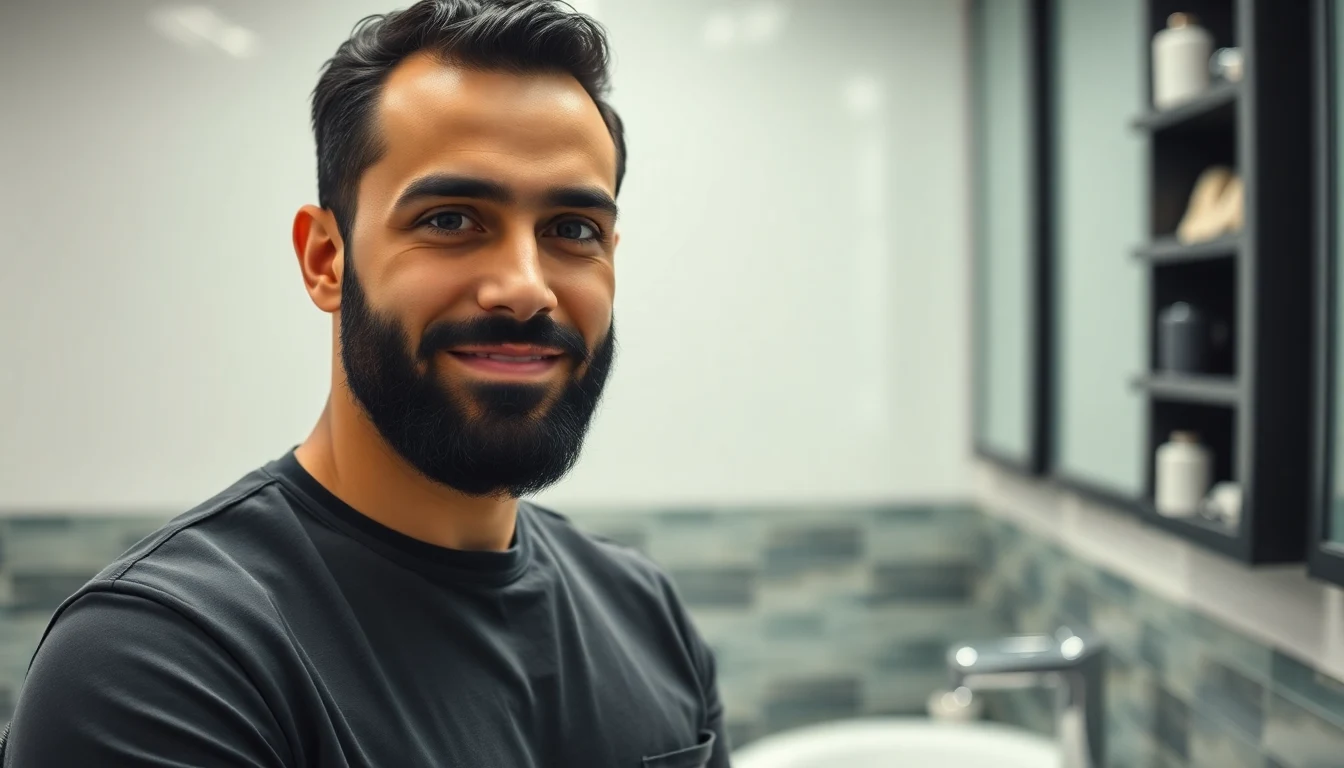
The Gulf beard is full but not wild. It covers the entire lower face with even density, from the sideburns through the cheeks, jawline, chin, and mustache. Thin or patchy areas are groomed to appear as even as possible, and the overall impression is one of density and health. This is not a “let it grow and see what happens” beard. It is a carefully cultivated fullness that requires regular trimming to maintain uniform length across all areas.
Defined Cheek Line
The cheek line is where the Gulf beard makes its most dramatic statement. Rather than a natural, irregular cheek line where hairs grow at different heights, the Gulf aesthetic demands a clean, intentional line that follows the natural contour of the cheekbone. This line is typically slightly curved, following the arc from the sideburn down to the corner of the mustache. Some men prefer a higher cheek line for a more dramatic look, while others keep it lower for a more conservative appearance. The key is that the line is visible, clean, and symmetrical on both sides.
Clean Neckline
The neckline is cleaned up but not over-trimmed. The Gulf approach places the neckline along the natural crease where the underside of the jaw meets the neck, creating a clean distinction between beard and neck without the overly sculpted look of an artificially high neckline. The area below the neckline is completely clean-shaven or very closely trimmed, creating a sharp contrast that makes the beard appear thicker by comparison.
Moderate to Medium Length
The typical Gulf-style beard length ranges from half an inch to two inches, depending on personal preference and the formality of the setting. Shorter Gulf beards (fist-length in Islamic tradition) are common in professional and formal contexts, while longer beards are seen in more traditional or religious settings. Regardless of length, the key characteristic is uniformity. Every section of the beard is trimmed to the same length, creating a neat, block-like shape rather than a tapered or naturally shaped silhouette.
Well-Groomed Mustache
The mustache in the Gulf aesthetic is kept neat and trimmed above the lip line. The hair does not hang over the upper lip, and the corners of the mustache blend seamlessly into the rest of the beard. Some men trim the mustache slightly shorter than the beard for a cleaner eating and drinking experience, while others keep it at the same length but meticulously combed away from the lip.
Essential Tools for Gulf-Style Beard Grooming
Achieving the precision that the Gulf-style beard demands requires the right tools. Attempting this style with a basic trimmer and no additional equipment will lead to frustration and uneven results. Here is what you need.
Beard Trimmer With Adjustable Guard
A high-quality beard trimmer with adjustable length guards is your primary tool. Look for a trimmer with 0.5mm length increments, a sharp stainless steel or titanium blade, and a powerful motor that does not stall on thick hair. Premium trimmers from Philips or Wahl provide the precision and power needed for thick Middle Eastern facial hair. Avoid budget trimmers that pull or snag on coarse beard hair, as they produce uneven results and make the process painful. Mastering gulf-style beard trimming guide takes practice but delivers great results.
Precision Detail Trimmer
A separate detail trimmer with a narrow blade is essential for defining the cheek line and cleaning up the neckline. The main trimmer is too wide for precise line work. A detail trimmer with a blade width of 15 to 20mm gives you the control needed to create the sharp lines that define the Gulf aesthetic. Many barbers use the Wahl Detailer or similar professional-grade detail trimmers.
Straight Razor or Safety Razor
For the absolute cleanest cheek and necklines, nothing beats a razor. After defining your lines with a detail trimmer, use a straight razor or safety razor to shave the areas outside the beard boundary completely smooth. This creates the maximum contrast between bearded and clean-shaven skin, which is a hallmark of the Gulf style. If you are not comfortable with a straight razor, a single-blade safety razor provides similar precision with less skill required.
Beard Comb and Brush
A wide-tooth wooden beard comb detangles and shapes the beard before trimming. Combing the beard out fully before trimming ensures that you achieve a truly even length, as tangled or compressed hairs will appear shorter than they actually are. A boar bristle beard brush is used for daily maintenance to distribute oils, train the hair direction, and maintain the overall shape between trims.
Small, Sharp Scissors
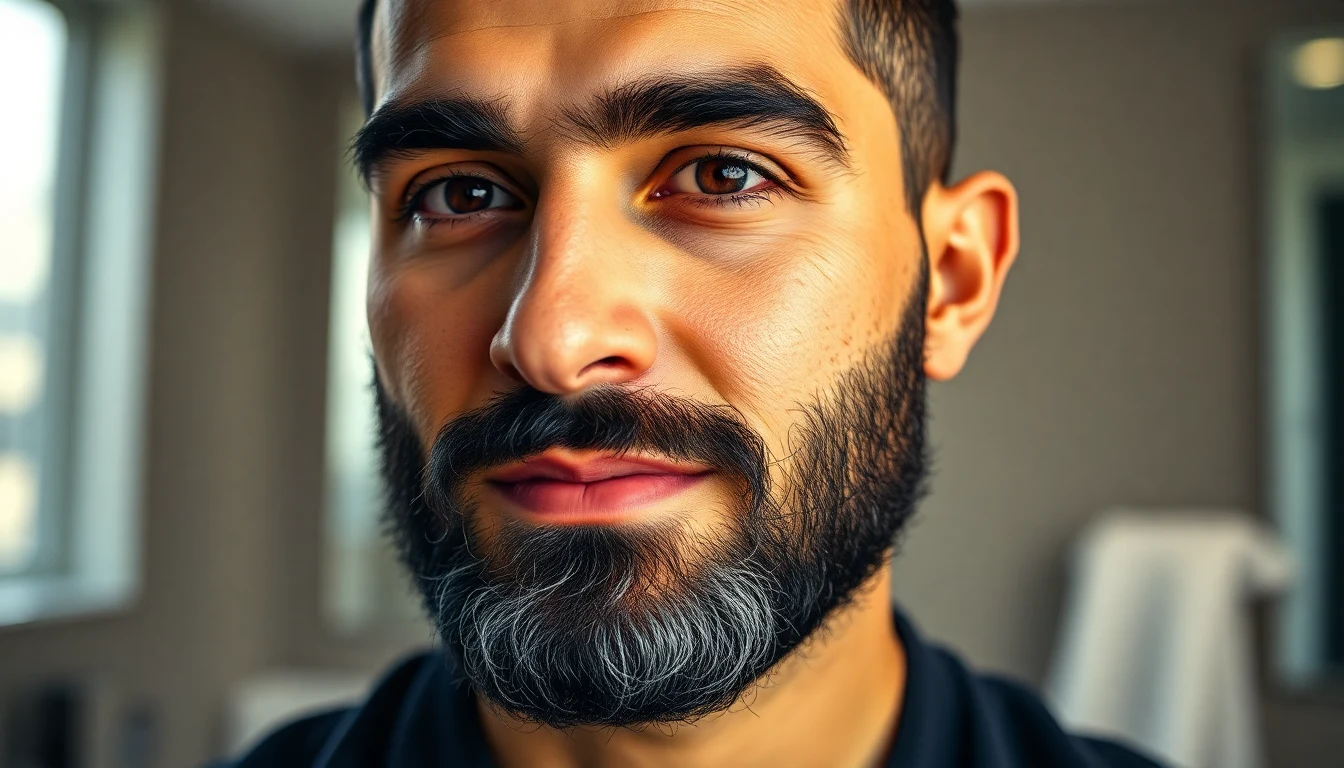
Beard scissors handle the detail work that trimmers miss: stray hairs that stick out at odd angles, mustache hairs that curl over the lip, and minor length inconsistencies that are visible up close. A pair of 4 to 5 inch stainless steel scissors with sharp, straight blades is all you need.
Step-by-Step Gulf-Style Beard Trimming Guide
This step-by-step process assumes your beard is already grown to your desired length. If you are growing from a shorter style, allow at least four to six weeks of growth before attempting to shape into the Gulf style, as you need sufficient length to create the defined lines.
Step 1: Wash and Dry
Start with a clean, fully dry beard. Washing removes product buildup and food particles that can interfere with trimming. Drying is critical because wet hair hangs longer than dry hair. If you trim a wet beard to your desired length, it will appear shorter once it dries. Blow-dry the beard on a low heat setting, combing it downward as you dry, to fluff it to its full volume.
Step 2: Comb It Out
Using your wide-tooth comb, comb the entire beard downward and outward from the face. This straightens any curves or tangles and reveals the true length and shape of the beard. Comb the mustache downward over the lip. Comb the cheek hair outward from the face. Comb the chin hair straight down. This full extension ensures your trimming achieves true uniformity.
Step 3: Set the Length
Attach the appropriate guard to your trimmer and set it to your desired length. For a medium Gulf beard, this is typically 10 to 15mm. For a shorter Gulf beard, 6 to 8mm. Trim the entire beard at this length, working against the grain (upward on the cheeks and chin, downward on the neck area under the jaw). Move slowly and make multiple passes to ensure every area is trimmed evenly. Pay particular attention to the areas under the chin and along the jawline, where hair density can create the illusion of longer growth.
Step 4: Define the Cheek Line
Switch to your detail trimmer (no guard). Identify where you want the cheek line to fall. The classic Gulf cheek line runs from just above the middle of the ear, curves gently downward following the cheekbone, and meets the corner of the mustache. Place the trimmer at the starting point near the ear and draw a smooth line downward to the mustache. Work slowly and remove only a small amount at a time. You can always take more off, but you cannot put it back.
After establishing the line on one side, immediately replicate it on the other side. Check symmetry frequently by stepping back from the mirror and looking at your face straight on. Minor asymmetries are normal and will not be visible at conversational distance, but significant differences between the two sides will look sloppy.
Step 5: Clean the Cheek Area
Everything above the cheek line must be completely clean. Using your detail trimmer or razor, remove all hair above the cheek line. Then apply shaving cream to the area above the line and shave with a razor for a completely smooth finish. This clean cheek area is what makes the cheek line pop and gives the Gulf beard its distinctive sharp appearance.
Step 6: Define the Neckline
Tilt your head up and locate the natural crease where the underside of your jaw meets your neck. This is your neckline. Using the detail trimmer, create a clean line along this crease from ear to ear, curving slightly below the jawbone. Do not bring the neckline up too high. A neckline that sits on the jawline itself creates a chinstrap appearance that contradicts the full, natural look of the Gulf style. The ideal neckline is approximately one to two finger-widths above the Adam’s apple. Understanding gulf-style beard trimming guide is key to a great grooming routine.
Remove all hair below the neckline with the trimmer, then shave smooth with a razor for maximum contrast. Apply aftershave balm to the freshly shaved areas to prevent irritation.
Step 7: Shape the Mustache
Comb the mustache downward and use your small scissors to trim any hairs that extend below the upper lip line. The Gulf mustache should be neat and not obstruct eating or drinking. Trim carefully, taking small amounts at a time. Comb again after each cut to check the result. The corners of the mustache should blend seamlessly into the cheek beard without a gap or visible transition.

Step 8: Detail and Refine
Using your scissors, snip any stray hairs that stick out beyond the trimmed surface of the beard. These individual rogues are the difference between a good beard and a great one. Check the beard from multiple angles: front, both profiles, and tilted down (to check the neckline). Make minor adjustments as needed. Finally, brush the beard with your boar bristle brush to settle the hairs into their natural direction and reveal any remaining inconsistencies.
The Gulf Beard Oil Routine
A Gulf-style beard is not just about the cut. It is about the condition. The beard should look healthy, glossy, and well-nourished. This requires a consistent beard oil routine that keeps the hair soft, the skin beneath it hydrated, and the overall appearance polished.
Daily Beard Oil Application
Apply beard oil immediately after showering, when the hair and skin are still slightly damp. This helps the oil absorb more effectively and lock in moisture. For a medium-length Gulf beard, four to six drops of oil is typically sufficient. Place the drops in your palm, rub your hands together, and then work the oil through the beard from underneath first (fingers pointing upward into the beard from the neck), then smooth the outer surface downward.
Follow the oil application with a thorough brushing using your boar bristle brush. This distributes the oil evenly, stimulates blood flow to the hair follicles, and trains the beard hairs to lie in your desired direction. The brushing also adds volume and shape, giving the beard that full, sculpted appearance characteristic of the Gulf style.
Choosing the Right Beard Oil
For thick Middle Eastern beard hair, you want an oil blend that combines both penetrating and coating oils. Penetrating oils like jojoba, argan, and sweet almond absorb into the hair shaft to condition from within. Coating oils like castor oil and avocado oil sit on the surface to add shine and protect against moisture loss. A quality beard oil blend that includes both types provides the comprehensive conditioning that the Gulf style demands.
Many Gulf men prefer beard oils with oud or musk fragrances, aligning the grooming routine with the broader fragrance culture of the region. If you want your beard to carry a subtle, pleasant scent throughout the day, choose an oil with natural fragrance oils rather than synthetic fragrances, which can irritate the skin beneath the beard.
Beard Balm for Extra Hold
For longer Gulf beards or in windy/humid conditions, a beard balm applied after oil provides light hold that keeps the shape intact throughout the day. Balms typically contain beeswax, shea butter, and carrier oils, offering conditioning with a touch of control. Apply a small amount (fingernail-sized), emulsify between your palms, and smooth through the beard, focusing on the sides and chin where flyaways are most visible.
Common Mistakes That Ruin the Gulf Look
Even with the right tools and technique, several common mistakes can undermine the Gulf-style beard. Here is what to avoid.
Trimming the neckline too high creates the dreaded “chinstrap” effect, where the beard appears to be pasted onto the jaw rather than growing naturally. The neckline should be at the natural jaw-neck junction, not on the jawbone itself. If you can see your neckline from the front when looking straight in the mirror, it is too high.
Making the cheek line too aggressive or artificial-looking is another common error. The Gulf cheek line should follow the natural bone structure of your face, not be a perfectly straight, geometric line. A slight curve that traces the cheekbone looks natural and refined. A straight line drawn from ear to mouth looks artificial and dated. When it comes to gulf-style beard trimming guide, technique matters most.
Neglecting the mustache is a mistake that throws off the entire beard’s balance. An overgrown, messy mustache above a perfectly trimmed beard creates visual dissonance. The mustache should be groomed to the same standard as the rest of the beard, with clean edges and no hairs hanging over the lip.
Over-trimming in pursuit of perfection is perhaps the most damaging mistake. The Gulf aesthetic values fullness, and each unnecessary trim removes density that takes weeks to regrow. Trim conservatively, check frequently, and stop as soon as the shape and length are right. You can always adjust next time.
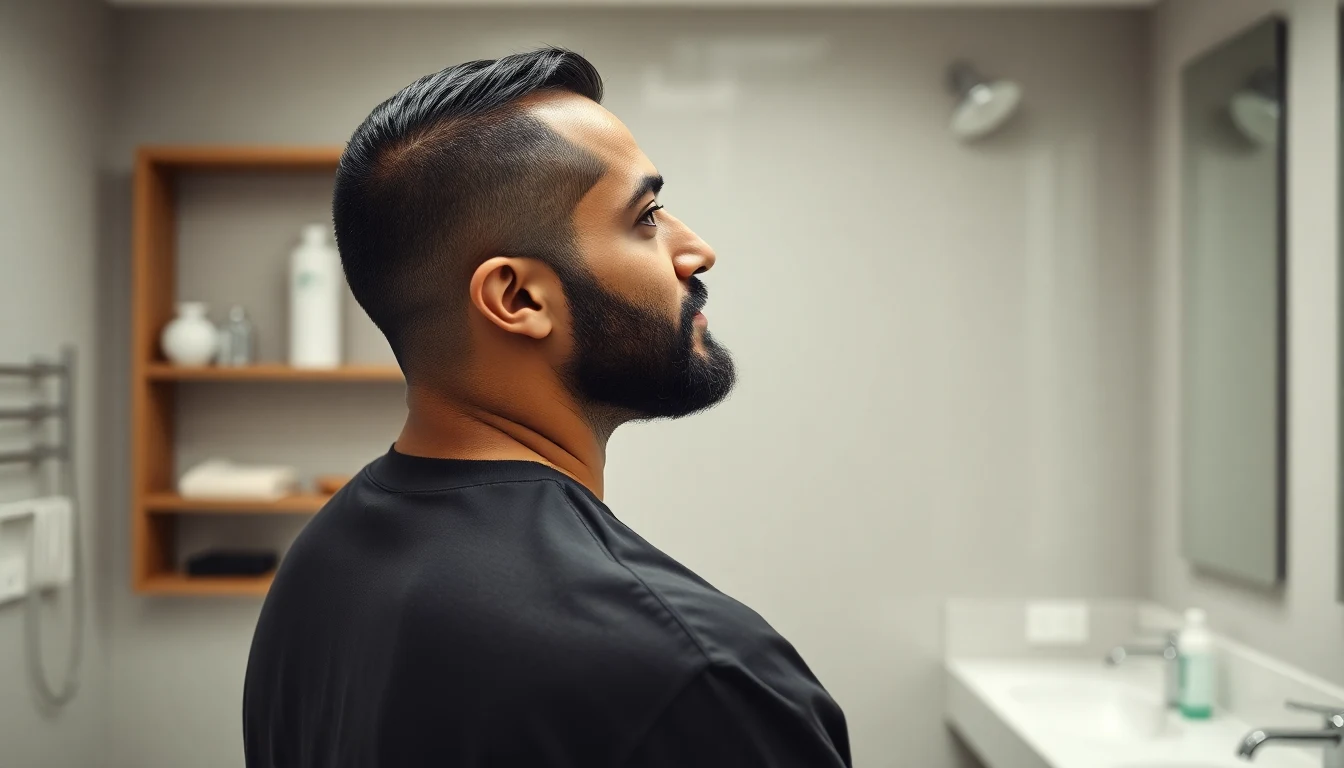
Skipping the beard oil routine leaves the beard dry, frizzy, and dull, directly contradicting the polished appearance the Gulf style demands. Even on busy days, a quick application of beard oil takes less than a minute and makes an outsized difference in the beard’s appearance and feel.
Maintaining the Gulf Beard Between Trims
The Gulf beard requires more maintenance between trims than most beard styles because of its emphasis on clean lines and uniform length. Here is a weekly maintenance schedule that keeps the beard looking barbershop-fresh.
Daily: Apply beard oil and brush. This takes two to three minutes and maintains moisture, shape, and direction. Twice weekly: Touch up the cheek line and neckline with a detail trimmer or razor. Thick Middle Eastern facial hair grows quickly, and even two days of growth above the cheek line can soften the sharp look you worked to create. Weekly: Full trim with guard to maintain uniform length. This is a lighter version of the full trimming process described above, just re-establishing the even length without reshaping the lines. Every two to three weeks: Full trim and reshape, following all eight steps outlined in the trimming guide above.
Frequently Asked Questions
How long does it take to grow a Gulf-style beard?
Most Middle Eastern men with full beard genetics can grow sufficient length for the Gulf style in four to eight weeks. The exact timeline depends on your individual growth rate and the desired final length. The critical period is the first three weeks, when the beard may look uneven and unkempt as different areas grow at different speeds. Resist the urge to trim during this phase; let everything grow to your target length before beginning to shape.
What if my beard is patchy in some areas?
The Gulf style works best with full, even coverage, but minor patchiness can be managed. If the thin areas are on the cheeks, consider setting your cheek line below the patchy zone so that only the dense growth is visible. If the thin areas are on the chin or jawline, keeping the beard slightly longer can help the surrounding hairs cover the gaps. Minoxidil applied to patchy areas has shown results for some men in promoting beard density, though this is an off-label use and results vary.
Can I achieve the Gulf look with a less expensive trimmer?
A budget trimmer can handle the basic length maintenance, but the precision line work requires a quality detail trimmer or razor. The cheek line and neckline are what make or break the Gulf aesthetic, and these details demand sharp, precise tools. You can save money on shampoo, conditioner, and styling products, but the trimmer is the one tool where quality directly affects results.
How do Gulf men keep their beards looking so full and healthy?
Consistent oil application, regular washing with beard-specific shampoo, and meticulous maintenance are the main factors. Many Gulf men also visit professional barbers weekly or bi-weekly for detailed grooming that supplements their home routine. The cultural importance of the beard in Gulf society means that men invest significant time and money in its upkeep, treating it as a central element of their personal presentation rather than an afterthought.
Conclusion: The Art of the Gulf Beard
The Gulf-style beard is more than a facial hair choice. It is a statement of identity, pride, and cultural connection. The clean lines, full density, and meticulous maintenance reflect a grooming tradition that values both masculinity and refinement, celebrating the natural abundance of thick Middle Eastern facial hair while channeling it into a polished, intentional form.
Achieving this look at home is entirely possible with the right tools, technique, and commitment to maintenance. The initial learning curve, particularly in defining symmetrical cheek lines and necklines, takes practice and patience. But once you establish your lines and develop a consistent routine, maintaining the Gulf aesthetic becomes second nature. Invest in quality tools, commit to daily oil and brushing, and trim with intention rather than impulse. The result is a beard that commands respect and reflects the best of Gulf grooming tradition.
Frequently Asked Questions
What tools do I need to achieve a Gulf-style beard at home?
You’ll need a beard trimmer with adjustable guards, a precision detail trimmer, a straight or safety razor, a beard comb and brush, and small sharp scissors. These tools allow you to create the clean lines and defined edges that characterize the Gulf aesthetic while maintaining the full, dense look.
How often should I trim my Gulf-style beard to keep it looking defined?
You should trim your Gulf-style beard every 2-3 weeks to maintain sharp cheek lines, a clean neckline, and even coverage. Regular maintenance prevents the beard from looking unkempt and keeps the refined appearance that defines this grooming tradition.
Can I get a Gulf-style beard if I don’t have naturally thick facial hair?
While thick, fast-growing facial hair makes achieving this look easier, you can still work toward a Gulf-style beard with thinner hair by focusing on precision grooming and using beard oils to enhance density and appearance. However, the full, luxurious coverage that characterizes the Gulf aesthetic is most naturally suited to men with denser beard growth.
What’s the difference between a Gulf beard and other beard styles?
The Gulf beard prioritizes both fullness and precision, combining luxurious density with immaculately defined cheek lines, necklines, and overall shape. Unlike casual beard styles, the Gulf aesthetic demands the level of refinement and sculptural detail that Saudi and UAE barbers are known for, making it one of the most refined beard styles in the world.