
Hair Clipper Oil Alternatives: What Actually Works?
You’re halfway through a haircut when your clipper blades start dragging, heating up, and pulling hair instead of cutting it. You reach for your clipper oil and the bottle is bone dry. Sound familiar? It happens to every guy who cuts hair at home, and it happened to me more times than I’d like to admit when I was starting out behind the chair. The good news is you don’t have to stop mid-cut or run to the store. There are several hair clipper oil alternatives sitting in your house right now that will get the job done.
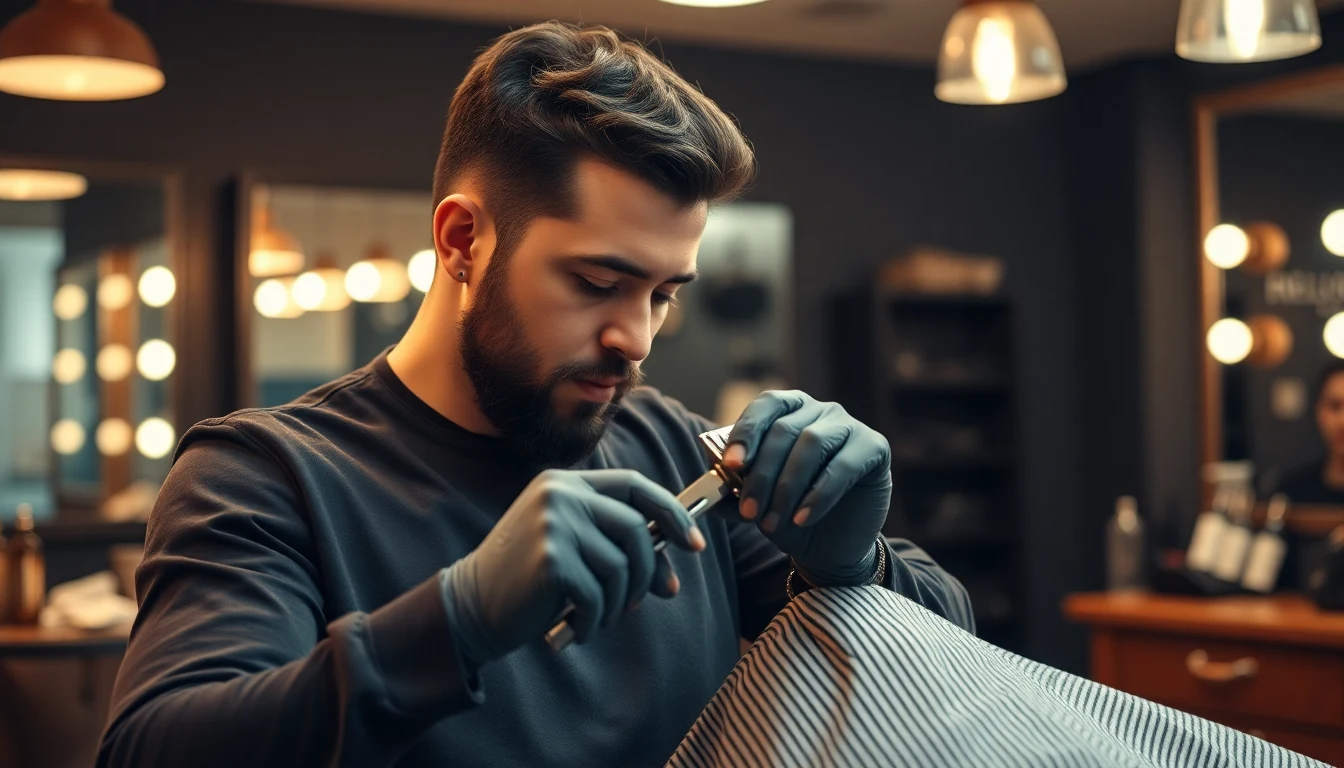
But here’s the thing: not all substitutes are created equal. Some will keep your blades running smooth for weeks. Others will gum up your clipper motor and cost you a new pair of clippers. I’ve tested just about every alternative out there over the years, and I’m going to break down exactly what works, what’s passable in a pinch, and what you should never put on your blades.
Why Clipper Oil Matters in the First Place
Before we get into alternatives, let’s talk about why you need to oil your clippers at all. Your clipper blades are two pieces of metal sliding against each other at thousands of strokes per minute. Without lubrication, that metal-on-metal contact creates friction, heat, and wear. The blades dull faster, the motor works harder, and the whole unit runs hotter against your skin.
Proper oiling does three things:
- Reduces friction between the cutting blade and the guide blade
- Dissipates heat so the blades don’t burn your skin or your client’s scalp
- Prevents rust and corrosion, especially if you clean your blades with liquid solutions
If you want the full breakdown on proper technique, check out our guide on how to oil clippers the right way. But for now, let’s focus on what to use when the real stuff isn’t available.
The Best Hair Clipper Oil Alternatives
Here’s the truth: the best alternative depends on whether you need a quick fix for one session or a long-term replacement. I’ve ranked these from best to worst based on performance, blade safety, and availability.
1. Mineral Oil (Best Overall Alternative)
Mineral oil is the closest thing to actual clipper oil you’ll find. In fact, most commercial clipper oils are just refined mineral oil with maybe a light fragrance added. You can find it at any pharmacy, usually in the laxative aisle (yes, really). It’s cheap, widely available, and does the exact same job as the branded stuff.
A bottle of food-grade mineral oil from your local drugstore will last you months and costs a fraction of what Wahl Clipper Oil runs. Just make sure you’re getting pure mineral oil with no additives.
How to use it: Apply 2-3 drops across the top blade and one drop on each side where the blades meet. Turn the clippers on for 10 seconds to distribute, then wipe off the excess.
2. Baby Oil
Baby oil is mineral oil with fragrance added. That’s literally all it is. It works well as a clipper lubricant in a pinch, and most guys already have a bottle somewhere in the house if there’s a baby (or someone with dry skin) around. Mastering hair clipper oil alternatives takes practice but delivers great results.
The fragrance additives are the only concern here. Over months of regular use, those additives can leave a slight residue buildup. But for occasional use or emergencies, baby oil is a solid choice. Mastering hair clipper oil alternatives takes practice but delivers great results.
How to use it: Same as mineral oil. Two to three drops on the blade teeth, one on each side rail. Run for 10 seconds, wipe clean.
3. Sewing Machine Oil
Sewing machine oil is a light machine lubricant designed for high-speed metal-on-metal applications. It’s thin, clear, and doesn’t gum up over time. If you or anyone in your household sews, this is an excellent alternative that’s arguably as good as mineral oil for clipper use.
The viscosity is nearly identical to commercial clipper oil, which means it penetrates between the blades properly and doesn’t create drag. You can find it at any craft store or order it online for a few dollars.
How to use it: Apply sparingly. This stuff is thin and spreads easily. Two drops across the blade teeth is plenty.
4. Hair Clipper Spray (Coolant/Lubricant Combo)
Products like Oster Kool Lube aren’t pure oil, but they’re a hybrid coolant and lubricant. Barbers use these between clients to cool blades fast and add a light layer of lubrication at the same time. If you have a can of this sitting around, it’ll work in place of oil for a session or two. For more guidance, GQ provides expert resources on men’s grooming.
Keep in mind that spray lubricants evaporate faster than oil, so you’ll need to reapply more frequently. They’re better suited as a supplement to regular oiling, not a permanent replacement.

5. Vegetable Oil (Emergency Only)
Let me be clear: vegetable oil is a last resort. It works in an absolute emergency to get you through one haircut, but it should never be your regular go-to. Vegetable oils (olive oil, coconut oil, canola oil) are organic compounds that go rancid over time. They also tend to be thicker than what your blades need, creating drag and attracting hair debris.
If you absolutely must use vegetable oil, use the lightest one you have (canola or grapeseed) and clean your clippers thoroughly afterward.
How to use it: One drop only. Seriously. These oils are thick and a little goes a long way. Clean your blades completely within 24 hours.
Comparison Table: Clipper Oil Alternatives at a Glance
| Alternative | Effectiveness | Blade Safety | Availability | Cost | Best For |
|---|---|---|---|---|---|
| Mineral Oil | Excellent | Very Safe | Pharmacy | $3-5 | Long-term replacement |
| Baby Oil | Very Good | Safe (minor residue) | Anywhere | $3-6 | Occasional use |
| Sewing Machine Oil | Excellent | Very Safe | Craft stores | $4-7 | Long-term replacement |
| Clipper Spray | Good | Safe | Barber supply | $8-12 | Quick cooling + light lube |
| Vegetable Oil | Poor | Risky (goes rancid) | Kitchen | Free | One-time emergency only |
What NOT to Use on Your Clippers
This section might save you a pair of clippers. I’ve seen guys try all sorts of things on their blades, and some of them are genuinely terrible ideas. Understanding hair clipper oil alternatives is key to a great grooming routine. Understanding hair clipper oil alternatives is key to a great grooming routine.
WD-40
I see this one recommended on forums all the time, and it makes me cringe. WD-40 is a solvent and water displacer, not a lubricant. It will strip existing lubrication from your blades and leave a residue that attracts dust and hair. It also contains chemicals you absolutely do not want touching your skin. Hard no.
Motor Oil
Motor oil is far too thick for clipper blades. It will slow down your blade speed, overheat your motor, and contains additives that are harmful to skin. This is oil designed for car engines running at extreme temperatures, not precision grooming tools.
Cooking Spray (PAM, etc.)
Cooking sprays contain propellants, emulsifiers, and anti-foaming agents alongside the actual oil. These additives will gum up your blades faster than almost anything else. The propellant can also damage plastic components on some clippers.
Vaseline or Petroleum Jelly
Way too thick. Petroleum jelly is a semi-solid that will clog between your blades, attract every hair particle in the room, and create a sticky mess that’s genuinely difficult to clean out. Your blades need a thin, flowing liquid, not a paste.
3-in-1 Oil
This one is controversial. Older formulations of 3-in-1 oil were actually decent for light machinery. Modern 3-in-1 oil contains additives and detergents that can leave residue on your blades. If it’s all you have, it’s better than nothing, but I’d rank it below all five alternatives listed above.
How Often Should You Oil Your Clippers?
Whether you’re using the real thing or an alternative, the oiling schedule stays the same:
- Before every use: A few drops before you start cutting
- During long sessions: Re-oil every 10-15 minutes of continuous cutting
- After cleaning: Always oil after you clean your clippers with blade wash or spray
- Before storage: A light coating before putting them away prevents rust
If your blades start feeling warm or sound like they’re straining, that’s your cue to add more oil regardless of timing.
Can You Use These Alternatives on Any Clipper Brand?
Yes. The alternatives listed above work with every major clipper brand. Whether you’re running a Wahl 5-Star Magic Clip, an Andis Master, or an Oster Fast Feed, the lubrication needs are the same. Two pieces of metal need a thin layer of oil between them. The brand doesn’t change the physics.
That said, always check your clipper’s manual for any specific recommendations. Some high-end rotary motor clippers may have additional lubrication points beyond just the blades.
The Long-Term Play: Just Buy Clipper Oil
Look, alternatives are great in a pinch. But if you’re cutting hair regularly (even just your own every couple of weeks), do yourself a favor and keep a bottle of actual clipper oil on hand. A bottle of Wahl Clipper Oil or Andis Oil costs less than a coffee and lasts for months. When it comes to hair clipper oil alternatives, technique matters most.
The branded stuff is specifically formulated for the viscosity and temperature range that clippers operate in. It’s cheap insurance against premature blade wear and motor burnout. When it comes to hair clipper oil alternatives, technique matters most.
If you’re serious about your home grooming setup, check out our complete guide on clipper guard sizes to make sure you’re getting the right length every time.
Frequently Asked Questions
Can I use coconut oil on my hair clippers?
You can in a true emergency, but I don’t recommend it. Coconut oil solidifies at room temperature (below about 76 degrees F), which means it can harden between your blades and create drag. It also goes rancid over time. If you use it once, clean your blades thoroughly afterward and switch to mineral oil or actual clipper oil as soon as possible.
How do I know if my clippers need oil?
Three telltale signs: the blades feel hot to the touch after just a few minutes of use, the motor sounds louder or more strained than normal, or the blades are pulling and snagging hair instead of cutting cleanly. If you notice any of these, stop and oil immediately. For a full maintenance walkthrough, see our guide on how to oil your clippers.
Is olive oil safe for clipper blades?
Safe for one emergency use, but not for regular application. Olive oil is too viscous for clipper blades and will go rancid within days, especially in a warm bathroom. Rancid oil attracts bacteria and creates an unpleasant smell. Mineral oil or sewing machine oil are far better choices if you need an alternative.
Can I run my clippers without any oil at all?
Technically yes, but you’re shortening the life of your blades significantly. Running dry creates excessive heat and friction that dulls the cutting edges faster and puts unnecessary strain on the motor. Even a single drop of an acceptable alternative is better than running completely dry.
How many drops of oil do my clippers actually need?
Two to three drops across the front edge of the blade teeth, plus one drop on each side where the top blade overlaps the bottom blade. That’s it. More is not better. Excess oil attracts hair clippings and dust, which defeats the purpose. After applying, run the clippers for about 10 seconds to distribute the oil evenly, then wipe off any excess with a clean cloth.
The Bottom Line
If you’re out of clipper oil, mineral oil and sewing machine oil are your best bets for a reliable, blade-safe alternative. Baby oil works in a pinch. Vegetable oils are emergency-only. And anything thick, chemical-heavy, or designed for engines should stay far away from your grooming tools.
Keep your blades oiled, keep them clean, and they’ll keep giving you clean cuts for years. If you’re just getting started with home haircuts, our guide to cutting your own hair covers everything from setup to technique. And if you’re looking to step up your clipper game, check out our roundup of the best professional-grade clippers on the market.
Further reading: For research-backed grooming advice, see Healthline Men’s Health.
Explore more tips at CulturedGrooming.com.
Further reading: For research-backed grooming advice, see Healthline Men’s Health.
Frequently Asked Questions
What are the best hair clipper oil alternatives if I run out of clipper oil mid-haircut?
Mineral oil is your best overall alternative, followed by baby oil, which are both safe for clipper blades and readily available in most homes. Sewing machine oil also works well in a pinch, but avoid cooking spray, WD-40, and petroleum jelly as these can damage your clipper motor.
Can I use coconut oil or olive oil on my hair clippers?
No, you should avoid both coconut oil and olive oil on your clippers because they can gum up the motor and cause long-term damage. These oils are too thick and sticky compared to lightweight alternatives like mineral oil or baby oil that won’t leave residue.
How often should you oil your clippers to keep them running smoothly?
You should oil your clippers every few minutes during heavy use or after every few haircuts during regular grooming sessions. Regular oiling prevents blade drag, overheating, and hair pulling, which extends the life of your clippers significantly.
Is it safe to run clippers without any oil at all?
No, running clippers without oil will cause the blades to overheat, drag, and pull hair instead of cutting cleanly, potentially damaging your clipper motor permanently. Even a small amount of oil from alternatives like mineral oil or baby oil is essential to keep your clippers functioning properly.