
If you want to master how to create a hammam, this guide covers everything you need to know.
The first time I walked into a traditional hammam (bathhouse), I was 12 years old, visiting family in Beirut. My uncle led me into a tiled room thick with steam, handed me a bar of black soap, and said, “Scrub until you see your real skin.” That experience, the ritual of it, the warmth, the almost meditative rhythm of wash and scrub and rinse, is something I have replicated at home for the past fifteen years. A hammam is not a spa treatment. It is a 1,000-year-old cleansing tradition practiced from Morocco to Turkey to Iran, and every step serves a purpose. This guide will show you how to recreate the full hammam experience at home, from steam room to final moisturizer, with products you can find online and a total cost under $50.
What Is a Hammam? Cultural Context : How To Create A Hammam
The hammam tradition dates back to the Roman bath culture and was adopted and transformed throughout the Middle East and North Africa during the Islamic Golden Age. Historically, hammams served as public bathhouses where men and women (in separate sessions) would gather weekly for thorough cleansing, socialization, and relaxation. In many communities, the hammam visit before a wedding was a ritual of preparation and celebration.
The word hammam comes from the Arabic root “h-m-m,” meaning “to heat.” Traditional hammams feature three connected rooms of progressively increasing temperature: a cool room for resting, a warm room for washing, and a hot steam room for deep pore opening. The architecture itself, domed ceilings with star-shaped openings to let in shafts of light, is one of the most beautiful features of Islamic design.
Today, professional hammam experiences are available in major cities worldwide, but the home version is remarkably effective. You do not need a marble-tiled steam room. You need a bathroom, hot water, and the right products.
The Complete Hammam Sequence
A traditional hammam follows a specific order. Each step builds on the previous one, and skipping steps reduces the effectiveness of the entire experience.
Step 1: Steam (10 to 15 Minutes)
The purpose of steam is to open your pores, soften dead skin cells, and prepare your body for exfoliation. In a traditional hammam, this happens in a dedicated steam room. At home, you have two options:
Option A: Hot shower steam. Run your shower at the hottest comfortable temperature, close the bathroom door and any vents, and sit or stand in the steam for 10 to 15 minutes. Do not scrub or wash during this phase. Just let the steam work.
Option B: Filled bathtub steam. Fill your bathtub with hot water, drape a towel over the edge, and sit beside the tub with the bathroom door closed. The tub creates a steam source that fills the room. This is closer to the traditional experience because you are not standing under running water. Mastering how to create a hammam takes practice but delivers great results.
If you have access to a gym or community center with a steam room, that is the ideal preparation. 10 minutes of proper steam opens pores more effectively than 20 minutes of hot shower.
Step 2: Black Soap (Sabon Beldi) Application (5 Minutes)
Sabon beldi is the cornerstone product of the hammam ritual. It is a soft, olive-based black soap from Morocco that looks like dark paste or jelly. Unlike bar soap, sabon beldi does not lather much. Instead, it melts into the skin, dissolving surface oils and loosening dead skin cells in preparation for exfoliation.
How to use it:
- Scoop a generous amount (about a golf ball’s worth) of black soap from the jar.
- Apply it all over your body in circular motions. Arms, legs, torso, back (use a long-handled brush for hard-to-reach areas), and face (gently).
- Let it sit on your skin for 3 to 5 minutes. You will feel a slight tightening as it works.
- Do not rinse yet. The soap needs to stay on for the next step.
What to look for when buying: Authentic Moroccan sabon beldi is made from olive oil, olive pulp, and sometimes argan oil. The color should be deep brown to black. Avoid products labeled “black soap” that are actually African black soap (ose dudu), which is a different product with a different purpose. Check that the ingredient list includes olive oil or olea europaea as a primary ingredient.
Step 3: Kessa Glove Exfoliation (10 to 15 Minutes)
This is the step that makes the hammam experience transformative. The kessa (also spelled kessa, kesse, or kiseh) is a rough-textured exfoliating glove made from crepe fabric. It is not a loofah. It is not a scrub brush. It is a glove specifically designed for the post-soap hammam scrub.
The technique:
- Wet the kessa glove with warm water. Wring out excess water so it is damp, not soaked.
- Starting from your extremities (hands and feet), scrub in long, firm strokes toward your heart. Use moderate pressure. You are not trying to sand your skin off.
- Work systematically: left arm, right arm, chest, stomach, left leg, right leg, back.
- You will see gray or dark rolls of dead skin forming under the glove. This is normal and deeply satisfying. These rolls are a combination of dead skin cells, the black soap residue, and surface oils.
- Rinse the area and repeat for a second pass. The second pass will produce less buildup but further smooths the skin.
- For your face, use a gentler touch. Exfoliate forehead, cheeks, and chin with light, circular motions. Skip any areas with active breakouts or irritation.
Kessa glove selection: Kessa gloves come in different roughness levels. For your first hammam, choose a medium-texture glove. If you have sensitive skin or are doing this for the first time, start with a soft kessa and work your way up. For men with thick body hair, a firmer glove penetrates through the hair to reach the skin more effectively.
After the kessa scrub, rinse your entire body thoroughly with warm water. Your skin should feel remarkably smooth, almost squeaky.
Step 4: Rhassoul Clay Mask (10 to 15 Minutes)
Rhassoul (also spelled ghassoul) is a mineral-rich clay mined exclusively from the Atlas Mountains of Morocco. It has been used in North African bathing rituals for over a thousand years. Unlike other cosmetic clays, rhassoul has an exceptionally high silica and magnesium content, which gives it superior absorption and skin-softening properties. Understanding how to create a hammam is key to a great grooming routine.
Preparation:
- Mix 3 to 4 tablespoons of rhassoul clay powder with warm water until you get a smooth, yogurt-like consistency.
- Optional additions: a teaspoon of argan oil (for extra moisture), a teaspoon of rose water (for scent and gentle toning), or a teaspoon of honey (for antibacterial properties).
- Apply the mixture to your face, neck, chest, and any other areas that benefit from deep cleansing.
- Let it sit for 10 to 15 minutes. As the clay dries, it draws out impurities and excess oil from your pores.
- Rinse with warm water, using gentle circular motions to get a final light exfoliation from the clay particles.
Rhassoul vs. other clays:
| Clay | Origin | Best For | Hammam Use |
|---|---|---|---|
| Rhassoul | Atlas Mountains, Morocco | Deep cleansing, all skin types | Traditional, recommended |
| Bentonite | Various, primarily USA | Oily skin, strong absorption | Acceptable substitute |
| Kaolin (white) | Various | Sensitive skin, gentle | Too mild for hammam |
| French green | France | Oily/combination skin | Acceptable substitute |
Step 5: Argan Oil Moisturizer (5 Minutes)
The final step seals everything in. After the steam, soap, scrub, and clay treatment, your skin is thoroughly clean and your pores are open. Now you lock in moisture with argan oil, the liquid gold of Morocco.
Pure argan oil is pressed from the kernels of the argan tree (Argania spinosa), which grows almost exclusively in southwestern Morocco. It is rich in vitamin E, essential fatty acids, and antioxidants. For post-hammam application, a little goes a long way:
- Pat your skin mostly dry with a clean towel. Leave it slightly damp.
- Warm 6 to 8 drops of argan oil between your palms.
- Massage into your face, neck, arms, and any areas that feel tight or dry.
- For your beard area, this serves double duty as your beard oil application. Work it into the skin under your beard and through the hair. For more on beard oil technique, see our thick beard care guide.
Buying tip: Look for 100% pure, cold-pressed, organic argan oil. It should be a golden yellow color with a light, nutty scent. If it has no scent at all, it has likely been deodorized (processed). If it smells rancid or overly strong, it may be old or adulterated. A good 100ml bottle costs $15 to $25.
Complete Home Hammam Product List
| Product | Purpose | Price Range | Lasts |
|---|---|---|---|
| Moroccan black soap (sabon beldi) | Pre-exfoliation cleanser | $8 to $15 (200g jar) | 8 to 12 sessions |
| Kessa exfoliating glove | Dead skin removal | $5 to $10 | 3 to 6 months |
| Rhassoul clay powder | Deep cleansing mask | $8 to $12 (200g bag) | 10 to 15 sessions |
| Pure argan oil | Final moisturizer | $15 to $25 (100ml) | 2 to 3 months daily use |
| Rose water (optional) | Toner, clay additive | $5 to $10 | 2 to 3 months |
Total startup cost: $36 to $72. Each subsequent session costs roughly $3 to $5 in product, making this one of the most affordable luxury grooming rituals available.
How Often Should You Do a Full Hammam?
Traditional practice calls for a full hammam once per week. For modern lifestyles, here is a practical schedule:
- Full hammam (all 5 steps): Once per week or every two weeks. More frequently can over-exfoliate and irritate skin.
- Quick hammam (steam + kessa only): Once per week on the off-week from your full hammam. Skip the clay mask and just moisturize after.
- Black soap wash only: Can replace your regular body wash 2 to 3 times per week. Just apply, wait 1 minute, and rinse. No kessa needed.
Listen to your skin. If you notice redness, increased sensitivity, or dryness after a hammam session, extend the interval between sessions. The goal is smooth, healthy skin, not raw skin.
Common Mistakes to Avoid
- Skipping the steam. Without steam to open pores and soften dead skin, the kessa scrub is half as effective and twice as harsh. Always steam first.
- Using too much pressure with the kessa. Moderate, consistent strokes produce better results than aggressive scrubbing. You should see dead skin rolls forming without leaving your skin red or irritated.
- Using the wrong “black soap.” Moroccan sabon beldi (olive-based) and African black soap (ose dudu, made from plantain ash) are completely different products. For the hammam sequence, you want the Moroccan olive soap.
- Scrubbing over broken skin or active acne. The kessa glove will make irritation worse. Skip any compromised areas.
- Not moisturizing immediately after. Your pores are open and your skin’s natural oil barrier has been stripped. Apply argan oil within 5 minutes of your final rinse, while skin is still slightly damp.
- Expecting results from one session. The first hammam will show noticeable improvement in skin texture. By the third or fourth weekly session, the cumulative effect is dramatic: smoother, brighter, more even-toned skin with fewer ingrown hairs and less body acne.
Adapting the Hammam for Beard Care
The hammam is exceptional for beard maintenance, especially for men with thick, dense facial hair. Here is how to incorporate your beard into the ritual: When it comes to how to create a hammam, technique matters most.
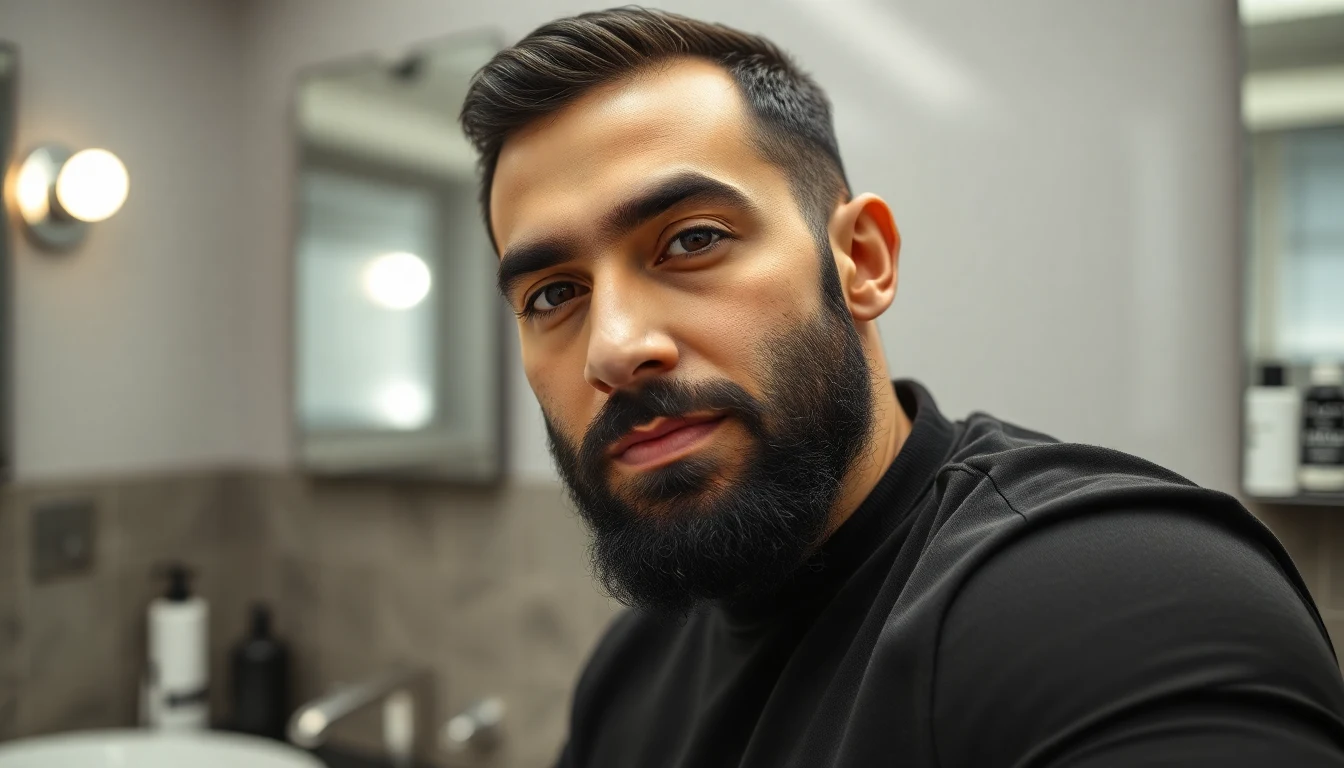
- During steam: Let the steam penetrate your beard fully. This softens the hair and the skin beneath, making exfoliation easier.
- Black soap on the beard: Apply sabon beldi to your beard and the skin underneath. Massage it in with your fingertips, working down to the skin. Leave it on during the normal wait time.
- Kessa on the neck and jawline: Use the kessa glove on the shaved areas below your neckline and on your cheeks above the beard line. Do not use the kessa directly on your beard hair, as it can tangle and pull.
- Clay mask on exposed face: Apply rhassoul to your forehead, cheeks above the beard, and nose. Skip the bearded area.
- Argan oil finish: Massage argan oil into your beard from skin outward, then onto the rest of your face. This replaces your regular beard oil for the day.
The Hammam as Self-Care
My teta (grandmother) always said that a man who does not take care of his body cannot take care of his family. She was not talking about vanity. She was talking about discipline, about the ritual of maintenance, about respecting the body you were given. The hammam embodies that philosophy. It is methodical, intentional, and effective.
In a world of 5-minute showers and 2-in-1 shampoo-conditioners, taking 45 minutes once a week for a proper hammam feels almost rebellious. But the results speak for themselves: cleaner skin, fewer ingrown hairs, better product absorption, and a sense of calm that carries through the rest of your week.
Advanced Additions: Elevating Your Home Hammam
Once you have the basic five-step sequence down, these additions bring the experience closer to a professional hammam:
- Eucalyptus or peppermint essential oil in the steam: Place 3 to 5 drops on the shower floor or in the bathwater. The vapor opens your sinuses and adds an invigorating aromatic layer to the steam phase.
- Rose water rinse: After the kessa scrub and before the rhassoul clay, splash rose water over your face and body. Rose water is a natural toner with anti-inflammatory properties that calms any micro-irritation from the exfoliation. It also smells incredible.
- Orange blossom water for the final rinse: My teta always said a man’s hands should smell like orange blossom water. She was not wrong about the moisturizing benefits, either. A splash of orange blossom water (mazaher) in your final rinse water adds a subtle, clean scent that lingers on skin.
- Ghassoul and honey mask: Mix equal parts rhassoul clay and raw honey with warm water. Honey adds antibacterial properties and extra moisture. This combination is particularly effective for men with acne-prone skin.
Frequently Asked Questions
Can I do a hammam if I have sensitive skin?
Yes, with modifications. Use a soft kessa glove instead of medium, reduce the black soap sit time to 1 to 2 minutes, and choose rhassoul clay without additives. Skip the kessa on your face entirely and use gentle fingertip exfoliation instead. If your skin reacts, extend the interval to once every two weeks.
Where can I buy authentic hammam products?
Online retailers that specialize in Moroccan beauty products are your best bet. Look for sellers based in Morocco or with direct sourcing. Amazon carries several options, but check reviews carefully for authenticity. Niche beauty stores in areas with large Middle Eastern or North African communities (like Dearborn, where I live) often stock the real thing.
Is the hammam safe for men with body acne?
The hammam can actually help with body acne by removing dead skin that clogs pores and by deep-cleaning with antibacterial black soap. However, do not use the kessa glove directly on active, inflamed acne. Scrub around those areas and let the steam and soap do the work on the breakout zones.
Can I use a loofah instead of a kessa glove?
You can, but you will not get the same results. Loofahs and washcloths lack the specific texture of kessa fabric, which is designed to grip and roll dead skin rather than just scrub the surface. The kessa glove is under $10 and lasts months. It is worth the small investment.
How long does a full home hammam take?
A complete session takes 45 to 60 minutes. You can shorten it to 30 minutes by reducing steam time and skipping the clay mask (do just steam, soap, kessa, and argan oil). Even the shortened version delivers noticeable skin improvement.
Last updated: February 2026 | Karim Haddad
Further reading: For research-backed grooming advice, see Healthline Men’s Health.
Frequently Asked Questions
What is the total cost to create a hammam experience at home?
According to the guide, you can recreate a full hammam experience at home for under $50 total. This includes all the essential products like black soap, a kessa glove, rhassoul clay, and argan oil, which are readily available online.
How long does a complete home hammam session take?
A full hammam sequence typically takes 40 to 60 minutes when you follow all five steps: steam (10-15 minutes), black soap application (5 minutes), kessa glove exfoliation (10-15 minutes), rhassoul clay mask (10-15 minutes), and argan oil moisturizer (5 minutes).
Can I do a hammam if I have sensitive skin?
While the hammam is a traditional practice, men with sensitive skin should approach it carefully, particularly the kessa glove exfoliation step which can be intense. You may want to reduce exfoliation time, use a gentler glove, or consult the guide’s section on adapting the hammam for your specific skin needs.
Is a kessa glove necessary or can I use a regular loofah instead?
A kessa glove is specifically designed for the hammam experience and provides the proper exfoliation texture that a regular loofah cannot replicate. While you could substitute a loofah, it won’t deliver the same results as the traditional kessa glove used in authentic hammam rituals for centuries.