
If you want to master hawaiian grooming traditions for men, this guide covers everything you need to know. Last updated: February 2026 by Tane Matua, Pacific Islander Grooming Specialist
I remember the first time I visited the Big Island and watched an uncle prepare kukui nut oil the traditional way. He had gathered the nuts from a kukui tree on his property, roasted them over an open fire until the shells cracked and the oil-rich meat inside turned golden, and then pressed the meat through a cloth to extract the oil. The entire process took hours, and the resulting oil was dark, fragrant, and utterly unlike anything I had encountered in a grooming product before. When he rubbed a small amount into my hair, the transformation was immediate: my thick, salt-damaged hair went from coarse straw to smooth, conditioned, and deeply nourished. “This is what our kupuna used,” he said. “Everything you need grows on this island.”
Hawaiian grooming traditions are rooted in a deep connection to the land and sea that is inseparable from Hawaiian identity. The islands provided everything the Kanaka Maoli (Native Hawaiian) people needed for personal care: kukui nuts for hair and skin conditioning, aloe vera for healing, sea salt for cleansing, ti leaves for wrapping and protecting the hair, and the ocean itself as the world’s largest bath. These natural resources, combined with cultural practices around hair, body adornment, and personal presentation, created a complete grooming system that served Hawaiian men for centuries before Western contact. For expert guidance on this topic, consult Healthline’s research overview on natural oils for hair health.
This guide explores Hawaiian grooming traditions in depth: the cultural significance of hair and personal appearance in Hawaiian society, the traditional grooming ingredients that the islands provide, the modern Kanaka Maoli grooming aesthetic that blends tradition with contemporary style, and practical guidance for incorporating Hawaiian grooming practices into your daily routine.
Hair in Hawaiian Culture: Mana and Identity : Hawaiian Grooming Traditions For Men
In traditional Hawaiian culture, hair carried profound spiritual and social significance. Like other Polynesian cultures, Hawaiians believed that the head was the most sacred part of the body, the seat of mana (spiritual power). The hair that grew from the head was therefore imbued with mana, and its care, cutting, and treatment were not casual grooming acts but spiritually significant practices governed by kapu (sacred rules).
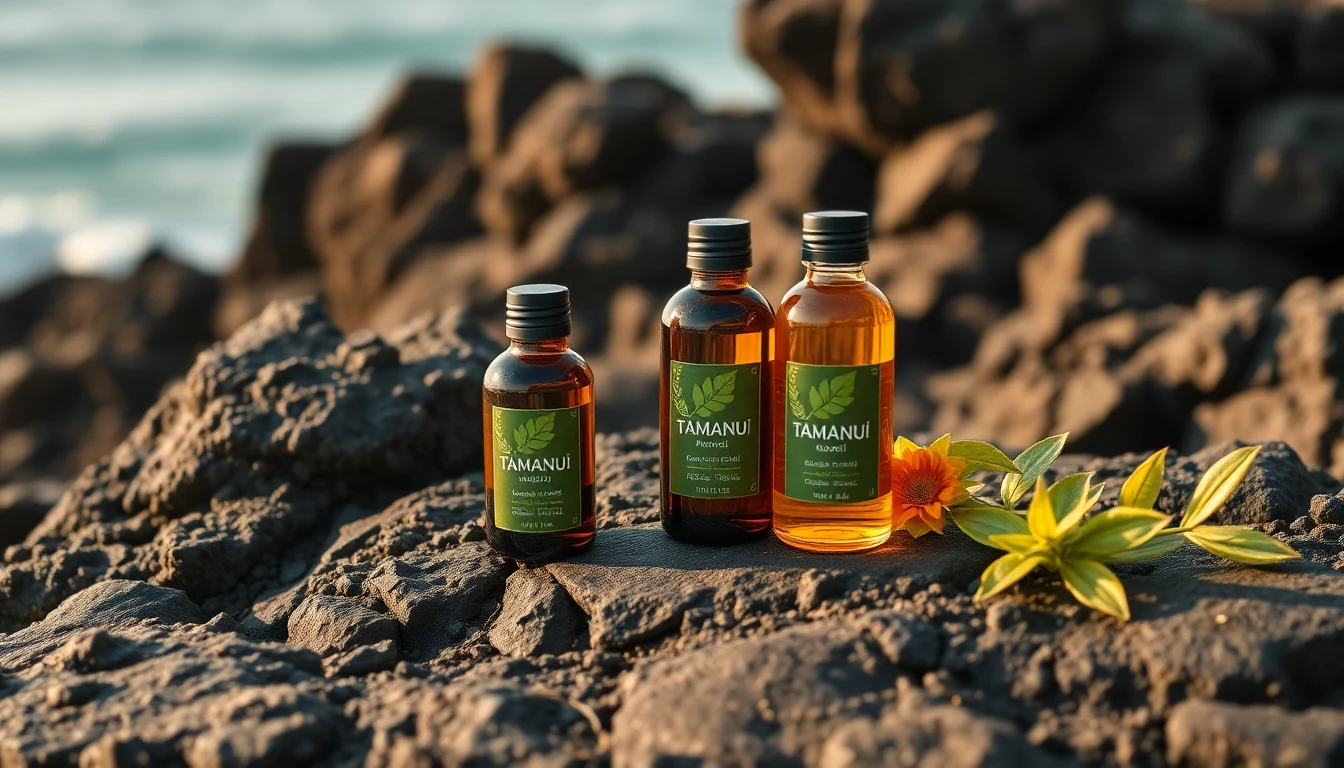
Hawaiian ali’i (chiefs and royalty) were known for their long, well-maintained hair, which was often described by early Western visitors as thick, black, and glossy. The quality of an ali’i’s hair was considered a visible indicator of their mana and health. Hair was groomed with kukui nut oil to maintain its luster, and elaborate hairstyles signaled rank and status within Hawaiian society. Warriors wore their hair in ways that distinguished their role and accomplishments, while kahuna (priests) maintained specific hair practices associated with their spiritual duties.
The cutting of hair was a significant event. Hair clippings were not discarded carelessly but were collected and disposed of properly to prevent enemies from acquiring them and using them in sorcery. This practice, found throughout Polynesia, reflects the belief that hair retains the mana of the person it came from even after being separated from the body. Cutting hair short could signify mourning, punishment, or a deliberate reduction of mana, while growing hair long demonstrated spiritual strength and cultural pride.
Today, many Kanaka Maoli men grow their hair long as a conscious expression of cultural identity and connection to their ancestors. The long-haired Hawaiian man, wearing his hair down, in a bun, or tied back, is a common and culturally significant image in Hawaiian communities. For these men, hair care is not merely grooming; it is an act of cultural continuity that connects them to generations of Hawaiian men who came before them.
Kukui Nut Oil: Hawaii’s Premier Grooming Ingredient
The kukui tree (Aleurites moluccanus), also known as the candlenut tree, is the official state tree of Hawaii and the source of the islands’ most treasured grooming oil. Kukui nut oil has been used by Hawaiian people for centuries as a hair conditioner, skin moisturizer, sunburn remedy, and protective barrier against wind and salt exposure.
Properties and Benefits
Kukui nut oil is remarkably lightweight compared to other Pacific grooming oils. While coconut oil and monoi oil can feel heavy on hair and skin, kukui nut oil absorbs quickly and leaves a smooth, non-greasy finish. This is because kukui nut oil is high in linoleic acid (omega-6) and alpha-linolenic acid (omega-3), both of which are lightweight fatty acids that absorb rapidly into the skin and hair shaft.
For hair, kukui nut oil provides conditioning without weight. It penetrates the hair shaft to deliver internal moisture, smooths the cuticle to reduce frizz and increase shine, and creates a light protective barrier against environmental damage. For men with thick, coarse Hawaiian hair, kukui nut oil is particularly valuable because it conditions the hair without the heaviness that can make thick hair feel weighed down. Where coconut oil can leave thick hair feeling oily if over-applied, kukui nut oil is more forgiving and difficult to over-use.
For skin, kukui nut oil is an excellent moisturizer for all skin types, including oily and acne-prone skin. Its low comedogenic rating (1 to 2 on a scale of 0 to 5) means it is unlikely to clog pores, making it safe for facial use. The anti-inflammatory properties of its omega fatty acid profile make it particularly effective for soothing sunburned, windburned, or salt-irritated skin, a constant concern for Hawaiian men who live active outdoor lives in tropical conditions.
Traditional Preparation
The traditional Hawaiian method of preparing kukui nut oil involved roasting the nuts over an open fire, cracking the shells, removing the oil-rich meat, and pressing the oil through kapa (bark cloth) or other natural fibers. The roasting step was important because raw kukui nut meat contains compounds that can cause skin irritation; roasting neutralizes these compounds while also enhancing the oil’s aroma and improving its shelf stability.
Today, commercial kukui nut oil is typically cold-pressed from the nuts and refined to remove any irritant compounds. Cold-pressed kukui nut oil retains the beneficial fatty acids and nutrients while being safe for direct skin and hair application. Look for products labeled “cold-pressed kukui nut oil” or “virgin kukui nut oil” from Hawaiian producers. Products sourced directly from Hawaiian farms support the local economy and tend to be higher quality than mass-produced alternatives. Mastering hawaiian grooming traditions for men takes practice but delivers great results.
How to Use Kukui Nut Oil
As a hair conditioner: Apply three to five drops of kukui nut oil to damp hair after washing. Work through from mid-shaft to ends. The oil absorbs quickly and does not leave visible greasiness on thick hair. For a deeper treatment, apply a tablespoon of oil to dry hair, cover with a shower cap, and leave for 30 minutes to one hour before shampooing.
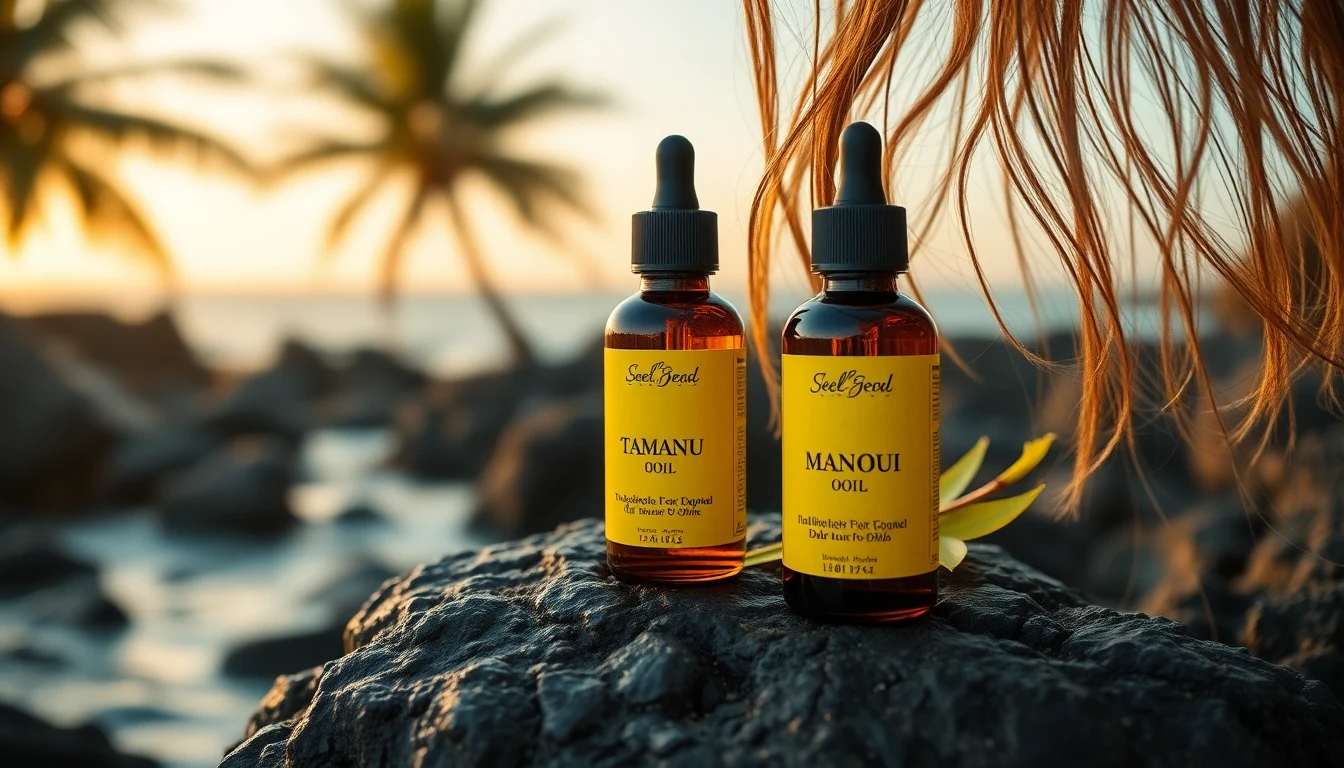
As a pre-swim protectant: Apply kukui nut oil to the hair and exposed skin before entering the ocean. The oil creates a barrier that reduces salt water absorption and subsequent drying. Hawaiian surfers and watermen have used this technique for generations, and it remains one of the most effective ways to protect thick hair from the cumulative damage of daily ocean exposure.
As a skin moisturizer: Apply after showering to slightly damp skin. The oil absorbs within one to two minutes and provides long-lasting hydration without the heavy, greasy feel of thicker oils. For men with tattooed skin, kukui nut oil maintains tattoo vibrancy while keeping the skin healthy and supple.
As a sunburn remedy: Apply generously to sun-exposed skin after a day outdoors. The anti-inflammatory omega fatty acids help reduce the inflammatory response to UV damage, soothe discomfort, and accelerate skin recovery. While kukui nut oil is not a sunscreen substitute, it is an excellent after-sun treatment that addresses the dryness and inflammation caused by sun exposure.
Other Traditional Hawaiian Grooming Ingredients
Aloe Vera (Aloe Barbadensis)
Aloe vera, brought to Hawaii by early Polynesian voyagers, has been used in Hawaiian grooming and medicine for centuries. The clear gel inside the aloe leaf provides immediate cooling and anti-inflammatory relief for sunburned or irritated skin. For grooming purposes, aloe vera gel serves as a natural hair styling product that provides light hold without the crunchiness of commercial gels. Applied to damp hair, aloe gel smooths frizz, defines natural wave patterns, and dries with a flexible, touchable hold that works well with thick Hawaiian hair.
Fresh aloe vera gel, extracted directly from a cut aloe leaf, is more effective than commercial aloe products (which are often diluted and contain added ingredients). Many Hawaiian households grow aloe plants specifically for this purpose, maintaining a living medicine cabinet on the lanai or in the yard. To use, slice a mature aloe leaf lengthwise, scrape the clear gel with a spoon, and apply directly to hair or skin.
Pa’akai (Hawaiian Sea Salt)
Hawaiian sea salt, particularly the red alaea salt (mixed with volcanic red clay) and the black lava salt, has been used for centuries in purification rituals and practical grooming. As an exfoliant, fine-grain Hawaiian sea salt mixed with kukui nut oil creates a natural body scrub that removes dead skin cells, improves circulation, and leaves the skin smooth and refreshed. The mineral content of Hawaiian sea salt, including iron from the volcanic clay in alaea salt, provides additional skin benefits beyond what standard table salt offers.
For hair, an occasional sea salt rinse (one tablespoon of fine sea salt dissolved in one cup of warm water, poured over the hair and scalp before shampooing) removes product buildup and excess oil, functioning as a natural clarifying treatment. This technique is particularly useful for men who use heavy styling products and need periodic deep cleansing without harsh commercial clarifying shampoos.
Noni (Morinda citrifolia)
Noni fruit, one of the canoe plants brought to Hawaii by the original Polynesian settlers, has been used in traditional Hawaiian medicine (la’au lapa’au) for a wide range of purposes including skin health. The fruit’s juice and pulp contain potent antioxidants (scopoletin, damnacanthal, and quercetin) that help protect the skin from oxidative damage caused by UV exposure, pollution, and environmental stress. Noni extract applied topically helps reduce inflammation, supports skin healing, and may help fade hyperpigmentation over time.
Modern Hawaiian skincare products increasingly incorporate noni extract as an active ingredient, combining traditional Hawaiian knowledge with contemporary formulation science. For PI men interested in products that honor Hawaiian traditions while meeting modern efficacy standards, noni-based skincare is worth exploring.
Coconut Oil (Niu)
Coconut oil is as central to Hawaiian grooming as it is to grooming traditions across the Pacific. In Hawaii, coconut oil has been used for hair conditioning, skin moisturizing, massage, and as a base oil for combining with other ingredients (kukui nut, noni, aloe). The coconut palm (niu) was one of the most important canoe plants, and its products permeated every aspect of Hawaiian life. For detailed information on coconut oil’s benefits and usage for thick hair, see our dedicated guide on Pacific Islander hair conditioning.
Lei Culture and Personal Adornment
No discussion of Hawaiian grooming traditions is complete without addressing lei, the flower garlands that are one of the most recognizable symbols of Hawaiian culture. While tourists often encounter lei as a welcome gift at the airport, in Hawaiian culture lei-making and lei-wearing carry deep significance that extends into the realm of personal adornment and grooming.
The Significance of Lei
In traditional Hawaiian culture, lei were not merely decorative. They were expressions of aloha (love, affection, respect) given and received during important occasions: births, deaths, graduations, weddings, arrivals, departures, and celebrations. The specific flowers, leaves, nuts, or feathers used in a lei carried meaning. Maile lei (made from the aromatic maile vine) signify respect and are traditionally worn by men during ceremonies. Haku lei (woven crown lei) adorn the head and are worn during hula performances and celebrations. Kukui nut lei, made from polished black kukui nuts, are a distinctly masculine lei frequently given to men.
For Hawaiian men, wearing lei is a normal, culturally appropriate form of personal adornment that has no association with femininity or weakness. A Kanaka Maoli man wearing a maile lei at a formal event or a kukui nut lei with casual attire is expressing cultural identity in the same way that wearing traditional attire expresses identity in any culture. The ability to make and give lei is also considered a valued skill, and many Hawaiian men learn basic lei-making as part of their cultural education. Understanding hawaiian grooming traditions for men is key to a great grooming routine.
Flower Behind the Ear
The tradition of wearing a single flower behind the ear is common across Hawaiian and broader Polynesian culture. Convention holds that a flower worn behind the right ear signals that the wearer is single and available, while a flower behind the left ear indicates the wearer is in a relationship. While this convention is widely known and often practiced casually, its strict observance varies by community and context. What remains consistent is that wearing a flower behind the ear, whether a plumeria, hibiscus, or other bloom, is a normal practice for Hawaiian men and a visible expression of connection to Hawaiian culture.
The Modern Kanaka Maoli Grooming Aesthetic
The modern Hawaiian man’s grooming aesthetic is a blend of traditional elements and contemporary style, shaped by the unique demands of island life and the cultural renaissance that has revitalized Hawaiian identity over the past several decades.
Hair
Hawaiian men wear their hair in a wide range of styles, from the long flowing hair associated with traditional warriors and cultural practitioners to modern fades and crops. The most culturally resonant hairstyles for Hawaiian men include long hair worn loose or in a topknot (connecting to traditional warrior imagery), the man bun (a modern adaptation of the topknot that works well with thick Hawaiian hair), and longer styles that allow the natural wave or curl pattern of Hawaiian hair to express itself.
For shorter styles, the skin fade with texture on top is popular among younger Hawaiian men, offering a clean, modern look that works well in both casual island settings and professional environments. The buzz cut remains common among Hawaiian men in military service (Hawaii has a significant military presence) and among athletes.
Regardless of length, the Hawaiian grooming aesthetic emphasizes healthy, well-conditioned hair rather than heavily styled hair. The island lifestyle, with its constant exposure to salt, sun, and wind, demands hair care that prioritizes moisture and protection over product-heavy styling. A Hawaiian man with thick, healthy, naturally textured hair conditioned with kukui nut or coconut oil embodies the island aesthetic more than a man with a product-laden, precisely sculpted style.
Skin
The Hawaiian grooming aesthetic values healthy, well-maintained skin that reflects the outdoor, active island lifestyle. Sun-kissed but not sun-damaged, moisturized but not artificially enhanced. Hawaiian men who spend their lives surfing, fishing, hiking, and working outdoors develop a distinctive weathered quality to their skin that is considered attractive within the culture, but the goal is to weather gracefully rather than prematurely.
Practical skincare for Hawaiian men focuses on three priorities: sun protection (to prevent premature aging and reduce skin cancer risk), moisturizing (to counteract the drying effects of salt, sun, and wind), and simplicity (products that do not interfere with the active outdoor lifestyle). A lightweight daily SPF 30 sunscreen, a natural moisturizer like kukui nut oil, and a gentle cleanser cover the essential needs without adding complexity.
Tattoos
Tattooing has deep roots in Hawaiian culture, and the modern revival of Hawaiian tattooing (kakau) is an important part of the Kanaka Maoli cultural renaissance. Traditional Hawaiian tattoo designs incorporate motifs specific to Hawaiian culture, including kapa patterns, ocean imagery, flora and fauna of the islands, and symbols representing family lineage and personal identity.
For Hawaiian men with tattoos, grooming includes tattoo maintenance: keeping tattooed skin moisturized (kukui nut oil and coconut oil are both excellent for this), protecting tattoos from excessive sun exposure with sunscreen to prevent fading, and maintaining the skin’s health to keep the tattoo design crisp and vibrant. The combination of traditional Hawaiian oils for moisturizing and modern sunscreen for UV protection provides comprehensive tattoo care that honors both traditional practices and contemporary science.
Beard
Beard growth patterns among Hawaiian men vary considerably, reflecting the diverse ancestry of the modern Hawaiian population. Some Hawaiian men grow full, dense beards comparable to other Pacific Islander populations, while others have sparser growth. The Hawaiian grooming aesthetic accommodates both: full beards are worn natural and well-conditioned, while lighter growth is either maintained as stubble or clean-shaven.
For Hawaiian men who grow beards, conditioning with kukui nut oil or beard oil addresses the coarse texture of Pacific Islander facial hair. A few drops of kukui nut oil worked into the beard daily softens the hair, reduces itchiness, and provides a natural, subtle sheen without the heavy, greasy appearance of over-oiling. The lightweight absorption of kukui nut oil makes it particularly well-suited to beard conditioning in humid tropical climates where heavier oils can feel uncomfortable.
Island-Appropriate Grooming: Adapting to the Hawaiian Climate
The Hawaiian climate presents unique grooming challenges and opportunities. Year-round tropical warmth, high humidity, intense UV radiation, salt-laden ocean air, and an outdoor-focused lifestyle all influence how Hawaiian men approach personal care.
Humidity Management
High humidity means thick hair is constantly fighting frizz. The moisture in the air penetrates the hair shaft and causes it to swell unevenly, producing the puffed, undefined look that makes styled hair lose its shape within hours. Managing humidity frizz requires sealing the cuticle after conditioning. Apply a small amount of argan oil or kukui nut oil to damp hair after washing, and allow the hair to air-dry. For men who use blow dryers, finish with a cool blast directed downward to close the cuticle and seal in the conditioning treatment.
Salt and Chlorine Damage
Hawaiian men who surf, swim, or spend significant time in the ocean deal with salt damage to their hair and skin constantly. Salt water strips moisture from the hair shaft, raises the cuticle, and leaves hair dry, tangled, and brittle over time. Pre-treating hair with kukui nut oil or coconut oil before ocean exposure creates a protective barrier that reduces salt penetration. After swimming, rinsing with fresh water as soon as possible removes salt before it can dry and further dehydrate the hair. A weekly deep conditioning treatment with coconut oil reverses the cumulative drying effects of frequent ocean exposure. When it comes to hawaiian grooming traditions for men, technique matters most.
Minimal Product Approach
The Hawaiian grooming aesthetic leans toward simplicity. In a climate where you sweat through products quickly, where you might enter the ocean at any point during the day, and where the cultural emphasis is on natural, healthy hair rather than sculpted styles, heavy product use is impractical. The ideal Hawaiian grooming routine uses two to three products maximum: a moisturizing shampoo (used two to three times per week, not daily), a natural oil for conditioning and protection (kukui nut or coconut), and sunscreen for skin protection. This minimal approach is sustainable for the active island lifestyle and produces results that look natural and culturally appropriate.
Supporting Hawaiian Culture Through Grooming Choices
For both Hawaiian and non-Hawaiian men living in or visiting the islands, grooming choices can support or undermine Hawaiian culture. Here is how to engage respectfully.
Support Hawaiian-owned businesses. When purchasing grooming products in Hawaii, seek out brands owned by Hawaiian people that use locally sourced ingredients. Companies like Leahlani Skincare, Honua Hawaiian Skincare, and various small-batch producers at farmers’ markets create products rooted in Hawaiian knowledge and ingredients. Buying these products supports the Hawaiian economy and the continuation of traditional knowledge.
Understand the significance of what you wear. If you purchase a kukui nut lei, understand that it carries cultural meaning beyond being a souvenir. If you are offered a lei in a Hawaiian context, accept it with both hands and wear it with respect. Never refuse a lei in Hawaiian culture; refusal is considered deeply disrespectful.
Learn about Hawaiian tattooing before getting “Hawaiian” tattoos. If you are not Kanaka Maoli, educate yourself about what Hawaiian tattoo designs mean and work with a Hawaiian tattoo artist who can create a design appropriate for your connection to Hawaiian culture. Copying specifically Hawaiian cultural designs without understanding or connection is appropriation, not appreciation. A skilled Hawaiian tattoo artist can create something beautiful that honors the art form without misrepresenting cultural identity.
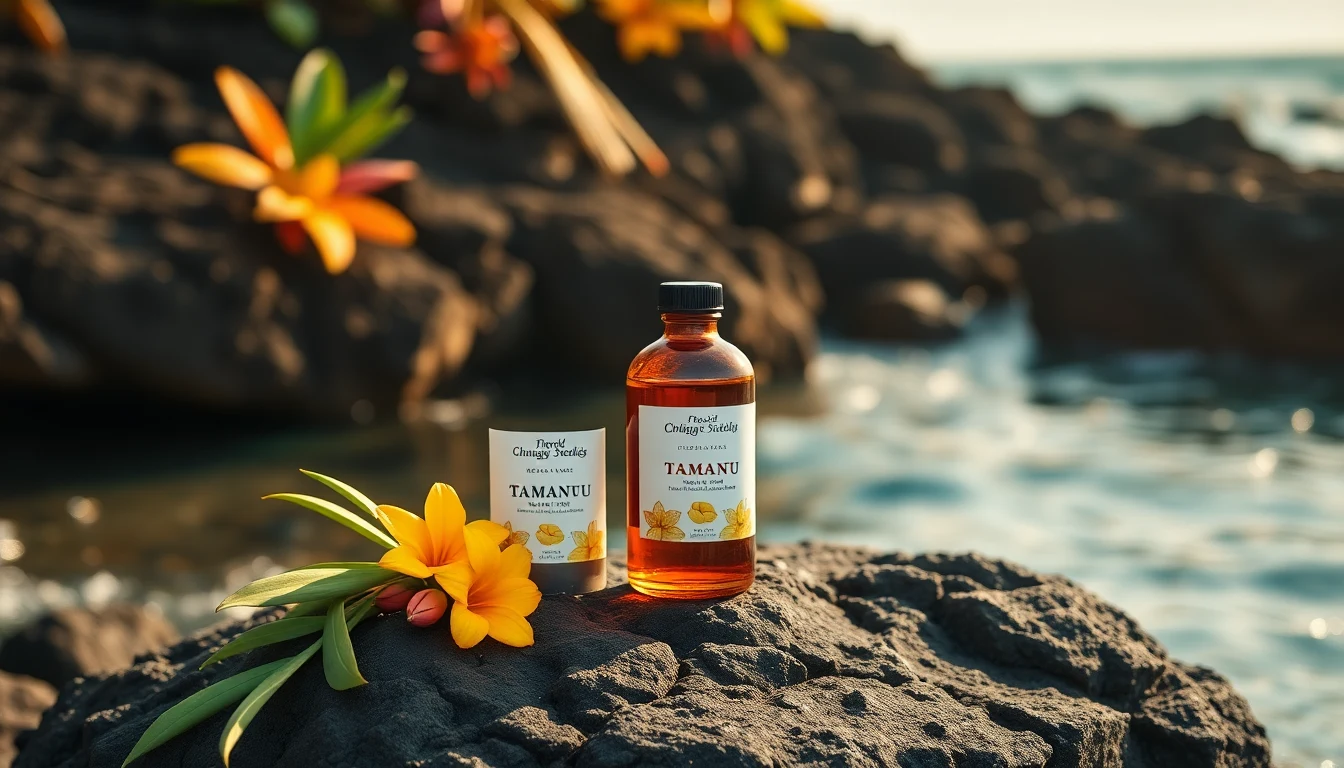
Respect the ‘aina (land). Hawaiian grooming is inseparable from the Hawaiian relationship to the natural world. The kukui trees, aloe plants, coconut palms, and ocean that provide grooming ingredients are part of the living environment that Hawaiians have a kuleana (responsibility) to care for. Supporting sustainable harvesting, reducing plastic waste from grooming products, and treating the ocean and land with respect aligns with the Hawaiian values that underpin these grooming traditions.
Frequently Asked Questions
Where can I buy authentic kukui nut oil?
Authentic kukui nut oil is available from Hawaiian producers online and at specialty stores throughout Hawaii. Look for cold-pressed, pure kukui nut oil sourced from Hawaiian farms. Avoid products that list kukui nut oil as a minor ingredient in a blend with cheaper oils; you want 100 percent kukui nut oil for authentic benefits. Hawaiian farmers’ markets, especially on the Big Island where kukui trees grow abundantly, often have freshly pressed kukui nut oil from small producers.
Is kukui nut oil better than coconut oil for hair?
Kukui nut oil and coconut oil serve different purposes and work well together. Coconut oil penetrates the hair shaft more deeply and is the better choice for deep conditioning treatments. Kukui nut oil is lighter, absorbs faster, and is better as a daily leave-in conditioner and styling oil because it does not leave the heavy, greasy feel that coconut oil can produce. The ideal approach is to use coconut oil for weekly deep conditioning and kukui nut oil as your daily hair oil. Both are traditional Hawaiian grooming ingredients, and using them together provides comprehensive hair care.
Can non-Hawaiians practice Hawaiian grooming traditions?
Using Hawaiian grooming ingredients like kukui nut oil, aloe vera, and sea salt is perfectly appropriate for anyone. These are natural products with universal benefits. The boundary lies in cultural practices: specifically Hawaiian tattoo designs, certain types of lei, and cultural items that carry specific Hawaiian significance should be approached with understanding and respect. When in doubt, ask. Hawaiian people are generally welcoming and willing to share their culture with those who approach with genuine interest and aloha (love, respect). The key distinction is between using Hawaiian-sourced grooming products (appropriate for all) and claiming Hawaiian cultural identity through grooming choices (appropriate only for those with Hawaiian heritage).
What is the best Hawaiian skincare routine for surfers?
Before surfing: Apply water-resistant SPF 30+ sunscreen to the face and exposed skin twenty minutes before entering the water. Apply kukui nut oil or coconut oil to the hair as a pre-swim protective barrier. After surfing: Rinse with fresh water immediately. Wash the face with a gentle cleanser to remove salt residue. Apply moisturizer (kukui nut oil is excellent). Condition the hair with a leave-in oil treatment. In the evening: Wash the face with a gentle cleanser, apply niacinamide serum if treating sun spots or hyperpigmentation, and apply moisturizer. Weekly: deep condition hair with coconut oil for 30 to 60 minutes before shampooing. This routine addresses the three main challenges of Hawaiian surfing life: UV damage, salt exposure, and dehydration.
Conclusion: Grooming That Grows From the Land
Hawaiian grooming traditions are a reflection of the Hawaiian relationship with the natural world. Every ingredient comes from the ‘aina: the kukui nut from the tree that shades the pathway, the aloe from the plant growing next to the front door, the coconut from the palm that marks the shoreline, the salt from the ocean that surrounds and sustains the islands. This connection between grooming and environment is not sentimental. It is practical. The Hawaiian climate demands specific care for hair and skin, and the Hawaiian environment provides exactly what is needed.
For Kanaka Maoli men, these grooming traditions are a thread connecting present-day practice to ancestral knowledge. For all Pacific Islander men living in tropical environments, they offer proven, natural, time-tested approaches to the grooming challenges of island life. And for anyone who values grooming products that are natural, sustainable, and effective, Hawaiian traditions demonstrate that the most sophisticated skincare and hair care does not come from a laboratory. Sometimes it grows on a tree in the backyard.
The uncle on the Big Island was right. Everything you need grows on this island. The task is simply to know what the land offers and to use it with the respect and gratitude that it deserves.
Frequently Asked Questions
What is kukui nut oil and how do I use it for my hair?
Kukui nut oil is a traditional Hawaiian grooming product made by roasting kukui nuts, extracting the oil-rich meat, and pressing it through cloth. The oil deeply conditions and nourishes hair, particularly beneficial for thick or salt-damaged hair, and can be applied by rubbing a small amount directly into your hair and scalp.
What other natural ingredients did Kanaka Maoli men traditionally use for grooming?
Native Hawaiian men used aloe vera for healing, sea salt for cleansing, ti leaves for wrapping and protecting hair, and ocean water as a natural bath. These island-grown resources formed a complete grooming system that addressed hair conditioning, skin care, and overall personal presentation.
How does hair care connect to Hawaiian cultural identity?
In Hawaiian culture, hair and personal appearance are deeply connected to identity and cultural practice, reflecting a relationship with the land and sea. Hawaiian grooming traditions weren’t just about aesthetics but were part of a larger system of respecting and utilizing the natural resources provided by the islands.
Can I incorporate Hawaiian grooming traditions into my modern routine?
Yes, you can integrate traditional Hawaiian grooming practices into your modern routine by using kukui nut oil, aloe vera, and sea salt products that honor these ancestral methods. Many of these natural ingredients are now available commercially while maintaining their cultural significance and effectiveness for various hair and skin types.