Last updated: February 2026 by Carlos Espinoza, Latino Grooming Editor
My tio (uncle) had exactly one hairstyle for 30 years: slick back, Tres Flores, done. He looked good every single day. But when I asked him how he actually styled it, he just stared at me and said, “You put the stuff in and comb it back. What else is there?” Turns out, there is a lot more to it than that. Especially when you are working with the thick, dark, sometimes stubborn hair that most of us inherited.
This is a styling guide for hispanic men hairstyles, and it is specifically about what happens after you leave the barber chair. The cut gets you started. The styling is what makes people notice. If you want barber communication tips and cut breakdowns, check out our latino men haircuts guide. This article is about daily styling techniques, the products that actually hold up on thick hair, and routines you can knock out in under 10 minutes.
I am covering everything from the classic slick back to the modern textured crop, with product recommendations tested in San Antonio summers. Because if a product can survive a July afternoon on the River Walk, it can handle anything.
Understanding Hispanic Hair: Why Generic Advice Falls Short
Here is something most grooming sites get wrong: they treat all “thick hair” the same. But Hispanic hair has its own characteristics that change how you approach styling. Getting familiar with your specific texture is step one.
The Hair Types Most Hispanic Men Deal With
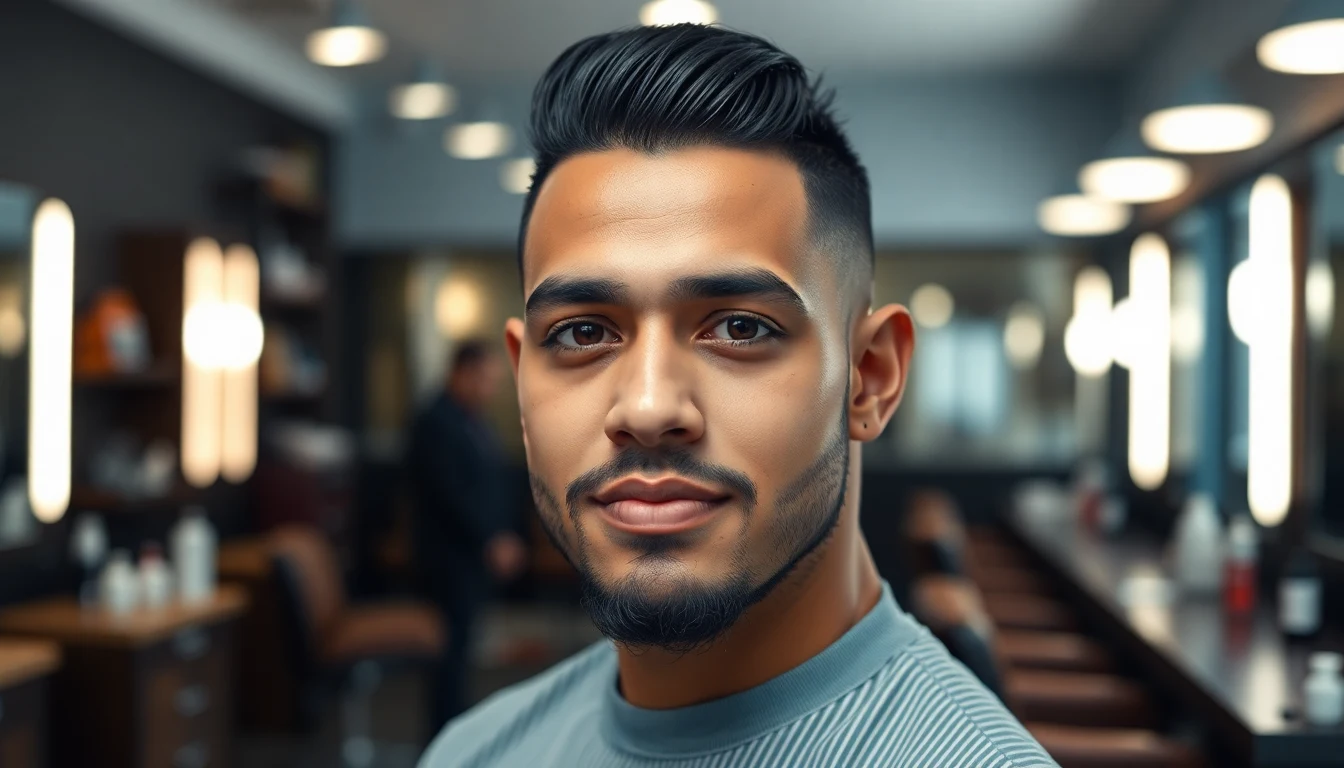
Latino hair is not one thing. The dominant texture for Mexican-American, Central American, and many South American men is thick, coarse, and straight to slightly wavy. But Caribbean and Afro-Latino men often have wavy, curly, or coily hair. The range is real.
| Texture | Common Background | Styling Challenge | Product Approach |
|---|---|---|---|
| Thick and straight (1B-1C) | Mexican, Central American, many South American | Resists holding shape, heavy, wants to lay flat | Strong-hold pomade, blow-dry for volume |
| Straight to wavy (1C-2B) | Mexican, Central American, mixed heritage | Frizz in humidity, inconsistent wave pattern | Medium-hold clay, sea salt spray |
| Wavy to curly (2C-3B) | Caribbean Latino, Afro-Latino, some South American | Definition, moisture balance, shrinkage | Curl cream, leave-in conditioner, diffuser |
| Curly to coily (3C-4A) | Afro-Latino, Dominican, Puerto Rican | Dryness, breakage, needs more moisture | Deep conditioner, oil sealant, gel for definition |
Most of the hairstyles in this guide are built for the thick, straight-to-wavy range because that is the most common texture in the community. But I will flag where wavy and curly textures can adapt each style. If your hair leans curly (2C and beyond), check out our curly hair fade guide for more texture-specific advice.
Why Thick Hair Is Both a Blessing and a Challenge
Thick dark hair holds volume, shape, and structure better than fine hair. A pompadour on thick hair looks full and dramatic without needing much product. A slick back has natural body that thinner hair cannot replicate. That is the good news. (We recommend this Gelactica Max Control Hair Gel for.)
The challenge is that thick hair also resists direction. It fights your comb. It laughs at weak-hold products. It absorbs humidity like a sponge and expands when you need it to stay put. Styling thick Hispanic hair is not about forcing it into submission. It is about working with the weight and density you have, using the right products at the right hold level, and knowing when to use heat as your ally. (We recommend this American Crew Men’s Hair Pomade, Like.)
Regional Style Differences
Hispanic men hairstyles vary by region and cultural background, and that is part of what makes this category so deep. A quick map:
- Mexican-American / Chicano influence: Slick backs, pompadours, the Edgar, and structured fades. Heavy pomade culture rooted in Pachuco heritage from the 1940s. SoCal and Texas lean hard into this tradition.
- Dominican barbershop culture: Blowouts, textured styles, creative designs carved into fades. Dominican barberias are known for transformative styling, not just cutting.
- Puerto Rican / Caribbean influence: Textured crops, curly tops with fades, and a blend of Black and Latino styling traditions. Barbershop culture in places like the Bronx and Orlando reflects this mix.
- South American influence: Clean, European-leaning styles in countries like Argentina and Chile. Softer textures in many Andean communities. Less pomade, more natural movement.
No single “Hispanic hairstyle” represents all of this. But the styles in this guide draw from across the diaspora, with notes on where each one originates and who it works best for.
The Pompadour: Volume, Drama, Heritage
The pompadour is the grandfather of Latino men’s styling. It connects directly back to the Pachuco movement of the 1940s, when Mexican-American men in Los Angeles and the Southwest wore high-volume slicked-back styles as a statement of cultural identity. That lineage is still alive every time someone picks up a jar of pomade and pushes their hair up and back.
How to Style a Pompadour on Thick Hair
- Start with damp hair. Towel dry until your hair is about 70% dry. Not dripping, not bone dry.
- Apply a pre-styler. Work a dime-sized amount of volumizing mousse or a light hold cream through your hair. This gives the blow-dryer something to grip.
- Blow-dry with a round brush. Section your hair on top. Use a round brush to lift each section at the root and direct it up and back. Focus on the front section, that is where the volume lives. Dry on medium heat, high airflow.
- Apply your pomade. Rub a nickel-sized amount of strong-hold pomade between your palms until it is warm and evenly spread. Work it through the top section from back to front, then use your comb or fingers to push everything up and back.
- Shape the front. Use a comb to lift the front section into the pomp shape. You can go classic (smooth and uniform) or modern (textured with some separation). For more texture, use your fingers instead of a comb for the final shaping.
- Set with hairspray (optional). A light mist of flexible-hold hairspray locks everything in place without making it look crunchy.
Best products for the pompadour: Mastering hispanic men hairstyles takes practice but delivers great results.
| Product | Hold | Shine | Best For | Price |
|---|---|---|---|---|
| Suavecito Firme Hold | 5/5 | 4/5 | Classic high-shine pomp | ~$13 |
| Reuzel Pink Heavy Hold | 5/5 | 5/5 | Maximum volume and shine | ~$16 |
| Layrite Superhold | 5/5 | 3/5 | All-day hold in humidity | ~$18 |
My tio would have used Tres Flores and a comb for this. And honestly? Tres Flores Brilliantine still gives beautiful shine. It just does not have the hold power you need for a tall pomp on thick hair. Think of it as a finishing touch over a stronger base pomade, not the foundation. (We recommend this Cremo Hair Styling Shine Pomade for.)
Modern vs. Classic Pompadour
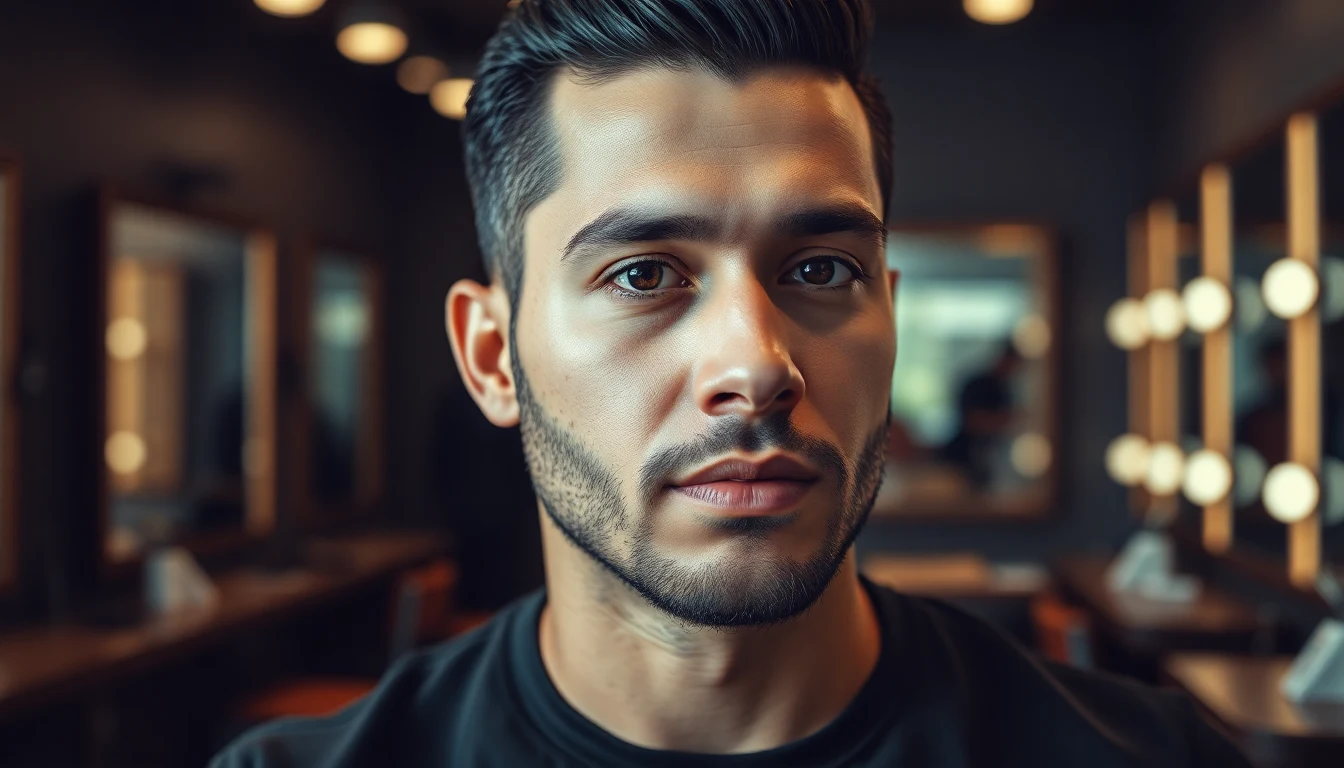
The classic pompadour is smooth, shiny, and combed tight. Think vintage Chicano style. It requires strong pomade and precise combing. The modern pompadour has more texture, less rigid shape, and often pairs with a high fade or skin fade on the sides. Both look incredible on thick dark hair, but the modern version is faster to style and more forgiving if you are still learning. Mastering hispanic men hairstyles takes practice but delivers great results.
The Slick Back: The Style That Never Goes Out
If there is one hairstyle that feels like home in the Latino grooming world, it is the slick back. This is the church Sunday style. The job interview style. The “I cleaned up and I want you to notice” style. It is simple in concept but requires the right technique on thick hair, because thin-hair tutorials will fail you here.
How to Style a Slick Back on Thick Hair
- Wash and condition. Clean hair holds pomade better. Use a conditioner to soften the hair slightly so it cooperates when you comb it back.
- Towel dry to damp. You want the hair pliable, not stiff.
- Apply pomade in layers. This is the key move for thick hair. Do not glob a huge amount in all at once. Start with a dime-sized amount of Suavecito Firme Hold or Layrite Superhold. Work it through evenly. Then add a second, smaller application focused on the front and sides where flyaways happen.
- Comb straight back. Use a fine-tooth comb for a smooth, classic finish. For a more relaxed look, use a wide-tooth comb or your fingers.
- Blow-dry on cool. A quick blast of cool air from your blow-dryer sets the shape and adds hold without making the pomade melt.
The layering technique matters. Thick hair has so much density that one application of product only coats the outer layer. The inner hair stays unstyled and pushes against the surface throughout the day. Layering pomade in two passes gets product distributed through the full thickness.
High-Shine vs. Matte Slick Back
The traditional slick back has high shine. That is the Pachuco look, the Tres Flores look, the “I am going somewhere” look. For this, use a water-based pomade with a shine rating of 4 or higher.
The modern version goes matte. Same combed-back direction, but with a clay or matte paste instead of pomade. Baxter of California Clay or Hanz de Fuko Claymation give you the hold without the shine. It reads more casual and works well for daily wear when you want the structure without the “I am trying” look. For more guidance, GQ provides expert resources on men’s grooming.
The Textured Fringe: Modern, Low-Maintenance, Clean
The textured fringe is the younger sibling of the Edgar haircut. Where the Edgar has a sharp, blunt fringe line, the textured fringe is softer, choppier, and more lived-in. It is one of the most popular hispanic men hairstyles right now, especially for guys who want something modern that does not require 15 minutes of styling every morning.
How to Style a Textured Fringe
- Start with towel-dried hair. The texture works best when your hair still has some natural movement, not when it is been blown smooth.
- Apply a texturizing product. A matte paste, clay, or sea salt spray. Pacinos Matte Paste is excellent for this because it gives medium-to-strong hold with zero shine, which is exactly what a textured style needs.
- Work the product through with your fingers. No comb. Combing destroys the choppy texture you are going for. Run your fingers through the top, pulling hair forward and slightly to one side.
- Pinch and separate sections. Grab small sections of the fringe and top, pull them apart slightly to create separation and visible texture. This is where the “messy but intentional” look comes from.
- Let it air dry or blow-dry on low. If you blow-dry, use low heat and keep the dryer moving so you do not flatten the texture you just created.
This style pairs best with a taper fade or low fade on the sides. The subtle fade keeps the focus on the textured top without competing for attention.
Why It Works on Thick Hair
Thick hair creates natural separation and body that fine hair cannot replicate without heavy product. A textured fringe on thick Hispanic hair looks effortlessly full. You get the “I woke up like this” effect without actually waking up like that. The density does half the work for you.
The Messy Quiff: Volume With Attitude
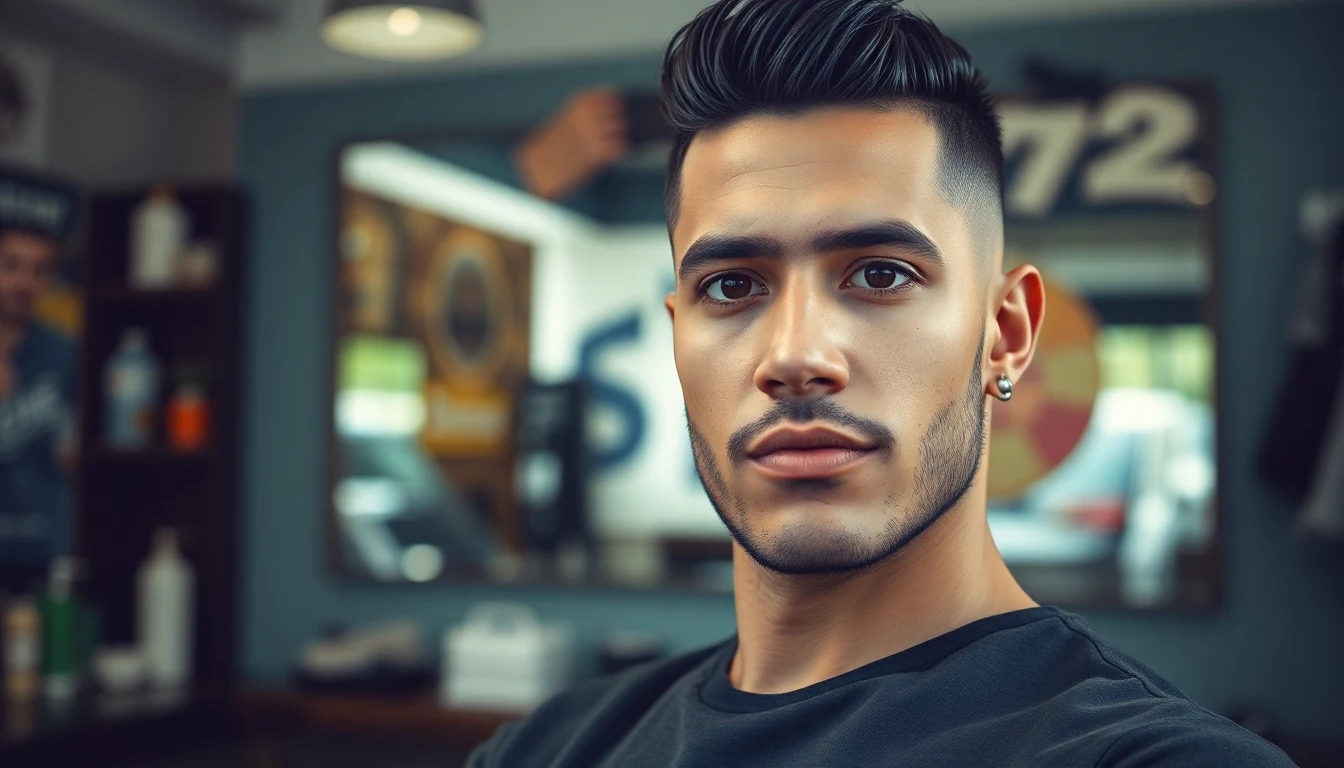
The quiff is the pompadour’s more relaxed cousin. Less structured, more textured, still plenty of volume at the front. The “messy” version skips the precise combing and leans into controlled chaos. On thick dark hair, it looks fantastic because you have enough natural volume to create the shape without backcombing or teasing.
How to Style a Messy Quiff
- Blow-dry for volume. This is non-negotiable for a quiff. With your head tilted forward, blow-dry the top section against the growth direction (usually forward and up). This builds the volume at the roots.
- Apply a medium-to-strong hold product. A clay or matte pomade works best. You want hold without visible product. Hanz de Fuko Claymation is my pick for quiffs because it gives strong hold with a natural, matte finish.
- Push the front up and slightly back. Use your fingers to scoop the front section upward and back, but leave it loose. Do not comb it. The whole point is the textured, undone look.
- Mess it up intentionally. Pull a few pieces forward. Let some sections fall slightly out of place. The quiff should look like you styled it in 5 minutes and did not overthink it, even though you absolutely thought about it.
The quiff works especially well for guys with natural wave (1C-2B). That slight wave adds movement and texture that you would otherwise need to create artificially. If your hair has any curl to it, the quiff is one of the easiest hairstyles you can do. (We recommend this Aveda Men Pure-Formance Shampoo | Lightweight.)
The Man Bun for Thick Hair: Doing It Right
Look, the man bun gets clowned. I know. But thick Hispanic hair is actually built for it in a way that fine or thin hair is not. When you have density, a man bun looks full and intentional instead of sad and stringy. The key is growing it out properly and keeping it healthy along the way.
Growing It Out
The awkward phase is real. Somewhere between 3 and 6 months of growing, your hair will be too long to style short and too short to tie back. This is where most guys give up. Do not.
- Months 1-3: Keep the sides clean with regular taper fades while the top grows. This keeps you looking intentional, not neglected.
- Months 3-6: Headbands, beanies, and textured styling products are your friends. Sea salt spray gives the growing-out length some texture and control.
- Months 6-12: You can start pulling it back. Start with a half-bun (top knot) before the full bun is possible.
- Month 12+: Full man bun territory. You made it.
How to Style It
- Brush or comb all hair back. Use a wide-tooth comb to avoid breakage.
- Gather at the crown or slightly above. The placement matters. Too high looks like a pineapple. Too low looks like a grandma bun. Crown height is the sweet spot.
- Secure with a thick hair tie. Thin elastics snap on thick hair. Use a spiral hair tie or a thick fabric band.
- Pull the bun apart slightly for fullness. Do not leave it as a tight little knot. Gently pull sections of the bun outward so it has volume and looks like you have hair, not like you are hiding it.
Hair Care for Long Thick Hair
Growing your hair out means you need an actual hair care routine. Thick hair that is been growing for a year without conditioning will be dry, brittle, and prone to breakage. Understanding hispanic men hairstyles is key to a great grooming routine.
- Condition every time you wash. Not optional. A good conditioner keeps long thick hair manageable.
- Use a leave-in conditioner or hair oil on the ends. The ends are the oldest, driest part of your hair. A few drops of argan oil after washing makes a noticeable difference.
- Trim every 8-10 weeks. Yes, even while growing out. Trimming the split ends prevents breakage from traveling up the hair shaft, which actually helps it grow longer faster.
Braids and Braided Styles: Not Just for the Weekend
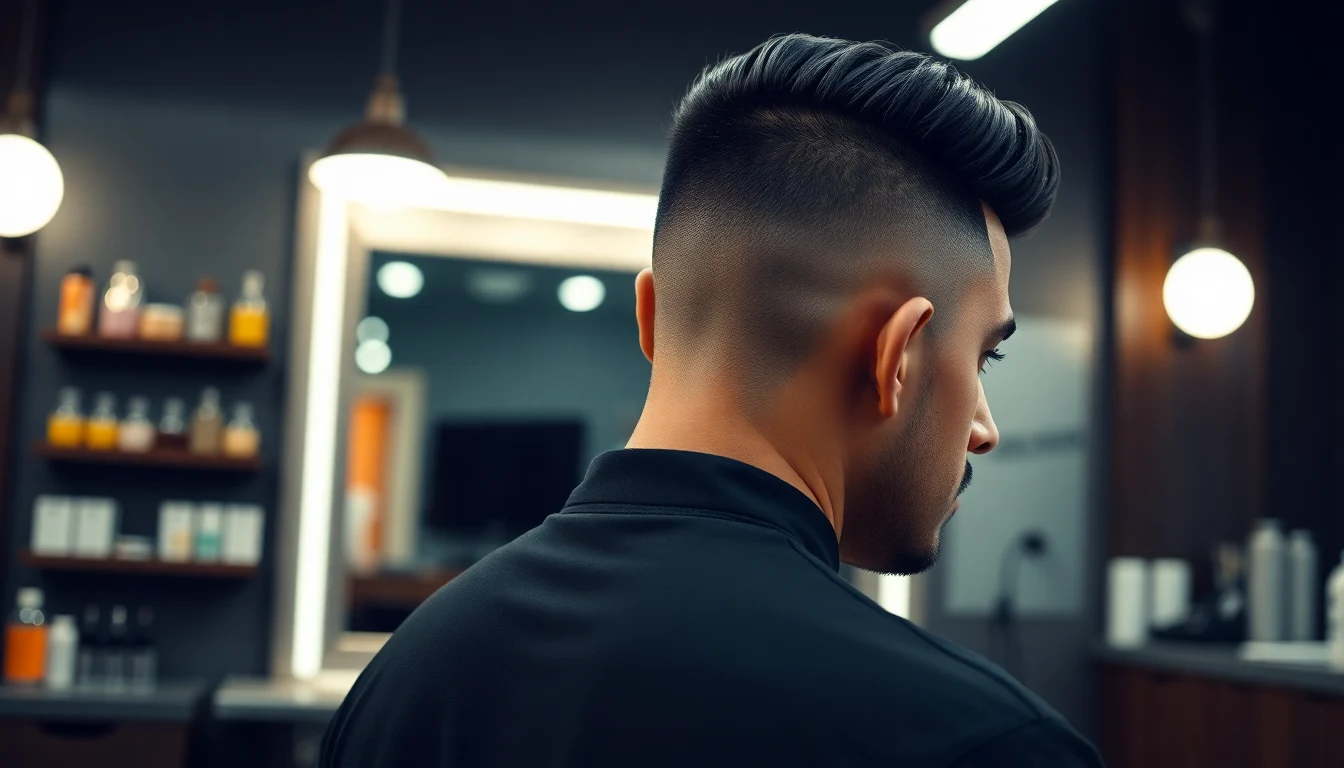
Braids on Hispanic men have roots in Indigenous and Afro-Latino traditions that go back centuries. They are not a trend, they are heritage. And they are making a strong comeback in mainstream men’s grooming, especially two-strand twists, French braids, and cornrows paired with fades.
Best Braid Styles for Thick Hair
- Two French braids: Clean, symmetrical, and works on hair as short as 4 inches on top. Pairs well with a skin fade on the sides for maximum contrast.
- Cornrows: Tight braids close to the scalp. Require at least 3-4 inches of length. Can go straight back or incorporate designs. More common in Afro-Latino and Caribbean communities but crossing over broadly.
- Viking braids / loose braids: Looser, chunkier braids that work well on the thickest hair types. Less tension on the scalp, more volume in the braid itself.
- Man bun with braided sides: Longer hair on top pulled into a bun while the sides are braided close to the scalp. The combination is clean and structured.
Maintaining Braided Styles
- Braids on thick straight-to-wavy hair tend to loosen faster than on curly or coily hair. Expect to redo them every 3-5 days.
- Apply a light gel or edge control along the parts and hairline to keep everything looking fresh.
- Sleep with a durag or silk pillowcase to prevent frizz overnight.
- Do not braid too tightly. Traction alopecia (hair loss from tight pulling) is real and permanent.
The Textured Crop: Clean, Modern, Easy
The textured crop is one of the most requested hispanic men hairstyles at barberias (barbershops) right now. It is short, textured on top, and paired with a fade. Think of it as the grown-up, cleaned-up version of the textured fringe. Less length, more structure, nearly zero styling time. Understanding hispanic men hairstyles is key to a great grooming routine.
How to Style a Textured Crop
- Towel dry. That is basically it for prep.
- Apply a small amount of matte paste or clay. Rub it between your fingertips, not your palms. You want precision, not coverage.
- Work through the top with your fingers, pushing forward. The texture comes from the cut itself (your barber should have point-cut or razor-textured the top). You are just enhancing what is already there.
- Done. Total styling time: 2 minutes.
This is the style I recommend to guys who say, “I want to look put together but I am not spending 10 minutes in front of a mirror.” The crop respects your time while still looking intentional. Pair it with a mid fade for the cleanest look, or a low fade for something more subtle.
The Classic Side Part: Timeless and Professional
Every barberia in San Antonio has at least three guys a day asking for a side part. It is the professional Hispanic man’s default, and for good reason. It works with a suit. It works with a button-down. It even works with a clean t-shirt if your fade is tight.
How to Style a Side Part on Thick Hair
- Find your natural part. Comb your damp hair straight back and push it to one side. Where it naturally separates is your part line. For most guys, it is 2-3 inches off center.
- Blow-dry with the part. Use the concentrator nozzle on your blow-dryer. Dry the larger section away from the part, following the natural fall direction. Dry the smaller side flat and close to the head.
- Apply pomade. For a shiny, classic part, use Suavecito Original. For a matte, modern part, use Baxter of California Clay.
- Comb into place. Use a fine-tooth comb on the part line and the larger section. The smaller side should lay flat with minimal product.
If you want the part to look razor-sharp, ask your barber for a hard part (a line shaved into the hair at the part). This is sometimes called a linea marcada in Spanish, and it gives the side part a more defined, structured appearance.
The Daily Styling Routine for Hispanic Hair
All of these hairstyles share common ground when it comes to daily maintenance. Here is the routine I use and recommend to anyone working with thick, dark Hispanic hair.
Morning Routine (5-8 Minutes)
- Shower or wet your hair. Thick hair is much easier to style when it is damp. If you are not washing that day, just wet it with a spray bottle or quick rinse.
- Apply a heat protectant if blow-drying. Thick dark hair can handle heat, but daily blow-drying without protection leads to dryness and damage over time.
- Blow-dry in the direction of your style. Back for pompadours and slick backs. Forward for fringes and crops. Up and back for quiffs. 3-4 minutes of blow-drying is usually enough. You are setting the direction, not baking it.
- Apply your styling product. Start with less than you think you need. You can always add more. Thick hair eats product, so build up in thin layers rather than one heavy application.
- Shape with fingers or comb. Textured styles = fingers. Smooth styles = comb. Finish by checking the back with a hand mirror or your phone camera.
Throughout the Day
- Carry a small comb. Thick hair shifts, especially in wind or humidity. A quick recomb takes 30 seconds and resets your style.
- Touch up the front. The front section is what people see. If you only fix one thing during the day, fix the front.
- Do not add more product. Adding product on top of product creates buildup and makes your hair look greasy by afternoon. If your hold is failing mid-day, you probably need a stronger product, not more of the same one.
Wash Day Routine (2-3 Times Per Week)
- Shampoo. Use a sulfate-free shampoo for daily washing. Once a week, use a clarifying shampoo to strip out product buildup. Thick hair accumulates pomade residue faster than you realize.
- Condition. Every single wash. Work conditioner through the mid-lengths and ends, not the scalp. Let it sit for 2-3 minutes. This keeps thick hair soft enough to style without fighting you.
- Towel dry gently. Do not rub your hair like you are trying to start a fire. Squeeze the water out. Thick hair can handle some roughness, but aggressive toweling creates frizz and breakage over time.
Product Guide: What Works on Thick Hispanic Hair
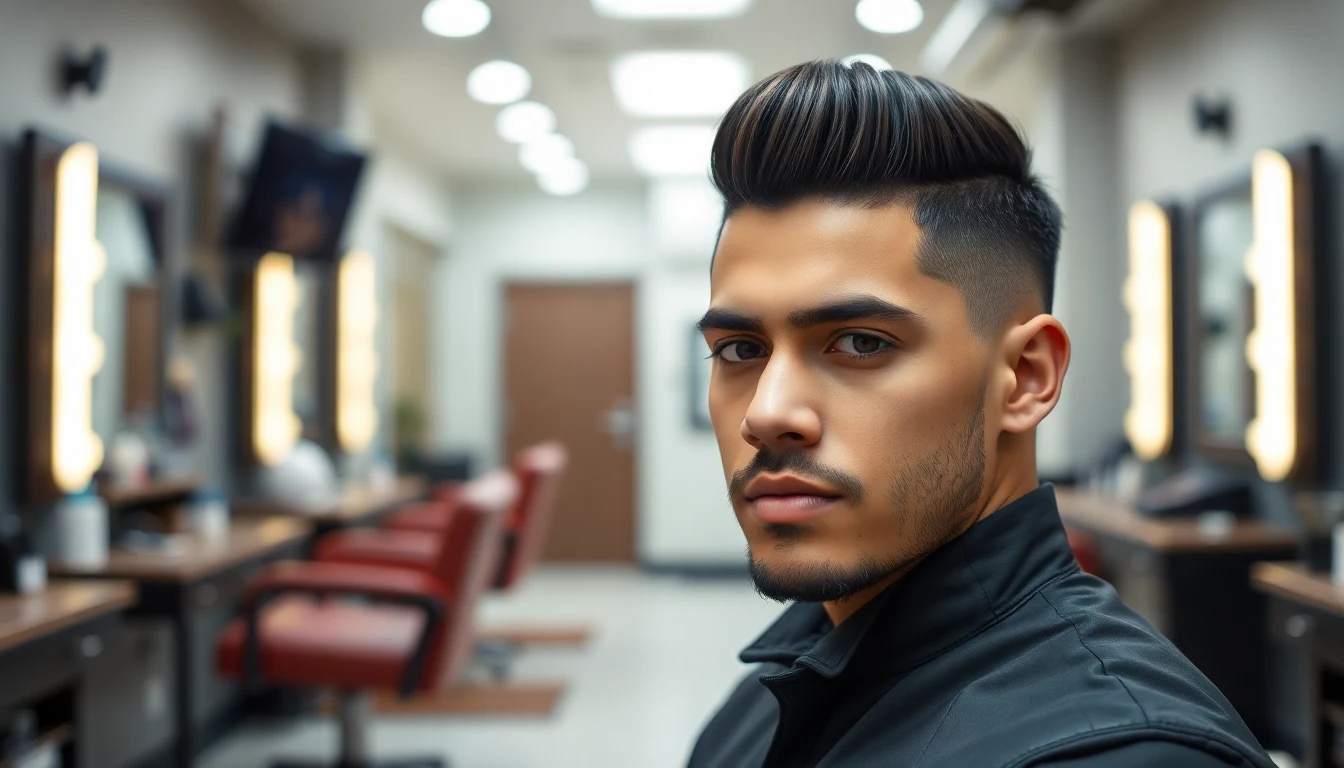
I have tested more pomades than I can count. Tres Flores in my abuela’s (grandmother’s) bathroom, Suavecito in every barbershop from here to LA, and everything in between. Here is what actually holds up.
Hold and Shine Matrix
| Product | Hold (1-5) | Shine (1-5) | Finish | Best For | Price |
|---|---|---|---|---|---|
| Suavecito Firme Hold | 5 | 4 | High shine | Pompadours, slick backs | ~$13 |
| Suavecito Original | 3 | 4 | High shine | Side parts, everyday styles | ~$13 |
| Layrite Superhold | 5 | 3 | Medium shine | All-day hold in heat and humidity | ~$18 |
| Pacinos Matte Paste | 4 | 1 | Matte | Textured fringe, messy quiff, textured crop | ~$14 |
| Elegance Hair Gel | 4 | 2 | Low shine | Edgar styles, structured fades | ~$10 |
| Reuzel Pink Heavy Hold | 5 | 5 | Highest shine | Classic pompadours, vintage looks | ~$16 |
| Baxter of California Clay | 3 | 1 | Matte | Natural texture, modern styles | ~$23 |
| Hanz de Fuko Claymation | 4 | 1 | Matte | Quiffs, matte slick backs | ~$23 |
| Tres Flores Brilliantine | 2 | 5 | Highest shine | Finishing touch, heritage look, light styles | ~$5 |
| Viking Revolution Sea Salt Spray | 2 | 1 | Matte | Pre-styling texture, beach wave look | ~$10 |
How to Choose Your Product
Want shine? Go with a water-based pomade. Suavecito and Reuzel are the go-to brands in every barberia in the country. They wash out easily and restyle throughout the day. (We recommend this Rocky Mountain Barber Company Pomade for.)
Want matte? Clay and matte paste. Pacinos and Baxter are the benchmarks. Matte products give a more natural, modern look and tend to work better for textured and messy styles.
Need maximum hold? Suavecito Firme, Layrite Superhold, or Reuzel Pink. These are the heavy hitters for thick hair that fights back. If a regular pomade loses its shape by lunch, step up to one of these. (We recommend this Cremo Hair Pomade for Men –.)
On a budget? Elegance Hair Gel at around $10 delivers serious hold for the price. And Tres Flores at roughly $5 is still undefeated for shine. Your tio was not wrong.
The Blow-Dryer: Your Most Important Styling Tool
Here is the truth nobody tells you in the generic “men’s styling tips” articles: thick Hispanic hair basically requires a blow-dryer for most of these hairstyles. Product alone cannot create volume or override gravity on hair this dense. The blow-dryer is what transforms a haircut into a hairstyle.
Blow-Drying Technique for Thick Hair
- Use a concentrator nozzle. That narrow attachment that came with your dryer and is probably still in the box. It directs airflow precisely instead of blowing hair in every direction.
- Work in sections. Thick hair is layered. If you just blast the surface, the inner layers stay damp and unstyled. Clip up the top layer, dry the bottom layer first, then work upward.
- Direction is everything. Point the dryer in the direction you want the hair to go. For a pompadour, angle it from front to back while lifting with a brush. For a fringe, angle it forward and down.
- Finish with a cool shot. Most dryers have a cool-shot button. After your hair is dry and shaped, hit it with cold air for 30 seconds. This sets the cuticle and locks in the shape.
A decent blow-dryer runs $25-40. It is, honestly, the best grooming investment you can make after a good barber. Combined with a round brush, it gives you 80% of the control you need before any product even touches your hair.
Surviving Humidity: Styling Tips for Hot Climates
I live in San Antonio. Our humidity averages 60-70% year-round and hits 90%+ in summer. I have personally watched my pompadour deflate in the time it took to walk from my car to the front door of H-E-B. If you live anywhere with heat and humidity, these adjustments are mandatory.
- Use water-based pomades, not oil-based. Oil-based pomades melt in extreme heat. Water-based formulas like Suavecito and Layrite hold their structure better and do not turn your hair into a grease slick.
- Apply an anti-humidity hairspray as your final step. This creates a barrier that slows moisture absorption. It is the difference between your style lasting 4 hours versus all day.
- Embrace texture over sleekness in summer. Textured styles hide the effects of humidity better than perfectly smooth styles. A messy quiff that gets a little frizzy still looks good. A smooth slick back that gets frizzy just looks messy.
- Keep your hair shorter in peak summer. Less length means less weight pulling your style down, less surface area absorbing moisture, and faster restyling when you need to fix things.
- Carry blotting sheets. Sounds weird for hair, but running a blotting sheet over your hairline absorbs the sweat and oil that cause styles to collapse at the edges first.
I tested every product on this list in a San Antonio July. If it made this guide, it survived. That is the baseline. When it comes to hispanic men hairstyles, technique matters most.
Essential Tools for Hispanic Men’s Hair Styling
You do not need a barbershop setup at home. But a few tools make the difference between “I tried” and “it looks like I know what I am doing.” When it comes to hispanic men hairstyles, technique matters most.
| Tool | What It Does | Price Range | Worth It? |
|---|---|---|---|
| Blow-dryer with concentrator | Creates volume and sets direction | $25-50 | Essential |
| Round brush (medium barrel) | Lifts hair at the root during blow-drying | $8-15 | Essential for pompadours and quiffs |
| Fine-tooth comb | Precise parting and smooth slick backs | $3-8 | Essential |
| Wide-tooth comb | Detangling wet hair, loose styling | $3-8 | Nice to have |
| Sectioning clips | Hold hair out of the way while blow-drying | $5-10 | Helpful for thick hair |
| Hand mirror | Check the back of your head | $5-10 | Prevents surprises |
| Quality hair ties (thick) | Man buns that do not snap | $6-12 | Essential for long hair |
Invest in the blow-dryer and the round brush first. Everything else you can add as you figure out your style. And if you are also maintaining your own fades at home, check out our best clippers for fades guide for recommendations that handle thick hair.
Matching Hairstyles to Your Face Shape
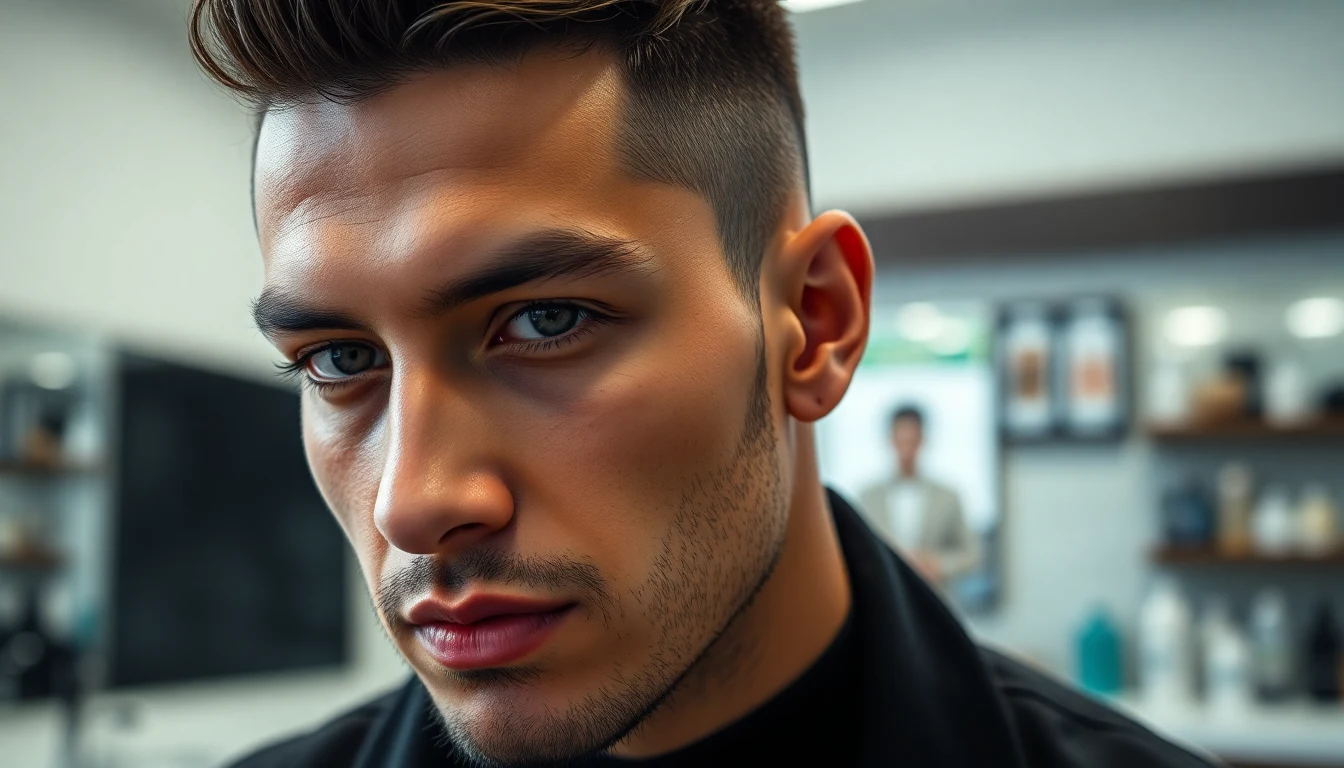
Not every hairstyle works on every face. Here is the quick version so you do not spend time learning to style something that will not flatter you.
| Face Shape | Best Styles | Avoid |
|---|---|---|
| Oval | Everything. You won the face-shape lottery. | Nothing specific |
| Round | Pompadour, quiff, textured crop (add height on top to elongate) | Side-heavy styles that widen the face |
| Square | Textured fringe, messy quiff, side part (soften the angular jawline) | Very boxy, flat styles that emphasize the square shape |
| Oblong/Long | Textured fringe, side part, styles with side volume | Tall pompadours and quiffs that add more height |
| Heart/Triangle | Side part, textured crop, medium-length styles that add width at the chin level | Styles with extreme volume at the top |
Not sure about your face shape? Here is the easy test: look in the mirror and trace the outline of your face on the glass with a bar of soap or dry-erase marker. The shape you see is your face shape. Takes 10 seconds.
Frequently Asked Questions
What hairstyles look best on Hispanic men with thick hair?
The most flattering hairstyles for Hispanic men with thick hair include the pompadour, slick back, textured fringe, and messy quiff. Thick dark hair holds volume and structure better than fine hair, which makes these styles look fuller and more defined. The best choice depends on your face shape and how much time you want to spend styling each morning. (We recommend this JOHNNY B. Mode Professional Hair Styling.)
How do you style thick Hispanic hair that resists styling?
Start with damp hair, not soaking wet. Apply a pre-styler or heat protectant, then blow-dry using a round brush to set the direction. Once dry, work in a strong-hold pomade or clay in small amounts, starting from the back and working forward. Thick hair needs product distributed in layers rather than one heavy application. Finish with a light hairspray for all-day hold in humidity. (We recommend this Viking Revolution Extreme Hold Pomade for.)
What hair products work best for Hispanic men?
Strong-hold pomades like Suavecito Firme Hold and Layrite Superhold are staples for thick dark hair because they provide enough control without flaking. For textured styles, a matte clay or paste like Pacinos Matte works better than gel. For slick styles, a water-based pomade gives shine without the buildup. The right product depends on whether you want shine or matte finish and how much hold you need. (We recommend this Suavecito Pomade Original Hold For Men.)
How often should Hispanic men wash their hair?
Two to three times per week for most Hispanic hair types. Thick dark hair tends to produce moderate oil, and daily washing strips the natural oils that keep hair manageable and shiny. On non-wash days, rinse with water and use a light conditioner if needed. If your scalp runs oily, use a gentle sulfate-free shampoo every other day. (We recommend this Viking Revolution Spiced Vanilla Mens Shampoo.)
What is the difference between hispanic men hairstyles and hispanic men haircuts?
A haircut is what your barber does with the clippers and shears. A hairstyle is what you do with the hair after the cut, including blow-drying, applying product, and shaping. You can get the same haircut and create three different hairstyles depending on how you style it. This guide focuses on styling techniques and daily routines rather than what to ask your barber for. (We recommend this JOHNNY B. Mode Professional Hair Styling.)
Can Hispanic men with wavy or curly hair pull off these styles?
Yes. Many of these styles work across the range of Hispanic hair textures, from thick and straight to wavy and curly. The pompadour and quiff work especially well with natural wave because the texture adds volume. For curlier textures in the 2C to 3B range, a curl cream replaces pomade for the textured styles. Adjust the products based on your specific hair texture rather than skipping the style entirely.
Your Next Move
Hispanic men hairstyles are not just about looking good. They connect to history, culture, and the way we show up in the world. From the Pachuco pompadour to the modern textured crop, every style on this list carries weight and intention.
Here is the quick recap:
- Pompadour for drama and heritage. Needs blow-drying and strong pomade.
- Slick back for clean, professional, timeless. Layer your pomade on thick hair.
- Textured fringe for modern and low-maintenance. Fingers, not combs.
- Messy quiff for volume with attitude. Blow-dry is non-negotiable.
- Man bun for the patient. Commit to the grow-out and keep it conditioned.
- Braids for heritage and structure. Redo every 3-5 days.
- Textured crop for the 2-minute guy. Easiest style on this list.
- Side part for the professional. Find your natural part and own it.
Start with one style that matches your face shape and your morning schedule. Get the products. Practice the blow-drying. Give it a week. And if you need the cut to go with the style, our latino men haircuts guide covers exactly what to tell your barber, in English and Spanish.
There is no shame in caring how you look. That is not vanity. That is self-respect. Your tio knew that, even if his version was Tres Flores and a comb. We are just building on what he started.
For fade types that pair with these styles, check out our complete guide to fade types. For hairstyle inspiration from other cultures, see our Asian hairstyles for men guide.
Further reading: For research-backed grooming advice, see Healthline Men’s Health.
Explore more tips at CulturedGrooming.com.
Further reading: For research-backed grooming advice, see Healthline Men’s Health.