
If you want to master how long does a fade, this guide covers everything you need to know.
If you want to master how long does a fade, this guide covers everything you need to know. Last updated: February 2026 by Marcus Chen-Williams, Editor-in-Chief
You walk out of the barbershop and your fade is perfect. Sharp lines, seamless blend, that satisfying contrast between the sides and top. But how long does a fade last before it starts growing out and losing that clean look? The honest answer: it depends on the type of fade, your hair growth rate, and how well you maintain it between visits. For most men, a fade stays sharp for one to three weeks before it needs a refresh.
I have been getting fades for over a decade and have talked to dozens of barbers about the lifespan of different cuts. The conversations always come back to the same point: the tighter the fade, the shorter the window of peak freshness. A skin fade looks incredible on day one but starts showing regrowth within a week. A low fade is more forgiving and can look good for two to three weeks with minimal effort.
This guide breaks down exactly how long each fade type lasts, the factors that affect your fade’s lifespan, and practical strategies to extend the gap between barbershop visits without sacrificing your look.
The Quick Answer: How Long Does Each Fade Type Last?: How Long Does A Fade
If you just need the numbers, here is the breakdown by fade type. These are estimates based on average hair growth of about half an inch per month. Your personal timeline may be slightly shorter or longer depending on factors I will cover in the next section.
| Fade Type | Peak Freshness | Still Looks Good | Time to Rebook | Best For |
|---|---|---|---|---|
| Skin Fade | 3-5 days | 5-7 days | 1-2 weeks | Men who want maximum sharpness and visit frequently |
| Low Fade | 7-10 days | 10-14 days | 2-3 weeks | Professional settings, lower maintenance |
| Mid Fade | 5-7 days | 10-14 days | 2-3 weeks | Balanced look, versatile regrowth pattern |
| High Fade | 5-7 days | 7-10 days | 1.5-2 weeks | Bold contrast, more frequent upkeep |
| Taper Fade | 7-14 days | 14-21 days | 2-4 weeks | Conservative look, maximum time between visits |
| Shadow Fade | 7-10 days | 14-18 days | 2-3 weeks | Men who want a fade without the skin line |
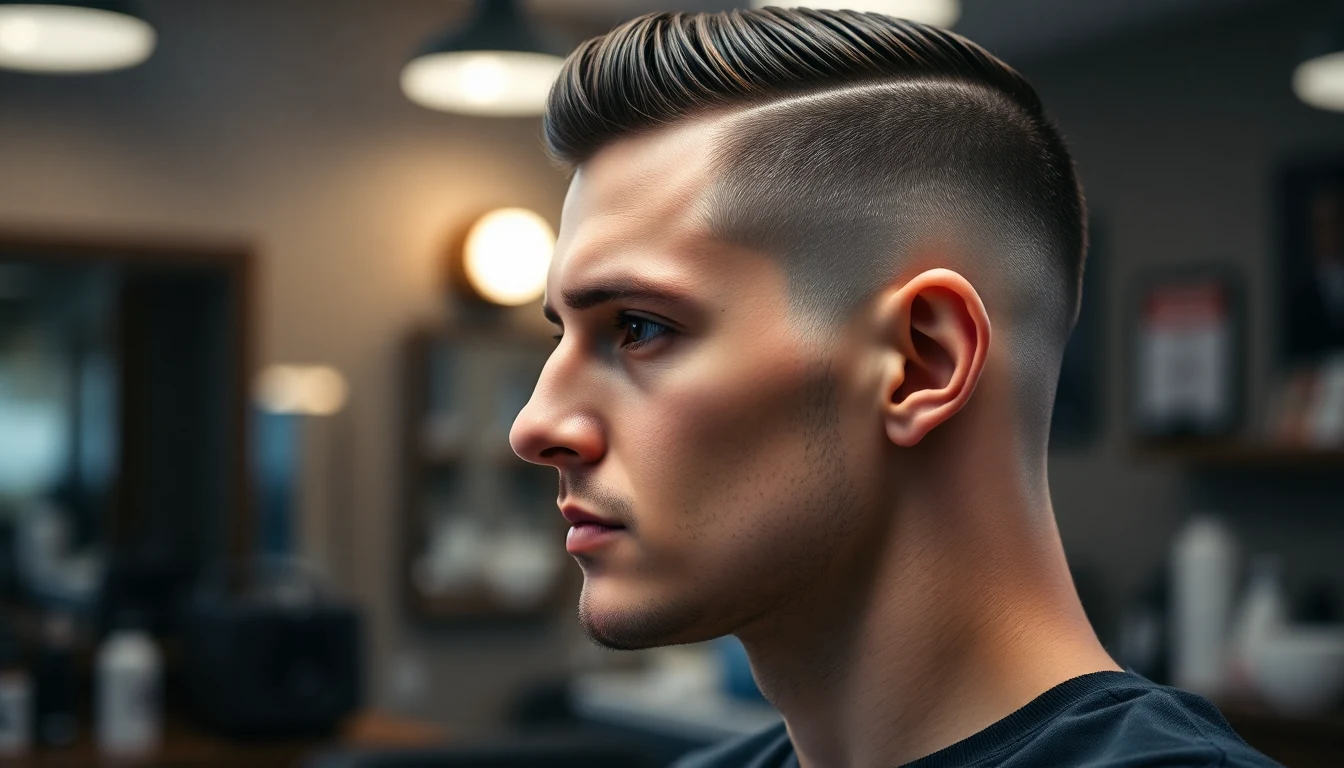
The pattern is straightforward: the closer your fade goes to bare skin, the faster it shows regrowth. A skin fade has the shortest window because any hair growing from a zero-length baseline is immediately visible. A taper fade, which blends gradually without going to the skin, stays looking intentional for the longest stretch.
Skin Fade: 1 to 2 Weeks
The skin fade is the most dramatic and the most demanding when it comes to maintenance. On the day you leave the barbershop, nothing beats the clean contrast of bare skin blending seamlessly into your hair on top. But that clean skin line is also the first thing to go.
Here is what happens day by day:
- Days 1-3: Peak freshness. The skin line is clean, the blend is seamless, and the contrast is at its sharpest. This is the “just left the barber” look that makes skin fades so popular.
- Days 4-5: Slight stubble appears at the lowest point of the fade. You can feel it before you can see it. The blend still looks good to most people, but you will notice the difference if you look closely.
- Days 6-7: The skin line is no longer clean. The stubble at the bottom has grown enough to blur the contrast between skin and the shortest hair above it. The fade still looks decent from a normal conversation distance, but the precision is gone.
- Days 8-14: The fade is visibly grown out. The seamless gradient now has a more uniform length at the bottom, and the overall shape of the cut starts to change. Time to rebook.
If you have coarse or thick hair, expect the shorter end of these ranges. Coarse strands create visible shadow faster as they grow, even at very short lengths. I have talked to barbers who work primarily with Black and Latino clients, and they consistently say that coarse-haired clients rebook skin fades every 7 to 10 days to maintain that clean look.
Fine or thin hair buys you a bit more time. The strands are less prominent, so the regrowth blends more naturally and the skin line stays cleaner longer. Even so, most men with skin fades are looking at a two-week maximum before the cut needs attention.
Low Fade: 2 to 3 Weeks
The low fade is the quiet workhorse of the fade family. It does not have the drama of a skin fade or the boldness of a high fade, but it holds its shape longer than almost any other variation. That makes it the smart choice for men who want a clean look without committing to biweekly barbershop visits.
A low fade concentrates the blending work in a narrow band just above the ears and along the neckline. Because the transition zone is small and sits low on the head, the regrowth happens in an area that is less visually prominent. Your eye naturally focuses on the top and the temples, not the bottom half inch behind your ears.
The week-by-week breakdown:
- Week 1: Looks fresh and intentional. The blend is crisp, the neckline is clean, and the overall shape is exactly what the barber intended.
- Week 2: Still looks good. The neckline may have grown out slightly, and the very bottom of the fade has filled in a bit. Most people would not notice the difference without a side-by-side comparison.
- Week 3: The fade is softening. The neckline is the first area to look unkempt, and the gradient is less defined. With a quick neckline cleanup at home, you can push this to the end of week three and still look presentable.
- Week 4: Time to rebook. The fade shape has mostly grown out, and the haircut is transitioning from “faded” to just “short on the sides.”
The low fade’s longevity is one reason it remains the default recommendation for men in professional settings where a fresh cut matters but biweekly barbershop visits are not practical. It is also the most forgiving fade for men who are just starting to experiment with faded styles and do not yet have a regular barbershop routine.
Mid Fade: 2 to 3 Weeks
The mid fade splits the difference. The blend starts around the temple area, which means more of the side is faded compared to a low fade but less than a high fade. This positioning gives the mid fade a solid balance of visual impact and reasonable maintenance. Mastering how long does a fade takes practice but delivers great results. Mastering how long does a fade takes practice but delivers great results.
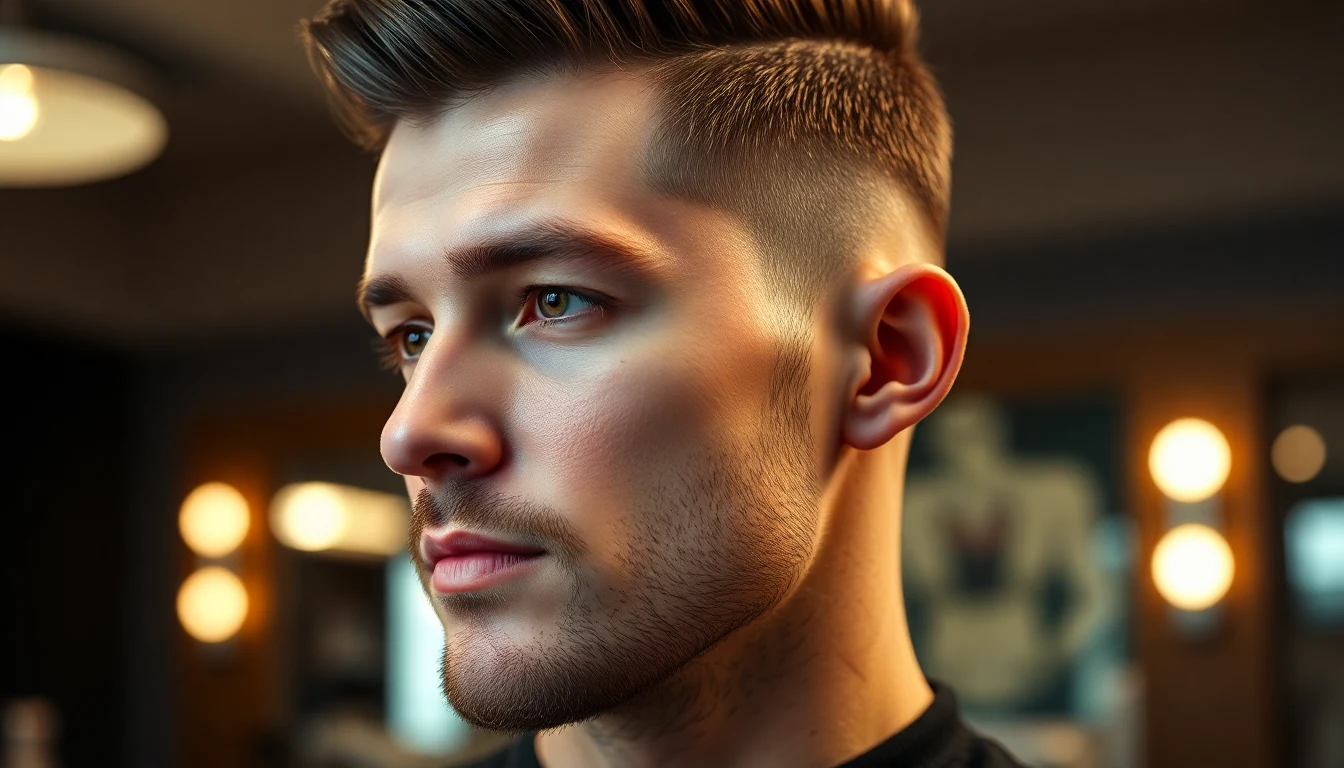
In my experience, the mid fade and the low fade have similar overall lifespans, but they age differently. With a low fade, the neckline is the first thing to go. With a mid fade, the temple area is where you will notice regrowth first. The sides fill in more evenly, which can actually look intentional for a week or so before it starts to look truly grown out.
- Days 1-7: The fade looks sharp. The temple line is clean, and the blend from the mid-point down to the shorter length at the bottom is seamless.
- Days 8-14: The lower half of the fade starts to even out as hair growth closes the gap between guard lengths. The overall shape is still clearly a fade, and styling on top helps maintain the contrast.
- Days 15-21: The fade is softening visibly. The transition from the midpoint down has filled in, and the sides are starting to look more uniform than graduated. A neckline cleanup extends the life by a few days.
The mid fade is my go-to recommendation for men who want more definition than a low fade offers but do not want the high-maintenance schedule that comes with a skin fade or high fade. It is also the most versatile fade type in terms of pairing with different styles on top, from textured crops to longer slick-backs.
High Fade: 1.5 to 2 Weeks
The high fade creates the most dramatic contrast of any fade variation. The blend starts high on the head, usually above the temples, which means a large portion of the sides is clipped short or to the skin. That bold contrast is exactly what makes it look incredible on day one and exactly what makes it show regrowth faster. Mastering how long does a fade takes practice but delivers great results.
When a large area is taken very short, any hair growth across that entire zone is visible. The regrowth is not limited to a small band near the neckline like with a low fade. Instead, the entire side of the head is filling in simultaneously, and the sharp contrast between the long top and the short sides starts to soften.
- Days 1-5: Peak sharpness. The high fade’s signature look, minimal hair on the sides with all the volume concentrated on top, is at its best.
- Days 6-10: The sides are filling in. The blend is still visible but less dramatic. The contrast between the top and sides, which was the whole point of the high fade, is diminishing.
- Days 11-14: Most men who care about the look would rebook at this point. The fade has lost its defining sharpness, and the sides are approaching a uniform short length rather than a gradient.
High fades are the choice for men who are willing to invest in frequent visits for a statement haircut. If you pair the high fade with a skin fade at the bottom (a high skin fade), the maintenance window is even tighter because you are dealing with both the high placement and the bare-skin regrowth.
Five Factors That Affect How Long Your Fade Lasts
The timelines above are averages. Your personal experience will depend on a combination of factors. Understanding these helps you predict your own fade’s lifespan and plan your visits accordingly. For more guidance, American Academy of Dermatology provides expert resources on skin and hair care.
1. Hair Growth Rate
The average person’s hair grows about half an inch per month, which works out to roughly 1/8 inch per week. But individual rates vary significantly. Genetics, age, diet, and overall health all influence growth speed. Younger men in their late teens and twenties tend to have faster growth rates than men in their forties and fifties. If your hair seems to grow fast, you are not imagining it; some men grow nearly an inch per month, which means their fade lifespan is noticeably shorter than average.
2. Hair Texture and Thickness
Coarse, thick hair creates more visible shadow as it grows. Even at very short lengths, thick strands are more prominent than fine ones. This means a skin fade on thick, coarse hair will show regrowth faster than the same skin fade on fine, thin hair. Curly and coily hair textures have a slight advantage here: the natural curl pattern softens transitions between grown-in lengths, making the blend look intentional for a few extra days.
3. Fade Type (How Close to the Skin)
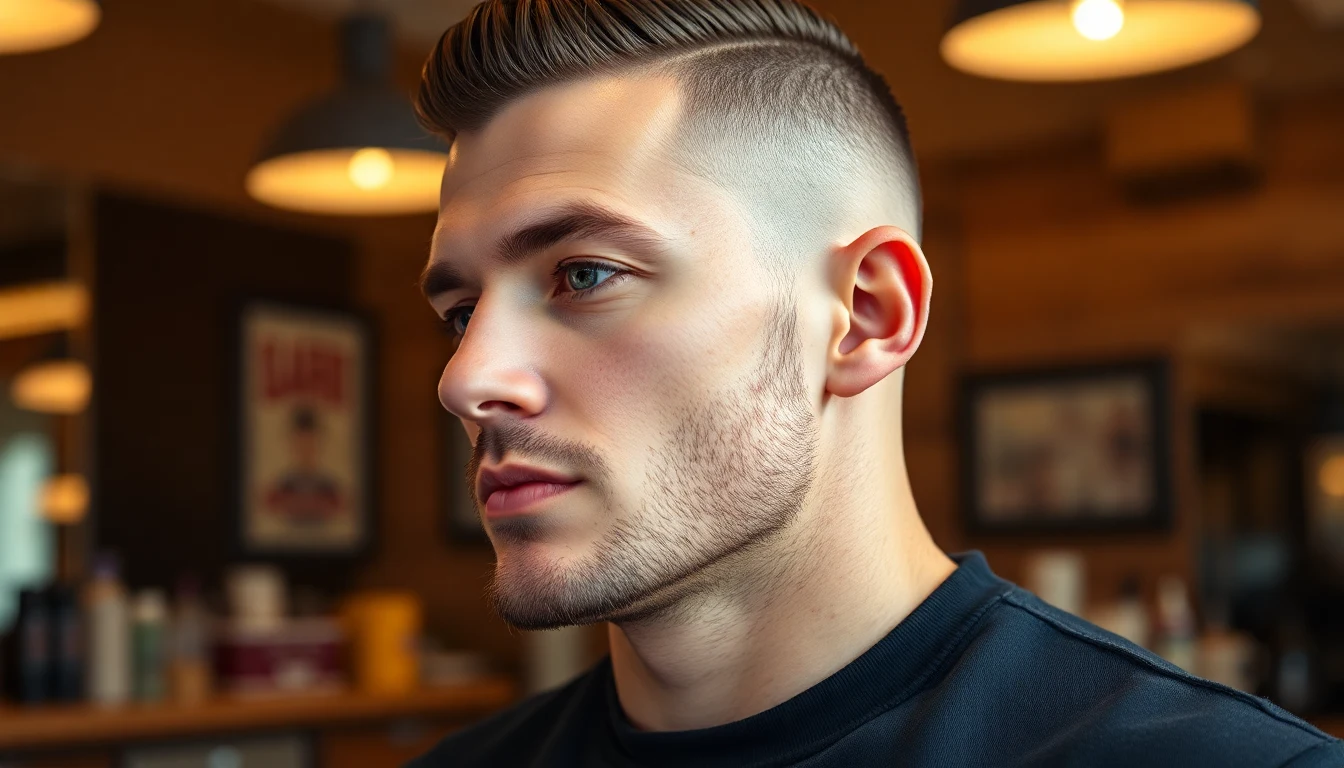
I covered this in detail above, but the principle is simple: the shorter the starting length at the bottom of the fade, the more visible any regrowth will be. A skin fade (starting at zero) shows regrowth faster than a shadow fade (starting at a #0.5 or #1 guard), which in turn shows regrowth faster than a standard taper.
4. Fade Placement (Low, Mid, or High)
Where the fade sits on your head affects how much area is clipped short. A high fade means more of the side is faded, which means more area that is actively growing out and becoming visible. A low fade limits the short zone to a narrow band at the bottom, reducing the visible impact of regrowth.
5. Your Barber’s Technique
This one is often overlooked. A highly skilled barber creates smoother, more gradual transitions between lengths. When the blend is seamless, it takes longer for regrowth to disrupt the gradient because the differences between adjacent lengths are so subtle. A less precise fade, one with slight lines or uneven blending, will look unkempt sooner because the regrowth amplifies any imperfections. This is one of the biggest reasons to invest in a good barber with quality clippers and proven fade technique.
How to Make Your Fade Last Longer: 7 Proven Strategies
You cannot stop hair growth. But you can manage how that growth affects the look of your fade. These strategies will not make your fade look like day one forever, but they will buy you an extra three to seven days of solid appearance between barbershop visits. Over a year, that translates to fewer trips and meaningful savings.
1. Do Neckline Cleanups at Home
This is the single most effective thing you can do to extend any fade. The neckline is the first area that looks unkempt as hair grows out, and cleaning it up takes less than five minutes with a cordless trimmer. The Andis Slimline Pro Li is a solid choice for home touch-ups because it is precise enough for clean lines without the risk of accidentally cutting into your fade.
How to do it:
- Use a hand mirror to see the back of your neck, or ask a partner to help.
- Turn the trimmer on and use the bare blade (no guard).
- Follow the existing neckline your barber created. Do not reshape it; just clean up what has grown below the line.
- Repeat every three to four days for best results.
2. Clean Up the Edges and Sideburns
After the neckline, the area around your ears and sideburns is the next to look overgrown. Using a trimmer to maintain clean edges around the ears keeps the fade looking intentional even as the blend softens. The key is to only remove what has grown outside the original lines. Do not try to re-blend the fade itself at home. That is how you end up with a visible line that only a barber can fix.
3. Use Styling Products That Enhance Contrast
The visual appeal of a fade comes from the contrast between the short sides and the styled top. As the sides grow in and that contrast diminishes, your styling product becomes more important. A matte pomade or texturizing pomade adds volume and definition to the top, which visually increases the perceived difference between the top and sides. (We recommend this Old Spice Hair Pomade for Men,.)
Products to choose:
- Matte pomade or clay: Best for adding volume without shine. Creates the most visible contrast against growing sides.
- Texturizing powder: Excellent for fine hair. Adds grip and lift at the roots, making the top look fuller.
- Light-hold mousse or cream: Good for curly hair fades. Defines curls on top without weighing them down.
Products to avoid:
- Heavy gel: Flattens the top, reducing the contrast that makes a fade look sharp.
- High-shine pomade: Can draw attention to the sides by reflecting light off the regrowth.
4. Keep the Top Styled and Defined
An unstyled top makes a growing fade look messier than it actually is. Even a quick two-minute styling routine in the morning, working some product through the top and directing it with your fingers, maintains the visual structure of the cut. The contrast between a styled top and slightly grown sides still reads as “intentional fade” rather than “overdue for a haircut.” Understanding how long does a fade is key to a great grooming routine.
5. Use an Edge Brush
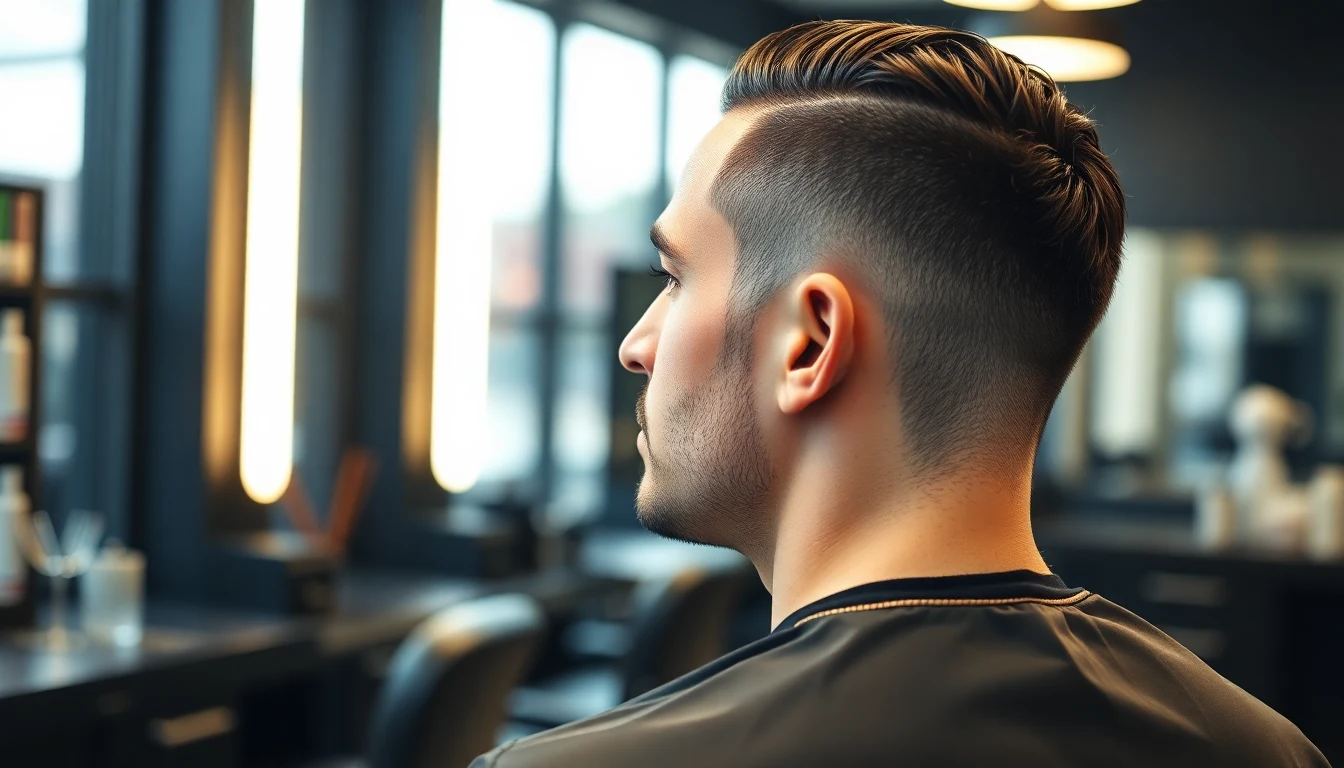
An edge brush or a fine-toothed comb can help you define the transition between the faded sides and the longer top. Brushing the sides down and the top up or forward reinforces the directional contrast of the fade. This small habit makes a noticeable difference, especially in weeks two and three when the blend is softening. Understanding how long does a fade is key to a great grooming routine. Understanding how long does a fade is key to a great grooming routine.
6. Avoid Over-Washing
This might sound unrelated, but how often you wash your hair affects how it lays. Freshly washed hair, especially fine or straight hair, tends to be more flyaway and uncooperative. The natural oils in your hair provide some hold and weight that help the cut sit properly. Washing every two to three days rather than daily helps your styled top maintain its shape between washes, which contributes to the overall appearance of the fade.
7. Book a “Cleanup” Instead of a Full Fade
Many barbershops offer a “cleanup” or “lineup” service that costs less than a full haircut. This typically includes a neckline cleanup, edge-up around the hairline, and sometimes a quick touch-up of the very bottom of the fade. These visits are faster and cheaper than a full fade, and they can extend your cut’s appearance by another week to ten days. If your barber offers this service, alternating between full fades and cleanup visits is one of the smartest scheduling strategies available.
When to Rebook: A Schedule by Fade Type
Building a consistent schedule with your barber is the most reliable way to keep your fade looking sharp year-round. Here is a realistic rebooking guide based on each fade type and how demanding you are about freshness.
| Fade Type | Rebook (High Standards) | Rebook (Relaxed Standards) | With Home Maintenance |
|---|---|---|---|
| Skin Fade | Every 7 days | Every 10-14 days | Every 10-14 days |
| Low Fade | Every 14 days | Every 21 days | Every 21-28 days |
| Mid Fade | Every 14 days | Every 18-21 days | Every 21 days |
| High Fade | Every 10 days | Every 14 days | Every 14-18 days |
| Taper Fade | Every 14-21 days | Every 28 days | Every 28-35 days |
| Shadow Fade | Every 14 days | Every 21 days | Every 21-28 days |
Pro tip: most barbershops let you book standing appointments. If you know you need a fade every two weeks, lock in your preferred time slot. This also helps your barber plan their schedule and ensures you never get stuck waiting for an opening during busy periods (Friday afternoons and Saturday mornings are the worst).
The Real Cost of Maintaining a Fade (And How to Save)
Let’s talk money. A fade is not a one-time expense. It is a recurring commitment, and the annual cost adds up faster than most men realize. Here is the math, broken down by maintenance schedule and typical pricing.
Annual Cost by Visit Frequency
| Visit Frequency | Visits Per Year | At $25/Cut | At $35/Cut | At $45/Cut |
|---|---|---|---|---|
| Weekly | 52 | $1,300 | $1,820 | $2,340 |
| Every 10 days | 36 | $900 | $1,260 | $1,620 |
| Every 2 weeks | 26 | $650 | $910 | $1,170 |
| Every 3 weeks | 17 | $425 | $595 | $765 |
| Monthly | 12 | $300 | $420 | $540 |
Note: These totals do not include tips. A standard 20% tip adds $5 to $9 per visit.
The difference between a weekly skin fade habit and a monthly low fade routine is over $1,000 per year at moderate pricing. That is real money, and it is worth considering when you choose which fade type to commit to.
5 Money-Saving Strategies
- Invest in a quality home trimmer. A one-time investment of $50 to $100 in a good cordless trimmer pays for itself within a few months. Use it for neckline and edge cleanups between professional visits. The Bevel Trimmer and BaBylissPRO GoldFX are both excellent for home maintenance.
- Alternate full fades and cleanup visits. If a full fade costs $35 and a cleanup costs $15, alternating them over a biweekly schedule cuts your annual cost by roughly 30%.
- Choose a longer-lasting fade type. Switching from a skin fade (rebooking every 1-2 weeks) to a low fade (rebooking every 2-3 weeks) can eliminate eight to ten visits per year. That is $200 to $450 in savings at typical pricing.
- Ask about loyalty programs. Many barbershops offer a “buy 10, get 1 free” type of deal. If your shop does not advertise it, ask. A 10% discount on a recurring expense like haircuts is worth the question.
- Find a newer barber building their client base. Experienced barbers charge premium prices. A talented newer barber looking to build their reputation may offer the same quality at a lower rate. Check their portfolio on Instagram before booking.
Choosing the Right Fade for Your Lifestyle and Budget
Now that you know how long each fade type lasts and what it costs to maintain, let me help you match the right fade to your actual lifestyle. Because the best fade is not just the one that looks best on day one. It is the one that fits your schedule, your budget, and your maintenance tolerance.
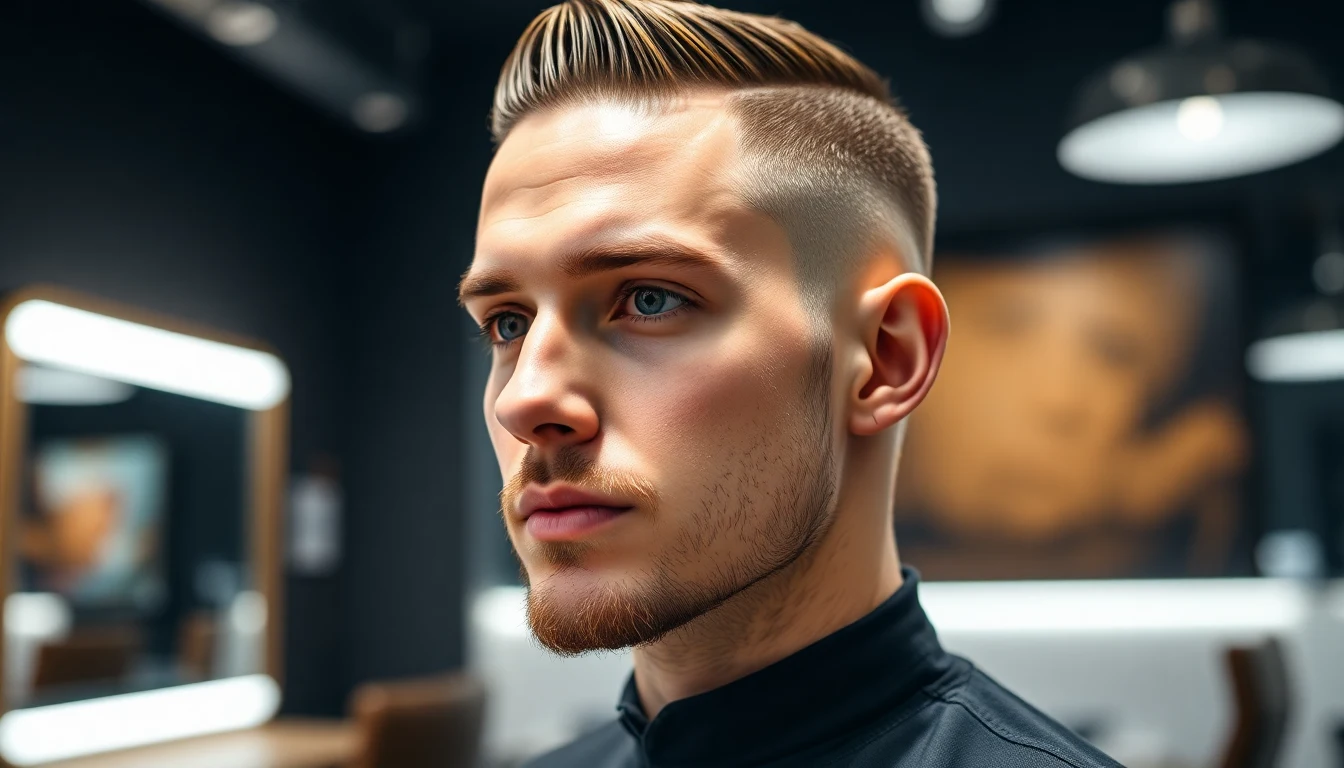
If You Visit the Barber Weekly
You can wear any fade and it will always look fresh. Skin fades, high fades, and buzz cut variations are all on the table. Your investment is higher, but your look is always at peak sharpness.
If You Visit Every Two Weeks
Mid fades and high fades are your sweet spot. They provide solid visual impact and still look good at the two-week mark. A skin fade will be growing out by your next appointment, but the first week and a half will be strong. Home neckline maintenance is recommended.
If You Visit Every Three Weeks
Low fades and taper fades are your best options. These hold their shape well enough that week three is still acceptable. A mid fade is workable if you are diligent about home edge maintenance, but a skin fade or high fade will look obviously grown out.
If You Visit Monthly
Stick with a taper fade or a shadow fade. These are designed to age gracefully. A low fade can work if you pair it with home neckline cleanups, but anything above a low fade will lose its defining characteristics well before the four-week mark. If you want a fade but can only manage monthly visits, a shadow fade with a slightly longer baseline is your best friend.
The Lifestyle Match
| Your Situation | Best Fade Choice | Why |
|---|---|---|
| Client-facing job, appearance matters | Mid fade, biweekly visits | Clean look without the weekly commitment |
| College student on a budget | Low fade, every 3 weeks + home trimmer | Best cost-to-freshness ratio |
| Remote worker, relaxed dress code | Shadow fade, monthly | Low maintenance, still looks intentional |
| Social media / content creator | Skin fade, weekly | Always camera-ready, maximum sharpness |
| Active lifestyle, gym daily | High fade, every 10-14 days | Cool, clean, and easy to manage post-workout |
5 Mistakes That Shorten Your Fade’s Life
Some habits actively work against your fade’s longevity. Here are the most common ones I see, and they are all fixable.
1. Trying to Re-Blend at Home
Cleaning up your neckline is fine. Touching up the edges is fine. But trying to re-blend the gradient of your fade at home almost always goes wrong. The fade is the most technically demanding part of the haircut, and doing it on yourself without the right mirrors, angles, or experience leads to visible lines that make the cut look worse, not better. Save the blending for your barber.
2. Skipping Product on Top
An unstyled top on a growing fade makes the entire haircut look like it is falling apart. Even a small amount of product, worked through in 60 seconds, maintains the visual structure of the cut and preserves the contrast that makes a fade work.
3. Wearing Hats Constantly
Hats compress the hair on top and flatten the volume that creates contrast with the faded sides. If you need to wear a hat, take it off when you can and restyle the top. Consider a looser-fitting cap rather than a tight snapback if you want to preserve your style.
4. Waiting Too Long to Rebook
There is a window between “the fade is softening” and “the fade is completely grown out” where a cleanup visit could extend the cut’s life. Once you miss that window, you need a full fade again. Staying ahead of the growth curve with timely cleanups or rebooking is more cost-effective than letting it go and starting from scratch every time. When it comes to how long does a fade, technique matters most. When it comes to how long does a fade, technique matters most.
5. Choosing the Wrong Fade for Your Hair Growth Rate
If your hair grows fast and you know you can only visit the barber twice a month, getting a skin fade is setting yourself up for disappointment. Be honest about your schedule and budget, and choose a fade type that looks good within your real-life maintenance window. When it comes to how long does a fade, technique matters most.
How Your Hair Type Affects Fade Longevity
Your hair type is one of the biggest variables in how long your fade stays sharp. Here is a breakdown by texture.
Straight Hair (Type 1)
Straight hair shows regrowth the most clearly because it lies flat against the head. There is no curl or wave to disguise the transition between lengths. The upside: straight hair is easy to style on top, which helps maintain the contrast. The downside: the fade line is more visible as the sides grow in. If you have straight hair and want maximum longevity, a shadow fade or low fade will serve you better than a skin fade.
Wavy Hair (Type 2)
Wavy hair is the best texture for fade longevity. The slight wave adds enough movement to soften transitions as hair grows, making the blend look intentional for a few extra days. The wave pattern on top also adds natural volume, which maintains the contrast with the sides without much product. If you have Type 2 hair, you can usually add three to five days to the timelines I listed above.

Curly Hair (Type 3)
Curly hair has a natural advantage in the blend zone. The curls create texture that disguises the transitions between lengths, making a curly hair fade look smoother for longer. However, curly hair also appears to grow faster because the curls “pop” upward as they grow, adding visible volume to the sides. This means the top-to-side contrast can shift faster than you expect. Regular styling with a curl-defining product on top helps maintain the right proportions.
Coily Hair (Type 4)
Coily and afro-textured hair has the most forgiving blend zone because the tight curl pattern creates a natural gradient effect. A fade on coily hair often looks good for longer than the same fade on straight hair. The challenge comes at the very bottom of a skin fade, where even short coily regrowth creates visible shadow quickly. Many barbers recommend pairing a skin fade with regular edge-ups every week to keep that bottom line clean while letting the blend zone grow more naturally.
Frequently Asked Questions
How long does a skin fade last?
A skin fade typically looks sharp for about five to seven days. Because the cut takes hair all the way down to bare skin, even a small amount of regrowth is visible quickly. By day seven, the clean skin line starts to blur and the blend loses its crispness. Most men who wear skin fades rebook every one to two weeks. If you have faster hair growth, you may notice visible stubble at the fade line as early as day four or five.
How long does a low fade last?
A low fade generally holds its shape for about two weeks before it starts looking overgrown. Because the fade transition sits close to the ears and neckline, regrowth is less dramatic than with a high or skin fade. The lower placement means you have less visible contrast to lose as the hair grows in. Many men can stretch a low fade to two and a half or even three weeks if they maintain the neckline at home with a trimmer.
Can I make my fade last longer without visiting the barber?
Yes. The most effective way to extend a fade is to do neckline cleanups at home with a quality cordless trimmer. Keeping the edges and neckline sharp can add three to five extra days of freshness. Using the right styling products also helps. A matte pomade or texturizing powder can add definition to the top and make the contrast with the faded sides look more intentional even as the sides grow in. Avoid heavy gels that flatten the top and reduce the visible contrast.
How often should I get a fade touched up?
It depends on the fade type and your personal standard for freshness. Skin fades need rebooking every one to two weeks. Low and mid fades can stretch to two to three weeks. High fades fall somewhere in between at about two weeks. If you work in a client-facing profession or simply prefer a polished look, aim for the shorter end of these ranges. If you are more relaxed about it, the longer end works fine. A standing appointment every two weeks covers most fade styles.
Does hair type affect how long a fade lasts?
Absolutely. Coarse, thick hair tends to grow faster and creates visible regrowth sooner, especially at the skin line of a skin fade. Fine, straight hair shows less obvious regrowth because the strands are thinner and less prominent. Curly and coily hair textures can actually help disguise regrowth in the blend zone because the natural curl pattern softens the transition between grown-in lengths. Hair growth rate varies by individual, but the average is about half an inch per month, and texture plays a big role in how that growth looks.
Is it worth getting a fade if I can only visit the barber once a month?
If monthly visits are your budget or schedule, a low fade or a taper fade is your best choice. These styles hold their shape longer and look intentional even with some growth. A skin fade or high fade after a month will look significantly grown out and lose the clean lines that make the style work. You can also consider a shadow fade, which uses a slightly longer baseline instead of bare skin, giving you more runway between visits. Pair monthly cuts with at-home neckline maintenance to keep things looking tidy between appointments.
How much does it cost to maintain a fade year-round?
The annual cost depends on how often you rebook and your local barber’s pricing. A basic fade at most barbershops costs between $25 and $45 per visit. If you go every two weeks, that is 26 visits per year, putting your annual cost between $650 and $1,170 before tips. Tipping 20 percent adds another $130 to $234. If you stretch to every three weeks, you drop to about 17 visits per year, bringing the cost down to $425 to $765 before tips. Investing in a quality home trimmer for neckline cleanups is one of the easiest ways to stretch the gap between visits and save hundreds per year.
The Bottom Line
How long a fade lasts depends on three things: the type of fade, your hair’s growth rate, and how well you maintain it between visits. Here is the summary:
- Skin fades last 1-2 weeks. They look the sharpest but demand the most frequent visits.
- Low fades last 2-3 weeks. They are the best value for men who want a clean look without biweekly trips.
- Mid fades last 2-3 weeks. They offer a balanced combination of style impact and manageable upkeep.
- High fades last 1.5-2 weeks. They deliver bold contrast but need consistent rebooking.
- Home maintenance (neckline cleanups, edge-ups, proper styling) can extend any fade by three to seven days.
Match your fade type to your realistic visit schedule and budget. A low fade you maintain well will always look better than a skin fade you neglect. Invest in a quality trimmer for home touch-ups, build a standing appointment with a barber who knows your hair, and style the top every morning. That combination keeps any fade looking intentional between visits.
For a deeper look at what separates each fade style, check out our complete guide to types of fades. And if you are still deciding which fade to try, our guides to the low fade, mid fade, and high fade will help you narrow it down.
Further reading: For research-backed grooming advice, see Healthline Men’s Health.
Explore more tips at CulturedGrooming.com.
Further reading: For research-backed grooming advice, see Healthline Men’s Health.