
Last updated: February 2026 by Darius Washington, Black Men’s Grooming Editor
I started dyeing my beard three years ago. Not because I was ashamed of the gray coming in at my chin. I actually liked those first few silver strands. But when the gray started spreading unevenly, one side darker than the other, looking patchy in photos, I decided to take control of the situation. My first question was the same one you probably have right now: how long does beard dye last, and is it worth the effort?
The honest answer is that it depends entirely on what type of dye you use. Temporary color washes out after one or two shampoos. Semi-permanent holds for a few weeks. Permanent dye stays until the hair grows out. But the type of dye is only half the story. Your beard texture, how often you wash, how much sun you get, and the products you use afterward all determine whether your color lasts a week or two months.
If you only read one section, jump to the dye types breakdown for a quick comparison chart. If you want to make your color last longer, read the tips for extending dye life.
The Four Types of Beard Dye (and How Long Each Lasts)
Not all beard dyes are built the same. The longevity of your color comes down to how deeply the dye penetrates your hair shaft. Here is a straightforward breakdown of each type, how it works, and how long you can expect it to hold.
| Dye Type | How It Works | Longevity | Gray Coverage | Damage Level | Best For |
|---|---|---|---|---|---|
| Temporary | Color sits on top of the hair shaft | 1-2 washes | Low (tints, does not cover) | None | Events, trying a shade, first-timers |
| Semi-permanent | Color molecules coat and lightly penetrate the cuticle | 2-4 weeks | Moderate (blends gray, may not fully cover) | Minimal | Regular gray blending, low commitment |
| Demi-permanent | Low-level developer opens cuticle slightly for deeper deposit | 4-6 weeks | Good (covers most gray) | Low to moderate | Solid gray coverage without full commitment |
| Permanent | Ammonia or alkaline agent opens cuticle fully; color deposited inside the cortex | Until hair grows out (6-8 weeks before roots show) | Full coverage | Moderate to high | Complete color change, heavy gray coverage |
Let me walk through each type in detail, because the chart only tells part of the story.
Temporary Beard Dye: 1-2 Washes
Temporary dyes are essentially colored coatings that sit on the surface of your beard hair. They do not penetrate the cuticle at all. Think of them like face paint for your facial hair. Spray-on beard colors, color wax sticks, and tinting mascaras all fall into this category.
For Black men with coarse, tightly coiled facial hair, temporary dyes can be tricky. The texture of 4B and 4C beard hair means the product sometimes clings unevenly, settling into the coils rather than distributing smoothly. I have tried a few temporary sprays and found that brush-on formulas work better on coarse beards than aerosol sprays, which tend to leave a dusty, matte finish.
Best use case: You have a wedding, photo shoot, or job interview and want to blend your gray for one day. You are not ready to commit to dyeing but want to test how a darker beard looks on you.
Works for: Quick events, testing a new shade, anyone who washes daily.
Does not work for: Long-term gray coverage. Sweat-heavy days (temporary dye can transfer to collars and pillowcases).
Semi-Permanent Beard Dye: 2-4 Weeks
Semi-permanent dyes contain small color molecules that partially penetrate the outer cuticle layer without using a chemical developer. They wash out gradually over multiple shampoos, fading rather than leaving a hard line of demarcation.
This is the category I recommend most often to men who are new to beard dyeing. The fade pattern is forgiving. If you pick a shade slightly off from your natural color, it will not look obviously wrong because the color blends with your natural tone rather than replacing it.
On coarse facial hair, semi-permanent dyes tend to last toward the longer end of that two-to-four-week range. The tightly coiled structure of 4B and 4C hair holds onto color molecules more effectively than straight or wavy hair. My barber actually pointed this out to me years ago. He said that the same dye that fades in two weeks on a straight-haired client will hold three weeks or more on a brother with a coarse beard. The trade-off is that initial application sometimes takes longer because the product needs more time to penetrate the tighter cuticle. (We recommend this RED Pro GROOMANE Beard & Lineup.)
Best use case: Regular gray blending. You want to reduce the salt in your salt-and-pepper beard without eliminating it entirely.
Works for: Men who wash their beard three to five times per week. Men who want gradual, natural-looking results.
Does not work for: Complete gray coverage. Men who wash daily with strong cleansers (the color will fade faster).
Demi-Permanent Beard Dye: 4-6 Weeks
Demi-permanent dyes sit between semi-permanent and permanent. They use a low-volume developer (usually around 10 volume or less) to gently open the cuticle and deposit color slightly deeper than semi-permanent formulas. The result is better gray coverage and longer wear, but without the intense chemical processing of permanent dye.
Just For Men Mustache and Beard falls into this category, which is why it remains one of the most popular choices. It uses a low-level developer that processes in five minutes. On coarse facial hair, I recommend leaving it on for the full five minutes rather than checking early. The tighter cuticle on 4C hair needs every second of that processing time.
I have been using a demi-permanent formula for about two years now. On my 4C beard, the color holds solidly for about five weeks before I start seeing noticeable fading. By week six, the gray is peeking through again, mostly at the chin where my beard gets the most friction from touching, eating, and mask-wearing.
Best use case: Reliable gray coverage that looks natural and does not require weekly maintenance.
Works for: Men who want good coverage without the commitment or damage of permanent dye. Men with moderate to heavy gray.
Does not work for: Men who want a dramatic color change (demi-permanent can only darken, not lighten).
Permanent Beard Dye: Until Growth (6-8 Weeks Before Roots Show)
Permanent dye is the heavy-duty option. It uses ammonia or an ammonia substitute combined with a higher-volume developer to fully open the hair cuticle, strip some natural pigment, and deposit new color molecules deep inside the cortex. The color does not wash out. It stays until the hair physically grows out or is cut off.
For beard hair, which grows about half an inch per month on average, you will start seeing your natural color at the roots within four to six weeks. By eight weeks, the grow-out line is typically visible enough to warrant a touchup.
I want to be direct here: permanent beard dye is more aggressive on your facial hair than any other option. The ammonia-based process dries out the hair shaft. On coarse, tightly coiled beard hair that already tends toward dryness, this can mean brittleness, breakage, and a straw-like texture if you do not follow up with proper conditioning. If you go the permanent route, a good beard oil is not optional. It is mandatory.
Best use case: Complete color change or full coverage of heavy gray. Men who want their dyed beard to look the same from day one to week six.
Works for: Men committed to a maintenance routine. Men with heavy gray who need full coverage.
Does not work for: First-timers (start with semi or demi-permanent first). Men with sensitive or reactive skin (permanent dye chemicals are harsher). Men who are not willing to invest in conditioning products afterward.
What Makes Beard Dye Fade Faster (or Last Longer)
The type of dye you choose sets the baseline. But several other factors determine whether you land at the short end or long end of that range. Understanding these variables will save you money and frustration.
Washing Frequency
This is the single biggest factor in how long your beard dye lasts. Every wash strips a small amount of color from your beard. The more you wash, the faster the fade. Mastering how long does beard dye takes practice but delivers great results. Mastering how long does beard dye takes practice but delivers great results.
For men with coarse facial hair, I recommend washing your beard with a dedicated beard wash or gentle shampoo two to three times per week maximum. On non-wash days, rinse with water and apply beard oil. If you have been using your regular shampoo or body wash on your beard, stop. Those products contain sulfates that strip color aggressively. A sulfate-free, color-safe beard wash extends your dye life by a week or more.
My barber used to tell me that the number one reason guys come back for touchups too early is overwashing. He was right. When I dropped from daily beard washing to three times a week, my demi-permanent dye went from lasting four weeks to lasting six.
Sun Exposure
UV radiation is the silent color killer. Sunlight breaks down dye molecules the same way it fades a car’s paint. If you work outdoors, commute on foot, or spend weekends outside, expect your beard dye to fade 20 to 30 percent faster than someone who works indoors.
There is no beard-specific sunscreen (and I would not blame you for not wanting to smear SPF into your facial hair). But some beard oils contain natural UV-protective properties. Argan oil, in particular, contains vitamin E and ferulic acid that provide mild UV defense. Using a quality beard oil with argan daily gives you a small but real edge against sun fade.
Beard Texture
Your hair texture plays a direct role in dye longevity. Coarse, tightly coiled facial hair (4B and 4C types) tends to hold dye longer once the color is successfully deposited. The tightly packed cuticle layers grip color molecules more effectively than the smoother, flatter cuticles of straight hair.
However, that same tight cuticle can make initial dye absorption harder. If you rush the processing time, the dye may not fully penetrate, and you will end up with color that fades prematurely because it was only sitting on the surface rather than locked inside the hair shaft.
The takeaway for coarse beards: Always use the maximum recommended processing time on the first application. The payoff is longer-lasting color.
Product Quality
Not all dyes within the same category are equal. A $4 semi-permanent dye from a dollar store is going to fade faster than a well-formulated product from a reputable brand. The difference is in the quality and concentration of the color molecules, the conditioning agents included in the formula, and the pH balance of the product.
Bigen EZ Color is a favorite among Black barbers for a reason. It processes quickly, covers gray effectively on coarse hair, and holds its tone without turning orange or red as it fades. Cheaper alternatives often shift to unnatural warm tones as they wash out, which is especially noticeable on dark skin.
Aftercare Products
What you put on your beard after dyeing matters almost as much as the dye itself. Products with alcohol, harsh sulfates, or strong astringents strip color faster. Products with natural oils, silicones, or conditioning agents help seal the cuticle and lock color in.
I always apply beard oil within an hour of rinsing out dye. The oil helps seal the cuticle while it is still slightly open from the chemical processing, trapping color molecules inside. This is not a trick I invented. It is basic chemistry, and it works.
Covering Grays vs. a Full Color Change
These are two very different goals, and they require different strategies. For more guidance, AAD provides expert resources on Black hair care.
Gray Blending (Reducing the Salt)
If you are like most men I talk to, you do not want to eliminate every gray hair. You just want to dial it back. Maybe your beard is 30 to 40 percent gray and you want to bring it down to 10 to 15 percent so the gray looks intentional rather than aging.
For gray blending, semi-permanent dye is your best friend. Apply it, leave it on for slightly less than the recommended time (about 75 percent of the full processing time), and rinse. The result is a natural blend where some gray shows through but does not dominate. The fade pattern is also more forgiving because the color transitions gradually rather than creating a hard before-and-after line.
I use this approach myself. Five minutes of processing instead of the full seven gives me a blend that looks natural under any lighting. My barber cannot even tell I dye unless I tell him, which is exactly the point.
Gray blending works especially well with the beard styles that are trending in 2026. Many of the sharper styles incorporate a fade or taper that naturally thins out the gray at the edges, making the blend even more seamless.
Full Gray Coverage
If you want every gray hair gone, you need a demi-permanent or permanent formula and you need to commit to the full processing time. On coarse 4C facial hair, full gray coverage typically requires:
- A shade one step lighter than your target (dye processes darker on coarse hair)
- Full processing time as directed (five to ten minutes depending on the product)
- Even, thorough application from root to tip (miss a spot and it will be obvious)
- A second application two to three days later if stubborn grays persist (some resistant gray hairs need two passes)
The biggest mistake I see men make with full coverage is going too dark. When you pick a shade that exactly matches your natural dark brown or black, the result often looks flat and unnatural. Hair, even dark hair, has subtle tonal variation. A single flat color eliminates that variation and screams “dyed.” Go one shade lighter. Trust me on this.
Full Color Change
Want to go from black to dark brown, or add a reddish tint? This is strictly permanent-dye territory. Semi-permanent and demi-permanent formulas can only deposit color on top of what is already there. They cannot lighten or significantly shift your base tone.
A full color change on a coarse beard is a commitment. You will need touchups every four to six weeks at the roots, and the initial application should ideally be done by a professional. If your barber offers dye services, let them handle the first application. Watch their process, ask questions, and then decide if you are comfortable doing touchups at home.
7 Tips to Make Your Beard Dye Last Longer
These are the strategies I use personally. Each one adds days or weeks to your color retention.
1. Switch to a Sulfate-Free Beard Wash
Sulfates (sodium lauryl sulfate, sodium laureth sulfate) are aggressive cleansers that strip oil and color from your beard. Most drugstore shampoos and body washes contain them. Switch to a sulfate-free beard wash and you will immediately notice your color holding longer. A product like Scotch Porter Beard Wash is sulfate-free and formulated for coarse facial hair.
2. Wash Less Frequently
Two to three washes per week is the sweet spot for color-treated beards. On non-wash days, rinse with lukewarm water and apply your beard oil. Your natural sebum actually helps protect the color between washes.
3. Use Cold or Lukewarm Water
Hot water opens the hair cuticle, allowing color molecules to escape. Cold or lukewarm water keeps the cuticle sealed. I know a cold rinse is not pleasant in January, but your color will thank you. At minimum, finish your beard rinse with cool water even if you shower with warm.
4. Apply Beard Oil Daily
Beard oil serves a dual purpose on dyed beards. It conditions the hair that has been stressed by chemical processing, and it creates a thin lipid barrier that helps seal color in. Apply within an hour of dyeing for the best seal, then daily after that. Check our guide to the best beard oils for Black men for specific product recommendations.
5. Limit Sun Exposure
If you are going to be outside for extended periods, consider a beard balm with beeswax. The wax creates a physical barrier against UV. It is not sunscreen, but it provides more protection than bare hair. Some men use a light scarf or face covering during peak sun hours, which also helps.
6. Avoid Chlorine and Salt Water
Swimming in chlorinated pools or salt water accelerates dye fade dramatically. Chlorine is a bleaching agent. Salt water is a drying agent. Both are terrible for colored beards. If you swim regularly, rinse your beard with fresh water immediately after and apply a leave-in conditioner. Better yet, coat your beard with a thick layer of conditioner or coconut oil before swimming to create a protective barrier.
7. Pat Dry, Do Not Rub
After washing, pat your beard with a soft towel rather than rubbing vigorously. Friction opens the cuticle and strips color. This is a small habit change that makes a measurable difference over time, especially on coarse beard hair that is already prone to friction damage.
When to Retouch Your Beard Dye
Knowing when to retouch is just as important as knowing how to dye. Retouching too early wastes product and increases chemical exposure. Retouching too late means walking around with obvious grow-out.
| Dye Type | Recommended Retouch Interval | Signs It Is Time |
|---|---|---|
| Temporary | As needed (per event) | Color is gone after washing |
| Semi-permanent | Every 2-3 weeks | Gray showing through, overall color looks washed out |
| Demi-permanent | Every 4-5 weeks | Roots visible at the skin line, color has shifted lighter |
| Permanent | Every 4-6 weeks | Clear root line of natural color showing at the base |
Root Touchup vs. Full Application
After your first full application, subsequent touchups should focus on the roots, meaning the new growth near the skin. Applying dye over already-colored hair repeatedly leads to color buildup, which creates a flat, artificial look and causes unnecessary chemical damage.
Here is how I handle my touchups: Understanding how long does beard dye is key to a great grooming routine.
- Apply dye only to the new growth (the first quarter inch or so near the skin)
- Process for the full recommended time
- In the last one to two minutes, comb the remaining dye through the full length of the beard to refresh the ends without overprocessing
- Rinse thoroughly
- Apply beard oil immediately
This method keeps the color even from root to tip without layering chemicals on top of already-dyed hair. My barber taught me this technique, and it has saved me from the blocky, oversaturated look that comes from doing full applications every month.
What Happens If You Wait Too Long
Nothing dangerous. Your gray just grows back in naturally. The grow-out pattern on a coarse beard is actually more forgiving than on straight hair because the curls and coils break up the demarcation line. If you are growing out your dye intentionally, a quality beard trimmer helps you keep the shape tight while the color transitions. Understanding how long does beard dye is key to a great grooming routine.
Safety Tips for Beard Dyeing
Your face is not your scalp. The skin under your beard is thinner, more sensitive, and closer to your eyes, mouth, and nose. Safety matters more here than it does with head hair dye.
Always Do a Patch Test
Every single time you use a new product, even if you have dyed before. Apply a small amount of mixed dye behind your ear or on your inner forearm. Wait 48 hours. If you see redness, swelling, itching, or any reaction, do not use that product on your face. Allergic reactions to hair dye (specifically to PPD, paraphenylenediamine) can be severe and can develop even after years of using the same product without issues.
Protect Your Skin
Apply a thin layer of petroleum jelly or a barrier cream along your cheekline, jawline, and neck before dyeing. This prevents the dye from staining your skin. Coarse beard hair grows in tight to the skin, so dye often contacts the skin more directly than it does on the scalp. Stained skin is not harmful, but it looks sloppy and can take several days to fade. The petroleum jelly trick prevents it entirely.
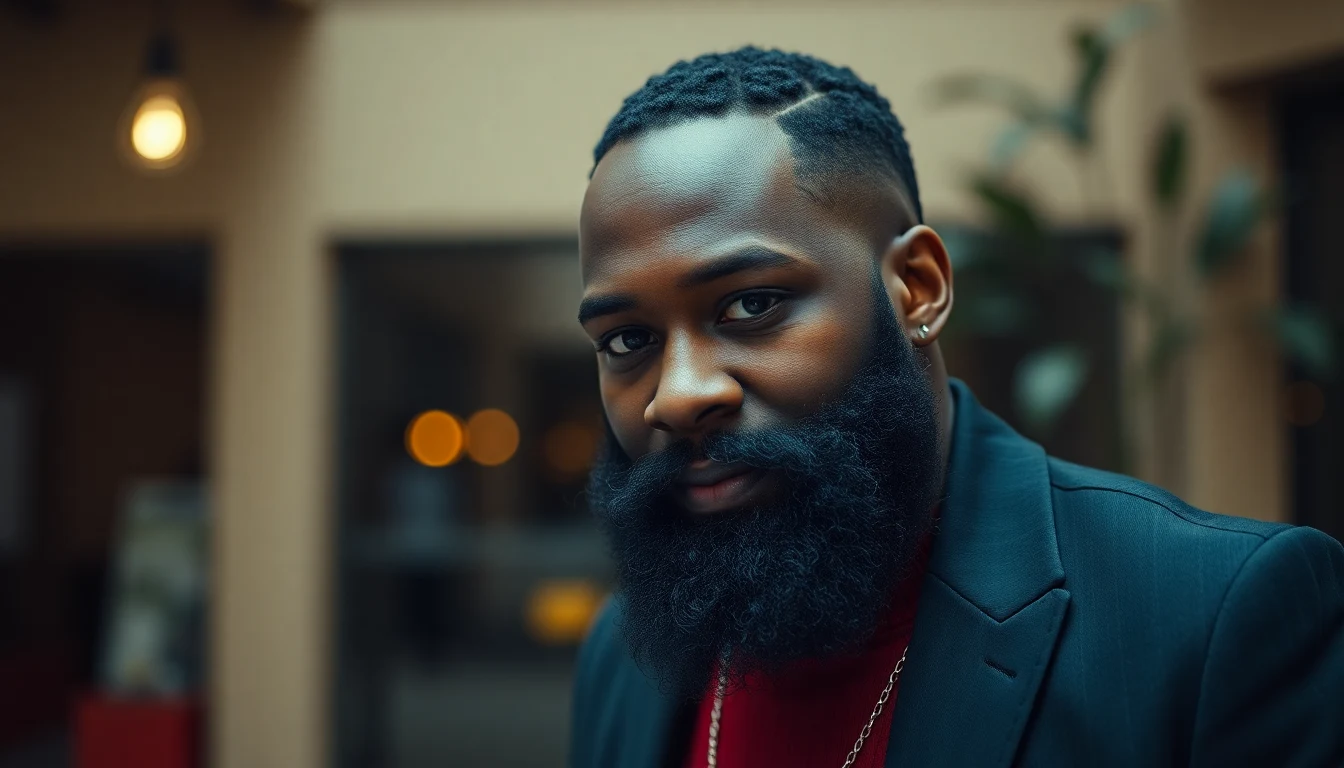
Use Beard-Specific Products
Do not use head hair dye on your beard. The chemicals are formulated differently. Head hair dyes often contain higher concentrations of peroxide and ammonia than your facial skin can tolerate. Beard-specific dyes like Just For Men Mustache and Beard are formulated with lower developer volumes and gentler ingredients for the more sensitive facial area.
Watch the Clock
Leaving dye on longer than directed does not give you deeper color. It gives you irritation and potential chemical burns. Set a timer. On coarse beard hair, use the maximum recommended time but never exceed it. If the color is not dark enough after the full processing time, try a darker shade next time rather than extending the application.
Consider Your Skin Concerns
If you deal with patchy beard growth, razor bumps, or active breakouts, dye those areas with extra caution or skip them entirely until the skin heals. Applying chemical dye to broken, irritated, or inflamed skin amplifies irritation and can lead to infection. Healthy skin first, color second.
Men who experience pseudofolliculitis barbae (razor bumps) should be especially careful. The chemicals in permanent dye can aggravate existing inflammation. If your razor bump situation is active, wait until it clears up before dyeing. Semi-permanent and temporary options are gentler alternatives during active flare-ups.
How to Choose the Right Shade for Your Skin Tone
Shade selection is where most men go wrong. The box shows a color swatch that looks perfect, but on your face, it processes completely differently.
The One-Shade-Lighter Rule
Always choose one shade lighter than you think you need. Beard dye processes darker on coarse facial hair than the box suggests. A shade labeled “dark brown” will look almost black on a 4C beard. A shade labeled “medium brown” will give you the dark brown result you actually wanted.
This rule has saved me from the shoe-polish look more times than I can count. A naturally dark complexion paired with an overly dark dyed beard creates a flat, artificial appearance. One shade lighter preserves the tonal variation that makes a beard look natural.
Match Your Undertone
Black and dark brown are not single colors. They have undertones: warm (reddish-brown), neutral, or cool (blue-black). Look at your natural beard hair in direct sunlight to identify your undertone. Then choose a dye shade that matches:
- Warm undertone: Choose dyes labeled “dark brown” or “darkest brown” rather than “jet black”
- Neutral undertone: Standard “black” or “natural black” shades work well
- Cool undertone: “Jet black” or “blue-black” shades complement your natural tone
Getting the undertone wrong is the difference between a beard that looks naturally dark and a beard that looks obviously dyed. When I see men with a clearly dyed beard, nine times out of ten it is an undertone mismatch, not a darkness issue.
Popular Shades for Black Men
| Desired Result | Choose This Shade | Avoid This Shade |
|---|---|---|
| Natural-looking dark beard | Dark Brown or Darkest Brown | Jet Black (processes too flat) |
| Deep black beard | Natural Black | Jet Black (unless your natural tone is truly blue-black) |
| Gray blend (reduce, not eliminate gray) | Dark Brown, light application | Any black shade at full processing time |
| Warm-toned rich brown | Medium Dark Brown | Ash-toned shades (will look gray on dark skin) |
Best Beard Dye Products for Coarse Facial Hair
I have tested or seen these products used on coarse, tightly coiled beards. Here are my honest assessments.
Just For Men Mustache and Beard
Just For Men Mustache and Beard is the standard for a reason. It processes in five minutes, covers gray effectively, and fades naturally without shifting to unpleasant warm tones. The formula is demi-permanent and gentle enough for facial skin.
On coarse hair: Use the full five-minute processing time. Apply with the included brush and work it through thoroughly. The formula is thicker than some competitors, which actually helps it cling to coily beard hair rather than dripping.
Longevity: Four to six weeks on my 4C beard with three washes per week.
Works for: Most men. This is the safe, reliable default. Does not work for: Men who want a dramatic color change or have a PPD allergy.
Bigen EZ Color
Bigen EZ Color is the barber’s choice. Walk into any Black-owned barbershop and you will find Bigen somewhere in the back. It is a semi-permanent formula that blends gray beautifully without looking artificial.
On coarse hair: Excellent. Bigen has been formulated with darker, coarser hair in mind for decades. The color holds well and fades evenly, which is critical on 4B and 4C textures where uneven fading looks patchy fast.
Longevity: Three to four weeks with regular washing.
Works for: Gray blending, men who prefer a natural look. Does not work for: Full gray coverage on heavily gray beards.
Grizzly Mountain Beard Dye
Grizzly Mountain Beard Dye is a henna-based, all-natural option for men who want to avoid synthetic chemicals entirely. It contains no ammonia, no peroxide, and no PPD.
On coarse hair: The henna formula coats the hair shaft rather than penetrating it, similar to a semi-permanent dye. On tightly coiled hair, the coating effect is actually stronger because the coils create more surface area for the henna to grip. Processing time is significantly longer (30 to 60 minutes), which is the main downside.
Longevity: Two to four weeks depending on wash frequency.
Works for: Chemical-sensitive skin, men who prefer natural products. Does not work for: Men who want fast processing or jet-black results (henna skews warm/reddish on dark hair).
Cleverman Beard Dye Kit
Cleverman Beard Dye Kit is a newer player that offers custom shade matching. You answer questions about your natural color and desired result, and they send a formula tailored to you. It is a demi-permanent formula.
On coarse hair: The custom matching helps avoid the too-dark problem that plagues off-the-shelf dyes on 4C beards. Processing time is five to ten minutes. The included applicator brush is better quality than most drugstore kits.
Longevity: Four to six weeks.
Works for: Men who have been burned by wrong-shade selections, men who want a personalized approach. Does not work for: Budget-conscious shoppers (it is pricier than drugstore options). When it comes to how long does beard dye, technique matters most.
Step-by-Step: How to Dye Your Beard at Home
Whether this is your first time or your fiftieth, a consistent process gives consistent results. Here is the routine I follow.
What You Need
- Beard dye kit (product of your choice)
- Petroleum jelly or barrier cream
- Disposable gloves (the ones in the kit are fine)
- Old towel or dark t-shirt (dye stains everything)
- Timer (your phone works)
- Beard comb
- Beard oil for aftercare
The Process
- Wash your beard with a gentle, sulfate-free cleanser. Clean hair absorbs dye more evenly. Pat dry until damp, not dripping wet.
- Apply petroleum jelly along your cheekline, jawline, ears, and neck. Anywhere skin meets beard. This prevents staining.
- Put on gloves. Beard dye will stain your hands for days.
- Mix the dye according to package directions. Do not eyeball the ratios.
- Apply with the brush starting at the areas with the most gray. Work the dye into the beard thoroughly, combing through with a beard comb to ensure even distribution. On coarse beards, spend extra time working the product through the coils.
- Set your timer for the recommended processing time. For coarse facial hair, use the maximum time listed.
- Check at the halfway mark. Wipe a small test spot with a damp paper towel to preview the color. If it is already where you want it (especially for a gray blend), you can rinse early.
- Rinse thoroughly with lukewarm water until the water runs clear. Do not use shampoo or soap during this rinse.
- Pat dry gently.
- Apply beard oil immediately. This seals the cuticle, locks in color, and counteracts the drying effect of the chemicals.
The whole process takes 15 to 20 minutes including prep and cleanup. Once you have done it a few times, it becomes as routine as trimming. Keep a clean beard shape with a quality beard trimmer between dye sessions so the color always looks sharp.
When it comes to how long does beard dye, technique matters most.
Common Beard Dyeing Mistakes (and How to Avoid Them)
I have made every one of these mistakes. Learn from my trials so you do not have to live through them yourself.
Going Too Dark
This is the number one mistake. Men pick “jet black” because their natural hair is black, and the result looks like someone colored their beard with a Sharpie. Coarse hair absorbs and holds dark pigment intensely. Go one shade lighter. If in doubt, start with dark brown. You can always go darker next time.
Skipping the Patch Test
PPD allergies can develop suddenly, even after years of using the same product. A severe reaction on your face means swelling, blistering, and potentially a trip to urgent care. Forty-eight hours of patience is worth it. Every time, with every new batch.
Applying to a Dry Beard
Dye absorbs more evenly on damp hair. Applying to a completely dry beard results in patchy coverage because the product cannot penetrate the cuticle as effectively. Wash, pat until damp, then apply.
Not Protecting Your Skin
Dye-stained cheeks and jawlines look bad. They last for days. A two-minute petroleum jelly application prevents it completely. Do not skip this step.
Using Head Hair Dye
Head hair dye is formulated for scalp skin, which is thicker and less sensitive than facial skin. The developer concentrations are often higher. Use a product specifically made for beards and mustaches.
Overwashing After Dyeing
Some men wash their beard twice a day after dyeing because they are paranoid about residual chemicals. One thorough rinse immediately after dyeing is enough. After that, wait at least 24 hours before your next wash to let the color fully set. Then switch to your regular two-to-three-times-per-week schedule with a sulfate-free cleanser.
Overlapping Dye on Touchups
Applying full dye to your entire beard every touchup session creates color buildup. The ends get darker and darker while the roots stay lighter between sessions. Touchup the roots only and pull remaining dye through the length in the last minute or two. This keeps the color uniform.
Does Beard Dye Affect Beard Growth?
This is a question I hear constantly, and the short answer is no. Beard dye does not affect the rate, thickness, or pattern of your beard growth. The dye acts on the hair shaft, which is dead protein. It does not reach the follicle where growth originates.
That said, repeated use of permanent dye can make the existing hair more brittle and prone to breakage. Breakage can make your beard look thinner even though the actual growth rate has not changed. This is why aftercare matters. A good beard oil, a conditioning wash, and gentle handling offset the drying effects of chemical dye.
If you are actively working on growing a thicker beard or using beard growth products, semi-permanent dye is the safest choice. It does not stress the hair the way permanent dye does, and it will not interfere with growth serums or oils you may be applying.
Barbershop Dye Service vs. DIY at Home
Your barber can dye your beard. Most Black-owned barbershops offer this service, and some specialize in it. Here is how the two options compare.
| Factor | Barbershop | DIY at Home |
|---|---|---|
| Cost | $20-50 per session | $8-25 per kit (multiple applications) |
| Shade matching | Professional eye, custom mixing | Off-the-shelf shades, trial and error |
| Application quality | Even coverage, clean lines | Learning curve, possible missed spots |
| Convenience | Appointment needed | Anytime at home |
| Time | 30-45 min in the chair | 15-20 min at home |
| Best for | First-timers, color changes, precision | Regular touchups, budget-conscious, experienced users |
My recommendation: get your first dye done at the barbershop. Watch the process, ask your barber which shade they would choose for your skin tone and beard texture, and learn their technique. Then take that knowledge home for your regular touchups. This saves money in the long run while ensuring you start with a professional foundation.
If you are already exploring different beard styles, your barber can help you match the dye shade to whatever look you are going for. A sharp beard style paired with the right color is a confidence multiplier.
Long-Term Beard Dye Maintenance Schedule
Once you have settled on a dye type and shade, consistency is everything. Here is the maintenance schedule I follow and recommend.
Weekly Routine (Color-Treated Beard)
- Daily: Apply beard oil morning and night. Use a boar bristle brush to distribute.
- 2-3 times per week: Wash with a sulfate-free beard wash. Rinse with lukewarm water.
- Weekly: Deep condition with a beard conditioner or a leave-in treatment. This combats the drying effects of dye and keeps the color vibrant.
Monthly Routine
- Week 3-4 (semi-permanent): Reapply dye. Full application if first month; root touchup if ongoing.
- Week 4-5 (demi-permanent): Retouch roots. Pull dye through length in last minute.
- Trim and shape between dye sessions with a quality beard trimmer to keep the style tight.
Quarterly Check-In
Every three months, evaluate your color. Has it shifted tone? Is the shade still right for you? Has your gray pattern changed? Adjust your shade or dye type as needed. Your barber is a good sounding board for this conversation.
Also consider the health of your facial skin. If you notice increased dryness, irritation, or breakouts, your dye routine may need adjustment. Using a gentle face wash and a quality moisturizer underneath your beard supports both skin health and dye longevity.
Frequently Asked Questions
How long does beard dye last on average?
It depends on the type. Temporary beard dyes wash out in one to two shampoos. Semi-permanent dyes last two to four weeks. Demi-permanent formulas hold for four to six weeks. Permanent beard dye lasts until the hair grows out, typically six to eight weeks before the roots become noticeable. Your wash frequency, sun exposure, and beard texture all affect how quickly the color fades.
Does beard dye last longer on coarse or fine hair?
Coarse, tightly coiled facial hair tends to hold dye longer than fine straight hair. The cuticle layer on coarse hair grips color molecules more effectively once the dye penetrates. However, coarse hair can also be more resistant to initial absorption, so you may need to leave the dye on for the maximum recommended processing time to get full coverage.
How often should I retouch my beard dye?
For semi-permanent dye, retouch every two to three weeks. For demi-permanent, every four to five weeks works well. Permanent dye needs a root touchup every four to six weeks as new growth comes in. Avoid retouching more frequently than the product directions recommend, as overlapping dye on already-colored hair can cause buildup and uneven tone.
Can beard dye damage my facial hair?
Temporary and semi-permanent dyes carry minimal risk because they coat the outside of the hair shaft without penetrating deeply. Demi-permanent dyes are slightly more aggressive but still generally safe. Permanent dyes use ammonia or similar alkaline agents to open the cuticle and deposit color inside, which can cause dryness and brittleness with repeated use. Using a beard oil or conditioner after dyeing helps offset this damage. (We recommend this GIBS BioFuel Hair Conditioner For Men.)
Is beard dye safe for sensitive skin?
Most men tolerate beard dye without issues, but the chemicals in permanent and demi-permanent formulas can irritate sensitive skin. Always do a patch test 48 hours before applying any dye to your full beard. Apply a small amount behind your ear or on your inner forearm and wait. If you see redness, swelling, or itching, skip that formula. Men prone to razor bumps or pseudofolliculitis barbae should be especially cautious and consider semi-permanent options first.
Does sun exposure fade beard dye faster?
Yes. UV radiation breaks down color molecules in both natural and dyed hair. If you spend significant time outdoors, your beard dye will fade noticeably faster, sometimes losing a full shade within a week of heavy sun exposure. Using a beard oil with natural UV-protective ingredients like argan oil or wearing a face covering during prolonged outdoor activity helps slow the fading process.
What is the best beard dye for covering gray hairs?
For heavy gray coverage on coarse facial hair, a demi-permanent or permanent formula gives the most natural-looking results. Just For Men Mustache and Beard and Bigen EZ Color are both popular choices that handle gray well. The key is choosing a shade slightly lighter than your natural color rather than matching exactly. Dye always processes darker on facial hair than it looks on the box, and going one shade lighter prevents that shoe-polish effect. (We recommend this Reusable Hair & Beard Dye for.)
The Bottom Line
How long your beard dye lasts is not a mystery. It is a product of the type of dye you choose, how you care for your beard afterward, and a handful of environmental factors you can control. Here is what to remember:
- Temporary: 1-2 washes. Good for events and testing.
- Semi-permanent: 2-4 weeks. Best for natural gray blending with minimal commitment.
- Demi-permanent: 4-6 weeks. The sweet spot for most men who want reliable coverage.
- Permanent: Until it grows out. Maximum coverage, maximum maintenance.
- Extend your color by washing less, using sulfate-free products, applying beard oil daily, and limiting sun exposure.
Start with a demi-permanent formula like Just For Men or a semi-permanent option like Bigen EZ Color. Choose one shade lighter than your natural color. Follow the aftercare routine in this guide. You will have natural-looking color that holds for weeks without the stress.
For more beard care guidance, check our roundup of the best beard oils for Black men (essential for color-treated beards) and our guide to beard styles that look sharp in 2026.
Questions about beard dye? I have been coloring my own beard for three years and I am happy to share what I have learned. Drop your question in the comments.
Further reading: For research-backed grooming advice, see Healthline Men’s Health.
Explore more tips at CulturedGrooming.com.
Further reading: For research-backed grooming advice, see Healthline Men’s Health.