
If you want to master how to apply cologne, this guide covers everything you need to know. Last updated: February 2026 by Karim Haddad, Fragrance Specialist
In my family, cologne was never an afterthought. My jiddo (grandfather) applied oud oil every morning before leaving the house. My father kept a bottle of Aramis on his dresser that I could smell from the hallway. By the time I was fourteen, I had my own bottle of Polo Green and an opinion about projection. Fragrance is personal. It is cultural. And the difference between smelling good and smelling great comes down to one thing most men never learn: how to apply cologne correctly.
I have tested over 150 fragrances. I am Fragrance Foundation certified. And I still see the same mistakes every day. Men spraying into a cloud and walking through it. Brothers rubbing their wrists together like they are starting a fire. Guys drowning in twelve sprays of Sauvage when three would have done the job. This guide covers everything: where to spray, how many sprays to use, the difference between concentrations, how to layer, how to store your bottles, and the oud application traditions that my community has refined over centuries.
Whether you are wearing a $30 bottle of Nautica Voyage or a $300 bottle of Tom Ford Oud Wood, proper application is what separates the man who smells like he just left a department store from the man who leaves people wondering what he is wearing.
Understanding Fragrance Concentrations: EDT vs. EDP vs. Parfum
Before we talk about application technique, you need to understand what is in the bottle. Not all colognes are created equal, and the concentration of fragrance oil in your bottle directly affects how you should apply it, how many sprays you need, and how long it will last.
| Concentration | Fragrance Oil % | Longevity | Projection | Spray Count | Best For |
|---|---|---|---|---|---|
| Eau de Cologne (EDC) | 2-5% | 2-3 hours | Close | 5-7 sprays | Hot weather refresh |
| Eau de Toilette (EDT) | 5-15% | 4-6 hours | Moderate | 3-4 sprays | Daily office wear |
| Eau de Parfum (EDP) | 15-20% | 6-10 hours | Strong | 2-3 sprays | All-day, evening events |
| Parfum / Extrait | 20-30% | 10-14+ hours | Powerful | 1-2 sprays | Special occasions, oud |
What This Means in Practice
When you pick up a bottle of Dior Sauvage EDP, you are holding a fragrance with roughly 15 to 20 percent concentration. Two sprays on your neck will project for a full workday. But the EDT version of the same fragrance has about half the concentration, so you will need three to four sprays and may want to reapply after lunch.
Many popular fragrances come in multiple concentrations. Bleu de Chanel exists as EDT, EDP, and Parfum. The EDT is bright and citrus-forward, the EDP is richer with more sandalwood, and the Parfum is dense and long-lasting. Same name, different experience. Pay attention to what is written on the bottle, not just the brand.
A common mistake is treating every fragrance the same. If you apply five sprays of a Parfum-concentration oud the way you might apply five sprays of an EDT citrus, you will overwhelm every room you walk into. Match your spray count to the concentration.
The Six Pulse Points: Where to Apply Cologne
Pulse points are areas on your body where blood vessels sit close to the surface of the skin. These spots generate warmth, and warmth is what activates fragrance molecules and projects the scent into the air around you. Applying cologne to pulse points ensures the fragrance develops properly and radiates outward throughout the day.
1. Sides of the Neck (Primary)
This is the most effective application point for everyday wear. Spray once or twice on the sides of your neck, about an inch below each ear. The neck generates consistent warmth, and the scent projects upward toward anyone who comes close enough to have a conversation. When someone says “you smell good,” it is almost always because they caught the fragrance from your neck.
Technique: Hold the bottle four to six inches from your skin and spray directly. Do not spray in the air above your neck and let it drift down. Direct application delivers the full concentration to your skin where it belongs.
2. Wrists (Primary)
The wrists are the classic application point, and for good reason. The radial artery runs close to the surface here, generating warmth that activates the scent all day. When you gesture, shake hands, or check your watch, the fragrance lifts into the air.
Technique: Spray on one wrist. Let it dry for 15 to 20 seconds. If you want the scent on both wrists, dab the sprayed wrist gently against the other. Do not rub. Rubbing your wrists together creates friction that breaks down the top notes, the lighter molecules that provide the first impression of the fragrance. You lose 15 to 30 minutes of the scent’s development when you rub.
3. Chest / Collarbone (Secondary)
A spray on the center of your chest, just below the collarbone, creates what I call the “close encounter zone.” The scent sits under your shirt and warms against your skin all day. It is not a projector. It is a reward for proximity. When someone hugs you or leans in, they get the full experience.
This is my favorite application point for dates and evening events. It is intimate without being aggressive.
4. Behind the Ears (Secondary)
The skin behind your ears is thin, warm, and slightly oily, which helps hold fragrance. A single spray behind each ear sends scent upward around your head, creating a subtle halo of fragrance that people notice when they are close. This is a traditional application point in Middle Eastern fragrance culture, and it is particularly effective with oud and amber-heavy scents that benefit from body heat.
5. Inner Elbows (Situational)
The inner elbow is a warm, often-covered pulse point that holds fragrance well. I use this point when wearing a long-sleeve shirt or jacket. Every time you bend your arm, a small burst of fragrance releases. It is subtle and surprising in the best way.
6. Behind the Knees (Situational)
This is the advanced play. Fragrance rises with heat, and a spray behind each knee sends scent upward along your body throughout the day. It is especially effective in warm weather when your body heat creates an updraft. Not essential, but useful when you want maximum longevity from a lighter EDT.
The No-Spray Zones
Do not spray cologne on your armpits (that is what deodorant is for), in your hair (alcohol damages hair), or directly on your face. The alcohol content in most fragrances will dry out and irritate facial skin. If you want fragrance near your face, spray behind the ears or on the sides of the neck.
How Many Sprays: The Numbers That Matter
The most common question I get is “how many sprays should I use?” The answer depends on three variables: the concentration of your fragrance, the occasion, and the season.
The General Rule
| Situation | EDT | EDP | Parfum |
|---|---|---|---|
| Office / daytime | 3-4 sprays | 2-3 sprays | 1-2 sprays |
| Evening / date | 4-5 sprays | 3-4 sprays | 2-3 sprays |
| Outdoor / summer | 4-5 sprays | 3-4 sprays | 2 sprays |
| Cold weather / winter | 4-5 sprays | 3-4 sprays | 2-3 sprays |
The Distribution Strategy
If you are using three sprays of an EDP for a normal workday, here is how I distribute them: Mastering how to apply cologne takes practice but delivers great results.
- One spray on the left side of the neck.
- One spray on the right side of the neck.
- One spray on the chest, below the collarbone.
That is it. Three points of application that provide all-day coverage with projection that reaches people in conversation distance without overwhelming the entire elevator. Mastering how to apply cologne takes practice but delivers great results.
For a four-spray evening application:
- One spray on each side of the neck.
- One spray on the chest.
- One spray on one wrist, dab to the other.
The One-Spray Test
If you are trying a new fragrance for the first time, start with one spray on your wrist. Wear it for at least two hours. Check how it develops on your skin. Some fragrances that smell mild in the opening become beasts in the dry-down. Maison Francis Kurkdjian Baccarat Rouge 540 is a perfect example. One spray smells subtle to you, but the person across the table can smell it clearly. Two sprays fills a room. Three sprays fills a floor. Know your fragrance before you commit to a full application.
Application Technique: Step by Step
Step 1: Apply After Showering
The best time to apply cologne is right after a shower, once your skin is clean and slightly damp. Warm, clean skin holds fragrance better than cold, dry skin. The open pores after a shower absorb the fragrance molecules, which extends longevity by one to two hours compared to applying on dry skin.
Step 2: Moisturize First
This is the single most effective trick for extending fragrance longevity. Apply an unscented moisturizer or the matching body lotion from your fragrance line to your pulse points before spraying. Moisturized skin creates a smooth base that holds scent molecules on the surface rather than letting them absorb into dry skin and disappear. I have tested the same fragrance on moisturized and dry skin side by side, and the difference is consistently two to three additional hours of longevity.
Step 3: Hold the Bottle at the Right Distance
Hold the bottle four to six inches from your skin. Too close and you create a concentrated wet spot that takes too long to dry and can stain clothing. Too far and the spray disperses into the air instead of landing on your skin. Four to six inches gives you a fine mist that coats the pulse point evenly.
Step 4: Spray Directly on Skin
Press the atomizer once per pulse point. Do not half-press. A full press delivers the intended dose. Let the fragrance land on your skin and dry naturally. No rubbing. No fanning. No patting. Just let it sit.
Step 5: Let It Develop
The fragrance will go through three stages on your skin. The top notes (the first thing you smell) last 15 to 30 minutes. These are usually the brightest, most volatile molecules like citrus, bergamot, or pepper. The heart notes emerge after 30 minutes and last two to four hours. These are the core of the fragrance, the floral, spice, or aromatic notes that define its character. The base notes are the final stage, appearing after three or more hours and lingering for the rest of the day. These are the deep, warm notes like sandalwood, amber, musk, and oud.
Never judge a fragrance by its top notes alone. Give it at least 30 minutes on your skin before deciding whether it works for you.
Seven Mistakes That Ruin Your Cologne
1. Rubbing Your Wrists Together
I mentioned this already, but it deserves its own section because it is the most common mistake in fragrance application. Rubbing generates friction. Friction generates heat. Heat accelerates the evaporation of the top notes. You lose the opening of the fragrance, the notes the perfumer designed as your first impression, in seconds. Spray. Let it dry. Move on. For more guidance, GQ provides expert resources on men’s grooming.
2. Spraying and Walking Through a Cloud
This technique wastes 80 percent of your fragrance into the air. The molecules that land on your clothes have no skin warmth to develop with, and the ones that land on your skin are so dispersed that they will not last past lunch. Direct application to pulse points is more effective, more economical, and produces a better scent experience.
3. Applying to Dry Skin
Dry skin absorbs fragrance molecules and pulls them below the surface, where they cannot project. You will think your cologne has no longevity when the real problem is your skin. Moisturize before applying. This one change will add hours to your fragrance’s performance.
4. Overspraying
If people can smell you from ten feet away, you have applied too much. Fragrance should reward closeness, not announce your arrival from down the hall. The goal is a scent bubble that extends about an arm’s length from your body. Anyone within that distance should catch it. Anyone beyond it should not be overwhelmed.
5. Storing Bottles in the Bathroom
Heat, humidity, and light are the three enemies of fragrance. A bathroom has all three. Every time you take a hot shower, the steam and temperature fluctuation breaks down the fragrance molecules in any bottle sitting on the counter. More on proper storage below.
6. Applying to Clothes Instead of Skin
Fragrance is designed to interact with your body chemistry. On clothes, it sits on the surface without developing, smells one-dimensional, and can stain fabric. The alcohol in most fragrances can discolor silk, cotton, and linen. Apply to skin. The only exception is a light spray on a wool scarf or jacket collar for a cold evening when you want the scent to linger after you take the coat off.
7. Reapplying Based on What You Smell
This is called olfactory fatigue, and it tricks you into overspraying. Your nose adapts to a scent you have been wearing all day and stops registering it. You think the fragrance has faded, so you spray more. But the people around you can still smell it perfectly. Trust your application. If you applied the right number of sprays in the morning, you do not need to reapply just because you cannot smell it yourself. The one exception is EDT concentrations in warm weather, which may genuinely need a midday refresh.
Seasonal Application: Adjusting for Weather
Heat amplifies fragrance. Cold suppresses it. Your application strategy should shift with the seasons.
Spring and Summer (Warm Weather)
In warm weather, your body heat projects fragrance more aggressively. A scent that smells moderate in a cold room becomes a presence in 90-degree heat. Adjust down by one spray compared to your cold-weather count. Stick to lighter concentrations (EDT, light EDP) and fresher fragrance families: citrus, aquatic, green, and light aromatic notes.
Strong picks for warm weather: Versace Pour Homme (Mediterranean citrus), Acqua di Gio Profondo (aquatic depth), and Montblanc Explorer (woody freshness).
Fall and Winter (Cold Weather)
Cold air slows the evaporation of fragrance molecules, which means the scent projects less aggressively but can last longer on skin. You can add one extra spray compared to warm weather and reach for heavier fragrance families: oud, amber, leather, tobacco, and warm spice. These notes need body heat to open up, and a cold day provides the perfect contrast.
Strong picks for cold weather: Tom Ford Oud Wood (refined warmth), YSL La Nuit de L’Homme (spiced cardamom), Dolce & Gabbana The One EDP (amber ginger), and Amouage Interlude Man (oud and incense).
Transitional Seasons
Spring and fall are the most versatile seasons for fragrance. The moderate temperatures let you wear almost anything. This is when a versatile EDP like Bleu de Chanel EDP or Dior Sauvage EDP shines. Three sprays, standard distribution, and you are covered from morning to evening. Understanding how to apply cologne is key to a great grooming routine. Understanding how to apply cologne is key to a great grooming routine.
Oud and Middle Eastern Fragrance Application Traditions
I grew up in Dearborn, Michigan, in the heart of the largest Arab-American community in the country. If you walked into any home in my neighborhood, the first thing you noticed was the scent. Oud burning in a mabkhara (incense burner), rose water in the kitchen, and attar (traditional oil-based perfume) on every man and woman in the room. Fragrance in Middle Eastern culture is not an accessory. It is a requirement. And the application traditions that have been passed down for generations carry lessons that every man can use, regardless of where he comes from.
Oil-Based Application (Attar)
Traditional Middle Eastern fragrance is oil-based, not alcohol-based. Attar oils come in small, ornate bottles and are applied directly to the skin with a glass stopper or a rollerball. The advantage of oil is longevity. Without alcohol to evaporate, the fragrance sits on the skin and develops slowly over hours. A single dab of quality oud attar can last 12 to 24 hours.
Application points for attar are similar to pulse points but include a few additions from tradition:
- Behind the ears. The warmth here projects the oud upward.
- Inside the wrists. A dab, not a drop. Oud oil is potent.
- The base of the throat. Where the collarbones meet.
- The beard. For men with facial hair, a small amount of oud oil dabbed into the beard creates a scent that follows you all day. The hair holds the oil and releases it slowly as you move.
- Clothing. Unlike alcohol-based sprays, oil-based attar will not stain most fabrics. Many Middle Eastern men dab attar on their thobe (traditional garment) or the collar of their shirt.
Bakhoor (Oud Incense)
Before applying any fragrance, many Middle Eastern men pass their clothing through bakhoor smoke. Bakhoor is a blend of oud chips, sandalwood, musk, and other resins that is burned on charcoal. You hold your garment over the smoke and let it absorb the scent. This creates a base layer of warm, smoky fragrance that sits underneath your attar or cologne. Think of it as fragrance priming.
I still do this before special occasions. It is one of those traditions that connects me to my jiddo and his father before him. The scent of bakhoor is the smell of family gatherings, Eid celebrations, and Friday prayers.
Modern Oud Application
If you are exploring oud through Western-style spray bottles rather than traditional attar, the application approach changes slightly. Modern oud fragrances like Tom Ford Oud Wood or Rasasi La Yuqawam use alcohol-based formulations with oud accords (often synthetic). Apply these the same way you would any EDP: two to three sprays on pulse points.
For budget-friendly oud exploration, Lattafa Raghba delivers a warm amber-oud experience at a fraction of niche pricing. It performs for eight or more hours and introduces you to the oud family without the investment of a $250 bottle.
For those looking at collector-level oud, houses like Amouage blend real oud components into compositions that last 12 or more hours. One spray behind each ear is often enough. Real oud projects.
Fragrance Layering: Building Depth and Longevity
Layering is the practice of using multiple fragrance products from the same scent family to build a deeper, longer-lasting scent experience. Instead of relying on cologne alone, you create layers of fragrance from the shower to your final spray.
The Four-Layer System
- Scented body wash or soap. This is the base layer. Use a body wash with complementary notes (cedar, sandalwood, or vanilla work with most colognes). It does not need to match exactly. It needs to harmonize.
- Matching body lotion or cream. Apply to pulse points after showering. This layer moisturizes (extending cologne longevity) and adds a second dose of the scent family.
- Unscented deodorant. Do not compete with your cologne. Unscented deodorant handles body odor without adding a conflicting fragrance.
- Cologne spray. The top layer. Applied to pulse points over the moisturized skin. This is the fragrance people will identify.
Complementary Layering
You do not need matching products from the same brand. You need complementary scent families. Here is a guide:
| Your Cologne’s Dominant Note | Layer With | Avoid Layering With |
|---|---|---|
| Citrus / Fresh | Clean soap, light musk lotion | Heavy amber, oud, leather |
| Woody / Earthy | Cedarwood soap, sandalwood lotion | Sweet vanilla, fruity scents |
| Oud / Amber | Shea butter, unscented or light rose | Aquatic, strong citrus |
| Spicy / Oriental | Warm vanilla, cinnamon body wash | Ocean, green, herbal |
| Aquatic / Marine | Clean cotton soap, light lotion | Heavy spice, tobacco, oud |
The Middle Eastern Layering Tradition
In my culture, layering is not a technique. It is the default. A man might burn bakhoor on his clothes, apply oud attar to his pulse points, then spray a lighter amber cologne over everything. Three layers, each adding depth. The result is a scent that shifts and reveals itself over hours. Close up, you smell the attar. From across the room, you catch the cologne. And underneath it all, the smoky warmth of bakhoor holds everything together.
You do not need to go that far. But the principle is sound: building fragrance in layers creates complexity and longevity that a single spray cannot achieve.
Projection vs. Sillage: Understanding How Fragrance Travels
Two terms every fragrance enthusiast should understand:
Projection is how far the scent radiates from your body while you are standing still. A fragrance with strong projection fills a room. A fragrance with moderate projection reaches arm’s length. A skin scent projects only a few inches.
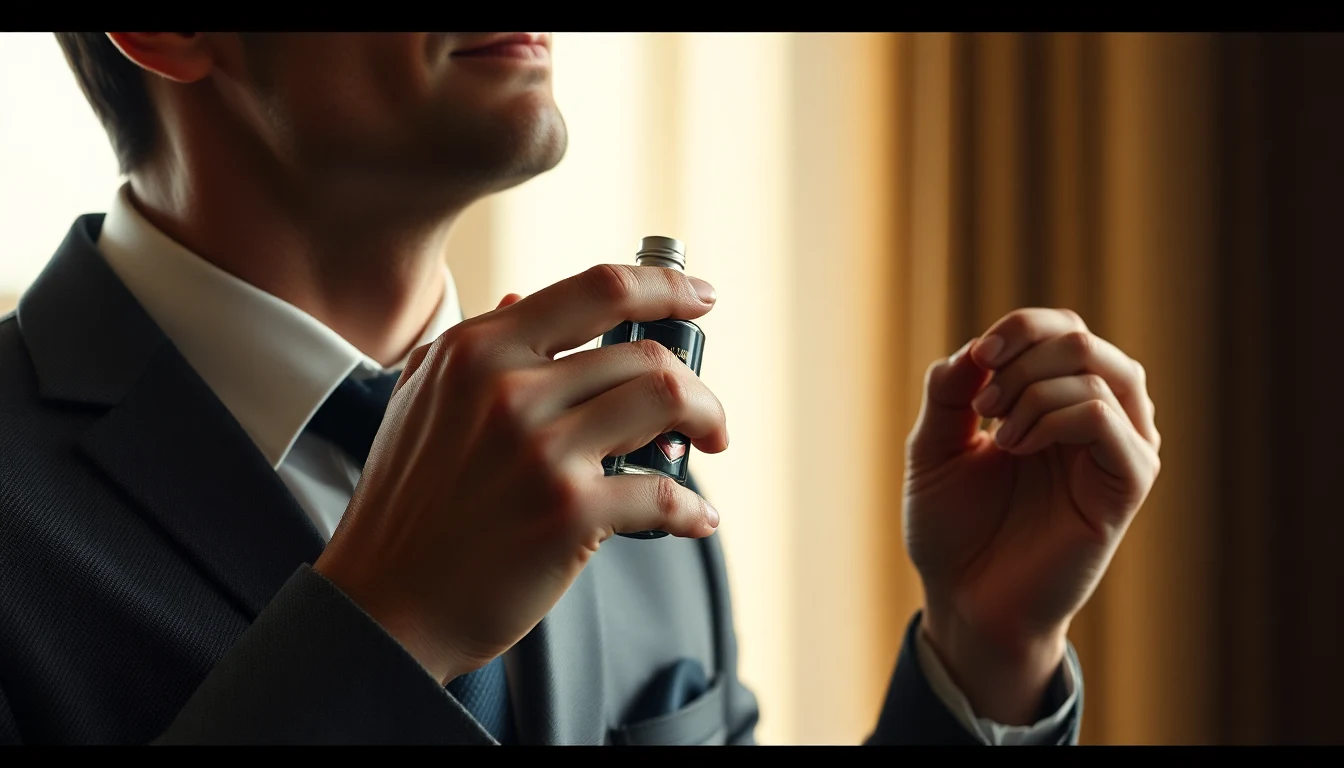
Sillage (pronounced “see-ahj”) is the trail of scent you leave behind as you move through a space. It is the fragrance wake. You walk through a room, and people catch your scent after you have passed. Strong sillage means the scent lingers in the air for minutes after you leave.
How Application Affects Both
Where you spray determines your projection and sillage profile:
| Application Point | Projection | Sillage |
|---|---|---|
| Neck (sides) | Strong | Moderate |
| Wrists | Moderate | Moderate (increases with gestures) |
| Chest (under shirt) | Low | Low (intimate) |
| Behind ears | Moderate | Strong (turns head = scent trail) |
| Inner elbows | Low | Moderate (arm movement releases bursts) |
| Clothes (light spray) | Low | Strong (fabric holds scent) |
For the office, moderate projection and moderate sillage is the goal. You want colleagues in conversation range to appreciate the scent without the entire floor knowing you arrived. For an evening out, push toward stronger projection with an extra spray on the neck or a touch behind the ears.
How Long Does Cologne Last? A Realistic Breakdown
Longevity is the most asked-about metric in fragrance, and the answer is never simple. The number on a bottle or a reviewer’s claim is an average. Your individual experience depends on multiple factors.
Factors That Affect Longevity
- Skin chemistry. Oily skin holds fragrance longer than dry skin. The natural oils act as a fixative that keeps the scent molecules on the surface.
- Hydration. Well-moisturized skin outperforms dry skin by two to three hours in my testing. This is why the moisturize-first tip matters so much.
- Temperature. Heat accelerates projection (you smell it more in the first few hours) but can shorten total longevity. Cold weather slows projection but extends how long the scent lasts on skin.
- Diet and medication. What you eat and drink can change your skin’s pH and affect how a fragrance develops. Spicy food, alcohol, and certain medications alter body chemistry enough to shift how a scent performs.
- Fragrance quality. Higher-quality ingredients last longer. Natural oud lasts far longer than synthetic oud accords. This is one reason niche fragrances often outperform designer options in longevity.
Realistic Longevity by Category
| Fragrance | Concentration | Expected Longevity |
|---|---|---|
| Nautica Voyage | EDT | 4-5 hours |
| Versace Pour Homme | EDT | 5-6 hours |
| Bleu de Chanel | EDP | 8-10 hours |
| Dior Sauvage | EDP | 8-12 hours |
| Creed Aventus | EDP | 8-10 hours |
| Tom Ford Oud Wood | EDP | 8-10 hours |
| Baccarat Rouge 540 | EDP | 12+ hours |
| Amouage Interlude Man | EDP | 12+ hours |
These are based on my own skin testing with standard three-spray application to pulse points. Your results may vary by an hour or two in either direction.
How to Store Cologne Properly
A $150 fragrance will perform like a $30 fragrance if you store it wrong. Fragrance molecules degrade when exposed to heat, light, and humidity. Proper storage extends the life of your collection by years.
The Three Rules
- Keep bottles in a cool, consistent temperature. A bedroom closet, a drawer, or a cabinet away from windows. Room temperature (65 to 72 degrees Fahrenheit) is ideal. Never on a bathroom counter, a windowsill, or near a radiator.
- Keep bottles away from light. UV radiation breaks down fragrance molecules over time. If your bottle has a clear glass flacon, store it in its original box or in a drawer. Tinted glass (amber, dark blue) offers some protection, but darkness is still best.
- Keep bottles sealed. Keep the cap on when not in use. Exposure to air oxidizes the fragrance, changing its character over time. If a fragrance starts smelling different than when you bought it, oxidation is usually the cause.
How Long Does Cologne Keep?
Properly stored, most fragrances last three to five years at full performance. Heavier, darker fragrances (oud, amber, incense) can last even longer because their molecules are more stable. Lighter fragrances (citrus, aquatic) tend to degrade faster because their volatile molecules are more susceptible to oxidation. When it comes to how to apply cologne, technique matters most.
Signs your cologne has turned: the color has darkened significantly, the opening smells “off” or slightly acidic, or the scent has lost its depth and complexity. If this happens, do not throw it out immediately. Spray it and check the dry-down. Sometimes the top notes degrade while the heart and base remain intact. When it comes to how to apply cologne, technique matters most.
Building a Rotation: The Four-Bottle Collection
You do not need fifty bottles. You need four that cover every situation.
| Slot | Purpose | Budget Pick | Premium Pick |
|---|---|---|---|
| Daily Driver | Versatile, office-safe, all-season | Montblanc Explorer ($35-45) | Bleu de Chanel EDP ($120-150) |
| Summer / Hot Weather | Fresh, light, citrus or aquatic | Nautica Voyage ($15-25) | Acqua di Gio Profondo ($80-110) |
| Evening / Date Night | Warm, sensual, moderate projection | D&G The One EDP ($50-70) | YSL La Nuit de L’Homme ($80-100) |
| Cold Weather / Statement | Rich, bold, oud or amber or spice | Lattafa Raghba ($15-25) | Tom Ford Oud Wood ($180-250) |
With these four bottles, you have a fragrance for every season, every occasion, and every mood. Start with the daily driver and the summer bottle. Add the evening and cold weather bottles as your interest grows. For more recommendations tailored to specific communities, check our guide to the best cologne for Black men.
Why Cologne Smells Different on You: Skin Chemistry Explained
I cannot tell you how many times someone has sprayed a fragrance on a paper strip at a store, loved it, bought the bottle, and been disappointed when it smelled completely different on their skin. This is skin chemistry at work, and understanding it will save you money and frustration.
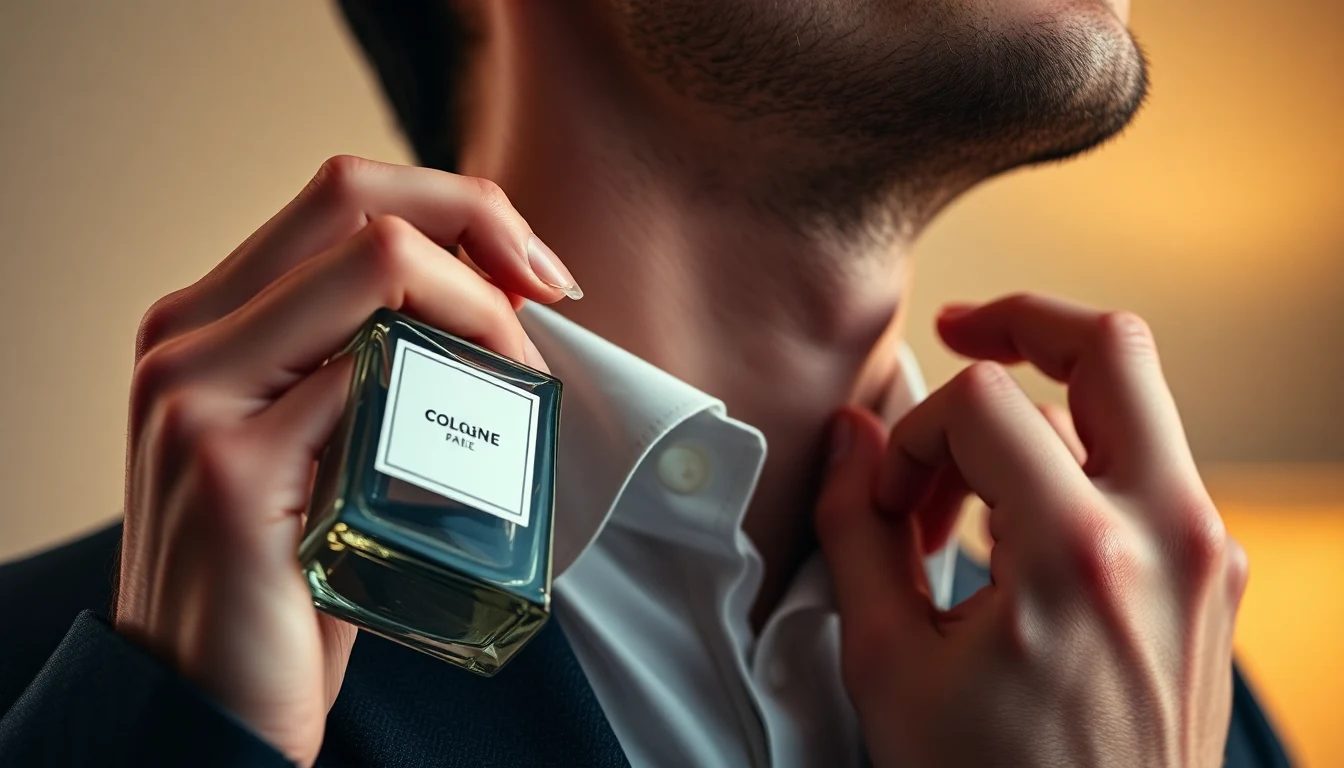
What Affects Skin Chemistry
- Skin pH. Your skin’s acid-alkaline balance affects how fragrance molecules interact with your body. More acidic skin tends to amplify citrus and green notes. More alkaline skin tends to push warm, musky base notes forward.
- Natural oils. Oilier skin retains fragrance longer and can intensify certain notes. Drier skin lets fragrance molecules evaporate faster, making the scent shorter-lived and sometimes sharper in the opening.
- Diet. What you eat changes your body chemistry. Spicy food, garlic, and red meat can shift how a fragrance develops on your skin. This is not dramatic enough to ruin a cologne, but it can nudge the scent profile in subtle ways.
- Hormones and medication. Hormonal changes (stress, age, testosterone levels) affect skin chemistry. Some medications, particularly antibiotics and blood pressure medication, can alter how fragrance interacts with your skin.
The Sampling Rule
Always test a fragrance on your own skin before buying a full bottle. Spray it on one wrist at a store or from a sample. Wait at least 30 minutes, ideally two hours, and smell the heart notes. The top notes (what you smell immediately) will be gone in 15 to 30 minutes. The heart notes are what you and the people around you will smell for the next several hours. If you love the heart notes on your skin, buy the bottle. If not, move on.
Most department stores and niche fragrance shops will give you a sample vial to take home. Ask. It is standard practice in the fragrance industry, and no reputable retailer will refuse.
Cologne and Aftershave: How They Work Together
Aftershave and cologne serve different purposes, and layering them properly enhances both. Aftershave soothes and disinfects freshly shaved skin. Cologne provides fragrance. They should complement each other, not compete.
The Right Order
- Shave.
- Apply aftershave to the shaved area. Alcohol-based aftershave closes pores and disinfects. Balm-based aftershave moisturizes and calms irritation.
- Wait two to three minutes for the aftershave to absorb.
- Apply cologne to your pulse points, away from the freshly shaved area.
Do not spray cologne directly on freshly shaved skin. The alcohol in the fragrance will sting, and the scent will be altered by the aftershave underneath. Apply cologne to the sides of the neck (above the shave line), wrists, and chest. Let the aftershave handle the shaved zone and the cologne handle the fragrance zone.
For aftershave recommendations, see our guide to the best aftershave for Black men.
Frequently Asked Questions
How many sprays of cologne should I use?
For most Eau de Toilette fragrances, three to four sprays is the sweet spot. Eau de Parfum and Parfum concentrations are stronger, so two to three sprays is usually enough. Start with fewer sprays and add more only if the scent fades quickly on your skin. You can always add more. You cannot take it away once it is on.
Should you rub cologne on your wrists?
No. Rubbing your wrists together after applying cologne is one of the most common mistakes in fragrance application. The friction generates heat that breaks down the top notes and accelerates evaporation, which shortens the lifespan of the fragrance and changes how it develops on your skin. Spray on one wrist and let it dry naturally, or dab gently if transferring to the other wrist.
How long does cologne last on skin?
Longevity depends on the concentration. Eau de Cologne lasts 2 to 3 hours. Eau de Toilette lasts 4 to 6 hours. Eau de Parfum lasts 6 to 10 hours. Parfum or Extrait can last 10 to 14 hours or longer. Your skin chemistry, hydration level, and the ambient temperature all affect how long a fragrance performs. Moisturized skin holds scent significantly longer than dry skin.
Where are the best places to spray cologne?
The best places are your pulse points, areas where blood vessels sit close to the skin surface and generate warmth that projects the fragrance. The six primary pulse points are the wrists, sides of the neck, chest or collarbone area, behind the ears, inner elbows, and behind the knees. For daily wear, focusing on the neck and wrists provides the best balance of projection and longevity.
Is it better to spray cologne on skin or clothes?
Spray cologne on your skin whenever possible. Fragrance is designed to interact with your body chemistry and the warmth of your skin, which activates the scent molecules and allows the fragrance to develop through its top, heart, and base notes over time. Spraying on clothes can stain fabric, and the fragrance will smell flat because it cannot develop without skin warmth. The one exception is a light spray on a scarf or jacket collar for an evening event where you want the scent to linger after you leave.
What is the difference between EDT and EDP?
EDT stands for Eau de Toilette, which contains 5 to 15 percent fragrance concentration and typically lasts 4 to 6 hours. EDP stands for Eau de Parfum, which contains 15 to 20 percent concentration and lasts 6 to 10 hours. EDP is more intense and projects further. Many popular fragrances come in both concentrations, with the EDP version being more expensive but requiring fewer sprays and lasting longer on skin.
Does cologne smell different on different people?
Yes. Your skin chemistry, which is influenced by your diet, pH level, hormone balance, medication, and even your natural skin microbiome, changes how a fragrance develops and smells on you. A cologne that smells incredible on your friend may perform differently on your skin. This is why sampling fragrances on your own skin before purchasing a full bottle is essential. Spray it, wait at least 30 minutes, and judge the heart notes rather than just the opening.
The Final Word
Fragrance is one of the most personal choices a man makes. It sits at the intersection of memory, culture, and chemistry. My jiddo wore oud because his father wore oud. I wear it because of both of them. But I also wear Bleu de Chanel to the office and Acqua di Gio in the summer because the right scent for the right moment is its own kind of discipline.
Here is your action plan:
- Know your concentration. Check the bottle. EDT, EDP, and Parfum all require different spray counts.
- Moisturize before applying. This single step adds two to three hours of longevity.
- Spray on pulse points. Neck and wrists for daily wear. Add chest and behind the ears for evening.
- Never rub your wrists together. Spray. Wait. Walk away.
- Store bottles in a cool, dark place. Not the bathroom. Not the windowsill.
- Build a four-bottle rotation that covers daily wear, summer, evening, and cold weather.
- Sample before you buy. Your skin chemistry is unique. Test on your own skin and judge the heart notes.
Smelling great is not about spending the most money. It is about applying the right fragrance, in the right amount, to the right places. Master that, and the compliments will follow.
Last updated: February 2026 by Karim Haddad
Further reading: For research-backed grooming advice, see Healthline Men’s Health.
Explore more tips at CulturedGrooming.com.
Further reading: For research-backed grooming advice, see Healthline Men’s Health.
Frequently Asked Questions
Where should you apply cologne on your body for best results?
Apply cologne to pulse points where blood vessels are close to the skin, such as your neck, inner wrists, behind your ears, and chest. These warm areas help diffuse the fragrance throughout the day and allow it to develop properly on your skin.
How do you apply cologne without it fading quickly?
Spray cologne on clean, moisturized skin immediately after showering when your pores are open and your body is warm. Use the recommended amount of sprays for your fragrance concentration, and avoid rubbing your wrists together, as friction breaks down the scent and makes it fade faster.
What’s the difference between Eau de Toilette and Eau de Parfum when applying?
Eau de Parfum has a higher fragrance concentration, so you need fewer sprays, usually two to three. Eau de Toilette is lighter and requires three to four sprays to achieve the same lasting effect throughout your day.
Can you apply cologne to your clothes instead of your skin?
While you can spray cologne on clothing, applying it directly to skin is more effective because your body heat helps activate and develop the fragrance properly. Spraying on clothes may stain delicate fabrics and prevents the scent from evolving as intended on your skin.