
If you want to master how to get curly hair, this guide covers everything you need to know.
If you want to master how to get curly hair, this guide covers everything you need to know. Last updated: February 2026 by Darius Washington, Black Men’s Grooming Editor
I spent years thinking my 4B hair just did not do curls. In the barbershop where I grew up in Atlanta, the options seemed simple: get waves, get a fade, or leave it alone. Then I watched my cousin pick up a curl sponge for the first time and walk out the bathroom 10 minutes later looking like a completely different person. That was the moment I realized every Black man already has curls. The question is whether you know how to get curly hair as a Black male by bringing those curls out, defining them, and keeping them looking right.
This guide covers every method that actually works: curl sponges, twist-outs, finger coils, and product-only definition. I break down which technique fits your hair type, the exact products I recommend, and the maintenance routine that keeps your curls lasting days instead of hours. Whether you have 3C loose curls or 4B zigzag coils, there is a path here for you.
Understanding Your Curl Pattern First: How To Get Curly Hair
Before you pick a technique, you need to know what your hair is working with. Not what you wish it was. Not what a product label promises it can become. What it actually does when it is properly moisturized and left alone.
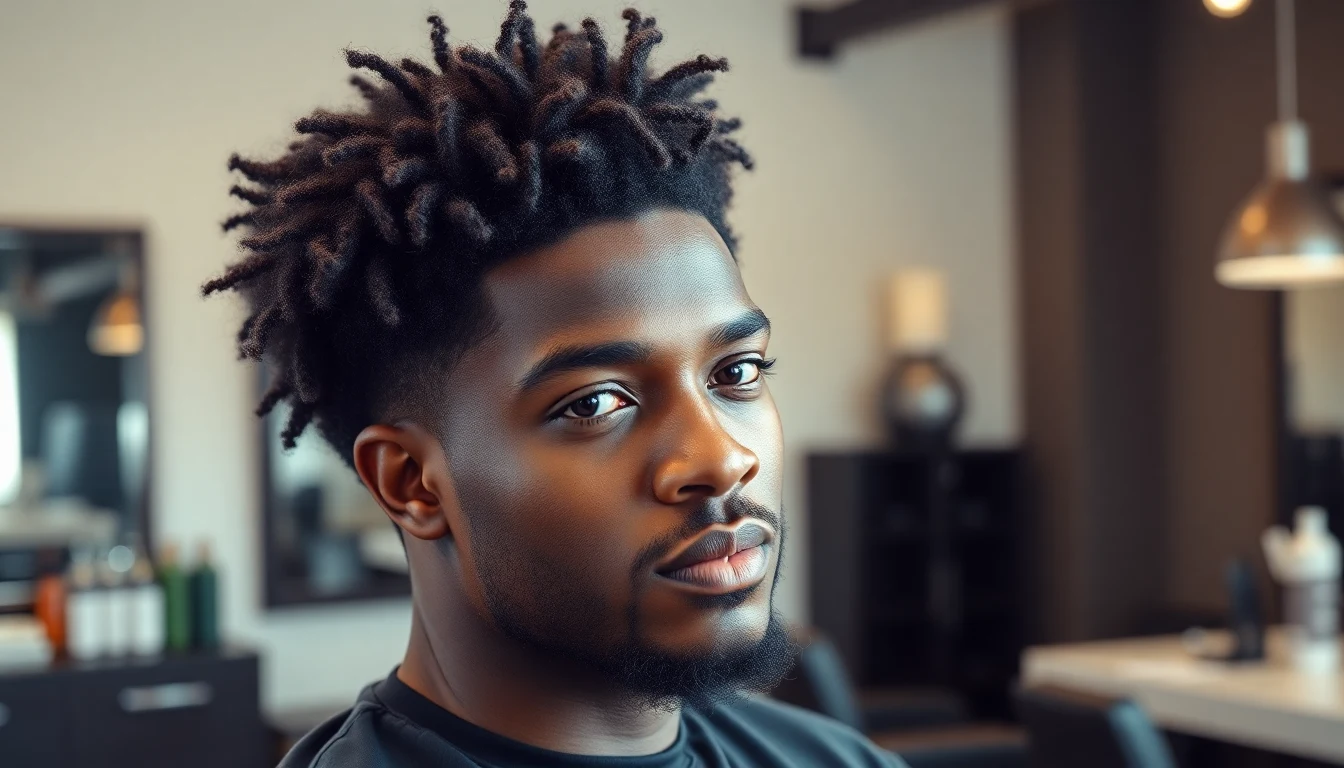
The Andre Walker hair typing system is the standard, and while it is imperfect (most heads have two or three different textures), it gives us a shared vocabulary. Here is what you need to know for curl definition.
3C Hair: Loose Spirals
3C hair forms defined spiral curls about the width of a pencil or straw. When wet, you can see individual ringlets without doing much of anything. The curls have natural definition but lose shape from gravity, dryness, and friction throughout the day. If you have 3C hair, you are starting from the easiest position. A lightweight curl cream and proper moisture will give you visible definition with minimal technique. Your biggest challenge is volume control and frizz, not curl creation.
4A Hair: Defined S-Pattern Coils
4A hair coils tightly in an S-shape, roughly the width of a crochet needle. There is visible definition in each strand when wet, but the coils shrink by about 70% when dry. This is the sweet spot for most curly hair methods. 4A responds well to sponges, twist-outs, and finger coils alike. Your primary enemy is shrinkage and moisture loss. Product layering matters more than technique for this hair type.
4B Hair: Z-Pattern Coils
4B hair bends in sharp Z-shaped angles rather than round curls. It is less defined than 4A, more fragile, and dries out faster. Getting visible curl definition from 4B hair takes heavier products, smaller sections in twist-outs, and more patience. But when you get it right, the texture is incredible. 4B curls have a density and visual impact that looser textures cannot replicate. This is my hair type, so every recommendation in this guide has been tested on 4B first.
4C Hair: Tightest Coils
4C hair has the tightest coil pattern with the least visible definition in its natural state. Shrinkage can hit 75% or more. Here is what a lot of guides get wrong about 4C: they treat it like a problem to solve. It is not. 4C hair can achieve beautiful curl definition, but the techniques and products need to be heavier, the sections need to be smaller, and the moisture routine needs to be more deliberate. If you have 4C hair, skip the lightweight spray products and go straight to creams and butters. I will break this down in each method section.
Not sure what your hair type is? Here is a simple test. Wet a small section of your hair, let it air dry without touching it, and look at the pattern. If it spirals loosely, you are 3C or 4A. If it bends in sharp angles with minimal defined curl, you are 4B or 4C. Most Black men fall somewhere in the 4A to 4C range, and many have multiple textures on different parts of their head. That is completely normal.
Method 1: The Curl Sponge (Fastest Results)
The curl sponge is how most Black men discover their curls for the first time. It went viral on TikTok for a reason: you rub a $5 sponge on your head for a few minutes and suddenly you have defined coils. The results are real, but the technique matters more than most tutorials show.
How the Curl Sponge Works
The sponge has small holes on one side that catch and group your hair into coil clusters as you rub it in circular motions. It is not creating curls. It is organizing your existing curl pattern into visible, defined groups. Think of it like separating your curls into lanes instead of letting them all crash into each other.
Ideal Hair Length for Sponging
Half an inch to one and a half inches. That is the window. Shorter than half an inch and the sponge cannot grab enough hair to form a coil. Longer than one and a half inches and the sponge creates frizzy, messy clumps instead of defined curls. If your hair is longer than that, skip to the twist-out or finger coil sections.
Step-by-Step Curl Sponge Technique
- Start with damp hair. Not soaking wet, not dry. Spray your hair with water until it is evenly moist. I keep a spray bottle in the bathroom for this.
- Apply a curl-defining product. A quarter-sized amount of Cantu Moisturizing Curl Activator Cream ($5-7) or SheaMoisture Coconut and Hibiscus Curl Smoothie ($10-12) works well. Rub it between your palms and distribute evenly through your hair.
- Rub the sponge in small circular motions. Start at the front hairline and work toward the crown. Use gentle, consistent pressure. You are not scrubbing a pot. Let the holes do the work.
- Work in sections. Cover the top first, then each side, then the back. Spend about 30 seconds on each area.
- Check your pressure. If your scalp is turning red or you are pulling hair out, you are pressing too hard. Lighten up. The sponge should glide, not grind.
- Shape the edges. After sponging the full head, go back to the hairline and temples with lighter, slower circles for a cleaner edge definition.
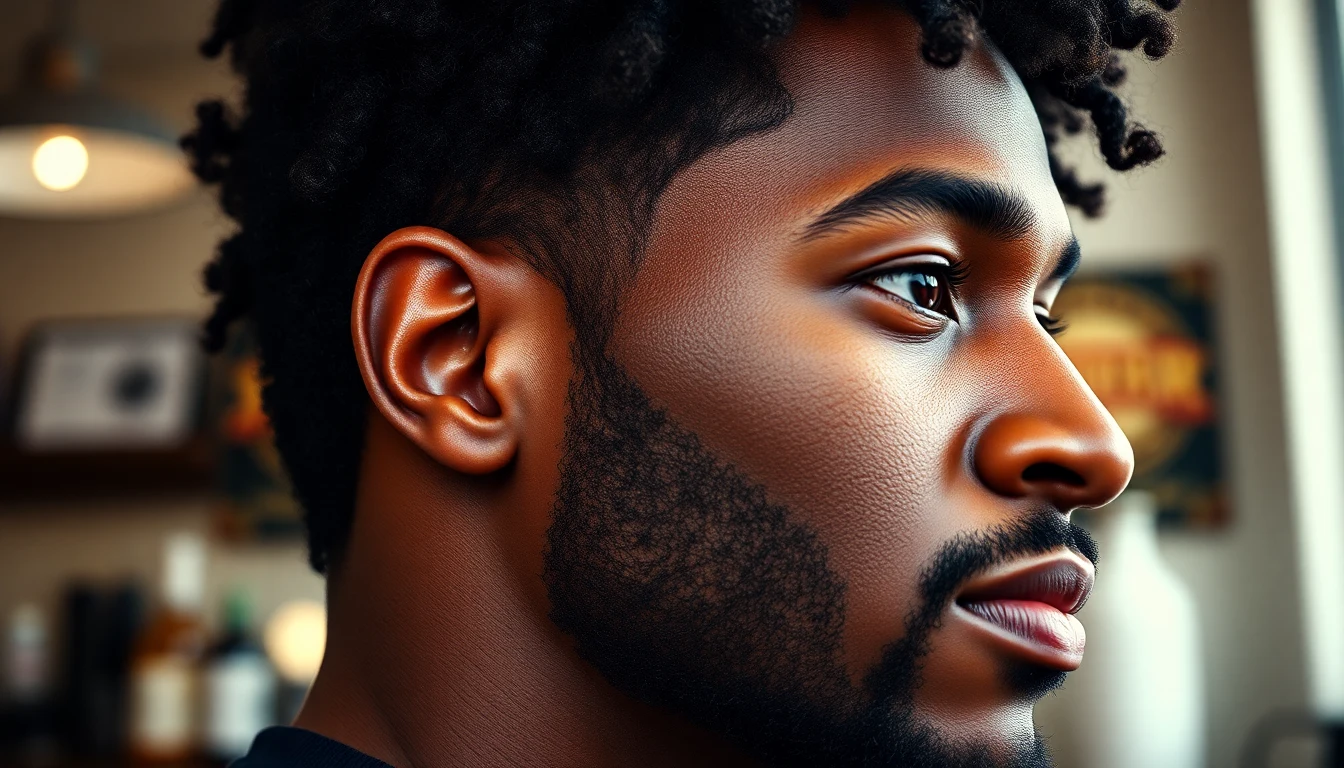
The whole process takes five to 10 minutes. You will see defined curls immediately. For the best curl sponge, I recommend the Twist King ($6-8). The hole pattern is consistent and the sponge density holds up for months.
Sponge Results by Hair Type
| Hair Type | Expected Result | Product Weight | Session Frequency |
|---|---|---|---|
| 3C | Defined ringlet curls, high shine | Lightweight cream or mousse | Every other day |
| 4A | Tight, defined coil clusters | Medium cream | Every other day |
| 4B | Grouped coils with good texture | Heavy cream or butter | 2-3 times per week |
| 4C | Textured, grouped coils (less defined ringlets) | Butter or thick cream | 2-3 times per week |
Maintaining Sponge Curls
Sponge curls on dry, unprotected hair last about one day. With the right routine, you can stretch them to three days. At night, cover your hair with a satin-lined durag or bonnet. In the morning, spritz with a water and leave-in conditioner mix and scrunch gently. If the definition is gone by day three, re-sponge. Do not sponge every single day. Your hair needs rest days for moisture recovery, especially 4B and 4C textures. (We recommend this Bevel Leave In Conditioner for Men.)
Method 2: The Twist-Out (Best Definition)
If the curl sponge is the quickest route, the twist-out is the most defined. This method gives you consistent, bouncy curls that last three to five days with proper protection. It takes more time upfront, but the results are worth it. Mastering how to get curly hair takes practice but delivers great results. Mastering how to get curly hair takes practice but delivers great results.
Every barbershop has that one guy who walks in with a perfect twist-out and the whole room notices. That is the level we are aiming for.
What You Need
- Minimum two to three inches of hair length
- Leave-in conditioner (I use Carol’s Daughter Hair Milk, $10-12)
- Twisting cream or butter (SheaMoisture Curl Smoothie or Scotch Porter Curl Defining Cream, $11-14)
- Holding gel (Eco Styler Olive Oil Gel, $4-6)
- Small hair clips or bands for sectioning
Step-by-Step Twist-Out for Black Men
- Wash and condition your hair. Use a sulfate-free shampoo for Black men and a deep conditioner. Detangle completely while the conditioner is in using a wide-tooth comb or your fingers. Rinse with cool water to seal the cuticle.
- Apply leave-in conditioner to damp hair. Not dripping wet. Towel-blot first, then apply leave-in from roots to tips. This is your moisture base. Everything builds on this layer.
- Section your hair. For 4A and 4B hair, divide into eight to 12 sections using clips. For 4C hair, go smaller: 16 to 20 sections. Smaller sections equal more defined curls. Bigger sections equal a looser, fuller look.
- Apply twisting cream to each section. Take a dime-sized amount, rub between your fingers, and coat the section evenly from root to tip.
- Two-strand twist each section. Split the section into two equal strands. Wrap them around each other from root to tip, twisting tightly enough to hold but not so tight that you feel pulling at the scalp. Secure the end by twisting the very tip tightly so it holds itself. If ends unravel, a tiny dab of gel on the tips helps.
- Let the twists dry completely. This is where most people mess up. If you unravel before the twists are fully dry, your curls will frizz and lose definition within hours. Air drying takes four to eight hours (overnight is ideal). A hooded dryer cuts this to one to two hours. Do not use a blow dryer on high heat directly on the twists.
- Unravel and separate. Once completely dry, gently untwist each section. Then take each untwisted curl and pull it apart into two or three smaller curls for fullness. Use a light oil on your fingertips (coconut or argan) to reduce frizz during separation.
- Shape and fluff. Pick out the roots slightly with a wide-tooth pick for volume. Arrange the curls where you want them. Do not over-touch. The more you manipulate, the more frizz you create.
Twist-Out Tips by Hair Type
4A hair: Medium sections work well. You can use a lighter cream and still get definition. Twists dry faster on 4A, so three to four hours may be enough. Mastering how to get curly hair takes practice but delivers great results.
4B hair: Go with smaller sections and a heavier cream. 4B twists need to be tighter because the Z-pattern does not hold a twist as naturally as the S-pattern. Apply gel over the cream for extra hold.
4C hair: Smallest sections, heaviest product. Consider a three-strand twist instead of two-strand for more defined results. Layer product heavily: leave-in, oil, cream (the LOC method). 4C twist-outs look different from 4A twist-outs, and that is perfectly fine. You will get a thicker, more textured curl pattern with incredible volume.
Method 3: Finger Coils (Most Defined Curls)
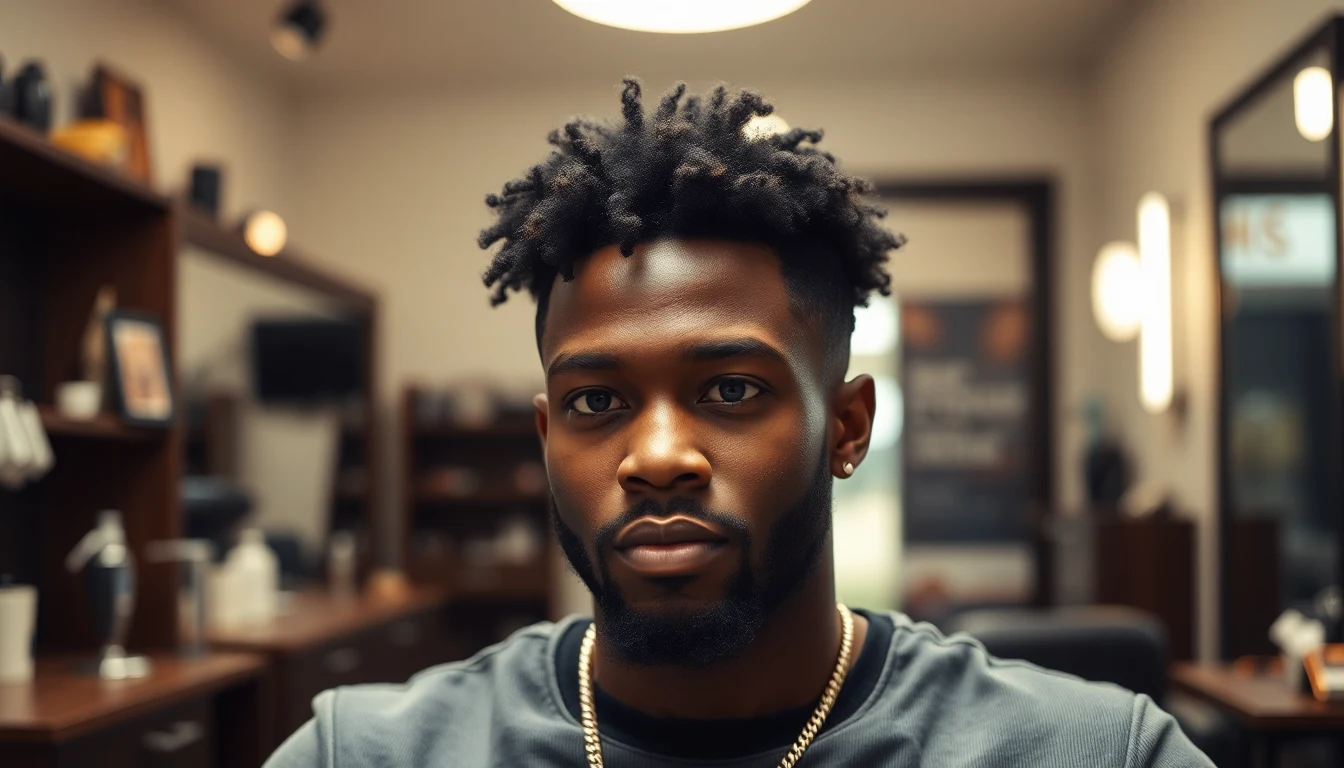
Finger coils give the most uniform, defined curl pattern of any method. Each coil is individually wrapped, so the consistency is unmatched. The tradeoff is time. Depending on your hair density, finger coils take 45 minutes to two hours.
How to Do Finger Coils
- Start with freshly washed, conditioned, damp hair. Apply leave-in conditioner generously.
- Apply curl defining gel or cream. Eco Styler Olive Oil Gel is the classic choice. For 4B and 4C hair, mix gel with a curl cream for both hold and moisture.
- Take a small section of hair (pencil-width or smaller for tighter curls).
- Wrap the section around your index finger from root to tip, twisting as you go. The direction does not matter as long as you are consistent. Pick clockwise or counterclockwise and stick with it.
- Slide your finger out gently. The coil should hold its shape. If it unravels, add more gel and try again with a slightly smaller section.
- Repeat across your entire head. Yes, every single section. This is why I said it takes patience.
- Let dry completely. Air dry or sit under a hooded dryer. Do not touch until fully dry.
- Separate gently if desired. For a fuller look, pull each coil into two smaller curls. For maximum definition, leave them as is.
Finger coils are ideal for special occasions, photo shoots, or when you want your curl definition at its absolute best. For daily wear, the twist-out is more practical.
Method 4: Product-Only Definition (The Wash-and-Go)
The wash-and-go is exactly what it sounds like. Wash your hair, apply product, and let your curls do what they do naturally. This works best for 3C and 4A hair types that have enough natural definition to hold a curl pattern with product alone.
For 4B and 4C hair, a true wash-and-go is harder to achieve. The curl pattern is tight enough that product alone does not always create visible definition. But a modified wash-and-go using heavier products and the shingling technique can work. For more guidance, GQ provides expert resources on men’s grooming.
Wash-and-Go Product Layering Order
The order matters. Get this wrong and your curls will be crunchy, flat, or frizzy within two hours.
- Leave-in conditioner (hydration base). Apply to soaking wet hair after washing. This is your moisture foundation. Carol’s Daughter Hair Milk is lightweight enough for 3C and 4A. For 4B and 4C, I go with a heavier leave-in or a spray leave-in followed by a cream.
- Curl defining cream or mousse (shape). This is what gives your curls their visible form. Mielle Organics Pomegranate and Honey Curl Mousse ($8-10) is excellent for 3C and 4A. SheaMoisture Curl Smoothie for 4A and 4B. Scotch Porter Curl Defining Cream for 4B and 4C.
- Gel or holding product (seal and hold). This locks the curl definition in place. Eco Styler Olive Oil Gel is the standard. Apply with praying hands technique (palms together, smooth down sections) rather than raking through.
Apply all three products while your hair is still very wet. The water helps distribute product evenly and prevents the sticky, crunchy texture that comes from applying to dry or damp hair.
The Shingling Technique for 4B and 4C
Shingling means applying product to small sections individually, smoothing each section between your fingers to encourage clumping and definition. It is the most effective wash-and-go technique for tighter curl patterns.
- Section hair into four to six large parts.
- Take a small subsection (half-inch wide).
- Apply gel or cream directly to that subsection.
- Smooth the product down the section with your fingers, encouraging the coils to clump together.
- Repeat until the entire head is done.
- Do not touch until fully dry.
Shingling takes 30 to 45 minutes but gives 4B and 4C hair the closest thing to a true wash-and-go curl pattern.
The Truth About Texturizers
I need to address this directly because the question comes up constantly. A texturizer is a mild chemical relaxer that loosens your curl pattern to create the appearance of defined, curly hair. For years, texturizers were the go-to method for Black men who wanted a curly look without the maintenance.
Here is why they are falling out of favor, and why I do not recommend them.
The damage is the same as a relaxer, just slower. A texturizer uses the same active ingredient (sodium hydroxide or calcium hydroxide) as a full relaxer. The only difference is that it is left on for a shorter time. But the chemical process is identical: it breaks the disulfide bonds in your hair shaft to loosen the curl pattern. Over time, this causes the same brittleness, breakage, and scalp irritation.
The maintenance trap. Once you texturize, you need to keep texturizing. New growth comes in at your natural texture while the texturized ends are a different pattern. This line of demarcation is a breakage zone. You either commit to regular touch-ups every six to eight weeks or you do a big chop and start over.
The natural movement has made texturizers unnecessary. Every technique in this guide achieves the same visual result, defined curls on Black men’s hair, without altering your hair chemistry. The curl sponge alone replaced the texturizer for most men. You get instant curls without the commitment, damage, or barbershop chemical bill.
If you already have a texturizer, this is not a judgment call. Work with what you have and transition gradually. But if you are considering one for the first time, try the methods above first. Give them a solid month. I am confident you will not need the chemical route.
Products I Recommend for Curly Hair
I have tested dozens of curl products on my own 4B hair and on friends with everything from 3C to 4C textures. These are the ones I keep coming back to. I have prioritized Black-owned brands where the quality matches or beats the competition, because supporting the brands that build for us first matters. Understanding how to get curly hair is key to a great grooming routine.
Best All-Around Curl Cream
SheaMoisture Coconut and Hibiscus Curl Enhancing Smoothie ($10-12). This has been a staple for years and it earns that reputation. Thick enough for 4A and 4B definition, glycerin-rich for moisture, and coconut oil for slip. It is slightly heavy for 3C hair used alone, so lighter textures should mix it with water in their palms before applying. Available at every Target and Walmart, which matters when you need a restock at 9 PM. Understanding how to get curly hair is key to a great grooming routine. Understanding how to get curly hair is key to a great grooming routine.
Best Budget Option
Cantu Moisturizing Curl Activator Cream ($5-7). Cantu catches criticism from the natural hair community for containing some less-than-ideal ingredients, but for the price point, the curl activation on this product is solid. It works exceptionally well for sponge curls on 4A and 4B hair. Not my first choice for wash-and-gos because it can flake when layered with gel, but for sponge sessions and quick definition, it delivers.
Best for 4C Definition
Scotch Porter Curl Defining Cream ($11-14). Black-owned, heavy enough for 4C, and the scent is clean without being overpowering. This is the thickest curl cream on this list and that is exactly what 4C needs. Shea butter and biotin in the formula provide both hold and actual hair health benefits. Use as the cream step in the LOC method.
Best Mousse for Lighter Textures
Mielle Organics Pomegranate and Honey Curl Defining Mousse ($8-10). Black-owned and specifically formulated for natural hair. This mousse gives 3C and 4A hair defined, bouncy curls without weight. It layers beautifully under a light gel for all-day hold. The pomegranate extract adds shine without greasiness. Not moisturizing enough for 4B and 4C as a standalone, but it works well as a layering product over a heavier leave-in. (We recommend this SFC Natural King Jamaican Black Castor.)
Best Gel for Hold
Eco Styler Olive Oil Gel ($4-6). The barbershop standard for curl definition hold. Water-based, no alcohol, strong hold without crunch if you apply to wet hair. The olive oil version adds slight moisture. For 4C hair, the Argan Oil version provides a bit more slip. Either way, this is the hold layer that keeps your twist-out or wash-and-go intact for days.
Best Deep Conditioner
TGIN Honey Miracle Hair Mask ($14-16). Black-owned. Use this weekly as a deep conditioning treatment to keep your hair soft enough to actually curl. Without regular deep conditioning, 4B and 4C hair gets brittle, breaks during manipulation, and resists definition products. Leave this on for 15 to 30 minutes under a plastic cap. The raw honey and olive oil formula delivers serious moisture penetration.
Best for Sponge Curls Specifically
Frederick Benjamin Curl Reviver ($12-15). Black-owned brand built specifically for Black men. This is a spray-and-go product designed for quick curl activation, which makes it perfect for sponge sessions. Spray on damp hair, sponge, done. Lightweight formula means no buildup even with daily use. Works best on 4A and 4B hair. (We recommend this 2Pcs Curl Sponge for Black, Hair.)
The LOC and LCO Methods Explained
If you have spent any time in natural hair communities, you have seen LOC and LCO referenced constantly. These are layering systems for applying products in a specific order to maximize moisture retention. For curl definition on Black men’s hair, understanding this system is the difference between curls that last and curls that dry out by lunch.
LOC Method (Liquid, Oil, Cream)
- Liquid: Water or a water-based leave-in conditioner applied to wet or damp hair.
- Oil: A lightweight oil (coconut, argan, or jojoba) applied to seal the water into the hair shaft.
- Cream: A heavier cream or butter applied last to lock everything in place.
LOC works best for 4B and 4C hair because the oil layer between the liquid and cream creates a moisture sandwich that 4C coils hold onto longer.
LCO Method (Liquid, Cream, Oil)
- Liquid: Same as above.
- Cream: Curl cream applied next for definition and shape.
- Oil: Oil applied last to seal everything in.
LCO works best for 3C and 4A hair because these textures do not need as heavy a moisture barrier. The oil on top keeps things sealed without the heaviness of the cream being the outermost layer.
Here is my simple rule: if your hair dries out within four hours of applying product, you need LOC. If it holds moisture through the day but gets frizzy, you need LCO. Most 4B and 4C men will end up on LOC. Most 3C and 4A men will prefer LCO.
Daily and Weekly Maintenance Routine
Getting curls once is easy. Keeping them looking defined all week is the real skill. Here is the routine I follow and recommend.
Daily (5 Minutes)
- Morning: Spritz hair with a water and leave-in conditioner mix (70/30 ratio in a spray bottle).
- Scrunch gently to reactivate curls.
- Apply a pea-sized amount of oil to your palms, smooth over the top layer to control frizz.
- Do not re-sponge or re-twist daily. Your curls need rest days between full definition sessions.
Weekly
- Wash day (once per week): Sulfate-free shampoo or co-wash with As I Am Coconut CoWash ($8-10). Deep condition with TGIN Honey Miracle Hair Mask for 20 minutes. Detangle with a wide-tooth comb while conditioner is in. Rinse with cool water.
- Full curl definition session: After wash day, apply your full LOC or LCO stack and define using your preferred method (sponge, twist-out, finger coils, or wash-and-go).
- Midweek refresh: If curls are losing shape by day three or four, do a light re-definition. Dampen hair, apply a small amount of curl cream, and re-sponge or scrunch. Do not redo a full twist-out midweek unless the style is completely lost.
Monthly
- Clarifying wash: Once a month, use a clarifying shampoo to remove product buildup. Buildup coats the hair shaft and prevents moisture from penetrating, which kills curl definition over time. Follow the clarifying wash with an extra-long deep conditioning session (30 minutes minimum).
- Trim: Get a light trim every four to six weeks to remove split ends. Split ends travel up the hair shaft and cause breakage that thins your curl pattern. A curly hair fade at the barbershop keeps the sides clean while preserving length on top for curl definition.
Ingredients That Matter (and What to Avoid)
I grew up thinking all hair products were basically the same. My uncle’s barbershop had one bottle of everything for everyone. That works for a lineup. It does not work for curl definition. The ingredients in your products determine whether your curls last four hours or four days.
Ingredients to Look For
| Ingredient | What It Does | Best For |
|---|---|---|
| Glycerin | Draws moisture from the air into your hair (humectant) | All curl types in moderate humidity |
| Shea butter | Heavy moisture sealant, adds softness and slip | 4B and 4C hair, twist-outs |
| Coconut oil | Penetrates the hair shaft (one of the few oils that actually does this) | All types, especially for LOC method oil step |
| Aloe vera | Lightweight moisture, defines curls, reduces frizz | 3C and 4A wash-and-gos |
| Jojoba oil | Mimics scalp’s natural sebum, lightweight moisture | All types, especially for daily refreshing |
| Castor oil | Heavy sealant, promotes thickness at hairline | 4C hair, edges, thin spots |
Ingredients to Avoid
| Ingredient | Why to Avoid It | Found In |
|---|---|---|
| Sulfates (SLS, SLES) | Strip natural oils, cause dryness and frizz | Most drugstore shampoos |
| Non-water-soluble silicones (dimethicone) | Create buildup that blocks moisture | Cheap conditioners and serums |
| Mineral oil / petrolatum | Sit on top of hair, seal OUT moisture instead of in | Many traditional “grease” products |
| Drying alcohols (SD alcohol, alcohol denat, isopropyl) | Evaporate moisture from the hair shaft | Hairsprays, light hold gels |
One note on glycerin: it is a humectant, meaning it pulls moisture from the environment. In high humidity, glycerin works beautifully. In very dry climates (desert, winter cold), glycerin can actually pull moisture OUT of your hair into the dry air. If you live somewhere dry, look for products where glycerin is listed lower on the ingredient list, not in the top three. For more on building a full moisturizing routine, check that guide.
The Viral TikTok Curl Method (Does It Work?)
You have probably seen the videos. A guy with short hair sprays something on, rubs a sponge around for 30 seconds, and pulls out perfect curls. Millions of views. Thousands of comments asking “what product is that?”
Here is what is actually happening in those videos. Most of the viral curl tutorials use the exact same method I described in the sponge section, just edited down to a 15-second clip. They skip the prep, skip the product application, and skip the fact that the person doing the demo has been sponging their hair for months and already has a trained curl pattern. The sponge is maintaining definition, not creating it from zero.
That said, the core technique in those videos is legit. It is the curl sponge method. It works. What the videos do not show you is:
- The hair needs to be properly moisturized first
- The sponge works best within a specific length range
- The curls need protection overnight to last
- Hair type determines the quality of the result
If you follow the sponge method section of this guide, you will get results that actually match what you see on your screen. If you try to shortcut it by rubbing a dry sponge on dry hair, you will be disappointed. There is no cheat code. There is just the method, applied consistently.
Best Haircut Styles for Curly Hair
Your curl definition only looks as good as the haircut framing it. Here are the styles that pair best with the methods in this guide. When it comes to how to get curly hair, technique matters most. When it comes to how to get curly hair, technique matters most.
Taper fade with length on top. The most popular combination. Keep two to three inches on top for curl definition and fade the sides to a skin or one-guard at the bottom. This gives maximum curl visibility with a clean, structured frame. When it comes to how to get curly hair, technique matters most.
High top with curls. For men growing out their hair specifically for curl definition, a high top preserves length on top while the barber takes the sides tight. This works especially well with finger coils and twist-outs that benefit from the extra length.
Curly fringe / curly crop. A shorter option that works well with sponge curls. The hair is kept at about one inch all around with slightly more length at the front. The sponge creates uniform curls and the fringe adds personality to the front. This is a low-maintenance style that looks intentional.
Temp fade with defined curls. Clean lineup at the temples with a gradual blend into the curl length. This style highlights the transition between skin and curl, which gives the hair a sculpted, editorial look. Tell your barber: “Temp fade, blend into the length, do not cut into the curl pattern on top.”
If you are unsure what to ask for, bring reference photos. Your barber is your collaborator, not a mind reader. And if you are maintaining curly hair between cuts, our curly hair fade guide walks through exactly what to communicate.
Frequently Asked Questions
How long does it take to get curly hair as a Black male?
Curl sponge results are immediate, the first session shows definition. Twist-outs take four to six hours to set and last three to five days. Building a consistent routine that keeps your hair defined daily takes about two to four weeks. Your hair already has curls. The work is learning to define and maintain them, not creating them from nothing. (We recommend this Wave Pomade Hair Twist Sponge Brush.)
Does the curl sponge damage your hair?
Not when used correctly. Always apply a leave-in conditioner or curl cream before sponging, use light pressure, and limit sessions to two or three times per week. Problems come from sponging dry hair with too much pressure. If you see breakage, add more moisture before your next session. (We recommend this GIBS BioFuel Hair Conditioner For Men.)
What is the difference between a texturizer and natural curl definition?
A texturizer is a mild chemical relaxer that permanently loosens your curl pattern. Natural curl definition uses moisture, product, and technique to enhance your existing curls without altering the hair shaft. Texturizers cause the same long-term damage as relaxers and require ongoing chemical maintenance. The methods in this guide are completely reversible and damage-free.
What hair length do I need for defined curls?
Curl sponges work at half an inch to one and a half inches. Twist-outs need two to three inches minimum. Finger coils need at least two inches. If you are starting from a buzz cut, begin with the sponge method and transition to twist-outs as your hair grows. (We recommend this 2 Packs Curl Sponge, Hair Sponges.)
Can 4C hair get defined curls?
Yes. 4C hair needs heavier moisture (LOC method), smaller sections for twist-outs, and thicker curl creams. Finger coils and small two-strand twists give the best definition. The curl sponge produces a more textured, grouped look on 4C rather than individual ringlets. The results are different from 3C curls, but they are equally defined and striking. (We recommend this 2 Pcs Hair Sponge for Black.)
How do I maintain curly hair overnight?
Sleep on a satin or silk pillowcase. Use a satin-lined bonnet or durag over your curls. In the morning, spritz with a water and leave-in mix, scrunch gently, and let the curls reset. Proper overnight protection extends a style from one day to three to five days.
What products should I avoid?
Avoid sulfates (strip moisture), non-water-soluble silicones (cause buildup), mineral oil (blocks moisture), and drying alcohols (alcohol denat, SD alcohol, isopropyl). Look for products with glycerin, shea butter, coconut oil, and aloe vera as primary ingredients instead.
Your Curls Are Already There
I want to be clear about something. You are not learning how to create curls. You are learning how to reveal the ones you already have. Every Black man with Type 3 or Type 4 hair has a curl pattern. The difference between undefined texture and head-turning curls is moisture, technique, and a consistent routine.
Start with the method that fits your current hair length and texture:
- Short hair (under 1.5 inches): Curl sponge with a curl cream. Five minutes. Immediate results.
- Medium hair (2-3 inches): Twist-out for multi-day definition or wash-and-go for daily ease.
- 4B and 4C textures: LOC method for moisture, smaller sections, heavier products.
- 3C and 4A textures: LCO method, lighter products, and the wash-and-go may be all you need.
Pick up a Twist King Curl Sponge and a jar of SheaMoisture Curl Smoothie. If you are further along, grab Scotch Porter Curl Defining Cream and try a twist-out this weekend.
For your full hair care foundation, check out our guides on the best shampoo for Black men, the best moisturizer for Black men, and the best face wash to keep your skin right while you level up the hair. If you are thinking about pairing curls with a beard, our best beard oil for Black men guide and patchy beard fix guide have you covered.
Your curls are waiting. Go get them.
Further reading: For research-backed grooming advice, see Healthline Men’s Health.
Explore more tips at CulturedGrooming.com.
Further reading: For research-backed grooming advice, see Healthline Men’s Health.
Frequently Asked Questions
What’s the best method to get curly hair as a Black male if I have short hair?
The curl sponge method is ideal for short hair between half an inch and one and a half inches long. You simply rub the sponge in circular motions on damp hair to define and enhance your natural coils without needing to wait for twists to set.
How do I do a twist-out and how long does it take to see results?
A twist-out involves sectioning your hair into smaller portions, applying twisting cream, and creating two-strand twists that you leave in overnight or for several hours. Once you unravel the twists the next day, you’ll have defined, voluminous curls that showcase your natural texture beautifully.
What hair texture types does the curl sponge method work best for?
The curl sponge method works effectively on 3C to 4B hair textures, with best results on hair that’s properly moisturized and damp. For tighter textures like 4B hair, you may need to use it more frequently to maintain curl definition.
Do I need special products to maintain curly hair as a Black male?
Yes, using the right products is crucial for maintaining how to get curly hair on Black male textures. Look for heavier creams and moisturizers specifically formulated for textured hair, as they provide better hold and moisture retention than standard products.