
Last updated: February 2026 by Jaylen Torres, Curl Specialist & Trichology Educator
Frizz was my identity for most of middle school. Not the cool, intentional kind. The “did you just wake up?” kind. My 3B curls had a permanent halo of flyaway strands that made me look like I stuck my finger in a socket. I tried everything the internet suggested: more conditioner, less conditioner, oils, anti-frizz serums, sleeping with a towel on my pillow. Nothing worked because I was treating the symptoms instead of the causes.
Frizz is not random. It is not just “what curly hair does.” Every instance of frizz has a specific cause, and once you identify that cause, the fix is usually simple. This guide covers how to reduce frizz for men with curly hair by breaking down the seven main causes, the targeted fix for each one, and the products that create the strongest frizz barrier. If your curls have definition but a permanent fuzzy halo on top, this article is for you. For expert guidance on this topic, consult the American Academy of Dermatology’s curly hair guide.
For the full routine that prevents frizz at every step, see our curly hair routine guide.
What Frizz Actually Is (The Science) : How To Reduce Frizz For
Frizz is what happens when individual hair strands separate from their curl clumps and stand alone. In defined curly hair, strands group together into clumps, and each clump spirals as a unit. When frizz happens, strands break free from the clump and stick out in random directions.

At the microscopic level: Frizz is a cuticle problem. When the cuticle (the outermost layer of each strand) is smooth and flat, strands slide alongside each other and stay in clumps. When the cuticle is raised (from dryness, damage, or humidity), the rough surface creates friction between strands, preventing them from grouping together. Those loose strands puff out, creating the frizz halo.
Every anti-frizz strategy works by either keeping the cuticle smooth, keeping strands in their clumps, or both.
The 7 Causes of Frizz (And How to Fix Each One)
Cause 1: Sulfate Shampoo
How it causes frizz: Sulfates strip natural oils from the hair shaft, leaving the cuticle dry and raised. Without its protective oil layer, each strand is rough, and rough strands cannot slide together into clumps.
Fix: Switch to a sulfate-free shampoo immediately. The SheaMoisture Coconut & Hibiscus Shampoo cleans without stripping. For full shampoo recommendations, see our shampoo guide. Mastering how to reduce frizz for takes practice but delivers great results.
Impact: This single change can reduce frizz by 30-50% on its own.
Cause 2: Cotton Towels
How it causes frizz: Cotton terrycloth has a rough, looped texture that catches on hair strands and pulls them out of their clumps. Rubbing with a cotton towel after washing is one of the most destructive things you can do to curly hair.
Fix: Switch to a microfiber towel or an old cotton t-shirt. The smooth surface absorbs water without creating friction. Scrunch gently instead of rubbing. Better yet, plop (lay your curls onto the towel and wrap) instead of rubbing at all.
Impact: Immediate. You will see the difference on your very first wash day after switching.
Cause 3: Touching Hair While Drying
How it causes frizz: While your hair dries, curl clumps are forming and setting. Each time you touch them, you pull strands out of their clumps and break the forming gel cast. Those displaced strands dry in random positions, creating frizz.
Fix: Hands completely off from the moment you apply your last product until your hair is 100% dry. This is the hardest habit to break but the highest-impact behavioral change.
Impact: Major. Most guys do not realize how much they touch their hair unconsciously during the drying phase.
Cause 4: Brushing or Combing Dry Hair
How it causes frizz: A brush or comb physically separates curl clumps into individual strands. On straight hair, this is fine because the strands lie flat against each other. On curly hair, separated strands spring out in all directions.
Fix: Only detangle when wet, with conditioner in, using a wide-tooth comb or fingers. Work tips to roots. Never brush or comb dry curly hair, no matter how tempting it is to “fix” a section.
Cause 5: Humidity
How it causes frizz: Dry or damaged hair absorbs moisture from humid air. As strands absorb this moisture, they swell unevenly, raising the cuticle and separating from their clumps. This is why your curls can look defined inside and frizzy the moment you step outside. Understanding how to reduce frizz for is key to a great grooming routine.
Fix: Gel cast. The film that gel creates around your curl clumps acts as a humidity barrier. Eco Styler Olive Oil Gel provides the strongest cast. On extremely humid days, layer a light oil seal on top of your gel after SOTC to add another moisture barrier. For gel technique details, see our gel guide.
Glycerin warning: Glycerin is a humectant that pulls moisture from the environment. In moderate humidity, this is great, as it draws moisture into your hair. In very high humidity, glycerin can pull too much moisture in, causing swelling and frizz. If you live in a tropical or very humid climate, look for glycerin-free gels during summer months.
Cause 6: Dryness / Lack of Moisture
How it causes frizz: Dehydrated hair has a raised cuticle. A raised cuticle creates friction between strands, preventing clumping. Dry strands are also more likely to absorb humidity from the air, compounding the problem.
Fix: Layer moisture products: conditioner every wash, leave-in conditioner after rinsing, and for high-porosity hair, seal with coconut oil or curl cream. Deep condition weekly if dryness is persistent. For porosity-specific moisture strategies, see our porosity guide.
Cause 7: Sleeping on Cotton
How it causes frizz: Eight hours of your head moving against a cotton pillowcase creates constant friction. Your curl clumps get disrupted, moisture gets absorbed into the fabric, and you wake up with one side flat and frizzy.
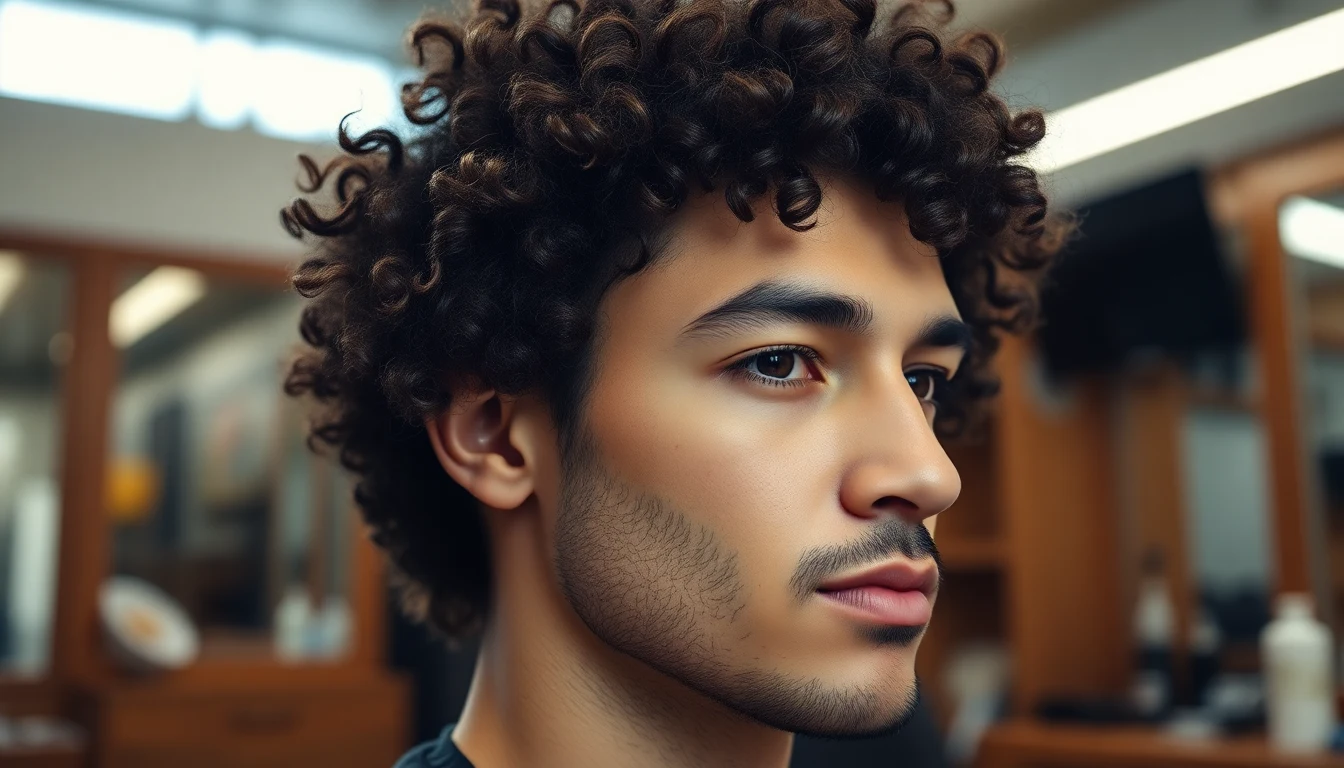
Fix: Switch to a satin or silk pillowcase ($10-15). The smooth surface eliminates friction. For maximum protection, use a satin bonnet or buff that fully contains your curls. This extends your wash-day style by 1-2 extra days.
Frizz Fix Priority Order
If you are dealing with frizz and do not know where to start, fix these in order. Each one builds on the last.
| Priority | Fix | Impact | Cost | Difficulty |
|---|---|---|---|---|
| 1 | Stop using sulfate shampoo | High | $10 (one bottle) | Easy |
| 2 | Switch to microfiber towel | High | $8 | Easy |
| 3 | Stop touching hair while drying | High | Free | Hard (habit) |
| 4 | Use gel and SOTC method | Very high | $5 (one jar of gel) | Medium |
| 5 | Apply products to soaking wet hair | Medium-high | Free | Easy |
| 6 | Satin pillowcase | Medium | $12 | Easy |
| 7 | Add leave-in conditioner | Medium | $8 | Easy |
Total cost to implement all 7 fixes: Under $45, and most of those products last 6-8 weeks for men’s hair lengths.
The Anti-Frizz Wash Day Routine
Here is the complete wash day optimized specifically for frizz prevention. Every step addresses a frizz cause from the list above. When it comes to how to reduce frizz for, technique matters most.
| Step | What | Anti-Frizz Purpose |
|---|---|---|
| 1 | Wash with sulfate-free shampoo (warm water) | Cleans without stripping oils (prevents dryness frizz) |
| 2 | Condition, detangle with wide-tooth comb | Restores moisture, keeps clumps intact |
| 3 | Rinse with cool water | Closes cuticle (smooth cuticle = less frizz) |
| 4 | Apply leave-in to soaking wet hair | Ongoing moisture (prevents dryness frizz all day) |
| 5 | Apply gel with praying hands + scrunch | Creates humidity barrier (gel cast) |
| 6 | Plop in microfiber towel | Absorbs water without friction (prevents towel frizz) |
| 7 | Air dry or diffuse (do not touch) | Undisturbed drying preserves clumps |
| 8 | SOTC when 100% dry | Breaks cast to soft curls while maintaining anti-frizz film |
For the full timed breakdown of each step, see our wash day routine guide.
Frizz Strategy for Humid Climates
If you live somewhere with consistent humidity (Florida, the Gulf Coast, coastal anywhere), frizz management is a year-round battle. Here is the adjusted approach.
- Use a strong-hold gel rather than a medium-hold. The thicker the cast, the better the humidity barrier.
- Consider glycerin-free gel in the hottest, most humid months. Glycerin can backfire in extreme humidity.
- Seal with a light oil after SOTC. A thin layer of oil on top of the broken gel cast adds another barrier between your curls and the humid air.
- Carry a small spray bottle with water and a touch of leave-in for mid-day refreshes when humidity starts winning.
- Shorter styles are easier to manage in humidity. A curly fade with 3-4 inches on top gives humidity less surface area to attack than a 6-inch all-over style.
Frizz Differences by Porosity
| Porosity | Primary Frizz Cause | Best Fix |
|---|---|---|
| Low | Product sitting on top creates dull, undefined “poof” that looks frizzy | Use lightweight products, apply to warm wet hair, clarify more often |
| Medium | Standard causes (humidity, friction, dryness) | Standard anti-frizz routine above |
| High | Rapid moisture loss and gain causes constant cuticle movement | Heavier products, seal with oil, protein treatments to patch cuticle, cool-water rinses |
Fixing Day-2 and Day-3 Frizz
Your curls will frizz more on non-wash days as products wear off and sleep disrupts your clumps. Here is the targeted fix for each scenario.
| Problem | Quick Fix |
|---|---|
| Overall frizz halo on day 2 | Mist with water, scrunch gently, add pea-sized gel to problem areas, let air dry |
| One side flattened from sleeping | Wet just that side, re-scrunch, add gel, let dry |
| Flyaway strands at the crown | Wet fingertips, smooth flyaways back into nearby curl clumps |
| Overall dryness causing frizz | Spray with water + leave-in mix, scrunch to reactivate product |
| Day 3+ and everything is falling apart | Wash day. Some curl types do not last past day 2 without frizz. That is normal. |
Frequently Asked Questions
Why is my curly hair so frizzy?
Curly hair frizzes when individual strands separate from their curl clumps, usually due to dryness. The most common causes are using sulfate shampoo (strips natural oils), brushing dry hair (breaks clumps apart), towel-drying with cotton (creates friction), touching hair while drying (disrupts forming clumps), and humidity (dry strands absorb moisture from the air and swell). Fix the underlying cause and the frizz reduces dramatically.
How do you stop curly hair from frizzing?
The most effective anti-frizz approach combines three things: moisture (sulfate-free shampoo, conditioner every wash, leave-in conditioner), a gel cast (which shields curls from humidity during drying and locks in shape), and reduced friction (microfiber towel instead of cotton, no brushing dry hair, hands off while drying). A satin pillowcase at night prevents friction-based frizz while sleeping. These changes together can reduce frizz by 70 to 90 percent.
Does gel help with frizz on curly hair?
Yes, significantly. Gel creates a cast around curl clumps as they dry, shielding each clump from humidity and preventing individual strands from separating. The cast physically holds curls in their defined shape. Once dry, scrunching out the cast gives soft, frizz-free definition. Gel is the single most effective anti-frizz styling product for curly hair because it addresses frizz during the critical drying phase when most frizz forms.
Can humidity cause frizz even with products?
Yes, but products significantly reduce the effect. In very high humidity, the moisture in the air penetrates the hair cuticle and causes strands to swell and separate from their clumps. A gel cast provides the best barrier. Anti-humectant gels (those without glycerin) work best in extreme humidity because glycerin is a humectant that can pull too much moisture from the air into the hair. On humid days, layer a gel with strong hold and consider adding a light oil seal on top.
Should I brush my curly hair to reduce frizz?
Never brush curly hair when dry. Brushing separates curl clumps, creating the exact frizz you are trying to avoid. Only detangle when your hair is wet and saturated with conditioner, using a wide-tooth comb or your fingers. Work from tips to roots to prevent breakage. If you need to fix a stray section during the day, use wet fingers to smooth it back into a nearby curl clump rather than brushing.
Frequently Asked Questions
Why is my curly hair so frizzy even when I use products?
Frizz isn’t random, it has specific causes like sulfate shampoos, cotton towels, touching your hair while drying, or brushing dry curls. Once you identify which cause is affecting your hair, you can apply a targeted fix instead of just treating the symptom with more products.
How to reduce frizz for men with curly hair without spending money on expensive serums?
Start by switching to sulfate-free shampoo, using a microfiber towel instead of cotton, and avoiding touching your curls while they dry. These simple changes address the root causes of frizz and often work better than expensive anti-frizz products alone.
Does gel actually help control frizz on curly hair?
Yes, gel can help with frizz by creating a moisture barrier and holding your curl pattern in place, but only if your hair is properly moisturized first. If your curls are dry, gel alone won’t eliminate frizz because it doesn’t address the underlying dryness causing the problem.
Can humidity still cause frizz if I’m using anti-frizz products?
Humidity can still cause frizz even with products if your hair is porous or lacks sufficient moisture to resist moisture absorption from the air. Men with curly hair in humid climates need both a strong frizz barrier from styling products and proper hydration deep within the hair shaft.