
How to Shave with a Straight Razor: Beginner’s Complete Guide
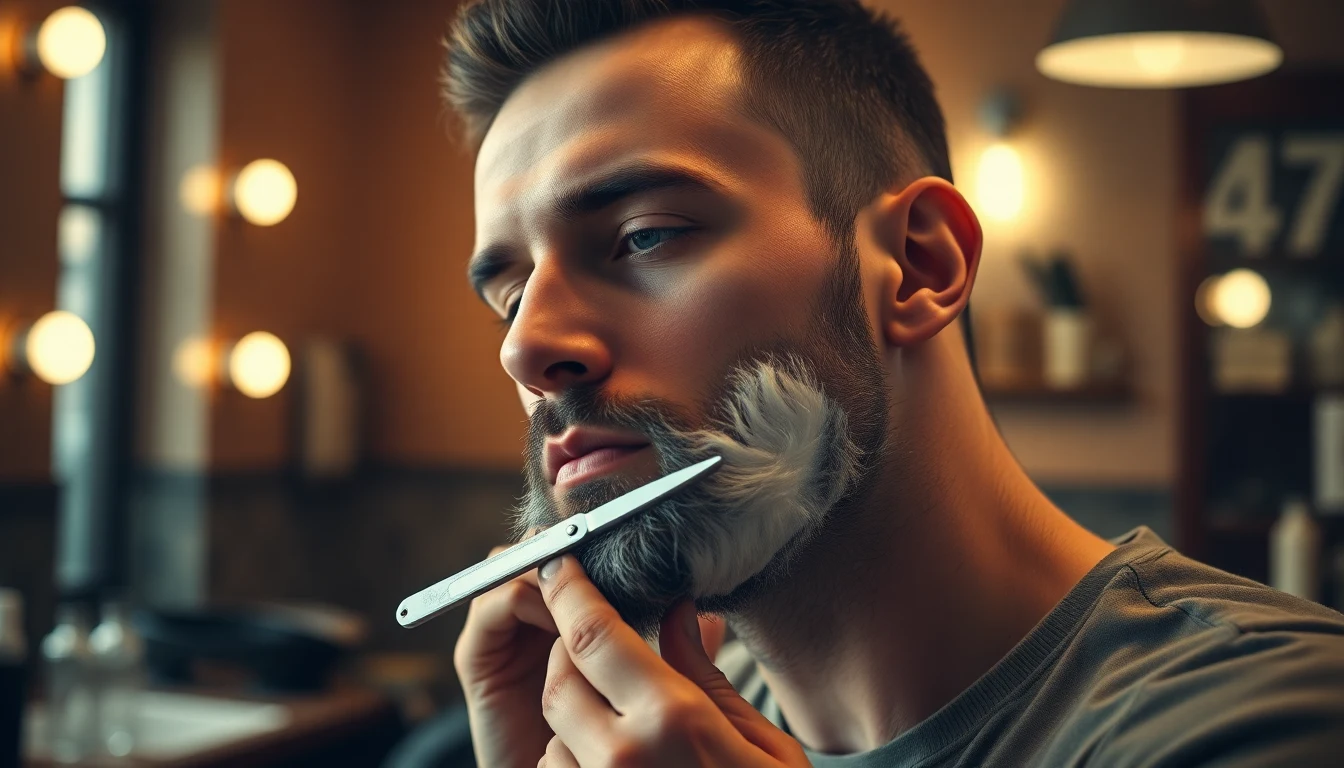
Learning how to shave with a straight razor is one of the most rewarding grooming skills a man can pick up. It delivers the closest shave possible, saves real money over time, and turns a daily chore into something you actually look forward to. But it also requires patience, respect for the blade, and proper technique.
This guide breaks down everything you need to know: the right equipment, the prep that prevents nicks, the exact angle and stroke technique, how to handle problem areas, and the maintenance that keeps your razor performing for decades. Most men need 3 to 4 weeks of daily practice before they feel confident. That is completely normal. Stick with it.
Why Men Use Straight Razors for How To Shave With a Straight Razor
Before we get into technique, it is worth understanding why straight razor shaving has seen a serious comeback. There are practical reasons that go well beyond nostalgia.
The Closest Shave You Will Ever Get
A straight razor gives you a single, incredibly sharp blade that sits flat against your skin. There is no cartridge housing creating distance between blade and face. No multi-blade system pulling hairs before cutting them. Just one edge, honed to surgical sharpness, removing stubble right at the skin’s surface. The result is a level of smoothness that cartridge razors and even electric shavers simply cannot match.
Saves Money Long-Term
A quality straight razor costs between $30 and $200 depending on brand and steel. A good strop runs another $25 to $60. After that initial investment, your ongoing costs are essentially zero. Compare that to cartridge razors where replacement heads run $3 to $6 each, and you are looking at $50 to $150 per year in blades alone. A well-maintained straight razor lasts a lifetime. Your grandfather may have used the same one for 40 years.
Better for Your Skin
Single-blade shaving reduces irritation for many men. Multi-blade cartridges use a lift-and-cut system that tugs hairs below the skin line, which can trigger razor bumps and ingrown hairs. A straight razor cuts hair cleanly at the surface without that aggressive pulling action. If you have dealt with post-shave bumps or redness, switching to a single blade often makes a noticeable difference.
The Ritual Factor
This matters more than most men expect. Straight razor shaving forces you to slow down, focus, and be deliberate. There is no rushing through it. Many men find that this 15 to 20 minute morning routine becomes a form of meditation, a quiet reset before the day starts. That mental shift alone is worth the learning curve for a lot of guys.
Equipment You Need
Do not overcomplicate your starter kit. You need five core items, and you can add extras later once you know what you are doing.
The Straight Razor
For beginners, I recommend a 5/8-inch blade width with a round point. The round point is more forgiving around the nose and ears compared to a square or French point. Look for high-carbon steel or stainless steel from reputable makers. A Dovo straight razor is a solid starting point at a reasonable price. Avoid anything under $20. Those cheap razors use soft steel that will not hold an edge and will frustrate you into quitting. (We recommend this Utopia Care Professional Straight Razor for.)
A Leather Strop
The strop realigns the microscopic edge of your blade before every shave. You need a hanging strop with a smooth leather side and a canvas or linen side. A Parker leather strop is a reliable beginner option. Do not cheap out here. A bad strop can round your edge instead of refining it.
Shaving Brush
A badger hair or quality synthetic brush creates the dense, warm lather that straight razor shaving demands. The brush lifts facial hair, exfoliates skin, and works the soap or cream into a protective cushion. A silvertip badger brush delivers the softest tips and best water retention, but a good synthetic brush works perfectly fine for beginners at half the cost.
Shaving Soap or Cream
Skip the canned foam. You need a proper shaving soap or cream that creates a thick, slick lather. Look for products with glycerin, lanolin, or shea butter. These ingredients create the lubrication layer that lets the blade glide rather than drag. Artisan soaps from companies like Barrister and Mann or Stirling Soap Company are excellent choices.

A Shaving Bowl or Scuttle
When you learn how to shave with a straight razor, You need something to build your lather in. A wide ceramic bowl works perfectly. A scuttle (a double-walled bowl you fill with hot water) keeps your lather warm throughout the shave, which is a nice touch but not essential when starting out.
Optional But Helpful
An alum block for post-shave antiseptic treatment. A quality aftershave balm to soothe and moisturize. Pre-shave oil if you have particularly dry or sensitive skin. A blade honing stone for maintenance every 6 to 12 months (or you can send your razor out for professional honing).
Prep: The Foundation of a Good Shave
Preparation accounts for about 50% of your shave quality. Skip the prep and even perfect technique will not save you from nicks and irritation.
Step 1: Hot Towel Treatment
Soak a clean towel in hot water (not scalding), wring it out, and drape it over your face for 2 to 3 minutes. This does three things: softens the hair shaft so the blade cuts through it more easily, opens pores, and relaxes facial muscles. If you shave right after a hot shower, you can skip this step since the steam has already done the work.
Step 2: Build Your Lather
Load your brush by swirling it on your soap for 20 to 30 seconds. Then work the lather in your bowl, adding small amounts of water until you get a consistency like thick yogurt. The lather should be slick, not fluffy. If it looks like whipped cream, you have added too much air and not enough water. Good lather should leave a thin, glossy film on your skin when you smear a bit on your arm. Mastering how to shave with a takes practice but delivers great results. Mastering how to shave with a takes practice but delivers great results. Mastering how to shave with a takes practice but delivers great results.
Step 3: Apply Lather
Use circular motions to paint the lather onto your face, working it into the grain of your beard. Then use light strokes to smooth the lather and lift the hairs. Take your time here. You want every hair standing up and coated in a thick layer of lather. Do not lather your entire face at once if you are a beginner. Lather one section, shave it, then lather the next section.
The Correct Angle and Technique
This is where most beginners feel nervous when learning how to shave with a straight razor. Take a breath. With proper technique, straight razor shaving is no more dangerous than using a kitchen knife to dice vegetables. You just need to pay attention.
Holding the Razor
Grip the razor with your thumb on the underside of the shank (the metal piece between the blade and the handle) and your index and middle fingers on top of the shank. Your ring finger rests on the tang (the small tail piece). The handle (also called the scales) should be flipped open and resting against the back of your hand, roughly pointing upward. This grip gives you control and allows fine wrist adjustments. (We recommend this Schick Hydro Sensitive Razor.)
The 30-Degree Rule
Hold the blade at approximately 30 degrees to your skin. An easy way to find this angle: lay the blade flat against your face (0 degrees), then slowly tilt the spine away from your skin until only the edge is making contact. That is roughly 30 degrees. Too steep and you will scrape skin. Too shallow and you will not cut hair. With practice, you will feel when the angle is right because the blade will glide through stubble with almost no resistance.
Skin Stretching
This is critical and often overlooked. Use your free hand to pull the skin taut in the opposite direction of your stroke. Stretched skin creates a flat, firm surface for the blade to travel across. Loose skin bunches and folds, which is how nicks happen. Think of it like ironing a shirt: the fabric needs to be smooth and flat for the iron to work properly. For more guidance, Men’s Health provides expert resources on men’s grooming.
Stroke Technique
Use short, controlled strokes of 1 to 2 inches. Do not try to clear your entire cheek in one long sweep. Let the weight of the blade do most of the work. You should be guiding the razor, not pressing it into your skin. If you are applying pressure, your blade is either dull or your angle is wrong. The sound is a helpful guide: you should hear a quiet, even scraping sound, like sandpaper on wood. If it sounds like tearing or catching, stop and adjust.

First Pass: With the Grain
Your first pass should always go with the grain (WTG), meaning in the same direction your hair grows. For most men, that is downward on the cheeks and jawline and downward on the neck, though grain patterns vary.
Mapping Your Grain
Before your first straight razor shave, run your hand across your stubble in different directions. The direction that feels smooth is with the grain. The direction that feels rough or catches is against the grain. Your grain pattern is likely different on your cheeks, jawline, chin, upper lip, and neck. Spend a minute mapping this out. It matters.
Cheeks and Jawline
Start with sideburns on the side of your dominant hand. Hold the razor at 30 degrees, stretch the skin upward with your free hand, and draw the blade downward in short strokes. Work your way across the cheek toward the chin. Reapply lather as needed. For the jawline, tilt your head slightly to expose the area and maintain skin tension.
Chin and Upper Lip
The chin is curved, so shorter strokes are essential. Pull the skin downward or to the side to flatten the surface. For the upper lip, pull your lip down over your teeth to create a flat surface and use very short, careful downward strokes.
Neck
Tilt your head back to expose the neck. The grain on your neck may grow in multiple directions, so pay close attention. Many men have hair that grows upward or at an angle on parts of the neck. Shave with whatever direction the grain flows in each section.
Second Pass: Across the Grain
After completing your first pass, re-lather your entire face. The second pass goes across the grain (XTG), perpendicular to the direction of hair growth. This pass gets you significantly closer without the irritation risk of going directly against the grain.
For most men learning how to shave with a straight razor, across the grain means horizontal strokes on the cheeks and lateral strokes on the neck. Use the same light touch and 30-degree angle. You will notice this pass removes considerably less hair since the first pass did the heavy lifting.
For beginners, two passes (WTG and XTG) are enough. Do not attempt an against-the-grain pass until you have at least a month of consistent practice. Many experienced straight razor shavers skip ATG entirely because the WTG and XTG combination delivers plenty of closeness without the added irritation risk.
Problem Areas: Upper Lip, Under Nose, and Neck
Every man has spots that give him trouble. Here is how to handle the three most common problem areas.
Upper Lip
The upper lip has thin skin stretched over teeth and bone, with hair that often grows in multiple directions. Pull your lip down firmly over your top teeth. Use the very tip of the blade with extremely short strokes. Some men find it easier to shave the upper lip with the blade oriented more vertically, using the toe of the razor for precision. Using the right approach to how to shave with a makes all the difference. Using the right approach to how to shave with a makes all the difference. Understanding how to shave with a is key to a great grooming routine. Understanding how to shave with a is key to a great grooming routine. Understanding how to shave with a is key to a great grooming routine.
Under the Nose
The area directly beneath the nostrils is tricky because of the contour and because you have to work around the nose itself. Push your nose to one side with your free hand to expose the area. Use the toe of the blade with tiny, careful strokes. Many experienced shavers use a “blade buffing” technique here: very short back-and-forth strokes that barely travel any distance.
The Neck
The neck causes the most frustration for beginners because the skin is thinner, the grain pattern is often irregular, and the surface curves in multiple directions. The key is aggressive skin stretching. Pull the skin well below your jawline taut with your free hand. Tilt your head back and to the side. Use shorter strokes than anywhere else on your face. If you are getting irritation on your neck, try shaving that area with the grain only and skipping the cross-grain pass for the first few weeks.

Stropping: Before Every Single Shave
Stropping is not optional. It is as fundamental to straight razor shaving as lathering. Every time you use your razor, microscopic burrs form along the cutting edge. Stropping realigns those burrs, keeping the edge keen and smooth.
How to Strop
Hang your strop from a hook at about waist height and pull it taut with your free hand at roughly a 45-degree angle. Lay the blade flat on the leather with the spine leading (the thick back of the blade touching the leather first). Draw the razor toward you in a smooth stroke using light pressure, about the same weight you would use to pet a cat. At the end of the stroke, flip the razor over the spine (never over the edge) and push it away from you. That is one complete pass.
How Many Passes
Before each shave, do 40 to 60 laps on the leather side and 15 to 20 laps on the canvas or linen side. Canvas goes first (it cleans and pre-aligns), then leather (it polishes and refines). The whole process takes about 2 minutes when learning how to shave with a straight razor
Common Stropping Mistakes
Pressing too hard (this rolls the edge). Flipping the blade over the cutting edge instead of the spine (this damages the edge instantly). Letting the strop go slack (causes the blade to dig in and nick the leather). Rushing (consistency matters more than speed). A ruined strop will actively harm your razor’s edge, so treat the strop with respect.
Honing: Every 6 to 12 Months
Stropping maintains the edge between shaves, but over time the blade will gradually lose its keenness no matter how well you strop. Honing is the process of actually removing steel to create a new, sharp edge. Most men need to hone their straight razor every 6 to 12 months depending on beard coarseness and how often they shave. (We recommend this G.B.S Shaving Straight Razor Kit –.)
The Hanging Hair Test
Hold a single hair between your fingers and touch the edge to it about half an inch above your fingertips. A properly sharp straight razor will slice through the hair with minimal effort. If it deflects the hair or requires sawing, the blade needs honing. (We recommend this Utopia Care Professional Straight Razor for.)
DIY vs. Professional Honing
Learning to hone is a separate skill from learning to shave. For beginners, I strongly recommend sending your razor to a professional honemeister for the first year. It typically costs $15 to $25 per honing. Once you are committed to the hobby and want to invest in a set of whetstones (typically a 1000/4000/8000/12000 grit progression), learning to hone is a worthwhile long-term investment.
Common Beginner Mistakes
After teaching dozens of men to shave with straight razors, I see the same errors come up repeatedly. Avoid these and your learning curve shortens considerably.
Applying Too Much Pressure
This is the number one mistake. The blade should glide under its own weight. If you feel like you need to press, your blade is not sharp enough or your angle is off. Adding pressure does not give you a closer shave. It gives you cuts and irritation.
Skipping Prep
Shaving with a straight razor on dry, cold skin with mediocre lather is asking for trouble. The prep is not a suggestion. It is essential. If you are short on time, at least shave right after a hot shower and use a quality lather.
Going Against the Grain Too Soon
You read about the baby-smooth ATG pass online and tried it in your second week. Now you have razor burn across your entire neck. Against the grain shaving with a straight razor requires excellent technique and blade control. Build your skills with WTG and XTG passes for at least 4 to 6 weeks before even considering ATG.
Using a Dull Blade
A dull straight razor is actually more dangerous than a sharp one. It requires more pressure, it catches and tugs on hair, and it is more likely to skip across your skin unpredictably. Keep your blade stropped before every shave and honed on schedule.
Shaving Too Quickly
A straight razor shave takes 15 to 20 minutes, especially while learning. Trying to rush through it in 5 minutes leads to sloppy technique, missed spots, and nicks. Build the time into your morning routine. This is a skill that rewards patience.

Neglecting the Strop
Some beginners strop inconsistently or skip it entirely, then wonder why their razor feels rough after a few shaves. Strop every single time, no exceptions. It takes 2 minutes and makes the difference between a comfortable shave and a miserable one. When it comes to how to shave with a, technique matters most. When it comes to how to shave with a, technique matters most. When it comes to how to shave with a, technique matters most.
Recommended Starter Straight Razors and Kits
If you are ready to get started, here are the options I recommend at different price points.
Budget-Friendly Entry
A Parker SRW shavette uses disposable half-DE blades, so there is no honing required. It teaches you the grip, angle, and technique of straight razor shaving without the upfront investment of a traditional straight razor. At around $20 to $30 with blades included, it is a low-risk way to test whether this style of shaving is for you.
Traditional Starter
A Dovo 5/8″ round point straight razor paired with a Parker leather strop and a quality synthetic brush. This setup runs about $100 to $150 total and gives you everything you need for years of shaving. Dovo uses Solingen steel, which holds an edge well and hones beautifully.
Complete Kit
For men who want everything in one purchase, a complete straight razor kit that includes a razor, strop, brush, bowl, soap, and alum block is the most convenient route. These kits are curated so everything works together, and they typically save 15 to 20 percent compared to buying each item separately. (We recommend this Gentleman Jon Straight Razor Shaving Kit.)
Whichever route you choose, pair it with a solid shaving cream or soap and a proper aftershave for post-shave care. The blade is important, but the products you use around it matter just as much for comfort.
Post-Shave Care
After your final pass, rinse your face with cold water to close pores and remove any remaining lather. Pat dry with a clean towel. Do not rub. Apply an alum block to any areas where you feel slight irritation. The alum acts as an antiseptic and tightens the skin. After a minute, rinse the alum off and apply your aftershave balm.
For your razor, rinse it thoroughly under warm water, dry it completely with a soft cloth, and store it in a dry place. Moisture is the enemy of carbon steel. Some men apply a light coat of mineral oil to the blade for extra protection, especially in humid climates.
How Long Does It Take to Learn?
Expect the first week to be awkward. Your hand will feel unsteady, you will miss spots, and you might get a nick or two. This is normal. By week 2, you will start developing muscle memory for the grip and angle. By week 3 to 4, you will feel genuinely comfortable and your shaves will start producing noticeably better results than your old cartridge razor. By month 3, you will wonder why you did not switch sooner.
The key is consistency. Shave with your straight razor every day or every other day during the learning period. Long gaps between shaves reset your muscle memory and slow your progress. If you are comparing this to learning with a safety razor, the straight razor has a steeper curve but delivers greater precision once you are skilled.
Frequently Asked Questions
How long does it take to learn to shave with a straight razor?
Most men need 3 to 4 weeks of daily practice to feel comfortable with a straight razor. You will get a serviceable shave by the end of week 1, a good shave by week 2 to 3, and a genuinely excellent shave by week 4 to 6. Full mastery, where you can shave quickly and confidently around every contour of your face, typically takes 2 to 3 months.
Are straight razors dangerous?
No more dangerous than a sharp kitchen knife when used with proper technique. The most common injuries are small nicks, which are minor and heal quickly. Serious cuts from straight razors are extremely rare and almost always result from either a loss of focus (distraction) or using excessive pressure. If you maintain a 30-degree angle, stretch your skin, and let the blade do the work, you will be fine. (We recommend this Gillette Fusion5 Razors for Men.)
Straight razor vs safety razor: which is better for beginners?
A safety razor is easier to learn because the guard limits blade exposure. A straight razor has no guard, which means a steeper learning curve but greater precision and control once you develop the skill. If you are brand new to wet shaving, starting with a safety razor and transitioning to a straight razor after a few months is a perfectly valid approach. But plenty of men jump straight to the straight razor and do just fine.
How do you strop a straight razor properly?
Hold the strop taut at about waist height. Lay the blade flat with the spine (the thick back) touching the leather first. Pull toward you with very light pressure. At the end of the stroke, flip the blade over the spine (never the edge) and push away. Do 40 to 60 laps on leather and 15 to 20 on canvas before every shave. The entire process takes about 2 minutes.
Can I use a straight razor on my head?
Yes, though it requires even more care than face shaving due to the curved surfaces and harder-to-reach areas at the back of your skull. Many men who shave their heads prefer a safety razor or shavette for the back of the head and use a straight razor on the sides and top where they can see what they are doing. If you want the closest possible head shave, a straight razor delivers, but budget extra time and practice on your face first.
Further reading: For more grooming research, see the latest men’s health guides.
Explore more at CulturedGrooming.com.
Further reading: For research-backed grooming advice, see Healthline Men’s Health.
Frequently Asked Questions
How long does it take to learn how to shave with a straight razor as a beginner?
Most beginners can achieve acceptable results within 2-4 weeks of consistent practice, though mastering the technique typically takes 2-3 months. The learning curve depends on your dedication to proper prep work, technique, and regular practice with each shave.
Are straight razors safe to use, and what’s the actual risk of cutting yourself?
Straight razors are safe when used with proper technique and care. While they are sharp, most minor nicks are superficial and minor compared to safety razors if you follow the angle guidelines and avoid applying excess pressure during your shave.
What equipment do I absolutely need to get started with straight razor shaving?
You need a straight razor, a leather strop for maintenance, a shaving brush, shaving soap or cream, and a shaving bowl or scuttle. These core items are essential for proper technique and blade care, though you can add optional prep tools like a preshave oil as you progress.
How often should I strop and hone my straight razor to keep it in good condition?
You should strop your razor before every single shave to maintain the edge, which takes about one minute. Professional honing should be done every 6 to 12 months depending on usage frequency, or you can use the hanging hair test to determine when your blade needs professional attention.