
If you want to master how to soften your beard, this guide covers everything you need to know. Your beard grows in coarse. That is not a flaw. Tightly coiled 4B and 4C facial hair has a flat, ribbon-like shape that makes each strand feel rougher than straight or wavy hair. The good news: learning how to soften beard hair is straightforward once you understand why it feels wiry in the first place. I have spent years testing products and routines on my own beard, talking to barbers in Atlanta about what actually works, and separating real results from marketing noise. If you only read one section, jump to Method 1 (beard oil) and Method 4 (hot towel treatment). Those two alone will transform how your beard feels within a week.
Here is the quick version of all seven methods:
- Beard oil penetrates the hair shaft and softens from the inside out
- Beard conditioner coats and smooths the outer cuticle layer
- Beard balm seals in moisture and tames flyaways
- Hot towel treatment opens cuticles and preps hair for deep conditioning
- Proper washing technique cleans without stripping natural oils
- Boar bristle brushing distributes sebum from root to tip
- Diet and hydration supports healthy hair growth from the inside
Why Your Beard Feels Coarse (The Science): How To Soften Your Beard
Before I walk through the seven methods, you need to understand what you are working with. Beard hair is androgenic hair, meaning it grows in response to testosterone and dihydrotestosterone (DHT). Compared to the hair on your head, beard hair is thicker in diameter, has a more irregular cross-section, and has a rougher cuticle layer.
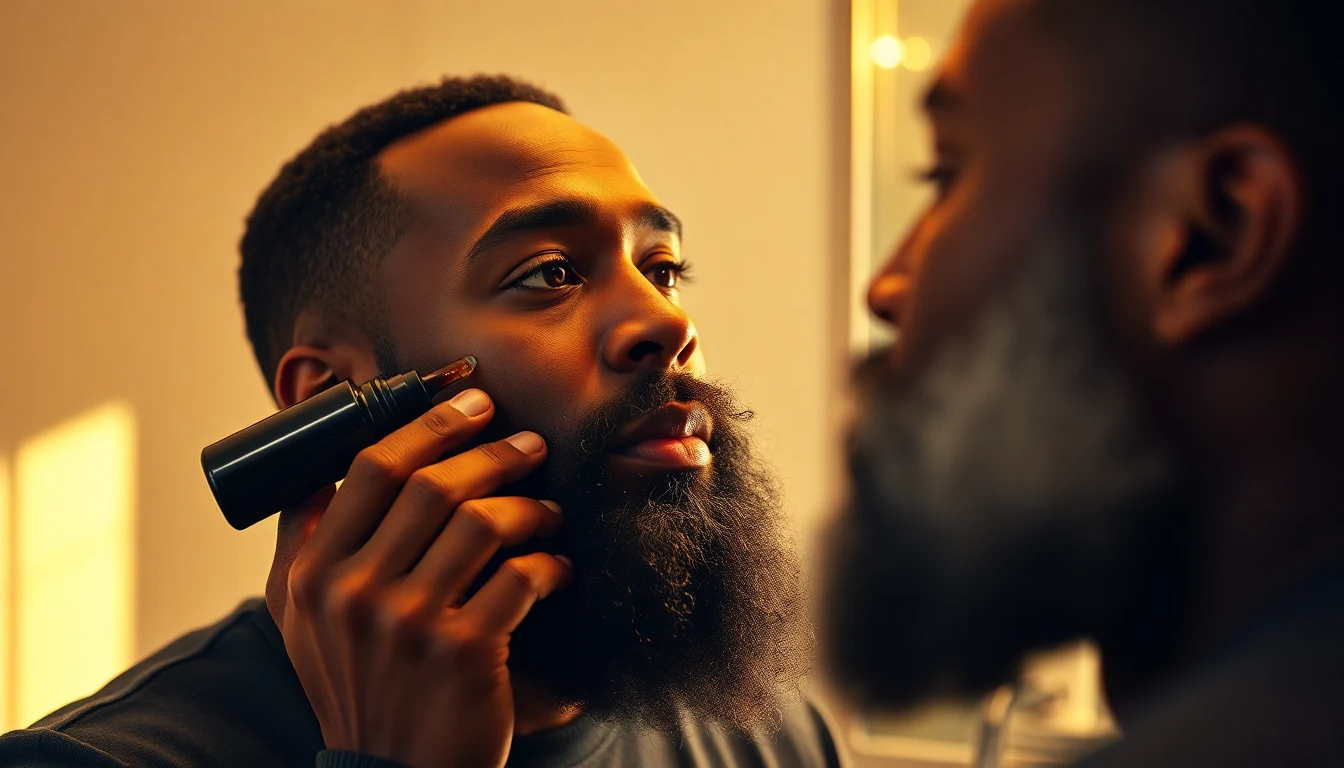
For Black men, there is an extra factor. Our facial hair tends to be tightly coiled with a flat or elliptical cross-section rather than a round one. That shape creates more friction between strands, which is why your beard can feel like steel wool even when it is clean. The cuticle layer on coiled hair is also more prone to lifting, which exposes the inner cortex and makes the hair feel dry and brittle.
The Role of Sebum
Your skin produces sebum, a natural oil that lubricates hair follicles. On your scalp, sebum travels down the hair shaft by gravity. In your beard, the journey is shorter, but the coiled shape of textured facial hair creates more surface area for the sebum to cover. The result: sebum does not distribute evenly. The roots might be oily while the tips are bone dry.
This is why every softening method on this list is essentially doing one of two things: adding moisture, or helping your body’s natural moisture reach where it needs to go.
Hair Structure Breakdown
| Layer | Function | Why It Matters for Softness |
|---|---|---|
| Cuticle (outer) | Protective barrier of overlapping scales | When cuticles lie flat, hair feels smooth. When they lift, hair feels rough. |
| Cortex (middle) | Contains keratin protein and moisture | Hydrated cortex = flexible, soft hair. Dehydrated cortex = brittle, wiry hair. |
| Medulla (inner) | Core structure (not always present in fine hair) | Thicker beard hairs have a medulla, contributing to that coarse feel. |
Now that you know the why, let’s get into the how.
Method 1: Beard Oil (The Foundation)
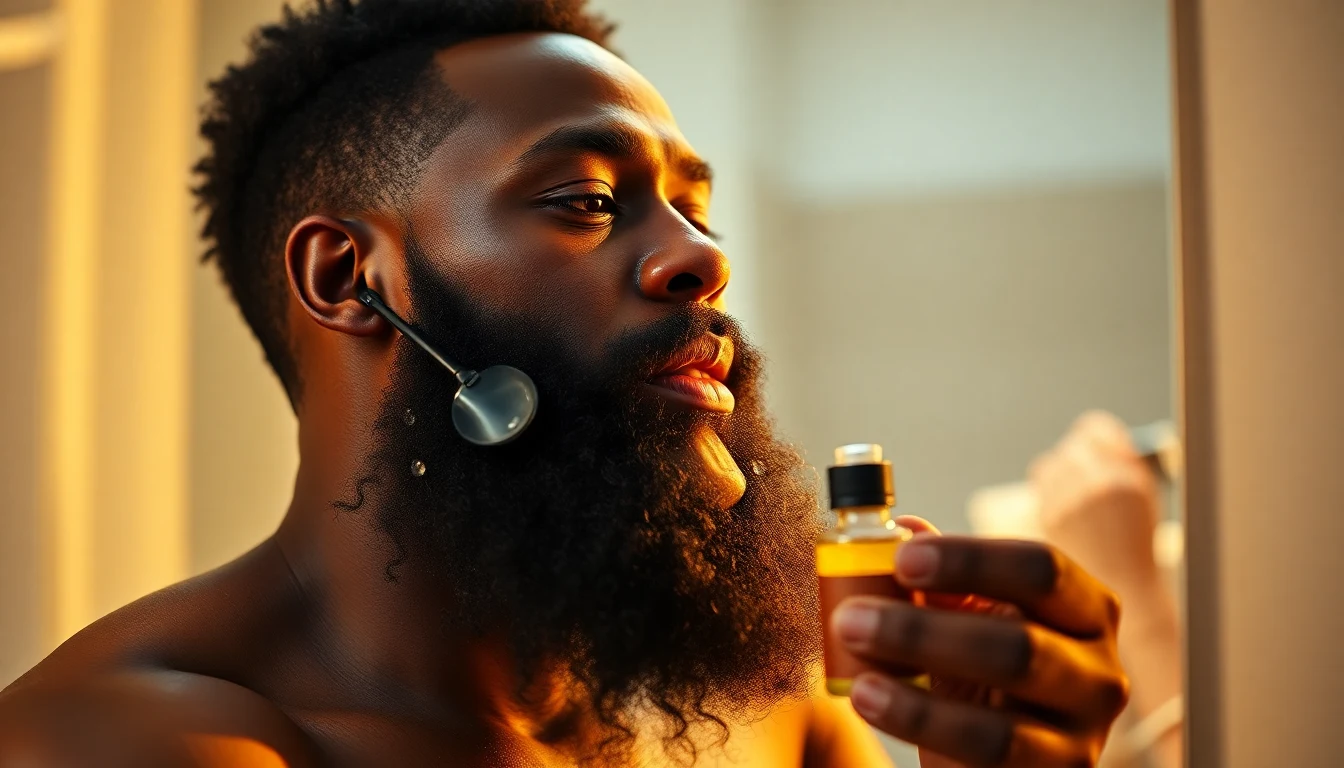
If you do nothing else on this list, use beard oil. I am not being dramatic. Beard oil is the single most effective tool for softening coarse facial hair because it mimics and supplements your skin’s natural sebum.
A good beard oil contains two types of ingredients: carrier oils that penetrate the hair shaft and essential oils that add scent and sometimes antibacterial properties. The carrier oils are what do the heavy lifting.
Best Carrier Oils for Softening
| Oil | Penetration | Best For | Notes |
|---|---|---|---|
| Jojoba oil | High | All beard types | Most similar to human sebum. Absorbs fast. |
| Argan oil | Medium-High | Dry, coarse beards | Rich in vitamin E. Excellent for 4B/4C texture. |
| Sweet almond oil | Medium | Sensitive skin under beard | Lightweight, non-comedogenic. |
| Grapeseed oil | Medium | Oily skin | Light texture, won’t clog pores. |
| Castor oil | Low | Sealing moisture | Thick. Best mixed with a lighter oil. |
How Much Oil to Use
| Beard Length | Drops | Application Time |
|---|---|---|
| Stubble (under 1/2 inch) | 2-3 drops | 30 seconds |
| Short (1/2 to 1 inch) | 3-5 drops | 1 minute |
| Medium (1 to 3 inches) | 5-8 drops | 2 minutes |
| Long (3+ inches) | 8-12 drops | 3 minutes |
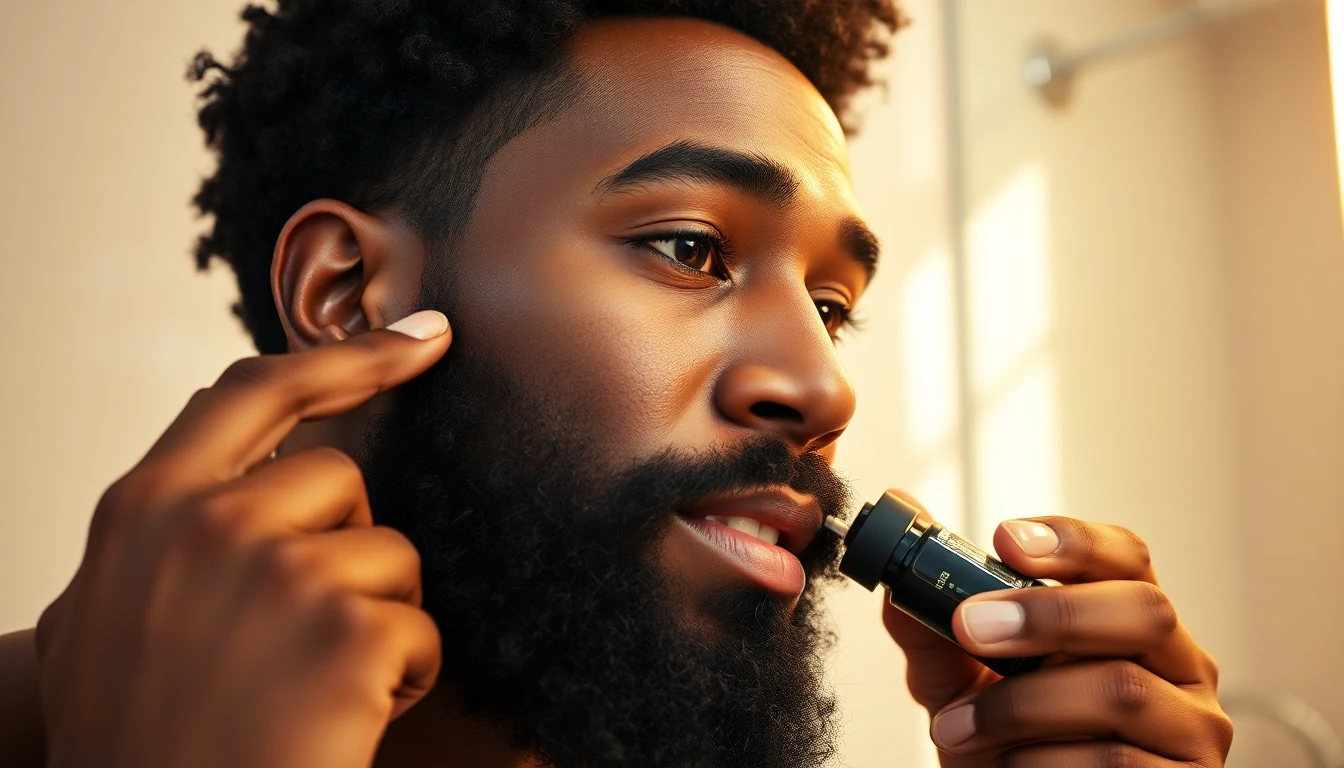
The application technique matters as much as the product. Warm the oil between your palms for about 10 seconds, then work it into the skin underneath your beard first. The skin is where beard itch and flaking start, so feed it. Then work the oil outward through the hair, using your fingers to comb it from root to tip. Finish by using a quality beard comb or brush to distribute evenly.
I have been using jojoba-based beard oils for about three years now, and the difference between a day with oil and a day without is night and day. My partner noticed the change before I did. That tells you something.
Products I Recommend
Scotch Porter Smoothing Beard Oil is my go-to. It is a Black-owned brand, the jojoba and argan base is excellent for coiled beard hair, and it absorbs without leaving a greasy film. For a budget option, SheaMoisture Maracuja & Shea Butter Beard Oil is solid at about half the price.
Works for: Every beard type. Non-negotiable step in any softening routine.
Does not work for: If you have extremely sensitive or acne-prone skin under your beard, choose a non-comedogenic oil like grapeseed or sweet almond. Avoid coconut oil on your face. Despite its popularity, it ranks high on the comedogenic scale and can cause breakouts.
Method 2: Beard Conditioner (Deep Moisture)
Beard oil handles daily maintenance. Beard conditioner handles deep treatment. Think of conditioner as the weekly reset that keeps your beard from reverting to its wiry default.
A beard conditioner works differently than beard oil. While oil penetrates the shaft, conditioner coats the cuticle layer and smooths those lifted scales back down. This reduces friction between strands, which is why your beard feels dramatically softer immediately after conditioning.
Leave-In vs. Rinse-Out
Rinse-out conditioner: Apply in the shower after washing. Leave on for 2 to 3 minutes, then rinse. Use 2 to 3 times per week. This is the heavier treatment. It deposits more moisture into the cuticle. Mastering how to soften your beard takes practice but delivers great results.
Leave-in conditioner: Apply to a towel-dried beard. Do not rinse. Use daily or as needed. This is lighter, works well between deep conditioning sessions, and adds softness without weight. (We recommend this Jack Black Beard Oil for Men.)
For Black men with tightly coiled beards, I recommend using both. Rinse-out twice a week in the shower, and leave-in on the days in between. This two-layer approach keeps the cuticle sealed and the cortex hydrated around the clock.
Key Ingredients to Look For
- Shea butter: Heavy emollient that coats and seals. A staple in Black hair care for good reason.
- Glycerin: Humectant that pulls moisture from the air into your beard. Works best in humid climates.
- Hydrolyzed keratin: Repairs damaged cuticle structure from the outside.
- Aloe vera: Lightweight hydration with anti-inflammatory benefits. Calms itchy skin under the beard.
- Cetyl alcohol: A fatty alcohol (not drying alcohol). It smooths the cuticle and improves slip.
Works for: Beards that feel rough despite using oil. Particularly effective on beards longer than one inch where oil alone cannot coat every strand. Mastering how to soften your beard takes practice but delivers great results. (We recommend this Every Man Jack Mens Beard Oil.)
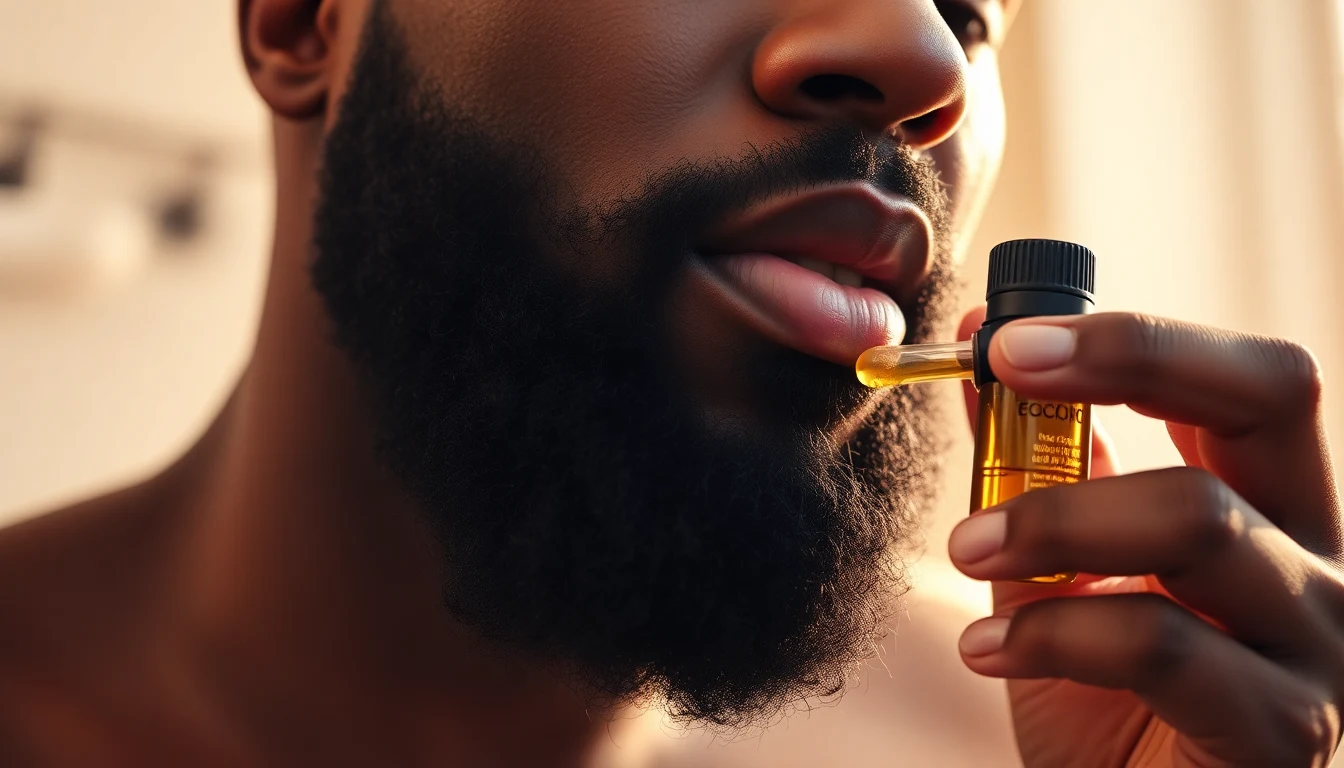
Does not work for: Very short stubble does not need conditioner. At that length, beard oil alone handles everything.
Method 3: Beard Balm (Seal and Shape)
Beard balm is the third layer in what I call the moisture sandwich: oil for penetration, conditioner for cuticle repair, and balm for sealing it all in. Balm also gives you light hold, which helps tame that beard frizz that comes with coiled texture.
Most beard balms contain beeswax, shea butter, carrier oils, and sometimes lanolin. The beeswax creates a thin seal around each strand that locks moisture in and blocks environmental dryness out. In winter, this matters. Cold, dry air is the enemy of a soft beard.
Balm vs. Oil vs. Butter: When to Use Each
| Product | Moisture Level | Hold | Best Time | Ideal Beard Length |
|---|---|---|---|---|
| Beard oil | High penetration | None | After shower, morning | All lengths |
| Beard conditioner | High coating | None | In shower or post-shower | 1 inch+ |
| Beard balm | Medium seal | Light-medium | After oil, before going out | 1 inch+ |
| Beard butter | High seal | None | Nighttime treatment | All lengths |
I layer oil and balm in the morning. Oil goes on first to hydrate. Balm goes on second to seal the moisture in and give the beard some shape. At night, I skip the balm and use a beard butter instead, since I do not need hold while sleeping.
Works for: Beards that lose moisture throughout the day. Men in dry or cold climates. Beards that need mild shaping along with softness. For more guidance, AAD provides expert resources on Black hair care.
Does not work for: If you hate any waxy feel in your beard, skip balm and use butter. Balm has a slight coating feel that not everyone likes.
Method 4: Hot Towel Treatment (Barbershop Secret)
This is the one that separates a decent beard care routine from a great one. Hot towel treatments are the reason your beard feels incredible when you leave a good barbershop. The heat opens your hair cuticles, allowing oils and conditioners to penetrate deeper than they ever could on dry hair.
I learned this from my uncle’s shop in Atlanta. Every beard trim started with a hot towel. Not for luxury. For results. A barber who skips the hot towel before working on a coarse beard is cutting corners, literally and figuratively.
Step-by-Step Hot Towel Treatment
- Soak a clean towel in hot water. Not boiling. You should be able to hold it comfortably. Aim for about 120 to 140 degrees Fahrenheit.
- Wring it out until damp, not dripping.
- Apply beard oil to your beard. Use a generous amount, about double your normal dose.
- Wrap the hot towel around your face and beard. Cover the entire beard area. Leave it on for 3 to 5 minutes.
- Remove the towel and massage the oil deeper into the beard with your fingers.
- Follow with a cold water splash to close the cuticles and lock the moisture in.
Do this 1 to 2 times per week. You will feel the difference after the very first treatment. After two weeks of consistent hot towel sessions, people who touch your beard will ask what changed.
Why Heat Works on Coiled Hair
Heat causes the hydrogen bonds in hair to temporarily loosen. These are the bonds responsible for your beard’s natural shape and texture. When the cuticle opens under heat, oil molecules can slip between the lifted scales and reach the cortex. When you close the cuticle with cold water afterward, that moisture gets trapped inside. The result: genuinely softer hair from the inside, not just a surface coating.
This is the same principle behind deep conditioning treatments for thicker beards. Heat is the catalyst that turns a good product into a great result.
Works for: Every beard type, but especially coarse, tightly coiled beards that resist standard oil application. This is the game changer for 4C facial hair.
Does not work for: If you have active acne, razor bumps, or open irritation under your beard, the heat can aggravate inflammation. Treat the skin condition first, then add hot towels back in. Check our guide on the best face wash for Black men if you need to clear up skin issues underneath your beard.
Method 5: Proper Washing Technique (Stop Stripping Your Oils)
This is where most men go wrong. They wash their beard the same way they wash their body: hot water, harsh soap, every single day. That approach strips every bit of natural sebum from your facial hair and leaves it drier and coarser than before. (We recommend this Every Man Jack Men’s Beard Oil.)
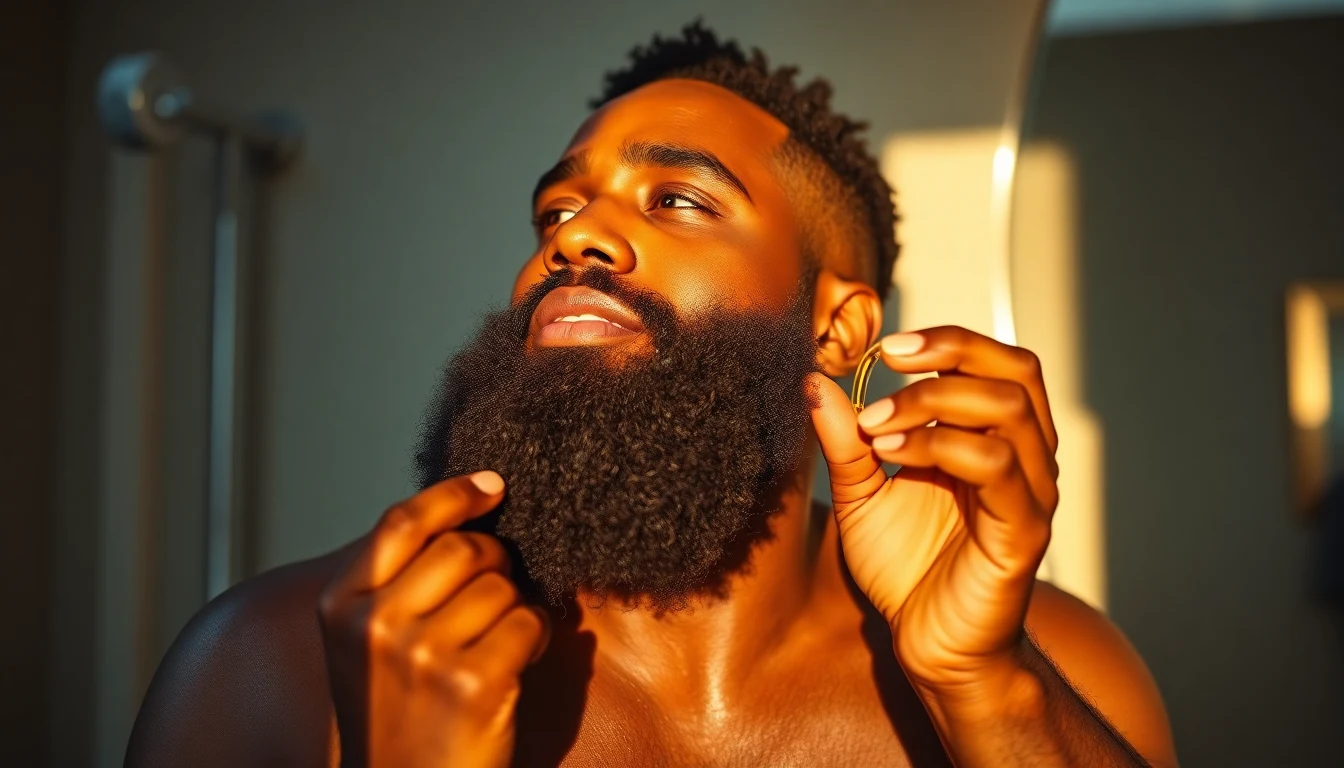
Your beard needs a dedicated wash routine that cleans without over-stripping. Here is the system I follow:
The Washing Rules
- Use a beard-specific wash or a sulfate-free shampoo. Regular body soap and shampoo contain sulfates (sodium lauryl sulfate, sodium laureth sulfate) that are too harsh for facial hair. They strip the cuticle and leave your beard feeling like sandpaper.
- Wash your beard 2 to 3 times per week, not daily. Daily washing removes the sebum that keeps your beard naturally soft. On non-wash days, just rinse with warm water.
- Use lukewarm water, not hot. Hot water strips oils and dehydrates the hair shaft. Warm water is enough to open the cuticle for cleaning.
- Massage the wash into the skin underneath. Your beard skin is where dead cells, product buildup, and bacteria accumulate. Clean the foundation, not just the surface.
- Always condition after washing. Every single time. No exceptions.
Washing Schedule by Beard Type
| Skin Type | Wash Frequency | Conditioner | Notes |
|---|---|---|---|
| Dry skin | 1-2 times per week | Every wash + leave-in daily | Over-washing makes dryness worse |
| Normal skin | 2-3 times per week | Every wash | The sweet spot for most men |
| Oily skin | 3-4 times per week | Every wash, rinse-out only | Skip leave-in if your skin is very oily |
I wash my beard on Monday, Wednesday, and Friday. Tuesday, Thursday, Saturday, and Sunday, I rinse with warm water only and apply oil. My barber back home used to say that the best thing you can do for a coarse beard is stop fighting it with soap. Let your natural oils do their job most of the week, and clean up on scheduled wash days.
If you are looking for the right shampoo, check out our roundup of the best shampoos for Black men. Plenty of those work just as well on your beard as they do on your head.
Works for: Every beard. This is foundational hygiene, not an optional step. Understanding how to soften your beard is key to a great grooming routine.
Does not work for: If you work in a dusty, dirty, or sweaty environment, you may need to wash more frequently. In that case, use a co-wash (conditioner-only wash) on extra days instead of adding more shampoo sessions. Understanding how to soften your beard is key to a great grooming routine. (We recommend this 2PCS Wash Shampoo for Black Men.)
Method 6: Boar Bristle Brushing (Natural Oil Distribution)
A boar bristle brush is the simplest, most underrated tool for beard softness. Here is what it does: the natural bristles pick up sebum from the skin at the base of your beard and carry it along the full length of each strand. This solves the uneven oil distribution problem I mentioned earlier.
Boar bristle brushes also do something mechanical that helps with softness. As you brush through coiled beard hair, the bristles gently smooth the cuticle layer in the direction of growth. Over time, this reduces the rough, prickly feel of each strand. Think of it as training your beard to lie flatter and feel smoother.
How to Brush Your Beard Properly
- Start with a dry or slightly damp beard. Never brush a soaking wet beard. Wet hair is more fragile and prone to breakage.
- Apply a few drops of beard oil first. This gives the brush something to distribute.
- Brush in the direction of growth. Start at the neck and brush downward. Then brush the cheeks downward and outward.
- Use short, gentle strokes. Do not yank through tangles. If you hit a snag, use your fingers to separate the tangle first, then brush through.
- Brush for 2 to 3 minutes. Morning and night is ideal.
Boar Bristle vs. Synthetic vs. Comb
| Tool | Sebum Distribution | Detangling | Best For |
|---|---|---|---|
| Boar bristle brush | Excellent | Good for short-medium beards | Daily oil distribution, softening |
| Synthetic nylon brush | Poor | Better for thick beards | Detangling only |
| Wide-tooth comb | None | Excellent for long beards | Styling and detangling |
| Combination brush (boar + nylon) | Good | Excellent | Thick, coarse beards (best overall) |
For tightly coiled beard hair, I recommend a combination brush that has both boar bristles and longer nylon bristles. The boar bristles handle oil distribution while the nylon bristles can reach through the denser coils. A pure boar bristle brush sometimes cannot penetrate a thick 4C beard on its own.
Works for: All beard types. Especially effective for men who already use beard oil but feel like it does not spread evenly.
Does not work for: Very short stubble (under 1/4 inch) does not have enough length for a brush to grab. At that stage, use your fingertips to distribute oil instead.
Method 7: Diet and Hydration (Build Softness from the Inside)
You can apply every product on the market and still have a wiry beard if your body is not getting what it needs to grow healthy hair. Beard softness starts at the follicle, and the follicle depends on nutrients delivered through your bloodstream.
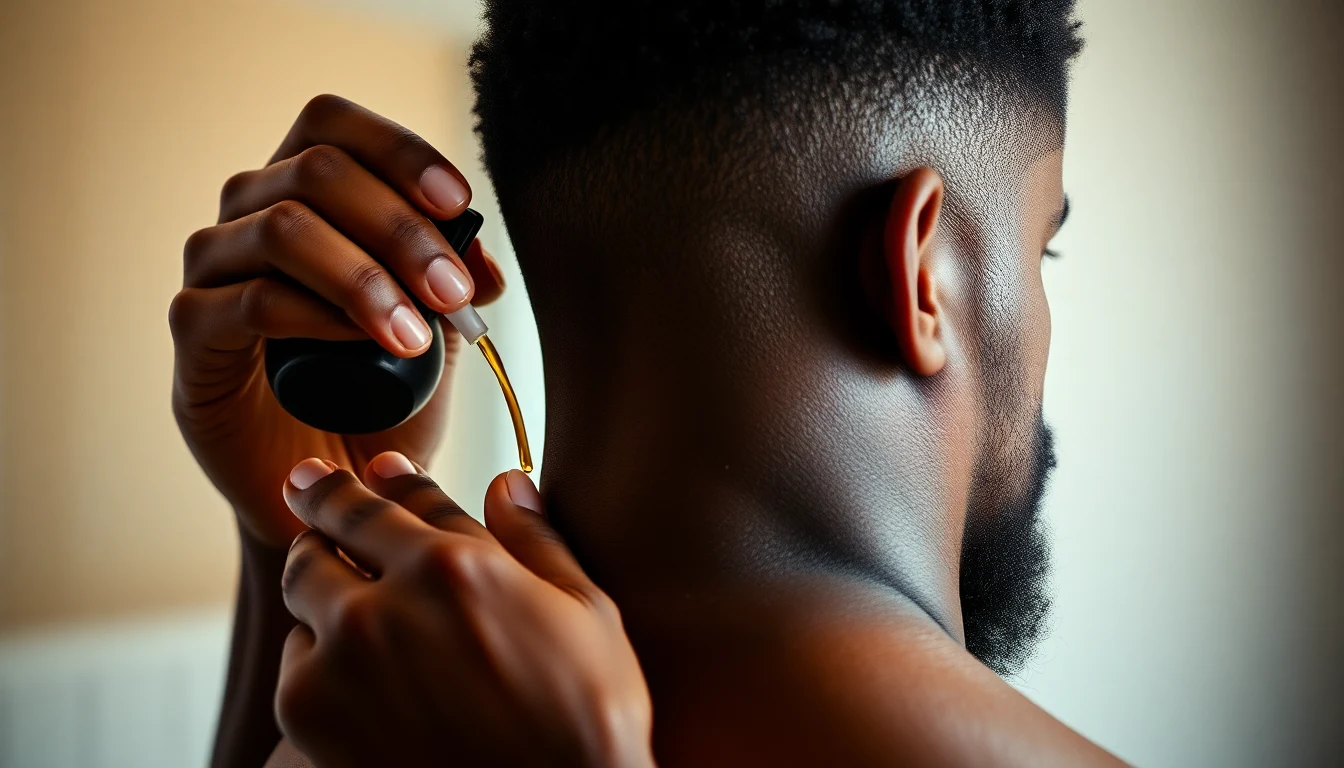
I am not going to pretend that drinking water will transform your beard overnight. But chronic dehydration and poor nutrition absolutely make beard hair drier, more brittle, and harder to soften with topical products. Fix the inside and the outside works better.
Key Nutrients for Beard Health
| Nutrient | Role in Hair Health | Food Sources |
|---|---|---|
| Biotin (B7) | Supports keratin production | Eggs, salmon, sweet potatoes, almonds |
| Omega-3 fatty acids | Hydrate hair from within, support sebum production | Salmon, walnuts, flaxseed, sardines |
| Zinc | Supports follicle health and oil gland function | Red meat, pumpkin seeds, chickpeas |
| Vitamin E | Antioxidant that protects follicles from damage | Sunflower seeds, almonds, spinach |
| Vitamin A | Regulates sebum production | Sweet potatoes, carrots, kale |
| Water | Hydrates hair shaft from the inside | Aim for 8+ glasses daily |
The Biotin Supplement Question
Biotin supplements are everywhere in the beard growth space. Here is the truth: if you are not biotin deficient, supplementing probably will not make a dramatic difference. A 2017 review in the journal Skin Appendage Disorders found that biotin supplementation showed measurable benefits primarily in people with actual biotin deficiency, not in the general population with normal levels.
That said, most biotin supplements are water-soluble and safe at standard doses (2,500 to 5,000 mcg daily). If you want to try it, go ahead. Just do not expect miracles if your diet already includes eggs, nuts, and fish. And be aware that high-dose biotin can interfere with certain lab tests, including thyroid panels. Tell your doctor if you are supplementing.
For more on supporting facial hair growth from the inside out, see our guide on the best beard growth products.
Works for: Long-term beard health. This is the foundation that makes every other method more effective.
Does not work for: Diet changes are slow. You will not feel a softer beard tomorrow because you ate salmon tonight. This is a 4 to 8 week investment in overall hair quality.
The Complete Beard Softening Routine (Daily and Weekly)
Here is exactly how I combine all seven methods into a system. You do not need to do everything every day. Stack the methods across the week for maximum results without burnout.
Daily Routine (5 Minutes)
- Morning: Rinse beard with lukewarm water (unless it is a wash day).
- Pat dry with a clean towel. Do not rub.
- Apply beard oil (amount based on length chart above).
- Brush through with a boar bristle brush for 1 to 2 minutes.
- Apply a small amount of beard balm for seal and shape.
Wash Day Routine (10 Minutes, 2 to 3 Times Per Week)
- Wet beard thoroughly with lukewarm water.
- Apply sulfate-free beard wash. Massage into skin underneath for 30 seconds.
- Rinse thoroughly.
- Apply beard conditioner. Leave on for 2 to 3 minutes.
- Rinse with cool water to close cuticles.
- Pat dry, then apply beard oil and balm as usual.
Weekly Deep Treatment (15 Minutes, 1 to 2 Times Per Week)
- Apply a generous amount of beard oil to dry beard.
- Soak towel in hot water, wring out.
- Wrap hot towel around beard for 3 to 5 minutes.
- Remove towel. Massage oil deeper.
- Splash with cold water.
- Pat dry and style as usual.
Softening Timeline: What to Expect
| Timeframe | What You Will Notice |
|---|---|
| Day 1-3 | Immediate improvement from oil and conditioner. Beard feels less prickly. |
| Week 1 | Consistent softness. Less beard itch. Skin underneath feels healthier. |
| Week 2-3 | Noticeable change in texture. New growth comes in softer because follicles are healthier. |
| Month 1 | Your beard has a different feel entirely. Other people will comment on it. |
| Month 2-3 | Full transformation. Softness is your beard’s default state, not something you have to chase. |
Consistency is what separates men who complain about coarse beards from men who actually have soft ones. The routine takes five minutes a day. That is it.
Common Mistakes That Keep Your Beard Coarse
I see these constantly. Fix these first, and half the battle is already won.
1. Using Regular Body Soap or Bar Soap on Your Beard
Bar soap has a pH between 9 and 10. Your beard and skin are around pH 5.5. That mismatch strips your natural oils, damages the cuticle, and leaves your beard drier than it was before you washed it. Use a dedicated beard wash or sulfate-free shampoo.
2. Washing Your Beard Every Day
Unless you work in a coal mine, your beard does not need daily shampooing. Over-washing is the number one reason men’s beards feel wiry. Two to three times per week is the sweet spot. Rinse with water on off days.
3. Skipping the Skin Underneath
Your beard grows from follicles in your skin. If the skin is dry, flaky, or clogged, the hair it produces will be drier and more brittle. Every time you apply oil, work it into the skin first, then the hair. A good face moisturizer underneath your beard makes a bigger difference than most men realize.
4. Using Products with Drying Alcohols
Check your product labels. Isopropyl alcohol, alcohol denat, and SD alcohol are drying agents that evaporate moisture from your beard. These show up in some beard sprays and cheap grooming products. Fatty alcohols (cetyl alcohol, cetearyl alcohol) are fine. They actually help with moisture retention. When it comes to how to soften your beard, technique matters most.
5. Not Being Patient
New beard hair grows in coarse. That is biology, not a product failure. It takes about four to six weeks for new growth to soften as the cuticle matures and sebum production catches up. The awkward, scratchy phase is temporary. Push through it. When it comes to how to soften your beard, technique matters most.
6. Ignoring Humidity and Climate
Dry climates and heated indoor air during winter suck moisture out of your beard. If you live somewhere cold and dry, increase your oil application, add a beard butter at night, and consider a humidifier in your bedroom. Your beard reacts to its environment. Adjust accordingly.
Beard Softness by Hair Type: What to Expect
Not every beard will reach the same level of softness. That is not a failure. It is biology. Here is a realistic expectation chart based on hair type:
| Hair Type | Starting Texture | Achievable Softness | Priority Methods |
|---|---|---|---|
| Straight (Type 1) | Wiry when dry | Very soft with basic oil | Oil + washing technique |
| Wavy (Type 2) | Rough in spots | Soft with consistent care | Oil + conditioner |
| Curly (Type 3) | Coarse, tangles easily | Soft and manageable | Oil + conditioner + balm |
| Coiled (Type 4A-4B) | Very coarse, dry tips | Significantly softer with full routine | All 7 methods |
| Tightly coiled (Type 4C) | Extremely coarse, rough cuticle | Softer and more manageable, never silky-straight | All 7 methods with extra emphasis on hot towels |
If you have 4C facial hair, your beard will never feel like a Type 1 straight beard. That is perfectly fine. The goal is not to change your texture. The goal is to make your natural texture feel healthy, hydrated, and comfortable. That is 100% achievable.
For more on working with your natural beard texture, check out our guide to Black men’s beard styles that look sharp in 2026.
Product Recommendations by Budget
You do not need to spend a fortune. Here is a breakdown by price tier:
Budget (Under $30 Total)
- Beard oil: SheaMoisture Maracuja & Shea Butter Beard Oil (~$10)
- Beard wash: Cremo Beard Wash (~$8)
- Brush: Any boar bristle brush from your local beauty supply (~$8)
Mid-Range ($30-$60 Total)
- Beard oil: Scotch Porter Smoothing Beard Oil (~$15)
- Beard conditioner: Frederick Benjamin Beard Conditioner (~$14)
- Beard balm: Scotch Porter Beard Balm (~$14)
- Brush: Combination boar/nylon brush (~$12)
Premium ($60-$100+ Total)
- Beard oil: Bevel Beard Oil (~$18)
- Beard conditioner: Bevel Beard Conditioner (~$14)
- Beard balm: Honest Amish Heavy Duty Beard Balm (~$16)
- Beard butter: Scotch Porter Beard Butter (~$15)
- Brush: Zeus Boar Bristle Brush (~$18)
- Hot towel set: Barber-grade cotton towels (~$15 for a 6-pack)
At every price tier, the core principle is the same: oil for penetration, conditioner for cuticle repair, and something to seal it all in. The premium tier adds more specialized tools and higher-quality formulations, but the budget tier will still get you 80% of the results.
Frequently Asked Questions
How long does it take to soften a coarse beard?
You will feel an immediate difference after your first oil application, but real transformation takes 2 to 4 weeks of consistent care. By month 2, softness becomes your beard’s default texture. Tightly coiled 4C beards may take slightly longer because the cuticle structure is more resistant, but the results are still significant.
Can I use regular hair conditioner on my beard?
In a pinch, yes. A sulfate-free, silicone-free hair conditioner works as a temporary substitute. However, dedicated beard conditioners are formulated for coarser facial hair and the more sensitive skin on your face. Hair conditioners designed for scalp use may contain ingredients that clog facial pores or cause breakouts.
Does shaving and regrowing make a beard softer?
No. This is a persistent myth. Shaving cuts the hair at its thickest point, creating a blunt tip that feels rougher as it grows back. Over time, the tip naturally tapers and softens. But shaving does not change the structure or texture of the hair that grows from the follicle.
What is the best oil for softening a Black man’s beard?
Jojoba oil is the best single carrier oil because it closely mimics human sebum and penetrates the hair shaft effectively. For tightly coiled 4B and 4C beards, a blend of jojoba and argan oil provides both penetration and surface conditioning. Scotch Porter and Bevel both make excellent beard oils formulated for textured hair.
Should I brush my beard every day to soften it?
Yes, daily brushing with a boar bristle brush distributes natural oils from the skin throughout the beard. Brush for 1 to 2 minutes in the morning after applying oil. For thick, coiled beards, use a combination boar and nylon bristle brush that can penetrate through the density of tightly coiled hair.
Does beard oil alone soften a beard?
Beard oil makes a significant difference on its own, especially for short to medium beards. For longer beards or very coarse textures, combining oil with a conditioner and periodic hot towel treatments produces much better results. Oil penetrates the shaft while conditioner smooths the cuticle, and together they address both internal and external causes of roughness.
Is coconut oil good for softening a beard?
Coconut oil is excellent at penetrating the hair shaft, but it ranks high on the comedogenic scale, meaning it can clog pores and cause acne on your face. If your skin tolerates it, coconut oil works well as an occasional deep treatment. For daily use, jojoba or argan oil are safer choices that provide similar softening benefits without the breakout risk.
Bottom Line
Softening a coarse beard is not complicated. It is consistent. Here is what to remember:
- Beard oil is non-negotiable. Use it daily, applied to the skin first, then worked through the hair.
- Conditioner smooths the cuticle. Use a rinse-out version 2 to 3 times per week after washing.
- Hot towel treatments are the secret weapon. Once or twice a week opens the cuticle for deep oil penetration.
- Stop over-washing. Two to three shampoo sessions per week. Water rinse on off days.
- Brush daily with boar bristles. Distributes oil and trains the cuticle to lie flat.
Your beard’s texture is part of who you are. The goal is not to change it. The goal is to keep it healthy, hydrated, and comfortable. Follow this routine consistently, and within a month, you will have a beard that feels as good as it looks.
If you are still building your beard out, check our guide on how to fix a patchy beard. And if you need a solid trimmer to shape things up as your beard softens, our best beard trimmers for Black men roundup has you covered.
Last updated: February 2026
Further reading: For research-backed grooming advice, see Healthline Men’s Health.
Explore more tips at CulturedGrooming.com.
Further reading: For research-backed grooming advice, see Healthline Men’s Health.