
How to Use Beard Balm (Step-by-Step Guide)
Last updated: February 2026 by Darius Washington
Beard balm is one of those products that sits in your medicine cabinet for weeks because nobody showed you how to use it properly. I get it. I watched my uncle scoop out half a tin, smear it through his beard, and wonder why he looked greasy by noon. The truth is that learning how to use beard balm correctly takes about two minutes, and it makes the difference between a beard that looks intentional and one that looks like it just happened to you. In this guide, I am breaking down the exact technique I use and recommend to every man who asks me about beard care. You will learn the right amount for your beard length, the proper application method, and which balms actually deliver for textured and coarser beard hair. If you only read one section, skip to the step-by-step below.
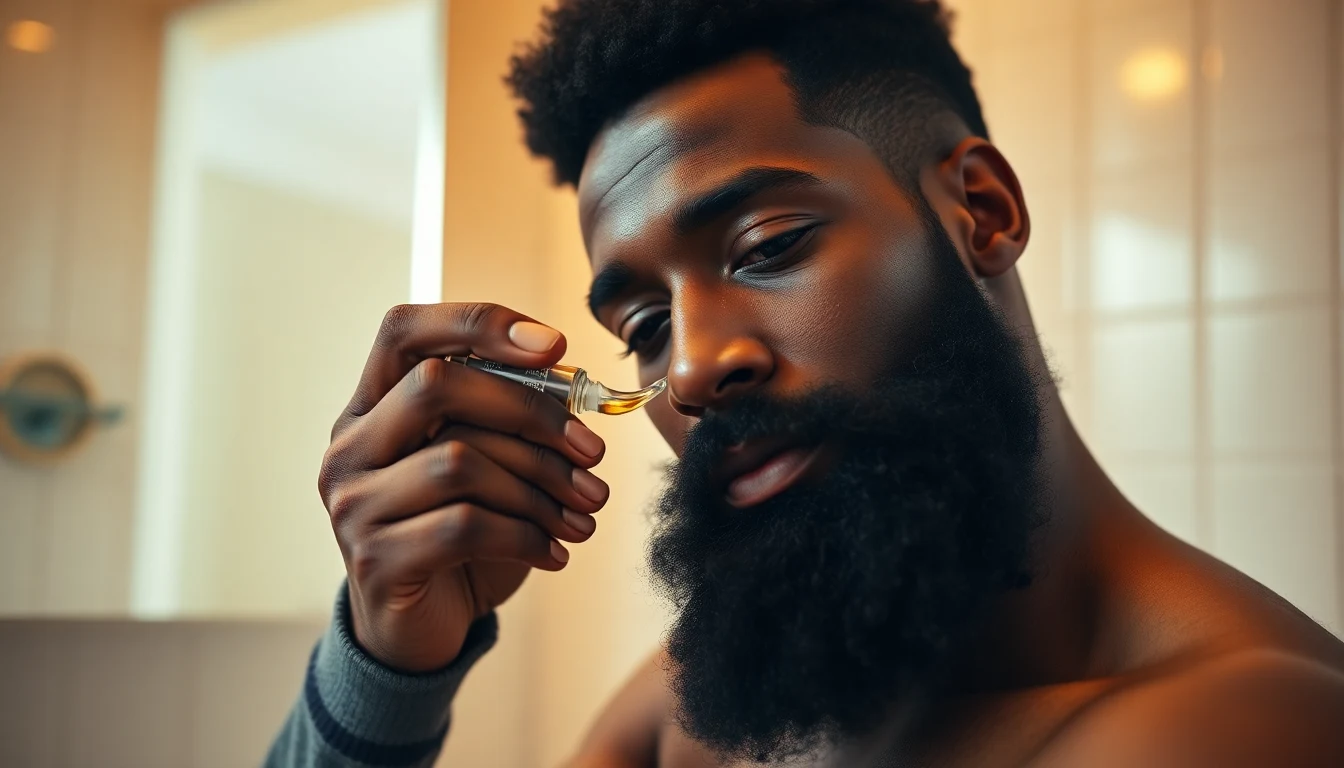
What Is Beard Balm (and What Does It Actually Do)?
Beard balm is a leave-in conditioning product made from a base of butter (usually shea or cocoa), carrier oils (like jojoba, argan, or sweet almond), and beeswax. That beeswax component is the key differentiator. It gives beard balm a light-to-medium hold that you will not get from beard oil alone.
Here is what beard balm does in practice:
- Moisturizes the beard and skin underneath. The butters and oils penetrate the hair shaft and reach the skin below your beard, reducing dryness and itch.
- Provides light hold and shape. Beeswax tames flyaways and gives your beard a controlled, groomed appearance without the stiffness of a styling wax.
- Conditions coarse hair. If you have thick, tightly coiled, or 4C facial hair, the butter base softens the texture over time with consistent use.
- Seals in moisture. The wax creates a light barrier that locks hydration in, which is critical for beards prone to dryness in cold or dry climates.
- Reduces beardruff. By keeping the skin underneath hydrated, balm helps prevent the flaking that comes from dry, neglected skin beneath your beard.
Think of beard balm as the middle ground between beard oil and beard wax. It moisturizes like oil and shapes like wax, but it does both jobs at a moderate level rather than excelling at just one. For most men with beards longer than an inch, beard balm is the single most useful product in your rotation.
Who Should Use Beard Balm?
Beard balm is not a one-size product, and being honest about that upfront saves you money and frustration. Here is who benefits most.
Best Fit: Medium to Long Beards
If your beard is at least one inch long, beard balm starts earning its place. At that length, flyaways become noticeable, the shape gets harder to control, and the skin underneath gets drier because your natural sebum cannot travel the full length of the hair. Balm addresses all three problems simultaneously.
For beards in the two-to-four-inch range, balm is arguably the most important product you own. The hold keeps stray hairs in check. The moisture prevents that wiry, rough feeling that makes people assume you are not grooming at all.
Best Fit: Coarse and Textured Beards
If your facial hair is thick, curly, or coily (particularly 4B and 4C textures), beard balm is not optional. It is essential. Coarser hair loses moisture faster, tangles more easily, and develops a rough texture without consistent conditioning. The shea butter and oil base in most balms is specifically formulated to handle this.
I have 4C facial hair. Without balm, my beard looks dry by midday and feels like steel wool. With it, the texture stays soft and the shape holds until evening. That is not marketing. That is daily experience.
Poor Fit: Very Short Stubble
If your beard is under half an inch, skip the balm. It will sit on top of the hair and make your face look waxy. For stubble-length beards, a good beard oil does the job without the residue. Once your beard grows past the stubble stage, transition to balm or use both together.
Poor Fit: Men Who Want Strong Hold
Beard balm provides light to medium hold. If you need your beard sculpted into a specific shape that stays rigid all day, you need a dedicated beard wax or styling balm with a higher beeswax concentration. Standard balm is for controlled, natural-looking shape, not architectural precision.
How to Use Beard Balm: Step-by-Step Application
This is the method I have used for years and the one I recommend to every brother who sits in the chair and asks me about beard care. It takes less than three minutes once you know the steps.
Step 1: Scoop the Right Amount
The amount of balm you need depends entirely on your beard length. Using too much makes your beard look greasy. Using too little means you get no hold and minimal moisture. Here is the guide:
| Beard Length | Amount of Balm | Visual Reference |
|---|---|---|
| 1-2 inches (short-medium) | Dime-sized | About the size of your pinky fingernail |
| 2-4 inches (medium) | Nickel-sized | About the size of your thumbnail |
| 4-6 inches (long) | Quarter-sized | Full thumbnail plus a bit more |
| 6+ inches (very long) | Quarter-sized, possibly two scoops | Apply in sections for even coverage |
Use the back of your thumbnail or fingertip to scrape the balm out of the tin. It should feel solid to semi-solid at room temperature. If your balm is liquid at room temperature, that is a beard butter, not a balm, and the application technique is slightly different.
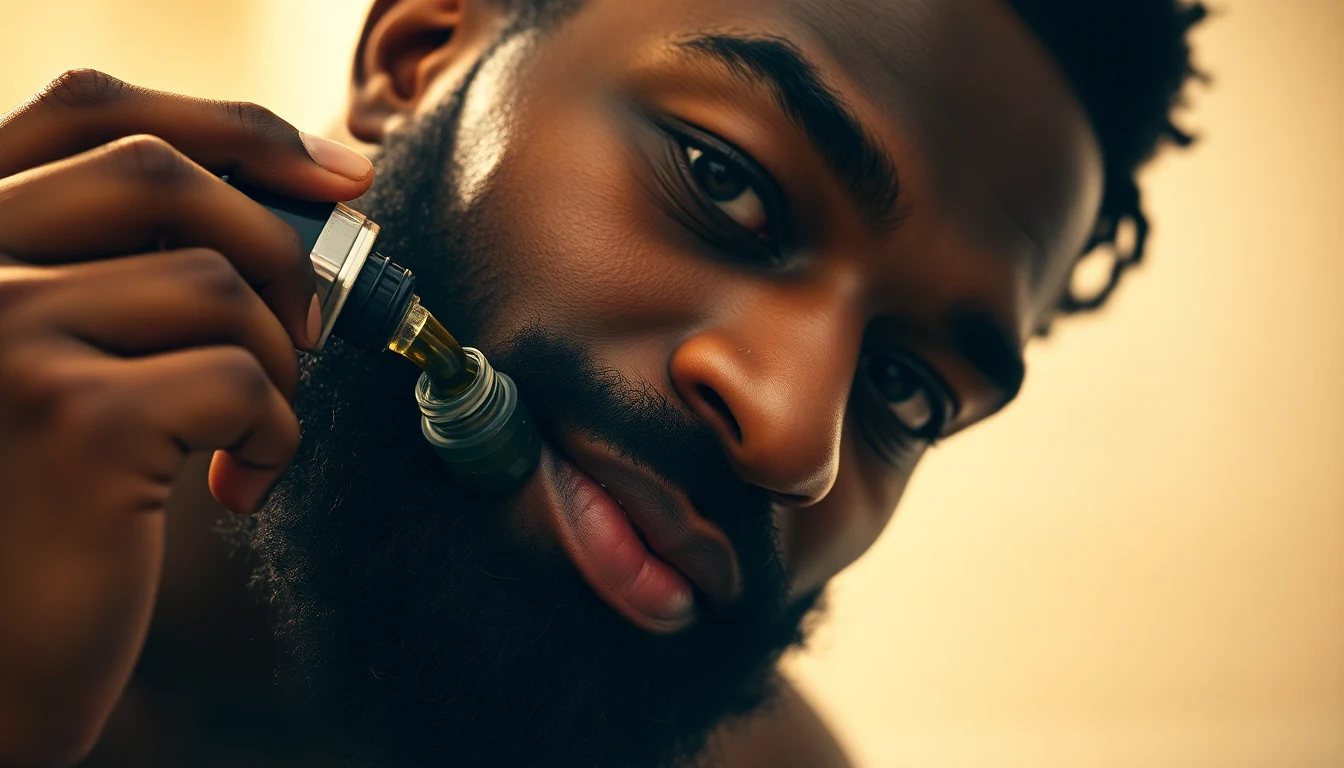
Pro tip for coarse or 4C beards: Start with a nickel-sized amount even for shorter beards. Tightly coiled hair absorbs product faster and needs more moisture than straight or wavy facial hair.
Step 2: Warm It Between Your Palms
This step is not optional. Drop the balm into one palm and rub both hands together vigorously for 10 to 15 seconds. You are generating heat through friction, which melts the beeswax and blends the oils and butters into a smooth, spreadable consistency.
You know it is ready when the balm goes from a semi-solid lump to a thin, even coat across both palms and between your fingers. If you still see chunks, keep rubbing. Applying unmelted balm to your beard creates uneven distribution, clumping, and that waxy look nobody wants.
Step 3: Work Into Your Beard From the Neck Up
Start at the neck, not the top of your beard. This is the part most people get wrong. The skin underneath your chin and along your neck is where dryness, itch, and beardruff originate. By starting from the bottom, you ensure the skin and the roots of your beard hair get product first.
Here is the technique:
- Place both hands under your chin with palms facing your neck.
- Work your fingers up through the beard from the jawline to the cheeks, pushing against the grain. This gets balm to the skin underneath and coats the hair shaft from root to tip.
- Spread outward along the jawline using your palms. Smooth from center to sides.
- Address the mustache area last. Use whatever remains on your fingertips (not a fresh scoop) to lightly coat your mustache. Too much product here makes it look greasy and can get into your mouth.
For longer beards (four inches and up), work in sections. Do the neck and chin first, then the cheeks, then the sides. This prevents you from overloading one area while starving another. Mastering how to use beard balm takes practice but delivers great results.
Step 4: Shape and Style With Your Hands
Once the balm is distributed, use your hands to shape your beard into your preferred style. The beeswax in the balm gives you a brief working window, typically 30 to 60 seconds, before it sets. Mastering how to use beard balm takes practice but delivers great results.
Common shaping moves:
- Flat palm down the front: Smooths the front profile and reduces puffiness.
- Pinch and twist the chin: For pointed or rounded chin shapes.
- Smooth the cheek line: Run your index finger along your desired cheek line to clean up the silhouette.
- Tuck flyaways: Press stray hairs against the body of the beard with your fingers.
If you are growing out a patchy beard, balm is your best friend during the awkward phase. It tames the uneven lengths and makes your beard look more uniform while the thin spots fill in. I wrote a full guide on how to fix a patchy beard if that is your situation.
Step 5: Finish With a Comb or Brush
After shaping with your hands, run a wide-tooth comb or boar bristle brush through your beard to set the final shape. This does three things:
- Distributes the balm evenly so no area is overloaded while another is dry.
- Detangles. Even short beards get minor tangles, especially if you have curly or coily hair.
- Trains the hair direction. Over time, consistent combing after balm application teaches your beard hair to grow in a more uniform direction.
Which tool to use:
| Tool | Best For | Why |
|---|---|---|
| Wide-tooth wooden comb | Medium to long beards, curly/coily texture | Wider spacing prevents snagging and breakage on textured hair |
| Boar bristle brush | Short to medium beards, straight to wavy texture | Bristles distribute product and smooth the surface |
| Dual-sided beard brush | All lengths, daily maintenance | Boar bristle side for smoothing, nylon side for detangling |
For 4B and 4C beard textures, I always recommend a wide-tooth comb first, then a boar bristle brush to finish. The comb handles detangling without ripping hair out, and the brush smooths the surface for a clean look.
Step 6: Clean Up Your Neckline and Cheek Line
Balm application is the ideal time to address your edges. The product makes stray hairs visible and easier to trim. Use a quality beard trimmer to clean up:
- The neckline: One to two finger-widths above your Adam’s apple is the standard guide. Everything below that line gets trimmed.
- The cheek line: If you maintain a defined cheek line, use the edge of the trimmer to remove any hairs above your desired boundary.
You do not need to do this daily. A weekly cleanup is enough for most men. But doing it right after balm application means the stray hairs are standing at attention and easy to spot.
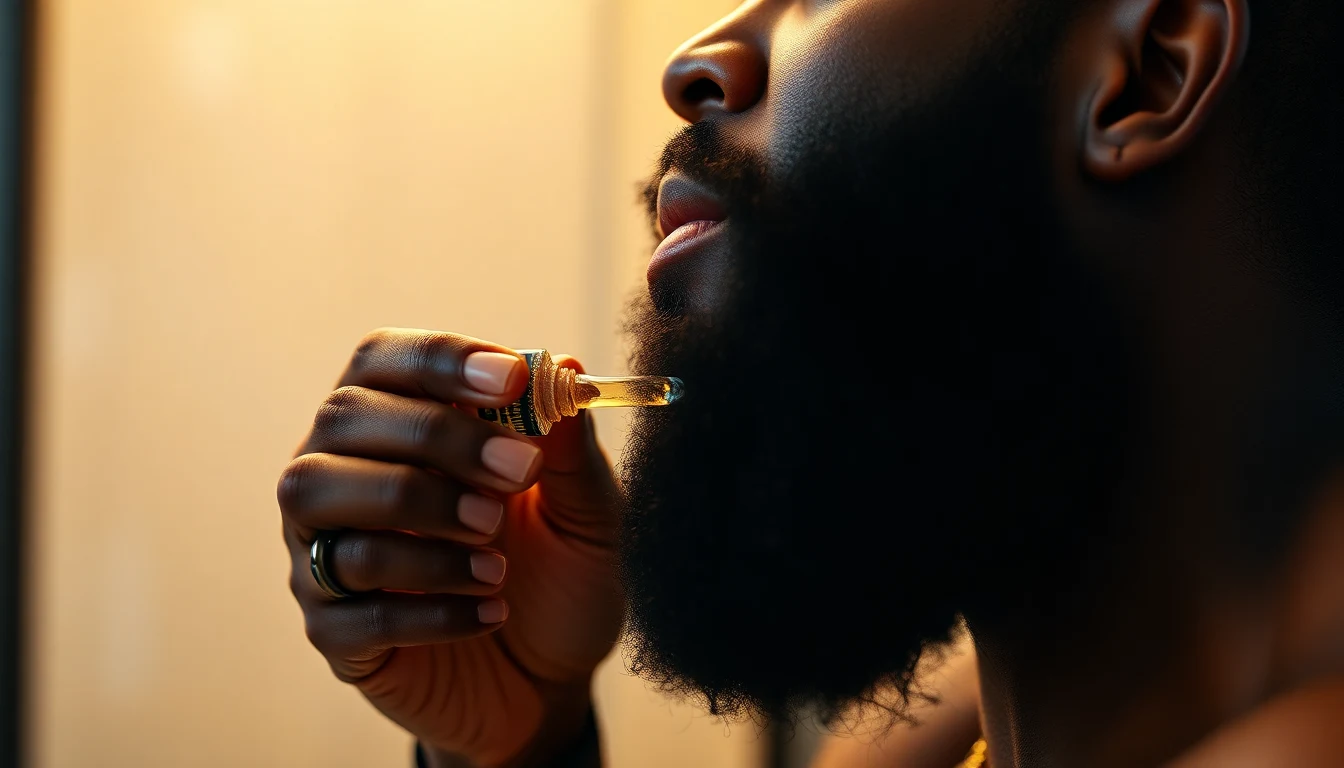
When to Apply Beard Balm (Timing Matters)
Timing your application correctly makes a real difference in how well the product works and how long the results last.
Best Time: After a Shower
The ideal time to apply beard balm is immediately after washing your face or taking a shower, while your beard is still slightly damp (not soaking wet). Here is why:
- Warm water opens the hair cuticle, allowing the oils and butters to penetrate deeper.
- Damp hair is more pliable, making it easier to shape and style.
- The balm seals in the water moisture, locking hydration in for the day.
Pat your beard with a towel until it is about 80% dry, then apply the balm. Applying to a soaking wet beard dilutes the product and reduces hold.
Midday Touch-Up
For longer beards or very dry climates, a small midday touch-up works well. Use half the amount you applied in the morning. Focus on the ends of the beard and any flyaways that have appeared. This is especially useful during winter months when indoor heating strips moisture from your facial hair.
Before Bed? Skip It.
Beard balm is a daytime product. The beeswax that provides hold also traps whatever is on your skin, and overnight that means sweat, dead skin cells, and bacteria. If you want nighttime beard moisture, use a pure beard oil instead. It conditions without the wax barrier.

- All Your Grooming Basics in One: Beard & Hair Shampoo, Body Wash, Face Wash, Bod
- Gentle, Everyday Care: Cleans your face, beard, and body without drying you out
- Powerful Natural Ingredients: Shea Butter softens, Coconut Oil hydrates, Aloe co
Beard Balm vs. Beard Oil vs. Beard Butter: Know the Difference
This is the question I hear most often. Men buy one of these three products thinking they all do the same thing, and then they are confused when their beard still looks wild after applying oil or feels greasy after too much butter. Here is the real breakdown.
| Feature | Beard Balm | Beard Oil | Beard Butter |
|---|---|---|---|
| Base ingredients | Beeswax + butters + carrier oils | Carrier oils + essential oils | Butters + carrier oils (no wax) |
| Hold level | Light to medium | None | Very light |
| Moisture level | Medium to high | High | High |
| Best for beard length | 1 inch and longer | Any length, including stubble | 1 inch and longer |
| Texture on application | Semi-solid, melts with warmth | Liquid | Creamy, soft solid |
| Flyaway control | Strong | Minimal | Moderate |
| Shine level | Low to medium (matte to natural) | Medium to high (healthy sheen) | Medium |
| Skin benefits | Moderate (oils reach skin) | High (liquid absorbs easily) | Moderate |
| Best for coarse/4C beards | Excellent (hold + moisture) | Good (moisture only) | Very good (deep moisture) |
| Price range | $8-$20 | $10-$25 | $10-$20 |
When to Use Each One
Use beard oil if: Your beard is stubble to short length, you want maximum moisture with zero hold, or you need a lightweight nighttime conditioner. If you are shopping for one, check out my guide to the best beard oils for Black men.
Use beard balm if: Your beard is medium to long, you need flyaway control and light shaping, or you want one product that handles both moisture and styling. This is the workhorse product for most men with beards over one inch.
Use beard butter if: Your beard is extremely dry or coarse, you want deep conditioning without any hold, or you prefer a softer, creamier application than balm provides.
Can You Use Beard Oil and Beard Balm Together?
Yes, and for thick or coily beards, I actually recommend it. Here is the layering order:
- Apply beard oil first to a damp beard. The liquid absorbs into the hair shaft and reaches the skin.
- Follow with beard balm to seal in the oil, add hold, and shape your beard.
This combination gives you maximum moisture and hold. It is particularly effective for 4B and 4C facial hair, which tends to drink up single products without lasting results. The oil hydrates, and the balm locks it in. Think of it like using lotion under a heavier cream on your skin.
How to Choose the Right Beard Balm for Your Beard Type
Not all beard balms are made for the same beard. The formulation differences matter, especially when you are dealing with coarser or curlier textures. Here is what to look for.
For Coarse, Curly, or 4C Beards
Look for balms with a higher butter content. Shea butter and mango butter provide deeper conditioning than coconut oil alone. Avoid balms that list beeswax as the first ingredient, because those lean toward hold over moisture. You want moisture first, hold second.
Key ingredients to look for: Understanding how to use beard balm is key to a great grooming routine. Understanding how to use beard balm is key to a great grooming routine.
- Shea butter (deep moisture, softens coarse hair)
- Jojoba oil (mimics natural sebum, absorbs well)
- Argan oil (rich in vitamin E, reduces breakage)
- Mango butter (heavy conditioning without greasiness)
For Straight or Wavy Beards
You can get away with lighter formulations. A standard beeswax-and-carrier-oil balm works fine. If your beard tends toward oily, look for balms with tea tree oil, which helps regulate sebum production without drying the hair.
For Sensitive Skin
If the skin under your beard is prone to irritation, avoid balms with heavy fragrance, especially synthetic fragrances. Look for unscented options or those scented with mild essential oils like cedarwood or eucalyptus. If you have specific skin concerns, my guide on the best face washes for Black men covers how to keep the skin under your beard healthy.
For Beard Growth Phases
If you are actively growing your beard out, balm is critical during the awkward one-to-three-month phase when your beard looks uneven and patchy. The hold tames rogue hairs and creates the illusion of a fuller beard while you wait for the thin spots to fill in. For additional strategies on filling in sparse areas, read my guide on how to get a thicker beard.
6 Best Beard Balms Worth Your Money
I have tested dozens of beard balms over the years. Some of them sit in my cabinet untouched after the first use. These six are the ones I keep coming back to or consistently recommend to other men, especially those with thick and textured beards.
| Product | Price Range | Hold Level | Moisture Level | Best For |
|---|---|---|---|---|
| Honest Amish Classic Beard Balm | $13-$17 | Medium | High | All-around best; thick, dry beards |
| Scotch Porter Beard Balm | $12-$16 | Light-medium | High | Coarse and 4C beards; Black-owned |
| Viking Revolution Beard Balm | $9-$12 | Medium | Medium | Budget pick; everyday use |
| Cremo Beard Balm | $10-$14 | Light | Medium-high | Lighter hold; drugstore availability |
| SheaMoisture Beard Balm | $9-$13 | Light | High | Maximum moisture; coarse/dry beards |
| Bevel Beard Balm | $12-$15 | Light-medium | Medium-high | Sensitive skin; Black-owned |
Honest Amish Classic Beard Balm
This is the balm I recommend to anyone who asks me “what should I buy first?” Honest Amish uses a blend of shea and cocoa butters, beeswax, and a long list of natural carrier oils including argan, avocado, and pumpkin seed. The moisture is excellent, the hold is enough to tame flyaways without making your beard feel stiff, and it works across all beard textures.
Works for: Medium to long beards of any texture, dry climates, men who want a natural scent (light, woodsy).
Skip if: You want a completely unscented product or need heavy hold for a very wild beard.
Scotch Porter Beard Balm
Scotch Porter is a Black-owned grooming brand that formulates specifically for textured hair. Their beard balm is built around shea butter and biotin, which conditions deeply without leaving residue. The hold is lighter than Honest Amish, but the moisture is on par or better. If you have a 4B or 4C beard that tends to dry out, this is the balm that actually lasts through the day.
Works for: Coarse, curly, and coily beards; men who prioritize moisture over hold; anyone who wants to support Black-owned businesses.
Skip if: You need medium-to-firm hold for shaping.
Viking Revolution Beard Balm
The budget pick that outperforms its price tag. Viking Revolution uses argan oil and mango butter in a standard beeswax base. The hold is respectable, the scent is subtle (sandalwood), and a single tin lasts about two months with daily use. At under $12 for a two-pack in some retailers, this is the entry point I recommend for men who have never used beard balm before.
Works for: Budget-conscious men, first-time balm users, straight to wavy beards.
Skip if: You have very coarse or 4C facial hair that needs deep conditioning. The moisture level is adequate but not exceptional for tightly coiled textures.
Cremo Beard Balm
Cremo is available in every drugstore, which makes it the most accessible option on this list. The formulation is lighter than most, with less beeswax and more emphasis on conditioning. If you want a balm that does not feel like a product in your beard, Cremo is the one. The hold is minimal, so this is a conditioning balm, not a styling balm.
Works for: Men who dislike heavy products, lighter beard textures, daily conditioning without visible product.
Skip if: You need any real hold or have a thick beard that requires serious moisture.
SheaMoisture Beard Balm
SheaMoisture knows textured hair. Their beard balm uses maracuja oil and shea butter to deliver deep moisture that coarse beards absorb well. The hold is the lightest on this list, making it more of a conditioning balm than a styling product. But for men whose primary concern is softness and hydration over shape, it delivers consistently.
Works for: Extremely dry beards, 4B and 4C textures, men who layer balm over beard oil.
Skip if: You want any flyaway control or shaping ability.
Bevel Beard Balm
Bevel is the brand built by Tristan Walker with Black men specifically in mind. Their beard balm is formulated for sensitive skin and coarse hair, using a clean ingredient list without synthetic fragrances. If you deal with irritation, itching, or razor bumps around your beard area, Bevel is the safest choice. For a deeper look at their full product line, check out my review in the best beard growth products guide.
Works for: Sensitive skin, irritation-prone beards, men who prefer clean ingredients, Black-owned brand support.
Skip if: You want a strong scent or heavy hold.
Common Beard Balm Mistakes (and How to Fix Them)
I have made every mistake on this list at some point. Avoid my learning curve.
Mistake 1: Using Too Much Product
The number one error. More balm does not mean more control. It means a greasy, heavy beard that collects dust and lint. Start with less than you think you need. You can always add a small second scoop if your beard absorbs the first one quickly. Remember: dime-sized for short beards, nickel for medium.
Mistake 2: Applying to a Dry Beard
Balm works best when your beard has some moisture to lock in. Applying to bone-dry hair means the beeswax sits on the surface and creates a waxy coating instead of conditioning from within. Slightly damp beard, every time.
Mistake 3: Not Warming the Balm Enough
If you see white chunks or clumps in your beard after applying, you did not melt the balm fully between your palms. Rub for a full 10 to 15 seconds. The balm should be a thin, smooth coat across both palms before it touches your beard.
Mistake 4: Only Applying to the Surface
Running balm across the outside of your beard and calling it done defeats the purpose. The skin underneath is where dryness, itch, and flaking start. Work the product inward from the roots, pushing against the grain, before smoothing the surface. When it comes to how to use beard balm, technique matters most.
Mistake 5: Skipping the Comb
Your hands alone cannot distribute balm evenly through a medium or long beard. A comb or brush after application ensures every section gets product and prevents the patchy distribution that makes one side of your beard look greasy while the other side looks dry. When it comes to how to use beard balm, technique matters most.
Mistake 6: Using Balm on Stubble
Beard balm on a half-inch beard is wasted product. The wax has nothing to grip, and it ends up sitting on your skin, clogging pores, and causing breakouts. Stick with beard oil until your beard is at least one inch long.
Beard Balm for Black Men: Why Formulation Matters
I have to address this directly because it is the gap that most generic beard care guides leave wide open.
4B and 4C facial hair has a fundamentally different structure than straight or wavy beard hair. The tight coil pattern means the natural oils your skin produces (sebum) cannot travel down the hair shaft efficiently. On straight hair, sebum slides from root to tip. On coily hair, it gets stuck at the first bend, leaving the rest of the strand dry and brittle.
This is not a cosmetic complaint. It is dermatology. A 2019 study in the Journal of the American Academy of Dermatology confirmed that tightly coiled hair has lower tensile strength and is more susceptible to breakage when dry. For your beard, this means:
- You need more moisture than a standard balm provides. Layer beard oil under your balm for best results.
- You need a balm with high butter content. Beeswax-heavy formulas provide hold but not enough conditioning for coily textures.
- You need to apply daily, not just when you feel like it. Consistency is what prevents dryness, breakage, and beardruff from compounding.
The brands I highlighted above (Scotch Porter, Bevel, SheaMoisture) formulate specifically for this hair type. Generic drugstore balms will technically work, but they are formulated for the average beard, and the average in the grooming industry still defaults to straight hair. I have written about this pattern repeatedly. Choosing products designed for your texture makes a measurable difference.
If you are also dealing with beard itch or the skin underneath your beard feels tight and flaky, that is a sign of dehydrated skin, not just dry hair. A solid moisturizer for Black men applied before your beard oil and balm routine can resolve this within a week.
Building a Complete Beard Care Routine With Balm
Beard balm does not work in isolation. It is one component of a routine, and the routine is what produces results. Here is the daily system I use and recommend.
Morning Routine (5 Minutes)
- Wash your face and beard with a gentle cleanser or beard-safe face wash. Skip harsh soaps that strip natural oils.
- Pat your beard to 80% dry with a clean towel. Avoid rubbing, which causes frizz and breakage on textured hair.
- Apply 3-5 drops of beard oil to your damp beard. Work it into the skin underneath and through the hair. (See my beard oil guide for product picks.)
- Follow with beard balm using the step-by-step technique above. Scoop, warm, apply from neck up, shape, comb.
- Style as desired. If you are going for a specific beard style, this is when you define it.
Weekly Maintenance
- Deep wash (2-3 times per week): Use a dedicated beard shampoo or co-wash. Daily shampooing strips too much natural oil from coily beards.
- Trim and shape (weekly): Use a good trimmer to maintain your neckline, cheek line, and overall shape.
- Deep conditioning (weekly): Apply a generous amount of beard butter or a dedicated conditioner once a week. Leave it on for 10-15 minutes before rinsing.
What NOT to Do
- Do not use head hair products on your beard. Facial hair and scalp hair have different textures and needs. Your scalp shampoo is too harsh for beard hair.
- Do not skip days. Consistency is what transforms a rough, unruly beard into one that looks intentional. One application of balm does nothing. Thirty consecutive applications change the game.
- Do not apply balm over dirty beard hair. Product applied to unwashed hair traps dirt, bacteria, and dead skin cells against your face. Wash first, product second.
Beard Balm Storage and Shelf Life
Beard balm is a natural product with a limited shelf life. Here is how to get the most out of every tin.

- Store at room temperature. Extreme heat will melt the beeswax and separate the ingredients. Extreme cold makes it rock-hard and difficult to scoop.
- Keep the lid on. Exposure to air oxidizes the carrier oils over time, reducing their conditioning properties and eventually creating a rancid smell.
- Shelf life: Most quality beard balms last 12 to 18 months from the date of manufacture. If it smells off or the texture has changed dramatically, replace it.
- Scoop with clean hands. Introducing bacteria into the tin shortens the shelf life. Always apply with freshly washed hands.
Frequently Asked Questions
How much beard balm should I use?
For beards one to two inches long, use a dime-sized amount. For medium beards (two to four inches), use a nickel-sized amount. For long beards (four inches and longer), use a quarter-sized amount or apply in two smaller scoops for better distribution. If you have coarse or 4C facial hair, start with a slightly larger amount because textured hair absorbs product faster.
Can I use beard balm every day?
Yes, and you should. Daily application is what produces visible results. One-time use does very little. The conditioning and softening effects of beard balm compound over time with consistent daily application.
Should I apply beard balm to a wet or dry beard?
Apply to a slightly damp beard, about 80% dry after towel patting. Damp hair absorbs the oils better, and the balm seals in that moisture. Avoid applying to a soaking wet beard (dilutes the product) or a completely dry beard (wax sits on the surface).
What is the difference between beard balm and beard wax?
Beard balm contains a moderate amount of beeswax mixed with butters and oils, providing light hold and conditioning. Beard wax has a much higher beeswax content and focuses almost entirely on hold and shaping, with minimal conditioning benefit. Use balm for daily grooming; use wax only when you need your beard to hold a specific sculpted shape.
Can beard balm help with beard itch?
Yes. Beard itch is usually caused by dry skin underneath the beard. The butters and carrier oils in beard balm moisturize the skin beneath the hair, reducing itchiness within a few days of consistent use. If itch persists after a week of daily balm use, the issue may be fungal (seborrheic dermatitis) and require a medicated approach. See a dermatologist experienced with skin of color if over-the-counter products are not resolving it.
Is beard balm safe for sensitive skin?
Most beard balms are safe for sensitive skin, but check the ingredient list for synthetic fragrances, which are the most common irritant. Brands like Bevel and unscented formulas from Honest Amish are specifically designed for reactive skin. If you have a known allergy to tree nuts, avoid balms with argan, almond, or other nut-derived oils.
Do I need beard balm if I already use beard oil?
If your beard is over one inch long and you need any flyaway control or shaping, yes. Beard oil moisturizes but provides zero hold. Beard balm does both. For the best results, use oil first and layer balm on top to seal in the moisture and add shape.
Final Thoughts
Learning how to use beard balm is not complicated, but doing it correctly is the difference between a beard that works for you and one that just exists on your face. Here is the recap:
- Scoop the right amount (dime for short, nickel for medium, quarter for long).
- Warm fully between your palms before it touches your beard.
- Apply from the neck up, working the product into the skin and roots first.
- Shape with your hands, then finish with a comb or brush.
- Apply daily to a slightly damp beard for the best results.
If you are just getting started, grab a tin of Honest Amish Classic Beard Balm or Scotch Porter Beard Balm (if you want a Black-owned option formulated for textured hair) and follow the steps above for two weeks. You will feel the difference within days.
For more beard care guidance, explore my guides on the best beard styles for Black men in 2026 and beard styles that pair perfectly with a bald head. And if your beard is not growing in as full as you want, check out the best beard growth products to help fill in those gaps.
Your beard deserves more than neglect. Give it five minutes a day and the right balm, and it will give you back a look that commands attention.
Further reading: For research-backed grooming advice, see Healthline Men’s Health.
Explore more tips at CulturedGrooming.com.
Further reading: For research-backed grooming advice, see Healthline Men’s Health.